

Cardiocondyla nigrocerea
- Scientific Name
- Cardiocondyla nigrocerea
- Tribe
- Crematogastrini
- Subfamily
- Myrmicinae
- Author
- Karavaiev, 1935
- Distribution
- Found in 1 countries
Cardiocondyla nigrocerea Overview
Cardiocondyla nigrocerea is an ant species of the genus Cardiocondyla. It is primarily documented in 1 countries , including Indonesia. Detailed taxonomic data and occurrence records can be further explored via authoritative databases such as AntWeb or the Global Biodiversity Information Facility (GBIF).
Cardiocondyla nigrocerea
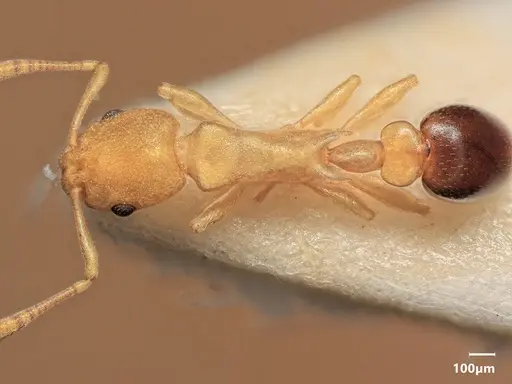
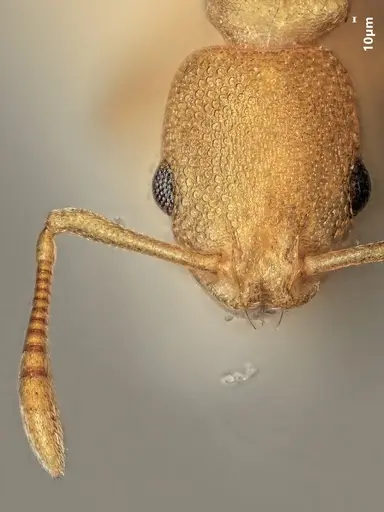
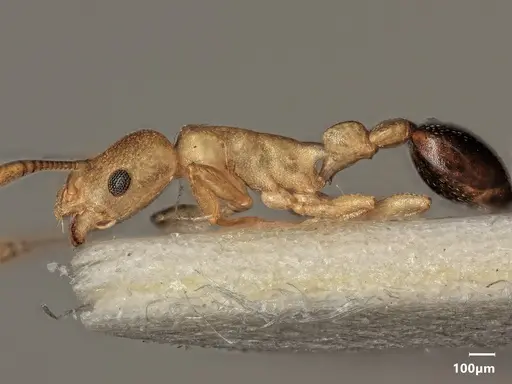
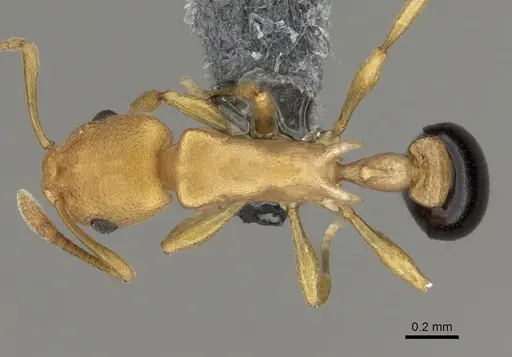
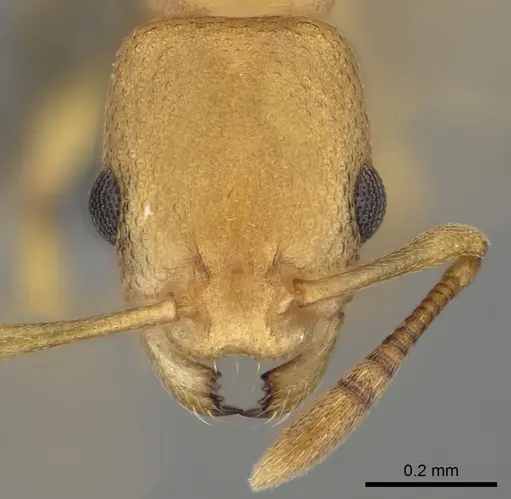
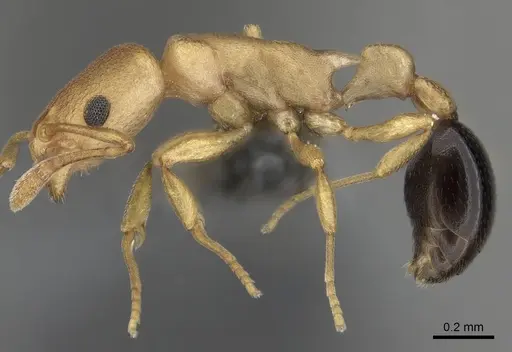
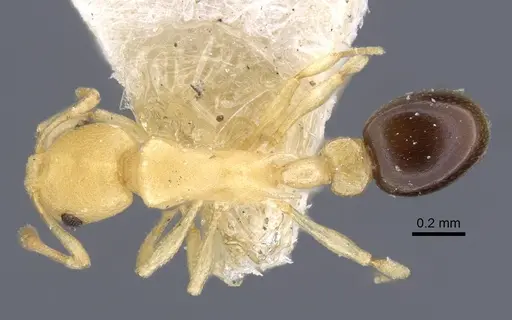
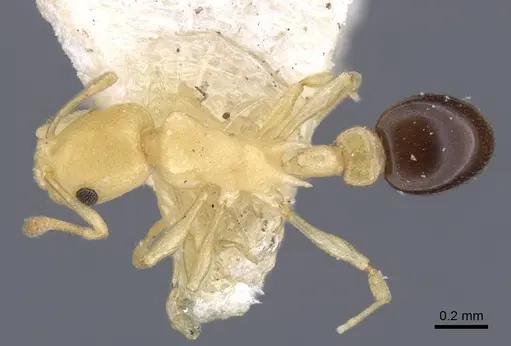
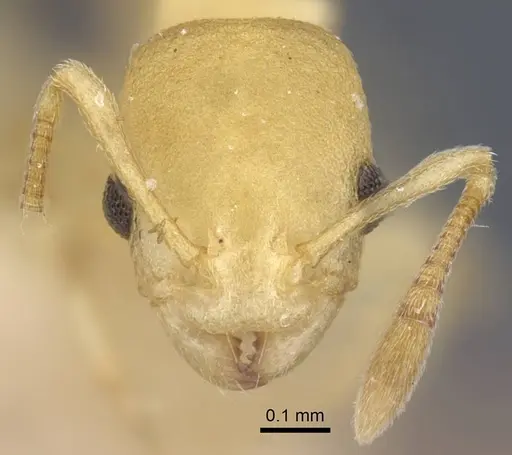
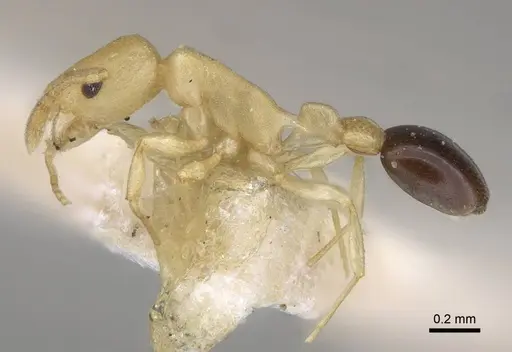
Cardiocondyla nigrocerea is a tiny ant species native to the Indonesian islands of Ambon and Obi in the Moluccas. Workers measure just 0.45mm in size and have a distinctive appearance with a light yellowish-grey body and a contrastingly blackish-brown gaster (abdomen). Their most striking feature is the extremely high petiole (the narrow waist segment) compared to the postpetiole, this ratio is so unique it serves as a diagnostic character to identify the species [1].
This species has one of the most dramatic male reproductive behaviors in the ant world. Males are ergatoid, meaning they are wingless throughout their lives, and they possess sickle-shaped mandibles. Rather than competing through flight, males fight each other on the nest floor itself. A dominant male will grab a rival, hold it for several minutes, and then cover it with secretions from its abdomen. This triggers worker aggression, the workers attack and kill the marked male. This eliminates rivals without the dominant male having to fight directly [1].
Quick Summary
- Difficulty: Medium
- Origin & Habitat: Native to the Indonesian islands of Ambon and Obi in the Moluccas region. Found in secondary rain forest along rivers at low elevations (33-120m). Nests consist of small chambers dug 1-2 cm deep in soil with a single tiny entrance hole [1][2].
- Colony Type: Single-queen colonies (monogyne). Each nest contains one dealate queen, several winged female sexuals,20-80 workers, and brood. One colony was documented with an ergatoid male present [1].
- Colony: Monogyne
- Founding: Claustral
- Size & Growth:
- Queen: Unconfirmed, likely under 3mm based on genus patterns
- Worker: 0.45mm (CS 457 µm) [1]
- Colony: Up to 80 workers [1]
- Growth: Moderate, small colony size suggests moderate development
- Development: Estimated 6-8 weeks based on related Cardiocondyla species development patterns (Direct development data unavailable, estimates based on genus-level data for similar tropical Myrmicinae)
- Antkeeping:
- Temperature: Keep at 24-28°C. This species comes from tropical Indonesian islands where temperatures remain warm year-round. A gentle heat gradient allows ants to regulate their temperature [1].
- Humidity: Keep substrate consistently moist but not waterlogged. In nature they nest in soil along rivers in rain forest, so they prefer humid conditions with some drier areas for escape. Aim for 70-85% humidity in the nest area.
- Diapause: No, this is a tropical species from Indonesia that does not experience cold winters. No hibernation period is required.
- Nesting: Y-tong (AAC) nests or plaster nests work well for these tiny ants. The nest should have small chambers and narrow passages scaled to their minute size. A small water reservoir helps maintain humidity. Naturalistic setups with moist soil and a small entrance also mimic their natural nesting in soil chambers [1].
- Behavior: These are tiny, relatively peaceful ants. Workers are small enough that they pose no sting threat to humans. Colonies are not aggressive and tend to stay hidden within their nest. However, their small size means escape prevention is critical, they can squeeze through very tiny gaps. Males stay within the nest and fight using their specialized mandibles rather than dispersing to mate. Workers forage for small prey and likely tend honeydew-producing insects. The colony remains small throughout their life.
- Common Issues: escape prevention is critical due to their very small size, use fine mesh and tight-fitting lids, small colony size means they are sensitive to disturbance, avoid frequent nest inspections, humidity must be maintained consistently, drying out can kill colonies quickly, tropical species cannot tolerate cold, keep above 24°C year-round, limited documented captive breeding means care is based on genus-level knowledge rather than species-specific studies
Housing and Nest Setup
Cardiocondyla nigrocerea requires careful housing due to their minute size. Y-tong (acrylic aerated concrete) nests or plaster nests work best because they hold humidity well while providing a dark, secure environment. The chambers and passages must be small and narrow, these tiny ants feel exposed in large open spaces. A small water reservoir connected to the nest helps maintain the humidity they need. For the outworld, use a simple container with a tight-fitting lid. Because workers are only about 0.45mm, even standard ant keeping setups need excellent escape prevention. Apply fluon or use fine mesh (at least 0.5mm or smaller) on any openings. A naturalistic setup with moist soil in a small container can also work, mimicking their natural soil-nesting behavior. Keep the nest area dark, these ants prefer to stay hidden like they would be in their underground chambers [1].
Feeding and Diet
In their natural habitat, Cardiocondyla nigrocerea likely forages for tiny arthropods and tends honeydew from aphids or scale insects, similar to other Cardiocondyla species. In captivity, offer small protein sources like fruit flies, pinhead crickets, or tiny mealworms. Because the workers are so small, prey items should be appropriately sized, no larger than the ants themselves. Sugar water or honey water can be offered occasionally, though these tiny ants may not readily accept it. Feed small amounts every 2-3 days and remove any uneaten prey to prevent mold. Fresh water should always be available. Given their small colony size (max 80 workers), they do not need large quantities of food [1][3].
Temperature and Humidity
This is a tropical species from the Indonesian islands of Ambon and Obi, where temperatures stay warm year-round. Keep the nest at 24-28°C for optimal colony health and development. A heating cable on one side of the nest creates a gentle gradient so ants can choose their preferred temperature. Avoid temperatures below 22°C, this species has no cold tolerance and chilling can kill colonies quickly. Humidity is important: they naturally nest in soil along rivers in rain forest, so aim for 70-85% humidity in the nest area. The substrate should feel consistently moist but never waterlogged. A small water reservoir in the nest setup helps maintain stable humidity. Monitor condensation, excessive moisture can be as harmful as dryness [1].
Male Fighting Behavior
The most remarkable aspect of Cardiocondyla nigrocerea is their unique male reproductive behavior. Unlike most ants where males fly away to mate, these males are ergatoid, they never develop wings and spend their entire lives within the nest. They have distinctive sickle-shaped mandibles used exclusively for fighting rival males. When a dominant male encounters a younger rival, it grabs the male with its mandibles and holds it for several minutes. The dominant male then covers the victim with secretions from the tip of its abdomen. This secretion triggers extreme aggression in the workers, they attack and kill the besmeared male. This is an indirect killing strategy that lets the dominant male eliminate rivals without directly fighting them. In the lab, males were observed constantly patrolling the brood pile, checking for newly emerged female sexuals or rival males. This behavior explains why colonies typically have only one active male at a time [1].
Colony Structure and Growth
Cardiocondyla nigrocerea forms small colonies with a single queen. Colonies in the wild contain approximately 20-80 workers along with the queen, several winged female sexuals (future queens), and brood. Unlike many ant species, colonies do not grow large, the maximum documented is around 80 workers. This small colony size is typical for the genus Cardiocondyla. The presence of winged female sexuals indicates the colony is preparing for nuptial flights, though the timing and details of mating flights are not well documented. Queens are dealate (already mated and wingless) when found in established nests. One colony was documented with an ergatoid male present alongside the queen [1].
Frequently Asked Questions
How long does it take for Cardiocondyla nigrocerea to develop from egg to worker?
Exact development time has not been documented for this species. Based on related Cardiocondyla species, expect approximately 6-8 weeks from egg to first worker at optimal temperature (24-28°C). The first workers (nanitics) will be smaller than normal workers.
Can I keep multiple Cardiocondyla nigrocerea queens together?
No. This species is monogyne, colonies have a single queen. Multiple unrelated queens will fight. Only one queen should be kept per colony setup.
Do Cardiocondyla nigrocerea ants sting?
No. These ants are far too small to sting humans. Workers are only about 0.45mm and pose no danger. Their main defense is staying hidden within their nest.
How big do Cardiocondyla nigrocerea colonies get?
Colonies remain small, maximum around 80 workers in the wild. This is typical for the genus. Do not expect large, thriving colonies like you might get with Lasius or Camponotus species [1].
Do Cardiocondyla nigrocerea need hibernation?
No. This is a tropical species from Indonesia that does not experience cold winters. No hibernation or cooling period is required. Keep them warm at 24-28°C year-round.
Why do the male ants fight each other?
Male Cardiocondyla nigrocerea fight because they are ergatoid, they cannot fly away to find mates like most ant males. Instead, they compete within the nest using their sickle-shaped mandibles. A dominant male marks rivals with abdominal secretions, which causes worker ants to attack and kill the marked male. This eliminates competition without direct combat [1].
Are Cardiocondyla nigrocerea good for beginners?
This species is rated as medium difficulty. While not aggressive, their small size makes escape prevention critical. They also require warm, humid conditions year-round and have specific needs around male competition behavior. They are better suited for keepers with some experience who can maintain stable temperatures and humidity.
What do Cardiocondyla nigrocerea eat?
They likely accept small protein sources like fruit flies, tiny crickets, and other micro-arthropods. They may also tend honeydew-producing insects and occasionally accept sugar water. Feed small prey items every 2-3 days and remove uneaten food promptly.
Where is Cardiocondyla nigrocerea found in the wild?
This species is only known from two Indonesian islands: Ambon and Obi in the Moluccas region. They live in secondary rain forest along rivers at low elevations (33-120m above sea level) [1][2].
References

This caresheet is licensed under CC BY-SA 4.0 .
Literature
Loading...Loading products...