

Cardiocondyla nigra
- Scientific Name
- Cardiocondyla nigra
- Tribe
- Crematogastrini
- Subfamily
- Myrmicinae
- Author
- Forel, 1905
- Distribution
- Found in 6 countries
Cardiocondyla nigra Overview
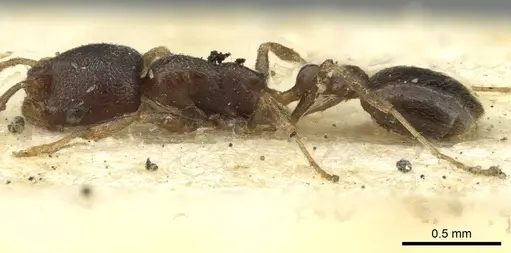
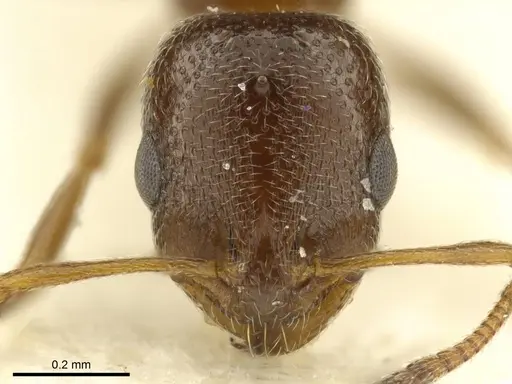
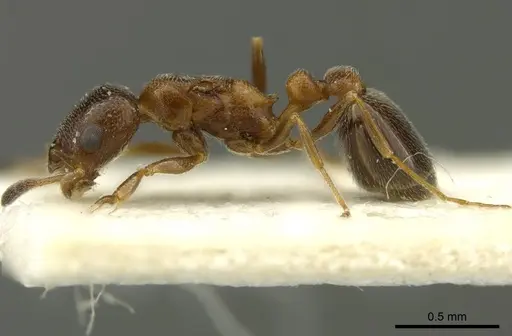
Cardiocondyla nigra is an ant species of the genus Cardiocondyla. It is primarily documented in 6 countries , including Cyprus, Egypt, Israel. Detailed taxonomic data and occurrence records can be further explored via authoritative databases such as AntWeb or the Global Biodiversity Information Facility (GBIF).
Cardiocondyla nigra
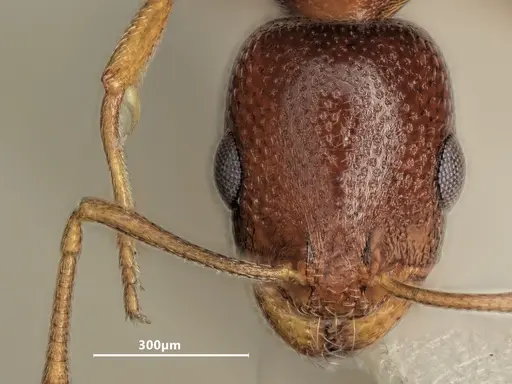
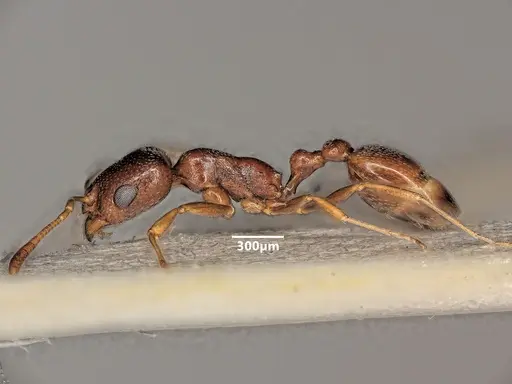
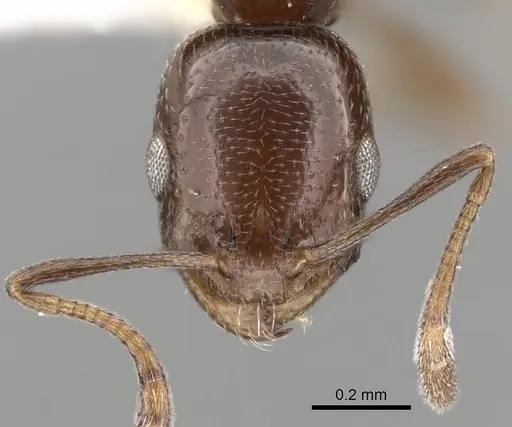
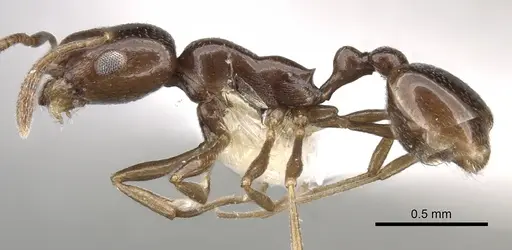
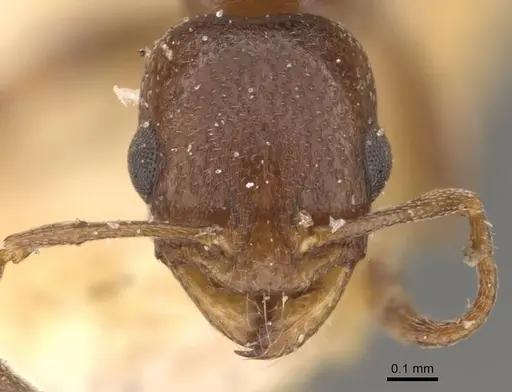
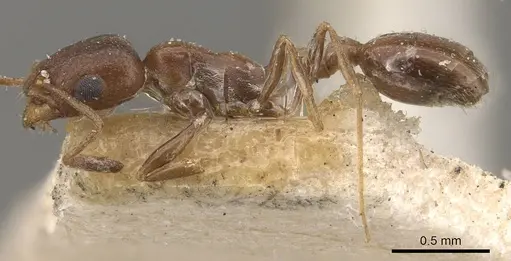
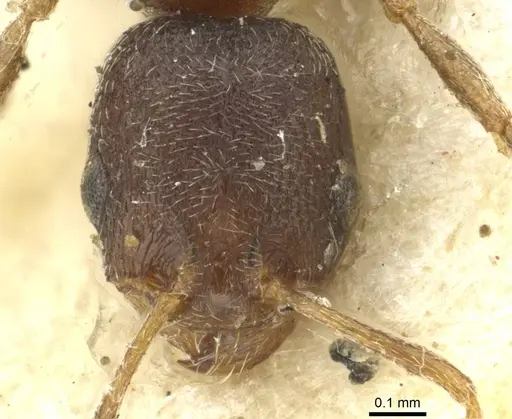
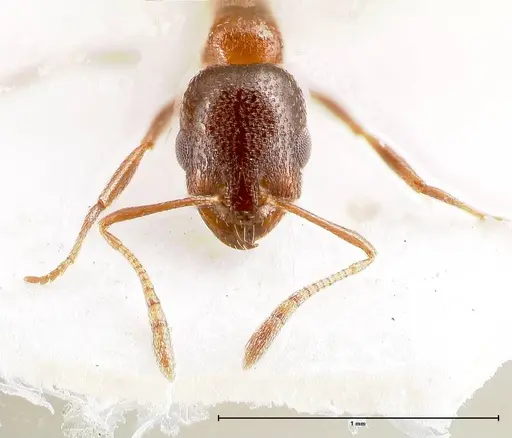
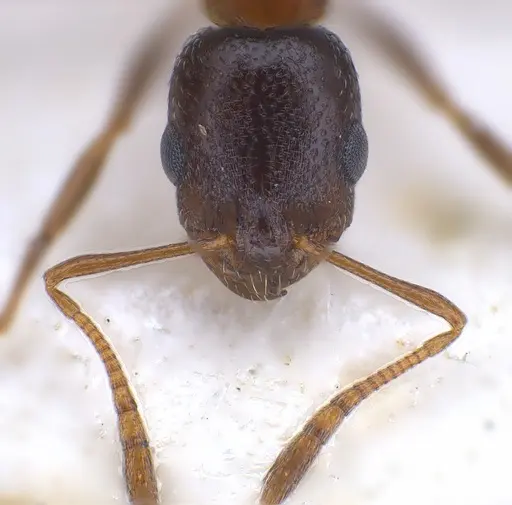
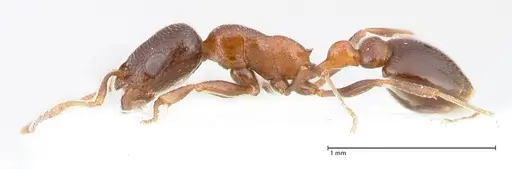
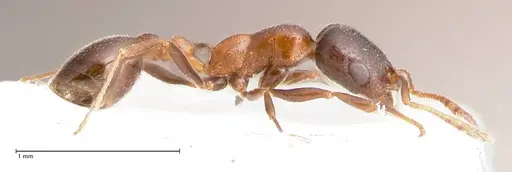
Cardiocondyla nigra is a tiny, polymorphic ant belonging to the batesii species-group. Workers measure only about 0.54mm in size, making them among the smaller ant species kept in captivity. They show strong color polymorphism, while the head and abdomen are typically dark brown to blackish, the middle body section can range from dark brown to light reddish brown. The species is distributed across the Mediterranean region and Middle East, from Portugal and Morocco east to Iran, with populations found in dry habitats like date palm orchards and open ground with grasses [1]. What makes this species unusual is its mating system: colonies have only one queen but produce wingless ergatoid males that coexist peacefully without fighting, a stark contrast to many related Cardiocondyla species where males battle to the death. Queens are brachypterous (short-winged) and must leave the nest to forage during colony founding [2].
Quick Summary
- Difficulty: Medium
- Origin & Habitat: Mediterranean and Middle Eastern regions, found from Portugal and Morocco east to Iran, including Cyprus, Malta, Greece (Crete), Egypt, Israel, Jordan, Tunisia, and Yemen. Inhabits dry soil habitats such as date palm orchards and open ground with vegetation at elevations from 213m below to 2254m above sea level [1][3].
- Colony Type: Strictly monogyne, single queen per colony. Small colonies with 1 to several dozen workers (mean ~29 workers). Colonies produce ergatoid (wingless) males that are mutually tolerant and do not fight. Queens are short-winged (brachypterous) [2][4].
- Colony: Monogyne
- Founding: Semi-claustral
- Size & Growth:
- Queen: 0.62mm (CS 621μm) [5], very small, among the smallest queen ants kept in captivity
- Worker: 0.54mm (CS 538μm) [1], tiny, requiring fine mesh barriers for containment
- Colony: Up to 160 workers (mean ~29) [2], stays small even at maturity
- Growth: Slow to moderate, founding success is low at ~24%, and colonies remain small
- Development: Estimated 6-8 weeks at warm temperatures (25-28°C) based on genus patterns, though specific development time unconfirmed for this species (Queens begin laying eggs about 7 days after founding. First workers (nanitics) will be small given the overall tiny size of the species [6].)
- Antkeeping:
- Temperature: Keep at 25-28°C during active growth. This is a warm-climate species from the Mediterranean and Middle East. A heating cable on one side of the nest creates a suitable gradient. Room temperature (20-24°C) may slow development significantly [1].
- Humidity: Moderate, they prefer dry to moderately damp conditions. Keep nest substrate slightly moist but allow drying periods. Avoid overly damp conditions that can cause mold. These are not high-humidity ants [7].
- Diapause: Not required, this is a warm-climate species that does not have a true winter dormancy period. However, slight temperature reduction in winter (to around 18-20°C) may slow activity and extend queen lifespan [2].
- Nesting: Y-tong (AAC) nests work well due to their small size. Plaster nests with small chambers are also suitable. The species naturally nests in dry soil, provide a thin layer of substrate they can burrow into. Avoid large, open spaces scaled for bigger ants [3].
- Behavior: Generally peaceful and non-aggressive. Workers are small and timid. They are not known to sting and pose no danger to keepers. The most notable behavior is their unique male system, colonies produce wingless ergatoid males that coexist peacefully, unlike many related Cardiocondyla where males fight to the death. Workers forage individually for small prey and honeydew. Escape prevention is critical due to their tiny size, standard test tube cotton can be an escape route [4][2].
- Common Issues: escape prevention is critical, they are extremely small and can squeeze through standard barriers meant for larger ants, low founding success means many new colonies fail in the first few months, colonies stay very small, don't expect large, impressive colonies, overfeeding can cause mold issues in their dry preferred habitat, queen mortality during founding is high, expect only ~25% success rate
Housing and Nest Setup
Due to their extremely small size, Cardiocondyla nigra requires careful housing. Y-tong (AAC) nests with narrow chambers work well, the tight spaces are scaled to their tiny body size. Plaster nests are also suitable. Test tubes can work but require excellent escape prevention, standard cotton batting may not stop them. Use fine mesh barriers (at least 0.3mm or smaller) on any ventilation holes. Provide a small outworld area for foraging. The nest should have a water reservoir but avoid excessive moisture, these ants prefer drier conditions than many tropical species. A thin layer of substrate (sand or soil mix) allows them to create small chambers if they want to [3][1].
Feeding and Diet
Cardiocondyla nigra is a generalist feeder. In captivity, they readily accept sugar sources (honey water, sugar water) and protein (small insects like fruit flies, pinhead crickets, mealworms). Their tiny size means prey items must be small, flightless fruit flies are an excellent choice. They likely collect honeydew in the wild, so sugar water should be available at all times. Feed small amounts of protein 2-3 times per week, removing uneaten prey after 24 hours to prevent mold. Because they are semi-claustral during founding, queens must have access to food during the early colony stages, this is different from species that seal themselves in [6][2].
Temperature and Seasonal Care
Keep these ants warm, aim for 25-28°C during the active season. They are from Mediterranean and Middle Eastern climates and need warmth to develop properly. A heating cable on one side of the nest creates a temperature gradient. Unlike temperate species, they do not require true hibernation. In winter, you can reduce temperatures slightly to around 18-20°C, which may help extend queen lifespan, but this is optional. Avoid temperatures below 15°C for extended periods. The species shows high inbreeding and year-round activity in their native range suggests they are not adapted to cold winters [1][2].
Colony Founding and Development
Colony founding is challenging with this species. Queens are semi-claustral, they cannot seal themselves away and must leave the nest to forage for food during founding. This means you cannot use the closed-chamber approach common with claustral species. Laboratory studies show founding success is only about 24% [6]. Queens begin laying eggs about 7 days after establishing the nest. They have high fat content (45% dry weight) but this is not enough to survive entirely without foraging like claustral species. The first workers (nanitics) will be very small. Colonies remain small, expect maximum around 100-160 workers even in mature colonies. The unique ergatoid males are produced regularly and coexist peacefully with workers and queens [2][6].
Unique Male System
One of the most interesting aspects of Cardiocondyla nigra is their male reproductive system. Unlike most ants that have winged males that fly out to mate, C. nigra produces only ergatoid (wingless) males. These males stay in the nest and mate with queens inside the colony. Remarkably, these males are mutually tolerant, they do not fight each other, which is unusual in the genus Cardiocondyla where male combat is common. Studies from Cyprus showed colonies can contain several ergatoid males that coexist peacefully. Queens are also unusual, they are brachypterous (short-winged), meaning they cannot fly. Instead, they leave the colony on foot in spring to found new nests [4][2][8].
Behavior and Temperament
These are peaceful, non-aggressive ants that pose no threat to keepers. Workers are tiny and rarely venture far from the nest. They are not known to sting. The species is not territorial or aggressive toward other colonies. Their most notable behavioral trait is the peaceful ergatoid male system, unlike related species where males fight to the death, multiple males can coexist in a colony. Workers forage individually rather than in groups. They are not escape artists in the traditional sense but their tiny size means they can slip through gaps that larger ants cannot, excellent escape prevention is essential [4][2].
Frequently Asked Questions
How long does it take for Cardiocondyla nigra to produce first workers?
Expect first workers (nanitics) around 6-8 weeks after the queen begins laying eggs, at optimal temperatures of 25-28°C. Queens start egg-laying about 7 days after founding. Development may be slower at room temperature [6].
Can I keep multiple Cardiocondyla nigra queens together?
No. This is a strictly monogyne species, colonies have only one queen. Laboratory experiments show that when multiple queens are placed together, they fight until only one survives [2].
Do Cardiocondyla nigra ants sting?
No. These ants are completely harmless to humans. They are too small to sting and are not aggressive. They pose no danger to keepers of any age [4].
Why are my Cardiocondyla nigra dying during founding?
This is normal, founding success in this species is only about 24% in laboratory conditions. Queens are semi-claustral and must have access to food during founding. Make sure to provide small prey items and sugar water. Many queens simply fail to establish a colony even with proper care [6].
What do Cardiocondyla nigra eat?
They accept a variety of foods: sugar water or honey for carbohydrates, and small protein sources like fruit flies, pinhead crickets, or small mealworms. Their tiny size means prey must be very small. Flightless fruit flies are an excellent protein source [6][2].
How big do Cardiocondyla nigra colonies get?
Colonies remain small, typically under 50 workers, with maximum recorded around 160 workers. This is not a species that produces large, impressive colonies. Expect a modest colony size even at maturity [2].
Do Cardiocondyla nigra need hibernation?
No. This is a warm-climate species from the Mediterranean and Middle East that does not require true hibernation. You can reduce temperatures slightly in winter (to around 18-20°C) but this is optional and not required for colony health [1].
Are Cardiocondyla nigra good for beginners?
Not ideal for beginners. Their tiny size makes housing and escape prevention challenging, and founding success is low (~24%). They are better suited for antkeepers with some experience who can provide the warm, dry conditions they need and understand their semi-claustral founding requirements.
Why does my colony have wingless males?
This is completely normal for Cardiocondyla nigra. This species produces only ergatoid (wingless) males, they never develop wings. These males stay in the nest and mate with queens there. Unlike many related Cardiocondyla, these males are peaceful toward each other [4][8].
When should I move Cardiocondyla nigra to a formicarium?
Wait until the colony has at least 20-30 workers before moving. Given their small size and preference for tight spaces, a Y-tong or small plaster nest works well. They do not need large spaces, small chambers scaled to their tiny body size are better [1].
References

This caresheet is licensed under CC BY-SA 4.0 .
ANTWEB1048524
View on AntWeb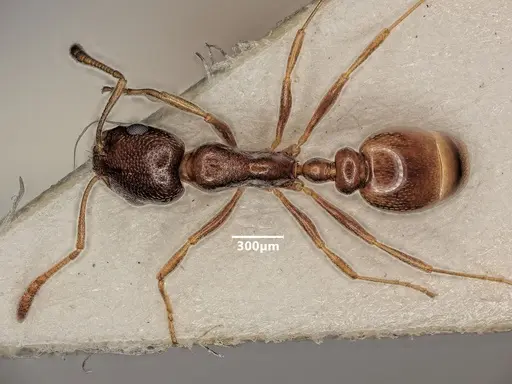
CASENT0281805
View on AntWeb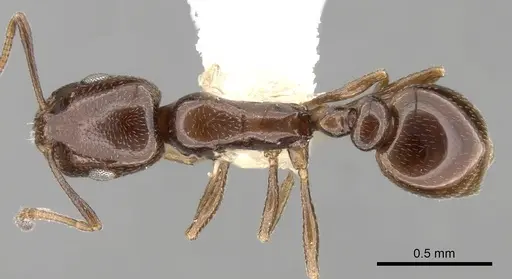
CASENT0908336
View on AntWeb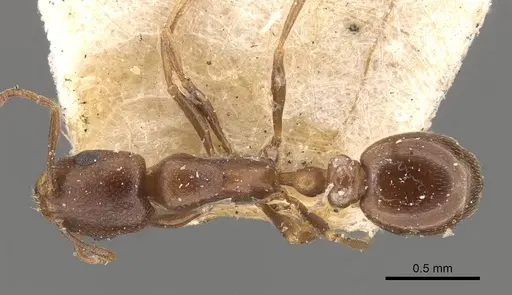
CASENT0913594
View on AntWeb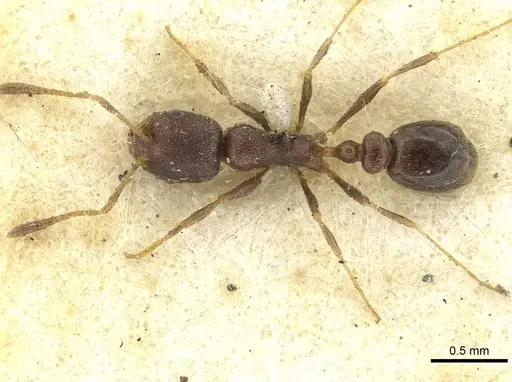
CASENT0919730
View on AntWeb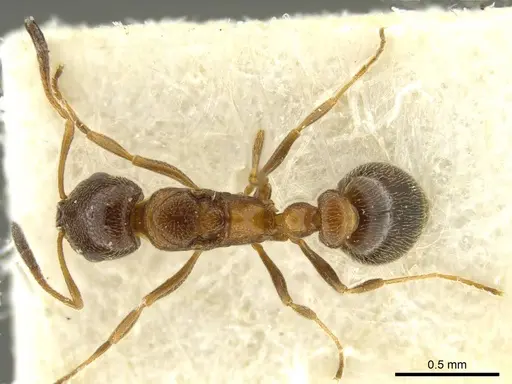
FOCOL0728
View on AntWeb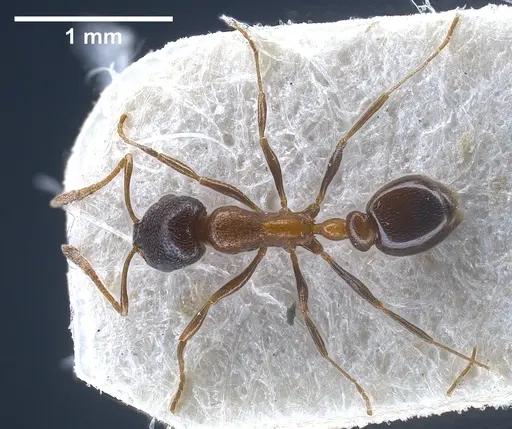
Literature
Loading...Loading products...