

Cardiocondyla koshewnikovi
- Scientific Name
- Cardiocondyla koshewnikovi
- Tribe
- Crematogastrini
- Subfamily
- Myrmicinae
- Author
- Ruzsky, 1902
- Distribution
- Found in 1 countries
Cardiocondyla koshewnikovi Overview
Cardiocondyla koshewnikovi is an ant species of the genus Cardiocondyla. It is primarily documented in 1 countries , including Mongolia. Detailed taxonomic data and occurrence records can be further explored via authoritative databases such as AntWeb or the Global Biodiversity Information Facility (GBIF).
Cardiocondyla koshewnikovi
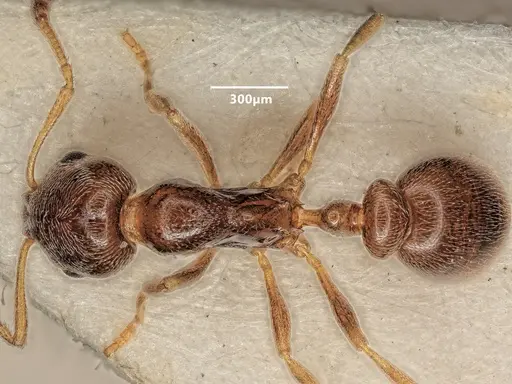
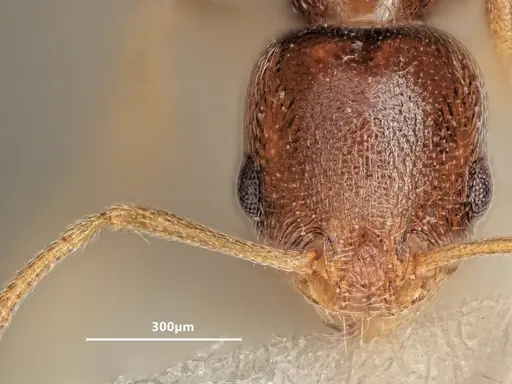
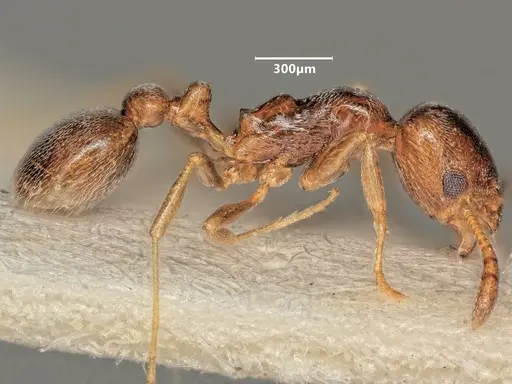
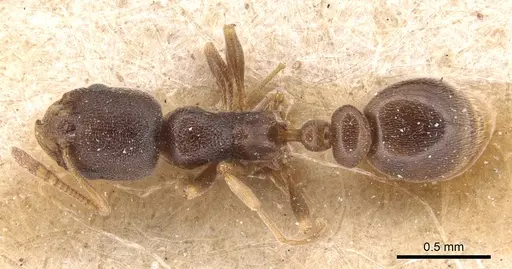
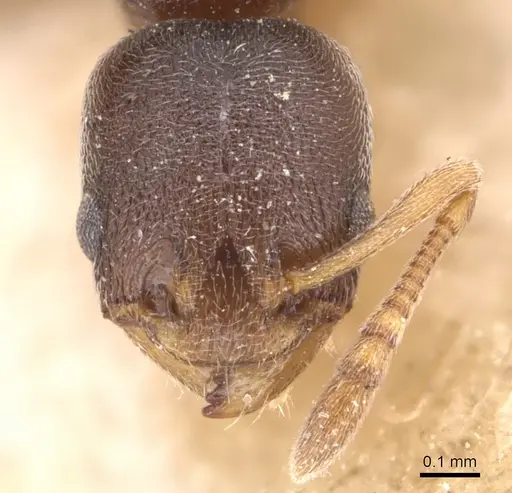
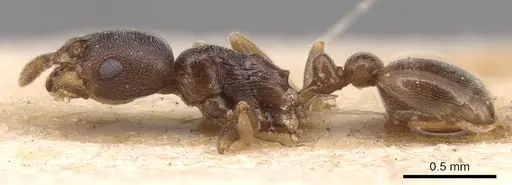
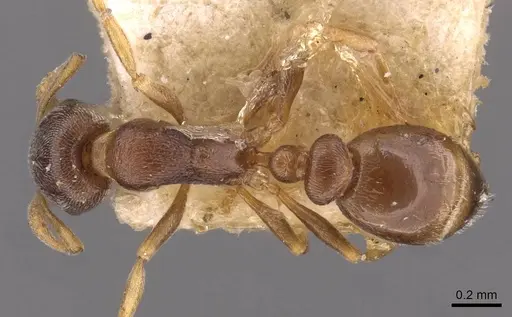
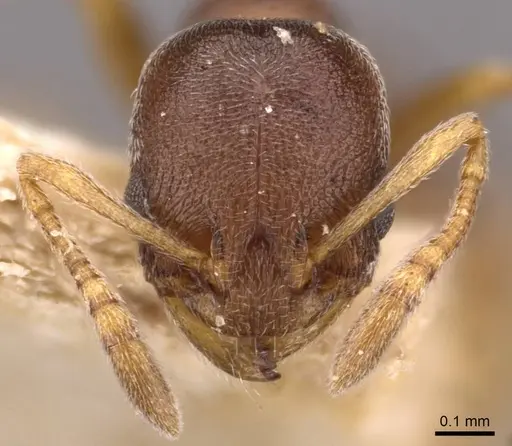
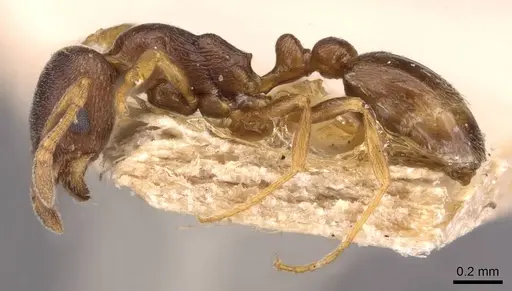
Cardiocondyla koshewnikovi is a tiny ant species native to Central Asia, ranging from the Caspian Sea region east to Mongolia. Workers measure just 0.5-0.6mm and are medium to dark brown with a yellowish tinge, characterized by very small eyes, short propodeal spines, and a notably wide postpetiole. Queens are significantly larger at 0.74-0.80mm and have unusually large heads that distinguish them from related species. This species belongs to the stambuloffii group and was long confused with its western relative C. stambuloffii before being recognized as a separate species. Unlike many ants, males of this species are ergatoid (wingless) and do not fight each other, researchers found seven males in one nest with no injuries, showing they coexist peacefully. Colonies can contain hundreds of workers and multiple queens, making them one of the more complex Cardiocondyla species to keep.
Quick Summary
- Difficulty: Medium
- Origin & Habitat: Central Asia, from western Caspian Sea (Kazakhstan) east to Mongolia, between 37-46°N latitude. Found in moist spots within deserts and semideserts, often in salty areas at lake or river margins. Nests in moist Phragmites (reed) stands in dune valleys [1][2].
- Colony Type: Multi-queen colonies (polygynous) with ergatoid wingless males. Nests can contain 400+ workers and up to 27 dealate queens. Males do not fight for dominance [1][3].
- Colony: Polygyne
- Founding: Claustral
- Size & Growth:
- Queen: 0.74-0.80mm (CS 767±27μm) [3]
- Worker: 0.53-0.61mm (CS 568±19μm) [1]
- Colony: Up to 440+ workers documented in wild colonies [1]
- Growth: Moderate, estimated 6-10 weeks from egg to first worker based on genus patterns
- Development: 6-10 weeks (estimated from genus Cardiocondyla patterns) (Development time is inferred from related species, no specific study exists for this species. Expect moderate growth rate typical of small Myrmicinae.)
- Antkeeping:
- Temperature: Keep at 22-26°C. Being from temperate Central Asia, they prefer warm conditions but can tolerate room temperature. Provide a gentle temperature gradient if possible.
- Humidity: Moderate to high, they naturally nest in moist areas near water. Keep nest substrate damp but not waterlogged. Provide a water tube for drinking access.
- Diapause: Yes, being a temperate species from Central Asia, they require a winter rest period. Reduce temperature to 10-15°C for 3-4 months during winter.
- Nesting: Y-tong (AAC) or plaster nests work well for their small size. They naturally nest in soil chambers in the upper 10cm, so provide compact horizontal chambers. Avoid tall vertical spaces.
- Behavior: Generally peaceful and non-aggressive. Workers are small but active foragers. They have ergatoid (wingless) males that coexist without fighting, a notable trait of this genus. Escape prevention is critical due to their tiny size, use fine mesh barriers. They are not known to sting and pose no danger to keepers.
- Common Issues: escape prevention is critical, their tiny size means they can squeeze through standard barriers, slow colony growth may frustrate beginners expecting fast development, multi-queen colonies may experience tension if space is limited, dry conditions cause colony decline, they naturally inhabit moist habitats, winter diapause is required and must be managed properly to avoid colony loss
Housing and Nest Setup
Cardiocondyla koshewnikovi is a tiny ant that needs appropriately scaled housing. Y-tong (acrylic) nests or plaster nests work best because they provide the tight chambers and small passages these ants prefer. In the wild, they nest in the upper 10cm of soil with horizontal galleries across three levels, so avoid tall vertical spaces and instead provide compact horizontal chambers. Test tubes can work for founding colonies but will need upgrading as the colony grows. Because of their minute size, escape prevention must be excellent, use fine mesh barriers and check all connections regularly. These ants naturally live in moist areas, so providing a water tube for drinking access is important. [1]
Feeding and Diet
Like other Cardiocondyla species, these ants are omnivorous and will accept both sugar and protein sources. Offer sugar water, honey, or diluted syrup as a constant energy source. For protein, provide small prey items like fruit flies, pinhead crickets, or other tiny insects. Given their small size, prey items should be appropriately scaled, even a small mealworm piece can be substantial for these ants. Feed protein 2-3 times per week and keep sugar sources available at all times. Remove uneaten prey after 24-48 hours to prevent mold.
Temperature and Seasonal Care
Maintain temperatures between 22-26°C for optimal colony activity and brood development. As a Central Asian species from temperate latitudes, they experience seasonal temperature variations in the wild and require a winter diapause period. During winter (roughly November through February in the Northern Hemisphere), reduce temperatures to 10-15°C and reduce feeding. Do not feed during deep diapause. Return to normal temperatures gradually in spring. This winter rest period is essential for colony health and may trigger reproductive behavior in spring. [1]
Colony Structure and Reproduction
This species is polygynous, meaning colonies naturally have multiple queens. Wild colonies can contain up to 27 dealate (wingless) queens along with 400+ workers. The males are ergatoid, they are born wingless, which is unusual among ants and a distinguishing trait of the Cardiocondyla genus. Notably, unlike many ant species where males fight for reproductive dominance, C. koshewnikovi males coexist peacefully with no injuries found in multi-male colonies. Queens are significantly larger than workers (0.74-0.80mm vs 0.53-0.61mm) and have notably large heads. Alate (winged) gynes are produced alongside ergatoid males in established colonies. [1][3]
Behavior and Temperament
Cardiocondyla koshewnikovi is a relatively peaceful species that does not exhibit aggressive territorial behavior. Workers are active foragers but remain small and inconspicuous. The most notable behavioral trait is the presence of ergatoid (wingless) males that do not fight, this is unusual among ants and represents a distinct evolutionary strategy within the genus. Workers may form trails to food sources but are not aggressive defenders. They pose no sting risk to keepers due to their tiny size. The main keeper concern is their small size making escape a constant risk. [1]
Diapause and Winter Care
Being native to Central Asia (Kazakhstan, Mongolia, and surrounding regions), this species is adapted to cold winters and requires an annual diapause period. In captivity, this means gradually reducing temperatures in late autumn to around 10-15°C and maintaining this for 3-4 months. During diapause, reduce or eliminate feeding, the colony will be largely inactive. Do not feed during the coldest period as the ants will not consume it and it will mold. In spring, slowly warm the colony back to normal temperatures (22-26°C) over a period of 1-2 weeks. This cycle mimics natural seasonal changes and is essential for long-term colony health. [1]
Frequently Asked Questions
How long does it take for Cardiocondyla koshewnikovi to produce first workers?
Based on related Cardiocondyla species, expect 6-10 weeks from egg to first worker at optimal temperature (24-26°C). This is an estimate as specific development data for this species is not available.
Can I keep multiple Cardiocondyla koshewnikovi queens together?
Yes, this is a polygynous species that naturally forms multi-queen colonies. Wild colonies have been found with up to 27 dealate queens. However, when combining unrelated foundresses, introduce them carefully and provide ample space to reduce tension.
Do Cardiocondyla koshewnikovi ants sting?
No, these ants are too small to sting humans and pose no danger. Their stingers exist but cannot penetrate human skin.
What temperature do Cardiocondyla koshewnikovi need?
Keep them at 22-26°C. They are from temperate Central Asia and can tolerate room temperature, but warmer conditions support better brood development. A slight temperature gradient is beneficial.
Do Cardiocondyla koshewnikovi need hibernation?
Yes, they require an annual winter rest period. Reduce temperatures to 10-15°C for 3-4 months during winter (typically November-February). This diapause is essential for colony health.
Why are the males of this species wingless?
This is a characteristic of the genus Cardiocondyla, all males are ergatoid (wingless). Unlike most ants where winged males compete for mating, these wingless males coexist peacefully. Researchers found seven males in one nest with no injuries, showing they do not fight.
How big do Cardiocondyla koshewnikovi colonies get?
Wild colonies can reach 400-500+ workers with multiple queens. In captivity, expect moderate growth over several years to a few hundred workers.
What do Cardiocondyla koshewnikovi eat?
They are omnivorous, offer sugar water, honey, or syrup as a constant energy source, and protein sources like small insects (fruit flies, pinhead crickets, or similar) 2-3 times per week.
Are Cardiocondyla koshewnikovi good for beginners?
They are rated as medium difficulty. Their small size requires excellent escape prevention, and they need proper winter diapause. They are peaceful and fascinating to watch, but not the easiest species for complete beginners.
When should I move my colony to a formicarium?
Move from test tubes to a proper nest (Y-tong or plaster) when the colony reaches 30-50 workers or the test tube becomes crowded. Ensure the new nest has appropriately sized chambers for their tiny size.
References

This caresheet is licensed under CC BY-SA 4.0 .
Literature
Loading...Loading products...