

Cardiocondyla fajumensis
- Scientific Name
- Cardiocondyla fajumensis
- Tribe
- Crematogastrini
- Subfamily
- Myrmicinae
- Author
- Forel, 1913
- Distribution
- Found in 1 countries
Cardiocondyla fajumensis Overview
Cardiocondyla fajumensis is an ant species of the genus Cardiocondyla. It is primarily documented in 1 countries , including Egypt. Detailed taxonomic data and occurrence records can be further explored via authoritative databases such as AntWeb or the Global Biodiversity Information Facility (GBIF).
Cardiocondyla fajumensis
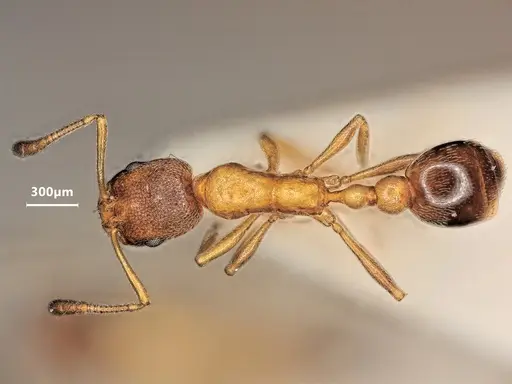
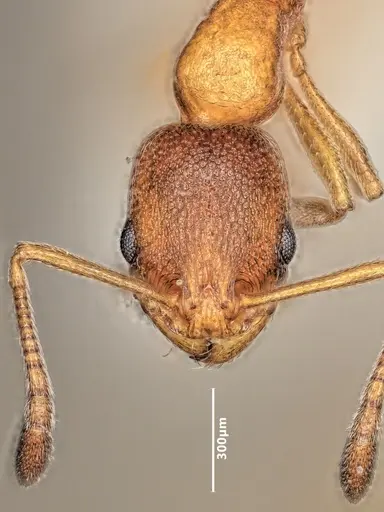
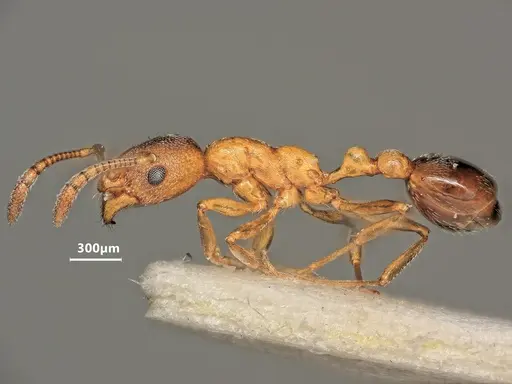
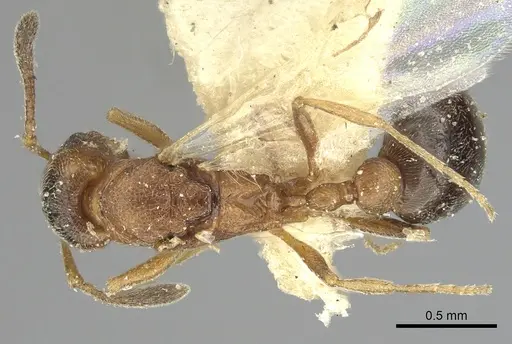
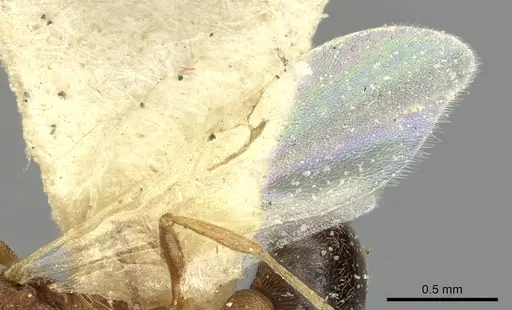
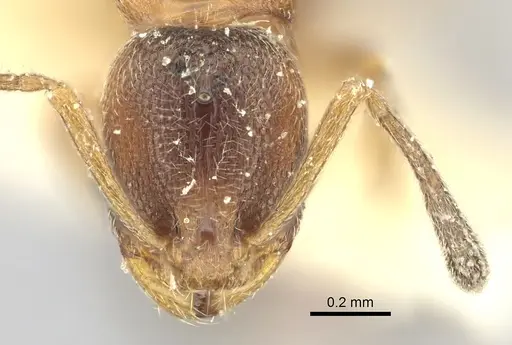
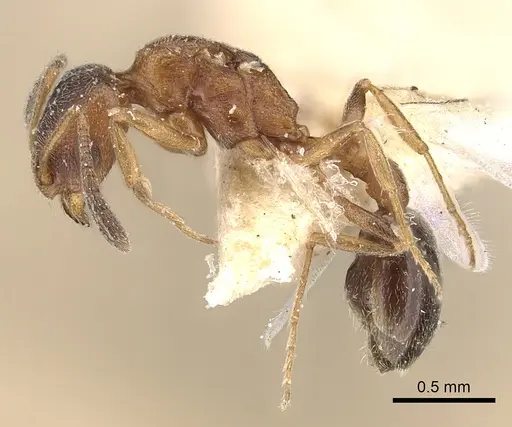
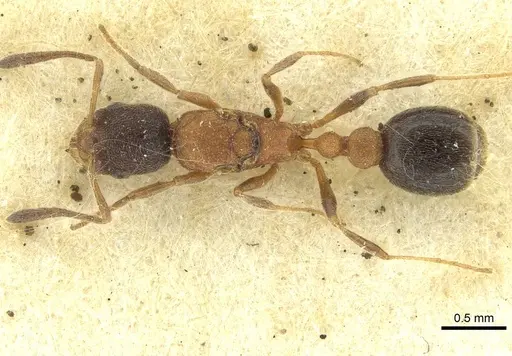
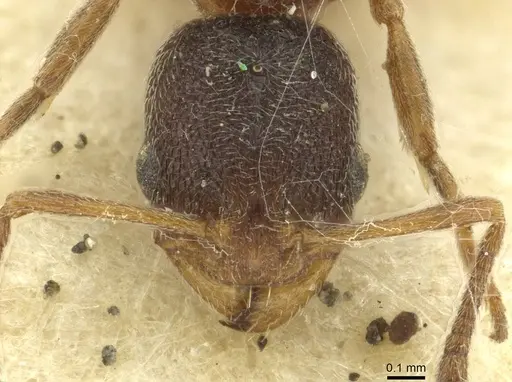
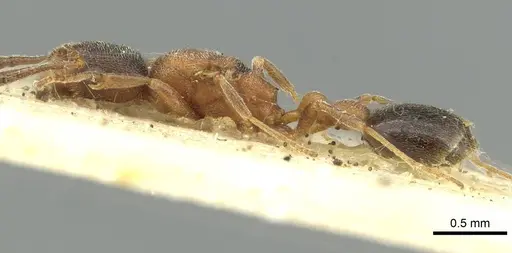
Cardiocondyla fajumensis is a small myrmicine ant native to Egypt, Iran, Sudan, Yemen, and Zimbabwe [1][2]. Workers measure around 2.5-3mm with a distinctly elongated head, very small eyes, and a dark brown to blackish gaster contrasting with a yellowish-brown head and mesosoma [3]. Queens are similarly sized at 2.5-3mm with the same elongated head shape and conspicuous hairy eyes [3]. This species belongs to the C. shuckardi species-group, characterized by a deeply impressed metanotal groove and a massive petiolar node that is as long as wide in dorsal view [4][2]. Nothing is known about the specific biology of this species in the scientific literature [5].
Quick Summary
- Difficulty: Medium
- Origin & Habitat: Native to Egypt, Iran, Sudan, Yemen, and Zimbabwe, found in arid to semi-arid regions of the Afrotropical and Palaearctic zones [1][2]. The species has been recorded from southern Iran and various locations in Egypt [6]. Based on habitat data from related Cardiocondyla species, they likely nest in soil under stones or in shallow ground nests in warm, dry to moderately humid areas.
- Colony Type: Likely monogyne (single queen colonies) based on typical Cardiocondyla patterns, though colony structure has not been directly documented for this species. Ergatoid (wingless) males are known in some Cardiocondyla species but have not been documented for C. fajumensis specifically.
- Colony: Monogyne
- Founding: Claustral
- Size & Growth:
- Queen: 2.5-3mm (CS 631±17) [3], estimated from morphometric data
- Worker: 2.5-3mm (CS 594±28) [3], estimated from morphometric data
- Colony: Likely several hundred workers based on typical Cardiocondyla colony sizes, unconfirmed for this species
- Growth: Moderate, estimated based on related species
- Development: 6-10 weeks at optimal temperature, estimated from genus-level data for Cardiocondyla species (Development time is estimated based on typical Cardiocondyla patterns. Warmer temperatures within safe ranges may accelerate development.)
- Antkeeping:
- Temperature: Keep at 22-28°C, start in the mid-range and adjust based on colony activity. Cardiocondyla species typically prefer warm conditions.
- Humidity: Moderate humidity, aim for 50-70% relative humidity. Provide a moisture gradient so ants can choose their preferred zone. The substrate should have some damp areas but also dry spots.
- Diapause: Likely a mild winter rest period (diapause) given the Palaearctic distribution of some populations. Consider a cool period (15-18°C) for 2-3 months during winter, but this is not definitively documented for this species.
- Nesting: Use a test tube setup for founding colonies. Established colonies can be kept in Y-tong (AAC) nests, plaster nests, or naturalistic setups with soil substrate. Provide a shallow depth as they are small ground-nesting ants.
- Behavior: Generally calm and non-aggressive temperament typical of Cardiocondyla. Workers are small but active foragers. Escape prevention is critical, their tiny size means they can squeeze through very small gaps. Use fine mesh barriers and ensure all connections are sealed. They likely forage individually or in small groups for small prey and honeydew.
- Common Issues: escape prevention is critical due to their very small size, they can slip through tiny gaps that larger ants cannot, colony growth may be slow, beginners may lose patience and overfeed, leading to mold issues, winter dormancy requirements are unclear, some populations may need a cool period while others may not, test tube setups can dry out quickly, monitor water reservoirs regularly, specific dietary requirements are unknown, start with standard ant foods and observe what they accept
Housing and Nest Setup
For founding colonies, a standard test tube setup works well. Fill the tube about one-third with water, plug the end with a cotton ball, and place the queen in the tube. Cover the tube with a dark cloth to reduce stress. For established colonies with workers, transfer to a Y-tong (AAC) nest, plaster nest, or naturalistic setup. Because they are small ants, use chambers and passages scaled to their size, avoid overly large, open spaces. Provide a moisture source (water tube or damp substrate) and ensure the nest can hold humidity without becoming waterlogged. A thin layer of substrate (1-2cm deep) is sufficient for these small ants.
Feeding and Diet
Cardiocondyla fajumensis likely accepts the standard ant diet like other members of the genus. Offer sugar water or honey as an energy source, and protein sources such as small insects (fruit flies, small mealworms, pinhead crickets). Based on typical Cardiocondyla behavior, they are likely omnivorous and will also accept honeydew from aphids if available. Start with small amounts and remove uneaten food after 24-48 hours to prevent mold. Observe what your specific colony prefers and adjust accordingly. Since nothing is documented about this species specifically, be prepared to experiment with different food types.
Temperature and Seasonal Care
Maintain temperatures in the 22-28°C range for optimal colony activity and brood development. A slight temperature gradient allows the ants to regulate their own conditions. During winter or cooler months, consider reducing temperatures to 15-18°C for 2-3 months if the colony shows signs of slowing down. This species has populations in both the Afrotropical and Palaearctic regions, so some natural dormancy behavior is possible. However, since this is not definitively documented, monitor your colony's behavior and adjust accordingly. Avoid sudden temperature changes.
Escape Prevention
Because Cardiocondyla fajumensis workers are very small (around 2.5-3mm), escape prevention is critical. Use fine mesh (at least 0.5mm mesh size or tighter) on all openings. Check all connections between the outworld and nest area regularly. Apply Fluon or similar barrier products to the edges of containers. Even small gaps that would not concern you with larger ants can allow these tiny ants to escape. Be especially careful when transferring colonies or feeding, as this is when escapes most commonly occur.
Growth and Development
The egg-to-worker development time is estimated at 6-10 weeks based on typical Cardiocondyla genus patterns, as no specific data exists for C. fajumensis. First workers (nanitics) will likely be smaller than subsequent workers. Colony growth is typically moderate, do not expect rapid expansion. Be patient and avoid the temptation to overfeed, which leads to mold problems that can kill small colonies. Monitor brood development and adjust temperature within the acceptable range if development seems stalled.
Frequently Asked Questions
How long does it take for Cardiocondyla fajumensis to produce first workers?
Based on typical Cardiocondyla patterns, expect first workers (nanitics) in approximately 6-10 weeks after the queen lays eggs, assuming optimal temperatures around 24-26°C. This is an estimate since specific development data for this species does not exist.
Can I keep Cardiocondyla fajumensis in a test tube?
Yes, test tubes work well for founding colonies. Use a standard setup with a water reservoir plugged with cotton. Keep the tube in a dark, quiet location until workers emerge. Transfer to a larger nest (Y-tong or naturalistic setup) once the colony has 20-30 workers.
What do Cardiocondyla fajumensis ants eat?
They likely accept standard ant foods: sugar water or honey for energy, and small insects for protein. Based on related Cardiocondyla species, they are omnivorous and will also collect honeydew. Start with small amounts and remove uneaten food after 24-48 hours.
Do Cardiocondyla fajumensis ants sting?
Cardiocondyla ants have stingers but are too small to penetrate human skin effectively. They are not considered dangerous to humans. Their primary defense is fleeing rather than stinging.
Are Cardiocondyla fajumensis good for beginners?
This species is rated as Medium difficulty. While Cardiocondyla are generally hardy, the very small size of C. fajumensis requires careful attention to escape prevention and proper feeding. Beginners should be prepared for slower growth and smaller colonies compared to more common species.
Do Cardiocondyla fajumensis need hibernation?
Likely yes, some winter rest is probable given the Palaearctic distribution of some populations. Consider providing a cool period (15-18°C) for 2-3 months during winter. However, this is not definitively documented, so observe your colony's natural activity patterns.
How big do Cardiocondyla fajumensis colonies get?
Based on typical Cardiocondyla sizes, colonies likely reach several hundred workers. This is an estimate since specific colony size data for this species does not exist in the scientific literature.
Why are my Cardiocondyla fajumensis escaping?
Their very small size (2.5-3mm) means they can squeeze through gaps that larger ants cannot. Use fine mesh barriers (0.5mm or tighter), apply Fluon to container edges, and check all connections regularly. Even tiny gaps around feeding ports or ventilation can allow escapes.
Can I keep multiple Cardiocondyla fajumensis queens together?
This is not documented for this species. Based on typical Cardiocondyla behavior, single-queen colonies are most common. Combining unrelated queens is not recommended as it may lead to aggression. If you catch a founding queen, house her alone until workers emerge.
What temperature is best for Cardiocondyla fajumensis?
Keep them at 22-28°C, with 24-26°C being a good starting point. Provide a slight temperature gradient so the ants can choose their preferred zone. Avoid temperatures below 20°C or above 30°C for extended periods.
References

This caresheet is licensed under CC BY-SA 4.0 .
Literature
Loading...Loading products...