

Cardiocondyla dalmatica
- Scientific Name
- Cardiocondyla dalmatica
- Tribe
- Crematogastrini
- Subfamily
- Myrmicinae
- Author
- Soudek, 1925
- Distribution
- Found in 2 countries
Cardiocondyla dalmatica Overview
Cardiocondyla dalmatica is an ant species of the genus Cardiocondyla. It is primarily documented in 2 countries , including Albania, Hungary. Detailed taxonomic data and occurrence records can be further explored via authoritative databases such as AntWeb or the Global Biodiversity Information Facility (GBIF).
Cardiocondyla dalmatica
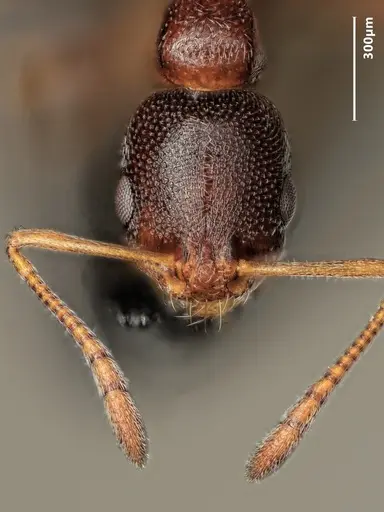
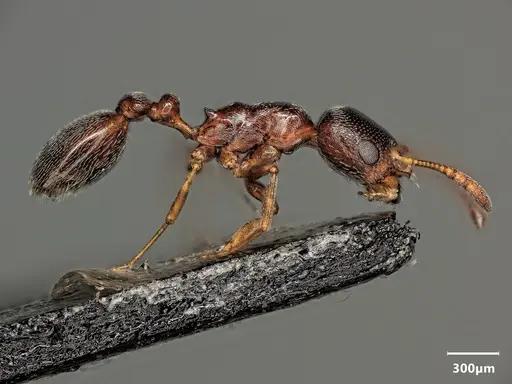
Cardiocondyla dalmatica is a small but relatively large member of the Cardiocondyla genus, with workers measuring around 0.5mm (CS 554 µm). They have a moderately elongated head, long antennae scapes, and relatively large eyes. Their body is dark to medium brown with yellowish-brown legs. This species is a strongly thermophilous (heat-loving) ant found across the eastern Mediterranean, from northern Italy through the Balkans to Iran [1][2].
What makes C. dalmatica interesting is its extreme heat tolerance, these ants forage at surface temperatures up to 50°C, which is remarkably hot for an ant. They are also submissive and cryptic, avoiding conflict with other ant species rather than competing aggressively. Their colonies are monogynous (single queen) and they nest in simple soil nests with a very narrow entrance hole of just 1.0-1.4mm [1].
Quick Summary
- Difficulty: Easy
- Origin & Habitat: Eastern Mediterranean, from northern Italy across the Balkans, Cyprus, and Asia Minor east to Iran. Natural habitats are open riverine or coastal sand-gravel banks, dunes, and solonchaks (saline wetlands) with very sparse vegetation. They have shifted considerably to human-made habitats like roadsides, country lanes, and camping grounds [1][2].
- Colony Type: Monogynous, single queen colonies. One excavated nest contained 150 workers,7 ergatoid (wingless) males,155 alate gynes (young queens), and one queen. Ergatoid males are present in established colonies [1].
- Colony: Monogyne
- Founding: Claustral
- Size & Growth:
- Queen: ~6-7mm (gyne HL: 0.671mm, HW: 0.556mm) [3]
- Worker: 0.54-0.60mm head length (HL: 0.540-0.603mm, HW: 0.437-0.468mm) [3]
- Colony: Up to 150 workers documented in one nest, likely larger in mature colonies [1]
- Growth: Moderate, estimated 6-10 weeks from egg to first worker based on related Cardiocondyla species
- Development: 6-10 weeks (estimated from related Cardiocondyla species at warm temperatures) (Development is likely faster at their preferred high temperatures. Nanitics (first workers) will be smaller than normal workers.)
- Antkeeping:
- Temperature: Warm conditions required, 24-30°C. These are strongly thermophilous ants that forage at surface temperatures up to 50°C in the wild. A heating cable on one side of the nest creates a temperature gradient [1].
- Humidity: Low to moderate, these ants naturally inhabit dry, sunny locations like sand dunes and gravel banks. Keep the nest substrate moderately dry, with a small water reservoir for drinking. Avoid damp conditions.
- Diapause: Likely required, temperate populations likely need a winter rest period. Provide 2-3 months at 10-15°C during winter.
- Nesting: Y-tong (AAC) nests or plaster nests work well. They prefer干燥 conditions. The natural nest has a very narrow entrance (1.0-1.4mm) so provide appropriately sized chambers. A naturalistic setup with sandy substrate can also work.
- Behavior: These ants are submissive and cryptic, they avoid conflict with other ant species rather than confronting them. They are not aggressive and will flee from larger ants. Workers are active foragers, hunting small insects and visiting nectaries. They are zoophagous (eat other insects) and will accept sugar sources. Their small size (under 1mm) means escape prevention must be excellent, they can squeeze through tiny gaps [1].
Housing and Nest Setup
Cardiocondyla dalmatica is a tiny ant that needs appropriately scaled housing. A Y-tong (AAC) nest or plaster nest works well, both provide the dry conditions these heat-loving ants prefer. The nest entrance in the wild is very narrow (1.0-1.4mm), so ensure any connections to the outworld are appropriately sized [1].
Because of their very small size, escape prevention must be excellent. Use tight-fitting lids and fine mesh on any ventilation holes. A test tube setup can work for founding colonies, but transfer to a proper nest once the colony reaches 20-30 workers. A naturalistic setup with sandy or gravelly substrate mimics their natural habitat of open riverine banks and dunes.
These ants prefer warm, dry conditions. A heating cable on one side of the nest creates a temperature gradient, they will regulate their position to find their preferred warmth.
Feeding and Diet
Cardiocondyla dalmatica is largely zoophagous, meaning they primarily eat other small insects. In captivity, offer small live prey like fruit flies, springtails, and other tiny arthropods. They will also visit nectaries, so sugar water or honey can be offered as a supplementary energy source [1].
Feed small prey items 2-3 times per week for growing colonies. Remove any uneaten prey after 24 hours to prevent mold. A constant supply of sugar water or honey is recommended, these ants will readily accept sweet liquids. Because they are so small, prey items should be appropriately sized, fruit flies and tiny insects work well.
Their submissive, cryptic behavior extends to their foraging, they are not aggressive competitors for food and will avoid larger ants at feeding sites.
Temperature and Seasonal Care
These are strongly thermophilous (heat-loving) ants that require warm conditions. Keep nest temperatures between 24-30°C. In the wild, they forage at surface temperatures up to 50°C, so they can handle significant heat [1]. A heating cable on one side of the nest creates a gradient allowing the ants to choose their preferred temperature.
For overwintering, provide a diapause period of 2-3 months during winter. Keep the colony at 10-15°C in a cool basement or refrigerator. This matches their natural cycle in temperate regions like Hungary and Austria where they reach nearly 48°N latitude [1][2].
Return to warm conditions in spring. The colony will become more active as temperatures rise. Their growth rate will increase with warmer temperatures within their tolerance range.
Colony Structure and Development
Cardiocondyla dalmatica forms monogynous colonies with a single queen. One excavated nest contained 150 workers,7 ergatoid males (wingless males that stay in the nest),155 alate gynes (young queens with wings), and one queen [1]. This suggests colonies can become quite populous.
The presence of ergatoid males is interesting, these are wingless males that develop from the regular worker lineage and remain in the nest to mate with new gynes. This is a genus-level trait in Cardiocondyla.
Queens are polymorphic, some are larger with longer wings (macrosomatic-macropterous) capable of dispersal flights, while others may be smaller. This allows for both flight dispersal and independent colony foundation [1].
Behavior and Temperament
These ants are notably submissive and cryptic in their behavior toward other ant species. Rather than competing aggressively, they avoid conflict and stay hidden. This makes them peaceful colony mates but also means they may be outcompeted by more aggressive ant species if housed in mixed setups [1].
Workers are active foragers, hunting small insects and visiting flowers for nectar. They are not defensive and do not pose any threat to humans, their small size means they cannot sting effectively.
Because of their tiny size (workers under 1mm), they are excellent escape artists. Always use fine mesh barriers and ensure all connections are sealed. Even the smallest gaps can allow escape.
Frequently Asked Questions
How long does it take for Cardiocondyla dalmatica to produce first workers?
Expect first workers in 6-10 weeks from founding, depending on temperature. Warmer temperatures (within their 24-30°C range) will speed up development. This is estimated from related Cardiocondyla species as specific development timing for C. dalmatica has not been directly studied.
Can I keep multiple Cardiocondyla dalmatica queens together?
No, this species is monogynous, colonies have a single queen. Unlike some Cardiocondyla species that can be polygynous, C. dalmatica forms single-queen colonies. Only combine unrelated foundresses if you want to attempt pleometrosis, but this is not recommended as fighting will likely occur.
Do Cardiocondyla dalmatica ants sting?
Their small size means they cannot effectively sting humans. These ants are completely harmless to keepers and show submissive behavior toward other ants rather than confrontation.
What temperature do Cardiocondyla dalmatica need?
Keep them warm at 24-30°C. These are strongly heat-loving ants that can tolerate temperatures up to 50°C in the wild. Use a heating cable on one side of the nest to create a temperature gradient.
Are Cardiocondyla dalmatica good for beginners?
Yes, they are considered an easy species to keep. They are small, peaceful, and have simple housing requirements. The main challenges are their tiny size (requiring excellent escape prevention) and their need for warm conditions. They are not aggressive and don't require special care beyond heating.
What do Cardiocondyla dalmatica eat?
They are zoophagous, meaning they eat small insects. Feed small live prey like fruit flies, springtails, or tiny crickets. They also visit nectaries, so offer sugar water or honey as a supplementary energy source. Feed protein prey 2-3 times per week and keep sugar water constantly available.
Do Cardiocondyla dalmatica need hibernation?
Yes, likely required. Since their range extends to nearly 48°N latitude in Austria, Slovakia, and Hungary, they experience cold winters. Provide 2-3 months at 10-15°C during winter. This diapause period helps maintain their natural seasonal cycle.
Why are my Cardiocondyla dalmatica escaping?
Their tiny size (workers under 1mm) makes them excellent escape artists. Use fine mesh on all ventilation, ensure lids fit tightly, and check all connections between nest and outworld. Even the smallest gaps can allow escape.
How big do Cardiocondyla dalmatica colonies get?
One documented nest had 150 workers along with 155 alate gynes and 7 ergatoid males. Mature colonies likely reach several hundred workers. They are not among the largest Cardiocondyla but can still become substantial.
When should I move Cardiocondyla dalmatica to a formicarium?
Start them in a test tube setup for founding. Once the colony reaches 20-30 workers and you see regular activity, you can move them to a Y-tong or plaster nest. Ensure the transition includes their preferred warm, dry conditions.
References

This caresheet is licensed under CC BY-SA 4.0 .
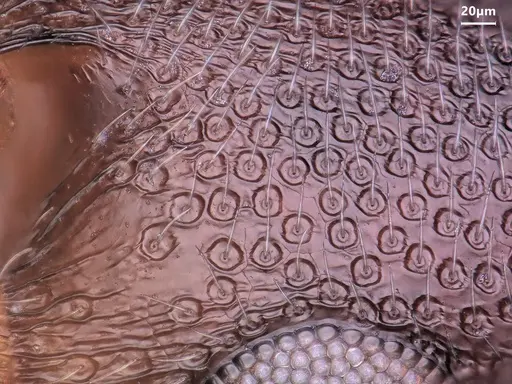
ANTWEB1048509
View on AntWeb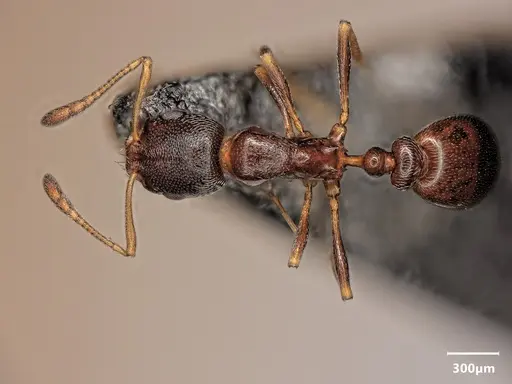
Literature
Loading...Loading products...