

Camponotus zenon
- Scientific Name
- Camponotus zenon
- Subgenus
- Tanaemyrmex
- Tribe
- Camponotini
- Subfamily
- Formicinae
- Author
- Forel, 1912
- Distribution
- Found in 1 countries
Camponotus zenon Overview
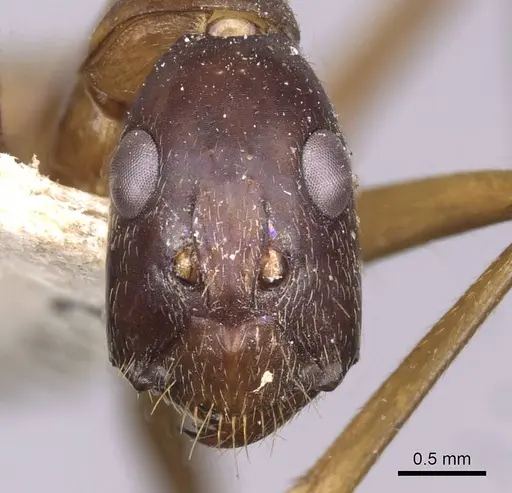
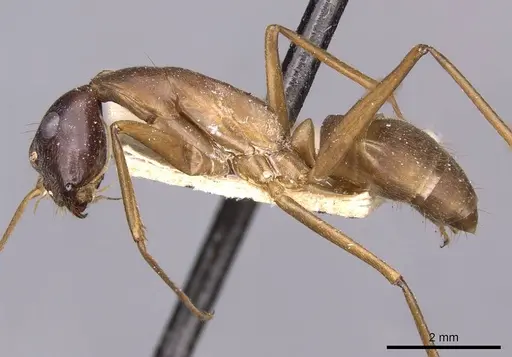
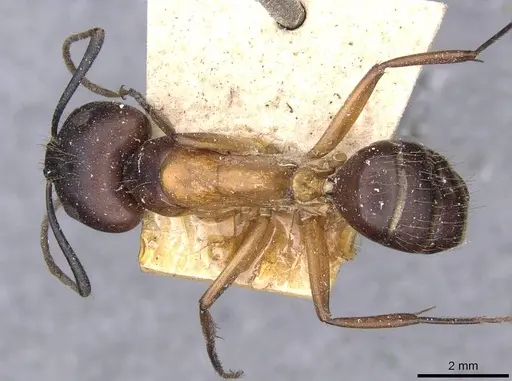
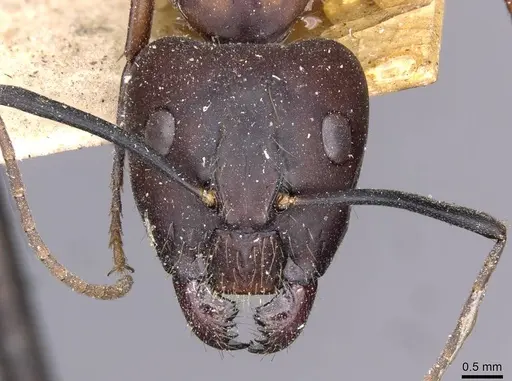
Camponotus zenon is an ant species of the genus Camponotus. It is primarily documented in 1 countries , including Brazil. Detailed taxonomic data and occurrence records can be further explored via authoritative databases such as AntWeb or the Global Biodiversity Information Facility (GBIF).
Camponotus zenon
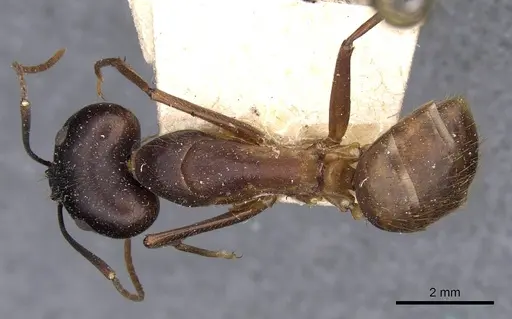
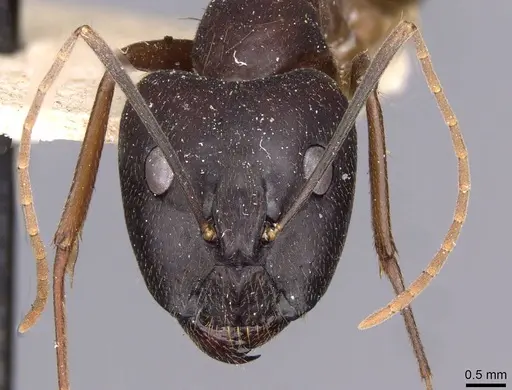
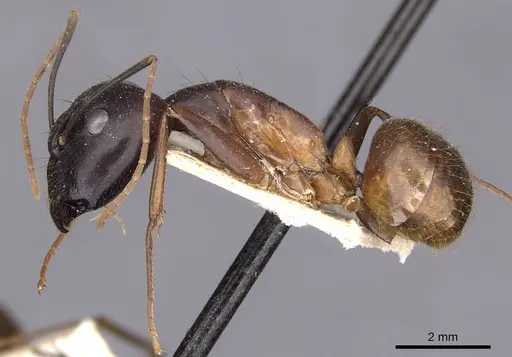
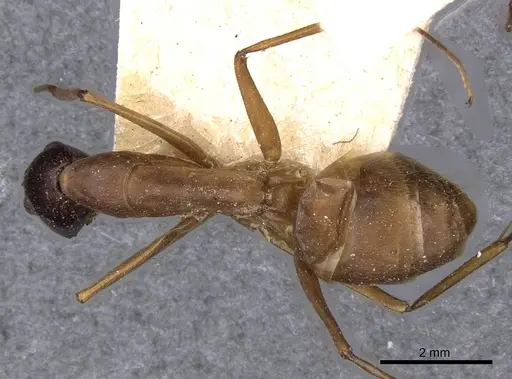
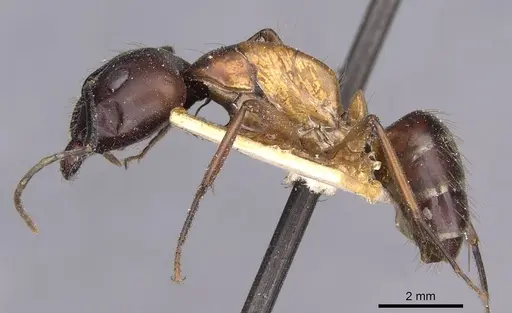
Camponotus zenon is a Neotropical carpenter ant species native to southern Brazil, specifically found in the Atlantic Forest regions of Santa Catarina and Paraná states. These are medium-sized ants belonging to the subfamily Formicinae, characterized by their dark coloration and robust build typical of Camponotus species. The species was originally described by Forel in 1912 and has since been documented primarily through pitfall trap collections in subtropical forest habitats [1][2]. A notable trait of this species is its nocturnal foraging behavior, it actively hunts and forages during the night rather than during daylight hours, concentrating its activity on crushed insects and sucrose sources [3]. This makes them an interesting choice for antkeepers who prefer observing evening activity patterns.
Quick Summary
- Difficulty: Medium
- Origin & Habitat: Native to southern Brazil, specifically the Atlantic Forest regions in Santa Catarina and Paraná states. They inhabit subtropical semideciduous seasonal forests at submontane elevations, typically in advanced-stage forest fragments [2][1].
- Colony Type: Colony structure is unconfirmed. Based on typical Camponotus patterns, likely single-queen (monogyne) colonies, though this has not been directly documented for this specific species.
- Size & Growth:
- Queen: Estimated 12-16mm based on typical Camponotus queen morphology, direct measurements for this species not available
- Worker: Estimated 6-10mm based on genus patterns, direct measurements for this species not available
- Colony: Estimated several hundred to a few thousand workers based on typical Camponotus colony development
- Growth: Moderate, Camponotus species typically take 6-10 weeks from egg to first worker
- Development: Estimated 6-10 weeks at optimal temperature based on typical Camponotus development patterns (Direct development data not available for this species. Temperature around 22-26°C likely optimal based on their subtropical origin.)
- Antkeeping:
- Temperature: Keep at 22-26°C. This range aligns with their subtropical Atlantic Forest origin in southern Brazil. A slight temperature gradient allows ants to self-regulate [4][2].
- Humidity: Moderate humidity around 50-70%. Their native habitat is the Atlantic Forest, which has moderate moisture levels. Provide a water tube as a moisture source.
- Diapause: Likely required. Southern Brazil experiences cooler winters. Provide a winter rest period of 2-3 months at reduced temperatures (15-18°C) during the colder months.
- Nesting: Y-tong (AAC) nests or plaster nests work well for Camponotus species. They prefer dark, secure chambers. A formicarium with multiple connected chambers allows for proper colony organization.
- Behavior: Nocturnal foragers, they become active at night when light levels are low. They are omnivorous, feeding on both protein sources (insects) and sugar sources (sucrose/honeydew) [5][3]. Workers can deliver a mild bite if threatened, typical of Camponotus. Escape risk is moderate, use standard Camponotus escape prevention (fluon on edges, tight-fitting lids). Activity increases in warmer months and decreases during winter rest.
- Common Issues: colonies may fail if kept too cold, maintain proper temperature year-round, nocturnal activity means you'll need to observe them in evening hours to see foraging, slow founding phase is normal for Camponotus, don't disturb claustrally founding queens, wild-caught colonies may carry parasites that can devastate captive colonies, overfeeding can lead to mold problems, remove uneaten food promptly
Housing and Nest Setup
Camponotus zenon does well in standard ant-keeping setups. Y-tong (acrylic) nests work excellently for this species, they provide the dark, secure environment these ants prefer. Plaster nests with built-in water channels also work well, maintaining moderate humidity. For the outworld, use a simple container with smooth walls treated with fluon to prevent escapes. Since they are nocturnal, you may want to position the setup where you can observe evening activity, or use a red film to observe without disturbing them. A test tube setup works for founding colonies, queen sealed in a dark chamber with a water tube for humidity. Once the colony reaches 15-20 workers, you can transition to a formicarium. [1][2]
Feeding and Diet
Based on field studies, Camponotus zenon is omnivorous with a preference for protein (crushed insects) and sugar sources (sucrose) [5][3]. In captivity, offer a varied diet: protein sources like mealworms, small crickets, or freeze-dried insects 2-3 times per week. Sugar can be provided via honey water, sugar water, or commercial ant nectar. They are nocturnal foragers, so offer food in the evening and remove uneaten portions the next morning to prevent mold. Fresh killed insects are preferred over live prey, the study showed they use more dead arthropods than live prey [5]. Avoid large prey items as the study noted they avoid large prey despite using them frequently when available.
Temperature and Seasonal Care
Maintain temperatures between 22-26°C for optimal colony development. This aligns with their subtropical origin in southern Brazil's Atlantic Forest [4][2]. A temperature gradient within the nest allows workers to choose their preferred zone. During winter months in southern Brazil, temperatures drop significantly, provide a diapause period of 2-3 months at 15-18°C. This mimics their natural seasonal cycle and helps maintain colony health. Do not keep them too warm during winter rest, this prevents proper dormancy and can weaken the colony. Room temperature during active months is usually sufficient if your home stays in the low-mid 20s°C range.
Colony Founding
Queens likely establish colonies through claustral founding, the standard method for Camponotus species. The queen seals herself in a small chamber, using stored fat reserves to survive until her first workers (nanitics) emerge. This process typically takes 6-10 weeks depending on temperature. During this critical period, the queen should be kept in complete darkness and undisturbed. Do not check on her frequently, excessive vibration and light can cause her to abandon or consume her brood. Once the first workers emerge, they will begin foraging for food to feed the developing brood. The colony will grow slowly at first, then accelerate once the first major worker cohort establishes.
Behavior and Observation
Camponotus zenon is a nocturnal species, workers remain in the nest during daylight hours and become active when darkness falls [3]. This makes them particularly interesting to observe in the evening. Workers are moderately sized and show typical Camponotus behavior: they are not overly aggressive but will defend the nest if threatened. They communicate through chemical trails and can recruit nestmates to food sources. The study on trophic resources showed they concentrate on crushed insects and sucrose [3], suggesting they are generalist omnivores. Their mandible structure has been studied biomechanically, they show relatively high stress along the mandible blade during bite loading [6][7].
Frequently Asked Questions
How long does it take for Camponotus zenon to produce first workers?
Based on typical Camponotus development, expect 6-10 weeks from egg to first worker at optimal temperature (22-26°C). This timeline has not been directly documented for C. zenon but aligns with genus patterns.
Are Camponotus zenon good for beginners?
They are rated as medium difficulty. While not the easiest species, their straightforward dietary needs (omnivorous) and moderate temperature requirements make them manageable for keepers with some experience. The nocturnal activity pattern may require adjusted observation times.
What do Camponotus zenon eat?
They are omnivorous with preferences for protein (insects) and sugar sources. Feed crushed or small insects 2-3 times weekly, and provide constant access to sugar water or honey. They prefer dead arthropods over large live prey [5].
When should I move my Camponotus zenon colony to a formicarium?
Move from test tube to formicarium once the colony reaches 15-30 workers. Camponotus prefer to be slightly crowded in their founding setup, don't move too early.
Do Camponotus zenon need hibernation?
Yes, they likely require a winter rest period. Since they come from southern Brazil where winters are cooler, provide 2-3 months at 15-18°C during the winter months.
Why is my Camponotus zenon colony not foraging during the day?
This is normal behavior, C. zenon is nocturnal. They become active at night and rest during daylight hours. Offer food in the evening for best observation.
How big do Camponotus zenon colonies get?
Based on typical Camponotus growth, colonies likely reach several hundred to a few thousand workers. Exact maximum size has not been documented for this species.
Can I keep multiple Camponotus zenon queens together?
This has not been documented for this species. Based on typical Camponotus behavior, single-queen colonies are most common. Combining unrelated queens is not recommended.
What temperature is best for Camponotus zenon?
Keep nest areas at 22-26°C. This matches their subtropical Atlantic Forest origin. A slight gradient allows self-regulation.
References

This caresheet is licensed under CC BY-SA 4.0 .
Literature
Loading...Loading products...