

Camponotus whitei
- Scientific Name
- Camponotus whitei
- Subgenus
- Myrmosaulus
- Tribe
- Camponotini
- Subfamily
- Formicinae
- Author
- Wheeler, 1915
- Distribution
- Found in 1 countries
Camponotus whitei Overview
Camponotus whitei is an ant species of the genus Camponotus. It is primarily documented in 1 countries , including Australia. Detailed taxonomic data and occurrence records can be further explored via authoritative databases such as AntWeb or the Global Biodiversity Information Facility (GBIF).
Camponotus whitei
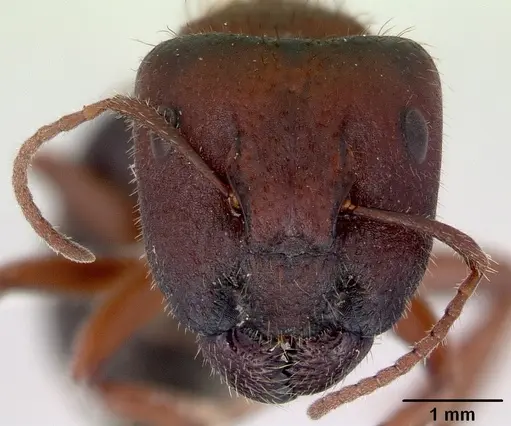
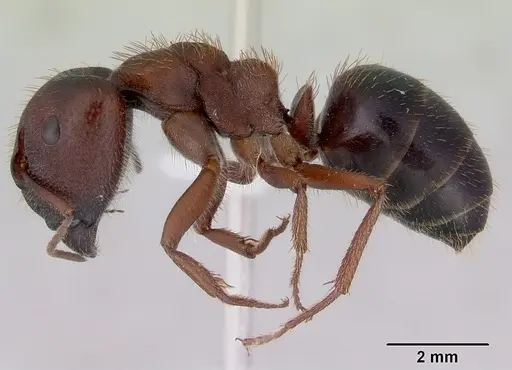
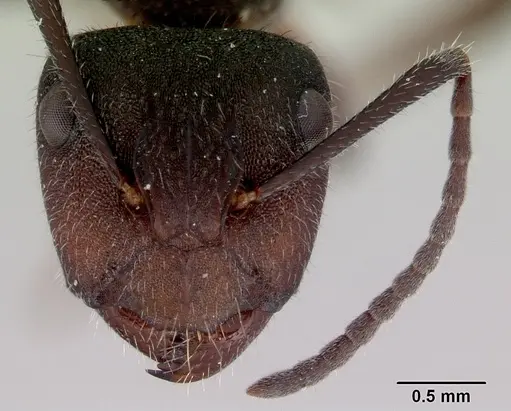
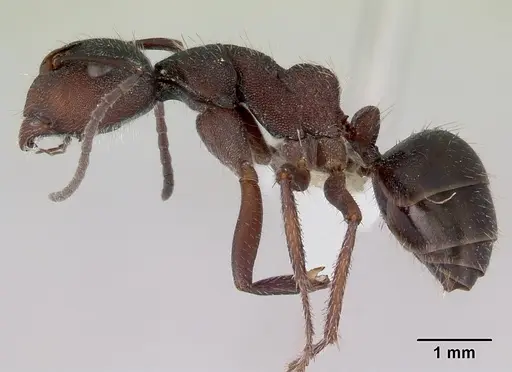
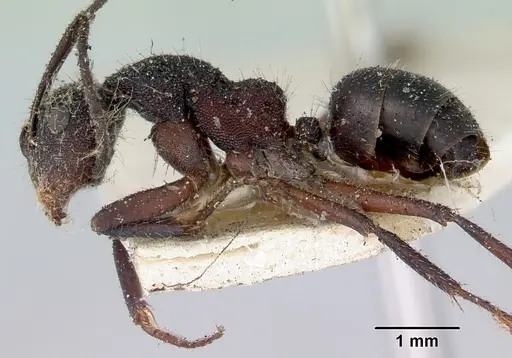
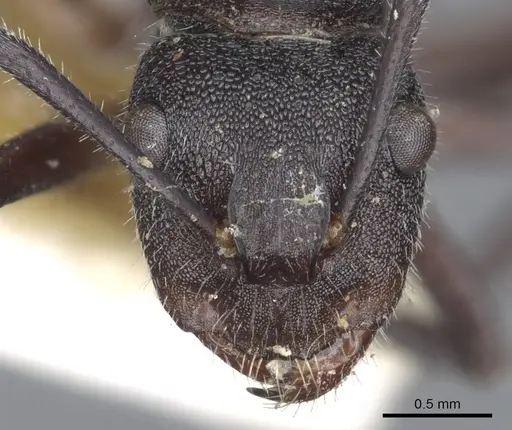
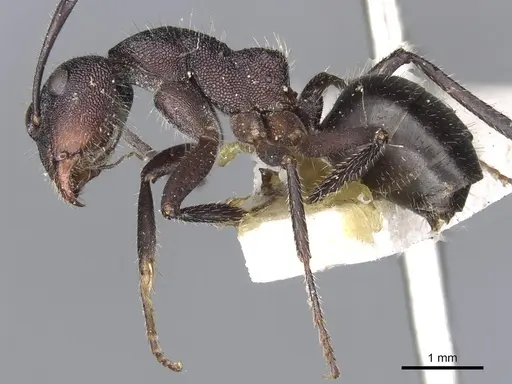
Camponotus whitei is an Australian carpenter ant species known for its distinctive appearance and wide distribution across the continent. Workers come in two size castes: minor workers measure 4.5-6mm while major workers (soldiers) are significantly larger at 9.5-11.3mm [1]. The species has a dark reddish-brown to black coloration with distinctive yellow setae (stiff hairs) covering its densely punctated body. The metanotal groove is deeply impressed, creating a notable constriction between the mesonotum and propodeum that helps distinguish this species from other Australian Camponotus [2]. This species is the most common and widespread member of the whitei group, found from central northern Queensland through western NSW to northwestern Victoria and across to southern WA [3].
Quick Summary
- Difficulty: Easy
- Origin & Habitat: Native to Australia, found across most mainland states including South Australia, Western Australia, Victoria, NSW, and Queensland. Prefers arid to semi-arid habitats but also found in the Bassian region [3][2].
- Colony Type: Single-queen colonies (monogyne). This follows typical Camponotus colony structure.
- Colony: Monogyne
- Founding: Claustral
- Size & Growth:
- Queen: Estimated 12-15mm based on genus patterns (Camponotus queens are typically larger than majors)
- Worker: Minor: 4.5-6mm, Major: 9.5-11.3mm [1]
- Colony: Likely several thousand workers at maturity based on typical Camponotus growth patterns
- Growth: Moderate, typical for Camponotus species
- Development: Estimated 6-8 weeks at optimal temperature based on genus patterns for temperate species (Development time is typical for Camponotus, first nanitic workers are smaller than normal minor workers)
- Antkeeping:
- Temperature: Keep at room temperature around 20-24°C. They tolerate a range from 18-28°C and will benefit from a gentle heat gradient [1].
- Humidity: Moderate humidity around 50-70%. Provide a water tube as their primary moisture source. They are adapted to Australia's often dry conditions.
- Diapause: Yes, Australian temperate populations require a winter dormancy period. Reduce temperature to 10-15°C for 2-3 months during winter [1].
- Nesting: Use a nesting setup that allows for dry to moderately humid conditions. Y-tong (AAC), plaster, or acrylic nests work well. Provide a connection to an outworld for foraging.
- Behavior: Generally calm and non-aggressive for a Camponotus species. Workers are moderately active foragers. Major workers defend the nest and help process larger food items. They are not known to be particularly defensive but can bite if provoked. Escape risk is moderate, use standard barrier methods like fluon on test tube setups.
- Common Issues: colonies may slow significantly during winter dormancy, this is normal but can worry new keepers, major workers are large but not aggressive, don't rely on them for defense against other colonies, dry conditions are preferred over overly wet nests, avoid excessive moisture, wild-caught colonies may have parasites, quarantine and monitor new colonies
Housing and Nest Setup
Camponotus whitei does well in standard ant keeping setups. For founding colonies, a test tube setup works perfectly, fill a test tube one-third with water, plug with a cotton ball, and place the queen in the tube. The cotton creates a water reservoir that maintains humidity while the ants can retreat to drier areas. Once the colony reaches 20-30 workers, you can move them to a formicarium. Y-tong (AAC) nests, plaster nests, or acrylic nests all work well. This species tolerates drier conditions than many ants, so avoid overly damp setups. Connect the nest to an outworld using tubing so workers can forage for food. Use standard escape prevention like fluon on rim edges, these ants are not particularly good climbers but can still escape if given the chance. [1]
Feeding and Diet
Like most Camponotus species, C. whitei is omnivorous. They accept sugar sources readily, offer sugar water, honey, or diluted maple syrup. For protein, provide insects like fruit flies, small crickets, mealworms, or roach nymphs. Major workers can handle larger prey items. In the wild, they forage for honeydew and small invertebrates. Feed the colony 2-3 times per week, removing any uneaten food after 24 hours to prevent mold. Sugar water should be available constantly, replace every few days. Protein frequency can increase during colony growth and when brood is present. [1]
Temperature and Seasonal Care
Keep your colony at room temperature, ideally 20-24°C. They can tolerate temperatures from 18-28°C. During the active summer months, normal room temperature is usually sufficient. You can provide a gentle heat gradient by placing a heating cable on part of the nest, but this is not required. In winter, Australian temperate populations enter a dormant period. Reduce temperatures to 10-15°C for 2-3 months. This mimics their natural seasonal cycle and helps maintain colony health. Do not feed during deep dormancy, but ensure a small water source remains available. [1]
Colony Development
A claustral queen will seal herself into a chamber and lay eggs without foraging. She survives on stored fat reserves and metabolizes her wing muscles for energy. The first brood develops through egg, larva, and pupa stages before emerging as nanitic (first) workers. These initial workers are smaller than normal minor workers. Once workers emerge, they take over foraging and brood care while the queen focuses on egg production. Growth is moderate, expect the colony to reach 50 workers within 6-12 months under good conditions. A mature colony may contain several thousand workers over several years. [1]
Behavior and Temperament
Camponotus whitei is a relatively calm species compared to some other carpenter ants. Workers are moderately active and will forage in the outworld for food. Major workers (soldiers) are larger and help with food processing and colony defense, though they are not particularly aggressive. When threatened, they may bite but their bite is not medically significant. Workers communicate using chemical trails to guide nestmates to food sources. This species does not have a sting, though some Camponotus can spray formic acid. Overall, they are suitable for keepers who want a larger ant species without aggressive tendencies. [1]
Frequently Asked Questions
How long does it take for Camponotus whitei to have first workers?
First workers (nanitics) typically emerge 6-8 weeks after the queen lays eggs, depending on temperature. Warmer conditions within the acceptable range can speed development slightly.
What do Camponotus whitei ants eat?
They are omnivorous. Offer sugar water or honey for carbohydrates, and protein sources like fruit flies, small crickets, or mealworms. They will also accept other insects and sweet liquids.
What temperature do Camponotus whitei need?
Keep them at room temperature, ideally 20-24°C. They tolerate 18-28°C. A winter dormancy period at 10-15°C for 2-3 months is recommended.
Are Camponotus whitei good for beginners?
Yes, they are considered easy to keep. They are relatively calm, tolerate a range of conditions, and are not aggressive. Their larger size also makes them easier to observe.
How big do Camponotus whitei colonies get?
Mature colonies can reach several thousand workers over several years. Major workers can reach 9.5-11.3mm while minors are 4.5-6mm.
Do Camponotus whitei need hibernation?
Yes, they benefit from a winter dormancy period. Reduce temperature to 10-15°C for 2-3 months during winter months to mimic their natural Australian seasonal cycle.
Can I keep multiple Camponotus whitei queens together?
No, this species is monogyne (single queen). Multiple queens will fight. Only keep one queen per colony.
When should I move Camponotus whitei to a formicarium?
Move them once the colony reaches 20-30 workers. Before that, a test tube setup is sufficient for the founding colony.
Why is my Camponotus whitei colony not growing?
Check temperature (should be 20-24°C), ensure protein is being offered regularly, and verify the queen is still laying eggs. Slow growth can also be normal, Camponotus are not fast growers compared to some genera.
References

This caresheet is licensed under CC BY-SA 4.0 .
CASENT0172132
View on AntWeb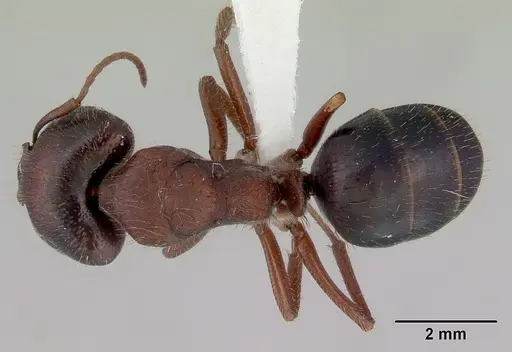
CASENT0172133
View on AntWeb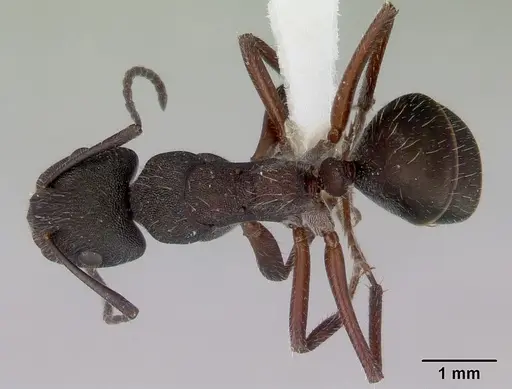
CASENT0172140
View on AntWeb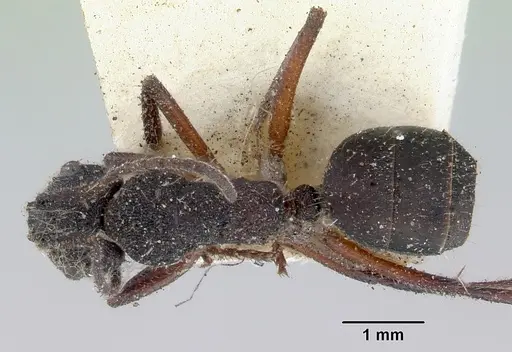
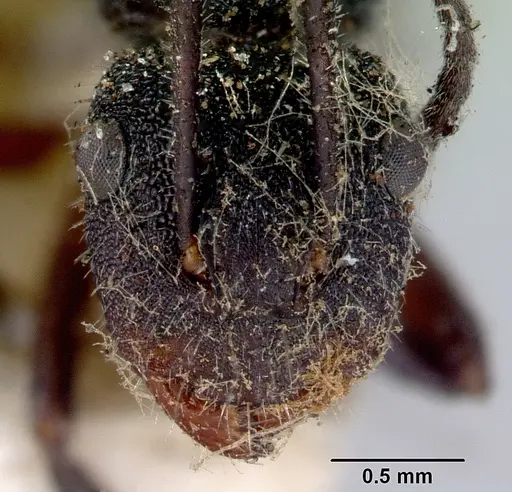
CASENT0887712
View on AntWeb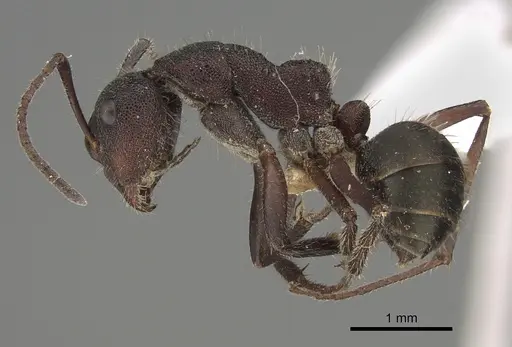
CASENT0903550
View on AntWeb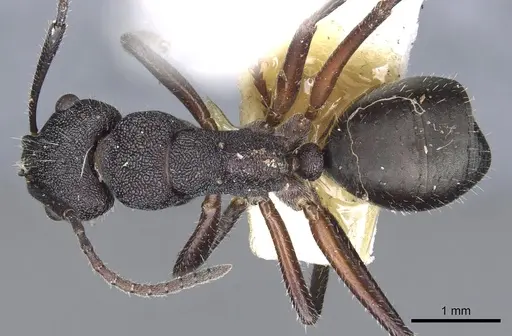
Literature
Loading...Loading products...