

Camponotus vulpus
- Scientific Name
- Camponotus vulpus
- Subgenus
- Paramyrmamblys
- Tribe
- Camponotini
- Subfamily
- Formicinae
- Author
- Santschi, 1926
- Distribution
- Found in 1 countries
Camponotus vulpus Overview
Camponotus vulpus is an ant species of the genus Camponotus. It is primarily documented in 1 countries , including Rwanda. Detailed taxonomic data and occurrence records can be further explored via authoritative databases such as AntWeb or the Global Biodiversity Information Facility (GBIF).
Camponotus vulpus
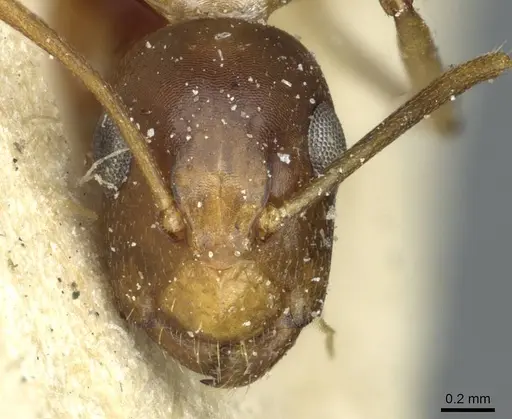
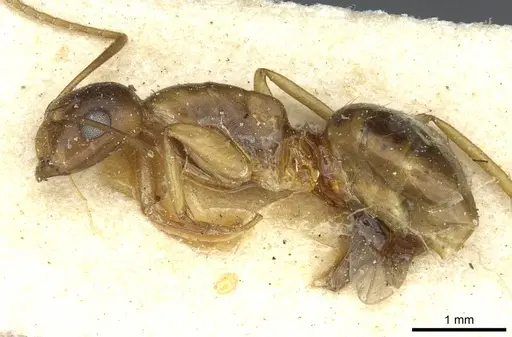
Camponotus vulpus is a medium-sized carpenter ant species native to Central Africa. Workers measure 6-12mm and display the typical Camponotus coloration pattern with a dark body and lighter reddish-brown to yellowish appendages. The species belongs to the Formicinae subfamily and the Paramyrmamblys subgenus. Originally described from the Democratic Republic of Congo in 1926,recent surveys have also recorded this species in Rwanda's Akagera National Park, though it remains considered rare [1]. As with most Camponotus species, these ants are generalist foragers that tend honeydew-producing insects and hunt small invertebrates.
Quick Summary
- Difficulty: Medium
- Origin & Habitat: Democratic Republic of Congo and Rwanda. This species inhabits tropical forest environments in Central Africa, though specific microhabitat preferences are not well documented in scientific literature [2][1].
- Colony Type: Monogyne (single queen) colonies are typical for the genus, though colony structure details for this specific species remain unconfirmed.
- Colony: Monogyne
- Founding: Claustral
- Size & Growth:
- Queen: Estimated 12-15mm based on genus patterns, direct measurements not available
- Worker: 6-12mm (polymorphic, major and minor workers) [3]
- Colony: Unknown for this species, likely several hundred workers based on typical Camponotus colony development
- Growth: Moderate, expect 6-10 weeks from egg to first worker at optimal temperature based on related species
- Development: 6-10 weeks at 24-28°C (inferred from genus-level Camponotus data) (Development time is estimated from related Camponotus species as no species-specific data exists. Higher temperatures within safe range accelerate development.)
- Antkeeping:
- Temperature: Keep nest area at 24-28°C. A gentle temperature gradient allows ants to regulate their own exposure to warmth. Room temperature within this range is acceptable [3].
- Humidity: Moderate humidity around 50-70%. Keep nest substrate slightly moist but allow some drying between waterings. These ants tolerate typical household humidity better than some species.
- Diapause: Likely required, tropical African ants often have reduced activity periods during dry seasons rather than true hibernation. Consider a cool period (18-20°C) for 2-3 months during winter months.
- Nesting: In captivity, Y-tong (AAC) nests or plaster nests work well. Provide a dark nesting chamber as this species prefers dark, enclosed spaces. A test tube setup is suitable for founding colonies.
- Behavior: Workers are moderately active and primarily nocturnal or crepuscular. They are not particularly aggressive but will defend the nest if threatened. Major workers can deliver a mild sting, though Camponotus ants are not known for painful stings. Escape prevention is important, use fluon barriers on any setup as workers can climb smooth surfaces. They are generalist foragers accepting both sugar and protein foods.
- Common Issues: Limited availability, this is a rare species in the antkeeping hobby, Colony growth is slow, beginners may lose patience and overfeed, causing mold issues, Wild-caught colonies may carry parasites that are difficult to treat, Temperature management is critical, too cold causes brood development to stall, Founding queens are claustral but need stable conditions, avoid disturbing sealed chambers
Housing and Nest Setup
For founding colonies, a simple test tube setup works well. Fill a test tube with water and plug the end with a cotton ball, this provides humidity for several weeks. Place the tube in a dark container to simulate a natural nest chamber. Once the colony reaches 20-30 workers, you can move them to a proper formicarium. Y-tong (AAC) nests are excellent for Camponotus because they provide darkness, humidity control, and easy observation. Plaster nests also work well and hold moisture longer. Always connect the nest to an outworld (foraging area) using tubing. The outworld should be escape-proof, apply fluon or talc powder to barrier surfaces. [3]
Feeding and Diet
Camponotus vulpus is a generalist feeder like most carpenter ants. Offer sugar sources regularly, honey water (1:3 honey to water ratio) or pure honey is readily accepted. For protein, provide small insects like fruit flies, small crickets, or mealworms. Feed protein 2-3 times per week, adjusting based on colony size and consumption. Remove uneaten prey after 24 hours to prevent mold. Some colonies will also accept small amounts of fruit or seeds, but protein remains the primary colony building food. Always provide a constant sugar source and remove it if it spoils. [3]
Temperature and Seasonal Care
Maintain nest temperatures between 24-28°C for optimal brood development. You can achieve this with a heating cable or mat placed on top of the nest (never underneath as it can dry out the nest too quickly). Create a temperature gradient so workers can choose their preferred warmth. During winter months (roughly November-February in the Northern Hemisphere), reduce temperatures to 18-20°C to simulate a cool season. This rest period supports colony health even though this is a tropical species. Do not cool below 15°C as this can harm the colony. Resume normal temperatures gradually in spring. [3]
Colony Development and Growth
A claustral queen will seal herself in a chamber and not emerge until her first workers (nanitics) hatch. This process takes 6-10 weeks depending on temperature. The first workers will be smaller than normal workers (nanitics) and the colony grows gradually from there. Camponotus colonies are polymorphic, you'll see both major and minor workers. Majors develop later and have larger heads for defensive tasks and food processing. Colonies can take 1-2 years to reach 100 workers under good conditions. Be patient, fast growth is not typical for this genus. Avoid the temptation to overfeed as excess food causes mold that can kill founding colonies. [3]
Behavior and Handling
Workers are primarily active during evening and night hours. They are not aggressive toward humans but will bite if handled roughly or if the nest is threatened. The sting is mild and not medically significant for healthy adults. These ants communicate using chemical trails, you'll see foragers following established paths to food sources. They are good climbers and can escape through small gaps. Always use barrier methods (fluon, talc, or water moats) to prevent escapes. When moving or disturbing the nest, do so gently as queens can be damaged by excessive vibration or handling. [3]
Frequently Asked Questions
How long does it take for Camponotus vulpus to get their first workers?
Expect 6-10 weeks from egg to first worker at optimal temperature (24-28°C). This is typical for Camponotus species. The queen is claustral, she seals herself in and raises the first brood alone without foraging.
What do Camponotus vulpus ants eat?
They are generalist feeders. Offer a constant sugar source (honey water or honey) and protein sources like small insects (fruit flies, small crickets, mealworms) 2-3 times per week.
What temperature do Camponotus vulpus ants need?
Keep the nest at 24-28°C. A heating cable on top of the nest can maintain these temperatures. Room temperature within this range is acceptable. Provide a gradient so ants can choose their preferred warmth.
Are Camponotus vulpus good for beginners?
This species is rated as Medium difficulty. They are more forgiving than some tropical species but slower-growing than beginner-friendly species like Lasius. They require stable temperatures and proper feeding but are not overly demanding.
How big do Camponotus vulpus colonies get?
Colony size is not well documented for this specific species, but typical Camponotus colonies reach several hundred workers over 1-2 years. Maximum colony size is likely several hundred to a thousand workers.
Do Camponotus vulpus need hibernation?
As a tropical African species, they do not require true hibernation. However, a cool period at 18-20°C for 2-3 months during winter supports colony health. This simulates their natural dry season slowdown rather than cold hibernation.
Can I keep multiple Camponotus vulpus queens together?
This species is monogyne, single queen colonies are typical. Combining unrelated queens is not recommended as they will likely fight. In the wild, only one queen establishes each colony.
When should I move Camponotus vulpus to a formicarium?
Move them when the colony reaches 20-30 workers or when the test tube setup becomes cramped. A Y-tong or plaster nest works well. Always connect the nest to an outworld before moving so workers can explore and establish new territory.
Why is my Camponotus vulpus colony not growing?
Common causes include: temperatures below 24°C (slows development), overfeeding (causes mold that kills colonies), disturbing the founding chamber too often, or insufficient protein. Check temperature, reduce feeding, and ensure the queen is not being disturbed.
References

This caresheet is licensed under CC BY-SA 4.0 .
RMCAENT000017818
View on AntWeb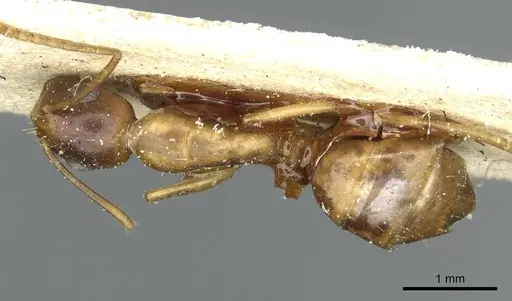
Literature
Loading...Loading products...