

Camponotus vittatus
- Scientific Name
- Camponotus vittatus
- Subgenus
- Tanaemyrmex
- Tribe
- Camponotini
- Subfamily
- Formicinae
- Author
- Forel, 1904
- Distribution
- Found in 1 countries
Camponotus vittatus Overview
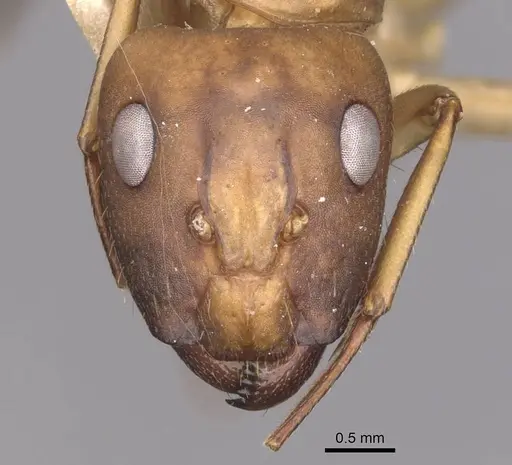
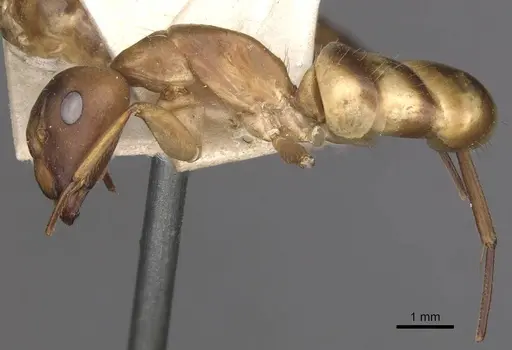
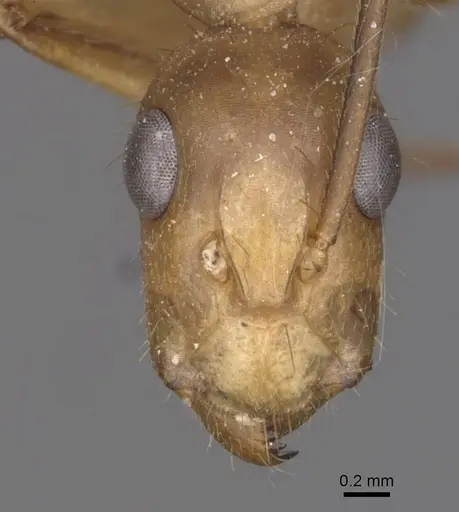
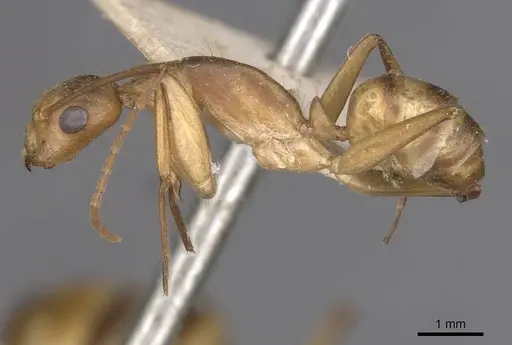
Camponotus vittatus is an ant species of the genus Camponotus. It is primarily documented in 1 countries , including Brazil. Detailed taxonomic data and occurrence records can be further explored via authoritative databases such as AntWeb or the Global Biodiversity Information Facility (GBIF).
Camponotus vittatus
Camponotus vittatus is a Neotropical carpenter ant found across Brazil, French Guiana, and northern Argentina. Workers are dimorphic, meaning they come in two sizes: smaller minor workers and larger major workers (soldiers). This species belongs to the subgenus Tanaemyrmex and is known for its remarkable adaptability to urban environments, making it one of the most frequently encountered ants in Brazilian cities. They have the typical carpenter ant body plan with a rounded abdomen and can be identified by their uniform dark coloration. This species shows strong seasonal activity patterns, with significantly higher foraging activity during the dry season compared to rainy periods.
Quick Summary
- Difficulty: Easy
- Origin & Habitat: Native to the Neotropical region, specifically Brazil, French Guiana, and Argentina. Found in diverse habitats including Cerrado savanna, Caatinga dry forest, Atlantic Forest fragments, and Amazon-influenced areas. They nest in soil, under stones, and in rotting wood, with arboreal foraging activity in trees and shrubs [1][2][3].
- Colony Type: Likely monogyne (single queen colonies) based on typical Camponotus patterns. Colonies contain both minor and major workers. Ergatoid replacement reproductives have not been documented for this species.
- Colony: Monogyne
- Founding: Claustral
- Size & Growth:
- Queen: Estimated 12-15mm based on genus patterns, direct measurements not available
- Worker: Minor workers: 4-6mm, Major workers: 8-12mm [4]
- Colony: Estimated several thousand workers at maturity based on typical Camponotus colony sizes
- Growth: Moderate
- Development: Estimated 6-8 weeks at optimal temperature based on genus patterns (Eggs are 1.18mm long and larvae go through three instars before pupation. Pupae develop in silky cocoons and measure about 6.64mm [4].)
- Antkeeping:
- Temperature: Keep at 24-28°C. As a Neotropical species from Brazil, they prefer warm conditions. A heating cable on one side of the nest creates a suitable gradient.
- Humidity: Moderate humidity around 50-70%. Provide a water tube for drinking and ensure the nest substrate stays slightly moist but not waterlogged. They are adaptable and found in both dry and humid environments.
- Diapause: No true hibernation required. However, a slight reduction in temperature during winter months (down to 18-20°C) may help simulate natural seasonal cycles. Activity will reduce naturally in cooler conditions.
- Nesting: Use a Y-tong (AAC) nest, plaster nest, or test tube setup. They can adapt to various nest types. Provide a foraging area with access to protein and sugar foods. A formicarium with chambers scaled to their size works well.
- Behavior: Generally calm and not aggressive toward keepers. Like most Camponotus, they are omnivorous and will accept both sugar sources (honey, sugar water) and protein (insects, frozen fruit flies). Workers are moderately active foragers. Major workers can deliver a mild bite if threatened, but they are not considered dangerous. Escape prevention should be moderate, they are larger ants but can still climb smooth surfaces.
- Common Issues: colonies may decline if kept too cold, maintain warm temperatures year-round, urban-adapted specimens may carry parasites, quarantine wild-caught colonies, dry season activity pattern means they may be less active during rainy periods in captivity, major workers can be intimidating but are not aggressive, don't confuse size with danger, ensure escape prevention is adequate though not as critical as for tiny species
Natural History and Distribution
Camponotus vittatus is a widespread Neotropical carpenter ant found throughout Brazil, into French Guiana and northern Argentina. This species has adapted to multiple habitat types across its range, including the Cerrado savanna ecosystems, Caatinga dry forests, Atlantic Forest fragments, and Amazon-influenced regions. They are considered a versatile species that can thrive in both natural and disturbed environments. Research shows they are particularly abundant in urban areas, where they often become one of the dominant ant species. In a major survey in Uberlândia, Brazil, they represented 23.5% of all ants collected, making them the most frequent species in that urban environment [5]. Their success in urban environments is attributed to their omnivorous diet and ability to nest in various substrates including soil, under stones, and in rotting wood.
Colony Structure and Development
Camponotus vittatus colonies are dimorphic, meaning they have two distinct worker castes: smaller minor workers and larger major workers (sometimes called soldiers). The minor workers handle most foraging and brood care tasks, while major workers defend the colony and help process larger food items. The species shows interesting seasonal patterns in the wild, research in Caatinga ecosystems shows they are significantly more active during the dry season (52 individuals captured) compared to the rainy season (only 9 individuals), suggesting they prefer drier conditions [6][7]. Development from egg to worker takes approximately 6-8 weeks under optimal conditions. Eggs measure about 1.18mm in length and are ovoid but slightly elongate. Larvae go through three instars and are covered in distinctive hairs, researchers noted this species has the greatest diversity of hair types ever recorded in an ant larva, with hairs having up to 6 branches [4]. Pupae develop inside silky cocoons and metamorphosis takes several weeks.
Feeding and Diet
Like all Camponotus species, C. vittatus is omnivorous. In the wild, they forage for nectar, honeydew from aphids, and hunt small insects. Studies classify their feeding habit as omnivorous, and they are known to attend aphids and scale insects for honeydew [8]. They also function as predators, attacking and excluding termites as part of their ecological role [9]. In captivity, offer a varied diet including sugar water or honey as a constant energy source, and protein foods such as mealworms, fruit flies, or small crickets twice weekly. They will readily accept most standard ant foods. Major workers can handle larger prey items thanks to their more powerful mandibles. Fresh water should always be available, a test tube water reservoir works well.
Temperature and Seasonal Care
As a Neotropical species from Brazil, Camponotus vittatus prefers warm temperatures. Keep the nest area at 24-28°C for optimal brood development. A heating cable placed on one side of the nest creates a temperature gradient allowing workers to choose their preferred zone. Unlike temperate species, they do not require a true hibernation period, but you may notice reduced activity during winter months if your room temperature drops. The species shows natural seasonal variation in activity, they are far more active during dry seasons in the wild, so expect some fluctuation in foraging activity based on conditions. Avoid temperatures below 18°C for extended periods. Room temperature within their preferred range is usually sufficient without additional heating in most homes. [6][7]
Nesting Requirements
In nature, C. vittatus nests in soil, under stones, and in rotting wood, typical carpenter ant nesting sites. They are not wood-nesting in the destructive sense like some Camponotus species, they simply use existing cavities. For captivity, a Y-tong (AAC) acrylic nest works excellently, or you can use a plaster nest with chambers scaled to colony size. Test tube setups are suitable for founding colonies. Provide a connection to an outworld (foraging area) where you can offer food. The nest should have some moisture available, a water tube with a cotton plug provides drinking water and helps maintain slight humidity. Escape prevention is important but not as critical as for tiny species, standard barriers work well for these medium-to-large ants.
Health and Hygiene Considerations
One important note for keepers: Camponotus vittatus is an urban-adapted species and has been documented carrying harmful bacteria in hospital settings. Studies in Brazilian hospitals found contamination rates of 37.5-50% for bacteria including Staphylococcus and Gram-negative bacilli [10][11]. While this is primarily a concern for public health (ants in hospitals), it serves as a reminder to maintain good hygiene with your ant colonies. Keep enclosures clean, remove uneaten food promptly, and wash your hands before and after handling the colony. Wild-caught colonies may also carry parasites, so quarantine new colonies for a few weeks before introducing them to established setups. These are not dangerous ants to keep, the bacteria findings simply remind us that any insect collected from urban environments should be handled with basic hygiene.
Frequently Asked Questions
Is Camponotus vittatus a good species for beginners?
Yes, this is an excellent beginner species. They are adaptable, tolerant of various conditions, and not aggressive. Their moderate size makes them easy to observe and handle. They accept a wide variety of foods and are generally hardy in captivity.
How long does it take for the first workers to emerge?
Based on typical Camponotus development patterns, expect first workers (nanitics) to emerge in about 6-8 weeks after the queen lays eggs, assuming temperatures around 24-28°C. The eggs hatch into larvae which then pupate before emerging as workers.
What do Camponotus vittatus eat in captivity?
Offer sugar water or honey as a constant energy source, and protein foods like mealworms, fruit flies, or small crickets twice weekly. They are omnivorous and will accept most standard ant foods. Fresh water should always be available.
Do they need hibernation or diapause?
No true hibernation is required. As a Neotropical species, they do not experience cold winters. You may notice reduced activity in cooler months (winter), which is natural. A slight temperature reduction to 18-20°C during winter is acceptable but not necessary.
How big do colonies get?
Based on typical Camponotus colony sizes, mature colonies likely reach several thousand workers. They are dimorphic with major and minor workers, which gives the colony flexibility in task allocation.
Can I keep multiple queens together?
Not recommended. Like most Camponotus, they are likely monogyne (single queen) species. Combining unrelated queens has not been documented and would likely result in aggression. A single founding queen will establish a colony successfully on her own.
What temperature should I keep them at?
Keep them warm at 24-28°C. As a Brazilian Neotropical species, they prefer warm conditions. A heating cable on part of the nest can provide a gradient, but room temperature in most homes is often suitable.
When should I move them to a formicarium?
You can keep them in a test tube setup for the founding stage. Once the colony reaches 20-30 workers and you see they are active and healthy, you can move them to a formicarium or Y-tong nest with a connected outworld.
Are they escape artists?
Moderate escape risk. They are larger ants but can still climb smooth surfaces. Standard escape prevention (Fluon on rim edges, barrier bands) is sufficient. They are not as problematic as tiny species but still require attention.
References

This caresheet is licensed under CC BY-SA 4.0 .
CASENT0909994
View on AntWeb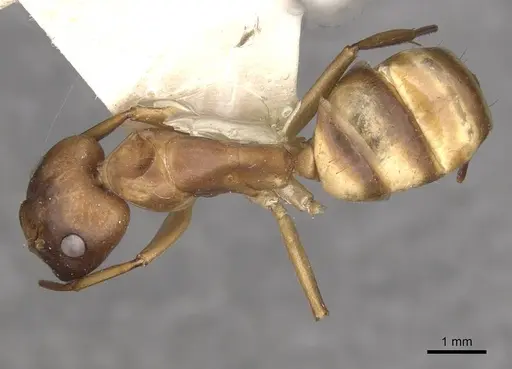
CASENT0909995
View on AntWeb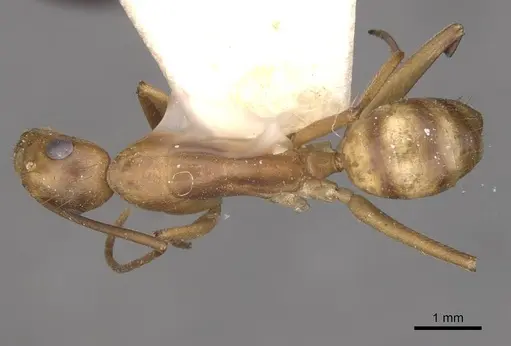
Literature
Loading...Loading products...