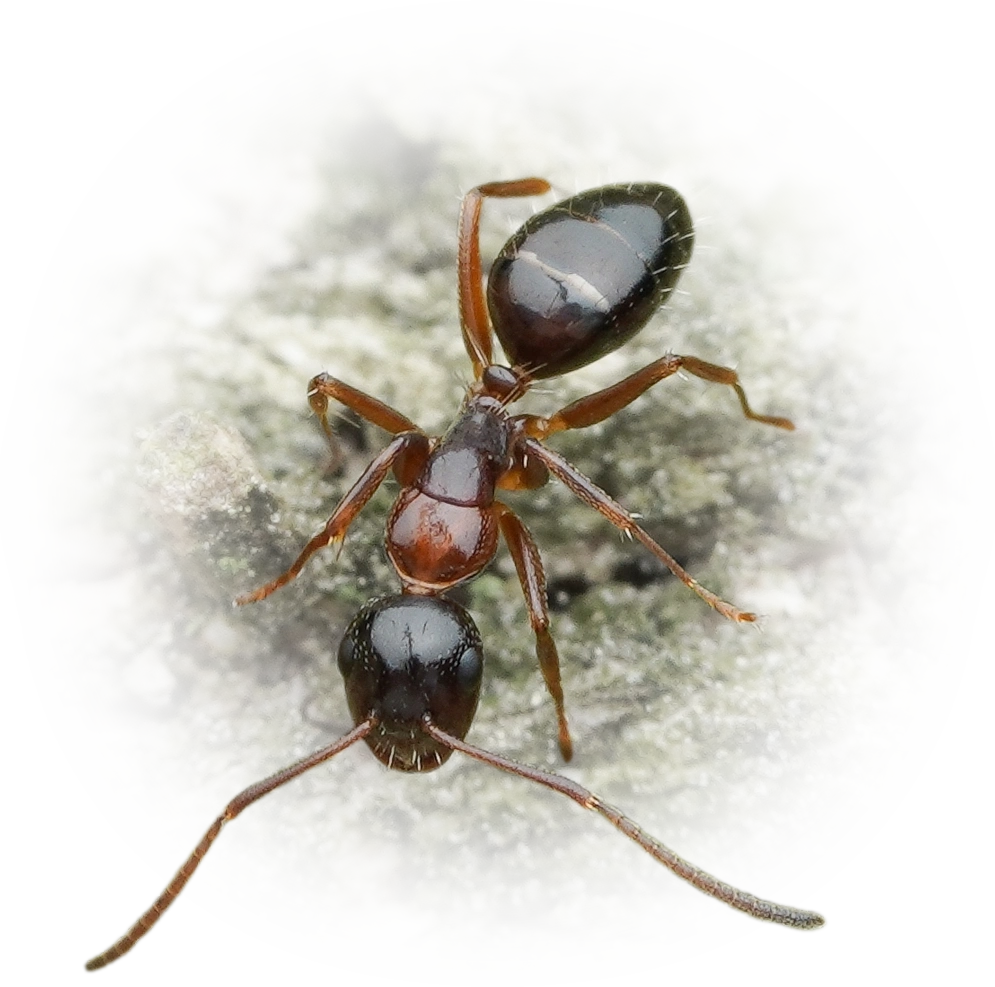

Camponotus vitiosus
- Scientific Name
- Camponotus vitiosus
- Subgenus
- Myrmamblys
- Tribe
- Camponotini
- Subfamily
- Formicinae
- Author
- Smith, 1874
- Distribution
- Found in 4 countries
Camponotus vitiosus Overview
Camponotus vitiosus is an ant species of the genus Camponotus. It is primarily documented in 4 countries , including China, Hong Kong, Japan. Detailed taxonomic data and occurrence records can be further explored via authoritative databases such as AntWeb or the Global Biodiversity Information Facility (GBIF).
Camponotus vitiosus
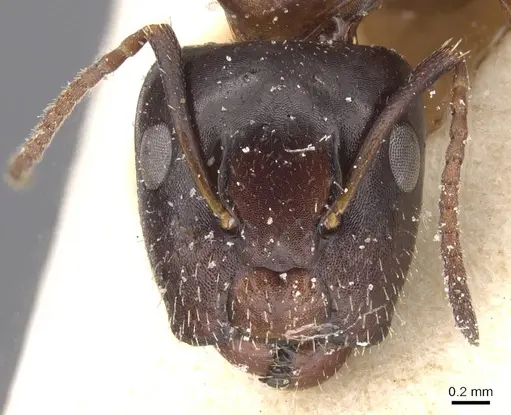
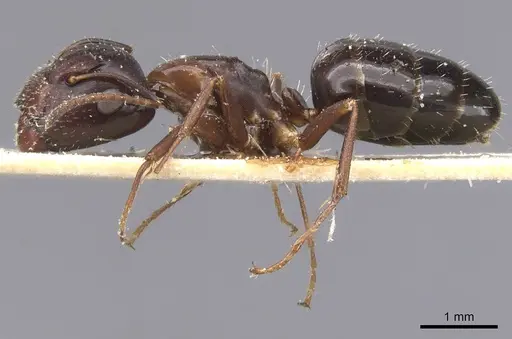
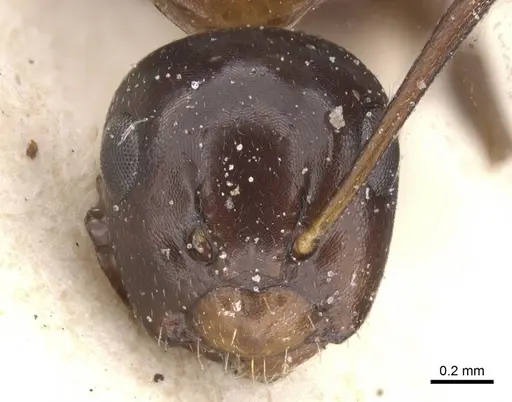
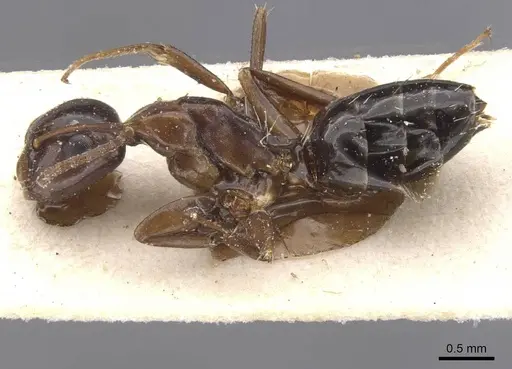
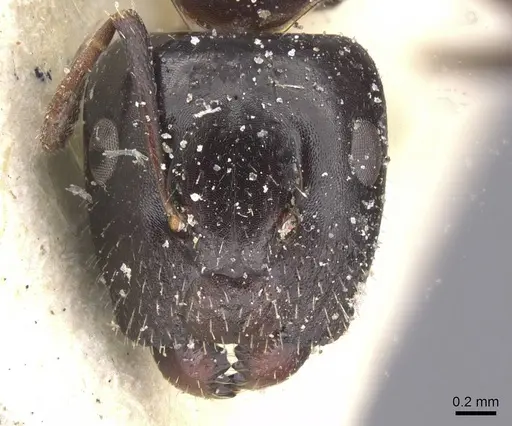
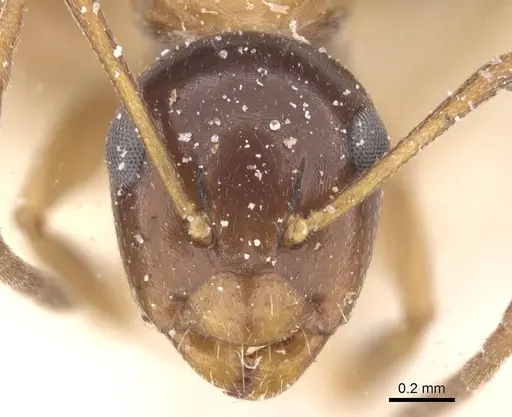
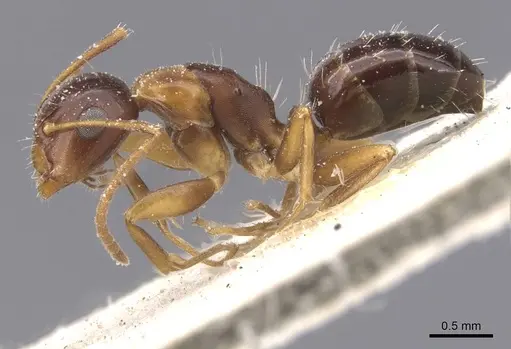
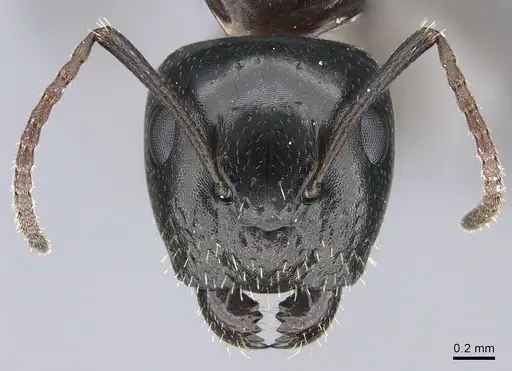
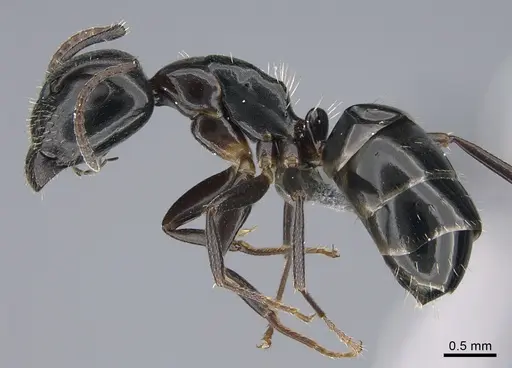
Camponotus vitiosus is a medium-sized arboreal ant native to East Asia, found across Japan (Honshu, Shikoku, Kyushu, Ryukyu Islands), mainland China, and the Korean Peninsula [1][2]. Workers measure 3.3-6mm with a predominantly black body, often showing brownish coloration on the pronotum (the middle body section), and sometimes reddish-brown markings on the abdomen [3][1]. This species is a principall arboreal nester, making its home in dead twigs and decayed parts of tree trunks [1][4]. What makes C. vitiosus particularly interesting is its remarkable resilience, it's one of the few native Japanese ants that can persist even when invasive Argentine ants take over an area, likely due to its arboreal lifestyle and varied diet [5][6]. It also has mutualistic relationships with certain butterflies and is attracted to the extrafloral nectaries of plants like Mallotus japonicus.
Quick Summary
- Difficulty: Easy
- Origin & Habitat: Japan, China, and Korean Peninsula. Arboreal species that nests in dead twigs on trees and decayed parts of tree trunks [1][4]. Found in forest edges, urban parks, and residential areas.
- Colony Type: Likely monogyne (single queen) based on typical Camponotus patterns. Colony size appears moderate, with documented colonies containing multiple queens and workers [7].
- Colony: Monogyne
- Founding: Claustral
- Size & Growth:
- Queen: Estimated 8-12mm based on Camponotus genus patterns (no direct species measurement found)
- Worker: 3.3-6mm [3][1]
- Colony: Likely several hundred workers based on typical Camponotus colony development
- Growth: Moderate, typical for Camponotus species
- Development: Estimated 6-8 weeks at optimal temperature based on Camponotus genus development [1] (Development time inferred from genus patterns, actual timing may vary)
- Antkeeping:
- Temperature: Keep at room temperature (20-24°C). As a temperate Japanese species, they do well in typical indoor conditions. A slight gradient is beneficial but not critical.
- Humidity: Moderate humidity is fine. Being arboreal, they prefer somewhat humid conditions but not wet. Keep the nest area slightly moist but allow drying between water additions.
- Diapause: Yes, as a Japanese temperate species, they require a winter rest period (diapause). Keep at cool temperatures (around 5-10°C) for 2-3 months during winter.
- Nesting: Arboreal species, they naturally nest in dead twigs and tree cavities. In captivity, they do well in Y-tong (acrylic) nests or wooden formicaria that mimic their natural twig nesting sites. Avoid fully soil-based nests, they prefer tighter chambers that mimic twig interiors.
- Behavior: Generally calm and non-aggressive for a Camponotus species. Workers are active foragers, primarily at night but also during day, searching for honeydew, nectar, and small insects [8]. They are attracted to both sweet and protein baits. Their arboreal nature means they are good climbers. Escape prevention is important but not as critical as for tiny species, they are moderate-sized ants. They show remarkable resilience to invasive species competition in the wild [5].
- Common Issues: winter die-off if diapause is not provided, this Japanese species needs a proper hibernation period, colonies may struggle in fully soil-based nests, they prefer arboreal-style accommodations, slow founding phase, claustral queens need time to raise first workers without disturbance, potential escape through small openings if nest connections are not secure, may be outcompeted by more aggressive ant species if housed in community setups
Housing and Nest Preferences
Camponotus vitiosus is an arboreal species, meaning it naturally lives in elevated locations like dead twigs and tree cavities rather than underground [1][4]. In captivity, you should replicate this by providing nests that mimic these conditions. Y-tong (acrylic) nests work very well because they have tight, narrow chambers similar to twig interiors. Wooden formicaria are another excellent option. Avoid setups that are primarily soil-based or have large, open chambers, these don't match their natural preferences. The nest should have chambers sized appropriately for their worker size (3-6mm). Since they're arboreal, they benefit from having their nest connected to an outworld that allows climbing opportunities. A small water test tube connected to the nest provides moisture without creating the damp soil conditions they don't prefer.
Feeding and Diet
In the wild, C. vitiosus forages for honeydew, nectar, and small insects. Studies show they are attracted to both honey and cheese baits, confirming they accept sweet and protein foods [8]. In captivity, offer a varied diet: sugar water or honey constantly, protein sources like mealworms or small crickets 2-3 times weekly, and occasional fruit or other sweets. They are foragers that actively search for food, so place offerings in the outworld where they can find it easily. Being a larger Camponotus species, they can handle prey items that smaller ants couldn't manage. Remove uneaten protein after 24-48 hours to prevent mold. Their attraction to extrafloral nectaries in the wild suggests they particularly enjoy sweet liquids [9][10].
Temperature and Seasonal Care
As a species native to temperate Japan, C. vitiosus does well at standard room temperatures (20-24°C). This range supports normal colony activity and brood development. During summer months, ensure they aren't in direct sunlight or overheating, typical indoor temperatures are fine. The critical seasonal requirement is winter diapause. Each year, you should simulate winter by reducing temperatures to roughly 5-10°C for 2-3 months (typically November through February in the Northern Hemisphere). This rest period is essential for colony health and queen reproduction. Without proper diapause, colonies may become stressed and fail to produce new reproductives. You can achieve this by moving the colony to an unheated garage, basement, or refrigerator during winter. [1]
Behavior and Colony Dynamics
C. vitiosus workers are active foragers that search for food both during the day and at night [8]. They are not particularly aggressive, compared to some Camponotus species, they are relatively calm. Their arboreal lifestyle means they're good climbers and often travel along branches and tree trunks in the wild. One remarkable trait is their resilience to invasive species. Research shows they persist even when Argentine ants invade urban areas, likely because they nest in trees above the ground where Argentine ants don't compete as effectively [5][6]. Colonies grow moderately, expect the first workers (nanitics) to emerge 6-8 weeks after the queen lays eggs, with colony size gradually increasing over several years. Queens are claustral, meaning they seal themselves in a chamber and raise the first brood without leaving to forage.
Growth and Development
Based on Camponotus genus patterns, C. vitiosus follows typical colony development. The queen lays eggs after mating (nuptial flights occur during warm months, specific timing unconfirmed). Eggs develop through larval and pupal stages before emerging as workers. First workers (nanitics) are typically smaller than mature workers and appear around 6-8 weeks after egg-laying at optimal temperatures [1]. The colony then grows as the queen continues producing eggs and workers take on foraging and nest maintenance roles. Growth rate is moderate, not as fast as some tropical species, but faster than very slow-growing desert species. With proper care (appropriate temperature, feeding, and winter diapause), colonies can live for many years, with queens potentially living 10-15 years or more.
Frequently Asked Questions
Can I keep Camponotus vitiosus in a test tube?
You can start colonies in test tubes for founding, but they will do better long-term in an arboreal-style nest like Y-tong or wooden formicarium. This species naturally nests in dead twigs and tree cavities, so tight chambers suit them better than open test tube setups.
When should I move Camponotus vitiosus to a formicarium?
Move them when the colony reaches around 20-30 workers or when the test tube becomes cramped. Since they're arboreal, a Y-tong nest with narrow chambers works well. Don't rush the move, let them establish in the test tube for several months after first workers emerge.
How long until first workers with Camponotus vitiosus?
Expect first workers (nanitics) around 6-8 weeks after the queen lays eggs, assuming temperatures around 20-24°C. This is typical for Camponotus species. The queen will seal herself in during founding and won't emerge until her first workers hatch.
Are Camponotus vitiosus good for beginners?
Yes, they are considered easy to keep. They are resilient, accept varied foods, and don't require extreme humidity or temperature conditions. The main requirements are providing appropriate arboreal-style housing and giving them a proper winter diapause.
Do Camponotus vitiosus need hibernation?
Yes, as a Japanese temperate species, they require a winter rest period. Keep them at cool temperatures (5-10°C) for 2-3 months during winter. This is essential for colony health and future reproduction.
What do Camponotus vitiosus eat?
They accept a varied diet: sugar water or honey as a constant energy source, and protein like mealworms, crickets, or other insects 2-3 times weekly. They are also attracted to cheese and fruit. Sweet foods are particularly favored.
How big do Camponotus vitiosus colonies get?
Based on typical Camponotus patterns, colonies likely reach several hundred workers over several years. They are not among the largest Camponotus species but can still form substantial colonies with proper care.
Can I keep multiple queens together?
Not recommended for founding. While some Camponotus can be polygynous, combining unrelated foundresses typically leads to fighting. Start with a single queen and let the colony develop naturally.
Why are my Camponotus vitiosus dying?
Common causes include: lack of proper winter diapause (essential for this Japanese species), wrong humidity (they prefer drier arboreal conditions, not wet soil), disturbance during founding (queen needs peace), or poor escape prevention. Check that you're meeting their arboreal nesting preferences and seasonal temperature requirements.
References

This caresheet is licensed under CC BY-SA 4.0 .
CASENT0905456
View on AntWeb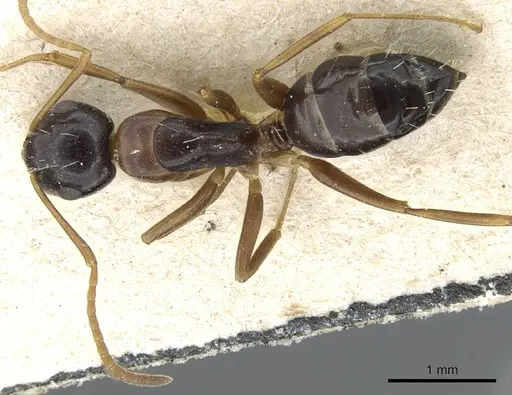
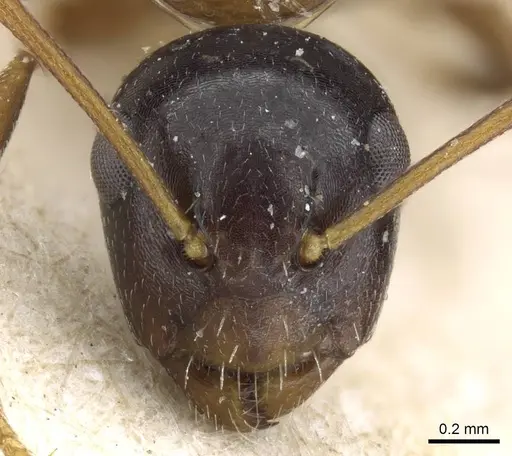
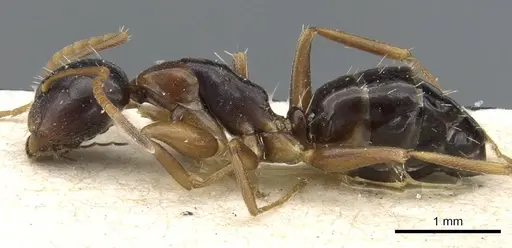
CASENT0911667
View on AntWeb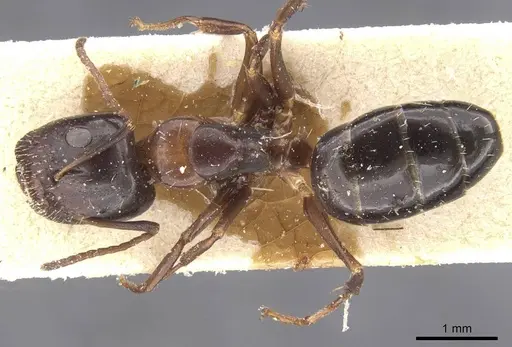
CASENT0911668
View on AntWeb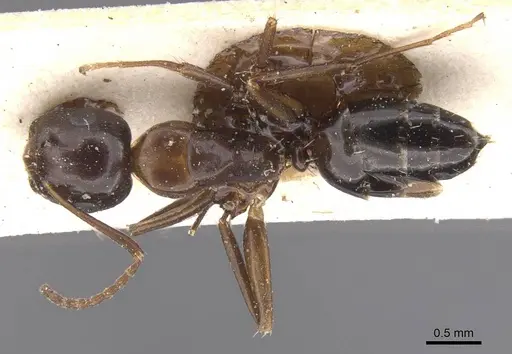
CASENT0911669
View on AntWeb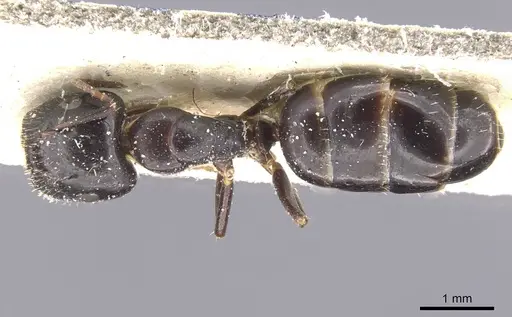
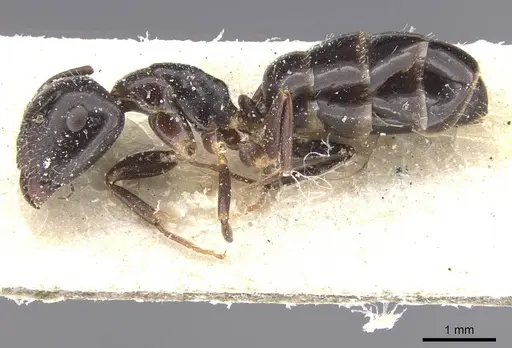
CASENT0911670
View on AntWeb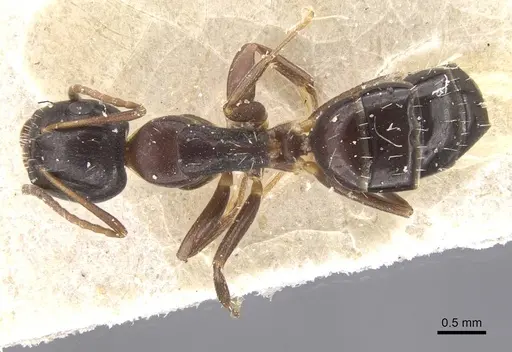
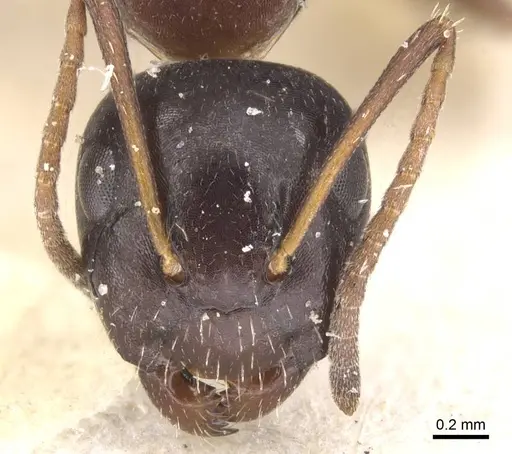
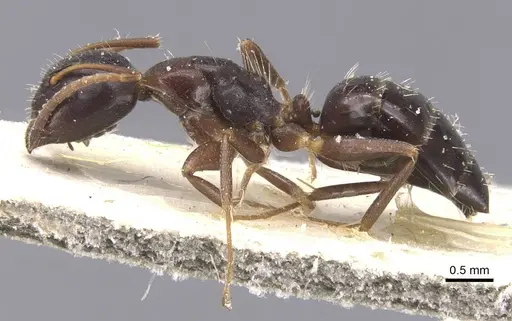
CASENT0911671
View on AntWeb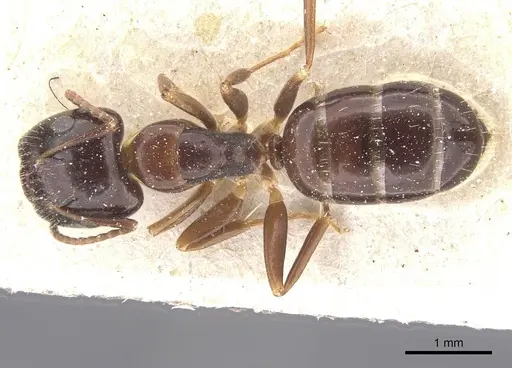
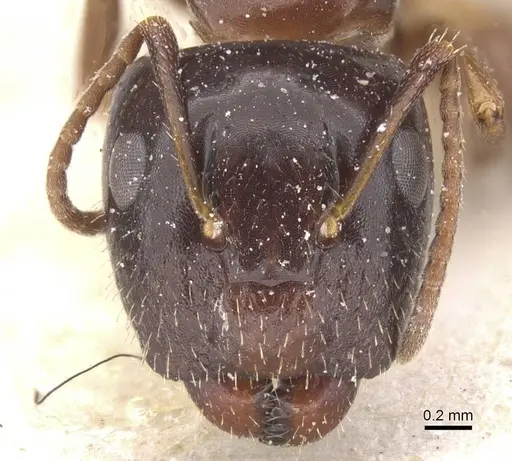
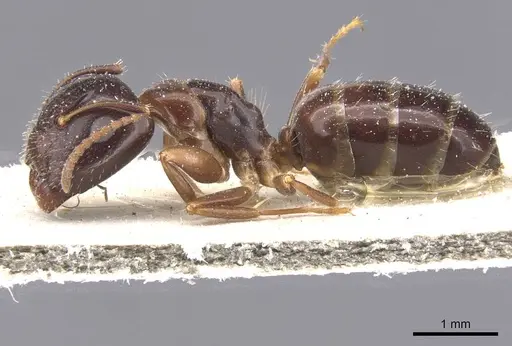
CASENT0911672
View on AntWeb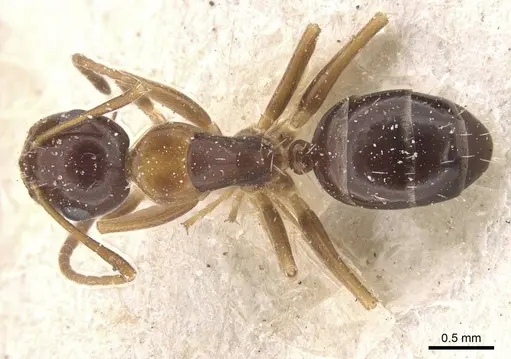
CASENT0923671
View on AntWeb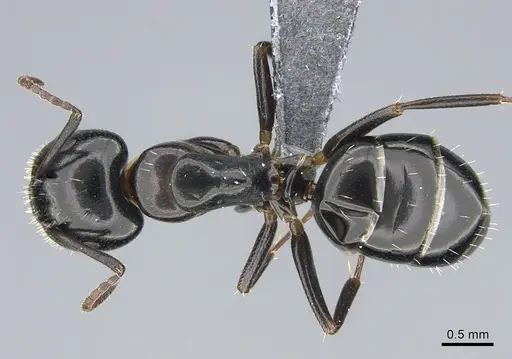
CASENT0923672
View on AntWeb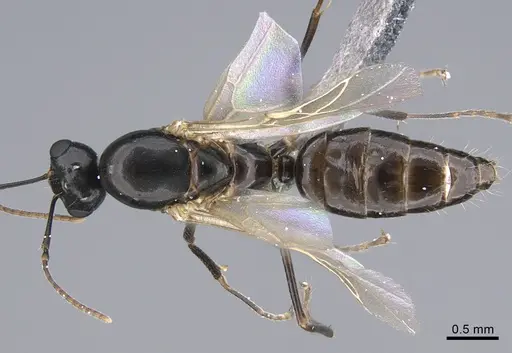
Literature
Loading...Loading products...