

Camponotus vagulus
- Scientific Name
- Camponotus vagulus
- Subgenus
- Myrmaphaenus
- Tribe
- Camponotini
- Subfamily
- Formicinae
- Author
- Forel, 1908
- Distribution
- Found in 1 countries
Camponotus vagulus Overview
Camponotus vagulus is an ant species of the genus Camponotus. It is primarily documented in 1 countries , including Paraguay. Detailed taxonomic data and occurrence records can be further explored via authoritative databases such as AntWeb or the Global Biodiversity Information Facility (GBIF).
Camponotus vagulus
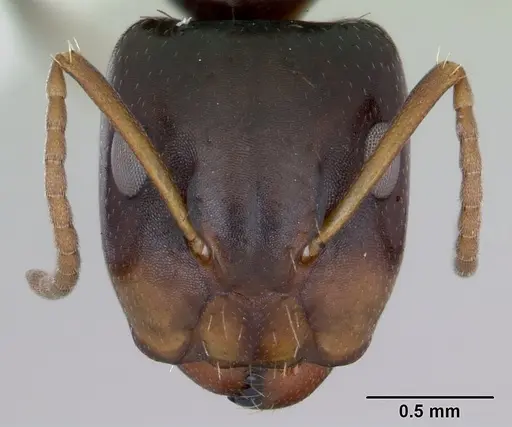
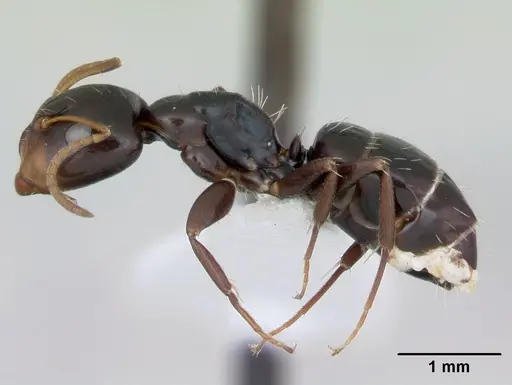
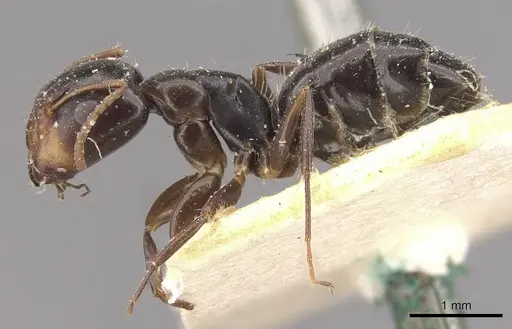
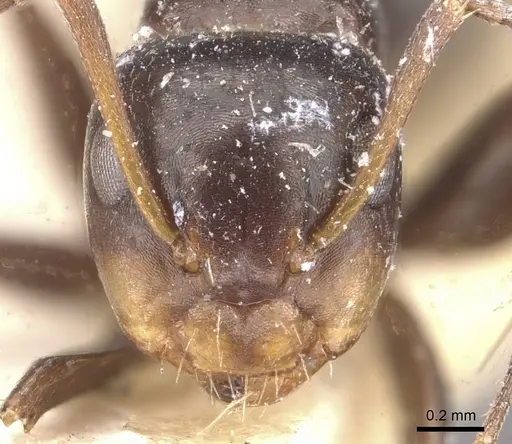
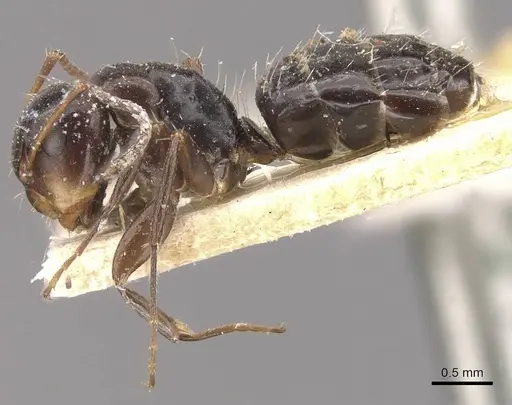
Camponotus vagulus is a small Neotropical carpenter ant native to Brazil, Paraguay, and Argentina. Originally described as a subspecies of C. fastigatus, it was elevated to full species status in 2007. Workers are among the smallest in the Camponotus genus, with minor workers measuring approximately 3mm, making them significantly smaller than most other carpenter ants [1]. They belong to the subgenus Myrmaphaenus. As with other carpenter ants, they nest in wood but can also adapt to various nesting sites in captivity.
Quick Summary
- Difficulty: Easy
- Origin & Habitat: Neotropical region, Brazil, Paraguay, and Argentina. Found in São Paulo, Brazil and Canindeyú, Central Paraguay [1]. Natural habitat includes forested areas where they nest in rotting wood or under bark.
- Colony Type: Monogyne (single queen colonies). Like most Camponotus, colonies start with one claustral queen who seals herself in to raise the first workers alone.
- Colony: Monogyne
- Founding: Claustral
- Size & Growth:
- Queen: Estimated 8-10mm based on typical Camponotus queen size in this subgenus
- Worker: Minor workers ~3mm, major workers larger at 5-7mm [1]
- Colony: Estimated 200-500 workers at maturity based on small worker size and typical Camponotus colony development
- Growth: Moderate, typical for small Camponotus species
- Development: Estimated 6-8 weeks at optimal temperature based on typical Camponotus development [1] (Development time is inferred from related Camponotus species. Small colony size at maturity means faster plateau than larger carpenter ants.)
- Antkeeping:
- Temperature: Keep nest area at 22-26°C. Being from tropical/subtropical South America, they prefer warm conditions. A gentle temperature gradient allows workers to self-regulate [2].
- Humidity: Moderate humidity around 50-70%. Keep nest substrate slightly moist but allow some drying between waterings. These ants adapt to varying moisture levels like other Neotropical Camponotus [2].
- Diapause: No true hibernation required. In captivity, a slight cooling period during winter months (16-18°C for 2-3 months) mimics their natural seasonal cycle and may encourage spring breeding activity.
- Nesting: Y-tong (AAC) nests work well for their small size. They can also use test tube setups during founding and acrylic or plaster nests as colonies grow. Provide narrow chambers scaled to their tiny workers [2].
- Behavior: Temperament is generally calm, typical for Camponotus. Workers are not particularly aggressive but will defend the nest if threatened. Foraging activity is moderate, with workers actively searching for protein and sugar sources. Their small size means moderate escape risk, use standard barrier methods but they are not as problematic as tiny species [2].
- Common Issues: small worker size means they can slip through standard mesh, use fine mesh barriers, colonies grow slowly during founding phase, patience is required through the first few months, overheating is more dangerous than underheating, keep away from direct heat sources, wild-caught colonies may contain parasites, quarantine and observe new colonies
Housing and Nest Setup
Camponotus vagulus is well-suited to several captive setups. During founding, a simple test tube setup with a water reservoir works perfectly, the queen seals herself in and raises her first brood in the tube. Once the colony reaches 15-20 workers, consider moving to a Y-tong (AAC) nest which provides appropriately scaled chambers for their tiny workers. Acrylic nests also work well and allow you to observe colony activity. Provide a small outworld area for foraging. Because of their small size, ensure any connections between nest areas are snug, these ants can squeeze through gaps that larger Camponotus cannot. [2]
Feeding and Diet
Like other carpenter ants, Camponotus vagulus is omnivorous. Offer protein sources such as small crickets, mealworms, or other appropriately sized insects twice weekly. They also readily accept sugar water, honey, or diluted maple syrup as an energy source. Fresh fruit can be offered occasionally. During founding, the queen does not eat, she survives entirely on her stored fat reserves. Once workers emerge, they will begin foraging and can be fed immediately. Remove uneaten prey after 24-48 hours to prevent mold. [2]
Temperature and Seasonal Care
Maintain nest temperatures between 22-26°C for optimal brood development. These Neotropical ants prefer warmth but can tolerate brief temperature drops. A heating cable on one side of the nest creates a gradient that workers will use to self-regulate. Place the heating on top of the nest, not underneath, to avoid excessive drying. During winter months, a slight reduction to 16-18°C for 2-3 months mimics their natural seasonal cycle. This cooling period is not required for survival but may stimulate reproductive behavior in spring. Avoid sudden temperature changes. [2]
Colony Development and Growth
Colony growth follows typical Camponotus patterns. The claustral queen lays eggs after mating and seals herself in a chamber. She survives on stored fat while the eggs develop through larva and pupa stages. First workers (nanitics) are smaller than mature workers and appear after approximately 6-8 weeks at optimal temperature. These nanitics immediately begin caring for subsequent broods and foraging for food, allowing the colony to grow more rapidly. Growth rate is moderate, expect several months before the colony reaches 50 workers, and 1-2 years to reach several hundred. Patience is key during the founding phase.
Behavior and Observation
Camponotus vagulus workers are active foragers but not particularly aggressive. They establish clear foraging trails and will recruit nestmates to good food sources through chemical communication. Workers vary significantly in size within colonies, minors handle most foraging and brood care while majors may assist with defense and food processing. Watch for workers returning with prey or sugar sources, they typically share food with nestmates through trophallaxis (mouth-to-mouth feeding). Their small size makes them fascinating to observe as they navigate their environment. [2]
Frequently Asked Questions
How long does it take for Camponotus vagulus to produce first workers?
Expect first workers (nanitics) to emerge in approximately 6-8 weeks at optimal temperature (22-26°C). This timeline is based on typical Camponotus development patterns for this species. The exact time depends on temperature and whether the queen was mated before capture.
What size colony does Camponotus vagulus reach?
At maturity, colonies typically reach 200-500 workers. Their small worker size means colonies stay smaller than larger carpenter ant species, but they remain impressive in numbers.
What temperature do Camponotus vagulus need?
Keep nest areas at 22-26°C. These Neotropical ants prefer warmth. A heating cable on one side of the nest creates a gradient that workers will use to regulate their temperature. Avoid temperatures above 30°C.
Can I keep multiple Camponotus vagulus queens together?
This species is monogyne, colonies have a single queen. Combining unrelated queens is not recommended as they will likely fight. In established colonies, only one queen typically reproduces.
When should I move Camponotus vagulus to a formicarium?
Keep them in a test tube or small setup until the colony reaches 15-20 workers. At this point, they benefit from more space and a proper nest chamber. A Y-tong (AAC) nest works well for their small worker size.
Do Camponotus vagulus need hibernation?
No true hibernation is required. In their native Brazil/Paraguay, temperatures remain warm year-round. However, a slight cooling period (16-18°C for 2-3 months during winter) can help simulate natural seasonal cycles and may encourage spring breeding activity.
Are Camponotus vagulus good for beginners?
Yes, they are considered a good beginner species. They are relatively hardy, tolerate varying conditions, and are not aggressive. Their small size and moderate growth rate make them manageable for new antkeepers.
What do Camponotus vagulus eat?
They are omnivorous. Feed protein (small insects like crickets or mealworms) twice weekly and provide a constant sugar source (sugar water, honey, or diluted maple syrup). Remove uneaten food after 24-48 hours.
How do I prevent Camponotus vagulus from escaping?
Their small size (workers ~3mm) means they can slip through small gaps. Use fine mesh on any ventilation, ensure all connections are snug, and apply fluon or other barriers to tube connections. Standard barriers work well but check them regularly.
References

This caresheet is licensed under CC BY-SA 4.0 .
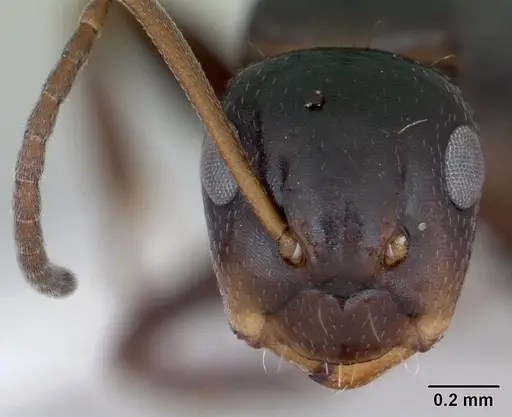
CASENT0173458
View on AntWeb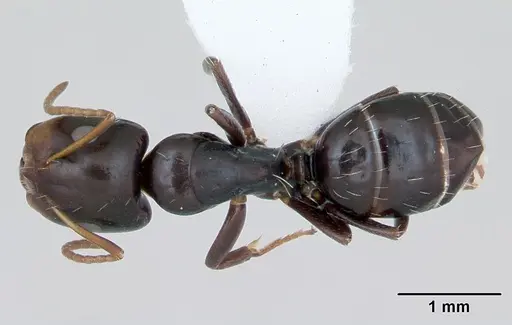
CASENT0173459
View on AntWeb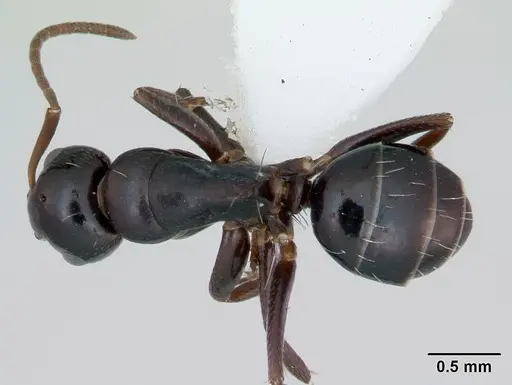
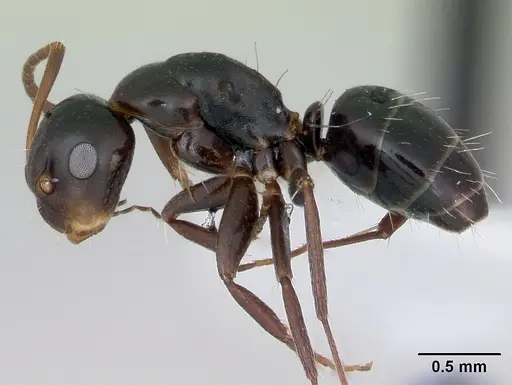
CASENT0910638
View on AntWeb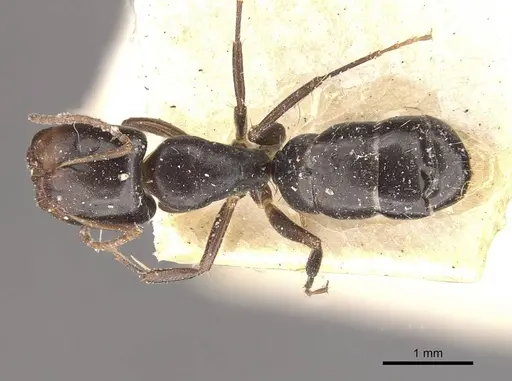
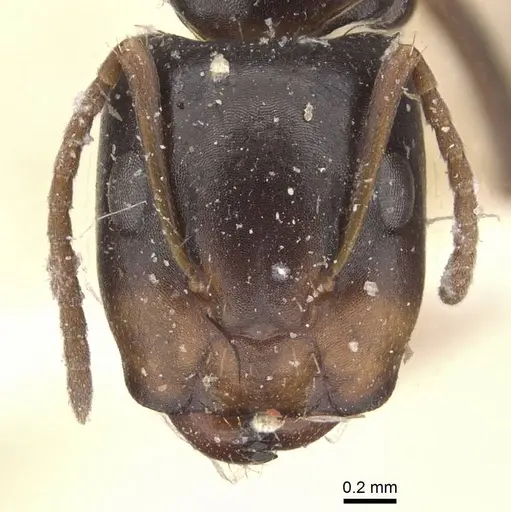
CASENT0910639
View on AntWeb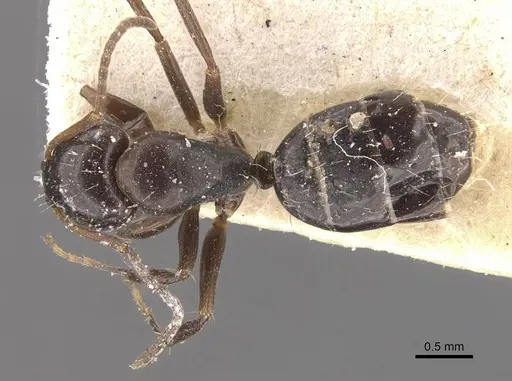
Literature
Loading...Loading products...