

Camponotus ustus
- Scientific Name
- Camponotus ustus
- Subgenus
- Tanaemyrmex
- Tribe
- Camponotini
- Subfamily
- Formicinae
- Author
- Forel, 1879
- Distribution
- Found in 4 countries
Camponotus ustus Overview
Camponotus ustus is an ant species of the genus Camponotus. It is primarily documented in 4 countries , including Dominican Republic, Haiti, Puerto Rico. Detailed taxonomic data and occurrence records can be further explored via authoritative databases such as AntWeb or the Global Biodiversity Information Facility (GBIF).
Camponotus ustus
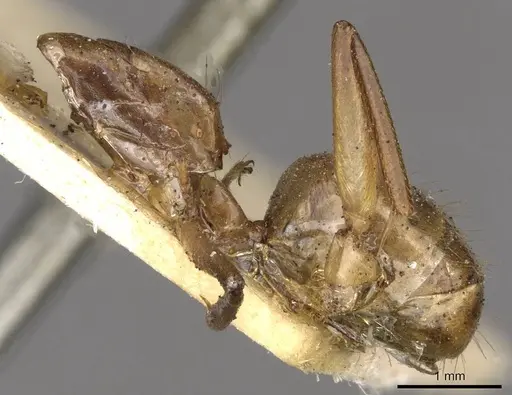
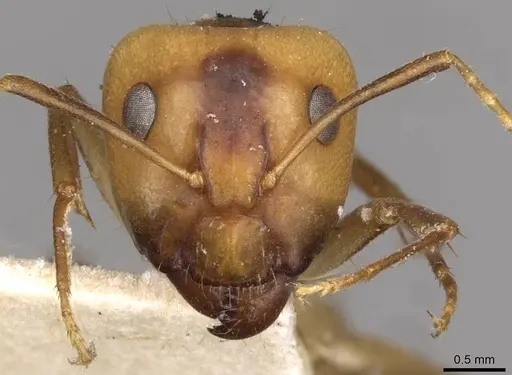
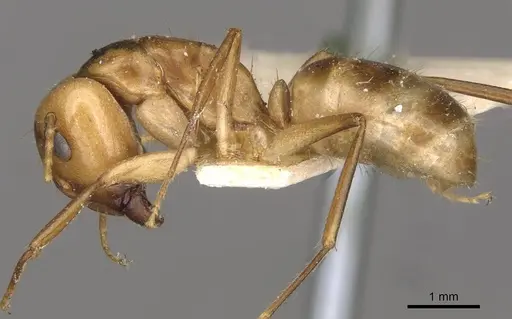
Camponotus ustus is a medium-sized ant species native to the Caribbean and northern South America. Workers come in two sizes: majors measure 7.5-8.7mm with a robust build, while media and minor workers are smaller at 6.2-7.7mm. Queens are chunky at 10-11mm. The species has a distinctive yellowish to reddish-yellow coloration, often with darker markings on the face and brownish bands across the abdomen. This ant is primarily arboreal, nesting in hollow twigs, dead branches, and under loose bark in tropical forests. A notable behavior is its nocturnal foraging, workers actively search for food at night while remaining hidden during daylight hours [1][2].
Quick Summary
- Difficulty: Medium
- Origin & Habitat: Caribbean islands including Puerto Rico, Dominican Republic, Haiti, Virgin Islands, and Grenada. Found from sea level up to 2,460m elevation in forest habitats [3][4].
- Colony Type: Colony structure is unconfirmed. Based on typical Camponotus patterns, likely single-queen (monogyne) colonies, but this has not been directly studied.
- Founding: Claustral
- Size & Growth:
- Queen: 10.1-10.7mm [5]
- Worker: Major: 7.5-8.7mm, Media/Minor: 6.2-7.7mm [5]
- Colony: Unknown, no colony size data available
- Growth: Moderate, inferred from typical Camponotus development
- Development: 6-10 weeks at warm temperatures (estimated based on genus patterns) (Direct development data unavailable, estimate based on related Camponotus species. Expect faster development in warmer conditions within the tropical range.)
- Antkeeping:
- Temperature: Keep at 24-28°C. This species is adapted to Caribbean warmth and will be less active in cooler conditions. A heating cable on one side of the nest creates a temperature gradient allowing workers to choose their preferred zone [6].
- Humidity: Moderate to high humidity (60-80%). Provide a water tube and keep nest areas moist but not waterlogged. Their natural habitat includes tropical forests with varying moisture levels [3].
- Diapause: Unlikely, as a tropical species, they probably do not require a true hibernation period. However, a slight cool-down during winter months may be beneficial to simulate seasonal changes.
- Nesting: Arboreal nesting preferences mean they do well in Y-tong (AAC) nests or plaster nests with narrow chambers. Provide dead twigs, bark pieces, or similar materials in the outworld to simulate their natural hollow twig nesting sites. Test tubes work for founding colonies [2].
- Behavior: Nocturnal and arboreal, workers forage at night and hide during the day. They are insectivorous, preying on small arthropods. Their workers are relatively fast-moving and can be shy, retreating quickly when disturbed. Escape prevention should be moderate, they are not tiny but use fine mesh anyway as a precaution. They show moderate aggression when defending the nest [2][6].
- Common Issues: nocturnal habits mean you may not see much activity during the day, this is normal, not a problem, tropical species may struggle in cool rooms or during winter without supplemental heating, limited biological data means some aspects of care require observation and adjustment, wild-caught colonies may carry parasites that can be difficult to detect, arboreal nature means they prefer elevated spaces and may not use ground-level foraging areas as much
Natural History and Distribution
Camponotus ustus is found across the Caribbean islands including Puerto Rico, the Dominican Republic, Haiti, the Virgin Islands, and Grenada, with some populations extending into northern South America. They inhabit elevations from 190m up to 2,460m, showing adaptability to different within-island climates [3][4].
This species is strongly arboreal, in Puerto Rico, researchers have found them nesting in hollow twigs of sea-grape trees (Coccoloba uvifera), dead branches of various trees including Inga vera, and under loose bark of trees like Sideroxylon foetidissimum. They also nest in dead wood on the ground and occasionally under rocks in forested areas [2].
One of the most distinctive behaviors documented is their nocturnal foraging. In residential areas of Puerto Rico, these ants were observed running around inside wooden houses every night, but were completely hidden during daytime hours. This suggests they are primarily night-active hunters [2].
Temperature and Heating
As a Caribbean tropical species, Camponotus ustus prefers warm conditions. In their native range, mean temperatures are consistently warm year-round. Keep the nest area at 24-28°C for optimal brood development [6].
A heating cable placed on one end of the nest creates a temperature gradient, allowing the colony to regulate its own temperature by moving between warmer and cooler areas. This mimics the natural variation they would experience in their tree-nesting habitat. During winter months in temperate climates, maintain at least 22°C to prevent the colony from becoming sluggish or entering an inappropriate dormancy state.
Temperature tolerance testing shows workers can survive about 31-49 minutes at 45°C before heat stress becomes fatal, indicating they prefer temperatures well below this threshold [6].
Nesting Preferences
In captivity, provide nest conditions that reflect their arboreal lifestyle. Y-tong (AAC) nests work well because they offer smooth, enclosed chambers that simulate hollow twigs. Plaster nests are also suitable and allow you to maintain consistent humidity.
For the outworld, add natural elements like small pieces of dead wood, bark chips, or artificial twigs. This gives foragers something to explore and makes the setup more engaging. The colony will likely establish their nest in a elevated position if given the choice.
Founding queens can be started in standard test tube setups. Once the colony reaches 15-20 workers, consider moving them to a formicarium with multiple chambers. The chambers should be appropriately sized, not too large for the colony size, as ants feel safer in snugger spaces. [2][3]
Feeding and Diet
Camponotus ustus is insectivorous, meaning they primarily eat other small arthropods. In studies of Puerto Rican ant communities, this species was classified in the insectivorous diet group and was documented hunting prey up to 7mm in size [6][7].
Feed them small live insects like fruit flies, small crickets, mealworms, and other appropriately-sized prey. Offer protein-rich foods 2-3 times per week. They will also accept sugar water or honey as an energy source, which is useful for supporting worker activity and queen reproduction.
Because they are nocturnal foragers, place food in the outworld in the evening and check the next morning. This aligns with their natural hunting schedule and will give you a better chance of observing active feeding behavior.
Behavior and Observation
The most important thing to understand about this species is their nocturnal nature. If you check on your colony during the day and see few or no active workers, this is completely normal. They become most active after dark, so evening observations will reveal their true behavior.
Workers are fast-moving and can be somewhat shy. When disturbed, they retreat quickly rather than stand and fight. They are not particularly aggressive toward keepers but will defend the nest if threatened.
Their arboreal origins mean they are good climbers. Ensure your setup has smooth barrier edges (like fluon) to prevent escapes, especially when the colony grows larger and workers become more adventurous.
The species shows flexibility in nesting sites, in nature they use hollow twigs, dead branches, under bark, and even ground-level locations like under rocks. This adaptability suggests they will adjust reasonably well to captive conditions. [2]
Frequently Asked Questions
How long does it take for Camponotus ustus to produce first workers?
Direct data is unavailable, but based on typical Camponotus development, expect 6-10 weeks from egg to worker at warm temperatures (24-28°C). The exact timeline depends on temperature and queen health.
Are Camponotus ustus good for beginners?
They are intermediate in difficulty. The main challenge is their nocturnal nature, keepers need to understand that daytime inactivity is normal. Otherwise, their care is straightforward once proper temperature and humidity are established.
What temperature should I keep Camponotus ustus at?
Keep nest areas at 24-28°C. This tropical species needs warmth year-round. A slight drop in winter is acceptable, but avoid temperatures below 20°C.
Can I keep multiple Camponotus ustus queens together?
This has not been documented. Based on typical Camponotus behavior, it is not recommended to house unrelated queens together as they will likely fight. Single-queen colonies are the standard approach.
Why are my Camponotus ustus not active during the day?
This is normal behavior, they are nocturnal. In the wild, foragers emerge at night while the colony remains hidden during daylight hours. Check on them in the evening to see activity.
What do Camponotus ustus eat?
They are insectivorous, primarily hunting small arthropods. Feed small live insects like fruit flies, pinhead crickets, or small mealworms. They will also accept sugar water or honey for energy.
When should I move Camponotus ustus to a formicarium?
Move from the founding test tube to a formicarium once the colony reaches 15-30 workers and the test tube shows signs of crowding or waste buildup. Y-tong or plaster nests work well for this species.
Do Camponotus ustus need hibernation?
As a tropical species, they do not require true hibernation. However, a slight temperature reduction (to around 20-22°C) during winter months may help simulate natural seasonal patterns and is generally well-tolerated.
How big do Camponotus ustus colonies get?
Colony size data is not available in the scientific literature. Based on typical Camponotus patterns, expect colonies to reach several hundred workers over several years with good care.
References

This caresheet is licensed under CC BY-SA 4.0 .
CASENT0217713
View on AntWeb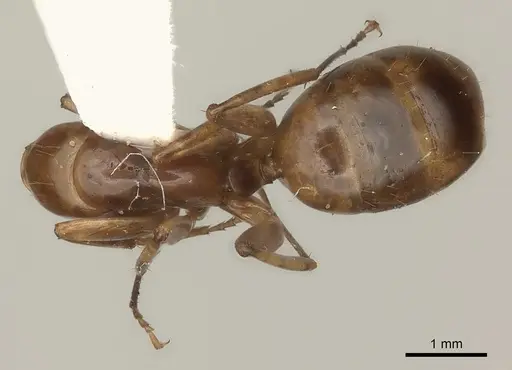
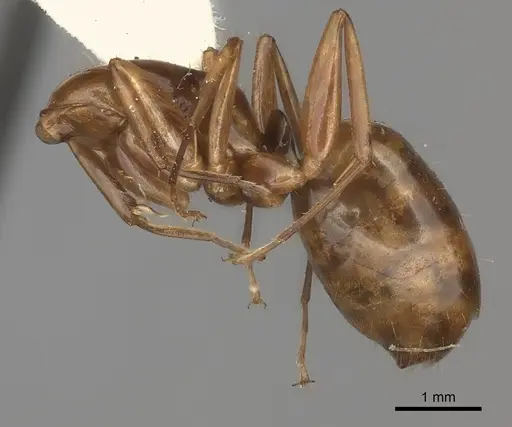
CASENT0910667
View on AntWeb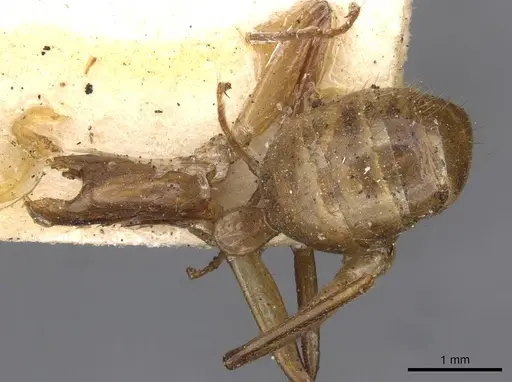
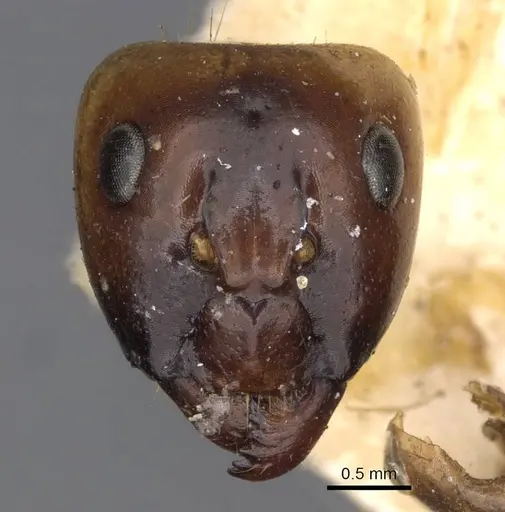
CASENT0910669
View on AntWeb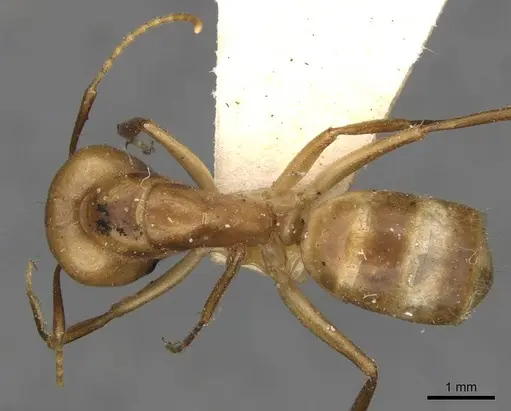
CASENT0923560
View on AntWeb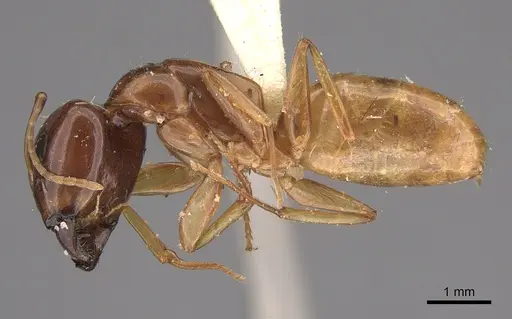
Literature
Loading...Loading products...