

Camponotus ursus
- Scientific Name
- Camponotus ursus
- Subgenus
- Mayria
- Tribe
- Camponotini
- Subfamily
- Formicinae
- Author
- Forel, 1886
- Distribution
- Found in 1 countries
Camponotus ursus Overview
Camponotus ursus is an ant species of the genus Camponotus. It is primarily documented in 1 countries , including Madagascar. Detailed taxonomic data and occurrence records can be further explored via authoritative databases such as AntWeb or the Global Biodiversity Information Facility (GBIF).
Camponotus ursus
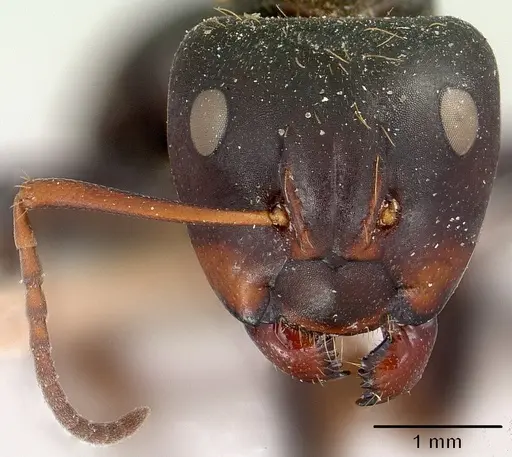
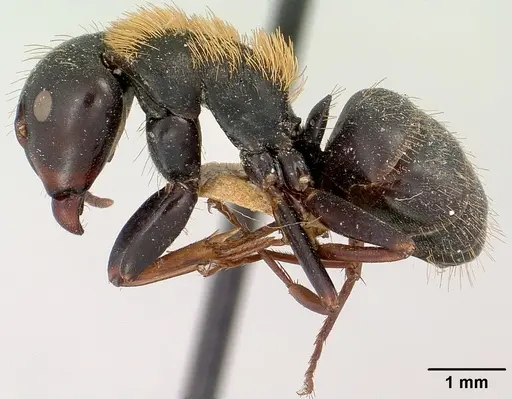
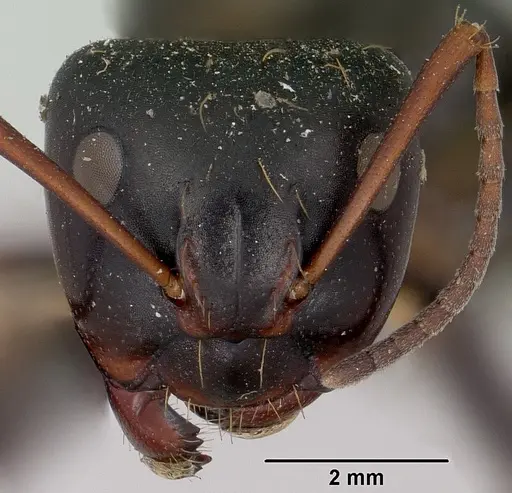
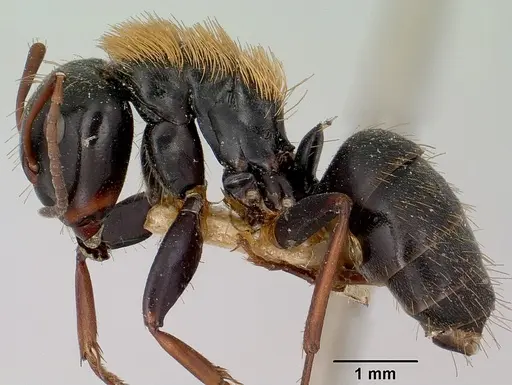
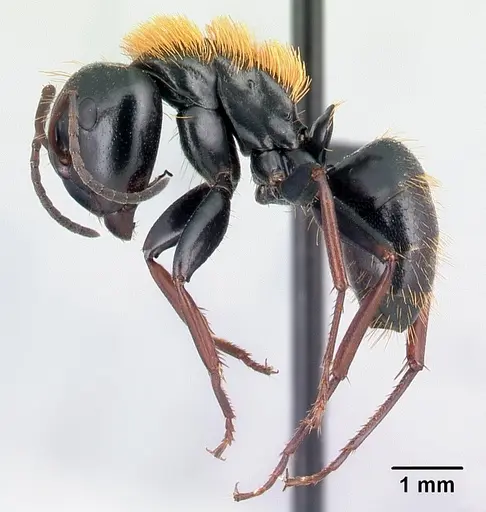
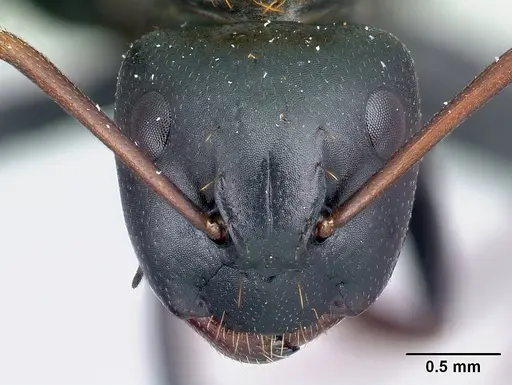
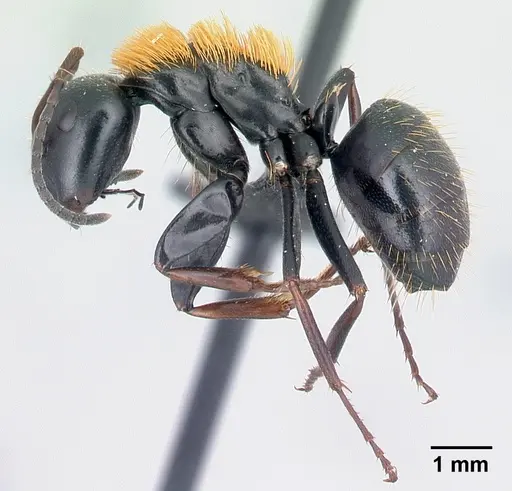
Camponotus ursus is a medium-sized ant species native to Madagascar, belonging to the Camponotus darwinii species group. Workers are shiny black with distinctive golden-yellow setae covering the mesosoma (the middle body section), and they have reddish-brown basitarsi (the lower part of their legs). Minor workers measure 1.43-1.64mm, while major workers are larger at 2.00-2.39mm [1]. This species is unique within its group for having reddish-brown basitarsi and dense golden-yellow body hairs that give it a glossy appearance [1].
This ant is found in two very different habitats: primary forest in eastern Madagascar and urban or garden areas in the central highlands. It forages on low vegetation or inside branches above ground, making it an arboreal or semi-arboreal species that nests and forages away from the forest floor [1]. The species occurs at elevations above 1,200 meters, which is unusually high for Madagascar ants and suggests it prefers cooler conditions than many tropical species.
Quick Summary
- Difficulty: Medium
- Origin & Habitat: Madagascar, found in primary forest in the eastern portion and urban/garden areas in the central highlands, at elevations above 1,200 meters [1][2]
- Colony Type: Colony structure is unconfirmed. Based on typical Camponotus patterns, likely single-queen (monogyne) colonies, but this has not been directly studied.
- Size & Growth:
- Queen: Not documented in available literature, estimated 12-15mm based on genus patterns for large Camponotus species
- Worker: Minor workers: 1.43-1.64mm, Major workers: 2.00-2.39mm [1]
- Colony: Unknown, no colony size data available for this species
- Growth: Unknown, no development data available for this species
- Development: Unconfirmed, estimated 6-10 weeks based on typical Camponotus development at warm temperatures (No direct development studies exist for this species. Estimates based on genus-level patterns for Camponotus darwinii group species.)
- Antkeeping:
- Temperature: Keep at 22-26°C. The high-elevation habitat (above 1,200m) suggests this species prefers cooler conditions than typical tropical ants. A gentle gradient allowing workers to self-select their preferred temperature is ideal.
- Humidity: Moderate to high humidity (60-80%). Their natural habitat includes both forest and urban areas, but they forage above ground in vegetation, suggesting they avoid overly dry conditions.
- Diapause: Unlikely, Madagascar is tropical year-round with no cold winter. No evidence of diapause in the available literature.
- Nesting: This species forages on vegetation and inside branches, suggesting it naturally nests in arboreal locations like tree hollows, under bark, or in rotting wood. In captivity, a naturalistic setup with wood pieces or cork bark, or a Y-tong/plaster nest with some vertical orientation works well. Avoid fully horizontal nests since they naturally orient upward.
- Behavior: This is a relatively calm, non-aggressive Camponotus species. Workers forage on low vegetation and branches rather than on the ground, so they are more active in the upper portions of their enclosure. They are medium-sized ants with a glossy black appearance and golden-yellow body hairs. Escape risk is moderate, their size is large enough that standard barriers work well, but they are agile climbers so ensure lids are secure. They are primarily active during warmer parts of the day in their natural habitat.
- Common Issues: limited data means care requirements are partially estimated from genus patterns rather than direct observation, no documented colony sizes or development timelines makes growth tracking uncertain, high-elevation origin means they may be sensitive to overheating, avoid temperatures above 28°C, arboreal foraging behavior requires vertical space and climbing structures in captivity, wild-caught colonies may have parasites or diseases not yet documented in this species
Housing and Nest Setup
Camponotus ursus is an arboreal or semi-arboreal species that naturally nests in tree hollows, under bark, or in rotting wood above ground. In captivity, provide a naturalistic setup with cork bark, wooden structures, or a Y-tong/plaster nest that allows for vertical orientation. Since they forage on vegetation in the wild, include climbing structures like branches, plants, or mesh that reaches upward in their outworld. A test tube setup works for founding colonies, but once the colony reaches 10-20 workers, transfer to a more naturalistic formicarium with climbing opportunities. Ensure the nest chamber is appropriately sized, too large and they may feel insecure, too small and they may refuse it. [1][2]
Temperature and Heating
This species occurs at elevations above 1,200 meters in Madagascar, which is unusually high for the island and suggests it prefers cooler conditions than typical tropical ants. Keep temperatures in the range of 22-26°C, avoiding sustained temperatures above 28°C. A gentle temperature gradient allows workers to self-regulate. Room temperature in most homes (20-24°C) should work well. If you need to warm the nest slightly, use a heating cable on one side of the enclosure rather than heating the entire setup. Place heating under or to the side of the nest, never directly on it, to avoid overheating and excessive drying. [1]
Feeding and Diet
Like most Camponotus species, these ants are omnivorous. They will accept sugar sources (honey water, sugar water) as their primary energy source. For protein, offer small insects like fruit flies, small crickets, mealworms, or other appropriately-sized prey. Since they forage on vegetation in the wild, they may also accept honeydew or nectar substitutes. Feed protein 2-3 times per week, and keep a sugar source available at all times. Remove uneaten prey after 24-48 hours to prevent mold.
Humidity and Water
Maintain moderate to high humidity (60-80%) in the nest area. Their natural habitat includes both primary forest and urban areas, but the arboreal foraging behavior suggests they prefer conditions that aren't too dry. Keep the nest substrate consistently moist but not waterlogged. Provide a water tube or shallow water dish in the outworld for drinking. Monitor condensation levels, some condensation is normal and helpful, but excessive moisture can lead to mold problems. [1]
Behavior and Observation
Workers of Camponotus ursus are relatively calm and not particularly aggressive. They forage on low vegetation and inside branches rather than on the ground, so they spend more time climbing than many ground-nesting Camponotus species. This makes them interesting to watch as they traverse branches and leaves in their enclosure. The species has distinctive golden-yellow setae (stiff hairs) covering its body, giving it a glossy appearance that makes it visually striking. Major workers (larger soldiers) may develop in larger colonies and have proportionally larger heads. [1]
Seasonal Care
As a Madagascar species from a tropical island with year-round warm temperatures, Camponotus ursus does not require hibernation or diapause. Maintain consistent temperatures year-round. The central highlands where they occur do experience seasonal variation, but temperatures rarely drop significantly. Keep the colony active throughout the year with stable temperatures in their preferred range. Avoid exposing them to temperatures below 18°C for extended periods. [1][2]
Frequently Asked Questions
How long does it take for Camponotus ursus to produce first workers?
The exact development timeline is unconfirmed for this species. Based on typical Camponotus patterns, expect first workers (nanitics) around 6-10 weeks after the queen lays eggs, assuming temperatures around 24-26°C. This is an estimate since no specific development studies exist for C. ursus.
What size colony does Camponotus ursus reach?
Colony size is unknown, no published data exists on maximum colony sizes for this species. Based on related Camponotus darwinii group species, colonies likely reach several hundred workers at maximum, but this is an estimate.
Can I keep multiple Camponotus ursus queens together?
This has not been studied for this specific species. Most Camponotus species are monogyne (single queen), and combining unrelated queens is not recommended unless you have specific evidence the species accepts multiple queens. Keep one queen per colony.
Are Camponotus ursus good for beginners?
This species is rated as Medium difficulty. While not the easiest species, it is manageable for intermediate antkeepers. The main challenges are the limited available care information and the need for arboreal-style housing with climbing structures. If you have kept other Camponotus species successfully, this one should be manageable.
What temperature range is ideal for Camponotus ursus?
Keep them at 22-26°C. This species occurs at high elevations (above 1,200m) in Madagascar, suggesting it prefers cooler conditions than typical tropical ants. Avoid temperatures above 28°C.
Do Camponotus ursus need hibernation?
No, hibernation is not required. As a Madagascar species from tropical elevations, they do not experience cold winters. Maintain consistent warm temperatures year-round.
Why is my Camponotus ursus colony not growing?
Several factors could affect growth: temperatures outside their preferred range (too hot above 28°C or too cold below 20°C), inadequate humidity (too dry), insufficient protein in their diet, or stress from excessive disturbance. Review these parameters and ensure the queen is healthy and laying eggs.
What do Camponotus ursus eat?
They are omnivorous. Offer sugar water or honey constantly as an energy source. Feed protein (small insects like fruit flies, pinhead crickets, or mealworms) 2-3 times per week. They may also accept nectar or honeydew if offered.
References

This caresheet is licensed under CC BY-SA 4.0 .
CASENT0101374
View on AntWeb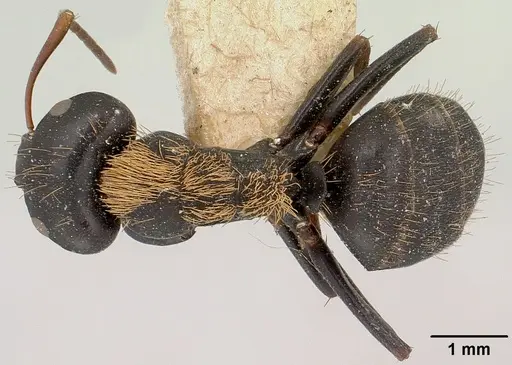
CASENT0101375
View on AntWeb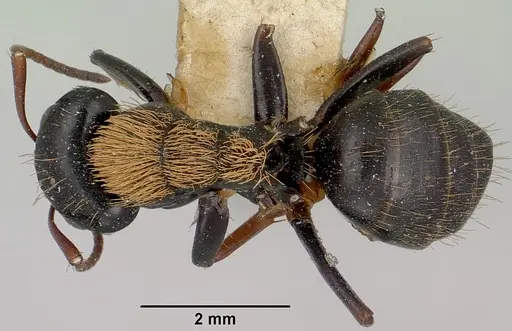
CASENT0123049
View on AntWeb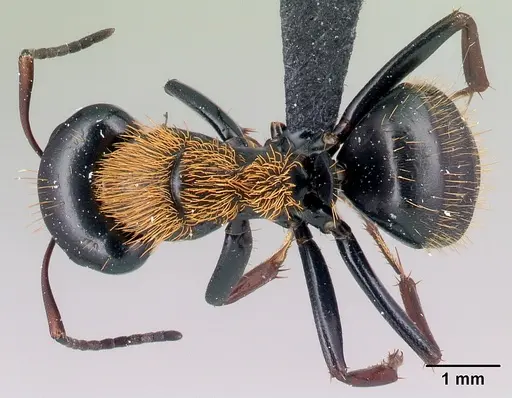
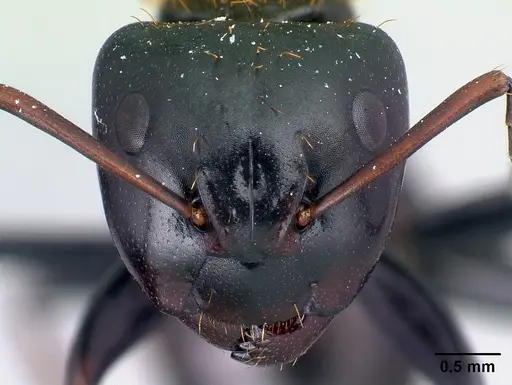
CASENT0217284
View on AntWeb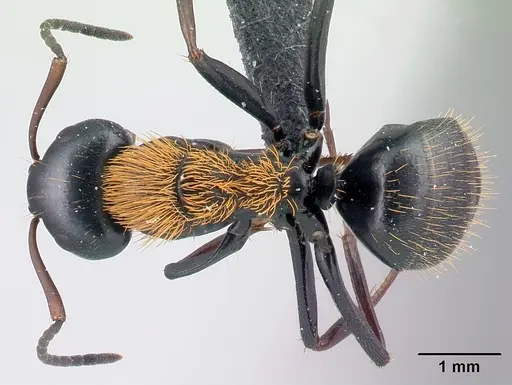
Literature
Loading...Loading products...