

Camponotus tristis
- Scientific Name
- Camponotus tristis
- Subgenus
- Myrmophyma
- Tribe
- Camponotini
- Subfamily
- Formicinae
- Author
- Clark, 1930
- Distribution
- Found in 1 countries
Camponotus tristis Overview
Camponotus tristis is an ant species of the genus Camponotus. It is primarily documented in 1 countries , including Australia. Detailed taxonomic data and occurrence records can be further explored via authoritative databases such as AntWeb or the Global Biodiversity Information Facility (GBIF).
Camponotus tristis
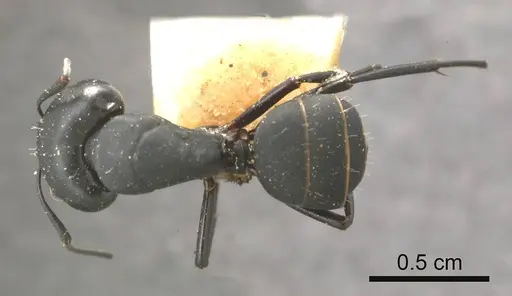
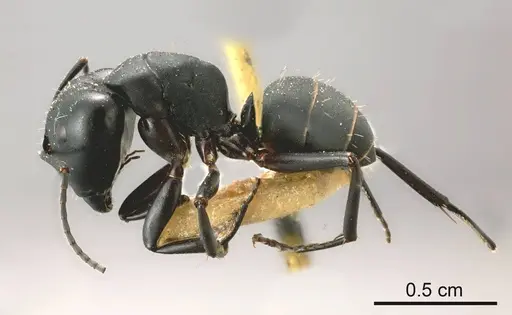
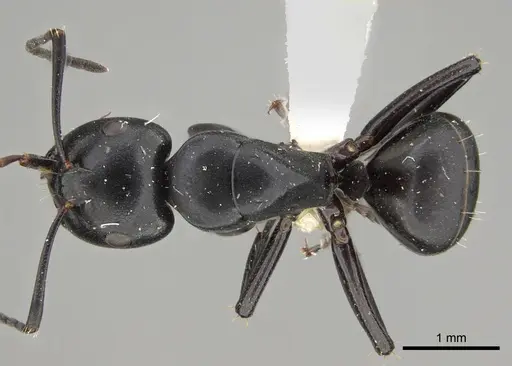
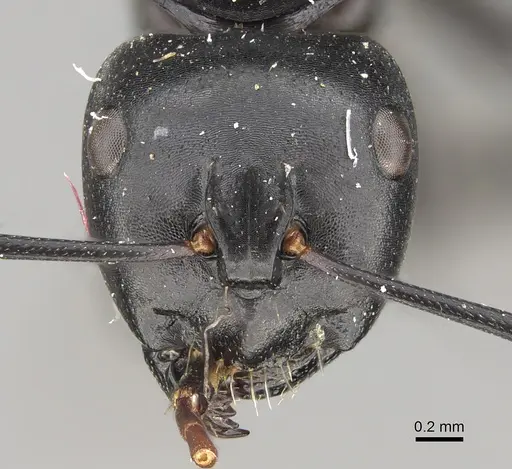
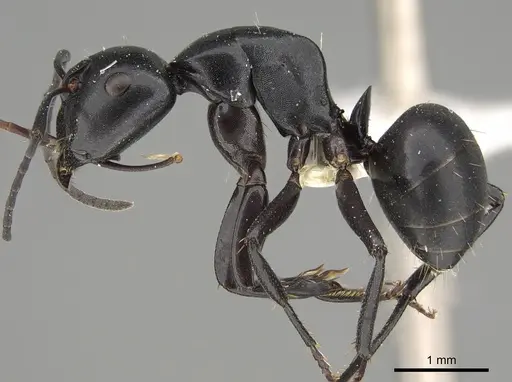
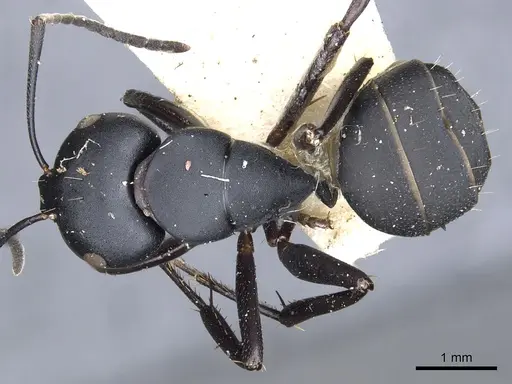
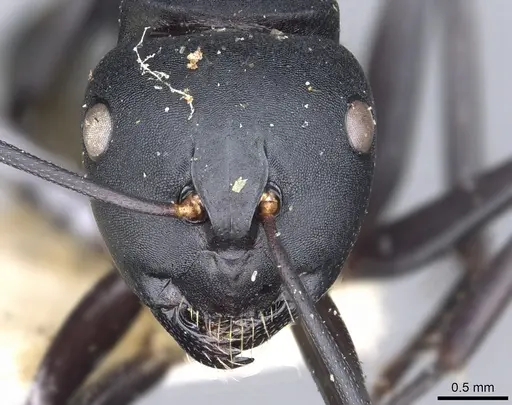
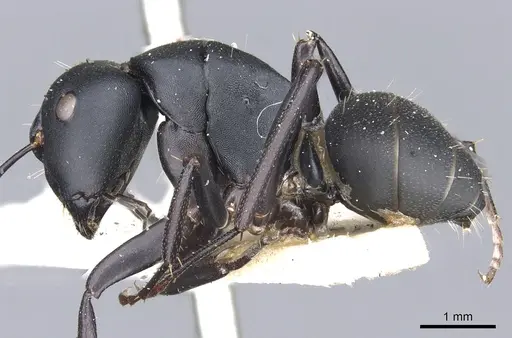
Camponotus tristis is a striking all-black ant species native to Western Australia. Workers come in two sizes: majors measure 8-9mm while minors are smaller at 5-6mm [1]. The species has a distinctive appearance with very fine yellow edging on the tip of the abdomen and a matt (dull) surface texture, though a smoother, shinier variant has been observed in the Merredin and Westonia districts [2]. This ant is widespread across the South-West Botanical Province and shows interesting behavior by commonly foraging on vegetation in semi-arid areas [2][1].
Quick Summary
- Difficulty: Medium
- Origin & Habitat: Western Australia, specifically the South-West Botanical Province. Found in semi-arid regions where they forage on vegetation [2].
- Colony Type: Likely single-queen colonies based on typical Camponotus patterns. Colony structure in the wild has not been specifically documented.
- Colony: Monogyne
- Founding: Claustral
- Size & Growth:
- Queen: Estimated 10-12mm based on genus patterns (major workers are 8-9mm, minors 5-6mm) [1]
- Worker: Major: 8-9mm, Minor: 5-6mm [1]
- Colony: Estimated several hundred to a few thousand workers based on typical Camponotus colony sizes
- Growth: Moderate, typical for Camponotus genus
- Development: Estimated 6-8 weeks at optimal temperature based on typical Camponotus development (Development time varies with temperature, warmer conditions accelerate development)
- Antkeeping:
- Temperature: Keep at room temperature around 20-24°C. A gentle heat gradient allows workers to self-regulate. Western Australia experiences hot summers and mild winters, so they tolerate a range but prefer warmer conditions
- Humidity: Semi-arid origin suggests moderate to lower humidity is acceptable. Keep nest substrate moderately moist but allow some drying between waterings. Avoid overly damp conditions
- Diapause: Likely benefits from a mild winter rest period (6-8 weeks at 10-15°C) reflecting Western Australia's seasonal climate. Monitor colony activity, if they become less active in winter, this indicates need for cooling
- Nesting: In nature they nest in soil and under stones. In captivity, standard formicariums, Y-tong nests, or test tube setups work well. Provide moderate chamber sizes scaled to their medium-large size. They do well with a foraging area where they can climb on vegetation-like structures
- Behavior: Workers are active foragers, notably climbing vegetation in semi-arid habitats to find food [2]. They are typically not aggressive toward keepers but will defend their nest. Medium escape risk due to their moderate size, standard barriers work well but ensure enclosures are secure. They are diurnal, searching for food during daylight hours.
- Common Issues: colonies may struggle if kept too cold, maintain warm conditions, overwatering can cause mold problems given their semi-arid origins, slow founding phase is normal, queens can take months to raise first workers, wild-caught colonies may carry parasites that affect captive survival, test tube setups need proper escape prevention despite moderate size
Housing and Nest Setup
Camponotus tristis does well in standard ant keeping setups. Test tubes work perfectly for founding colonies, use a water reservoir with a cotton plug to provide humidity. Once the colony reaches 20-30 workers, you can move them to a formicarium. Y-tong (AAC) nests or plaster nests work well, providing chambers scaled to their medium-large size. They appreciate a spacious outworld where they can forage and explore. Include some climbing structures since they naturally forage on vegetation, small branches or artificial plants give them natural foraging opportunities. Escape prevention should be moderate, while not tiny, they can still squeeze through small gaps, so ensure connections are secure.
Feeding and Diet
Like most Camponotus species, C. tristis is omnivorous. Feed them protein sources like mealworms, small crickets, or other insects. They also accept sugar water, honey, or diluted syrup, this is especially important once workers emerge as they need the energy for foraging. Offer protein 2-3 times per week, and keep a sugar source constantly available. Remove uneaten food after 24-48 hours to prevent mold. In the wild, their vegetation-foraging behavior suggests they may also collect honeydew from aphids or scale insects, you can offer this if available. Fresh water should always be accessible.
Temperature and Seasonal Care
These ants come from Western Australia where temperatures can get quite hot in summer and mild in winter. Keep them at room temperature (20-24°C) with a slight heat gradient in one area of the nest. During the warmer months (spring through autumn), they will be most active. In winter, they benefit from a mild cooling period, reduce temperature to around 10-15°C for 6-8 weeks. This mimics their natural seasonal cycle and helps maintain colony health. Do not cool too abruptly or keep them cold for extended periods. If your room temperature stays relatively constant year-round, a slight reduction in feeding during winter months can substitute for formal hibernation.
Colony Development and Growth
Founding a Camponotus tristis colony requires patience. The claustral queen will seal herself in a chamber and lay eggs without leaving to forage, she lives entirely on her stored fat reserves. The first brood takes 6-8 weeks to develop into workers at optimal temperature. These first workers (nanitics) are typically smaller than normal workers but will begin foraging for food to support further growth. After this point, colony growth accelerates. A healthy colony can reach several hundred workers within a year or two. Growth rate depends heavily on temperature and feeding, warmer conditions and consistent protein availability speed development. Major workers (8-9mm) appear as the colony grows larger.
Behavior and Observation
One of the interesting behaviors of C. tristis is their vegetation-foraging in semi-arid areas, they climb plants to find food rather than just foraging on the ground [2]. In captivity, you may observe this climbing behavior if you provide appropriate structures. Workers are generally calm and not prone to biting or stinging. They are diurnal, most active during daylight hours when they search for food. The colony will establish scent trails to food sources once discovered. Major workers serve as defenders and may help process larger prey items. Watching a colony organize their foraging and tend their brood is rewarding and demonstrates their sophisticated social structure.
Frequently Asked Questions
How long does it take for Camponotus tristis to raise first workers?
Expect 6-8 weeks from egg to first worker at room temperature (20-24°C). This can vary, warmer temperatures speed development while cooler conditions slow it. The queen is claustral, meaning she seals herself in and raises the first brood alone without foraging.
What do Camponotus tristis ants eat?
They are omnivorous. Feed them protein like mealworms, small crickets, or other insects 2-3 times per week. Also provide constant sugar water, honey, or diluted syrup. Remove uneaten food after 24-48 hours to prevent mold.
What temperature is best for Camponotus tristis?
Keep them at 20-24°C with a gentle heat gradient. They originate from Western Australia and tolerate warmer conditions. A small heat source on one side of the nest allows workers to self-regulate their temperature.
Do Camponotus tristis need hibernation?
They benefit from a mild winter rest period. Reduce temperature to 10-15°C for 6-8 weeks during winter months. This mimics their natural seasonal cycle in Western Australia and helps maintain colony health.
How big do Camponotus tristis colonies get?
Based on typical Camponotus patterns, colonies can reach several hundred to a few thousand workers over several years. Major workers appear as the colony grows and can reach 8-9mm.
Can I keep multiple Camponotus tristis queens together?
This species is likely single-queen (monogyne) based on typical Camponotus patterns. Combining unrelated queens is not recommended as they likely will fight. A claustral founding queen should be housed alone.
When should I move Camponotus tristis to a formicarium?
Keep founding colonies in test tubes until they have 20-30 workers. At this point, they benefit from more space and a proper nest setup. Make sure the formicarium has appropriately sized chambers for their medium-large size.
Are Camponotus tristis good for beginners?
They are rated as medium difficulty. They are more forgiving than some species but require patience during the founding phase. Their moderate size and typical ant care requirements make them suitable for keepers who have done basic research.
Why is my Camponotus tristis colony not growing?
Check three things: temperature (should be 20-24°C), feeding (protein 2-3 times weekly plus constant sugar), and humidity (moderately moist but not wet). Slow growth in the first few months is normal, claustral queens take time to raise first workers. Also ensure the queen is still alive and laying eggs.
References

This caresheet is licensed under CC BY-SA 4.0 .
Literature
Loading...Loading products...