

Camponotus trepidulus
- Scientific Name
- Camponotus trepidulus
- Subgenus
- Myrmaphaenus
- Tribe
- Camponotini
- Subfamily
- Formicinae
- Author
- Creighton, 1965
- Distribution
- Found in 2 countries
Camponotus trepidulus Overview
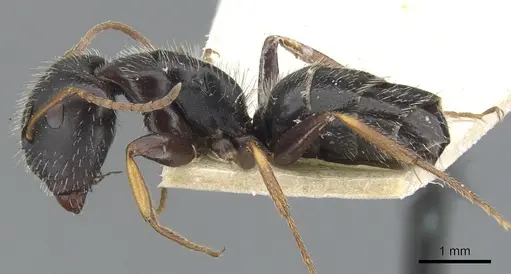
Camponotus trepidulus is an ant species of the genus Camponotus. It is primarily documented in 2 countries , including Mexico, United States of America. Detailed taxonomic data and occurrence records can be further explored via authoritative databases such as AntWeb or the Global Biodiversity Information Facility (GBIF).
Camponotus trepidulus
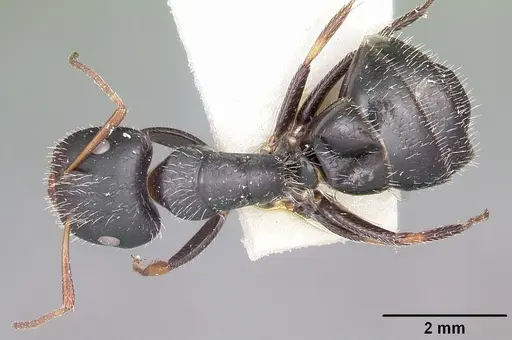
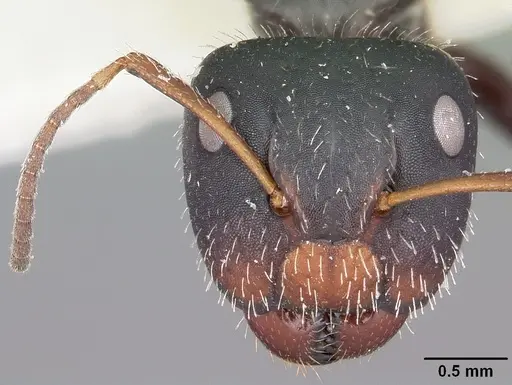
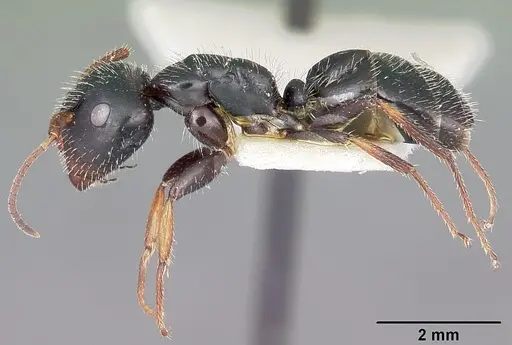
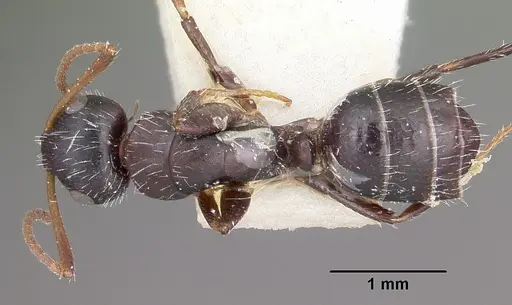
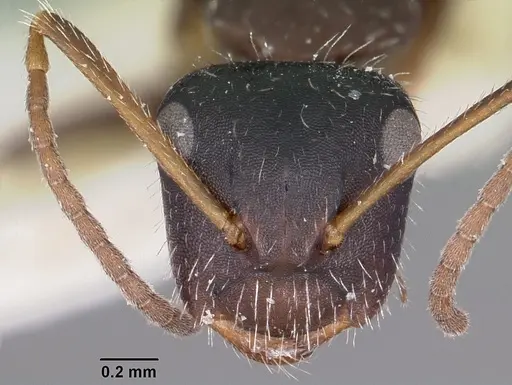
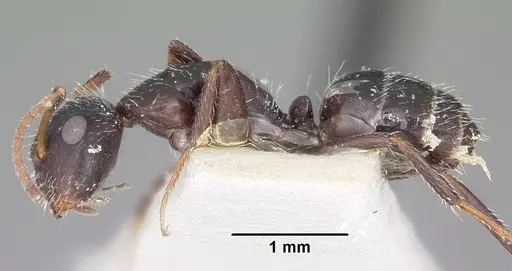
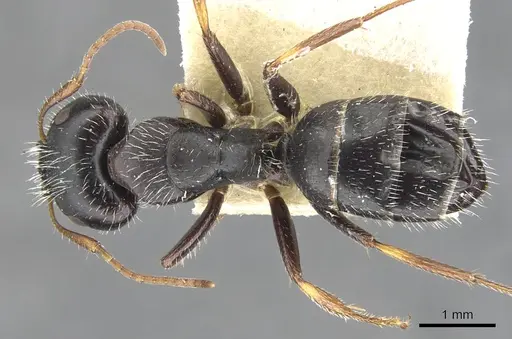
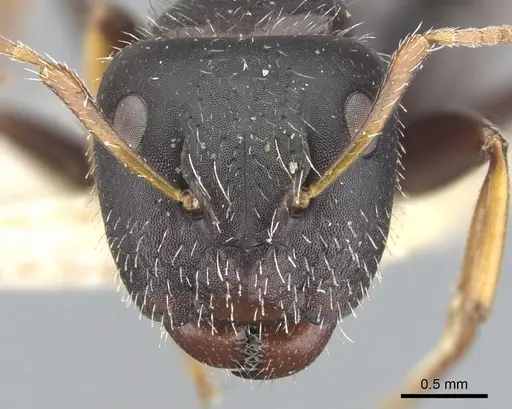
Camponotus trepidulus is a medium-sized ant species native to the southwestern United States and northern Mexico. Workers measure approximately 5-10mm, with distinct major and minor castes typical of the genus. They have a low, rounded propodeal angle and a rectangular-shaped petiole with a flattened node top. This species nests in dead wood, specifically the dead limbs of oak trees and sometimes in Ailanthus wood. They inhabit oak woodland habitats in Arizona and Baja California, Mexico. As a member of the subgenus Myrmobrachys, they are relatively calm ants that don't pose much of an escape risk once established.
Quick Summary
- Difficulty: Easy
- Origin & Habitat: Oak woodlands of Arizona, USA and Baja California, Mexico. Nests in dead limbs of oak trees (Quercus oblongifolia) and occasionally in Ailanthus wood [1].
- Colony Type: Likely monogyne (single queen colonies) based on typical Camponotus patterns. Queens establish nests in pre-existing wood cavities.
- Colony: Monogyne
- Founding: Claustral
- Size & Growth:
- Queen: Estimated 12-15mm based on genus patterns
- Worker: 5-10mm (majors and minors) [1]
- Colony: Likely several hundred workers based on typical Camponotus colony development
- Growth: Moderate
- Development: Estimated 6-8 weeks based on typical Camponotus development at warm temperatures (Development time is estimated from genus-level data, direct measurements for this species are not available)
- Antkeeping:
- Temperature: Keep around 24-28°C. A heating cable on one side of the nest creates a temperature gradient allowing ants to regulate their own conditions.
- Humidity: Moderate humidity around 50-60%. These are woodland ants that prefer drier conditions than tropical species. Allow the nest to dry out somewhat between waterings.
- Diapause: Yes, these ants are native to Arizona and experience seasonal temperature changes. They will benefit from a winter rest period of 2-3 months at temperatures around 10-15°C.
- Nesting: Best kept in wood-based nests (Y-tong, cork nests, or naturalistic setups with dead oak branches). They naturally nest in pre-existing wood cavities and prefer to excavate or occupy existing tunnels.
- Behavior: Generally calm and non-aggressive. Workers are active foragers that search for honeydew and small insects. They are not known for biting or stinging, as Formicinae, they can spray formic acid as a defense but rarely do so toward keepers. Escape risk is moderate, their size makes them manageable with standard barriers.
- Common Issues: wood nests can dry out too quickly, monitor moisture levels regularly, colonies may be slow to establish during founding phase, patience is key, winter dormancy is essential for long-term colony health, don't skip hibernation, wild-caught colonies may have parasites, quarantine and observe new colonies
Nest Preferences and Housing
Camponotus trepidulus naturally nests in dead wood, particularly oak branches and limbs. In captivity, they do well in Y-tong (acrylic) nests with narrow chambers, cork nests, or naturalistic setups featuring actual oak wood or branches. The key is providing a nest that mimics their natural wood cavity preferences. Avoid overly moist substrates, these are woodland ants that prefer somewhat drier conditions. A small water reservoir for humidity is sufficient. Because they nest in pre-existing cavities, they don't require large amounts of nest material to excavate. The outworld can be simple with standard foraging areas. [1]
Feeding and Diet
Like most Camponotus species, these ants are omnivorous. They readily accept sugar sources (honey water, sugar water, nectar) and protein sources (mealworms, crickets, other small insects). In the wild, they forage for honeydew from aphids and scale insects, plus hunt small invertebrates. Feed them a drop of sugar water twice weekly and offer protein prey once or twice weekly. Remove uneaten prey after 24 hours to prevent mold. Colonies will typically ignore dead insects unless they're freshly killed or damaged. [1]
Temperature and Seasonal Care
Keep your colony at 24-28°C during the active season. A heating cable placed on one end of the nest creates a gradient so workers can move between warmer and cooler areas. These ants are native to Arizona and have adapted to seasonal temperature changes. During winter (roughly November through February), reduce temperatures to 10-15°C to allow dormancy. This winter rest period is important for colony health and triggering reproductive behavior in spring. Do not feed during hibernation, keep them cool and dark. [1]
Behavior and Temperament
Camponotus trepidulus is a calm species that rarely shows aggression toward keepers. Workers are active and will readily explore the outworld in search of food. As Formicinae ants, they possess the ability to spray formic acid as a defense, but they rarely use this against humans. Major workers (when present) are larger and may have slightly more defensive tendencies, but overall this is a manageable species. They are not particularly fast-moving compared to some smaller ant species, which makes observation easier. Workers will establish foraging trails once they locate reliable food sources. [1]
Colony Founding
Newly mated queens will seek out pre-existing cavities in dead wood, this is their natural founding strategy. The queen seals herself inside the cavity and begins laying eggs. She survives entirely on her stored fat reserves (claustral founding) until the first workers emerge. This process typically takes 6-8 weeks under warm conditions. The first workers (nanitics) are smaller than mature workers. Do not disturb the founding chamber during this time, excessive vibration or light can cause queens to abandon or eat their brood. Once workers emerge, you can begin offering minimal food. [1]
Frequently Asked Questions
How long does it take for Camponotus trepidulus to raise first workers?
Expect 6-8 weeks from egg to first worker at optimal temperatures (24-28°C). This is typical for Camponotus species. The queen will remain sealed in her chamber until workers emerge, so be patient and avoid disturbing the nest during founding.
What temperature do they need?
Keep them at 24-28°C during the active season. A heating cable on part of the nest creates a gradient. They also need a winter dormancy period at 10-15°C for 2-3 months.
Can I keep multiple queens together?
Not recommended. While some Camponotus species can be pleometrotic (multiple queens founding together), this behavior hasn't been documented for C. trepidulus. It's safest to start with a single queen.
What do they eat?
They accept sugar sources (honey water, sugar water) and protein (mealworms, crickets, small insects). Feed sugar twice weekly and protein 1-2 times weekly.
Are they good for beginners?
Yes, this is a good species for beginners. They are relatively calm, easy to feed, and don't have extreme temperature or humidity requirements. The main challenges are providing appropriate wood-based housing and managing their winter dormancy.
Do they need hibernation?
Yes. These ants are native to Arizona and have evolved to experience seasonal temperature changes. A 2-3 month winter rest period at 10-15°C is important for their long-term health and may help trigger reproductive behavior.
When should I move them to a formicarium?
Wait until the colony has 20-30 workers before moving to a larger formicarium. For founding colonies, keep them in a simple setup (test tube or small container with a wood piece) until they outgrow it. Disturbing too early can stress the queen.
How big do colonies get?
Based on typical Camponotus patterns, colonies likely reach several hundred workers. Exact maximum size isn't documented for this species.
What type of nest is best?
Wood-based nests work best, Y-tong nests, cork nests, or naturalistic setups with oak wood. They naturally nest in pre-existing wood cavities rather than excavating soil.
References

This caresheet is licensed under CC BY-SA 4.0 .
Literature
Loading...Loading products...