

Camponotus trapezoideus
- Scientific Name
- Camponotus trapezoideus
- Subgenus
- Myrmobrachys
- Tribe
- Camponotini
- Subfamily
- Formicinae
- Author
- Mayr, 1870
- Distribution
- Found in 4 countries
Camponotus trapezoideus Overview
Camponotus trapezoideus is an ant species of the genus Camponotus. It is primarily documented in 4 countries , including Brazil, Costa Rica, Cuba. Detailed taxonomic data and occurrence records can be further explored via authoritative databases such as AntWeb or the Global Biodiversity Information Facility (GBIF).
Camponotus trapezoideus
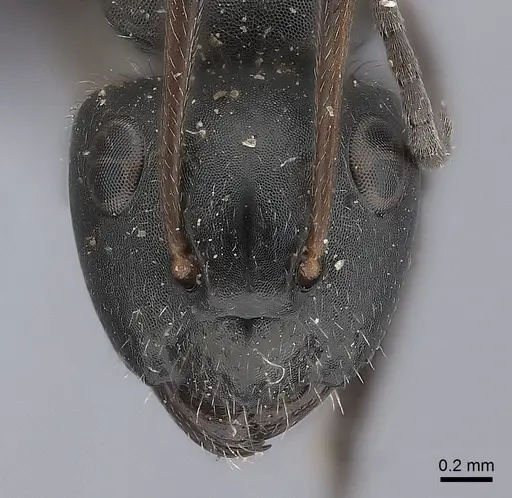
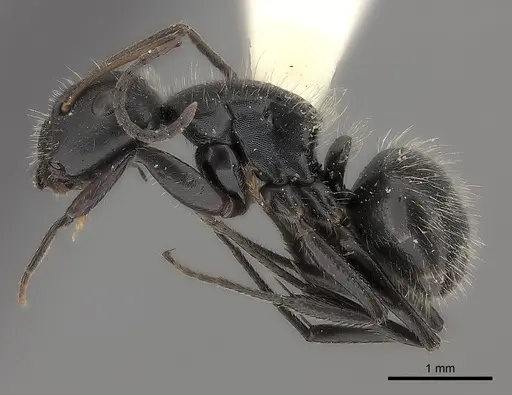
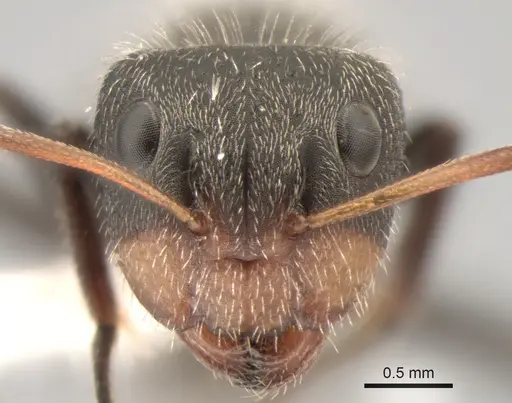
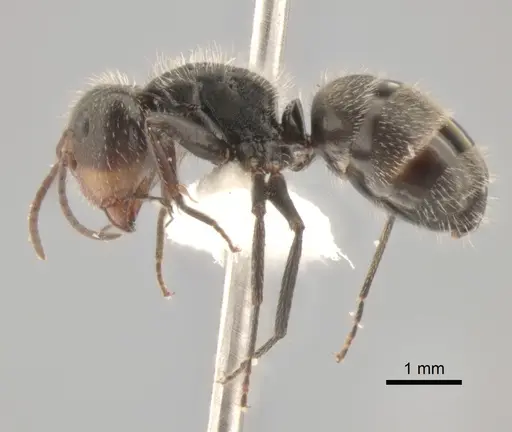
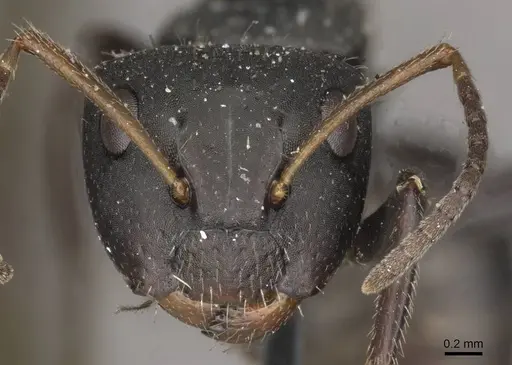
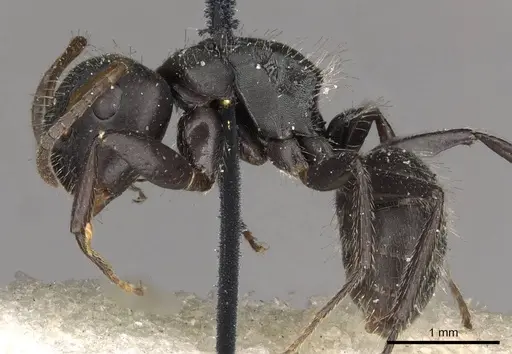
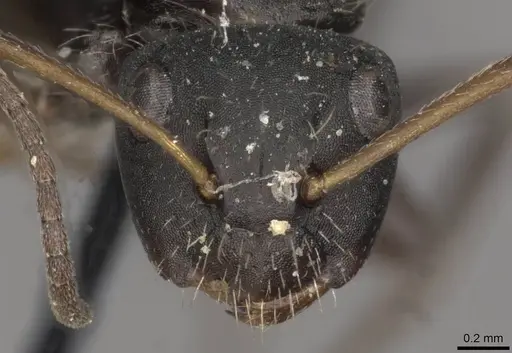
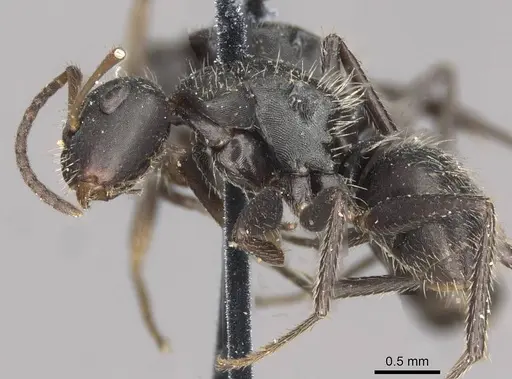
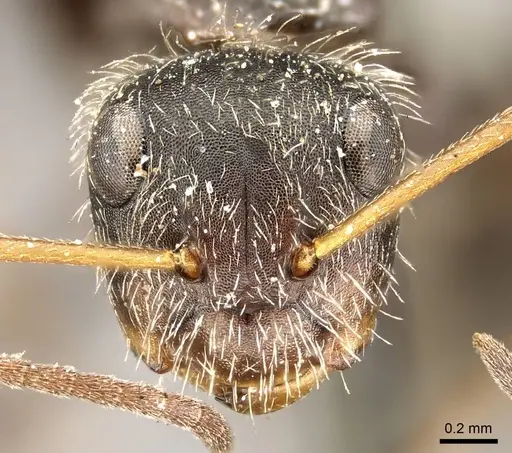
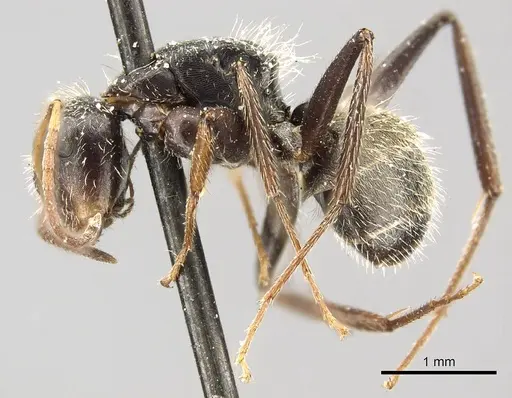
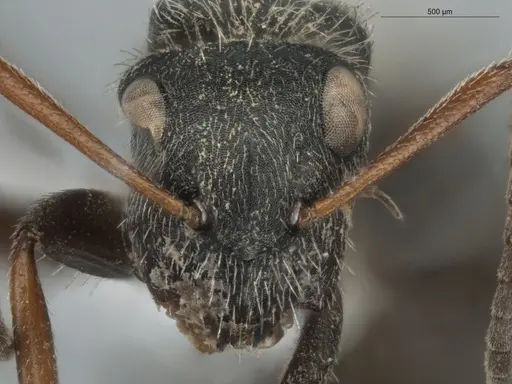
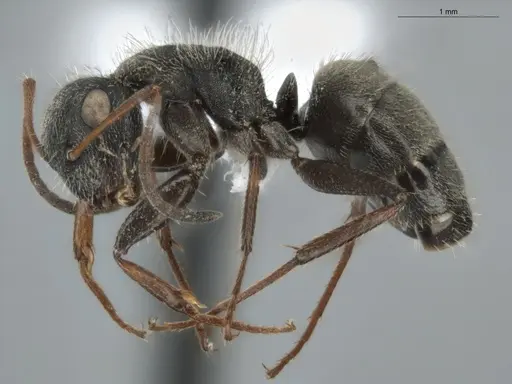
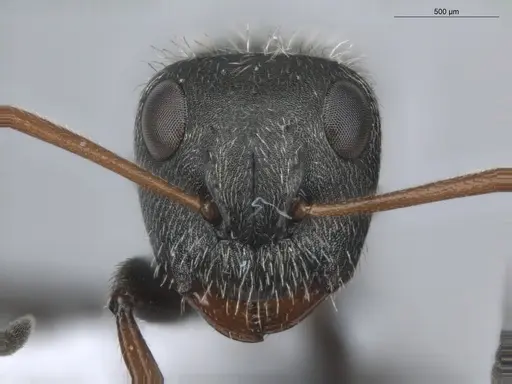
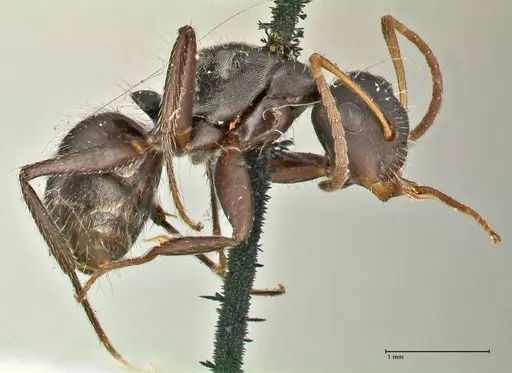
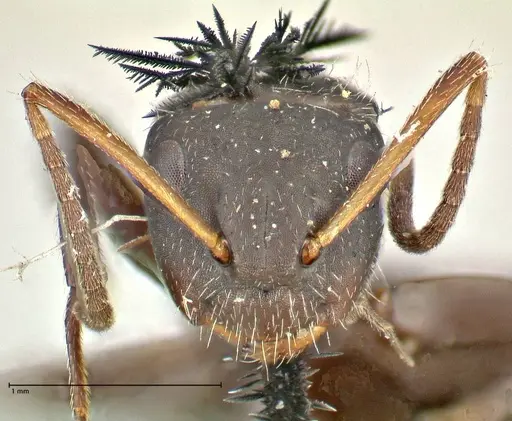
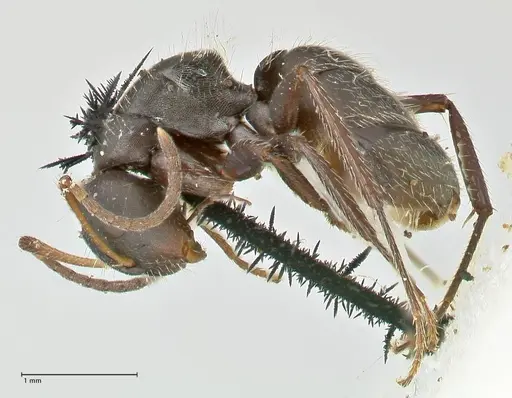
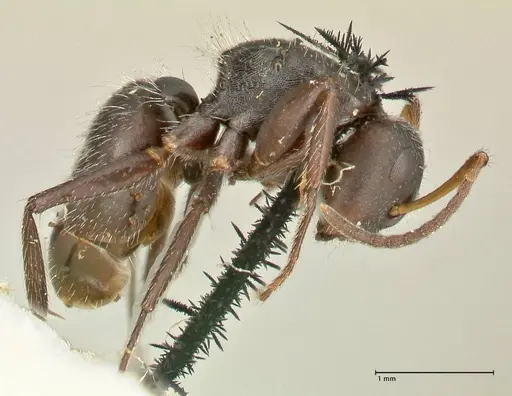
Camponotus trapezoideus is a small to medium-sized arboreal ant belonging to the subgenus Myrmobrachys. Workers measure around 4.2mm with a distinctive black head and body covered in whitish protruding hairs. The major workers have a heart-shaped head, and the scape extends 2-3 funicular segments beyond the head. This species is native to the Neotropical region, ranging from Costa Rica down to Argentina, including Brazil, Colombia, Peru, and French Guiana [1][2].
What makes C. trapezoideus interesting is its arboreal lifestyle, it nests in unusual locations like bromeliad infructescences (the fruit-bearing structures of plants like Vriesea friburgensis) and opportunistically in Cecropia trees. Unlike many ground-nesting Camponotus, this species forages in the tree canopy, which explains why it's less affected by ground-level pesticide treatments in agricultural areas [3].
Quick Summary
- Difficulty: Medium
- Origin & Habitat: Native to the Neotropical region, found across Argentina, Brazil, Colombia, Costa Rica, Peru, and French Guiana. This is an arboreal species that nests in plant structures like bromeliad infructescences and Cecropia trees, typically in forest edges and areas with some canopy cover[4].
- Colony Type: Likely monogyne (single queen) based on typical Camponotus patterns. Colony size is not well documented but appears moderate, likely reaching a few hundred workers given its arboreal lifestyle and the sizes of similar Myrmobrachys species.
- Colony: Monogyne
- Founding: Claustral
- Size & Growth:
- Queen: Estimated 8-10mm based on typical Camponotus queen size range and related species in subgenus Myrmobrachys
- Worker: 4.2mm for workers [1]
- Colony: Not directly documented, estimated a few hundred workers based on similar arboreal Camponotus species
- Growth: Moderate, typical for Camponotus genus
- Development: Estimated 6-8 weeks at optimal temperature based on typical Camponotus development (Development time is inferred from genus-level data since species-specific timing is unconfirmed)
- Antkeeping:
- Temperature: Keep at room temperature around 20-24°C. As a Neotropical species, it prefers warmth but not extreme heat. A gentle gradient allowing workers to choose their preferred temperature works best.
- Humidity: Moderate humidity around 50-70%. Being arboreal, it tolerates slightly drier conditions than ground-nesting ants but still needs access to moisture. Provide a water tube and occasional misting.
- Diapause: Likely minimal or no true diapause, being a tropical species, it probably remains active year-round with only slight seasonal slowdowns. However, a brief cool period (2-3 months at 15-18°C) may be beneficial.
- Nesting: This is an arboreal species that naturally nests in plant cavities. In captivity, a Y-tong (AAC) nest or acrylic formicarium with cork or wood sections works well. Avoid fully soil-based nests, they prefer dry, cavity-style housing. The nest should have narrow chambers scaled to their size.
- Behavior: Generally calm and non-aggressive for a Camponotus species. Workers are active foragers that search for food in the upper portions of the enclosure. They are arboreal by nature, so they'll spend more time on branches and elevated surfaces than on the ground. Escape risk is moderate, they're not particularly small but can climb well, so barrier gel or fluon on the edges of the outworld is recommended. They tend to be nocturnal or crepuscular in their peak activity, mirroring their natural canopy-foraging behavior.
- Common Issues: arboreal nature means they need vertical space and climbing surfaces, a flat formicarium alone won't suit them, being tree-dwelling, they may not accept soil nests and prefer cavity-style housing, tropical species may struggle in cool, dry environments, monitor temperature and humidity closely, limited documentation means colony growth expectations are estimates, patience is key, wild-caught colonies may carry parasites or be stressed from collection, quarantine and careful acclimatization help
Housing and Nest Setup
Camponotus trapezoideus is an arboreal species, so your setup should reflect its natural tree-dwelling lifestyle. In the wild, these ants nest in plant cavities like bromeliad infructescences and hollow branches, so they prefer dry, cavity-style housing over moist soil nests. A Y-tong (AAC) nest works exceptionally well because it provides the dark, compact chambers these ants naturally seek. You can also use an acrylic formicarium with cork inserts or wooden sections to mimic their natural plant-cavity nesting sites.
The outworld should include vertical elements like branches, twigs, or mesh climbing surfaces since they prefer to forage elevated rather than on the ground. This vertical space is essential for their wellbeing, without it, they'll feel cramped and may not explore as actively. Use escape prevention like fluon or barrier gel on the outworld edges since they can climb smooth surfaces well. [2]
Feeding and Diet
Like most Camponotus species, C. trapezoideus is omnivorous with a preference for sugary liquids and protein. Offer sugar water, honey, or diluted maple syrup as a constant energy source, these ants will readily accept sweet liquids. For protein, provide small insects like fruit flies, small crickets, or mealworm pieces. Being arboreal foragers, they may prefer prey that's positioned on elevated surfaces rather than on the floor of the outworld.
Based on their occurrence in agricultural areas and canopy foraging behavior, they likely supplement their diet with honeydew from aphids or scale insects in captivity. You can offer small pieces of fruit or a cotton ball soaked in sugar water. Feed protein 2-3 times per week and keep a sugar source available at all times. Remove uneaten prey after 24-48 hours to prevent mold. [3]
Temperature and Seasonal Care
As a Neotropical species from Brazil and surrounding countries, C. trapezoideus prefers warm conditions in the low-to-mid 20s Celsius (around 22-26°C). Room temperature within this range is typically suitable, but if your space runs cooler, a heating cable on one side of the nest can create a beneficial gradient. Place the heating on top of the nest, not underneath, to avoid drying out the nest chambers.
Regarding diapause, being a tropical species, they likely don't require a true hibernation period. However, some keepers report that a brief cool period of 2-3 months at 15-18°C during winter months can help simulate natural seasonal cycles and may benefit colony health long-term. If you choose to cool them, do so gradually and ensure they have access to sugar water throughout, they won't enter deep dormancy like temperate species would. [4]
Behavior and Colony Dynamics
This species exhibits typical Camponotus temperament, generally calm and not overly aggressive. Workers are active foragers with a preference for elevated surfaces, reflecting their natural canopy-dwelling behavior. You may notice them becoming more active in the evening or at night, as many arboreal ants are crepuscular or nocturnal.
The colony will likely grow at a moderate pace, expect 6-12 months from founding to reach 50+ workers under good conditions. Major workers (soldiers) will appear as the colony matures, distinguished by their larger size and heart-shaped heads. The queen is likely claustral, meaning she'll seal herself in a chamber and raise her first brood without leaving to forage, living off her stored fat reserves until the first nanitic workers emerge. [2][1]
Frequently Asked Questions
Can I keep Camponotus trapezoideus in a test tube?
A test tube can work for a founding colony, but this arboreal species will do better in a cavity-style nest like a Y-tong or acrylic formicarium with cork sections. They prefer dry conditions and tight chambers over the moist test tube setup typical for ground-nesting ants. If using a test tube, keep it relatively dry and transfer to proper housing once the colony reaches 15-20 workers.
How long does it take for Camponotus trapezoideus to produce first workers?
Based on typical Camponotus development, expect first workers (nanitics) to emerge in about 6-8 weeks after the queen lays her first eggs, assuming temperatures around 24°C. This is an estimate since species-specific development timing hasn't been documented. The first workers will be smaller than normal workers but will begin foraging to support the growing colony.
Are Camponotus trapezoideus good for beginners?
This species is rated as Medium difficulty. While not the most challenging ant, they do have specific needs, particularly their arboreal nature requiring vertical climbing space and cavity-style nesting. Beginners should be prepared to provide appropriate housing and maintain warm, stable temperatures. Their moderate growth rate requires patience.
What should I feed Camponotus trapezoideus?
Offer a constant sugar source like sugar water, honey, or maple syrup. For protein, provide small insects like fruit flies, small crickets, or mealworm pieces 2-3 times per week. Position food on elevated surfaces when possible since they're arboreal foragers. Remove uneaten food after 24-48 hours.
Do Camponotus trapezoideus need hibernation?
Probably not, being a tropical Neotropical species, they don't require true hibernation. Some keepers provide a brief cool period (2-3 months at 15-18°C) in winter, but this appears optional rather than required. They remain active year-round at room temperature.
When should I move Camponotus trapezoideus to a formicarium?
Move them when the colony reaches around 20-30 workers and the test tube (if used) becomes cramped. Since they prefer dry, cavity-style housing, a Y-tong or acrylic nest with cork inserts makes an ideal transition. Make sure the formicarium has vertical climbing elements in the outworld.
How big do Camponotus trapezoideus colonies get?
Colony size is not well documented, but based on similar arboreal Camponotus species, expect colonies to reach a few hundred workers at maturity. Growth is moderate, expect several months to a year to reach 50+ workers under good conditions.
Can I keep multiple Camponotus trapezoideus queens together?
This is not recommended. Like most Camponotus, they're likely monogyne (single-queen colonies). Combining unrelated queens hasn't been documented and would likely result in fighting. Only one queen per colony is standard practice.
Why is my Camponotus trapezoideus colony not growing?
Common causes include: temperatures too low (below 20°C slows development significantly), humidity too high (they prefer dry conditions), insufficient protein in diet, or the queen being stressed. Check that your setup matches their arboreal preferences, they need vertical climbing space and cavity-style nesting, not soil-filled setups.
References

This caresheet is licensed under CC BY-SA 4.0 .
CASENT0217709
View on AntWeb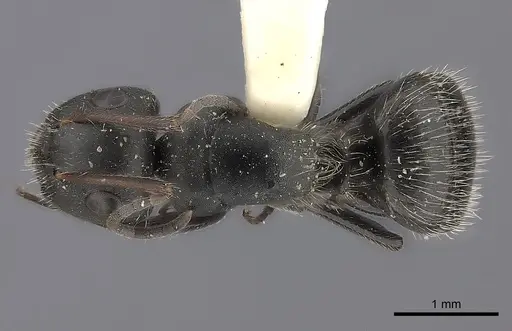
CASENT0882313
View on AntWeb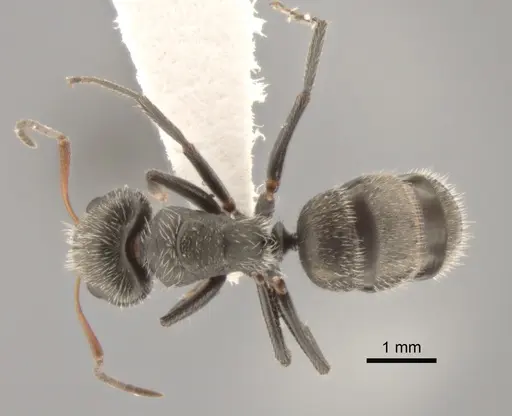
CASENT0910720
View on AntWeb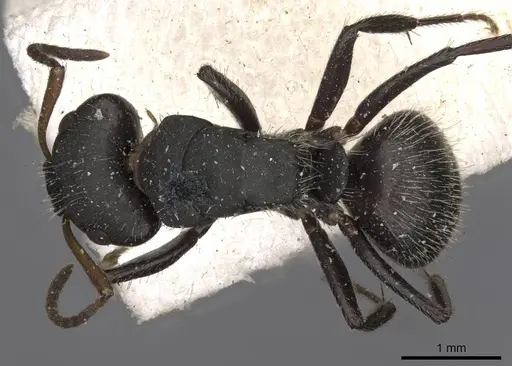
CASENT0910721
View on AntWeb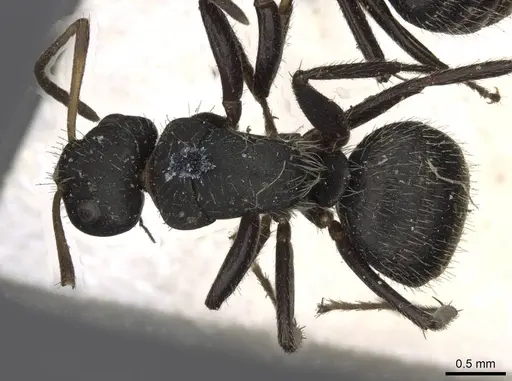
CASENT0915808
View on AntWeb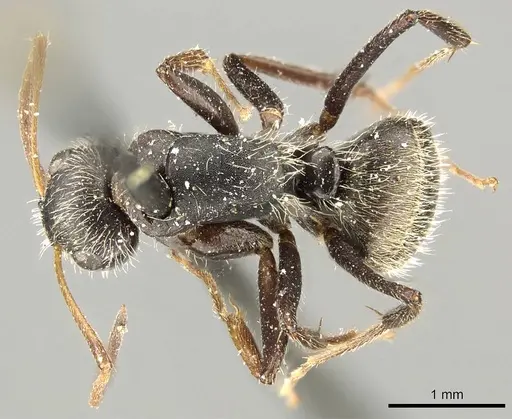
ECOFOG-BUG-0046-17
View on AntWeb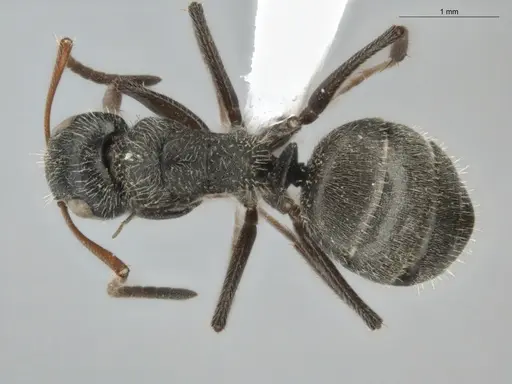
ECOFOG-BUG-0502-04
View on AntWeb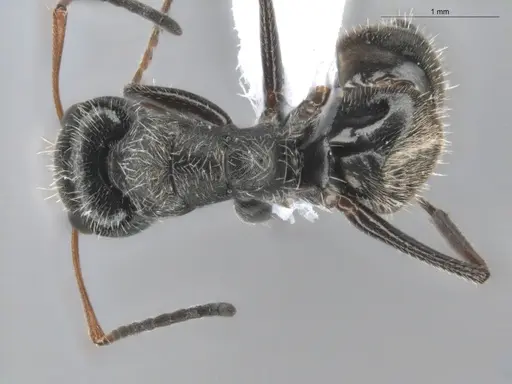
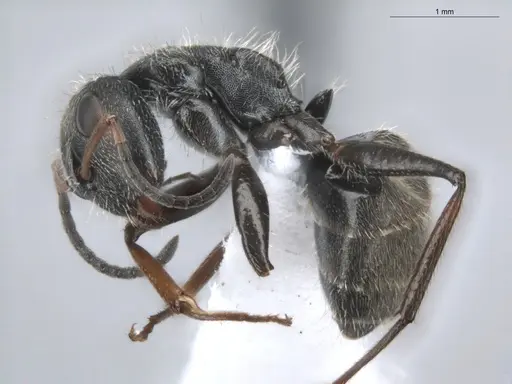
FOCOL2454
View on AntWeb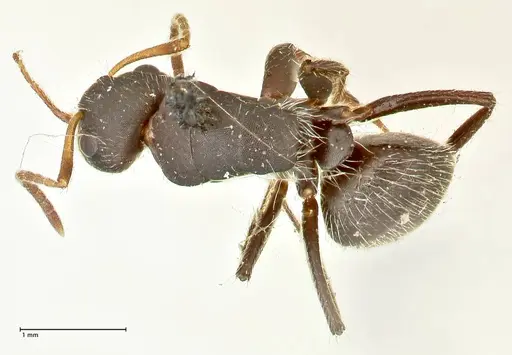
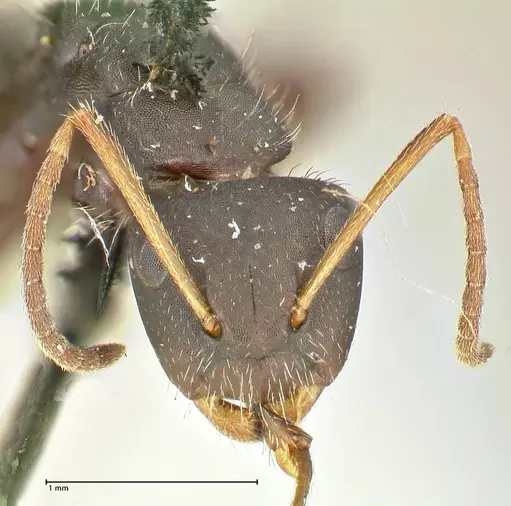
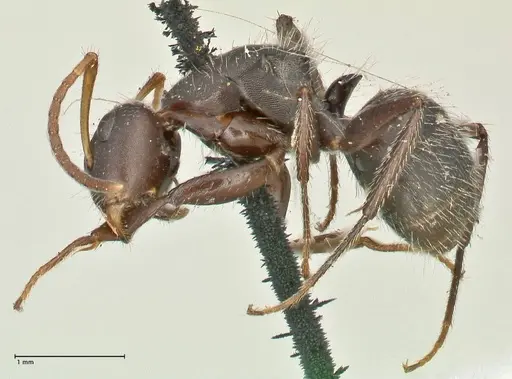
FOCOL2455
View on AntWeb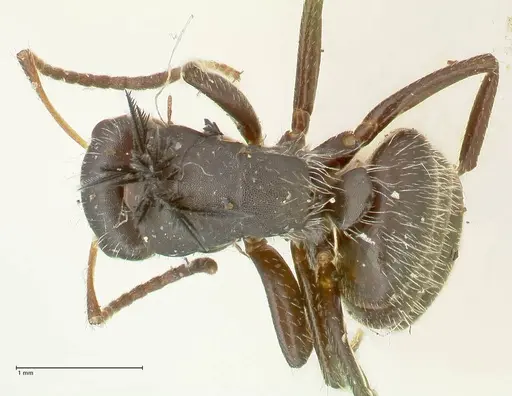
Literature
Loading...Loading products...