

Camponotus trapeziceps
- Scientific Name
- Camponotus trapeziceps
- Subgenus
- Myrmaphaenus
- Tribe
- Camponotini
- Subfamily
- Formicinae
- Author
- Forel, 1908
- Distribution
- Found in 2 countries
Camponotus trapeziceps Overview
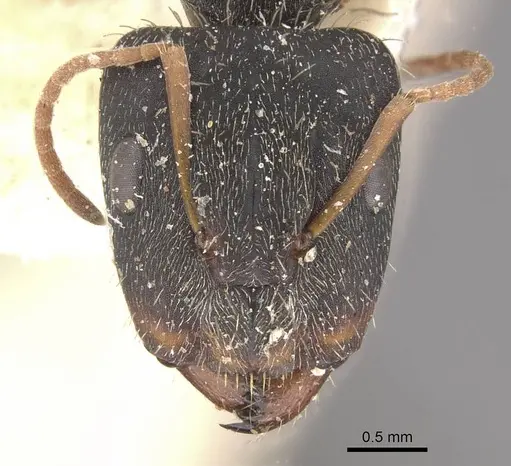
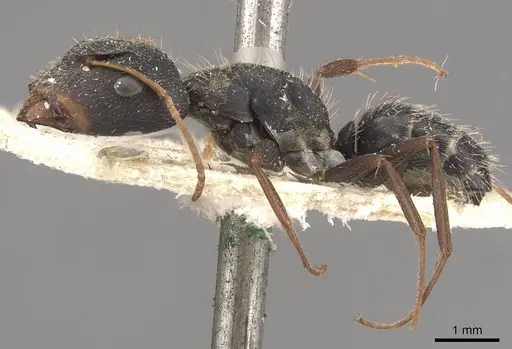
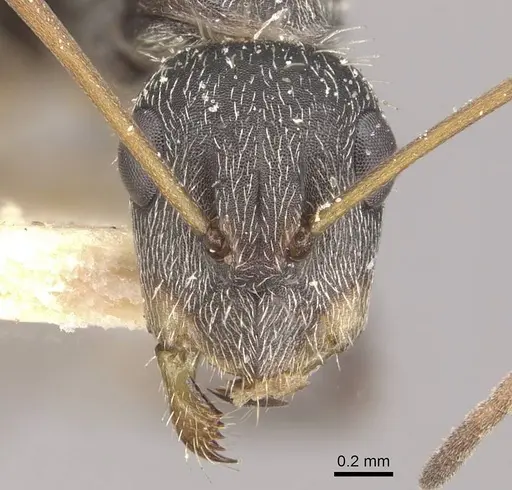
Camponotus trapeziceps is an ant species of the genus Camponotus. It is primarily documented in 2 countries , including Brazil, Paraguay. Detailed taxonomic data and occurrence records can be further explored via authoritative databases such as AntWeb or the Global Biodiversity Information Facility (GBIF).
Camponotus trapeziceps
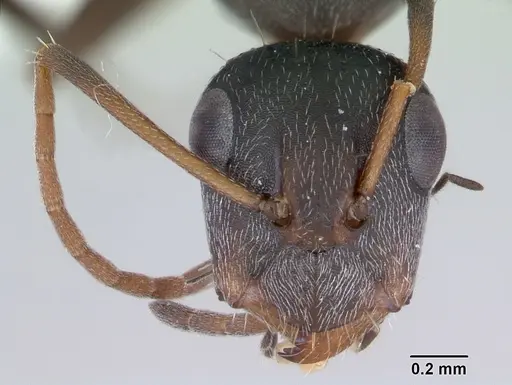
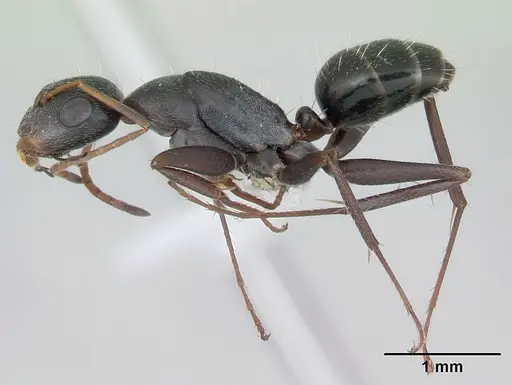
Camponotus trapeziceps is a medium-sized carpenter ant native to the Neotropical region, found across Brazil, Paraguay, and northern Argentina. Workers measure around 6-10mm with a dark reddish-brown to black coloration. The species belongs to the subgenus Myrmaphaenus and is known for nesting in soil at shallow depths of 10-15cm, often associated with termite mounds in the Cerrado (Brazilian savanna) ecosystem. Queens were originally described in 1908 from São Paulo, Brazil. This is a relatively obscure species in the antkeeping hobby with limited documented care information.
Quick Summary
- Difficulty: Medium
- Origin & Habitat: Native to the Neotropical region, Brazil, Paraguay, and Argentina. Found in the Cerrado biome where it nests in soil, often near or within termite mounds (Cornitermes cumulans) at depths of 10-15cm [1][2].
- Colony Type: Likely single-queen colonies (monogyne) based on typical Camponotus patterns, though this has not been directly documented for this species.
- Colony: Monogyne
- Founding: Claustral
- Size & Growth:
- Queen: Estimated 12-16mm based on typical Camponotus queen size range
- Worker: Estimated 6-10mm based on genus patterns
- Colony: Likely reaches several thousand workers like other Camponotus species
- Growth: Moderate, typical for Camponotus genus
- Development: Estimated 6-8 weeks at optimal temperature based on genus-level data for Camponotus species (Development time inferred from related Camponotus species, specific data for C. trapeziceps is unavailable)
- Antkeeping:
- Temperature: Keep at 24-28°C. As a Neotropical species from Brazil, they prefer warm conditions. A heating cable on one side of the nest creates a suitable gradient.
- Humidity: Moderate humidity around 50-60%. Keep the nest substrate slightly moist but not waterlogged. These are soil-nesting ants from a relatively dry savanna environment.
- Diapause: Likely no true diapause required given their tropical origin. However, a slight reduction in temperature during winter months (around 18-20°C) may be beneficial.
- Nesting: Soil-nesting species. In captivity, a naturalistic setup with soil substrate or a Y-tong/plaster nest with moisture chambers works well. They prefer dark, secure nesting areas.
- Behavior: Generally calm and non-aggressive for a Camponotus species. Workers are moderate foragers and will scavenge for protein and sugar sources. Escape risk is moderate, use standard Camponotus escape prevention (fluon on edges). They are primarily nocturnal or crepuscular foragers.
- Common Issues: limited species-specific care information makes precise recommendations difficult, soil-nesting behavior requires proper substrate setup which beginners may find challenging, tropical origin means they may not tolerate cool temperatures, wild-caught colonies may have parasites or diseases, slow initial colony growth during founding phase is normal but can concern beginners
Natural History and Distribution
Camponotus trapeziceps is native to the Neotropical region, specifically found in Brazil, Paraguay, and Argentina. The species was originally described by Forel in 1908 from specimens collected in São Paulo, Brazil. These ants inhabit the Cerrado biome, which is a tropical savanna ecosystem characterized by warm temperatures and seasonal rainfall patterns. They are ground-nesting ants that typically establish their colonies in soil at shallow depths of 10-15cm. Research has documented an interesting association between C. trapeziceps and termite mounds, specifically those of Cornitermes cumulans, where the ants can be found nesting in proximity to or within termite structures [1][2]. This association may provide protection and stable microclimate conditions for the colony.
Nest Preferences and Housing
In their natural habitat, Camponotus trapeziceps nests in soil at depths of 10-15cm, often in areas associated with termite mounds. For captive care, a naturalistic setup with a soil-based substrate works best. You can use a mix of soil and sand (roughly 50/50) to create a substrate that holds moisture without becoming waterlogged. The nest should be kept dark, as these ants prefer dark, secure nesting chambers. A Y-tong (acrylic) nest with a water chamber or a plaster nest with moisture-wicking material can also work well if you provide a layer of soil or substrate on top for the ants to tunnel in. Avoid bright lighting near the nest area, these carpenter ants prefer dim conditions. Make sure the nest has enough depth (at least 10cm) to accommodate their natural tunneling behavior. [1]
Feeding and Diet
Like other Camponotus species, C. trapeziceps is an omnivore that accepts both protein and sugar sources. For protein, offer small insects like fruit flies, small crickets, mealworms, or waxworms. Sugar can be provided through honey water, sugar water, or honeydew. Feed protein sources 2-3 times per week, and keep a sugar source available constantly. Given their tropical origin, these ants may have higher energy requirements, monitor consumption and adjust feeding frequency accordingly. Remove uneaten prey after 24-48 hours to prevent mold growth.
Temperature and Seasonal Care
As a Neotropical species from Brazil, Camponotus trapeziceps prefers warm temperatures in the range of 24-28°C. You can achieve this using a heating cable placed on one side of the nest to create a temperature gradient, allowing workers to regulate their own temperature by moving between warmer and cooler areas. Place the heating element on top of the nest to avoid excessive drying. Unlike temperate species, they likely do not require a true hibernation diapause. However, you might reduce temperatures slightly during winter months to around 18-20°C, simulating natural seasonal cooling. Do not let temperatures drop below 18°C for extended periods. Monitor colony activity, if workers become sluggish and cluster together, the temperature may be too low.
Colony Founding
Camponotus trapeziceps follows the typical claustral founding pattern for the genus. A newly mated queen will seal herself into a small chamber underground, surviving entirely on her stored fat reserves while laying eggs and raising the first brood. She does not leave the nest to forage during this period. The first workers to emerge (nanitics) are typically smaller than normal workers and will begin expanding the nest and foraging for food. During this critical founding phase, it is essential to keep the queen undisturbed in a dark, humid environment. Do not check on the colony frequently, excessive disturbance can cause the queen to abandon or eat her brood. Wait at least 4-6 weeks before checking for the first workers.
Behavior and Temperament
Camponotus trapeziceps displays the typical calm temperament of most carpenter ants. Workers are not particularly aggressive and will generally avoid confrontation when possible. They are moderate foragers and will send workers out to collect food rather than forming large raiding parties. Like other Camponotus species, they may eject formic acid as a defense mechanism when threatened, though this is rarely problematic in captivity. Workers are primarily nocturnal or crepuscular, becoming more active during evening and night hours. This matches their natural behavior of avoiding the heat of the day in the Cerrado biome. Provide a day/night lighting cycle that includes periods of darkness to encourage natural activity patterns.
Frequently Asked Questions
How long does it take for Camponotus trapeziceps to produce first workers?
Based on typical Camponotus development, expect first workers (nanitics) in approximately 6-8 weeks after the queen lays eggs. This timeline assumes optimal temperatures around 26°C. The exact duration for C. trapeziceps has not been specifically documented.
Can I keep Camponotus trapeziceps in a test tube?
Test tubes can work for the founding colony, but given that this is a soil-nesting species, you should provide a soil-filled setup once the colony reaches 15-20 workers. A test tube with a cotton ball for water storage works for founding, but they will benefit from being able to tunnel in substrate.
What temperature do Camponotus trapeziceps need?
Keep them warm at 24-28°C. As a Neotropical species from Brazil, they prefer temperatures in this range. Use a heating cable on one side of the nest to create a gradient, and never let temperatures drop below 18°C.
How big do Camponotus trapeziceps colonies get?
Based on typical Camponotus colony sizes, colonies likely reach several thousand workers over several years. The exact maximum size for this species has not been documented, but related species commonly reach 2000-5000 workers.
What do Camponotus trapeziceps eat?
They are omnivores that accept both protein and sugar sources. Feed small insects (fruit flies, small crickets, mealworms) as protein 2-3 times per week, and provide a constant sugar source like honey water or sugar water.
Is Camponotus trapeziceps good for beginners?
This species is rated as Medium difficulty. While not the most challenging ant species, the limited documented care information and their soil-nesting requirements make them better suited for keepers who already have some experience with Camponotus species.
Do Camponotus trapeziceps need hibernation?
Likely no true hibernation is required given their tropical origin in Brazil. You may provide a slight temperature reduction (to around 18-20°C) during winter months, but this is optional rather than necessary.
When should I move Camponotus trapeziceps to a formicarium?
Move them to a larger setup with soil substrate once the colony reaches 15-30 workers and the test tube space becomes cramped. A naturalistic setup with digging space works best for this soil-nesting species.
Why are my Camponotus trapeziceps dying?
Common causes include: temperatures too low (below 18°C), excessive humidity causing mold, disturbance during founding phase, or lack of protein food. Check that your setup matches their warm, moderately humid preferences and that the queen was not disturbed during the first 4-6 weeks of founding.
References

This caresheet is licensed under CC BY-SA 4.0 .
CASENT0173457
View on AntWeb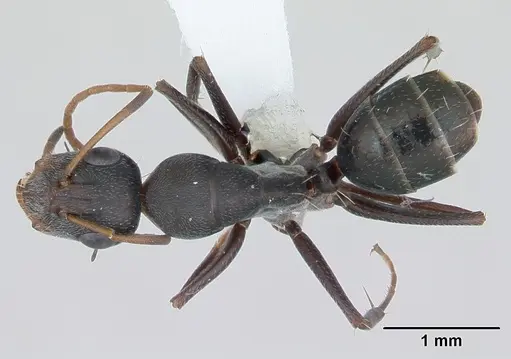
CASENT0910647
View on AntWeb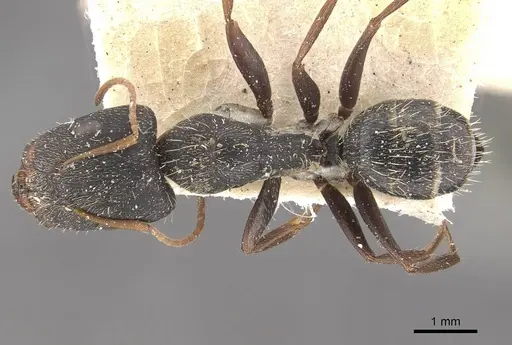
CASENT0910648
View on AntWeb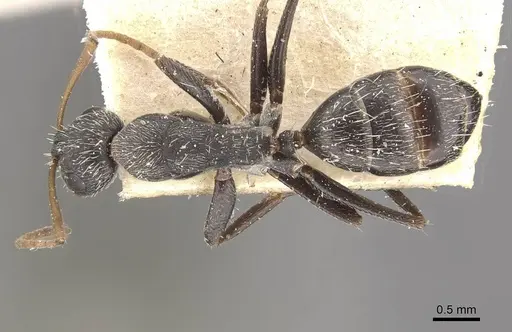
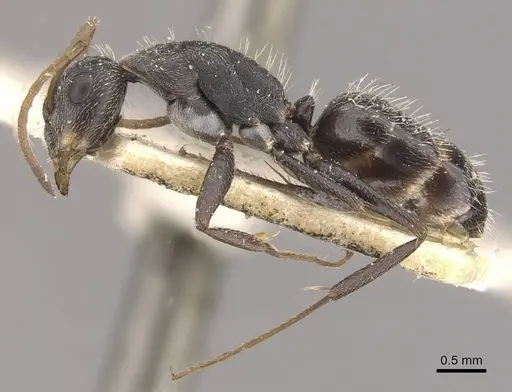
CASENT0923559
View on AntWeb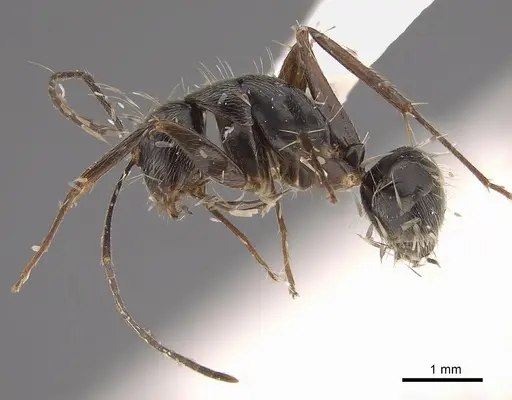
Literature
Loading...Loading products...