

Camponotus tonduzi
- Scientific Name
- Camponotus tonduzi
- Subgenus
- Pseudocolobopsis
- Tribe
- Camponotini
- Subfamily
- Formicinae
- Author
- Forel, 1899
- Distribution
- Found in 2 countries
Camponotus tonduzi Overview
Camponotus tonduzi is an ant species of the genus Camponotus. It is primarily documented in 2 countries , including Costa Rica, Panama. Detailed taxonomic data and occurrence records can be further explored via authoritative databases such as AntWeb or the Global Biodiversity Information Facility (GBIF).
Camponotus tonduzi
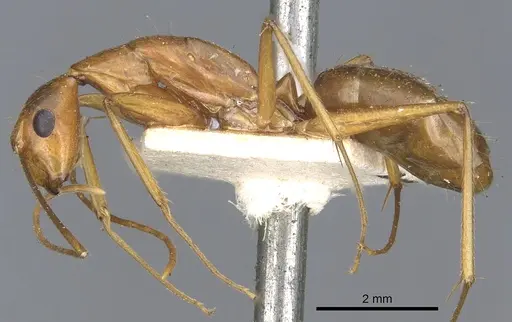
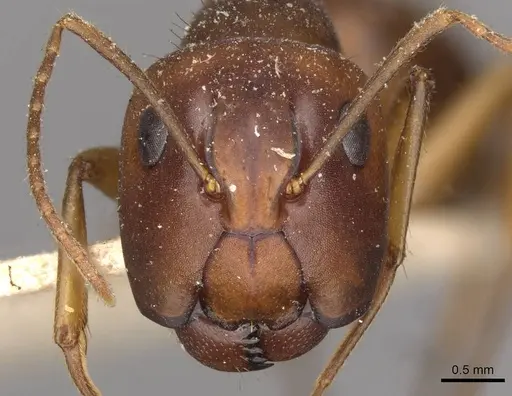
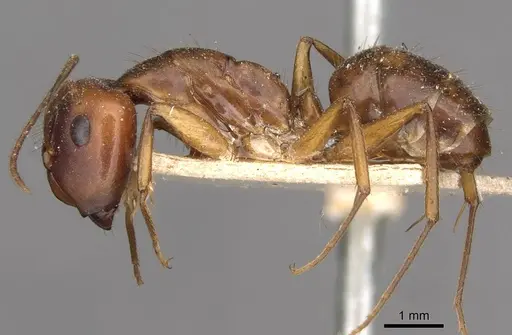
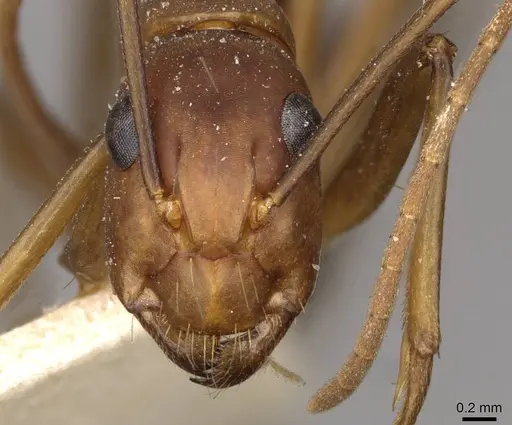
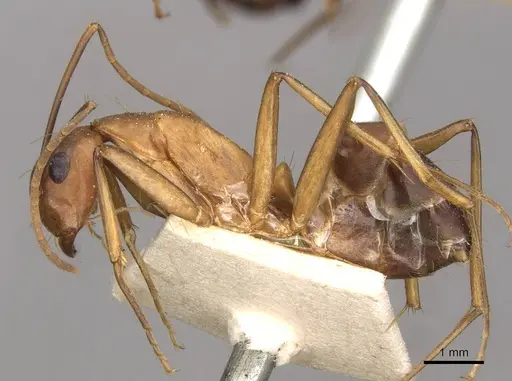
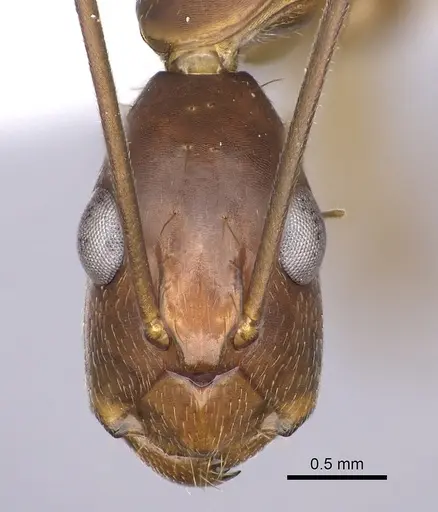
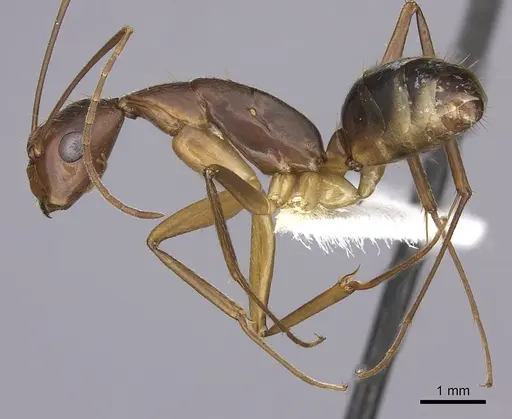
Camponotus tonduzi is a Neotropical carpenter ant found from Costa Rica through Colombia to Peru, with a recent record in Brazil. Workers are reddish-brown and remarkably dimorphic, majors measure 7.3-9.8mm while minors are significantly smaller. The head is densely punctate, and the clypeus (the plate above the mouth) is very convex with distinctive tooth-like structures at the front corners. This species belongs to the subgenus Pseudocolobopsis and nests in rotten trunks in tropical forests, typically at elevations around 980m in Colombia. They are distinguished from similar species by having few suberect hairs on their antenna scapes.
Quick Summary
- Difficulty: Medium
- Origin & Habitat: Neotropical region, Costa Rica, Guatemala, Colombia, Peru, and recently recorded in Brazil (Pará). Found in tropical forests, nesting in rotten wood at elevations around 980m [1][2].
- Colony Type: Likely monogyne (single queen colonies) based on typical Camponotus patterns. Colony size is unconfirmed but likely moderate, similar Neotropical Camponotus species typically reach several hundred workers.
- Colony: Monogyne
- Founding: Claustral
- Size & Growth:
- Queen: 12-12.5mm [3]
- Worker: 7.3-9.8mm (very dimorphic majors and minors) [3]
- Colony: Unconfirmed, estimated several hundred workers based on related Neotropical Camponotus
- Growth: Moderate, typical Camponotus development timeline
- Development: Estimated 6-8 weeks at optimal temperature based on genus patterns (Inferred from typical Camponotus development. Queens are claustral, they seal themselves in and raise first workers alone using stored fat reserves.)
- Antkeeping:
- Temperature: Keep at 24-28°C, they are a tropical species from lowland Central American forests. A heating cable on one side of the nest creates a temperature gradient [3].
- Humidity: High humidity (70-80%), these forest-dwelling ants need moist conditions. Keep nest substrate consistently damp but not waterlogged. Mist occasionally and provide a water tube.
- Diapause: No, as a tropical species, they do not require hibernation. Keep temperatures stable year-round.
- Nesting: Y-tong (AAC) nests or plaster nests work well. They naturally nest in rotting wood, so provide木质材料 or a nest with wood-like texture. Tight chambers scaled to their moderate size.
- Behavior: Generally calm temperament typical of carpenter ants. They are not particularly aggressive but will defend the nest if threatened. Workers are moderately active foragers. Escape risk is moderate, use standard barrier methods (Fluon on test tube rims).
- Common Issues: tropical species may struggle if temperatures drop below 22°C, high humidity requirements mean mold can be an issue if ventilation is poor, slow founding phase, queens seal themselves in for weeks before first workers appear, wild-caught colonies may have parasites that need treatment, very dimorphic colony structure means majors develop later, don't panic if early workers are small
Housing and Nest Setup
Camponotus tonduzi does well in Y-tong (AAC) nests or plaster formicariums that maintain humidity. In the wild, they nest in rotten trunks in tropical forests, so providing a nest with some wood material or wood-textured chambers helps them feel at home. Test tube setups work for founding colonies, keep the cotton moist but not soaked, and wrap the tube in dark material for the first few weeks until workers emerge. Once the colony reaches 20-30 workers, consider moving to a proper formicarium. The key is maintaining high humidity (70-80%) while ensuring adequate ventilation to prevent mold. [2]
Feeding and Diet
Like other Camponotus species, C. tonduzi is omnivorous. Offer sugar water or honey as a constant energy source, they will readily accept it. For protein, provide insects like mealworms, small crickets, or fruit flies. In nature, they likely forage for honeydew from aphids and tend aphids on plants, so occasional sweet treats are appreciated. Feed protein 2-3 times per week, and keep sugar water available at all times. Remove uneaten prey after 24-48 hours to prevent mold.
Temperature and Seasonal Care
These are tropical ants from Central American lowland forests. Keep temperatures in the range of 24-28°C for optimal brood development. A heating cable placed on one side of the nest creates a temperature gradient that allows ants to regulate their own temperature by moving between warmer and cooler areas. Avoid temperatures below 22°C for extended periods, this can slow development and weaken the colony. Unlike temperate species, they do not require hibernation or diapause. Maintain stable temperatures year-round. [3]
Colony Development and Growth
Founding queens are claustral, they seal themselves in a chamber and do not leave to forage during the founding phase. They survive entirely on stored fat reserves while laying eggs and raising the first brood. This process typically takes 4-8 weeks before the first workers (nanitics) emerge. Workers are very dimorphic, you will see both major (larger) and minor (smaller) workers. Majors develop later in the colony cycle and serve as specialized roles like defense and seed processing. Be patient during the founding phase, disturbing the queen or letting the nest dry out during this critical period often results in colony failure.
Behavior and Temperament
Camponotus tonduzi has a calm temperament typical of carpenter ants. They are not aggressive toward keepers and rarely bite. If threatened, they may spray formic acid as a defense, this is mild and poses no serious danger to humans. Workers are moderately active and will establish foraging trails once the colony is established. They are not known for being particularly escape-prone, but use standard barrier methods like Fluon on test tube rims as a precaution. The colony will expand gradually over several years, with major workers appearing more frequently as the colony matures.
Frequently Asked Questions
How long does it take for Camponotus tonduzi queens to produce first workers?
Expect first workers (nanitics) to emerge in 6-8 weeks after the queen lays eggs, assuming optimal temperature (24-28°C). The claustral founding phase is when the queen seals herself in and raises the first brood entirely on her own. Be patient, disturbing the nest during this time often causes queens to abandon or eat their brood.
What temperature do Camponotus tonduzi ants need?
Keep them at 24-28°C, they are tropical ants from Central American forests. A heating cable on one side of the nest creates a gradient. Avoid temperatures below 22°C for extended periods.
Can I keep multiple Camponotus tonduzi queens together?
Not recommended. Camponotus species are typically single-queen (monogyne) colonies. Combining unrelated foundress queens often results in fighting. If you catch multiple queens, house them separately.
What do Camponotus tonduzi eat?
They are omnivorous. Offer sugar water or honey constantly for energy, and protein sources like mealworms, small crickets, or fruit flies 2-3 times per week. They will also tend aphids for honeydew if given the opportunity.
Are Camponotus tonduzi good for beginners?
They are intermediate-level. The main challenges are maintaining high humidity and keeping temperatures warm enough. They are more demanding than common temperate species but less difficult than some specialized tropical ants.
How big do Camponotus tonduzi colonies get?
Colony size is not well documented in scientific literature, but based on similar Neotropical Camponotus species, expect several hundred workers at maturity. Growth is moderate, it takes a few years to reach significant numbers.
Do Camponotus tonduzi need hibernation?
No. As a tropical species from Central America, they do not require hibernation or diapause. Keep temperatures stable year-round in the 24-28°C range.
What size are Camponotus tonduzi workers?
Workers are 7.3-9.8mm and are very dimorphic, there are major workers (larger, around 9-10mm) and minor workers (smaller, around 7-8mm). Queens are 12-12.5mm.
When should I move Camponotus tonduzi to a formicarium?
Move from test tube to a proper nest (Y-tong or plaster formicarium) once the colony reaches 20-30 workers or when the test tube becomes cramped. Make sure the new setup has appropriate humidity and temperature control.
References

This caresheet is licensed under CC BY-SA 4.0 .
CASENT0217708
View on AntWeb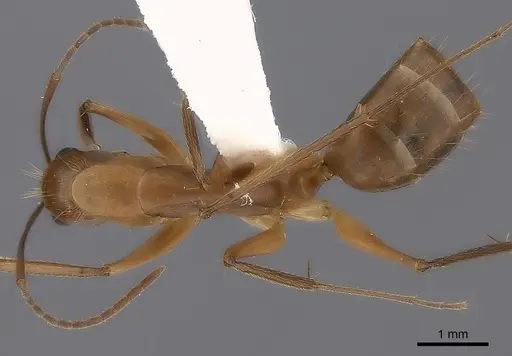
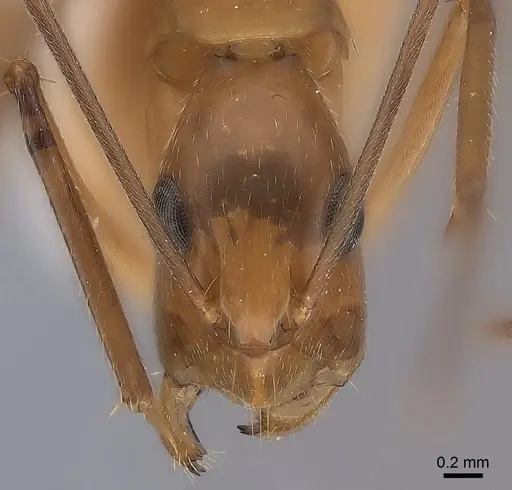
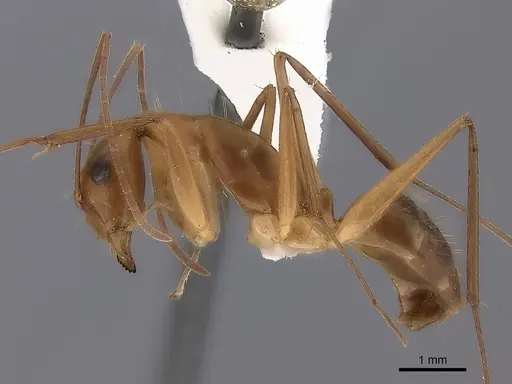
CASENT0619261
View on AntWeb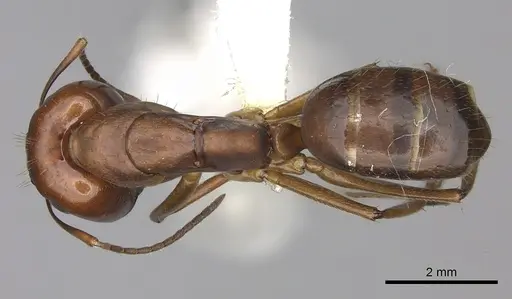
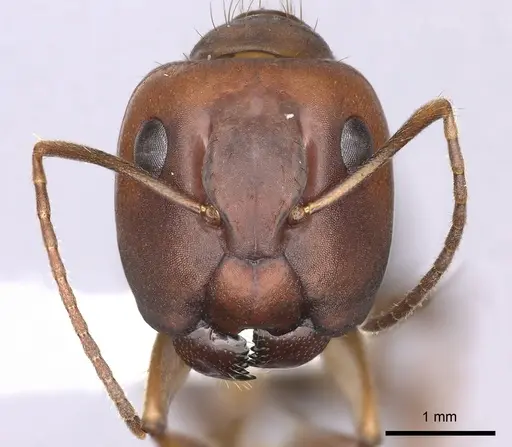
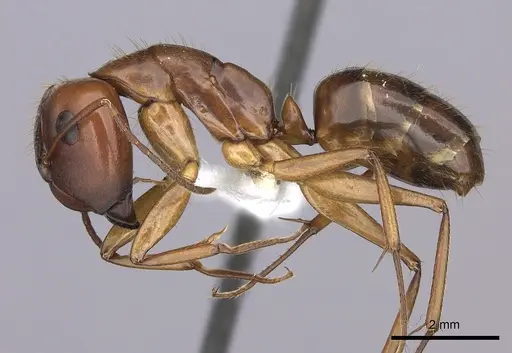
CASENT0903631
View on AntWeb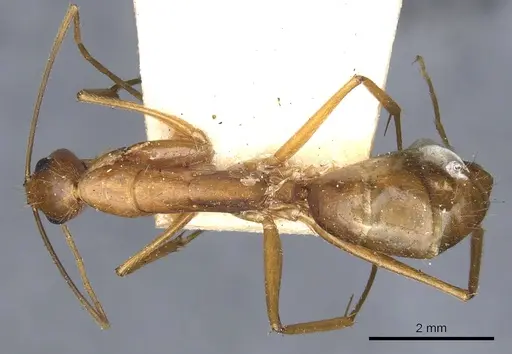
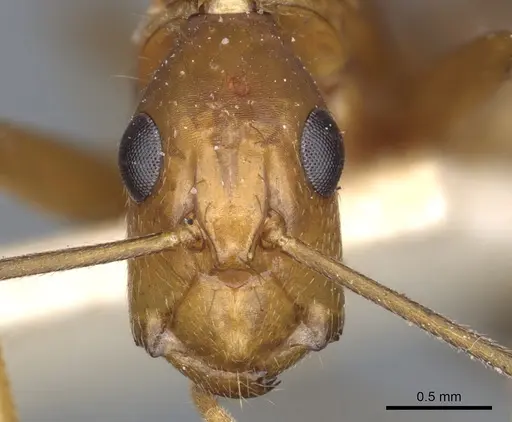
CASENT0910665
View on AntWeb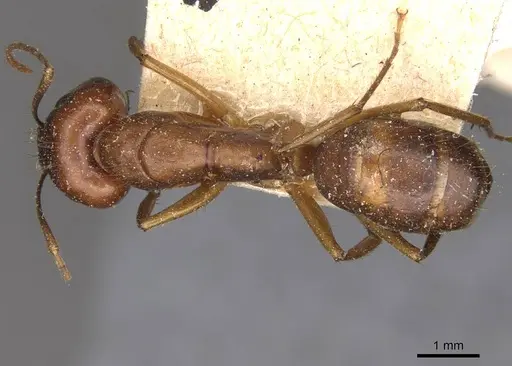
CASENT0910666
View on AntWeb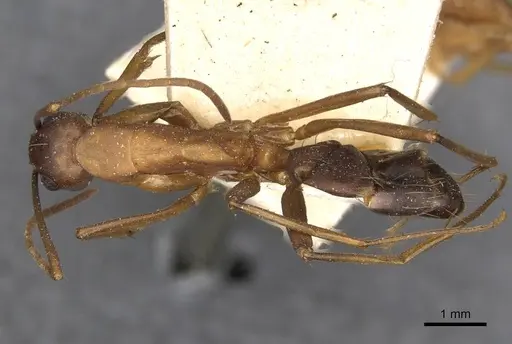
CASENT0923558
View on AntWeb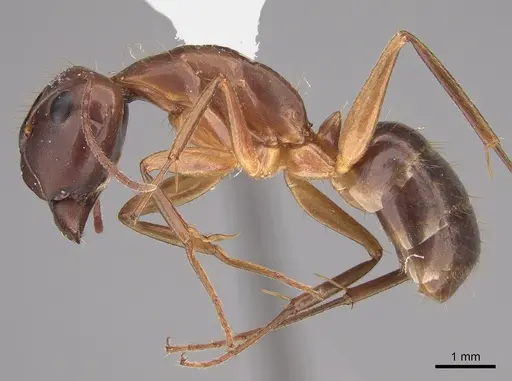
JTLC000008168
View on AntWeb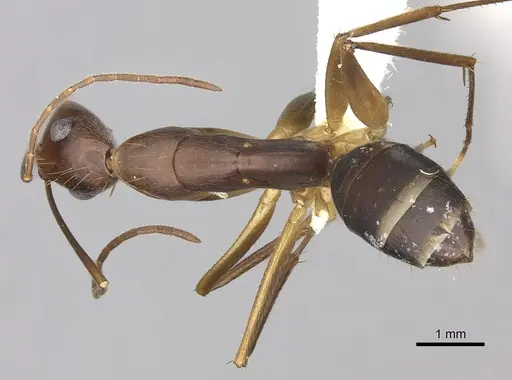
Literature
Loading...Loading products...