

Camponotus tinctus
- Scientific Name
- Camponotus tinctus
- Subgenus
- Tanaemyrmex
- Tribe
- Camponotini
- Subfamily
- Formicinae
- Author
- Smith, 1858
- Distribution
- Found in 1 countries
Camponotus tinctus Overview
Camponotus tinctus is an ant species of the genus Camponotus. It is primarily documented in 1 countries , including Singapore. Detailed taxonomic data and occurrence records can be further explored via authoritative databases such as AntWeb or the Global Biodiversity Information Facility (GBIF).
Camponotus tinctus
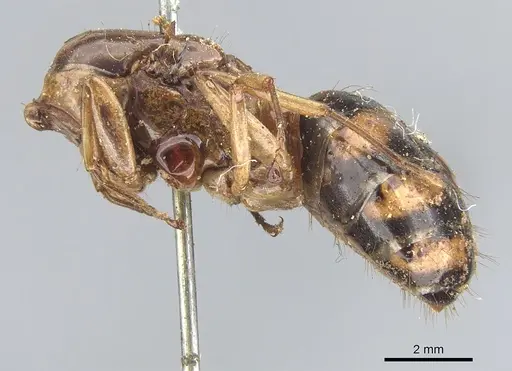
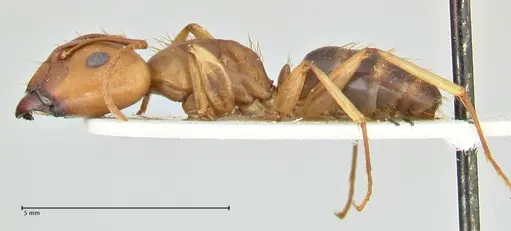
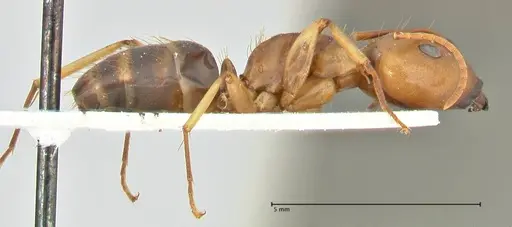
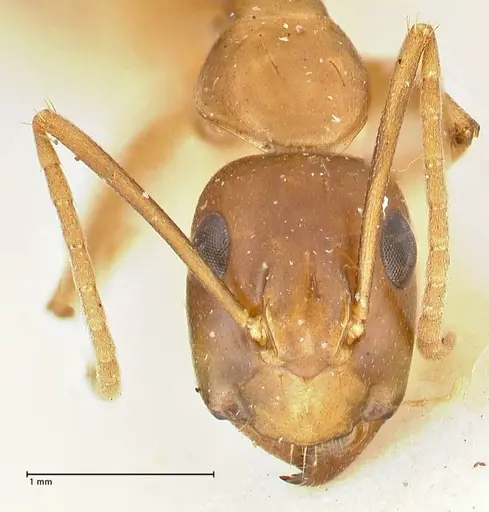
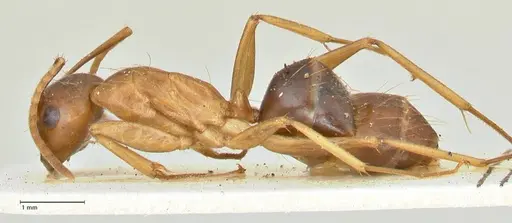
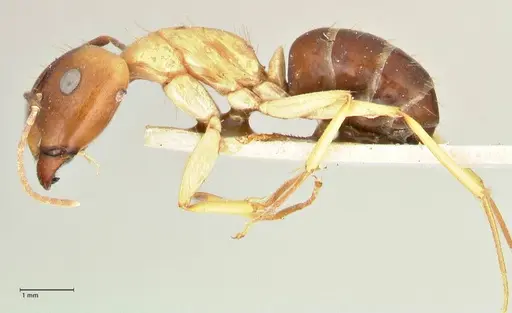
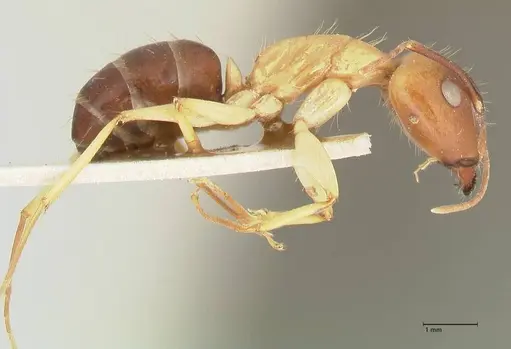
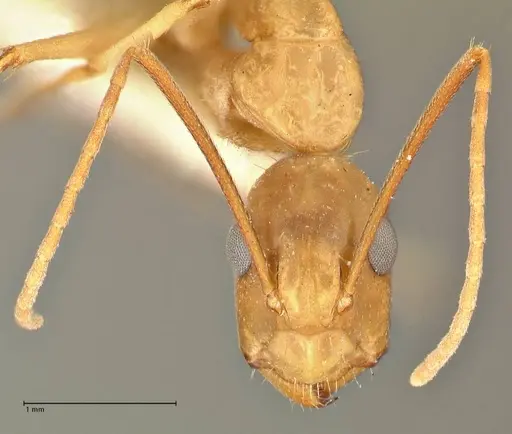
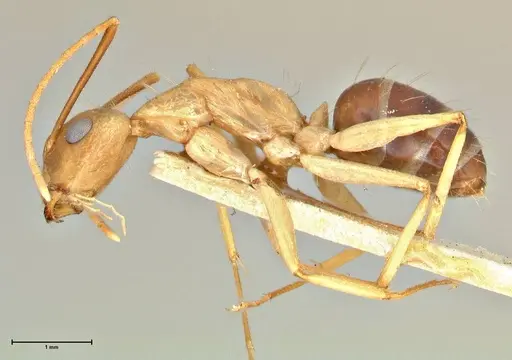
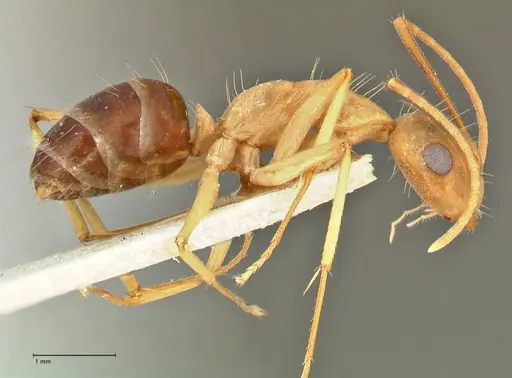
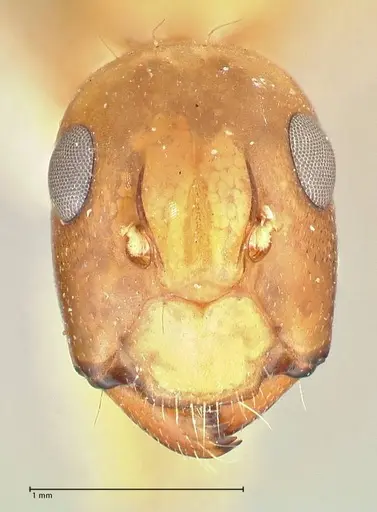
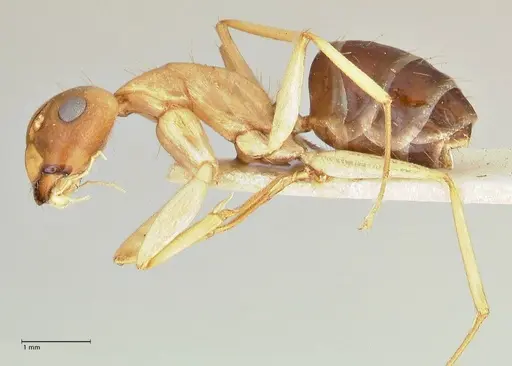
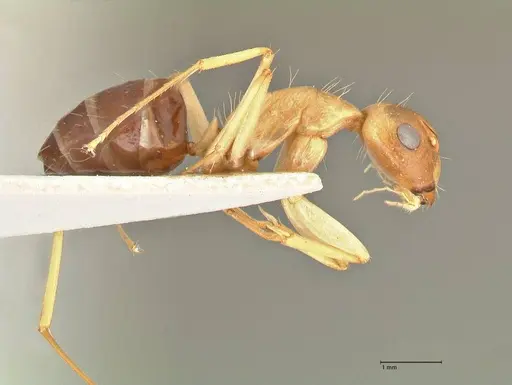
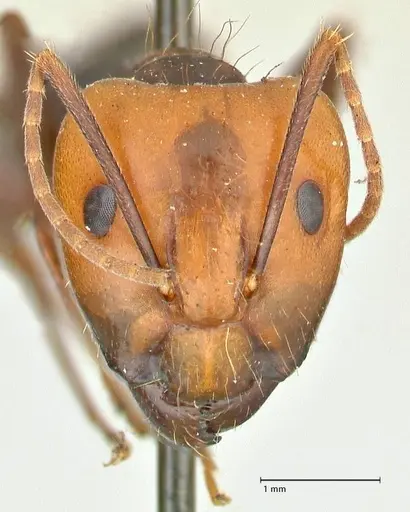
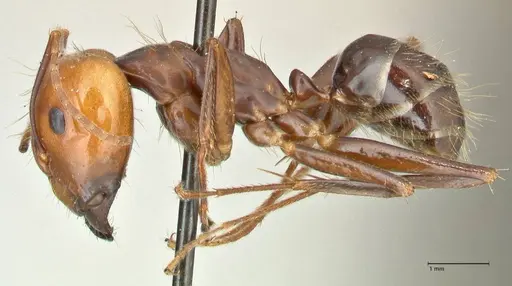
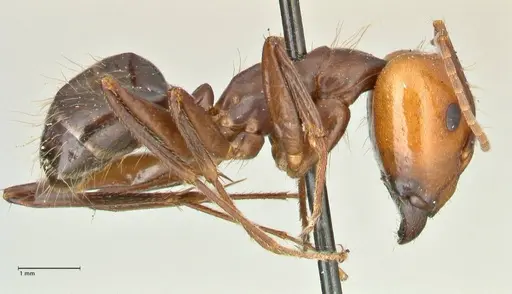
Camponotus tinctus is a medium-sized carpenter ant found across Southeast Asia and Micronesia. Queens reach approximately 11-12mm, while workers range from 4-8mm. The species has a glossy, polished appearance with a distinctly oval thorax. This ant nests in wood and under stones in tropical forest habitats across its range spanning Myanmar, Singapore, Thailand, Indonesia (Java, Sumatra), and the Caroline Islands in Micronesia [1][2]. Unlike many aggressive Camponotus species, C. tinctus is relatively docile and adapts well to captive conditions, making it a rewarding species for keepers interested in Southeast Asian ants.
Quick Summary
- Difficulty: Easy
- Origin & Habitat: Southeast Asia and Micronesia, found in Myanmar, Singapore, Thailand, Indonesia (Java, Sumatra), and the Caroline Islands (Yap). Inhabits tropical forest habitats where it nests in rotting wood and under stones [1][2][3].
- Colony Type: Single-queen colonies (monogyne), typical for Camponotus species in this region. Colonies likely reach moderate sizes of several hundred workers.
- Colony: Monogyne
- Founding: Claustral
- Size & Growth:
- Queen: 11-12mm (approximately 5½ lines) [1]
- Worker: 4-8mm (estimated based on genus patterns)
- Colony: Several hundred workers (estimated)
- Growth: Moderate
- Development: 6-8 weeks at optimal temperature (estimated based on typical Camponotus development) (Development time is typical for tropical Camponotus species, faster than temperate species but slower than some tropical specialists)
- Antkeeping:
- Temperature: Keep at 24-28°C, these are tropical ants from warm, humid environments. A gentle temperature gradient allows workers to self-regulate [4].
- Humidity: High humidity preferred (60-80%). Keep the nest substrate moist but not waterlogged. Provide a water source and mist occasionally to maintain humidity [4].
- Diapause: No diapause required, being a tropical species, they remain active year-round without a hibernation period.
- Nesting: Y-tong (acrylic) nests work well, or a naturalistic setup with wood pieces and moist substrate. They are wood-nesting ants so appreciate tunnels in wood or acrylic that mimic their natural nesting sites [4].
- Behavior: Docile temperament, workers are not aggressive and rarely bite. Foraging activity is moderate, with workers actively searching for sugar sources and protein. Escape risk is moderate due to their medium size, standard barrier methods like Fluon on test tube rims work well. They are primarily nocturnal foragers but will forage during the day if food is available.
- Common Issues: colonies may slow or stop growth if temperatures drop below 22°C, keep warm, test tube setups can dry out quickly in heated enclosures, check water reservoirs regularly, wild-caught colonies may harbor parasites, quarantine and observe new colonies, moderate growth rate may frustrate beginners expecting fast results, tropical humidity requirements mean dry room air can cause problems, use moist substrate and occasional misting
Housing and Nest Setup
Camponotus tinctus adapts well to various nest types. Y-tong (acrylic) nests with narrow chambers work excellently, the dark chambers help them feel secure. Alternatively, a naturalistic setup with rotting wood pieces and moist substrate mimics their natural environment. Test tube setups are suitable for founding colonies, but plan to move them to a proper formicarium once the colony reaches 20-30 workers. Provide a water source in the outworld, a small test tube with a cotton plug works well. Because they are tropical ants, ensure humidity remains consistent by keeping the nest substrate moist and covering the setup to retain moisture. [4]
Feeding and Diet
Like most Camponotus species, C. tinctus is omnivorous with a strong preference for sugar sources. Offer sugar water (1:3 ratio with water) or honey water regularly, change every 2-3 days to prevent mold. Protein is essential for brood development, offer small insects like fruit flies, small mealworms, or cricket pieces. Feed protein 2-3 times per week, adjusting based on colony size. Remove uneaten prey after 24 hours to prevent mold. Some keepers report that these ants accept fruit and small amounts of seeds, but protein and sugar should form the core of their diet. [4]
Temperature and Seasonal Care
Maintain temperatures between 24-28°C for optimal colony health and growth. These tropical ants are sensitive to cold, temperatures below 22°C can slow colony development significantly. Use a heating cable or mat on one side of the nest to create a gentle gradient, but avoid direct heat that could dry out the nest. No hibernation or diapause is required since they come from tropical regions. Room temperature in heated homes (around 24-26°C) is often ideal. Monitor colony activity, if workers cluster near the warmer side, increase heat slightly, if they avoid it, reduce heat. [4]
Colony Development and Growth
Camponotus tinctus has moderate growth rates typical of tropical carpenter ants. A newly mated queen will lay her first eggs within 1-2 weeks of sealing into a founding chamber. Eggs develop through larval and pupal stages before hatching as nanitic (first) workers approximately 6-8 weeks later, depending on temperature. The first workers are smaller than mature workers and will help expand the colony. Growth accelerates as more workers emerge, a healthy colony can reach 100+ workers within 6-12 months under optimal conditions. Colonies likely reach several hundred workers at maturity. [4]
Behavior and Temperament
This is a relatively docile Camponotus species. Workers are not particularly aggressive and are unlikely to bite even when disturbed. They are primarily nocturnal foragers but will adjust their activity patterns to food availability. Workers communicate through chemical trails and will recruit nestmates to good food sources. Unlike some Camponotus that are aggressive defenders, C. tinctus tends to flee rather than fight when threatened. This makes them a good choice for keepers who want to observe their ants without aggressive defensive behavior. They are moderate foragers and will readily explore their outworld for food. [4]
Frequently Asked Questions
How long does it take for Camponotus tinctus to have first workers?
Expect first workers (nanitics) approximately 6-8 weeks after the queen lays her first eggs, assuming temperatures around 24-28°C. Cooler temperatures will slow development significantly.
What temperature do Camponotus tinctus need?
Keep them at 24-28°C. These tropical ants need warmth, temperatures below 22°C can slow or stop colony growth.
Can I keep multiple Camponotus tinctus queens together?
No, this is a monogyne (single-queen) species. Multiple queens will fight. Only keep one queen per colony.
How big do Camponotus tinctus colonies get?
Mature colonies likely reach several hundred workers. Growth is moderate, expect 6-12 months to reach 100+ workers under optimal conditions.
Do Camponotus tinctus need hibernation?
No, as a tropical species, they do not require hibernation or diapause. They remain active year-round at room temperature.
What do Camponotus tinctus eat?
They need sugar sources (sugar water or honey water) and protein (small insects like fruit flies or mealworms). Offer sugar constantly and protein 2-3 times weekly.
Are Camponotus tinctus good for beginners?
Yes, they are relatively easy to care for, docile, and adapt well to captivity. Their moderate growth rate and simple care requirements make them suitable for keepers new to Southeast Asian species.
When should I move Camponotus tinctus to a formicarium?
Move from a test tube setup to a proper nest (Y-tong or naturalistic) once the colony reaches 20-30 workers. Earlier if the test tube is drying out or the colony seems cramped.
How often should I feed Camponotus tinctus?
Offer sugar water constantly (change every 2-3 days). Feed protein 2-3 times per week, adjusting based on colony size and appetite. Remove uneaten food after 24 hours.
References

This caresheet is licensed under CC BY-SA 4.0 .
CASENT0903570
View on AntWeb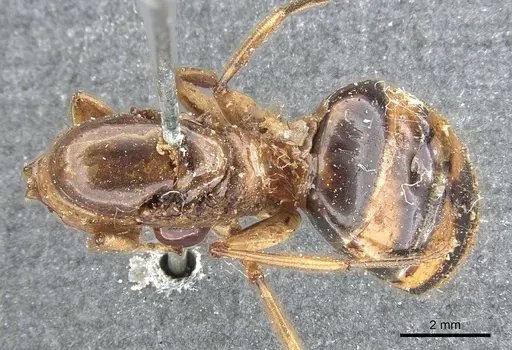
FOCOL2386
View on AntWeb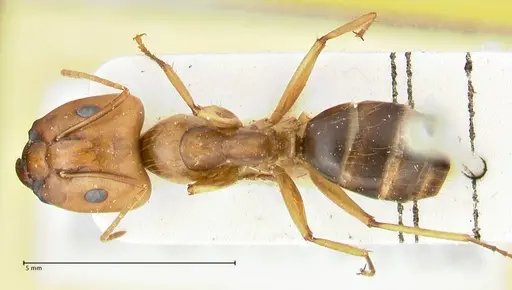
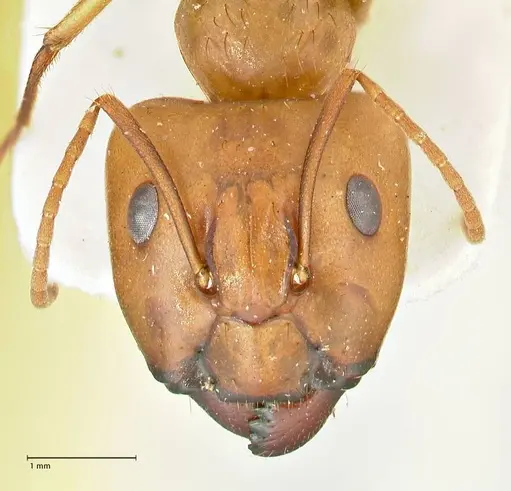
FOCOL2387
View on AntWeb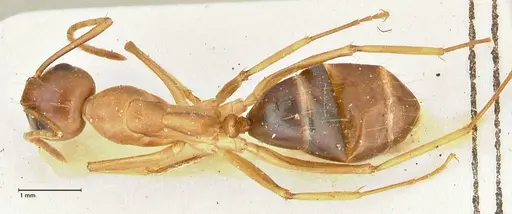
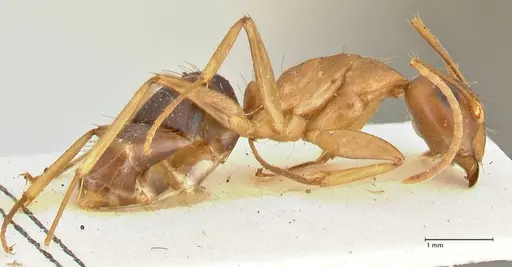
FOCOL2388
View on AntWeb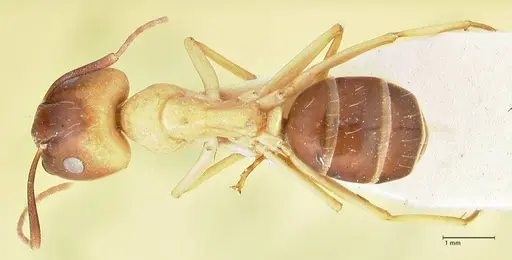
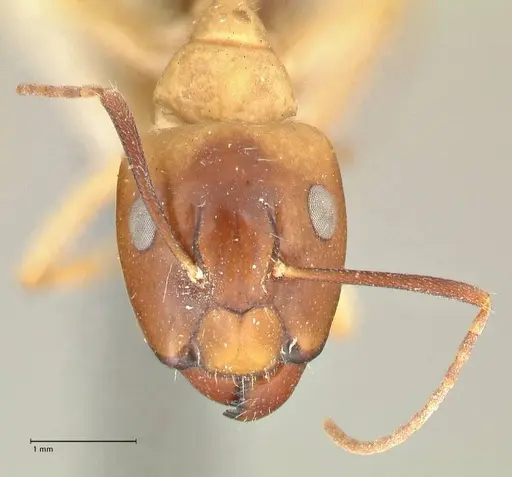
FOCOL2389
View on AntWeb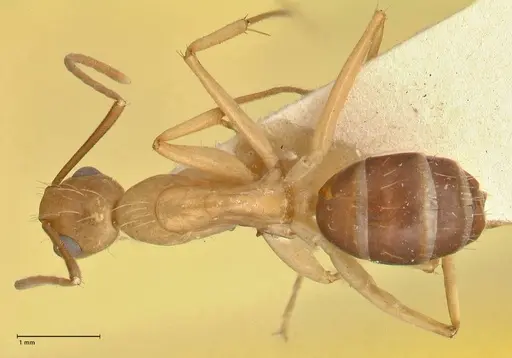
FOCOL2390
View on AntWeb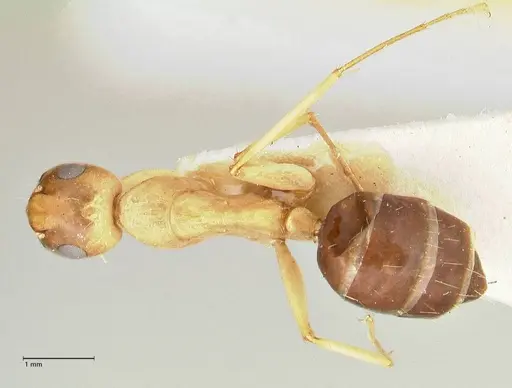
FOCOL2403
View on AntWeb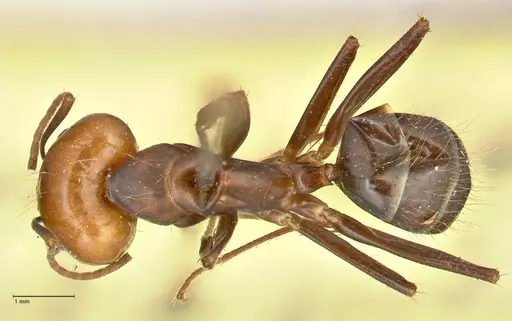
Literature
Loading...Loading products...