

Camponotus thraso
- Scientific Name
- Camponotus thraso
- Subgenus
- Tanaemyrmex
- Tribe
- Camponotini
- Subfamily
- Formicinae
- Author
- Forel, 1893
- Common Name
- Field Sugar Ant
- Distribution
- Found in 4 countries
Camponotus thraso Overview
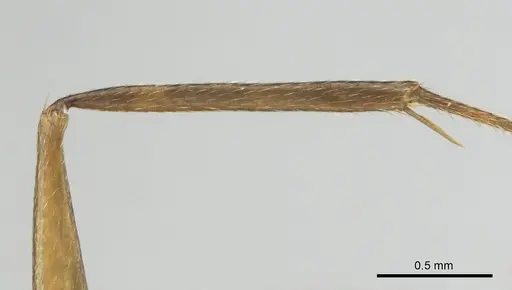
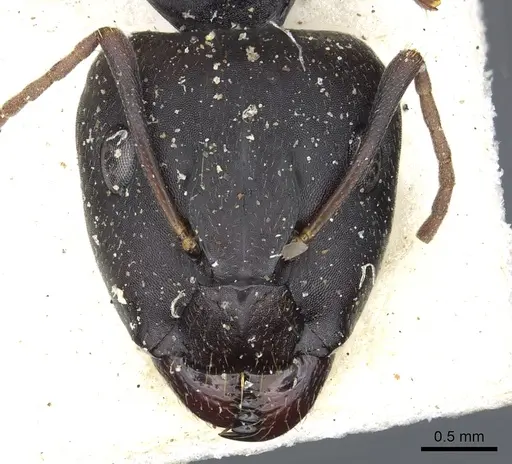
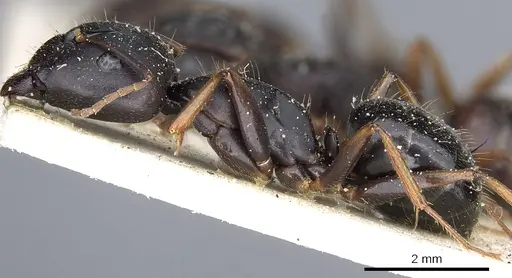
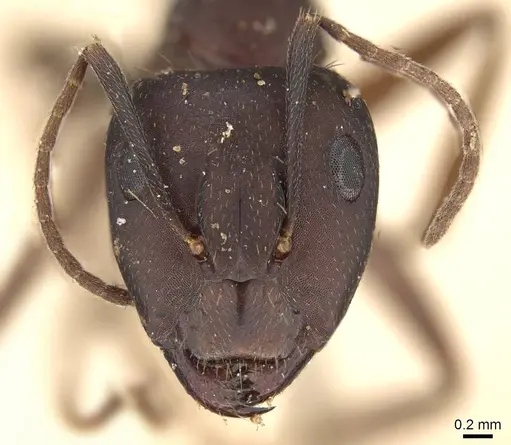
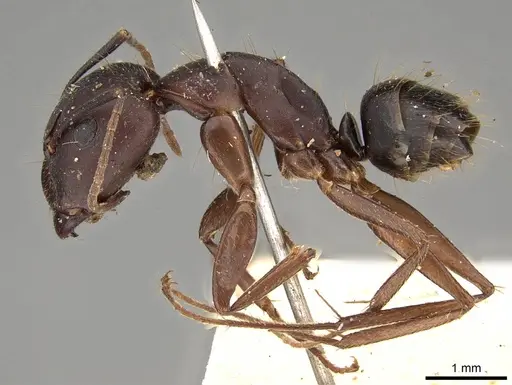
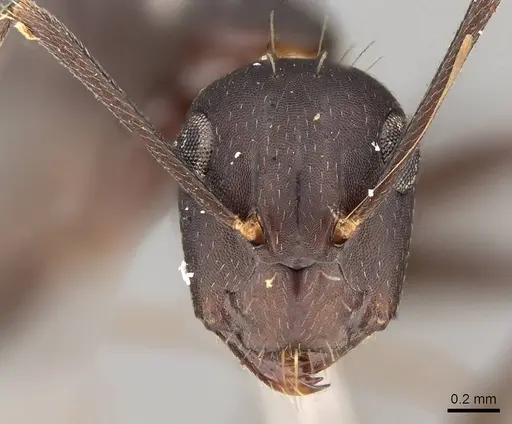
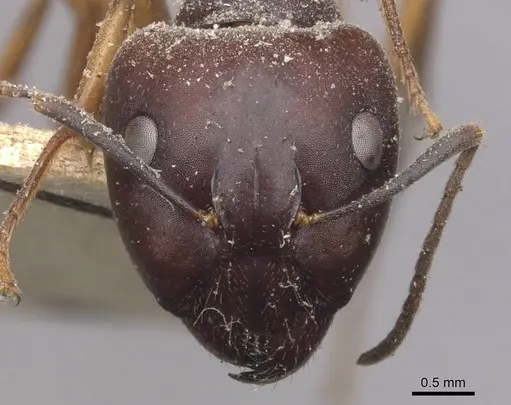
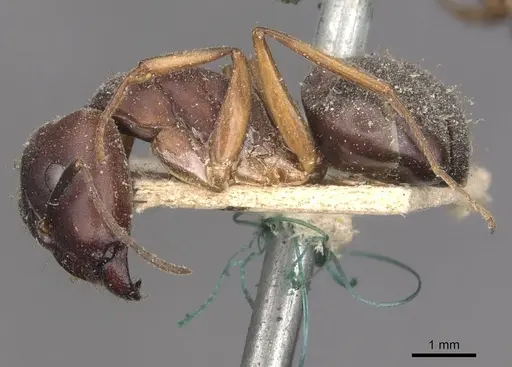
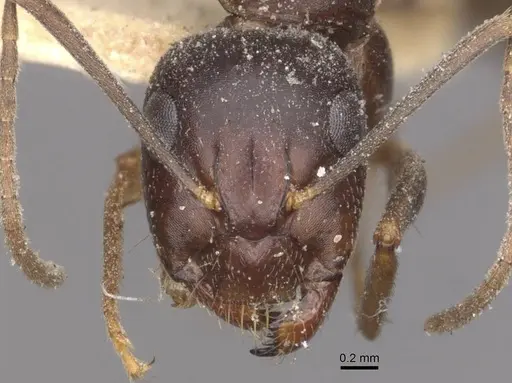
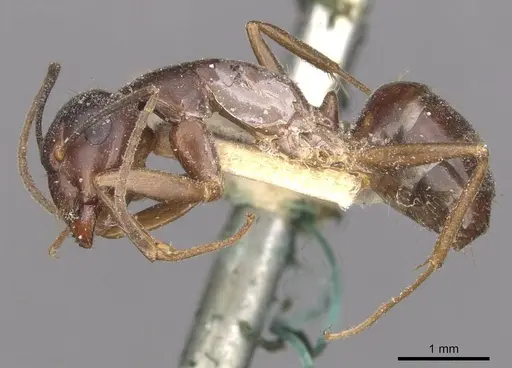
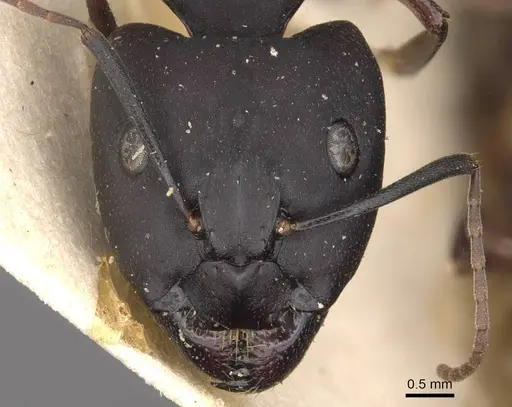
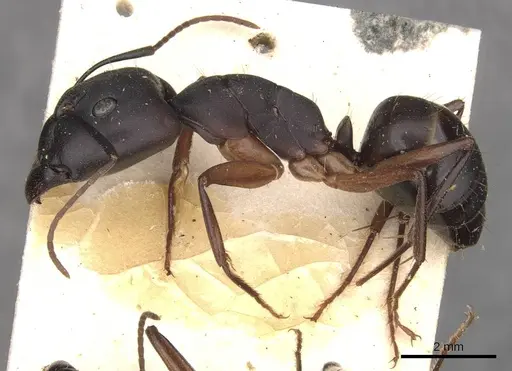
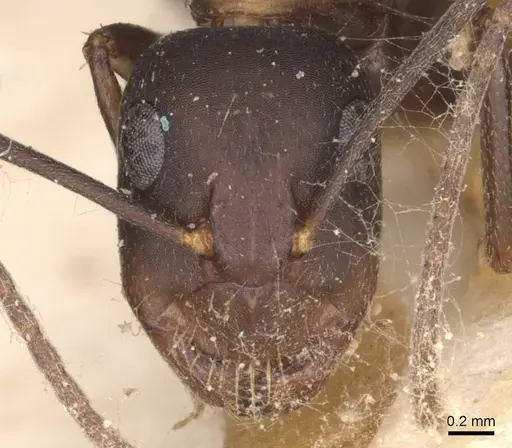
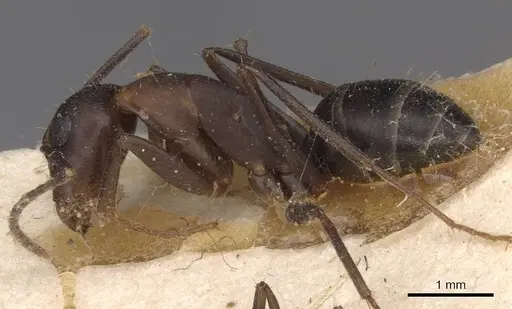
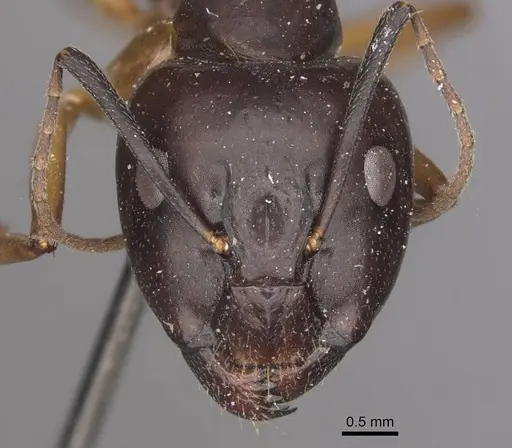
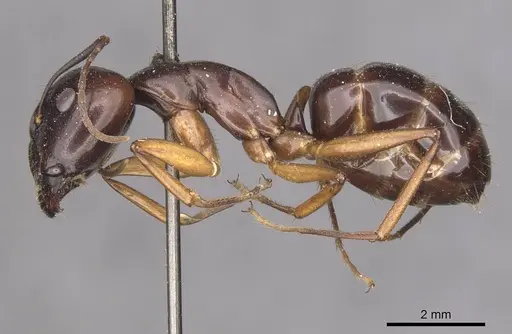
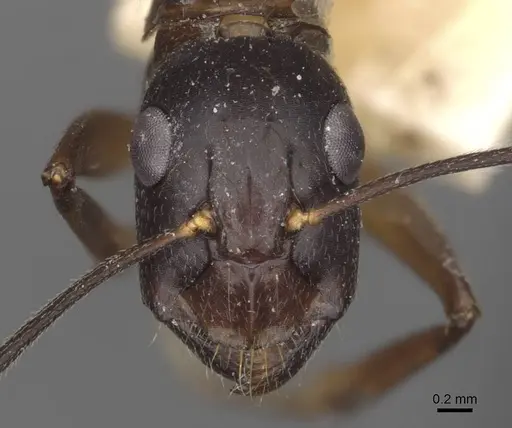
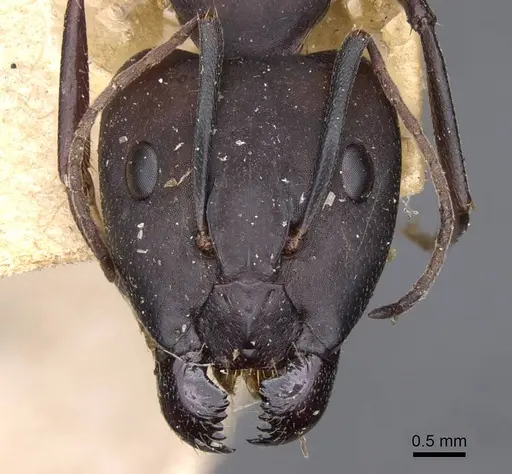
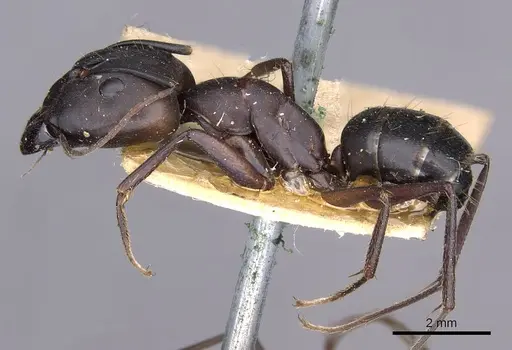
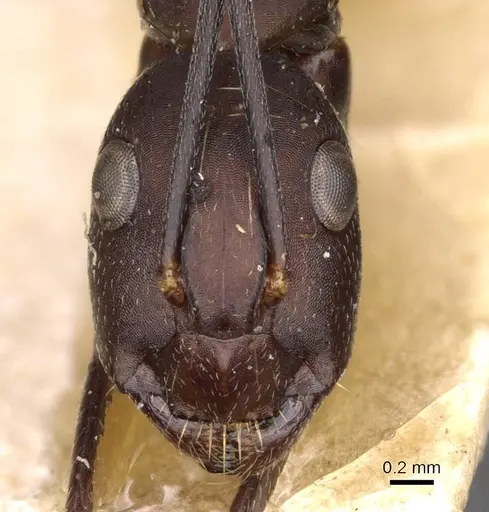
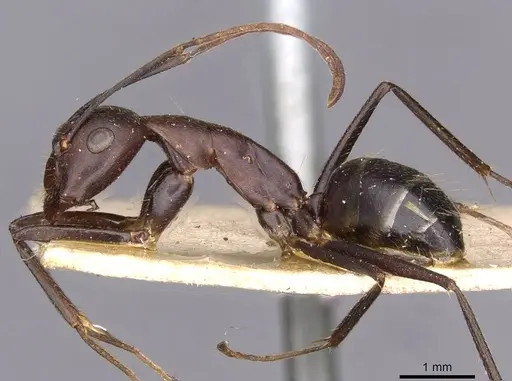
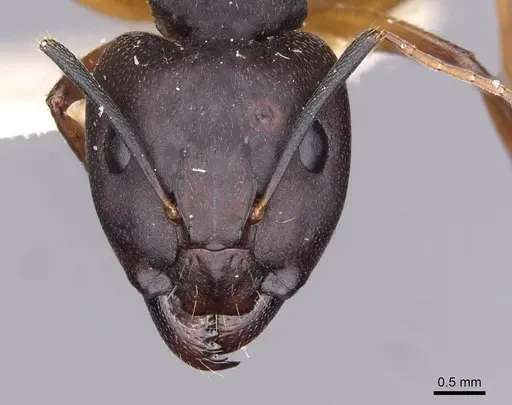
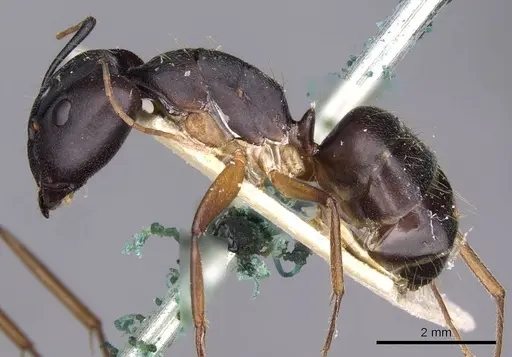
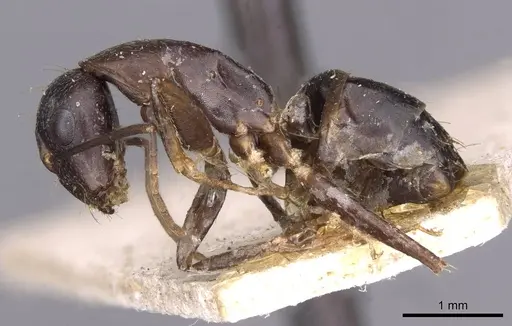
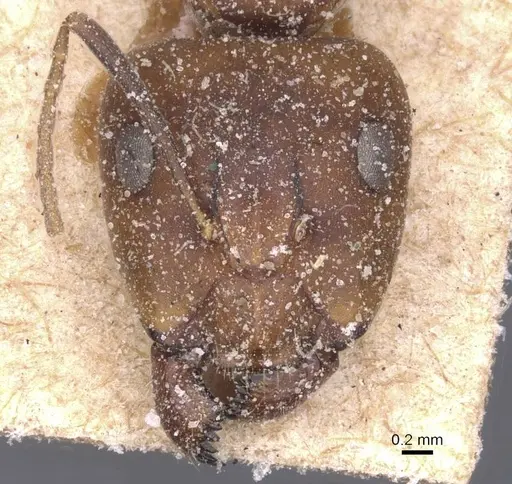
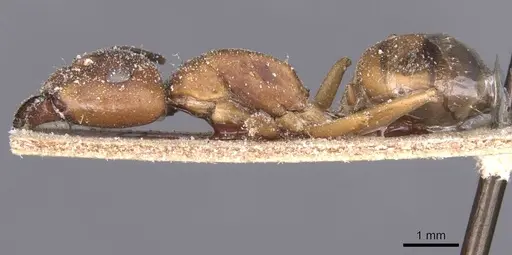
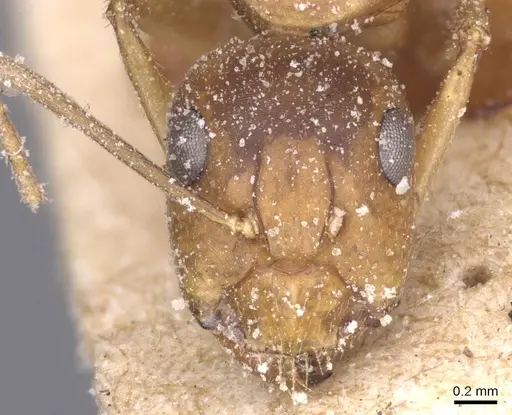
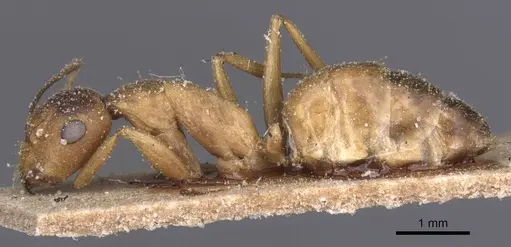
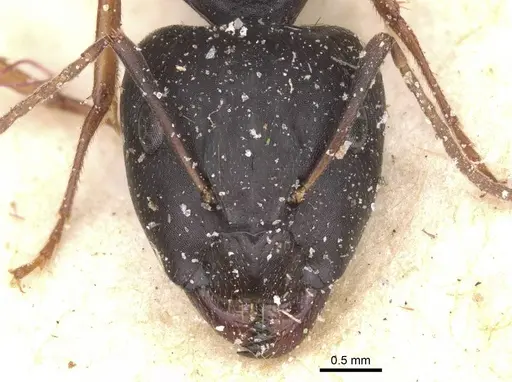
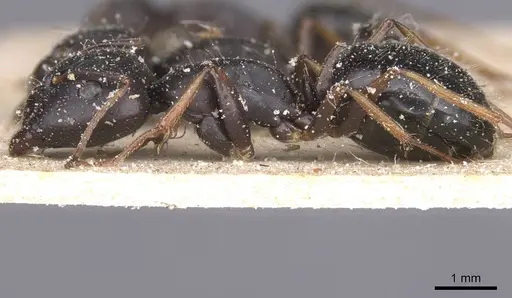
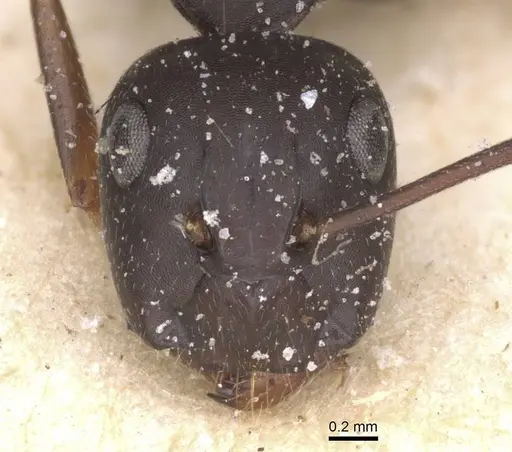
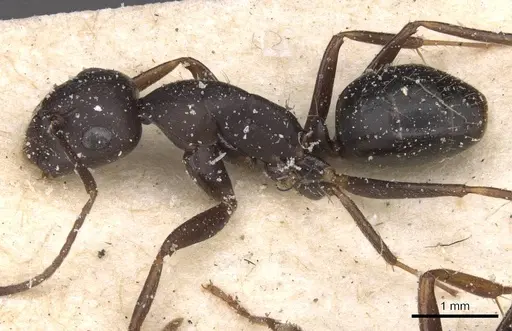
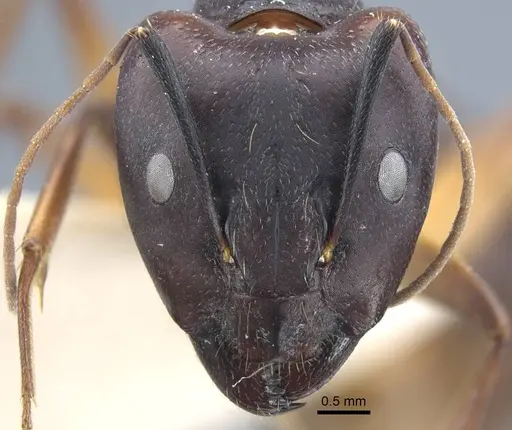
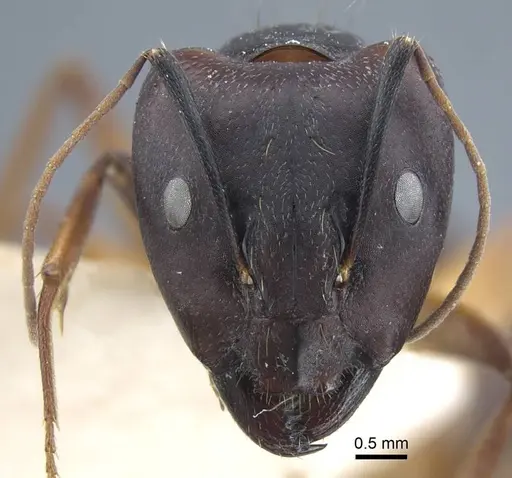
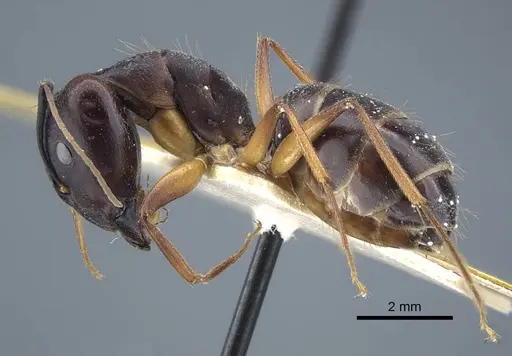
Camponotus thraso (commonly known as the Field Sugar Ant) is an ant species of the genus Camponotus. It is primarily documented in 4 countries , including Eritrea, Sri Lanka, South Africa. Detailed taxonomic data and occurrence records can be further explored via authoritative databases such as AntWeb or the Global Biodiversity Information Facility (GBIF).
Camponotus thraso - "Field Sugar Ant"
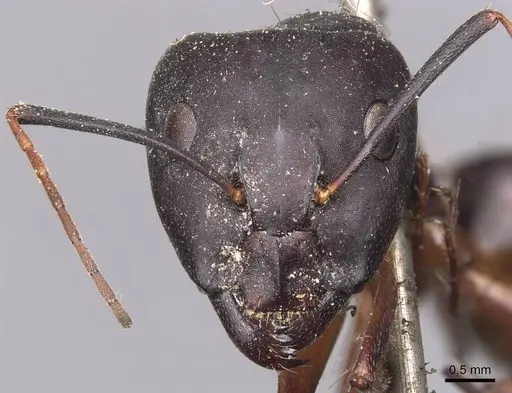
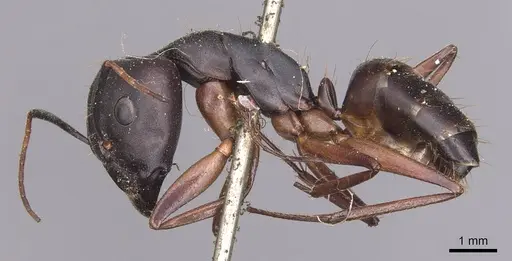
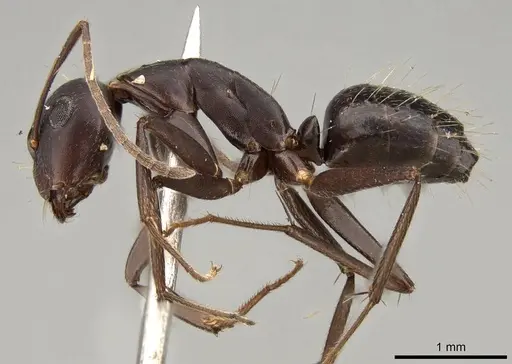
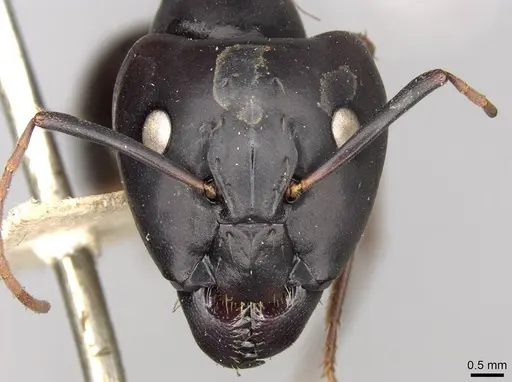
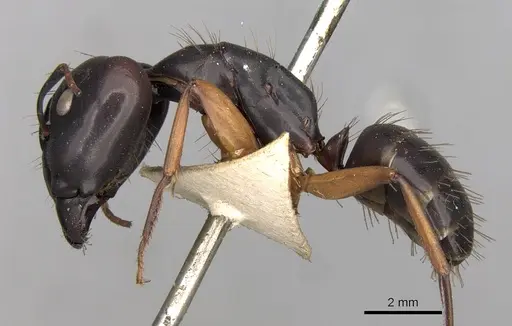
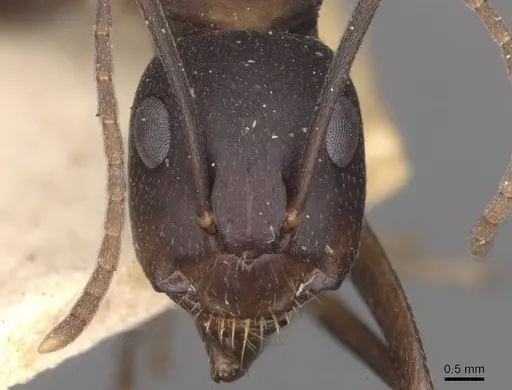
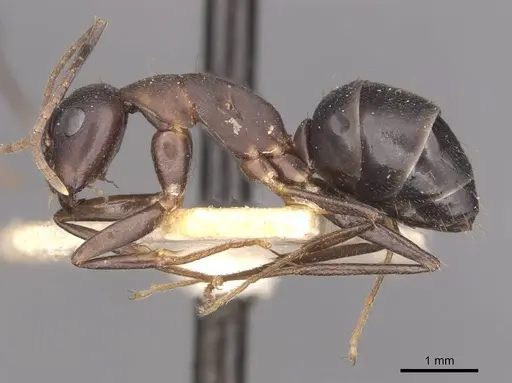
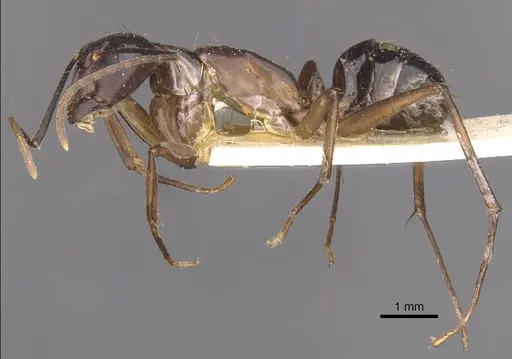
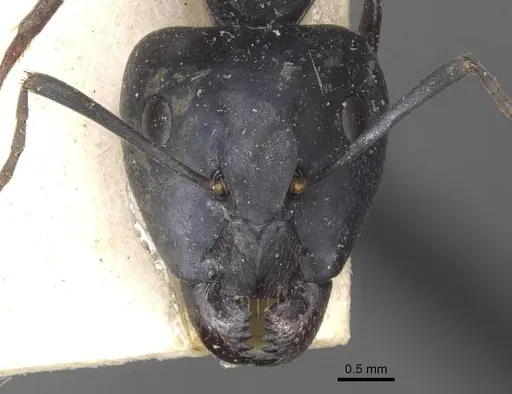
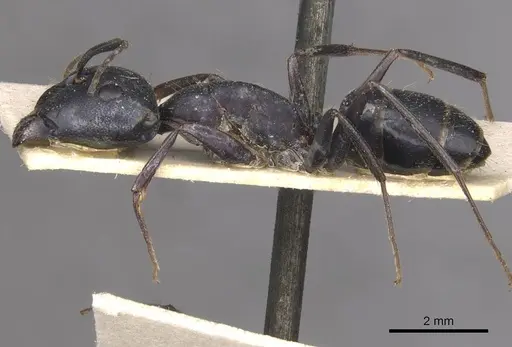
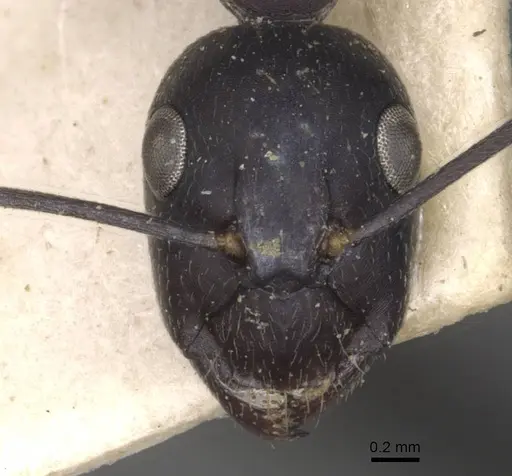
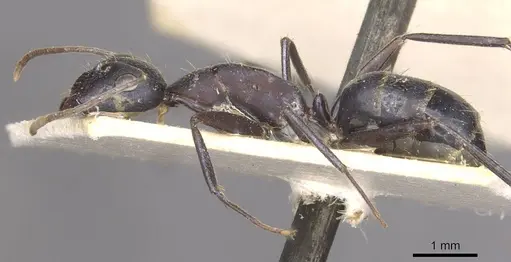
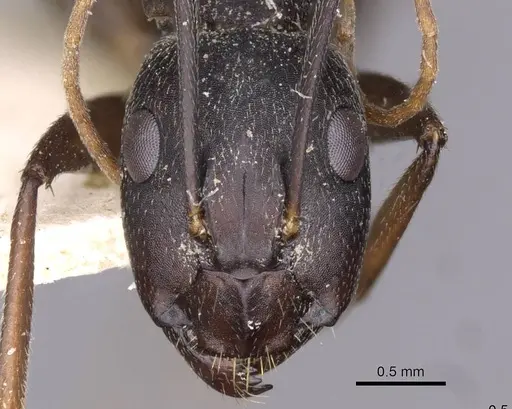
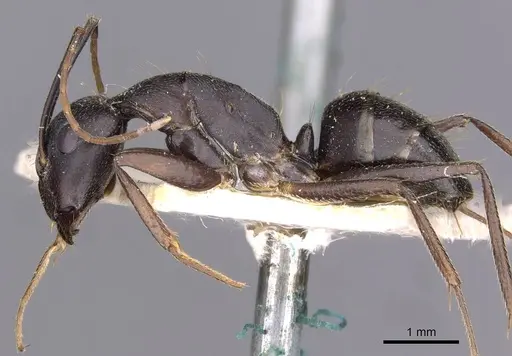
Camponotus thraso is a medium-sized carpenter ant native to South Asia, found throughout India, Sri Lanka, and surrounding regions. Workers measure approximately 6-12mm, with the larger major workers displaying the characteristic robust build typical of Camponotus species. The species shows significant variation with six recognized subspecies, including populations in East Africa (Eritrea). As a member of the subfamily Formicinae, they lack a functional stinger but can spray formic acid as a defensive mechanism. These ants are typically monogyne, establishing colonies with a single founding queen that seals herself inside a chamber to raise her first brood [1].
This species represents a classic carpenter ant from the Tanaemyrmex subgenus, known for nesting in wood and dead tree branches in tropical forest environments. While specific behavioral studies are limited, the species follows the typical Camponotus pattern of nocturnal foraging and gradual colony growth. Colonies develop moderately fast for their size, with major workers appearing as the colony expands to help process larger food items and defend the nest.
Quick Summary
- Difficulty: Medium
- Origin & Habitat: Native to the Indomalaya region, primarily India and Sri Lanka, with populations also recorded in Eritrea (East Africa). Found in tropical forest environments where they nest in dead wood, rotting branches, and under bark [1][2][3].
- Colony Type: Monogyne (single-queen colonies). The typical structure for Camponotus species involves one founding queen who establishes the colony alone. Colonies grow gradually over several years, eventually reaching several hundred to over a thousand workers [1].
- Colony: Monogyne
- Founding: Claustral
- Size & Growth:
- Queen: Estimated 12-15mm based on genus typical size, direct measurements not documented in available literature
- Worker: 6-12mm (minor workers 6-8mm, major workers 10-12mm)
- Colony: Likely 500-2000 workers at maturity based on genus patterns
- Growth: Moderate, typical Camponotus growth pattern with founding phase taking several months before first workers emerge
- Development: 6-10 weeks at optimal temperature (25-28°C) based on typical Camponotus development (Development is temperature-dependent, warmer conditions accelerate development while cooler temperatures slow it significantly. Nanitic (first) workers are smaller than mature major workers.)
- Antkeeping:
- Temperature: Keep nest area at 24-28°C. A heating cable on one side of the nest creates a gentle gradient allowing ants to regulate their own temperature. Room temperature (22-25°C) is acceptable if your space stays consistently warm [1].
- Humidity: Moderate humidity around 50-60%. These ants prefer slightly drier conditions compared to tropical rainforest species. The nest substrate should have some moisture but allow for dry areas where ants can retreat if needed.
- Diapause: No, being a tropical/subtropical species from India and Sri Lanka, they do not require hibernation. However, a slight reduction in temperature during winter months (down to 20-22°C) can help simulate natural seasonal cycles and may benefit colony health long-term.
- Nesting: Y-tong (AAC) nests work very well, the dry, stable conditions inside these nests mimic the rotting wood habitats they naturally prefer. Plaster nests are also suitable. Provide a water test tube as an outworld water source. Avoid overly humid conditions that can cause mold problems.
- Behavior: These ants are generally docile and non-aggressive toward keepers. They are primarily nocturnal foragers, with major workers typically emerging at night to collect larger food items. They are moderate escape artists, not as prone to escaping as tiny species, but still require standard barriers (Fluon on rim edges). They do not sting but can spray formic acid when threatened. Workers are relatively long-lived compared to many other ant species, which contributes to gradual but stable colony growth [1].
- Common Issues: slow initial colony growth can frustrate beginners, queens can take 2-4 months to produce first workers, and many new keepers mistake this for colony failure, overfeeding leads to mold problems in nests, only offer what the colony can consume within 24-48 hours, wild-caught colonies may contain parasites that can devastate captive populations, quarantine and observe new colonies carefully, test tube setups can flood if water reservoirs are too large or tipped, use appropriate tube sizes and secure positioning, cold temperatures below 20°C significantly slow or stop brood development, ensure consistent warmth year-round
Housing and Setup
For founding colonies, a simple test tube setup works well. Fill a test tube with water (about 1/3 full) and plug the wet end with cotton, leaving the dry end as the chamber. Place this in a dark, undisturbed area. The queen will seal herself into the chamber and remain there until her first workers emerge. Once you have 10-20 workers, you can move them to a proper formicarium. Y-tong (AAC) nests are ideal for this species, they provide the dry, stable conditions these wood-nesting ants prefer. The nests are also easy to maintain and allow you to observe colony activity. Connect the nest to an outworld (foraging area) using tubing. The outworld should be escape-proof, apply Fluon or similar barrier to the rim. Provide a water test tube in the outworld as a permanent moisture source. [1]
Feeding and Diet
Camponotus thraso is omnivorous like most carpenter ants. They accept sugar sources readily, a drop of sugar water, honey, or diluted maple syrup should be available at all times in the outworld. For protein, offer insects appropriate to their size: mealworms, crickets, fruit flies, and other small arthropods. Major workers can handle larger prey items that minor workers cannot. Feed protein 2-3 times per week, adjusting based on colony size. Remove uneaten prey after 24-48 hours to prevent mold. As the colony grows, they will consume more, a mature colony of several hundred workers can handle several large mealworms or equivalent per week. Avoid overfeeding, as excess food decays and creates mold problems that can threaten the colony. [1]
Temperature and Heating
Maintain nest temperatures between 24-28°C for optimal brood development. This species comes from warm tropical and subtropical regions (India, Sri Lanka), so they thrive in consistent warmth. A small heating cable placed on one side of the nest creates a thermal gradient, the ants will naturally move to their preferred temperature zone. Alternatively, if your room temperature stays consistently above 24°C, no additional heating may be needed. Avoid placing the nest near air conditioning vents, windows with direct sunlight, or other areas with temperature fluctuations. Cold temperatures below 20°C can halt brood development entirely and stress the colony. During winter, if your home cools significantly, consider using a low-output heat mat or heating cable to maintain minimum temperatures. [1]
Colony Development Timeline
Understanding the timeline helps set expectations. After the queen is mated, she digs a founding chamber and seals herself inside. She lays eggs and tends to them without eating, living entirely on her stored fat reserves (this is claustral founding). Eggs develop through larval and pupal stages before emerging as workers. This process typically takes 6-10 weeks at optimal temperature (25-28°C). The first workers, called nanitics, are smaller than mature workers but immediately begin caring for the queen and subsequent brood. Growth from this point is gradual: expect 6-12 months to reach 50 workers,1-2 years to reach 100-200 workers, and several years to reach several thousand. Major workers (the larger soldiers) typically appear once the colony reaches several dozen workers. Patience is key with this species, they are long-lived but slow to establish compared to many tropical ants.
Handling and Temperament
Camponotus thraso is one of the more docile carpenter ant species, making them suitable for intermediate antkeepers. They are not aggressive and typically retreat when disturbed rather than attacking. However, they can defend using formic acid spray, while not dangerous to healthy humans, it can cause irritation to eyes and mucous membranes, and some people are more sensitive than others. When working with the colony, avoid blowing on them or making sudden movements that might trigger defensive responses. They are primarily nocturnal, so you will see most activity in the evening and night hours. Major workers are particularly impressive when they emerge to tackle larger prey items. Their moderate size and calm demeanor make them enjoyable to observe, and they generally tolerate routine nest maintenance well once established. [1]
Seasonal Care
As a species from tropical South Asia, Camponotus thraso does not require true hibernation. However, slight seasonal adjustments can benefit long-term colony health. During winter months (roughly November-February in the Northern Hemisphere), you can reduce temperatures slightly to around 20-22°C and reduce feeding frequency. This mimics natural seasonal cycles and may help trigger reproductive behavior (mating flights) in mature colonies. Do not cool them dramatically or below around 18°C, they are not adapted to cold. Continue providing sugar water year-round as it is their primary energy source. If you notice brood development slowing during this period, this is normal, it will resume when temperatures increase. Some keepers report that colonies maintained at constant room temperature year-round still develop normally, so minor seasonal adjustments are optional rather than required.
Frequently Asked Questions
How long does it take for Camponotus thraso to produce first workers?
At optimal temperature (25-28°C), expect first workers (nanitics) to emerge in 6-10 weeks after the queen lays eggs. This timeline varies based on temperature, cooler conditions will slow development significantly. Patience is essential during the founding phase as many new keepers mistake the slow process for colony failure.
What do Camponotus thraso ants eat?
They are omnivorous. Provide a constant sugar source (sugar water, honey, or maple syrup) and protein 2-3 times weekly (mealworms, crickets, fruit flies, or other small insects). Remove uneaten prey after 24-48 hours to prevent mold. They will also consume small amounts of fruit or seeds if offered.
What temperature do Camponotus thraso need?
Keep nest temperatures between 24-28°C. A heating cable on one side of the nest creates a gradient. Room temperature (22-25°C) is acceptable if your space stays consistently warm. Temperatures below 20°C can halt brood development.
Are Camponotus thraso good for beginners?
They are rated as medium difficulty. While more forgiving than some exotic species, the slow initial colony growth (2-4 months to first workers) can frustrate complete beginners. They are an excellent choice for someone who has successfully kept a simpler species like Lasius or has done thorough research and understands the founding phase.
Can I keep multiple Camponotus thraso queens together?
No. This species is monogyne, colonies establish with a single queen. Combining unrelated queens will typically result in fighting. If you acquire a wild-caught colony, it will likely have just one functional queen. Multiple queens in a single setup will fight until only one remains.
When should I move Camponotus thraso from test tube to formicarium?
Wait until you have at least 15-30 workers before moving to a formicarium. The colony should be actively foraging and consuming protein regularly. Moving too early can stress the queen and cause abandonment. Once moved, ensure the formicarium has appropriate humidity and a connection to an outworld with food and water.
How big do Camponotus thraso colonies get?
At full maturity, colonies typically reach 500-2000 workers over several years of growth. Major workers (larger soldiers) appear once the colony reaches several dozen workers. They are long-lived ants, queens can live 15-25 years, and workers live several years as well.
Do Camponotus thraso need hibernation?
No. Being a tropical/subtropical species from India and Sri Lanka, they do not require true hibernation. However, a slight temperature reduction during winter (down to 20-22°C) can simulate natural seasonal cycles. Avoid temperatures below 18°C.
Why are my Camponotus thraso dying?
Common causes include: cold temperatures (below 20°C halts development), overfeeding causing mold, parasites from wild-caught colonies, excessive humidity causing fungal problems, or stress from too much disturbance during the founding phase. Review each of these factors and adjust care accordingly. Some founding colony loss is normal, but established colonies should be stable.
What type of nest is best for Camponotus thraso?
Y-tong (AAC) nests are ideal, they provide the dry, stable conditions these wood-nesting ants prefer. Plaster nests also work well. Avoid nests that stay constantly wet or humid. The ants naturally nest in rotting wood, so they do well in environments that mimic dry wood cavities.
References

This caresheet is licensed under CC BY-SA 4.0 .
CASENT0814923
View on AntWeb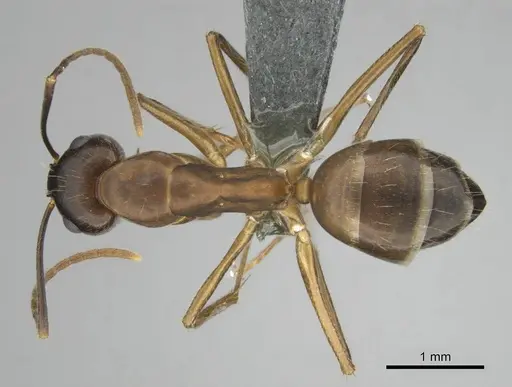
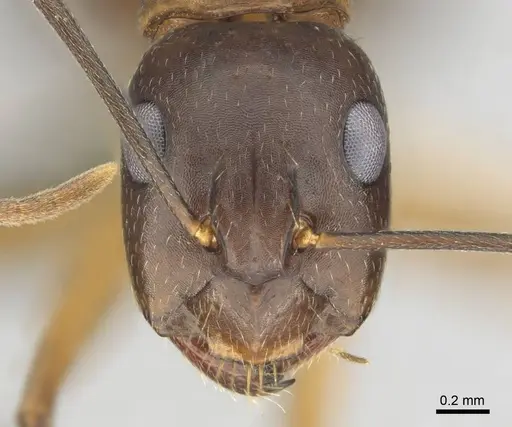
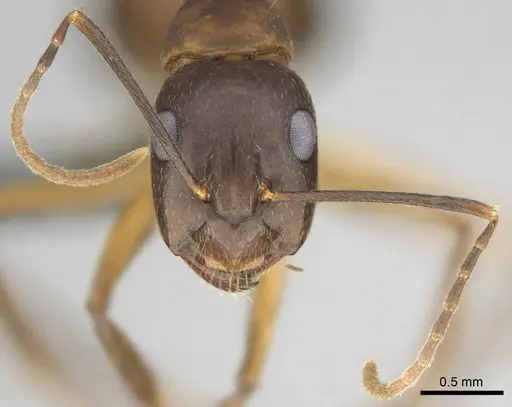
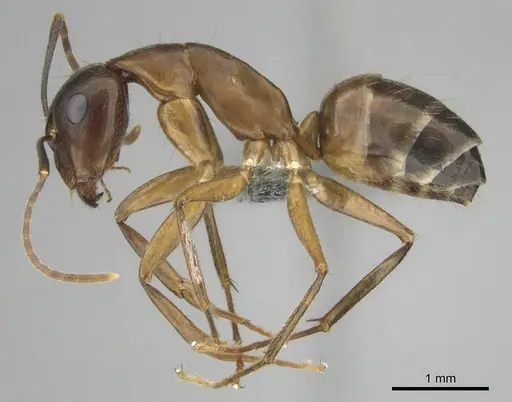
CASENT0903529
View on AntWeb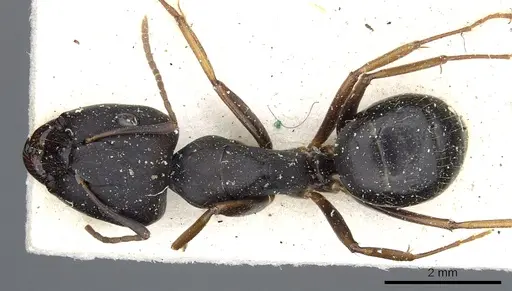
CASENT0905282
View on AntWeb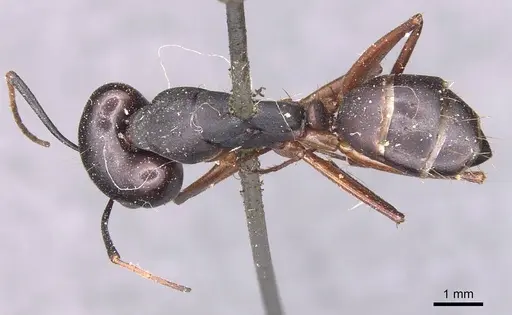
CASENT0906996
View on AntWeb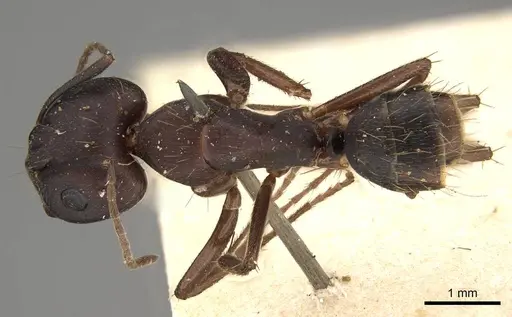
CASENT0906997
View on AntWeb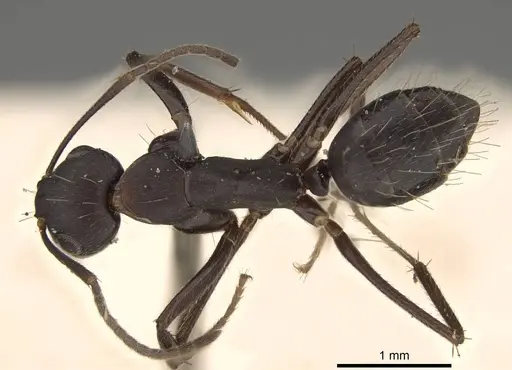
CASENT0906998
View on AntWeb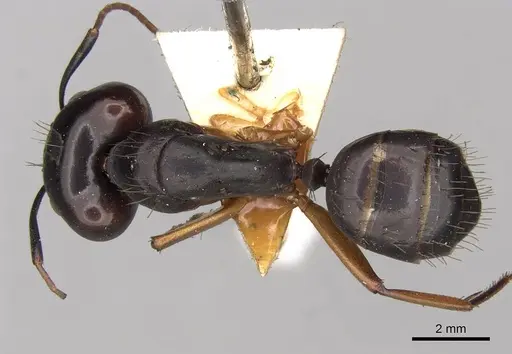
CASENT0910117
View on AntWeb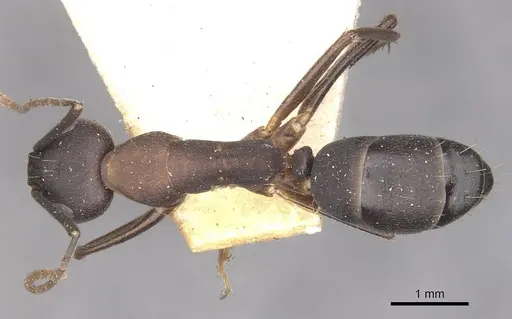
CASENT0910118
View on AntWeb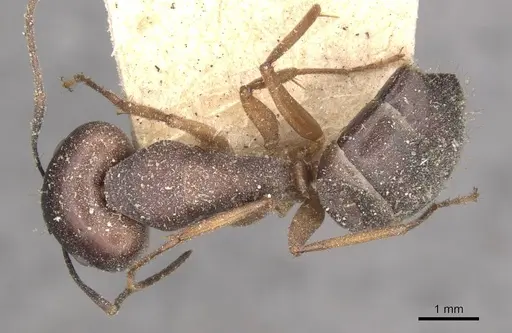
CASENT0910119
View on AntWeb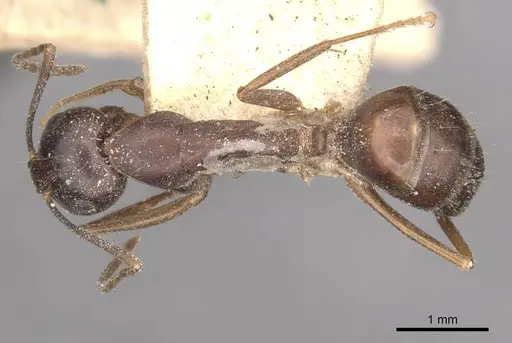
CASENT0910120
View on AntWeb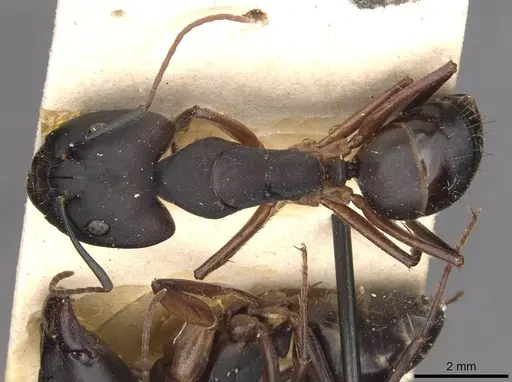
CASENT0910121
View on AntWeb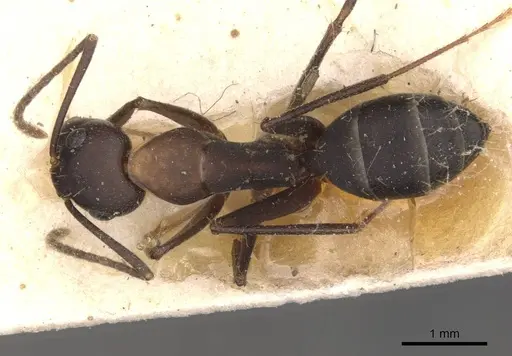
CASENT0910122
View on AntWeb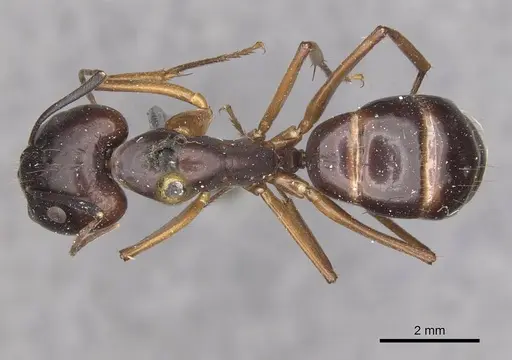
CASENT0910123
View on AntWeb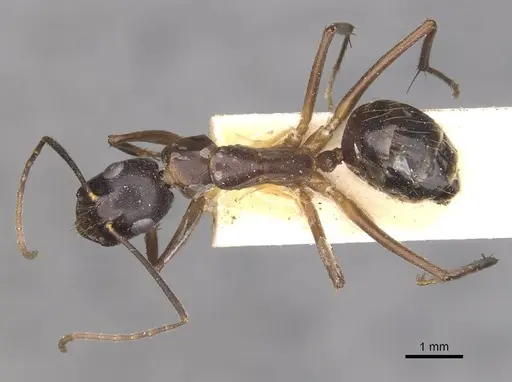
CASENT0910124
View on AntWeb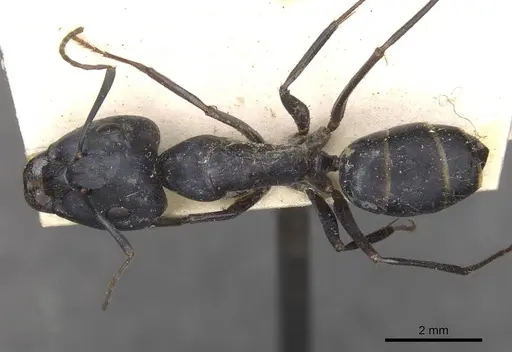
CASENT0910125
View on AntWeb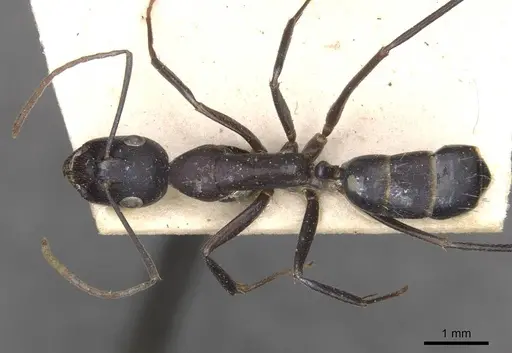
CASENT0910126
View on AntWeb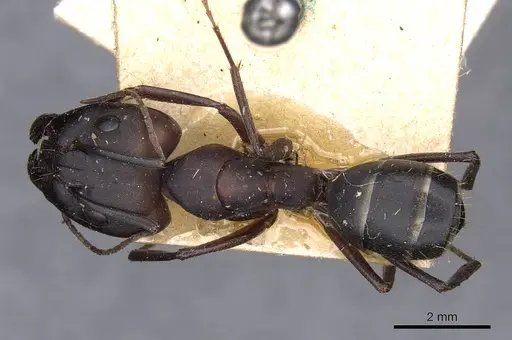
CASENT0910127
View on AntWeb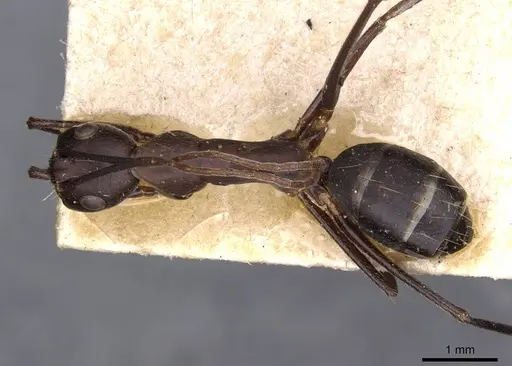
CASENT0910128
View on AntWeb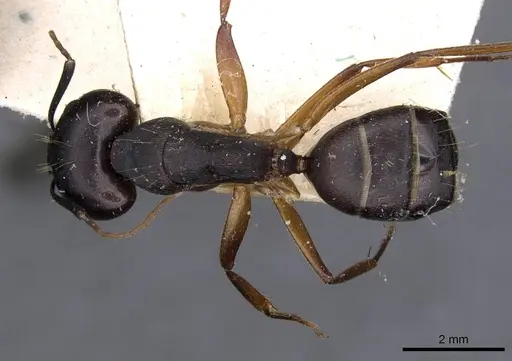
CASENT0910129
View on AntWeb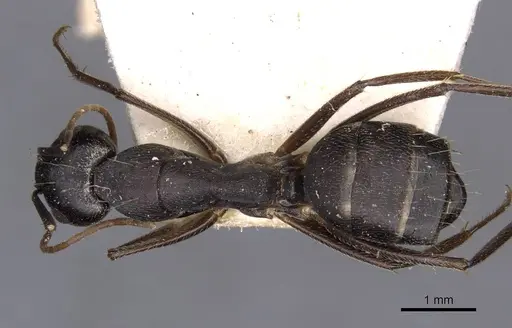
CASENT0910130
View on AntWeb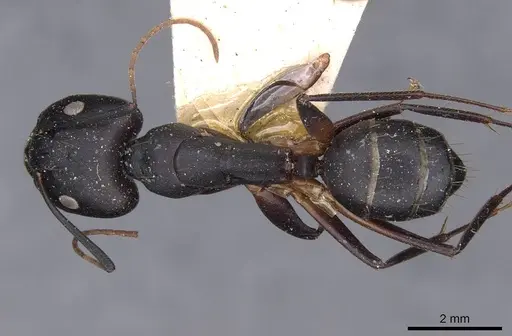
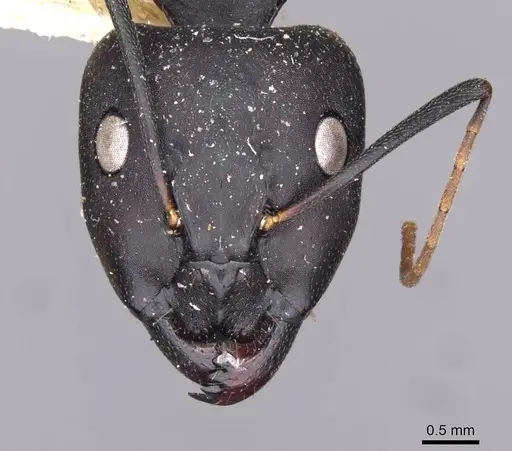
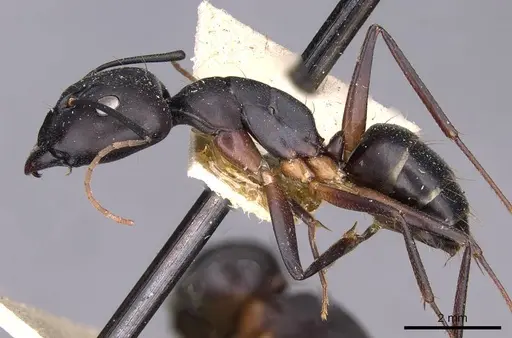
CASENT0910131
View on AntWeb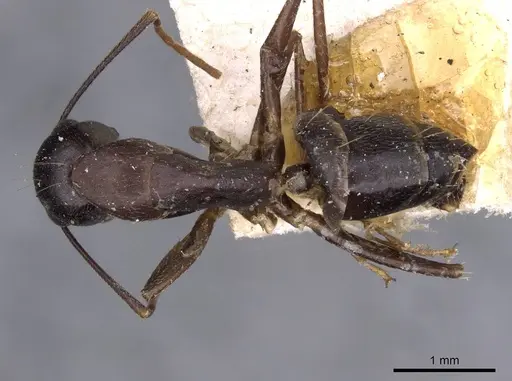
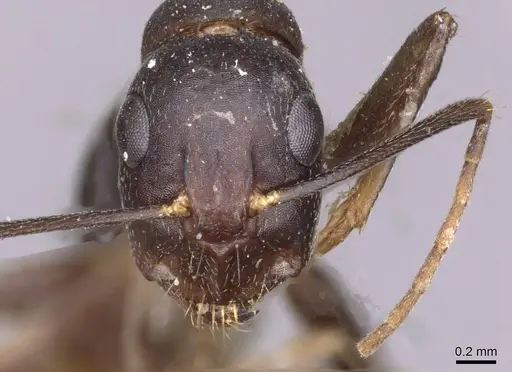
CASENT0912069
View on AntWeb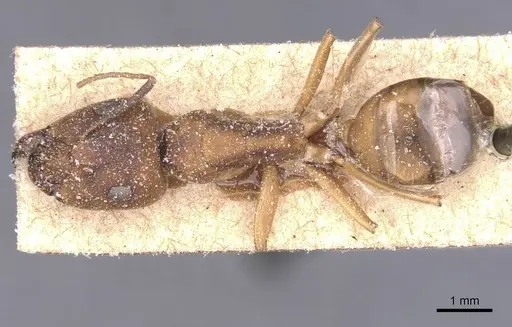
CASENT0912070
View on AntWeb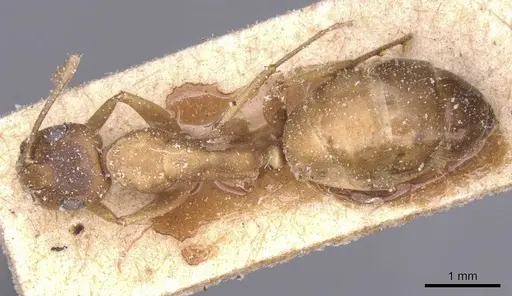
CASENT0912071
View on AntWeb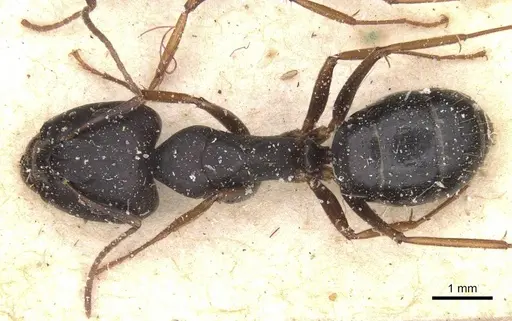
CASENT0912072
View on AntWeb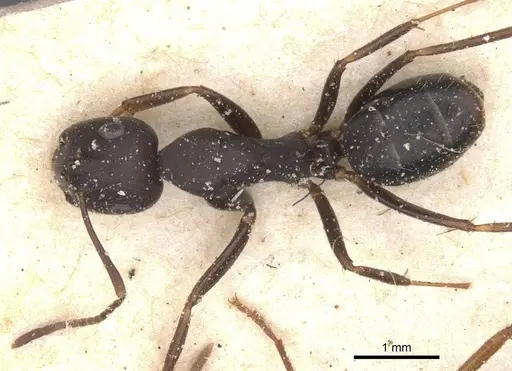
CASENT0917150
View on AntWeb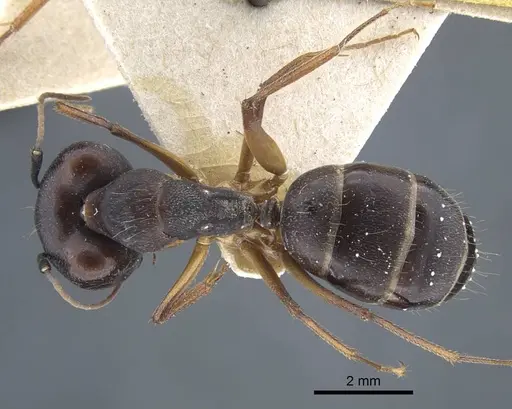
Literature
Loading...Loading products...