

Camponotus textor
- Scientific Name
- Camponotus textor
- Subgenus
- Myrmobrachys
- Tribe
- Camponotini
- Subfamily
- Formicinae
- Author
- Forel, 1899
- Distribution
- Found in 7 countries
Camponotus textor Overview
Camponotus textor is an ant species of the genus Camponotus. It is primarily documented in 7 countries , including Brazil, Colombia, Costa Rica. Detailed taxonomic data and occurrence records can be further explored via authoritative databases such as AntWeb or the Global Biodiversity Information Facility (GBIF).
Camponotus textor
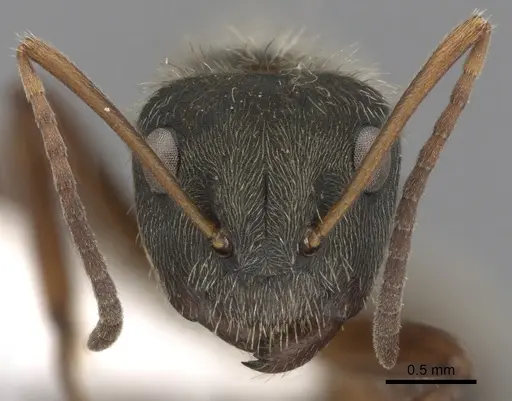
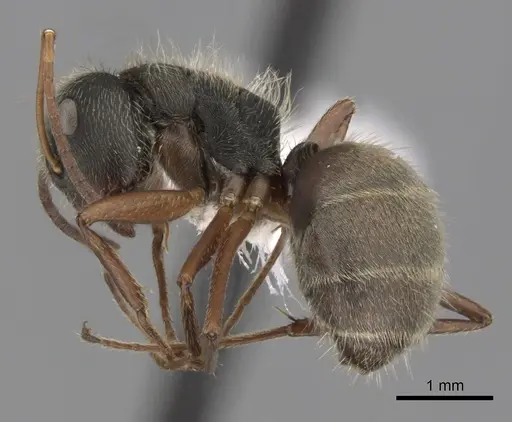
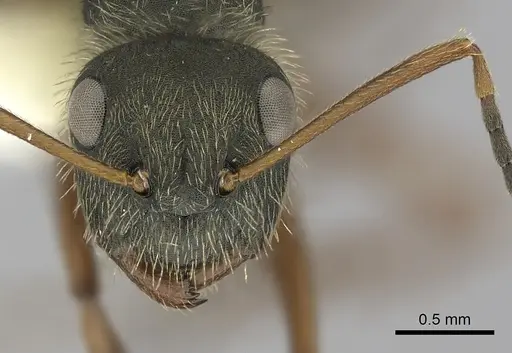
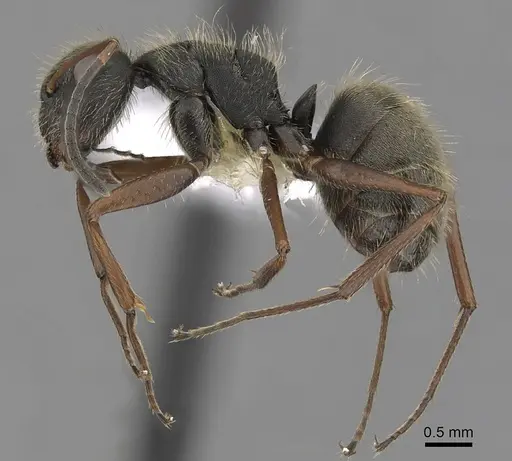
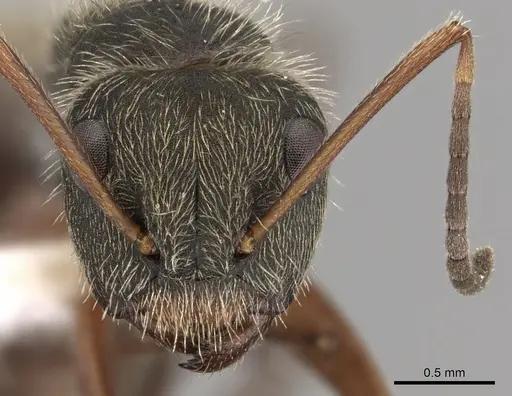
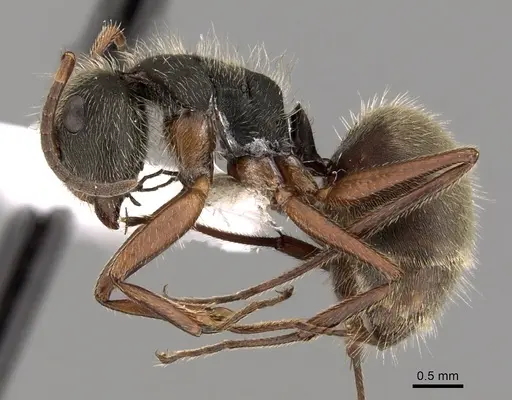
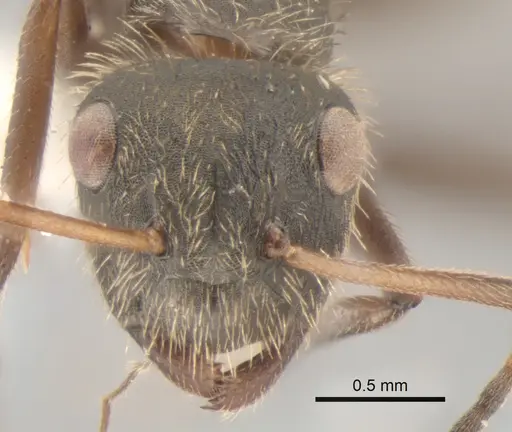
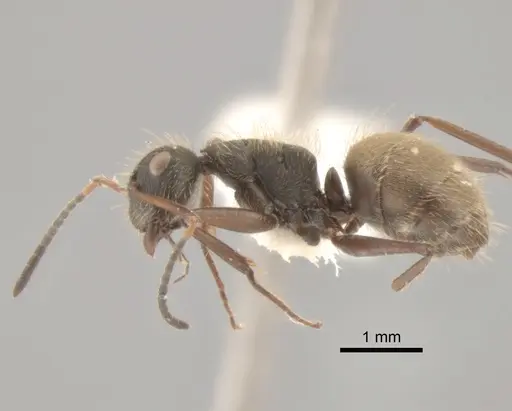
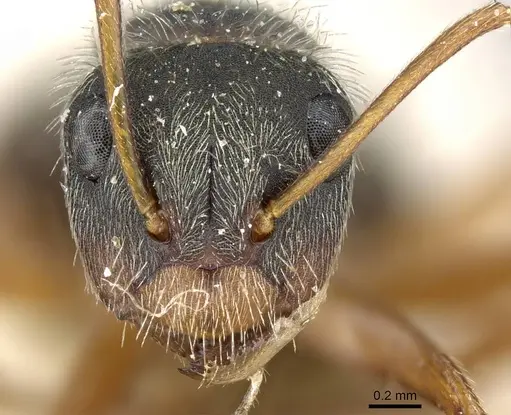
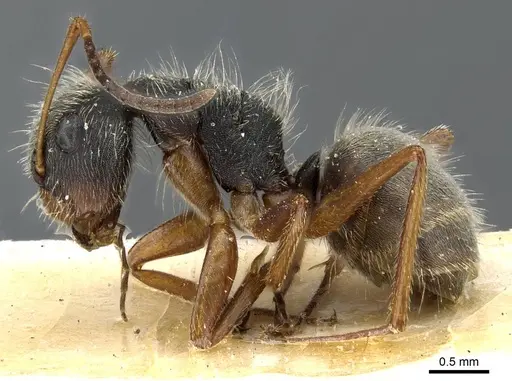
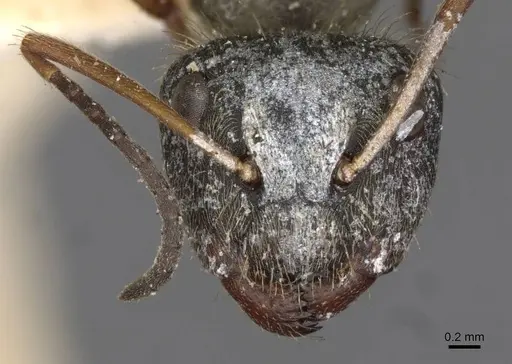
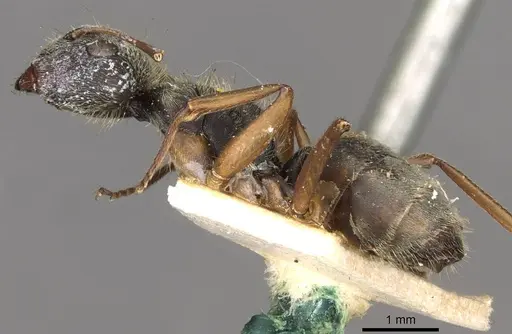
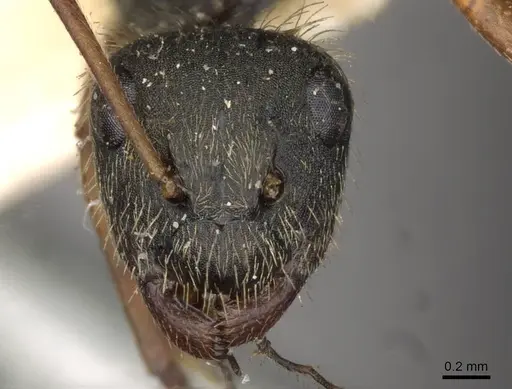
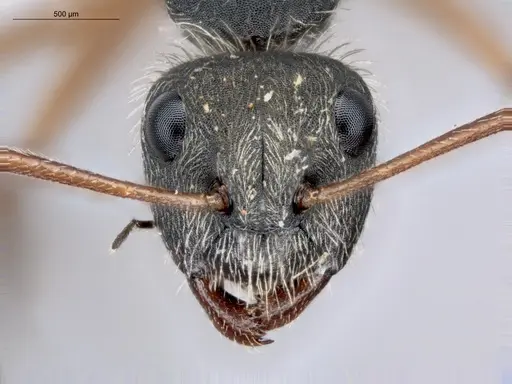
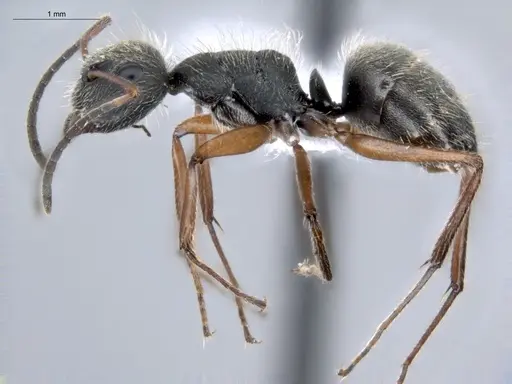
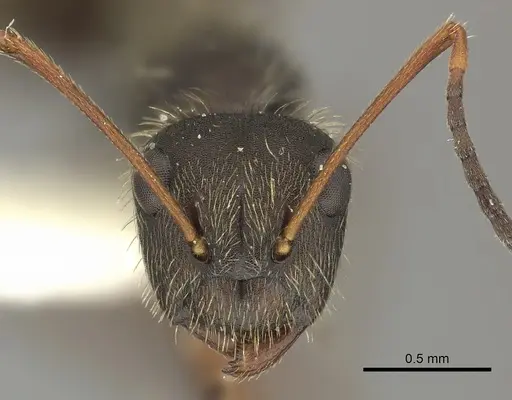
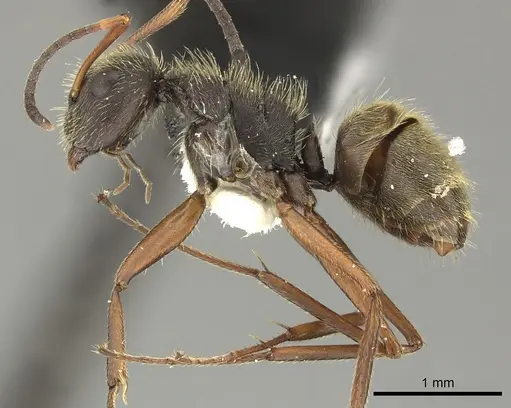
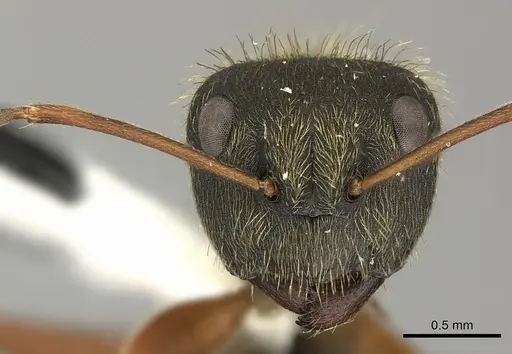
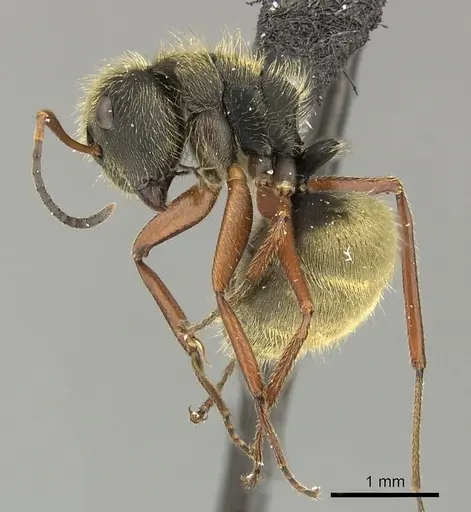
Camponotus textor is a small, striking weaver ant native to Central and South America. Workers have a distinctive golden sheen caused by dense yellow appressed hairs covering the gaster, and their legs are noticeably more reddish than other similar species. They are weakly polymorphic, major workers are only slightly larger than minors, unlike many Camponotus species that have distinct major workers. These ants inhabit the rainforest canopy where they build remarkable silk nests by weaving tree leaves together using larval silk, creating clusters about the size of a baseball. The species was previously considered a subspecies of Camponotus senex until 2006 when Longino formally recognized it as a separate species based on morphological, behavioral, and molecular differences [1][2].
Quick Summary
- Difficulty: Medium
- Origin & Habitat: Native to Central and South America (Costa Rica, Honduras, Panama, Brazil, Ecuador, Bolivia, Mexico, French Guiana). Inhabits mature rainforest canopy but has adapted to agricultural landscapes, nesting in coffee plants, mango, citrus, and other cultivated trees [3][4].
- Colony Type: Polygynous, colonies contain multiple queens working together. Queens have two ovaries with over 100 ovarioles each, enabling high reproductive output [5][4].
- Colony: Polygyne
- Founding: Claustral
- Size & Growth:
- Queen: Estimated 7-9mm based on genus patterns (no direct measurement found)
- Worker: Minor workers: ~4-5mm, major workers: 1.44-1.90mm head length (weakly polymorphic) [2]
- Colony: Colonies can be quite large with abundant workers. Satellite nests form as a defense strategy [4].
- Growth: Moderate, based on typical Camponotus development patterns
- Development: Estimated 6-8 weeks at optimal temperature based on genus-level data for Camponotus species (Development has not been directly studied for this species. Four larval instars documented [6]. Pupae develop in silky cocoons.)
- Antkeeping:
- Temperature: Keep at 24-28°C. As a neotropical arboreal species, they prefer warm, stable conditions. Room temperature in most homes should work well, but monitor colony activity [4].
- Humidity: Moderate humidity (50-70%). As an arboreal species, they need moisture but not saturated conditions. Mist the outworld occasionally and provide a water source.
- Diapause: No, being a tropical species, they do not require hibernation. Keep temperatures stable year-round.
- Nesting: Arboreal setup is essential. Provide materials for nest-building: live plants, leaves, or artificial structures they can weave. A naturalistic setup with potted plants works well. They will not accept test tubes or standard formicaria, they need to build silk nests like they do in the wild [1].
- Behavior: These ants are aggressive defenders of their nest. When disturbed, workers attack in great numbers with a distinctive buzzing sound. However, their bites are not painful as they do not appear to apply venom while biting [2]. They are primarily arboreal, foraging on the vegetation of their host tree and nearby trees. Peak activity occurs between 10 AM and 1 PM, declining toward dusk, with most nest construction happening at night [4]. They are effective predators and can help control pests in agricultural settings, particularly in coffee plantations. Escape prevention is important, they are small and agile, and will readily exit through small gaps.
- Common Issues: arboreal nesting requirement, they cannot be kept in standard test tubes or formicaria, they need space to build silk nests, escape risk, small size means they can squeeze through tiny gaps, use fine mesh and tight-fitting barriers, polygynous colonies, multiple queens are normal, do not separate them, tropical species, cannot tolerate cold temperatures or drafts, wild-caught colonies may carry parasites that can cause colony failure
Nest Preferences and Housing
Camponotus textor is an obligate weaver ant that requires an arboreal setup. Unlike most ant species that will accept test tubes or formicaria, these ants need to build silk nests like they do in the wild. In nature, they sew leaves together using silk produced by their larvae, creating clusters of leaves held together with silk sheets. For captive care, provide a naturalistic setup with live potted plants (like small shrubs or trees) where they can build their nests. Alternatively, you can provide artificial structures like fabric or mesh that they can weave together. The outworld should be well-ventilated and include branches or vertical surfaces for foraging. Avoid keeping them in closed formicaria or test tubes, they will not thrive and may die attempting to escape to find nesting materials [1][4].
Feeding and Diet
In the wild, C. textor feeds on extrafloral nectar, caterpillar secretions, homopteran honeydew, and fruit secretions. They are active predators, hunting various insects including Diptera, Hymenoptera, Coleoptera, Lepidoptera, and Neuroptera, as well as arachnids and small animal carcasses. For captive care, offer a varied diet including sugar water or honey as an energy source, and protein sources like small crickets, mealworms, fruit flies, or other small insects. They will also accept sweet fruits. Feed them small prey items 2-3 times per week, and keep a constant sugar water supply. These ants are beneficial predators and can help control pest populations in any planted setup [4].
Temperature and Seasonal Care
As a neotropical species from Central and South American rainforests, C. textor requires warm temperatures. Keep the colony at 24-28°C for optimal activity and development. They do not require hibernation or cooling periods, being tropical, they need stable warmth year-round. Avoid placing the colony near cold windows, air conditioning vents, or drafty areas. Room temperature in most homes (20-24°C) may be acceptable, but warmer conditions will result in more active colonies. Monitor your colony's behavior, if workers become sluggish, consider providing gentle bottom heat using a heating cable on one side of the setup. As an arboreal species, they prefer good ventilation while maintaining humidity [4].
Behavior and Colony Structure
C. textor is polygynous, meaning colonies naturally have multiple queens working together. This is unusual among Camponotus and contributes to their large colony sizes. Queens are highly reproductive with over 100 ovarioles each, enabling rapid colony growth [5]. When their nest is disturbed, these ants become aggressively defensive, swarming intruders in large numbers with a distinctive buzzing sound. However, their bites are not particularly painful as they do not appear to inject venom [2]. Colony activity peaks between 10 AM and 1 PM, declines toward dusk, and most nest construction (silk weaving) happens at night. They can form satellite nests as a defensive strategy, fragmenting the colony to reduce mortality from predators or environmental stress [4].
Unique Weaver Ant Behavior
C. textor is one of the few weaver ant species in the Americas (most weaver ants like Oecophylla are found in Asia and Africa). Their defining behavior is using larval silk to weave leaves together into nests. Unlike Oecophylla, only the last instar larvae produce silk, younger larvae do not [4]. Workers carry mature larvae in their mandibles to the substrate where they apply silk to bind leaves together. The silk also surrounds pupae in their cocoons. This species invests more in silk production than other weaver ants. In captivity, provide larvae or small caterpillars so they can produce silk for nest construction. Their nests in the wild can reach the size of a baseball and typically contain multiple leaves woven together [1][4][6].
Endosymbionts and Health
C. textor has a fascinating relationship with bacterial endosymbionts. They have a 100% infection rate with Blochmannia (an intracellular symbiotic bacteria that provides nutritional benefits) and high rates of Wolbachia infection (varying 37-100% depending on location). These bacteria are transmitted from mother to offspring through the eggs (transovarian transmission). Blochmannia is found in late-stage oocytes while Wolbachia associates with nurse cells. Interestingly, workers infected with Wolbachia show lower quantities of Blochmannia DNA. These endosymbionts are not harmful to keepers, they are natural part of the ant's biology and have been documented across many Camponotus species [7][5][8].
Frequently Asked Questions
Can I keep Camponotus textor in a test tube?
No. Camponotus textor is an obligate weaver ant that builds silk nests in leaves and vegetation. They cannot be kept in test tubes or standard formicaria. You need an arboreal setup with live plants or artificial materials they can weave together. A naturalistic planted terrarium works best.
How long does it take for Camponotus textor to produce first workers?
Based on typical Camponotus development, expect 6-8 weeks from egg to first worker at optimal temperature (around 24-28°C). This is an estimate as specific development timing has not been directly studied for this species. The four larval instars develop through the pupal stage in silky cocoons [6].
Can I keep multiple queens together?
Yes, this is normal for the species. Camponotus textor is polygynous, meaning colonies naturally have multiple queens working together. This is not something you need to facilitate, wild colonies are already polygynous, and introducing unrelated queens is unnecessary [5][4].
What do Camponotus textor ants eat?
They are omnivores with a varied diet. Offer sugar water or honey as an energy source, and protein like small crickets, mealworms, fruit flies, or other small insects. They also accept sweet fruits and will hunt various insects in their environment. They are beneficial predators that can help control pests [4].
Are Camponotus textor good for beginners?
This species is rated as medium difficulty. While fascinating due to their weaving behavior, they require specialized arboreal housing with plants or materials for nest-building, which is more complex than keeping ants in test tubes. They are also small and can escape easily. They are best suited for antkeepers willing to set up a naturalistic planted enclosure.
Do Camponotus textor need hibernation?
No. As a neotropical species from tropical Central and South America, they do not require hibernation. Keep them warm year-round at 24-28°C. They are active throughout the year in the wild [4].
Why are my Camponotus textor dying?
Common causes include: cold temperatures (they are tropical and cannot tolerate cool conditions), keeping them in enclosed containers without nesting materials (they need to build silk nests), poor escape prevention (they are small and can slip through tiny gaps), or parasites from wild-caught colonies. Ensure warm temperatures, proper arboreal housing with plant materials, and excellent escape prevention.
When should I move them to a formicarium?
This species should never be moved to a standard formicarium. They require an arboreal setup throughout their life. If you started them in a small container, transfer them to a naturalistic setup with live plants or weaving materials as soon as they have established workers. They need access to leaves or fabric they can weave together from the beginning [4].
How big do Camponotus textor colonies get?
Colonies can become quite large with abundant workers. Being polygynous (multiple queens) contributes to their potential size. They can also form satellite nests as the colony grows. Exact maximum colony size is not well-documented, but they are considered to have high worker abundance [4].
References

This caresheet is licensed under CC BY-SA 4.0 .
CASENT0280093
View on AntWeb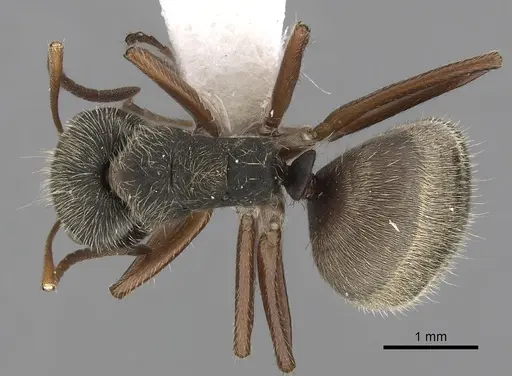
CASENT0280097
View on AntWeb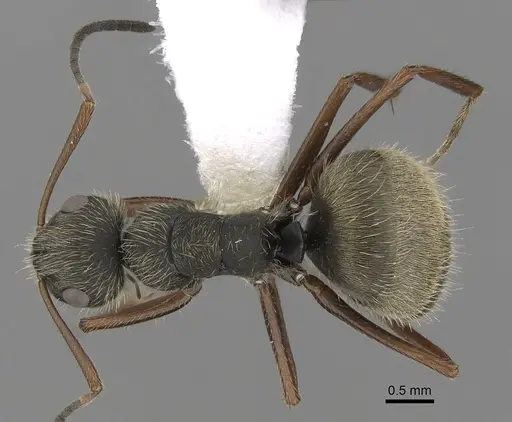
CASENT0280128
View on AntWeb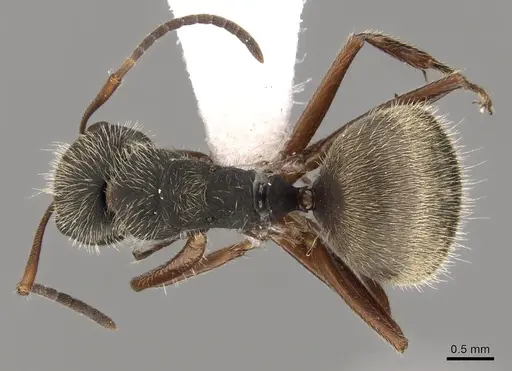
CASENT0882305
View on AntWeb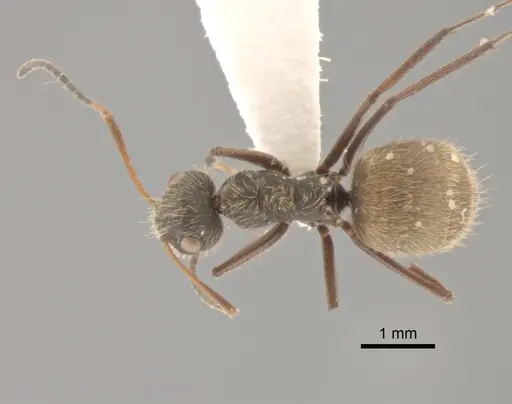
CASENT0905514
View on AntWeb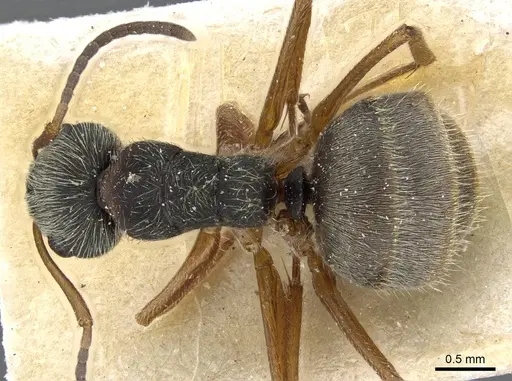
CASENT0910718
View on AntWeb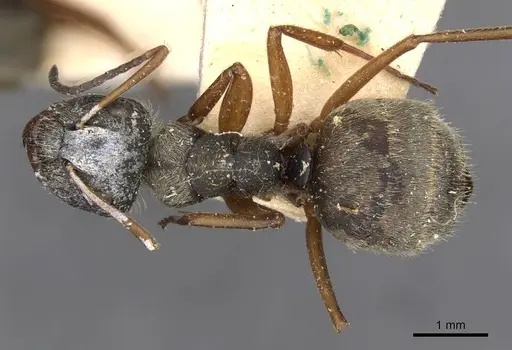
CASENT0910719
View on AntWeb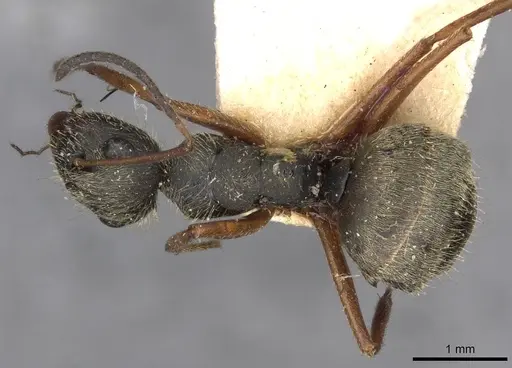
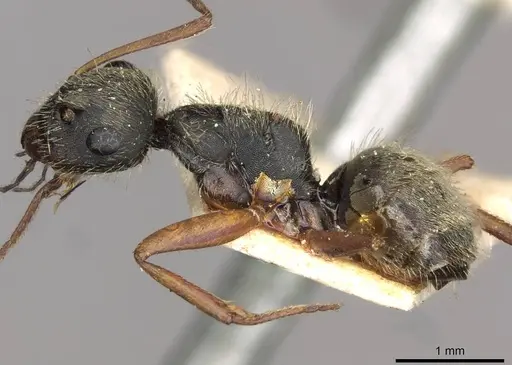
CASENT0911743
View on AntWeb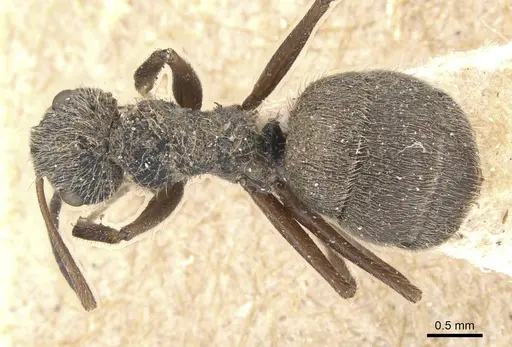
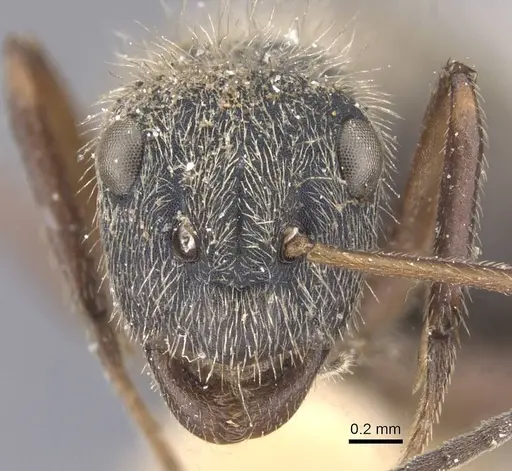
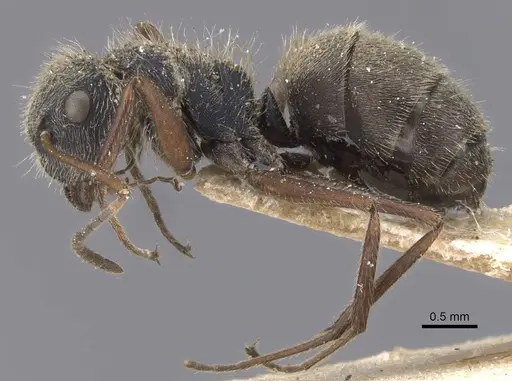
ECOFOG-HC-0040
View on AntWeb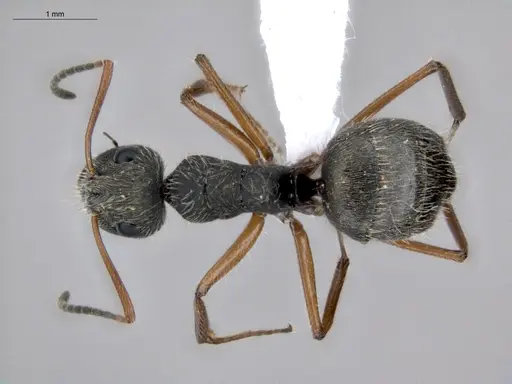
INBIOCRI001218776
View on AntWeb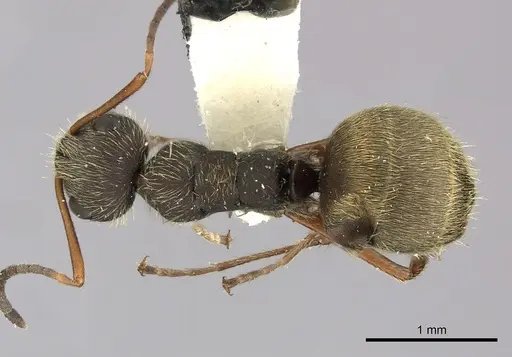
INBIOCRI001280594
View on AntWeb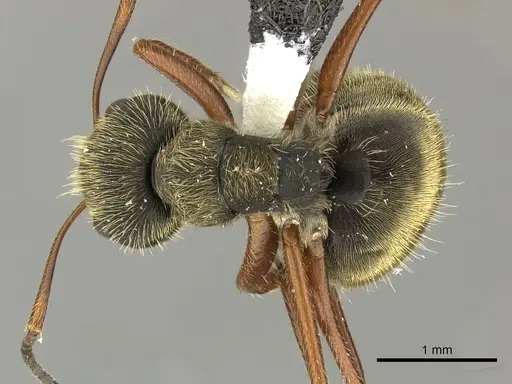
Literature
Loading...Loading products...