
Camponotus texanus exhibits a clear seasonal flight window. Peak flight activity is concentrated in March, with the overall period spanning March to April. The concentrated timeframe makes peak months critical for sightings.
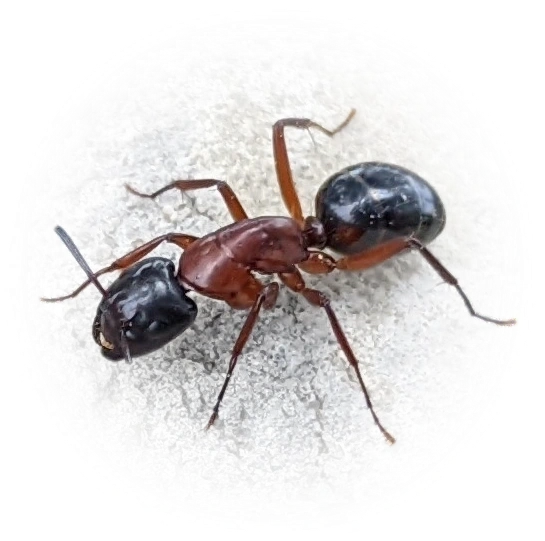
Camponotus texanus
- Scientific Name
- Camponotus texanus
- Tribe
- Camponotini
- Subfamily
- Formicinae
- Author
- Wheeler, 1903
- Common Name
- Texas Carpenter Ant
- Distribution
- Found in 1 countries
- Nuptial Flight
- from March to April, peaking in March
AI Identifiable
try →
Camponotus texanus Overview
Camponotus texanus (commonly known as the Texas Carpenter Ant) is an ant species of the genus Camponotus. It is primarily documented in 1 countries , including United States of America. Detailed taxonomic data and occurrence records can be further explored via authoritative databases such as AntWeb or the Global Biodiversity Information Facility (GBIF).
The nuptial flight of Camponotus texanus is a significant biological event, typically occurring from March to April, peaking in March. During this time, winged queens and males leave the nest to mate and establish new colonies.
Camponotus texanus - "Texas Carpenter Ant"
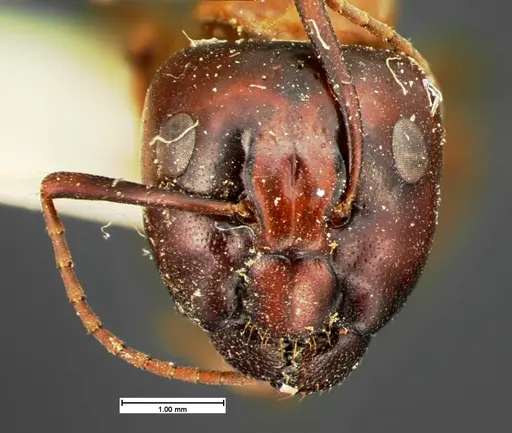
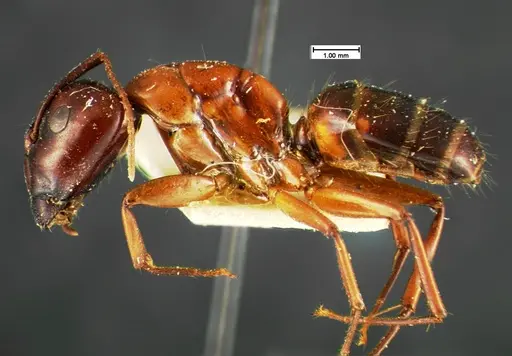
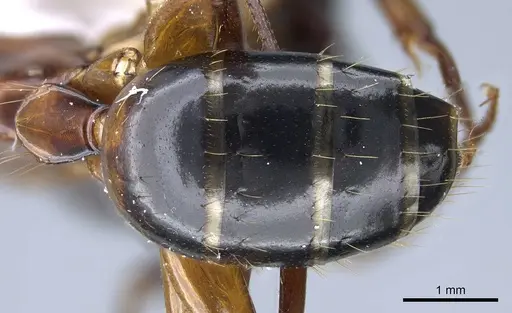
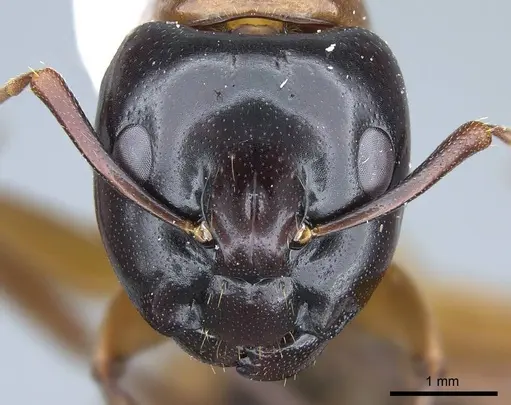
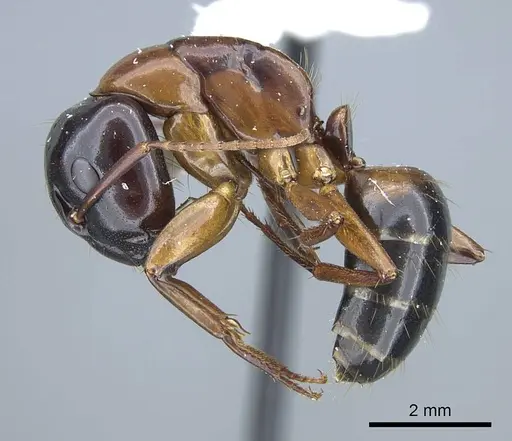
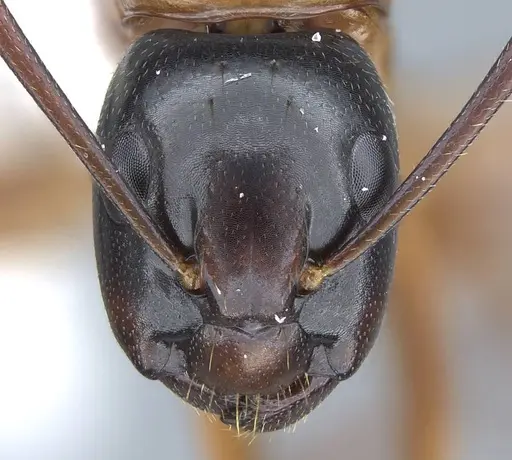
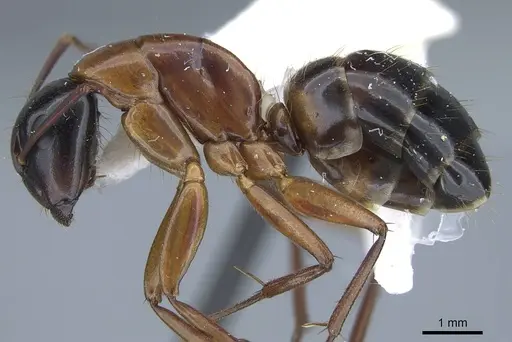
Camponotus texanus is a medium-sized carpenter ant native to Texas, United States. Workers are strikingly bicolored, the head and abdomen (gaster) are black while the middle body section (mesosoma) and legs are reddish-brown to light brown. The entire body has a glossy, shiny appearance. Major workers reach 2.86-2.90mm head width, while minor workers are smaller at 1.52-1.66mm. Queens are larger at 2.52-2.72mm head width. This species is notable for having distinctive teeth-like projections on the front of the clypeus (the shield above the mouth), which helps separate it from similar carpenter ants [1].
These ants are found in arid habitats with scattered oaks, live oak forests, juniper forests, and hackberry forests. They typically nest in dead limbs on living trees and in oak logs, though they occasionally nest under stones on rocky slopes or in rock crevices. They are very active foragers and can be difficult to capture. Interestingly, they have been found in caves, though these are likely foragers from nearby arboreal nests rather than cave-dwelling populations [2][3].
Quick Summary
- Difficulty: Medium
- Origin & Habitat: Texas, United States, arid habitats with scattered oaks, grassy areas with oaks, live oak forests, juniper (Juniperus ashei) forests, and hackberry forests [1]
- Colony Type: Polygynous (multiple queens) colonies with strongly polymorphic worker caste (majors and minors) [4]
- Colony: Polygyne
- Founding: Claustral
- Size & Growth:
- Queen: 2.52-2.72mm head width [1]
- Worker: Minor: 1.52-1.66mm, Major: 2.86-2.90mm head width [1]
- Colony: Unknown, typical for Camponotus likely several hundred to over 1000 workers
- Growth: Moderate, typical for Camponotus genus
- Development: 6-8 weeks (estimated based on typical Camponotus development) (Based on typical Camponotus patterns at optimal temperatures (20-25°C). Brood has been found in nests in August, suggesting summer production [1].)
- Antkeeping:
- Temperature: Keep at 20-25°C. They are adapted to Texas warmth and will do well at room temperature or slightly above. A gentle heat gradient in the nest area is beneficial but not required if room temperature is within range.
- Humidity: Moderate. They prefer dry to moderately humid conditions matching their arid Texas habitat. Keep nest substrate slightly moist but allow it to dry between water additions. Avoid overly damp conditions.
- Diapause: Yes, they experience a winter rest period in their native Texas range. Reduce temperature to 10-15°C for 2-3 months during winter (November-February in the Northern Hemisphere).
- Nesting: In nature they nest in dead tree limbs and logs, in captivity they do well in Y-tong (AAC) nests, plaster nests, or naturalistic setups with wood pieces. They prefer tight, dark chambers. Avoid tall open spaces.
- Behavior: Active and energetic foragers. They are not particularly aggressive but will defend the nest if threatened. majors can deliver a mild sting though it's rarely noticeable. They are excellent climbers and escape artists, use tight-fitting lids and barrier gel or fluon on edges. They forage for honeydew, insects, and sugary liquids.
- Common Issues: escape prevention is critical, they are excellent climbers and will find any gap, colonies can be slow to establish initially, patience is needed during founding, overheating is a risk, keep nest away from direct heat sources, wild-caught colonies may have parasites that can devastate captive colonies, multi-queen colonies may have tension between queens, monitor for aggression
Nuptial Flight Activity Analysis 202 observations
Flight Activity by Hour 202 observations
Camponotus texanus nuptial flight activity peaks around 16:00 during the afternoon. Activity is spread across a 24-hour window (00:00–23:00). A secondary activity peak occurs around 21:00. Times may be influenced by human observation patterns.
Housing and Nest Setup
Camponotus texanus does well in Y-tong (acrylic) nests, plaster nests, or naturalistic setups. They prefer tight, dark chambers that mimic their natural nesting in dead tree limbs. A naturalistic setup with pieces of oak wood or cork works well since that's their natural substrate. Test tubes can work for founding colonies but may need to be upgraded as the colony grows. The nest should have a water reservoir for humidity control but avoid excessive moisture, these ants prefer drier conditions than many other ants. Provide an outworld area for foraging with easy access to food. Use tight-fitting lids as they are excellent climbers and will escape through tiny gaps. [1]
Feeding and Diet
Like other carpenter ants, Camponotus texanus is omnivorous. They readily accept sugar sources (honey water, sugar water, maple syrup) and protein (dead insects, mealworms, crickets). In the wild they forage for honeydew from aphids and scale insects, so they are accustomed to sugary liquids. Feed a mix of protein and sugar sources, offer protein 2-3 times per week and keep sugar water available constantly. Remove uneaten prey after 24-48 hours to prevent mold. They are active foragers so provide a foraging area where they can hunt and collect food.
Temperature and Seasonal Care
Keep your colony at 20-25°C. They are adapted to the warm Texas climate and do well at typical room temperature. A slight temperature gradient in the nest allows the ants to choose their preferred zone. During winter (roughly November-February), reduce temperature to 10-15°C to simulate their natural winter rest. This diapause period is important for colony health and may trigger reproductive behavior in spring. Do not feed during deep hibernation but provide a small water source. Bring them out gradually in spring by slowly increasing temperature.
Colony Structure and Behavior
Camponotus texanus is polygynous, meaning colonies naturally have multiple queens. This is unusual among many Camponotus species and affects how you might start a colony. The worker caste is strongly polymorphic, you will see both major workers (with larger heads) and minor workers. Majors typically handle nest defense and seed processing while minors do most foraging and brood care. They are very active and will establish extensive foraging trails. Queens can live for many years, and colonies can persist for decades in the wild. When keeping multiple queens together, watch for aggression, while polygynous, there can still be tension between queens. [4]
Growth and Development
Like all Camponotus, C. texanus has claustral founding, the queen seals herself in a chamber and raises the first brood alone, living off her stored fat reserves. She does not leave to forage during founding. Expect 6-8 weeks from egg to first worker (nanitic) at optimal temperature. The first workers will be smaller than normal workers. After the nanitics emerge, the queen stops caring for brood directly and the workers take over all colony tasks. Growth is moderate, a well-fed colony can reach several hundred workers in 2-3 years. Brood has been found in nests in August, indicating summer is the main growth period [1]. Nuptial flights occur in late winter/early spring based on collection dates of alates (February 28 and March 25) [1].
Frequently Asked Questions
Is Camponotus texanus a good beginner ant?
Camponotus texanus is a medium-difficulty species. They are more active than some ants and require good escape prevention, but they are not as demanding as tropical species. They do well at room temperature and are forgiving of minor care mistakes. The main challenge is their excellent climbing ability, new keepers may struggle with escapes at first.
How long does it take for Camponotus texanus to get first workers?
Expect 6-8 weeks from egg to first worker at optimal temperature (20-25°C). This is typical for Camponotus species. The first workers (nanitics) will be smaller than normal workers. Patience is key during the founding stage, do not disturb the queen or open the nest frequently.
Can I keep multiple Camponotus texanus queens together?
Yes, this species is naturally polygynous, meaning colonies have multiple queens. However, when combining unrelated foundress queens, introduce them carefully and monitor for aggression. Established colonies typically accept multiple queens without issue.
What do Camponotus texanus eat?
They are omnivorous. Offer sugar water, honey, or maple syrup as a constant sugar source. For protein, provide dead insects (fruit flies, mealworms, crickets) 2-3 times per week. They are active foragers so remove uneaten food promptly to prevent mold.
Do Camponotus texanus need hibernation?
Yes, they benefit from a winter rest period. Reduce temperature to 10-15°C for 2-3 months during winter (roughly November-February). This helps maintain colony health and may trigger spring reproduction. Do not feed during deep hibernation but provide a small water source.
How big do Camponotus texanus colonies get?
Based on typical Camponotus growth patterns, colonies can reach several hundred to over 1000 workers in a few years. They are polygynous so colonies can grow substantial with multiple egg-laying queens.
When do Camponotus texanus have nuptial flights?
Based on collection dates of alates (February 28 and March 25), nuptial flights occur in late winter to early spring [1]. This is earlier than many ants, so be prepared if you have mature colonies.
Why are my Camponotus texanus escaping?
This species is an excellent climber and will find any tiny gap. Use tight-fitting lids, apply fluon or barrier gel to the rim of the outworld, and check for gaps around tubing connections. Even small workers can squeeze through surprisingly small openings.
What is the best nest type for Camponotus texanus?
Y-tong (AAC) nests, plaster nests, or naturalistic setups with wood pieces work well. They prefer tight, dark chambers that mimic their natural nesting in dead tree limbs. Avoid test tubes for established colonies as they need more space.
References

This caresheet is licensed under CC BY-SA 4.0 .
CASENT0104764
View on AntWeb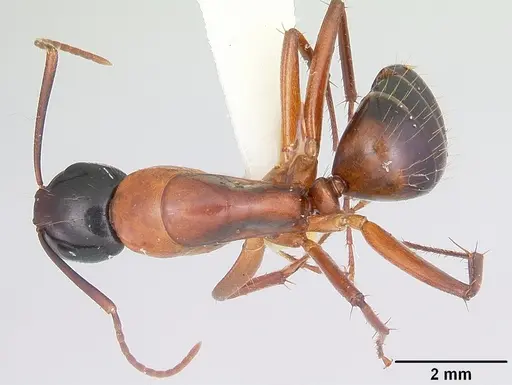
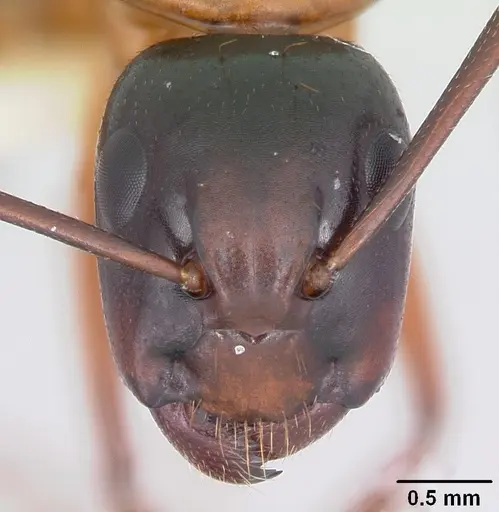
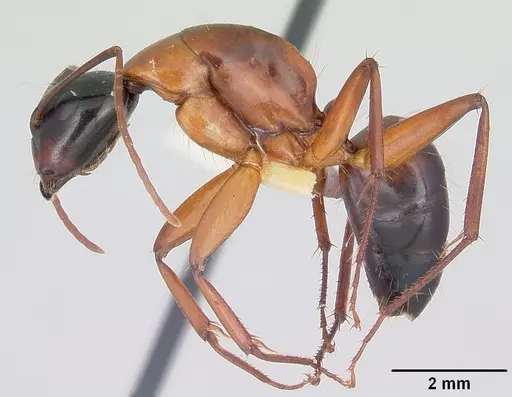
CASENT0105588
View on AntWeb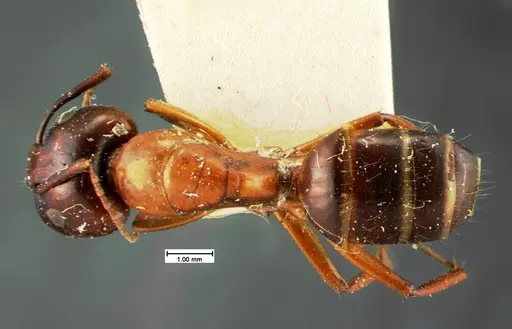
CASENT0914440
View on AntWeb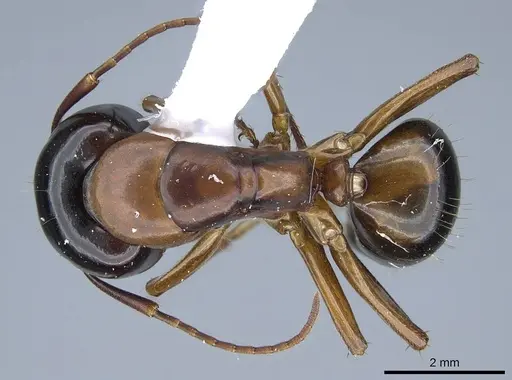
CASENT0914441
View on AntWeb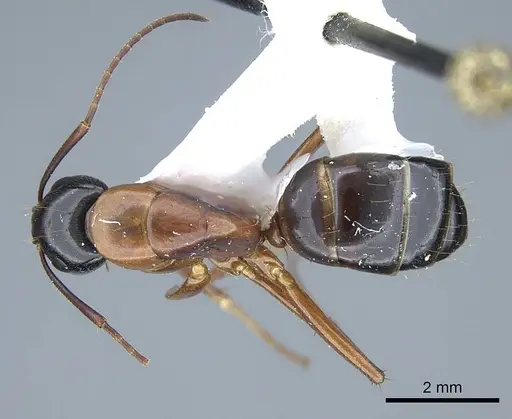
Literature
Loading...Loading products...