

Camponotus terebrans
- Scientific Name
- Camponotus terebrans
- Subgenus
- Tanaemyrmex
- Tribe
- Camponotini
- Subfamily
- Formicinae
- Author
- Lowne, 1865
- Distribution
- Found in 1 countries
Camponotus terebrans Overview
Camponotus terebrans is an ant species of the genus Camponotus. It is primarily documented in 1 countries , including Australia. Detailed taxonomic data and occurrence records can be further explored via authoritative databases such as AntWeb or the Global Biodiversity Information Facility (GBIF).
Camponotus terebrans
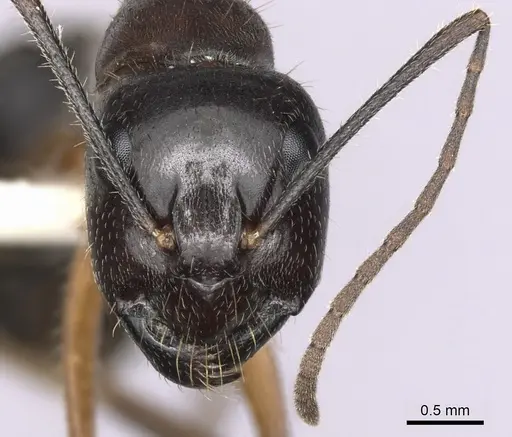
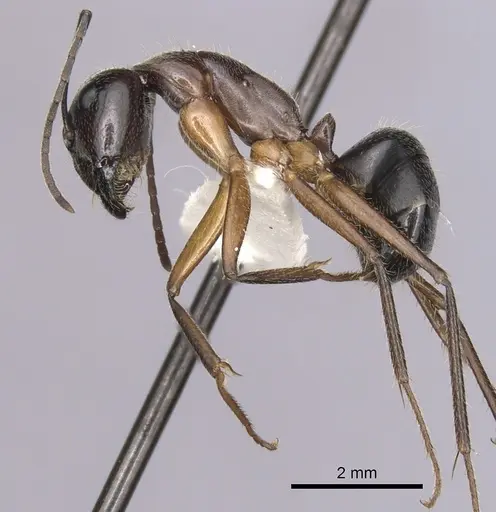
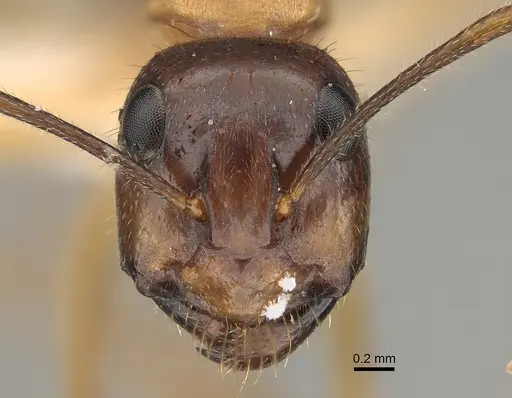
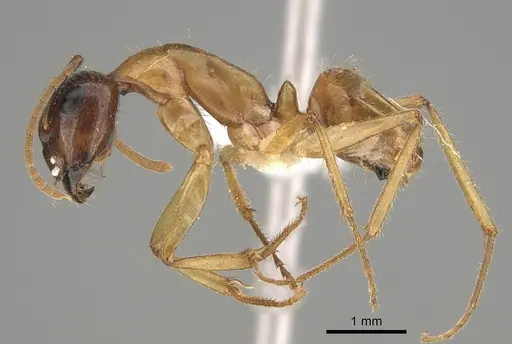
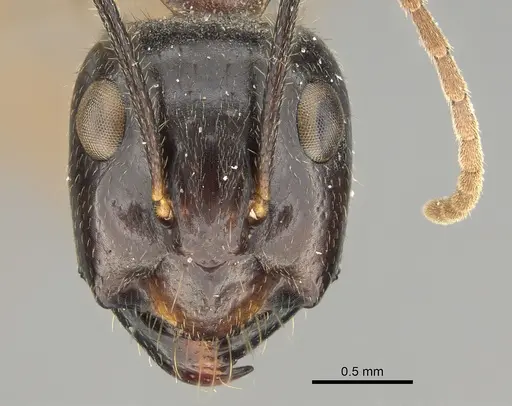
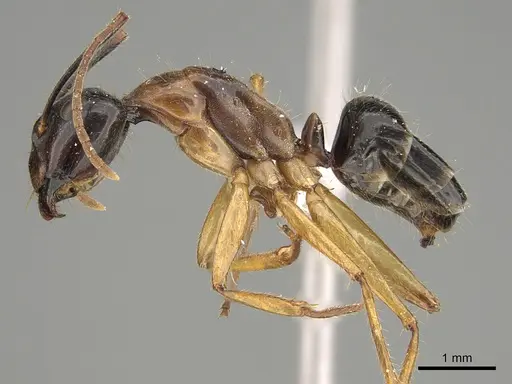
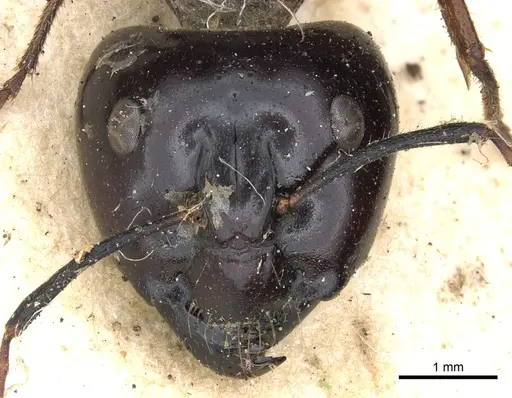
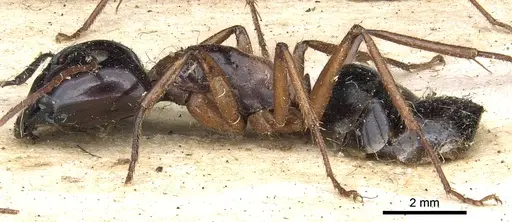
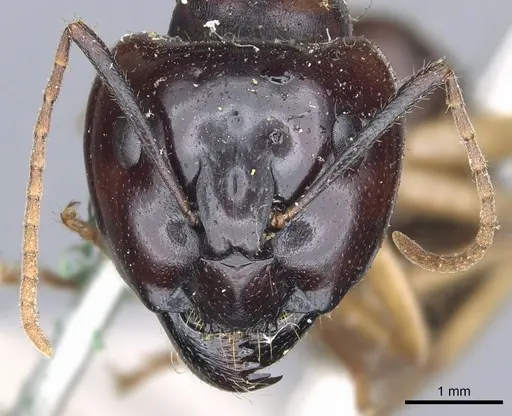
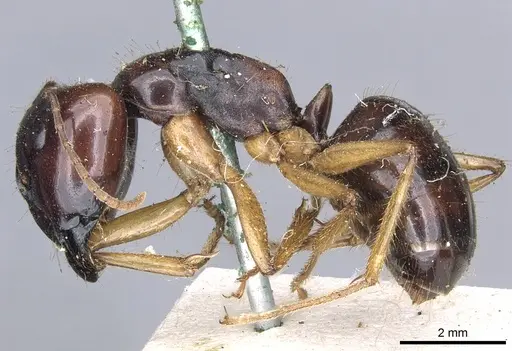
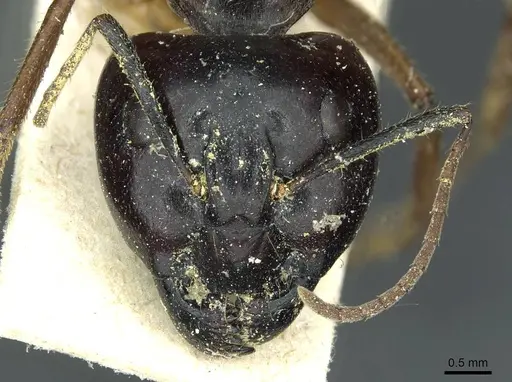
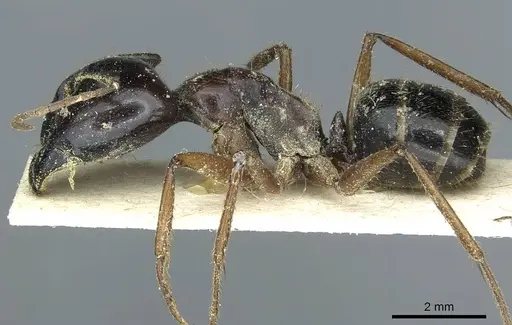
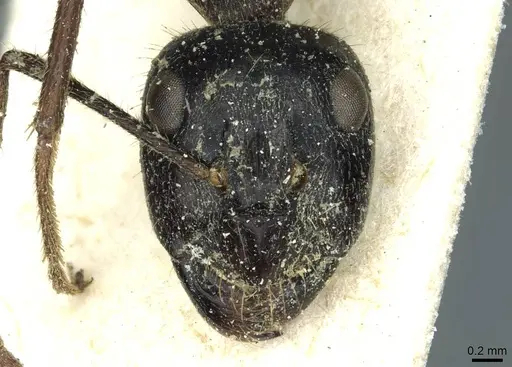
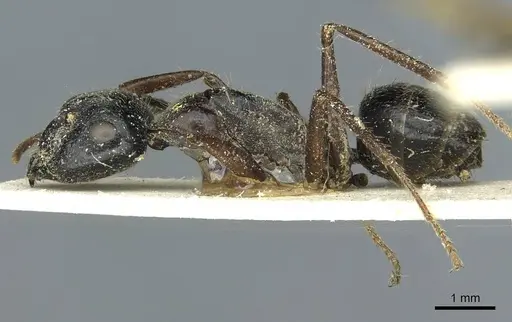
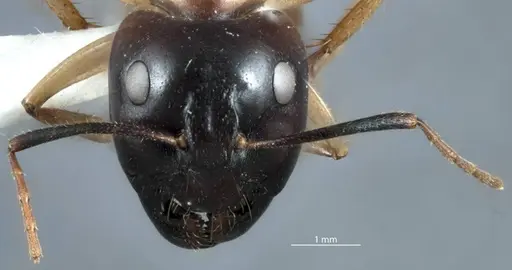
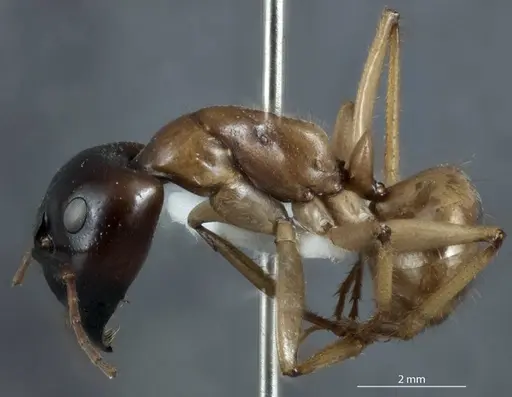
Camponotus terebrans is a large, aggressive ant species native to sandy soils throughout southern Australia. Workers range from 4-8mm with a distinct size difference between majors and minors, majors have notably larger heads. The body is dark brown to black with lighter yellow-brown legs and mesosoma. This species is easily identified by the erect hairs on its scapes and tibiae, and the sharp angular summit of the petiolar node. Colonies can be massive, constructing elaborate tunnel systems over 50 meters long that connect nests to trees and other colonies. They are famous for their ability to quickly colonize disturbed areas and their aggressive defense of nest sites.
Quick Summary
- Difficulty: Medium
- Origin & Habitat: Southern Australia, found throughout South Australia, Western Australia, Victoria, and New South Wales in sandy soil habitats. This species is confined to sandy soils and is one of the first ants to colonize disturbed sites. It thrives in arid and semi-arid regions with sandy terrain.
- Colony Type: Single-queen colonies (monogyne). Colonies can become very large with multiple chambers and extensive tunnel systems.
- Colony: Monogyne
- Founding: Claustral
- Size & Growth:
- Queen: 6-7mm (estimated based on related Camponotus species)
- Worker: 4-8mm (majors 8mm, minors 4mm) [1]
- Colony: Very large, colonies can contain thousands of workers with elaborate tunnel systems extending 50m+ [1]
- Growth: Moderate, typical for Camponotus genus
- Development: 6-10 weeks (estimated based on genus patterns) (Development time is typical for Camponotus species, expect 6-10 weeks from egg to first worker at optimal temperature. Nanitics emerge smaller than normal workers.)
- Antkeeping:
- Temperature: Keep at 22-26°C. As a southern Australian species, they prefer warm conditions but can tolerate cooler temperatures than tropical species. A temperature gradient allowing workers to choose their preferred zone works best.
- Humidity: Low to moderate. This species naturally inhabits arid sandy soils, so keep the nest area relatively dry with only occasional misting. Provide a water source but avoid damp conditions.
- Diapause: Yes, southern Australian winters require a cool period. Keep at 10-15°C for 2-3 months during winter.
- Nesting: Y-tong (AAC) or plaster nests work well. The key is providing dry, sandy conditions similar to their natural habitat. Avoid overly humid setups. They do well in formicariums with compact chambers.
- Behavior: Camponotus terebrans is unusually aggressive for a Camponotus species, they readily swarm and bite when their nest is disturbed. Workers are active day and night, with nocturnal foraging more common in dense populations. Only the smallest workers venture far from the nest, majors stay closer to home base. They are excellent escape artists due to their size and determination. Colonies construct extensive tunnel systems and maintain 'highways' connecting different nest sections to trees. This species is dominant in its habitat and will compete aggressively with other ant species.
- Common Issues: aggressive temperament means handling requires extreme caution, they will swarm and bite, large colony size requires significant space as the colony matures, dry habitat requirements can be tricky to balance with humidity needs of other species, they may damage or loosen soil around plants in naturalistic setups, escape prevention is important despite their larger size, they are persistent
Nest Preferences and Housing
Camponotus terebrans naturally nests in sandy soils throughout southern Australia. In captivity, they do well in Y-tong (AAC) nests or plaster formicariums that provide dry conditions. The key is matching their natural habitat, sandy, well-drained substrate that doesn't retain excess moisture. Avoid setups designed for rainforest species that maintain high humidity. A naturalistic setup with a sandy soil chamber can work well, though you'll need to ensure the ants can't escape through any gaps. The colony will expand their nest chambers significantly as they grow, so plan for a setup that allows for expansion. Because they construct elaborate tunnel systems in the wild, they may appreciate some depth in their nesting area, though standard formicarium chambers work fine for captive colonies. [1]
Feeding and Diet
Like other Camponotus species, C. terebrans is omnivorous. They accept sugar sources (honey water, sugar water) and protein foods (insects, mealworms, crickets). In the wild, they forage for honeydew from aphids and scale insects, and hunt small invertebrates. The foraging behavior study shows only the smallest workers venture far from the nest to forage, so make food accessible near nest entrances. Feed protein 2-3 times per week and keep a constant sugar water source available. They are active foragers and will readily take prey items. As a large species, they can handle bigger prey items than tiny ants. [1]
Temperature and Seasonal Care
Keep your colony at 22-26°C for optimal development. As a species from southern Australia, they are adapted to temperate conditions with distinct seasons. During the Australian winter (our summer months), they benefit from a diapause period, reduce temperatures to 10-15°C for 2-3 months. This mimics their natural seasonal cycle and helps maintain colony health. Room temperature within the 20-26°C range is typically suitable for active colonies. If your room runs cold, a heating cable on one side of the nest can provide additional warmth. Monitor colony activity, if workers seem sluggish, slightly increase temperature. [1]
Behavior and Colony Dynamics
This species is notably more aggressive than most Camponotus ants. When disturbed, workers readily swarm and attempt to bite. This 'unusually aggressive' behavior means keepers should use excellent escape prevention and be cautious during nest inspections. Colonies can become massive in the wild, with tunnel systems extending over 50 meters connecting different nest sections to trees. In captivity, expect rapid colony growth once the first workers (nanitics) emerge. The colony will establish distinct castes, major workers with large heads for defense and seed processing, and smaller minors for foraging. They maintain activity both day and night, with nocturnal foraging more common in dense populations. [1]
Growth and Development
Camponotus terebrans follows the typical Camponotus development pattern. After mating, the claustral queen seals herself in a chamber and raises the first brood alone using stored fat reserves. First workers (nanitics) emerge smaller than normal workers but will begin foraging and caring for subsequent broods. Development from egg to worker takes approximately 6-10 weeks at optimal temperature. The colony will grow steadily through the first year, typically reaching several hundred workers by the end of the first season. Major workers appear as the colony matures, usually when the colony reaches several hundred workers. Colonies can live for many years, Camponotus queens can live 15-20 years in captivity. [1]
Frequently Asked Questions
Is Camponotus terebrans good for beginners?
This species is rated as medium difficulty. While they are not as challenging as some exotic species, their aggressive temperament and specific habitat requirements (dry, sandy conditions) make them better suited for keepers with some experience. Their large size and interesting behavior make them rewarding for intermediate antkeepers.
How long until first workers with Camponotus terebrans?
Expect 6-10 weeks from egg to first worker at optimal temperature (22-26°C). The claustral queen will seal herself in and raise the first brood alone. Once the nanitics emerge, the colony grows more quickly as workers help with foraging and brood care.
What do Camponotus terebrans eat?
They are omnivorous. Offer sugar water or honey as a constant energy source, and protein foods like mealworms, crickets, or other insects 2-3 times per week. They will also collect honeydew from aphids if available.
Can I keep multiple Camponotus terebrans queens together?
No. This is a monogyne species with single-queen colonies. Combining unrelated queens will result in fighting. Only keep one queen per colony.
Do Camponotus terebrans need hibernation?
Yes. As a southern Australian species, they benefit from a winter rest period. Reduce temperatures to 10-15°C for 2-3 months during the cooler months to mimic their natural seasonal cycle.
How big do Camponotus terebrans colonies get?
Colonies can become very large, thousands of workers in mature colonies. They construct elaborate tunnel systems in the wild, sometimes extending 50 meters or more. Plan for significant space as the colony matures.
Why is my Camponotus terebrans colony dying?
Common causes include: too much humidity (they prefer dry sandy conditions), temperatures outside their 22-26°C range, poor escape prevention allowing workers to escape, or disturbing the nest too frequently causing stress. Review their arid habitat requirements and ensure the setup provides dry conditions.
When should I move my Camponotus terebrans to a formicarium?
Keep the colony in a test tube setup for the founding stage. Once the colony reaches 50-100 workers and you see them producing majors, you can transition to a formicarium. Make sure the new setup provides the dry, sandy conditions they prefer.
Are Camponotus terebrans ants invasive?
No, they are native to southern Australia and are not considered invasive elsewhere. However, you should never release ant colonies into non-native areas.
References

This caresheet is licensed under CC BY-SA 4.0 .
ANTWEB1008148
View on AntWeb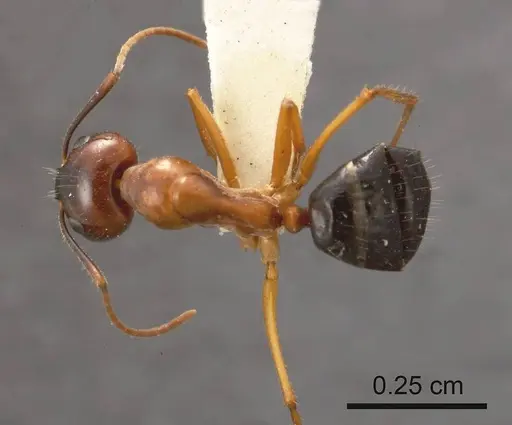
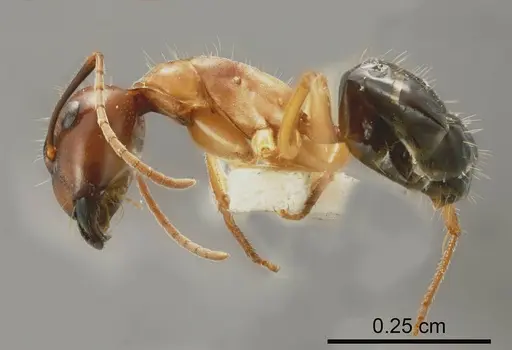
ANTWEB1041153
View on AntWeb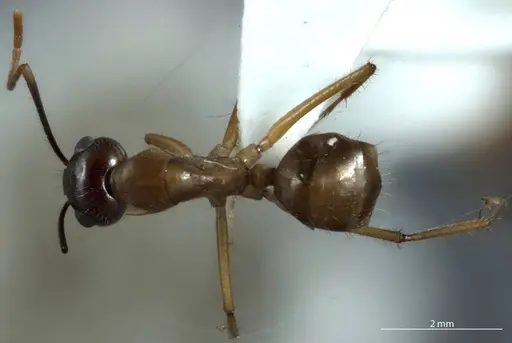
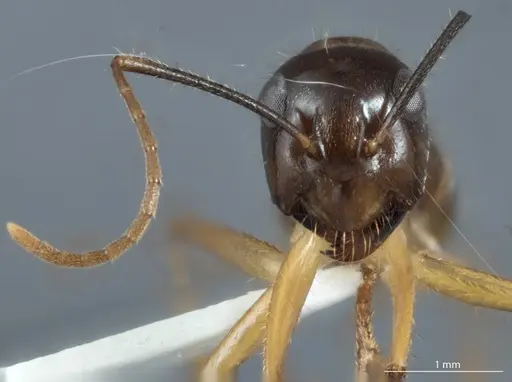
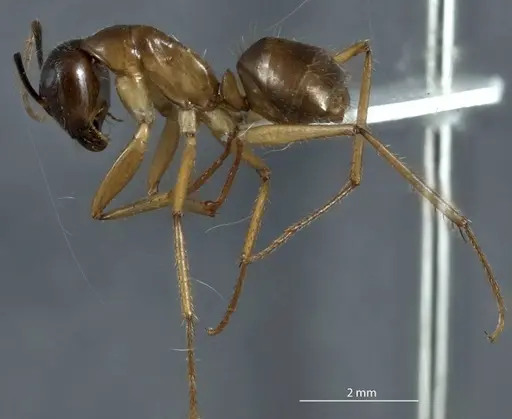
CASENT0280205
View on AntWeb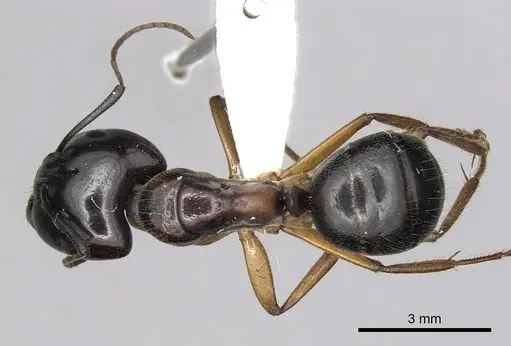
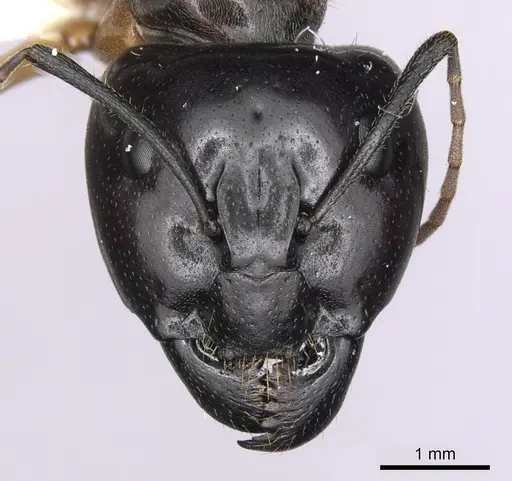
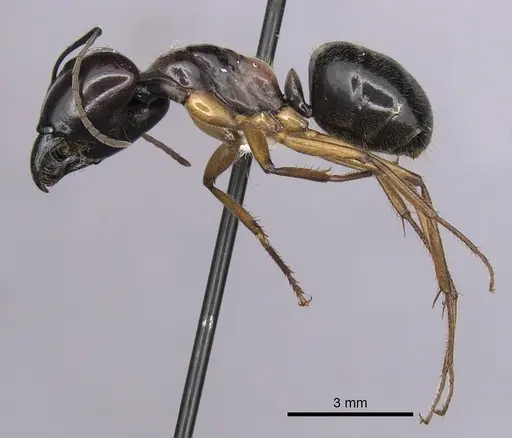
CASENT0280206
View on AntWeb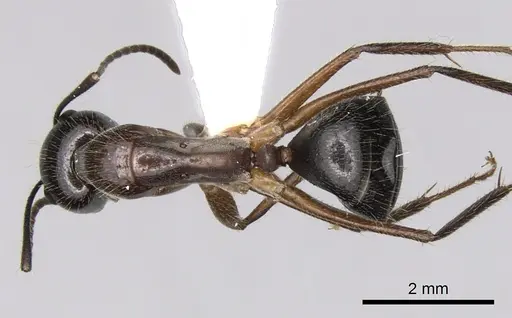
CASENT0887708
View on AntWeb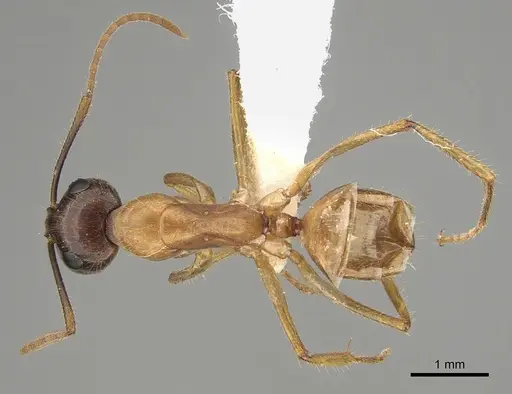
CASENT0887726
View on AntWeb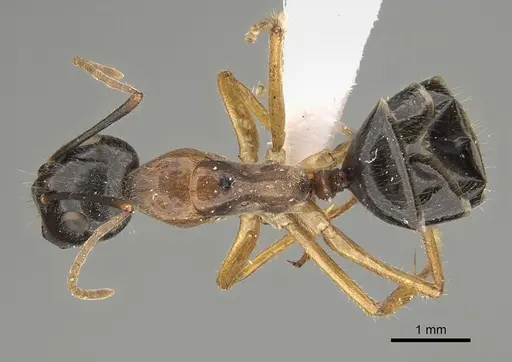
CASENT0903533
View on AntWeb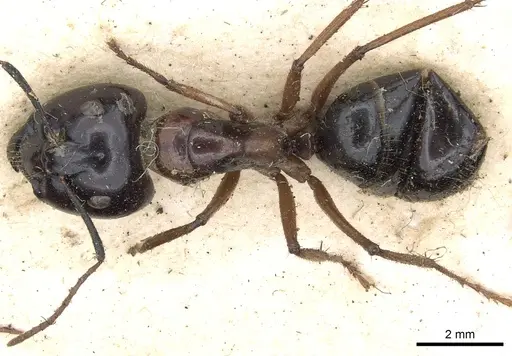
CASENT0903534
View on AntWeb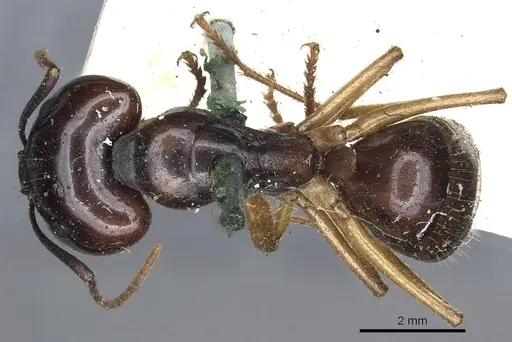
CASENT0911963
View on AntWeb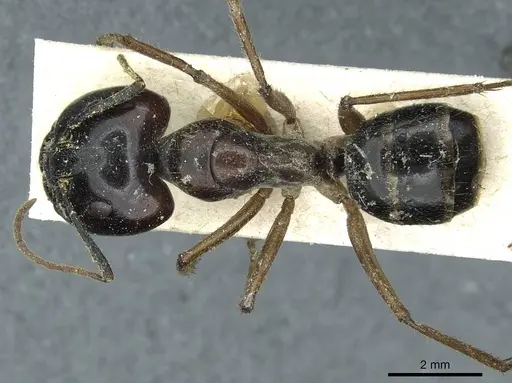
CASENT0911964
View on AntWeb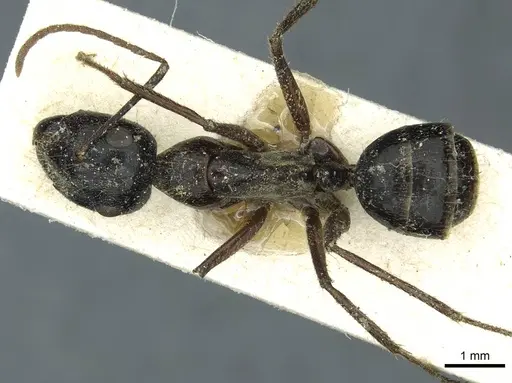
JDM32-001382
View on AntWeb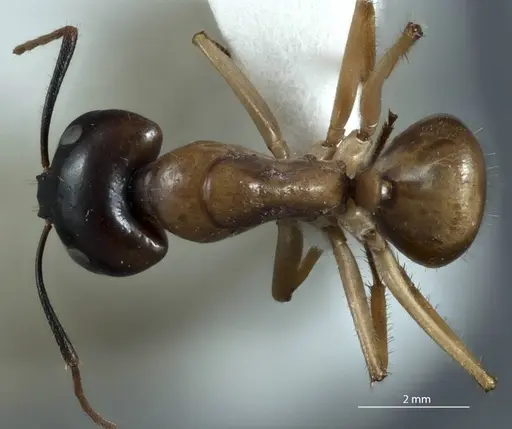
Literature
Loading...Loading products...