

Camponotus tepicanus
- Scientific Name
- Camponotus tepicanus
- Subgenus
- Tanaemyrmex
- Tribe
- Camponotini
- Subfamily
- Formicinae
- Author
- Pergande, 1896
- Distribution
- Found in 1 countries
Camponotus tepicanus Overview
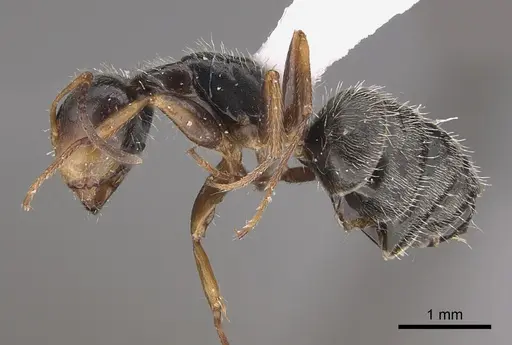
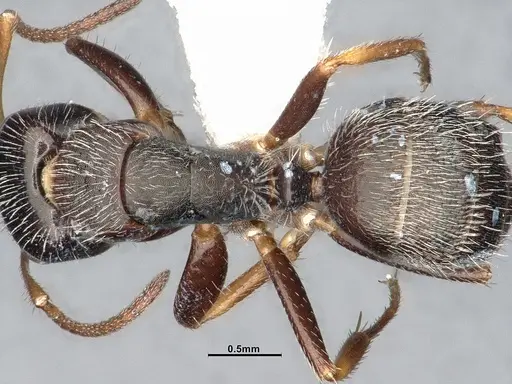
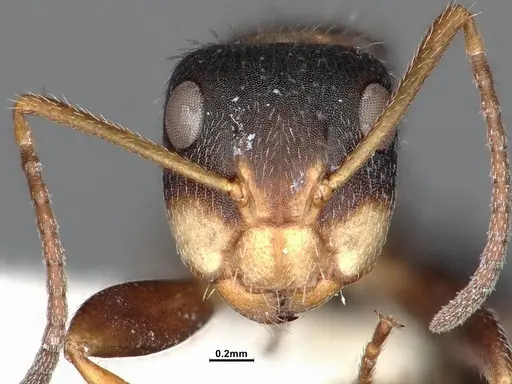
Camponotus tepicanus is an ant species of the genus Camponotus. It is primarily documented in 1 countries , including Mexico. Detailed taxonomic data and occurrence records can be further explored via authoritative databases such as AntWeb or the Global Biodiversity Information Facility (GBIF).
Camponotus tepicanus
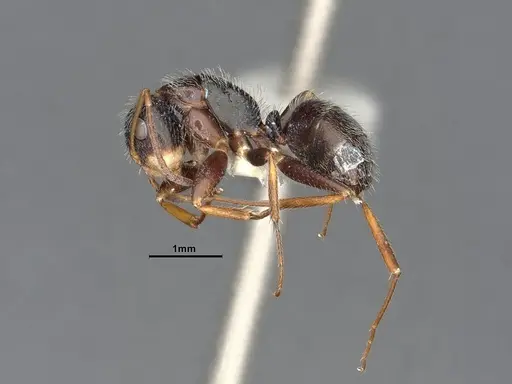
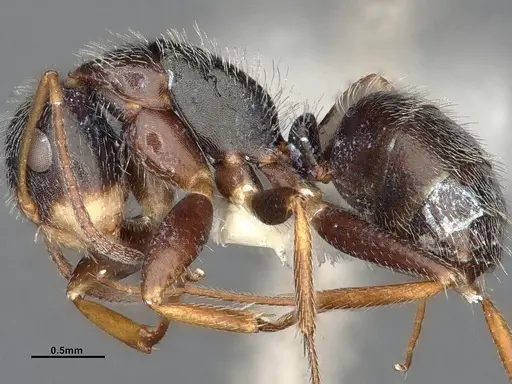
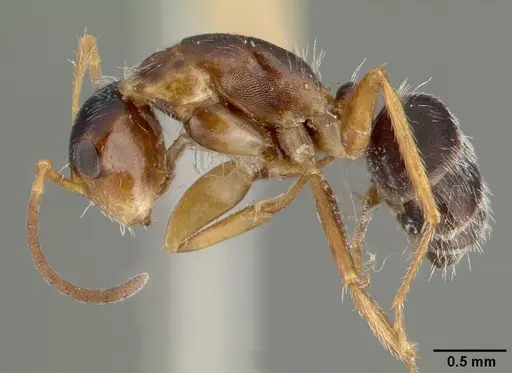
Camponotus tepicanus is a carpenter ant species native to central and western Mexico. Workers are typical of the genus, robust ants with a rounded thorax and relatively large size compared to many other ant groups. The species is known from the Hidalgo and Nayarit states, where it inhabits the warmer regions of the Mexican highlands [1]. As with other Camponotus species, these ants are wood-nesting and maintain moderate-sized colonies with a single reproductive queen. The genus Camponotus is known for having particularly long-lived queens and colonies that can persist for many years.
Quick Summary
- Difficulty: Medium
- Origin & Habitat: Central and western Mexico, specifically recorded in Hidalgo and Nayarit states. These regions feature warm, semi-arid to subtropical climates with distinct wet seasons [1].
- Colony Type: Single-queen colonies (monogyne) are typical for Camponotus species, though this specific species has not been extensively studied. Colonies likely follow the standard Camponotus pattern of one founding queen that establishes a permanent nest.
- Colony: Monogyne
- Founding: Claustral
- Size & Growth:
- Queen: Estimated 12-16mm based on typical Camponotus queen size range, no species-specific measurements available
- Worker: Estimated 6-12mm based on genus patterns, major workers larger than minors
- Colony: Likely several hundred workers at maturity based on typical Camponotus colony development
- Growth: Moderate, Camponotus species typically grow more slowly than smaller ants, taking several months to a year to establish first workers
- Development: Estimated 6-10 weeks at optimal temperature based on genus-level data for Camponotus species (Development time depends heavily on temperature, warmer conditions accelerate growth. First workers (nanitics) are typically smaller than normal workers.)
- Antkeeping:
- Temperature: Keep nest area at 24-28°C, Mexican distribution suggests they prefer warm conditions. A heating cable on one side of the nest creates a gradient allowing ants to self-regulate.
- Humidity: Moderate humidity around 50-60% is appropriate. Ensure the nest has a water source (test tube reservoir) but avoid waterlogging the substrate.
- Diapause: Likely reduced activity during cooler months but full hibernation is uncertain for this tropical/subtropical species. Consider a slight cooling period (15-18°C) during winter months if colony shows reduced activity.
- Nesting: In nature, Camponotus tepicanus nests in wood, dead trees, stumps, or structural wood. In captivity, a Y-tong (AAC) nest or wooden formicarium works well. Avoid overly moist substrates that could cause mold.
- Behavior: Camponotus tepicanus is likely similar to other carpenter ants, generally non-aggressive toward keepers, but workers will defend the nest if threatened. They are nocturnal foragers, often emerging in evening hours to search for sugar sources and protein. Escape risk is moderate due to their larger size compared to tiny ants, but standard barriers like fluon on test tube rims are usually sufficient. They are not known to be particularly aggressive or territorial outside their nest.
- Common Issues: colonies grow slowly and beginners may overfeed or disturb the nest too often, causing stress, queen mortality during founding is common, claustral queens seal themselves in and should not be disturbed for several weeks, wild-caught colonies may contain parasites that can decimate the colony in captivity, wood-nesting species are sensitive to moisture levels, too wet causes mold, too dry causes desiccation, larger colonies may outgrow small test tube setups and need transfer to larger formicaria
Nest Preferences
Camponotus tepicanus is a wood-nesting species, as typical of the genus. In the wild, they excavate galleries in dead wood, fallen logs, or sometimes structural wood in buildings. For captive colonies, a Y-tong (AAC) nest or wooden formicarium replicates their natural preferences well. The nest should have chambers sized appropriately for the colony, not excessively large for small colonies, as ants feel more secure in snugger spaces. A water test tube connected to the nest provides drinking water and maintains humidity. Avoid very wet substrates, as wood-nesting ants are prone to mold problems in overly moist conditions. [1]
Feeding and Diet
Like other Camponotus species, C. tepicanus is omnivorous with a preference for sugar sources. In captivity, offer sugar water (1:1 ratio) or honey water as a constant energy source. For protein, provide insects such as mealworms, crickets, or other small arthropods. Feed protein 2-3 times per week depending on colony size. Remove uneaten prey after 24-48 hours to prevent mold. Larger colonies will consume more food, adjust feeding frequency accordingly. Fresh fruit can occasionally be offered but is not a primary food source.
Temperature and Care
As a species from central and western Mexico, C. tepicanus prefers warm conditions. Maintain nest temperatures between 24-28°C for optimal brood development. Temperatures below 20°C can slow or halt brood development entirely. Use a heating cable placed on top of the nest (never underneath where it can dry out the substrate) to create a gentle warmth gradient. Room temperature may be sufficient if your home stays in this range. Monitor colony behavior, if workers cluster near the heat source, increase warmth slightly, if they avoid it, the nest may be too warm. [1]
Behavior and Temperament
Camponotus tepicanus exhibits typical carpenter ant behavior, generally calm and not prone to excessive biting or stinging. Workers are primarily nocturnal, often becoming more active in evening hours when foraging. They are not aggressive defenders but will protect their nest if directly threatened. The colony will establish a single nest site and expand galleries as the population grows. Major workers (larger individuals) typically appear as the colony matures and assist with brood care and food processing. Escape prevention is straightforward for this species due to their larger size, standard fluon barriers on test tube rims are effective.
Colony Founding
Colony founding in C. tepicanus follows the typical Camponotus claustral pattern. After mating during nuptial flights, the queen finds a suitable nesting site in wood or under loose bark, seals herself in a small chamber, and remains there while laying eggs and raising the first brood. She lives entirely on her stored fat reserves and wing muscles, she does not leave to forage during founding. This process takes several weeks to months depending on temperature. The first workers (nanitics) are typically smaller than normal workers and emerge ready to forage for food to feed the growing colony. Disturbing a founding queen during this period can cause abandonment or death, patience is essential.
Frequently Asked Questions
How long does it take for Camponotus tepicanus to get their first workers?
Based on typical Camponotus development, expect first workers (nanitics) to emerge 6-10 weeks after eggs are laid, assuming optimal temperature around 24-28°C. Cooler temperatures will significantly slow development.
Can I keep multiple Camponotus tepicanus queens together?
Not recommended. Camponotus species are typically monogyne (single queen) and queens will fight if housed together. Only attempt pleometrosis (multiple queens) if you have experience and are prepared to separate them.
What temperature do Camponotus tepicanus ants need?
Keep them warm at 24-28°C. This species comes from central and western Mexico where temperatures are consistently warm. A heating cable on the nest can maintain these temperatures.
What do Camponotus tepicanus eat?
They are omnivorous with a preference for sugar. Offer sugar water or honey water constantly, and protein (insects like mealworms or crickets) 2-3 times per week.
Are Camponotus tepicanus good for beginners?
They are considered medium difficulty. They are more forgiving than some tropical species but grow more slowly than smaller ants. Beginners should research claustral founding requirements before purchasing a queen.
When should I move Camponotus tepicanus to a formicarium?
Move them when the test tube colony reaches 20-30 workers or when the test tube becomes cramped. A Y-tong nest works well for this species. Ensure the new nest has appropriate humidity and is properly set up before transferring.
Do Camponotus tepicanus need hibernation?
Full hibernation is likely not required given their tropical/subtropical origin in Mexico. However, a slight cooling period (15-18°C) during winter months may benefit the colony if room temperature is normally higher. Observe your colony's behavior.
How big do Camponotus tepicanus colonies get?
Based on typical Camponotus patterns, mature colonies likely reach several hundred workers. The queen can live for many years, allowing colonies to grow substantial over time.
Why is my Camponotus tepicanus colony not growing?
Common causes include temperatures below 20°C (slows development), insufficient protein in diet, disturbance during founding, or parasites. Check temperature, feeding schedule, and ensure the queen is healthy and未被干扰.
References

This caresheet is licensed under CC BY-SA 4.0 .
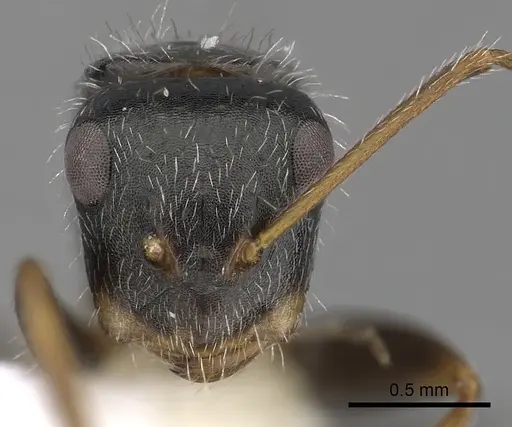
CASENT0280077
View on AntWeb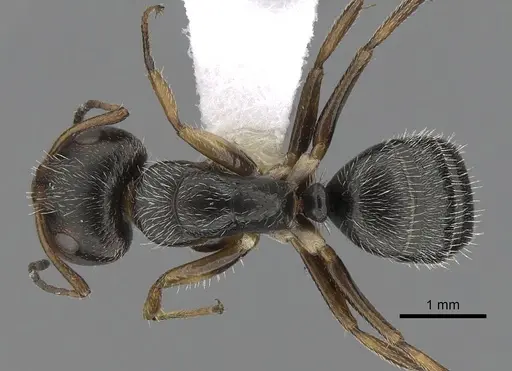
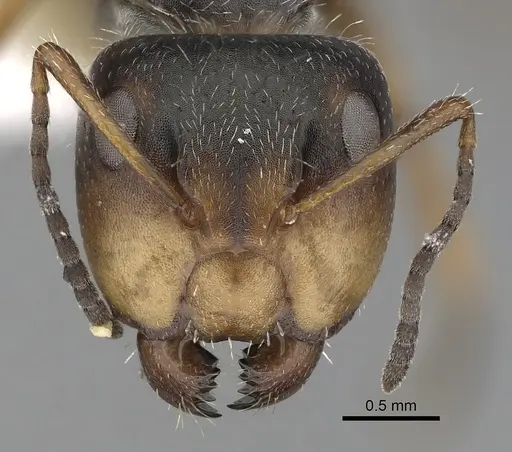
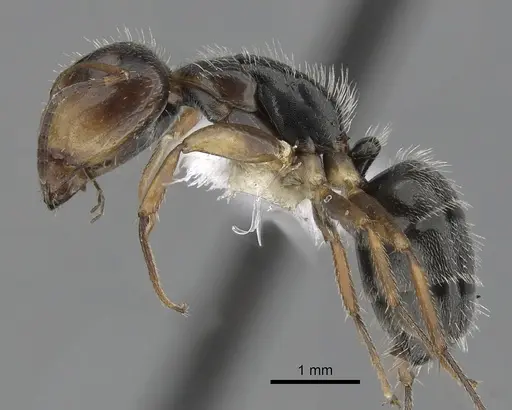
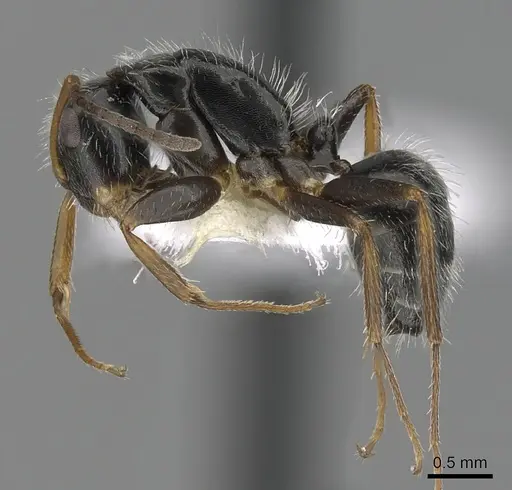
CASENT0280078
View on AntWeb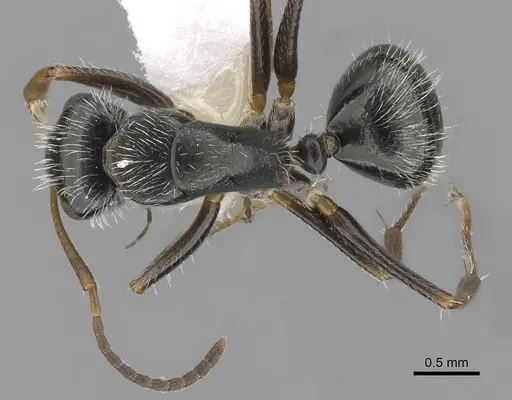
CASENT0923556
View on AntWeb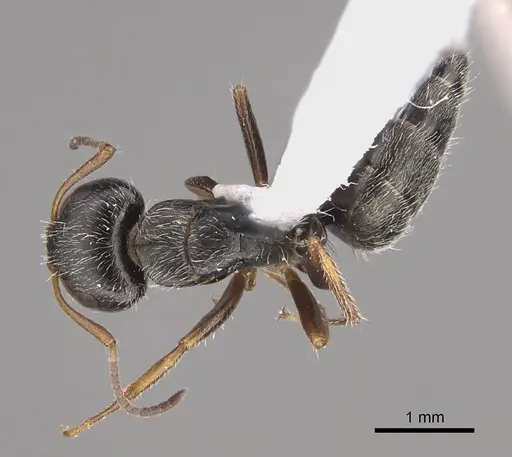
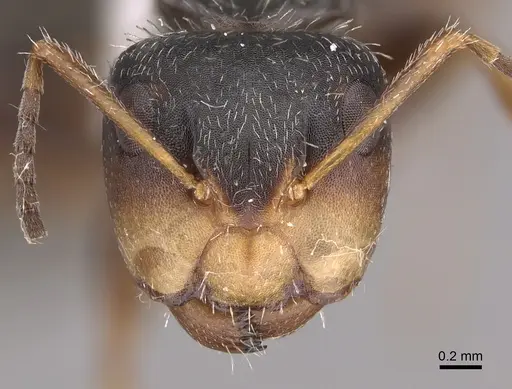
CASENT4032220
View on AntWeb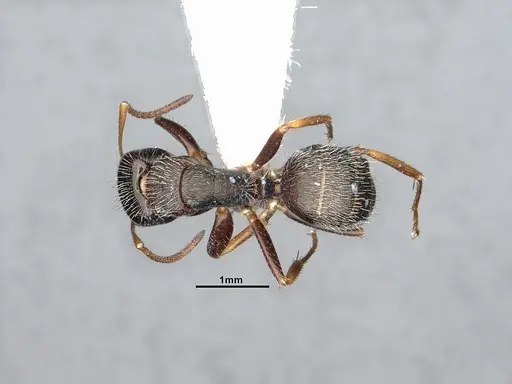
CASTYPE00605
View on AntWeb

Literature
Loading...Loading products...