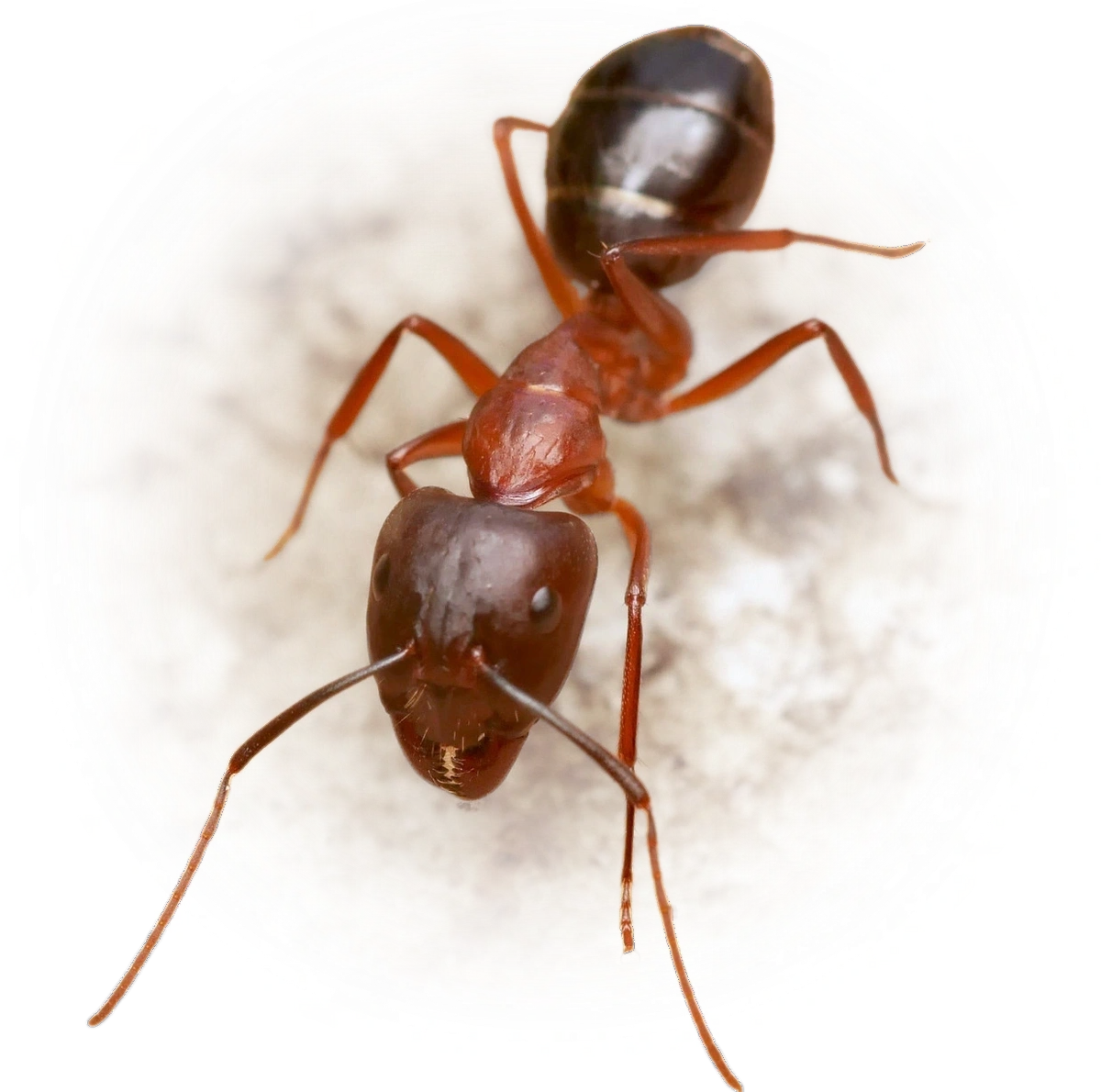

Camponotus sylvaticus
- Scientific Name
- Camponotus sylvaticus
- Subgenus
- Tanaemyrmex
- Tribe
- Camponotini
- Subfamily
- Formicinae
- Author
- Olivier, 1792
- Distribution
- Found in 4 countries
Camponotus sylvaticus Overview
Camponotus sylvaticus is an ant species of the genus Camponotus. It is primarily documented in 4 countries , including Spain, France, Portugal. Detailed taxonomic data and occurrence records can be further explored via authoritative databases such as AntWeb or the Global Biodiversity Information Facility (GBIF).
Camponotus sylvaticus
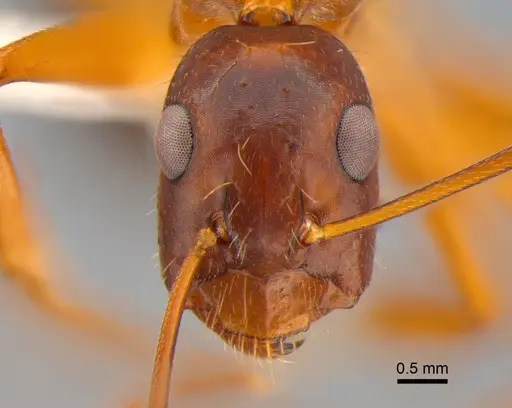
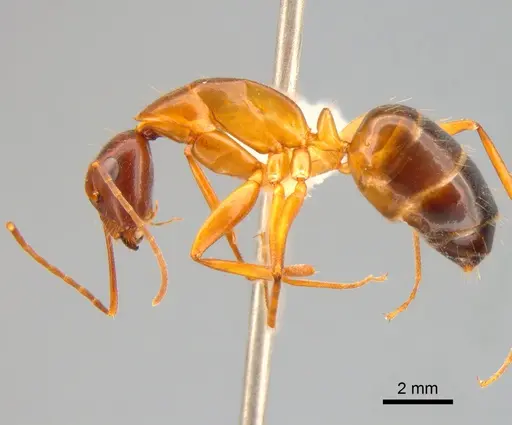
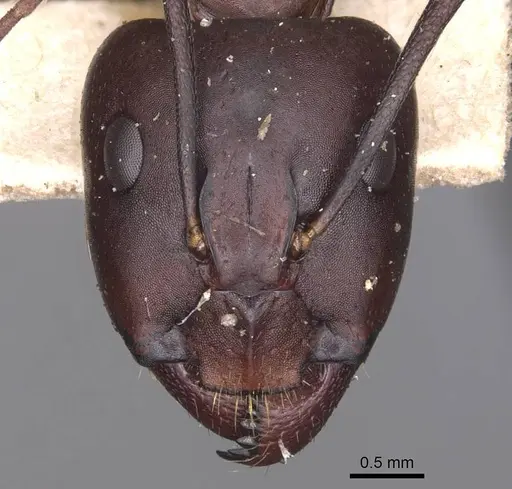
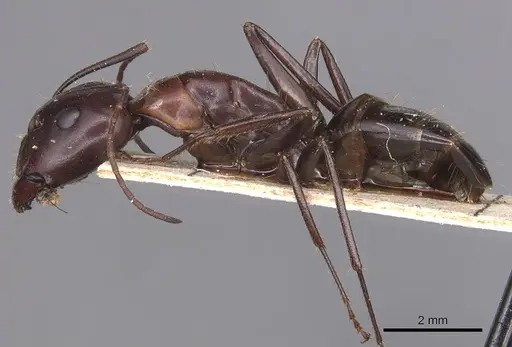
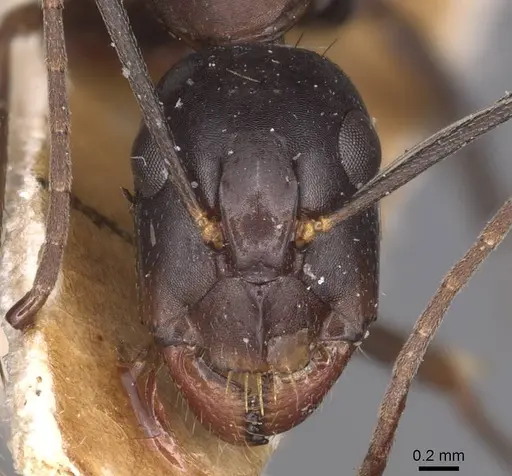
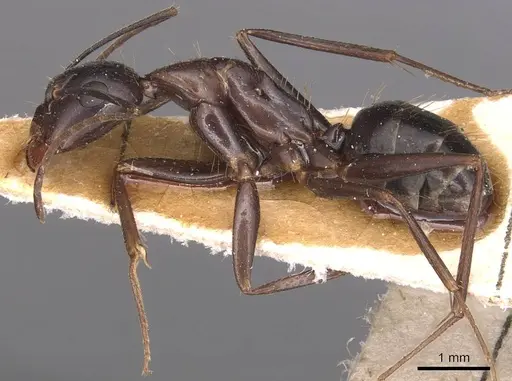
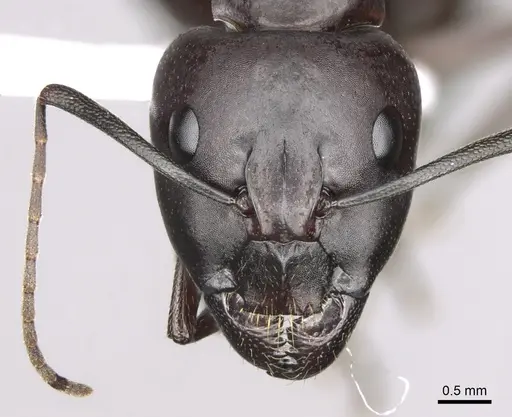
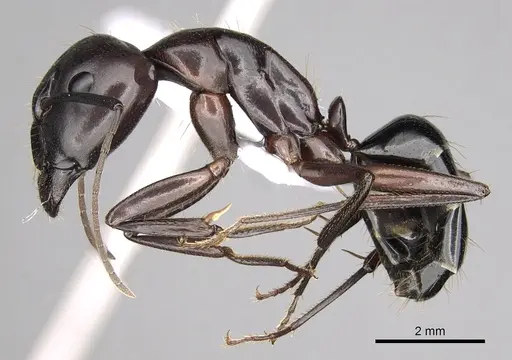
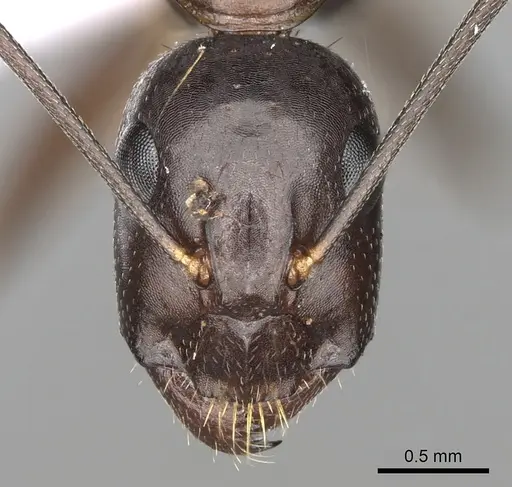
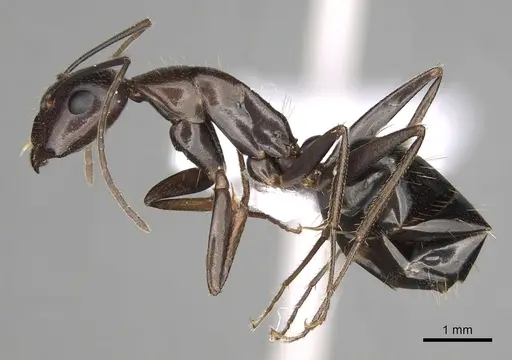
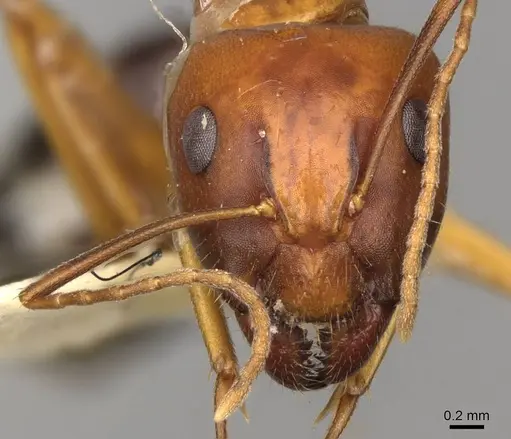
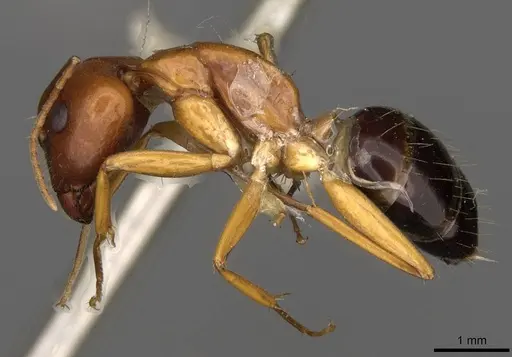
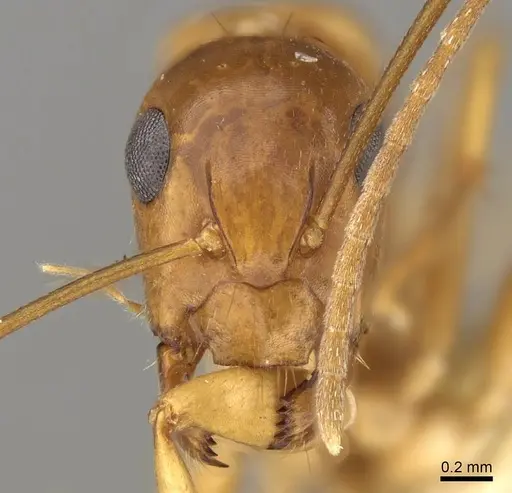
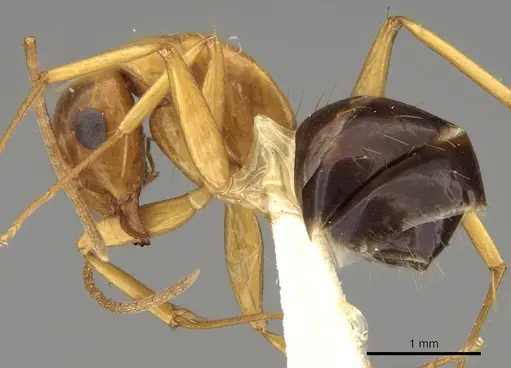
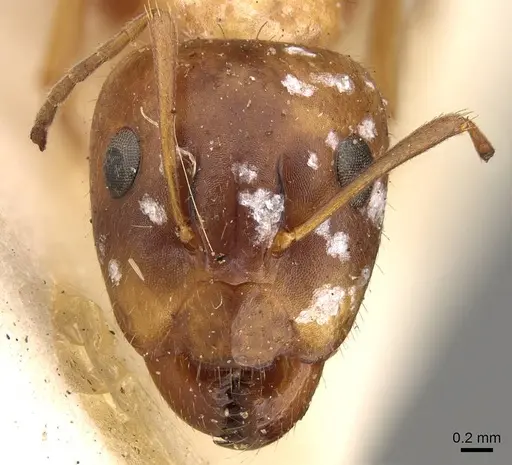
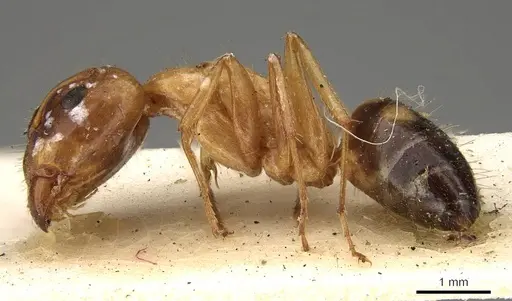
Camponotus sylvaticus is a large, highly polymorphic carpenter ant native to the western Mediterranean region. Workers range dramatically in size from 5.3mm to 13.2mm, with major workers developing large heads and powerful mandibles [1][2]. The species is primarily black with brownish-red coloration on the legs and mandibles. This ant is a dominant species in Mediterranean ecosystems, known for its aggressive behavior and ability to defend resources both within the nest and at food sites [1].
What makes C. sylvaticus particularly interesting is its unusual activity pattern. Unlike most ants that forage during the day, these ants are primarily crepuscular and nocturnal, waiting until sunset to begin foraging regardless of temperature [2][3]. They are also known to tend lycaenid butterfly larvae, forming mutualistic relationships with these butterflies [4]. This species uses group recruitment to coordinate food discovery, sending multiple workers to rich food sources [5][6].
Quick Summary
- Difficulty: Medium
- Origin & Habitat: Western Mediterranean region, found throughout Portugal, Spain, France, Italy, and into Bulgaria and Greece [7]. This is a xerophilous species that prefers warm, sunny, open habitats with low vegetation and rocky areas [8]. It nests under stones in open woodland and cleared sunny terrain [9]. Elevation range extends from sea level up to about 1,400 meters in some regions [10].
- Colony Type: Monogyne, single queen colonies with monogynous structure [1][11]. Colonies are monodomous (single nest) and can grow to contain thousands of workers [5][12].
- Colony: Monogyne
- Founding: Claustral
- Size & Growth:
- Queen: Estimated 14-16mm based on genus patterns
- Worker: 5.3-13.2mm highly polymorphic [1][2]
- Colony: Thousands of workers [5][12]
- Growth: Moderate
- Development: 6-8 weeks (inferred from typical Camponotus development at warm temperatures) (Brood develops throughout the year in Mediterranean climates [12]. First workers (nanitics) typically appear smaller but develop quickly once the colony is established.)
- Antkeeping:
- Temperature: Keep nest area at 22-26°C. This species is well-adapted to warm Mediterranean conditions with a critical thermal maximum of 46°C and prefers foraging temperatures around 28°C [2][12]. A heating cable on one side of the nest creates a useful gradient.
- Humidity: Moderate humidity around 50-60%. As a xerophilous species, they prefer drier conditions than many other ants, allow the nest to dry out between waterings and provide a water tube as the primary moisture source.
- Diapause: Yes, a winter rest period of 8-12 weeks at 10-15°C is recommended to simulate Mediterranean winter conditions [13].
- Nesting: Y-tong (AAC) nests work well, or test tube setups with a dry area. Because they are xerophilous, avoid overly damp substrates. Provide a gradient from slightly moist to dry. Naturalistic setups with flat stones on sandy soil also mimic their natural nesting under stones [9].
- Behavior: This is an aggressive, dominant species that actively defends food resources and territory [1]. Workers show the gaster flex behavior (bending the abdomen to deliver formic acid) when threatened. They are primarily crepuscular and nocturnal, becoming active at dusk and continuing through the night [2][3]. Major workers can deliver a painful bite if handled roughly. Escape prevention is important, use fluon on test tube rims and ensure any formicarium has tight-fitting barriers. They are group recruiters, sending multiple workers to food sources [5][6].
- Common Issues: colonies may fail if kept too damp, this is a xerophilous species that prefers drier conditions, nocturnal activity pattern can surprise keepers who expect daytime foraging, large major workers can be aggressive and may attempt to bite when disturbed, colonies grow slowly initially, patience is needed during the founding phase, test tube setups may need additional escape prevention as major workers are quite strong
Nest Preferences and Setup
Camponotus sylvaticus naturally nests under stones in open woodland and sunny, cleared areas with low vegetation [9][8]. In captivity, they adapt well to various setups. Y-tong (AAC) nests are excellent because they allow you to control humidity precisely, keep the nest mostly dry with just a small water chamber. Test tube setups also work well, but ensure the cotton is not too damp. These ants prefer a temperature gradient in their nest area, so placing the nest on a heating cable or mat on one side (never directly on top to avoid overheating) creates ideal conditions. The nest should be kept at 22-26°C with a slight drop toward the cooler end. Because they are a xerophilous species, avoid substrates that stay constantly wet, allow periods of drying between waterings.
Feeding and Diet
In the wild, C. sylvaticus has a diet that is quite strictly sugary, they primarily feed on honeydew from aphids and nectar from flowers [14]. They are considered nectivorous with some scavenging behavior. In captivity, offer sugar water or honey water as a constant food source. For protein, provide insects like fruit flies, small crickets, or mealworms. Because they are not highly predatory, protein foods should be offered 2-3 times per week. They are known to tend aphids in captivity if given access to plants, so this can be a sustainable food source. Avoid overfeeding protein as these ants prefer sugar-based foods. Fresh fruit can also be accepted occasionally. The key is providing a constant sugar source (honey water or sugar water) while offering protein prey 2-3 times weekly.
Temperature and Seasonal Care
This species is well-adapted to Mediterranean warmth, with a critical thermal maximum of 46°C and preferred foraging temperature around 28°C [2][15]. However, they are most active during cooler crepuscular and nocturnal hours, avoiding the hottest part of the day. Keep the nest at 22-26°C for optimal brood development. During winter, provide a diapause period of 8-12 weeks at 10-15°C to simulate Mediterranean winter conditions. This rest period helps synchronize the colony's annual cycle and promotes healthy brood development in spring. Do not keep them at room temperature year-round without a winter rest, this can weaken the colony over time. In summer, they can tolerate brief temperature spikes up to 40°C but should not be exposed to such heat continuously.
Behavior and Foraging
Camponotus sylvaticus is one of the most aggressive and dominant ant species in Mediterranean communities [1]. They actively defend food resources and territory, and are known to win conflicts with most other ant species. Workers use group recruitment, sending multiple nestmates to food discoveries [5][6]. Their activity pattern is unusual, they are primarily crepuscular and nocturnal, waiting until sunset to begin foraging regardless of temperature [2][3]. In spring they may show more diurnal activity, but in summer they become predominantly nocturnal. This means you will see most activity in the evening and night hours. When threatened, major workers can deliver a painful bite and use their gaster flex behavior to spray formic acid. They are known to tend lycaenid butterfly larvae, forming mutualistic relationships where the ants protect the butterflies in exchange for honeydew [4].
Growth and Development
Colonies grow moderately fast once established, but the founding phase requires patience. Queens are claustral, they seal themselves in a chamber and survive on stored fat reserves while raising the first brood [13]. First workers (nanitics) are smaller but quickly replaced by larger majors as the colony grows. The worker caste is highly polymorphic, with major workers developing large heads and powerful mandibles for defense and seed processing [1]. Brood development occurs throughout the year in wild colonies [12], but in captivity you should expect slower growth during winter diapause. Expect 6-8 weeks from egg to first worker at optimal temperatures (around 24-26°C). Colonies can eventually reach several thousand workers, making them impressive display colonies.
Common Problems and Solutions
The main issues keepers face with C. sylvaticus relate to their xerophilous nature. Keeping them too damp is the most common mistake, this species prefers drier conditions. Use a water tube but avoid wet substrates. Another issue is their nocturnal activity pattern, new keepers may think something is wrong when the colony is inactive during the day. This is normal behavior. Their large size and aggressive defense means they can bite if handled roughly, always use gentle techniques when transferring or observing. Escape prevention is important because major workers are strong and determined, use fluon on all edges and test tube rims. Finally, be patient during founding, these ants are not the fastest growers and may take several months to produce their first workers. [8][2]
Frequently Asked Questions
How long does it take for Camponotus sylvaticus to produce first workers?
Expect 6-8 weeks from egg to first worker at optimal temperatures around 24-26°C. The queen seals herself in during founding and raises the first brood alone on stored fat reserves. This is a moderate growth rate compared to some faster Camponotus species.
Can I keep multiple Camponotus sylvaticus queens together?
No. This is a monogyne species with single-queen colonies. Multiple unrelated queens will fight. Only one queen should be kept per colony setup.
What temperature range is best for Camponotus sylvaticus?
Keep the nest at 22-26°C. They can tolerate temperatures from about 15°C up to 40°C, but optimal brood development occurs in the mid-20s°C. A heating cable on one side of the nest creates a useful gradient.
How often should I feed Camponotus sylvaticus?
Provide sugar water or honey water constantly, this is their primary food source. Offer protein (insects) 2-3 times per week. Remove uneaten prey after 24 hours to prevent mold.
Do Camponotus sylvaticus need hibernation?
Yes, a winter diapause of 8-12 weeks at 10-15°C is recommended. This simulates their natural Mediterranean seasonal cycle and helps maintain colony health. Keep them in a cool basement, garage, or refrigerator during this period.
Are Camponotus sylvaticus good for beginners?
This is a medium-difficulty species. They are more forgiving than some tropical ants regarding temperature, but their xerophilous nature requires careful humidity management. Their nocturnal/crepuscular activity may surprise beginners. They are rewarding once you understand their preferences.
When should I move Camponotus sylvaticus to a formicarium?
Wait until the colony has at least 20-30 workers and is actively foraging. This typically takes 6-12 months after founding. Moving too early can stress the colony. A Y-tong or acrylic nest works well once they outgrow a test tube setup.
Why is my Camponotus sylvaticus colony not active during the day?
This is normal behavior. C. sylvaticus is primarily crepuscular and nocturnal, they wait until sunset to begin foraging [2][3]. In spring they may show more daytime activity, but in summer expect most activity in evening and night hours.
How big do Camponotus sylvaticus colonies get?
Colonies can grow to several thousand workers [5][12]. The worker caste is highly polymorphic, with major workers reaching 13mm while minors are only 5-3mm. This makes for an impressive colony once established.
Why are my Camponotus sylvaticus dying?
The most common cause is keeping them too damp, this is a xerophilous species that prefers drier conditions [8]. Check that your setup allows the nest to dry between waterings. Also ensure temperatures are appropriate (22-26°C) and provide the winter diapause period. Poor nutrition or mold from overfeeding can also cause issues.
References

This caresheet is licensed under CC BY-SA 4.0 .
ANTWEB1041874
View on AntWeb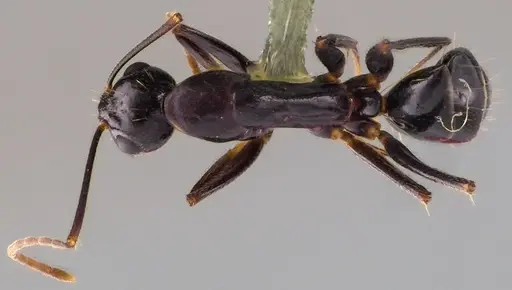
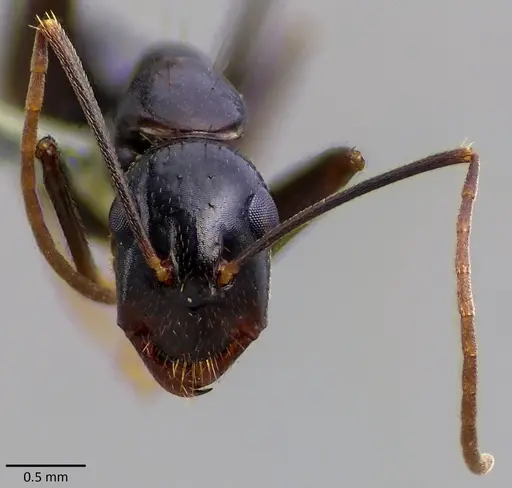
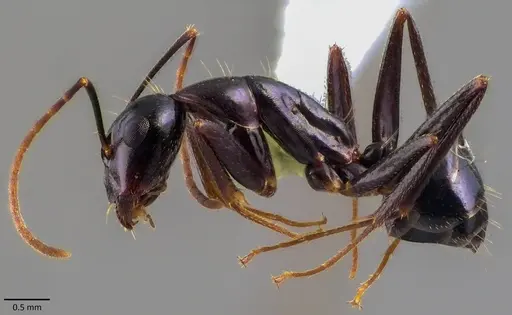
CASENT0882019
View on AntWeb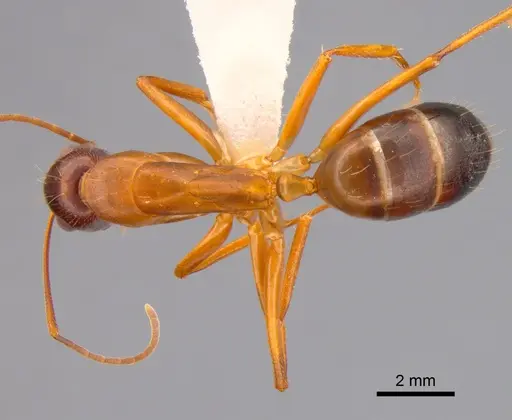
CASENT0905294
View on AntWeb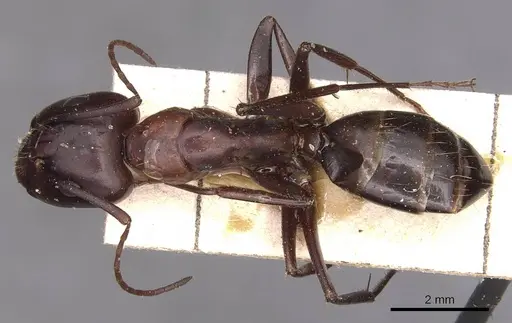
CASENT0905295
View on AntWeb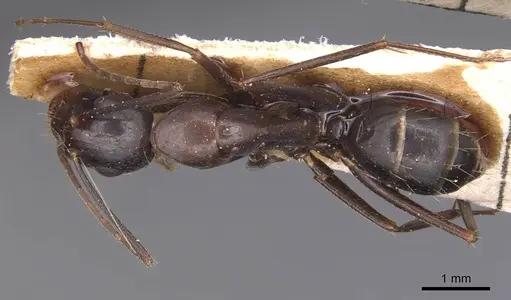
CASENT0906060
View on AntWeb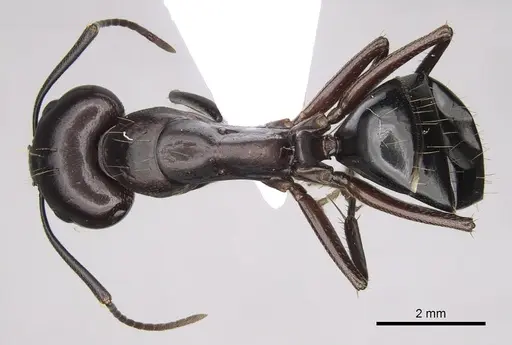
CASENT0906061
View on AntWeb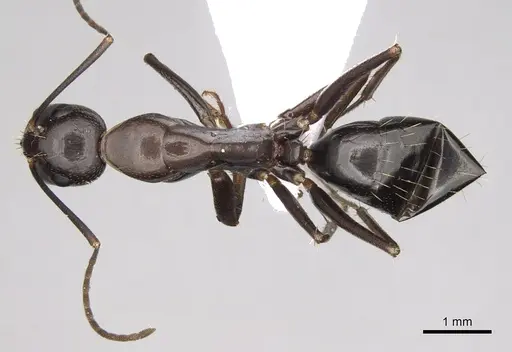
CASENT0906985
View on AntWeb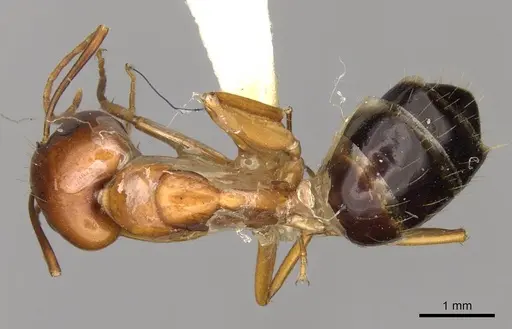
CASENT0906986
View on AntWeb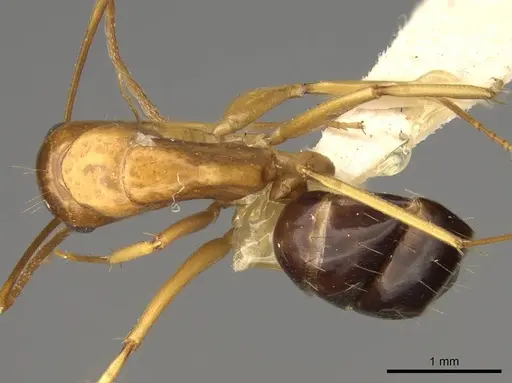
CASENT0906987
View on AntWeb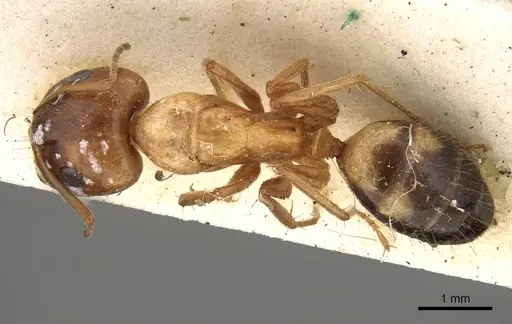
Literature
Loading...Loading products...