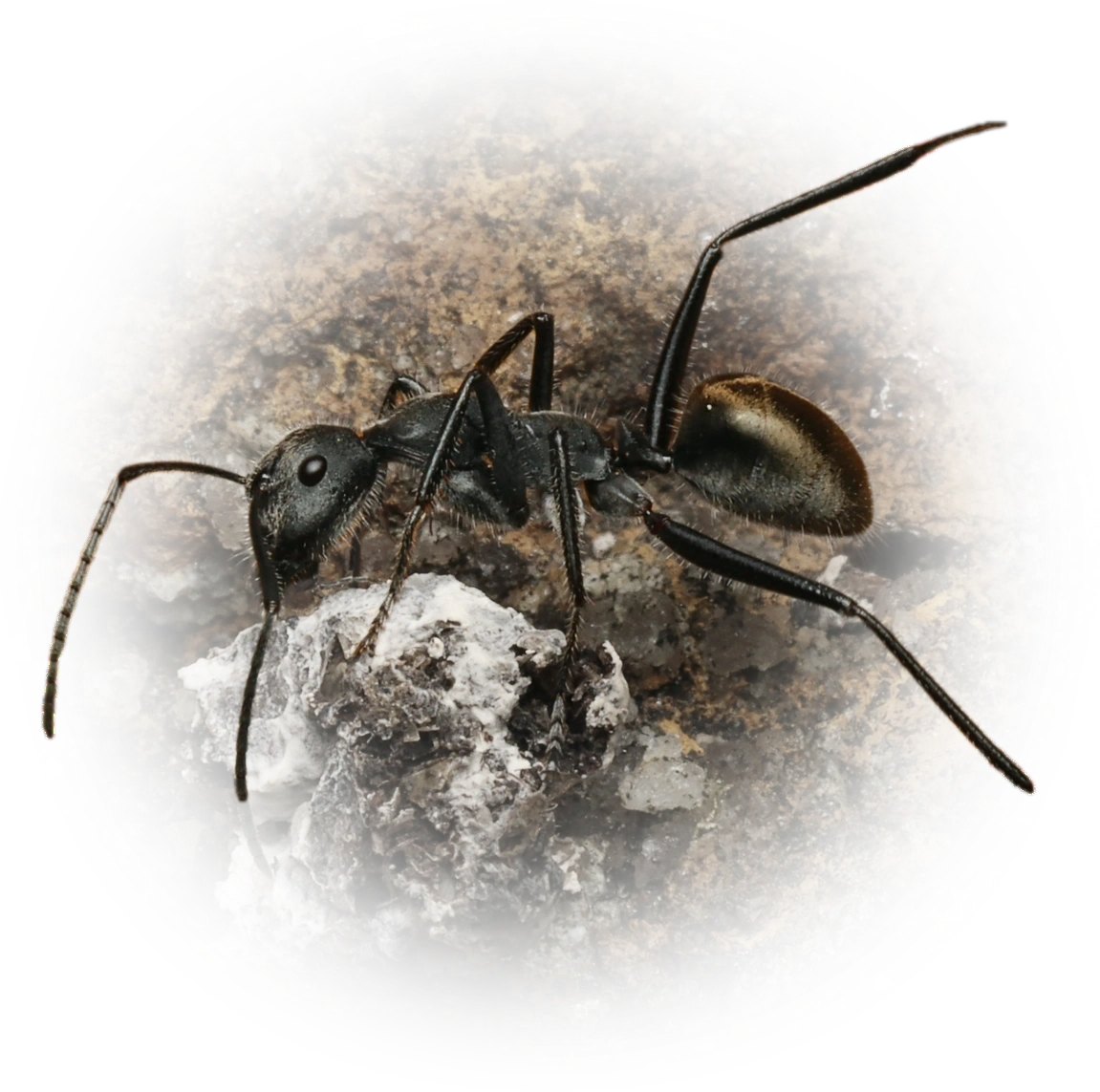

Camponotus suffusus
- Scientific Name
- Camponotus suffusus
- Subgenus
- Myrmosaulus
- Tribe
- Camponotini
- Subfamily
- Formicinae
- Author
- Smith, 1858
- Distribution
- Found in 1 countries
Camponotus suffusus Overview
Camponotus suffusus is an ant species of the genus Camponotus. It is primarily documented in 1 countries , including Australia. Detailed taxonomic data and occurrence records can be further explored via authoritative databases such as AntWeb or the Global Biodiversity Information Facility (GBIF).
Camponotus suffusus
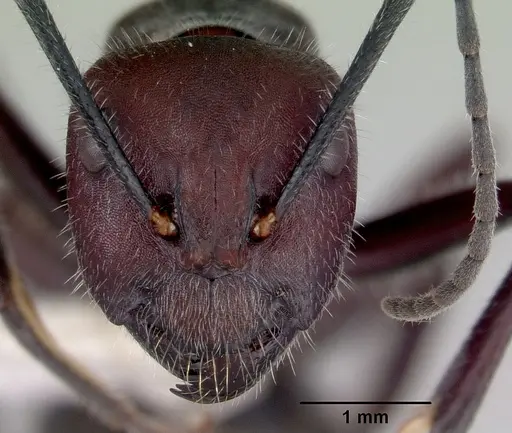
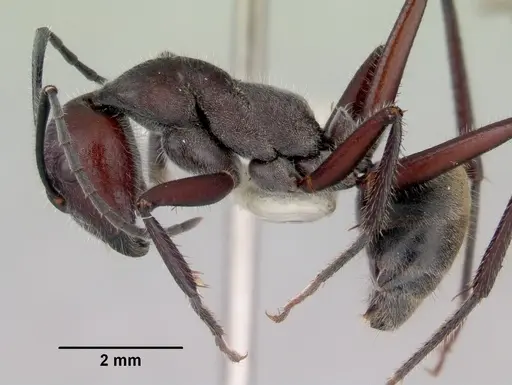
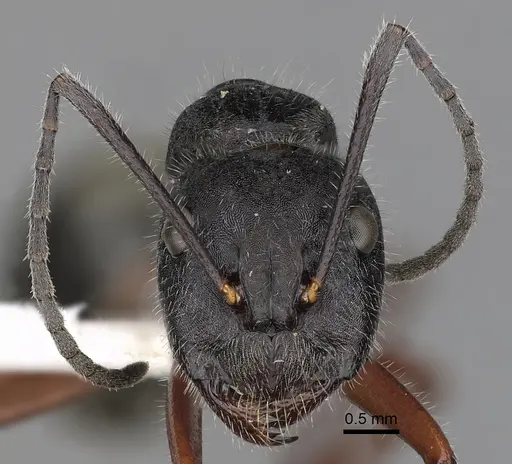
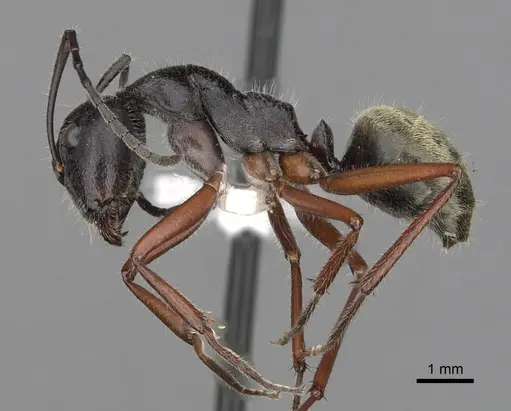
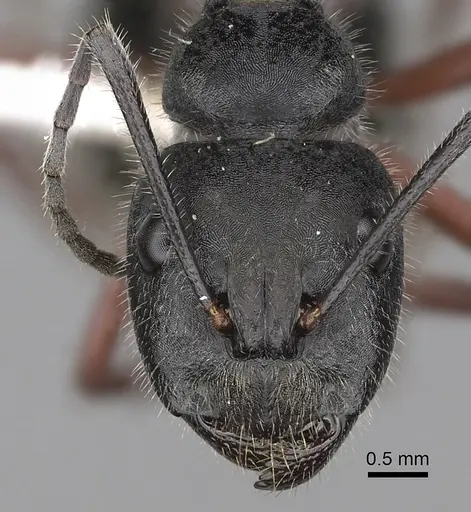
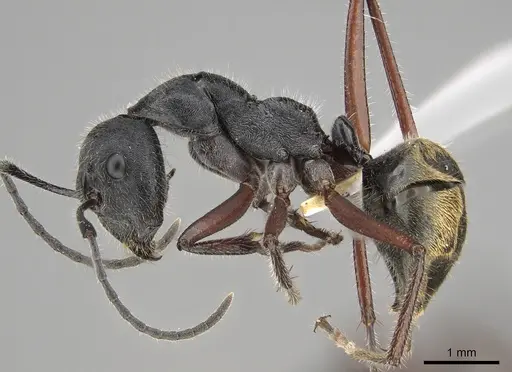
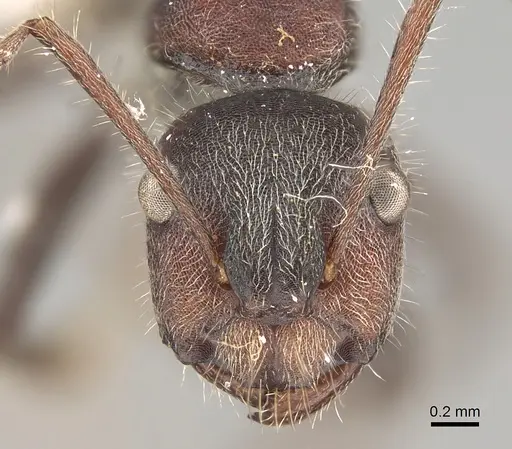
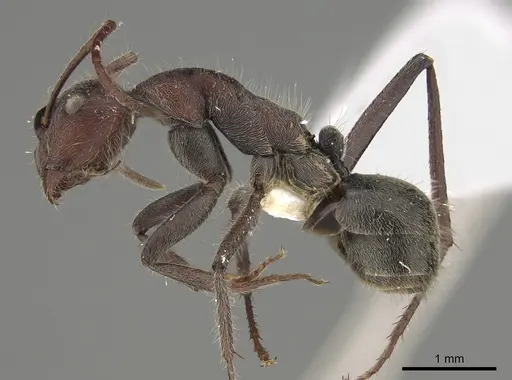
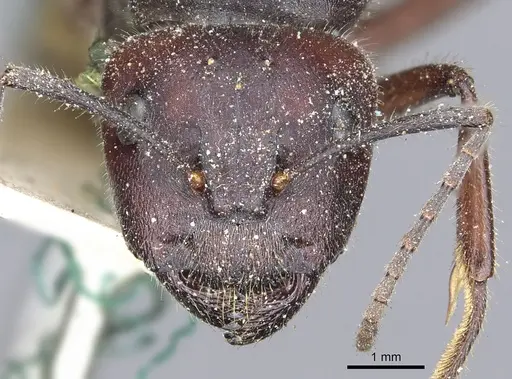
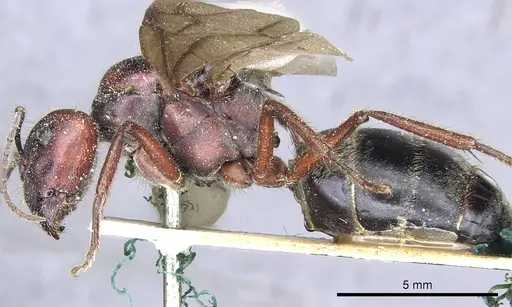
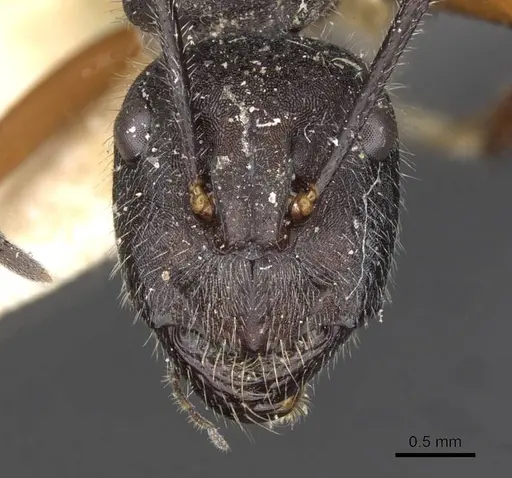
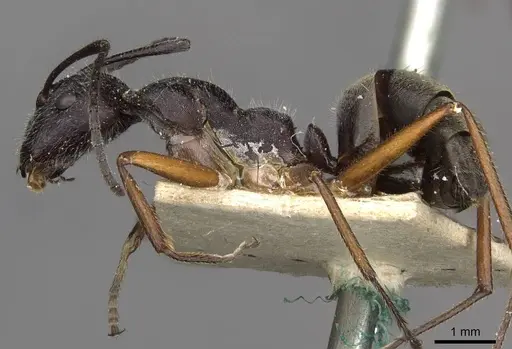
Camponotus suffusus is a large Australian carpenter ant species known for its distinctive golden pubescence covering the body. Workers measure around 8mm and are reddish-brown to almost black in color, with notably brownish-red legs. The gaster (abdomen) displays a beautiful golden sheen from the dense golden-yellow hairs that lie flat against the body. Queens are significantly larger and were originally described at 14mm in length. This species belongs to the Formicinae subfamily and is native to Australia, where it nests in various habitats across the continent. The species has a close relationship with Blochmannia bacteria, a nutritional symbiont that helps them process their diet [1][2].
Quick Summary
- Difficulty: Medium
- Origin & Habitat: Australia, found throughout the continent in various habitats including open forests and urban areas [3][4]
- Colony Type: Monogyne (single queen colonies), typical for Camponotus species
- Colony: Monogyne
- Founding: Claustral
- Size & Growth:
- Queen: Approximately 14mm (originally described at 7 lines ≈ 14mm) [5]
- Worker: Approximately 8mm [6]
- Colony: Large colonies typical for Camponotus, can reach several thousand workers
- Growth: Moderate to slow, Camponotus species are known for their relatively slow development compared to faster-growing genera
- Development: Approximately 6-8 weeks at optimal temperature, typical for Camponotus genus (Development is temperature-dependent, warmer conditions within acceptable range accelerate development. Nanitics (first workers) are typically smaller than normal workers.)
- Antkeeping:
- Temperature: Keep at 20-26°C with a gentle gradient. Room temperature (around 22°C) is typically suitable. Provide a heating cable on one side of the nest to create a temperature gradient allowing ants to self-regulate.
- Humidity: Moderate humidity around 50-60%. Keep nest substrate slightly moist but not waterlogged. Provide a water tube for drinking access.
- Diapause: Yes, as an Australian species from temperate regions, they benefit from a winter rest period of 2-3 months at temperatures around 10-15°C. Reduce feeding and activity during this period.
- Nesting: Y-tong (AAC) nests or plaster nests work well. Provide narrow chambers scaled to their large size. They prefer dark, secure nesting areas. Naturalistic setups with rotting wood also mimic their natural nesting preferences.
- Behavior: Generally calm and non-aggressive for a large ant species. Workers are active primarily at night (nocturnal foraging patterns). They are not particularly defensive and rarely sting. Escape risk is moderate, their large size makes them easier to contain than tiny ants, but they can still climb smooth surfaces. They are omnivorous, accepting sugar sources (honey, sugar water) and protein (insects, cat food).
- Common Issues: slow growth can frustrate beginners who overfeed or disturb the colony, queens can be difficult to establish, claustral founding requires patience and minimal disturbance, colonies need space to expand as they grow, cramped conditions lead to stress, winter dormancy is important for colony health, skipping diapause can weaken the colony, large workers can be mistaken for queens by inexperienced keepers
Housing and Nest Setup
Camponotus suffusus does well in Y-tong (acrylic) nests or plaster nests that provide dark, secure chambers. The chambers should be appropriately sized for their large 8mm workers, not too cramped but not excessively spacious either. A test tube setup works well for founding colonies, with the queen sealed in a dark corner. As the colony grows, you can transition to a formicarium. Provide a constant water source via a test tube with a cotton wick or a dedicated water reservoir. These ants are not particularly good climbers on smooth surfaces compared to some other species, but standard escape prevention measures (fluon on rim edges) are still recommended. The outworld should be large enough for foraging and food storage. [6]
Feeding and Diet
Like other Camponotus species, C. suffusus is omnivorous but has a strong preference for sugar sources. Offer honey, sugar water, or commercial ant nectar as a constant food source. For protein, provide insects such as mealworms, crickets, or fruit flies. They also readily accept protein-rich foods like cat food or boiled egg. Feed protein 2-3 times per week, and ensure sugar water or honey is always available. Remove uneaten protein after 24-48 hours to prevent mold. The golden pubescence on their gaster is a distinctive feature, but it doesn't affect their dietary needs, they share the typical Camponotus diet of nectar, honeydew, and insects.
Temperature and Seasonal Care
Maintain temperatures between 20-26°C for optimal colony health and development. A temperature gradient is ideal, allow the ants to choose their preferred warmth. During summer months, room temperature is typically suitable. In winter or in cooler climates, provide gentle heating via a heating cable placed on top of the nest (never underneath where it can dry out the substrate). As an Australian species, C. suffusus benefits from a winter dormancy period. Reduce temperatures to 10-15°C for 2-3 months during winter. During this period, reduce feeding significantly and expect minimal activity. Do not feed during deep dormancy. This rest period helps maintain colony health and supports proper seasonal rhythms. [3]
Colony Development and Growth
Camponotus colonies are known for their relatively slow but steady growth compared to many other ant genera. The claustral founding queen will seal herself in a chamber and survive solely on her stored fat reserves while raising the first brood. This initial period can take 4-8 weeks or longer depending on temperature. The first workers (nanitics) will be smaller than subsequent generations. After the nanitics emerge, the queen stops foraging entirely, and workers take over all colony tasks. Growth from this point depends on feeding and temperature, well-fed colonies at optimal temperatures develop faster. A mature colony can reach several thousand workers over several years. Patience is key with this species, rushing or disturbing a founding colony often leads to failure. [5]
Behavior and Temperament
Camponotus suffusus is generally a calm, docile species that is well-suited for antkeeping. Workers are primarily nocturnal, becoming more active in the evening and night hours. They are not particularly defensive and rarely attempt to sting, making them suitable for keepers who want large, impressive ants without aggressive behavior. The species is known for its distinctive appearance, the golden-yellow pubescence covering the body, especially prominent on the gaster, gives them a somewhat fuzzy or golden appearance under good lighting. Workers are robust and relatively long-lived compared to smaller ant species. They communicate through chemical signals and will readily recruit nestmates to food sources. [1]
Frequently Asked Questions
How long does it take for Camponotus suffusus to raise their first workers?
The time from founding to first workers (nanitics) is typically 6-8 weeks at optimal temperatures around 22-26°C. This can be longer if temperatures are cooler. The claustral queen seals herself in and raises the first brood entirely on her stored fat reserves without leaving to forage.
Can I keep multiple Camponotus suffusus queens together?
No, this species is monogyne (single queen). Unlike some ants that can form multi-queen colonies, C. suffusus colonies should be started with one queen only. Introducing additional queens will typically result in fighting and colony failure.
What temperature range is best for Camponotus suffusus?
Keep them at 20-26°C with a gentle gradient. Room temperature around 22°C is typically ideal. A heating cable on part of the nest can provide additional warmth if needed. In winter, a cooling period of 10-15°C for 2-3 months supports healthy colony cycles.
How often should I feed Camponotus suffusus?
Provide sugar water or honey constantly, it should always be available. Feed protein (insects, cat food) 2-3 times per week. Remove uneaten protein after 24-48 hours to prevent mold. Adjust feeding frequency based on colony size and consumption rates.
Do Camponotus suffusus need hibernation?
Yes, as an Australian species they benefit from a winter dormancy period. Reduce temperatures to 10-15°C for 2-3 months during winter. Reduce feeding significantly during this period. This diapause helps maintain colony health and mimics their natural seasonal cycle.
How big do Camponotus suffusus colonies get?
Mature colonies can reach several thousand workers over several years. They are large ants with robust workers, so even a few hundred workers represents a substantial colony. Growth is relatively slow compared to many ant species.
When should I move my colony to a formicarium?
Move from a test tube setup to a formicarium when the colony reaches around 50-100 workers and the test tube space becomes cramped. Make the transition gradually and ensure the new nest has appropriate chamber sizes and humidity control.
Are Camponotus suffusus good for beginners?
They are considered intermediate in difficulty. While not as challenging as some species, their relatively slow growth and specific temperature requirements make them better suited for keepers who have some experience with ant keeping basics. Their calm temperament and impressive size make them rewarding to keep.
Why does my Camponotus suffusus have golden-looking hairs?
The golden pubescence is a defining characteristic of this species. The gaster in particular has dense golden-yellow hairs that lie flat against the body, giving it a distinctive golden sheen. This is completely normal and healthy, it's not a mutation or disease.
References

This caresheet is licensed under CC BY-SA 4.0 .
CASENT0172142
View on AntWeb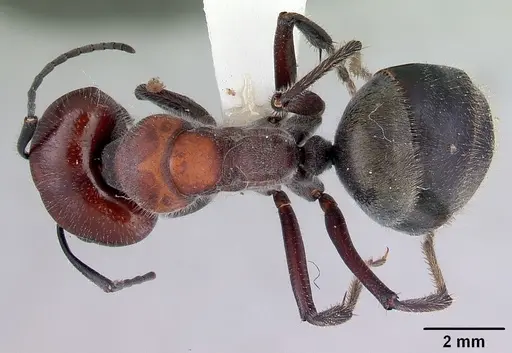
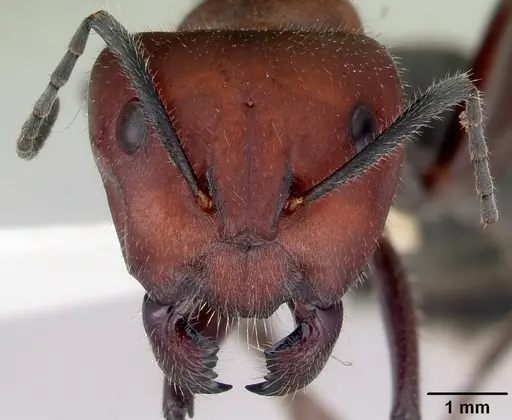
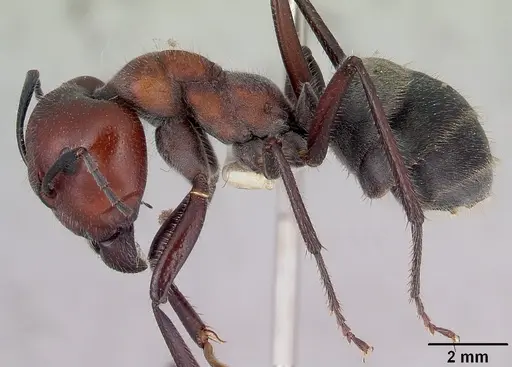
CASENT0172143
View on AntWeb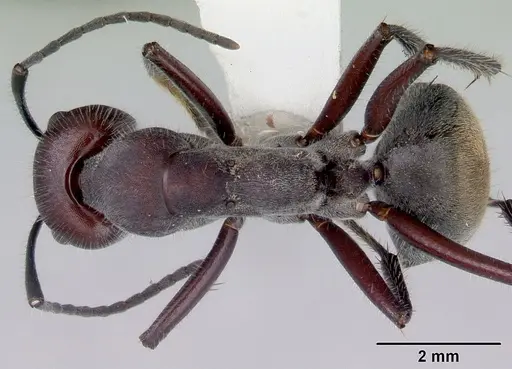
CASENT0280212
View on AntWeb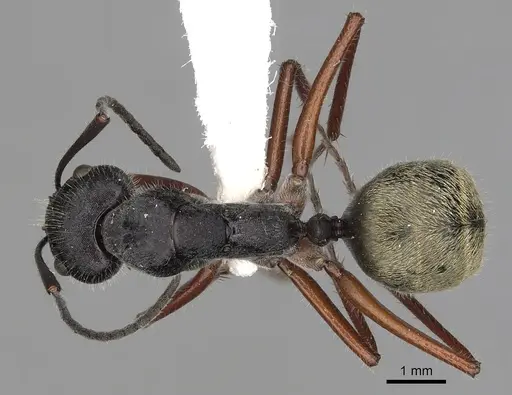
CASENT0280213
View on AntWeb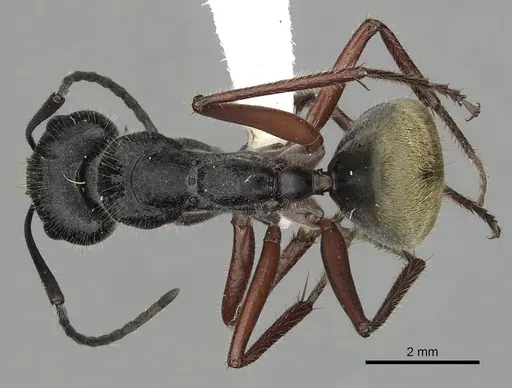
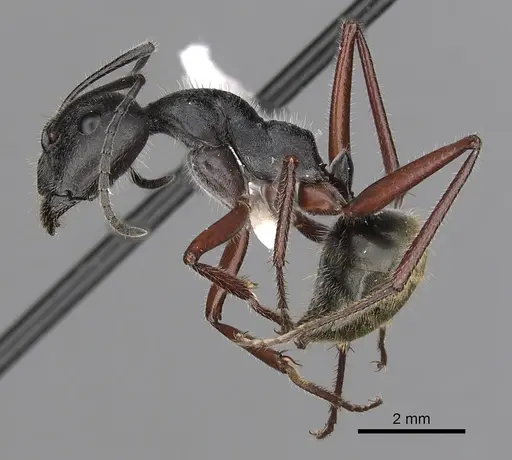
CASENT0887711
View on AntWeb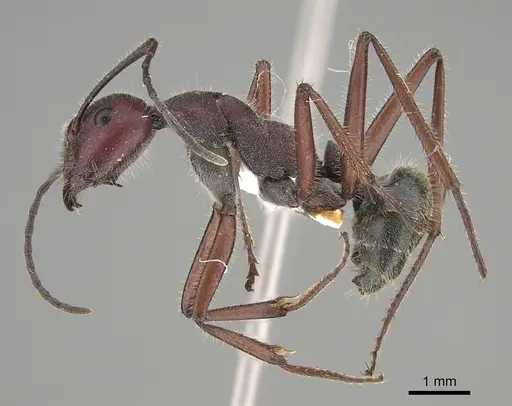
CASENT0887730
View on AntWeb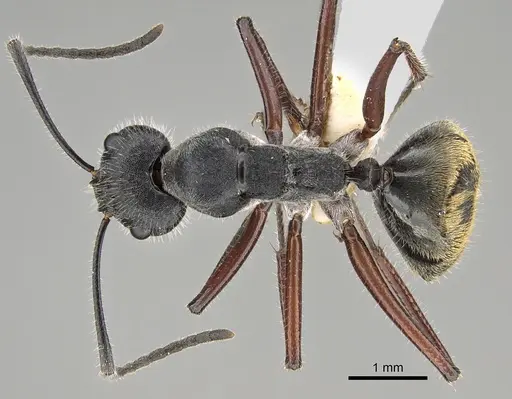
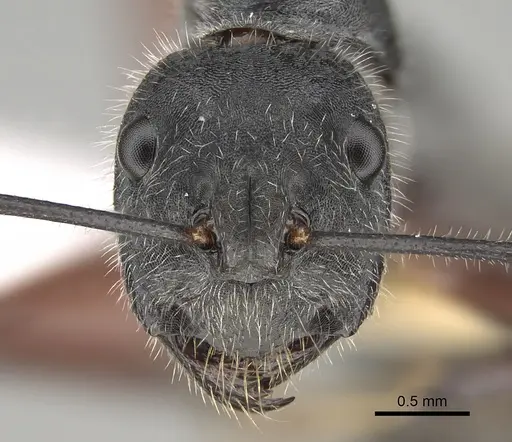
CASENT0887731
View on AntWeb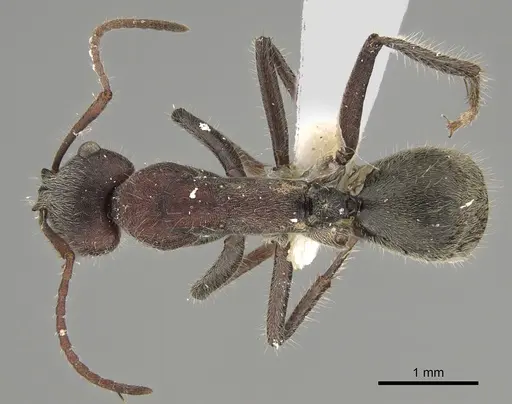
CASENT0903546
View on AntWeb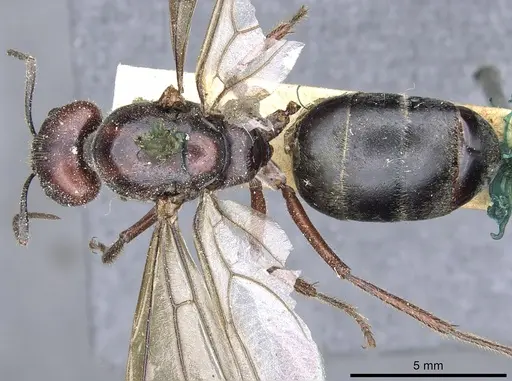
CASENT0910412
View on AntWeb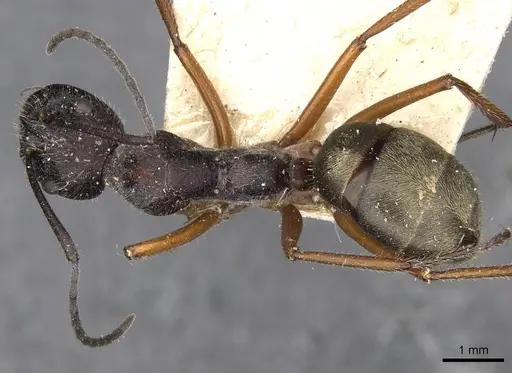
Literature
Loading...Loading products...