

Camponotus substitutus
- Scientific Name
- Camponotus substitutus
- Subgenus
- Tanaemyrmex
- Tribe
- Camponotini
- Subfamily
- Formicinae
- Author
- Forel, 1899
- Distribution
- Found in 10 countries
Camponotus substitutus Overview
Camponotus substitutus is an ant species of the genus Camponotus. It is primarily documented in 10 countries , including Argentina, Brazil, Colombia. Detailed taxonomic data and occurrence records can be further explored via authoritative databases such as AntWeb or the Global Biodiversity Information Facility (GBIF).
Camponotus substitutus
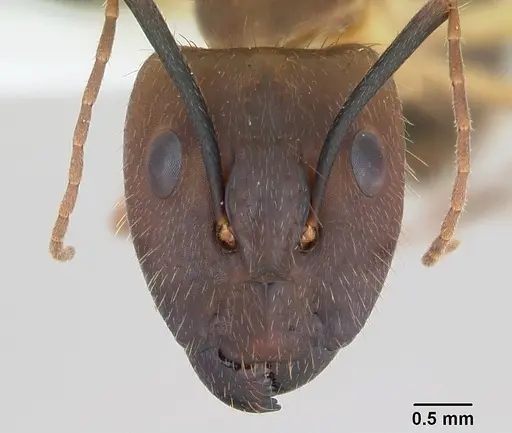
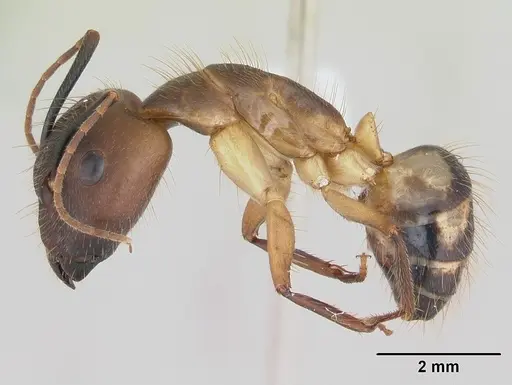
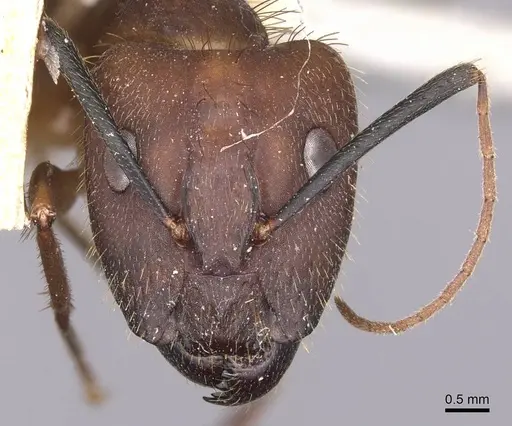
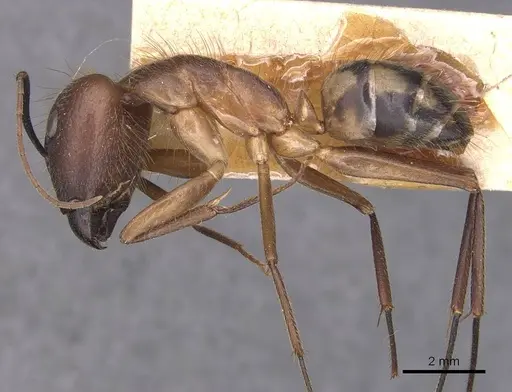
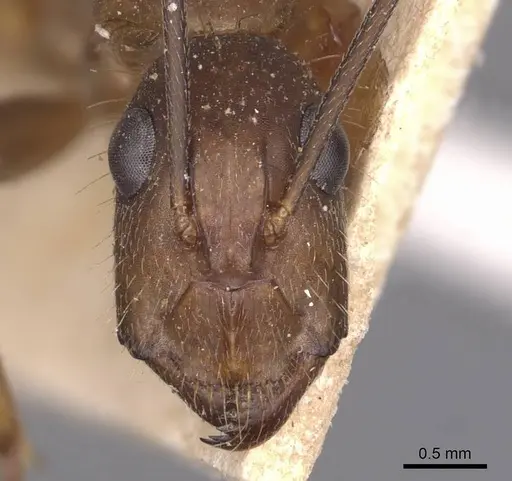
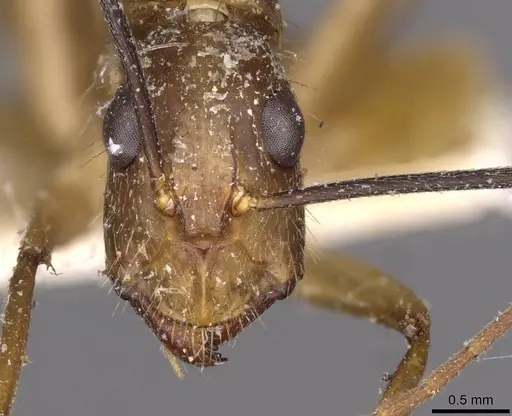
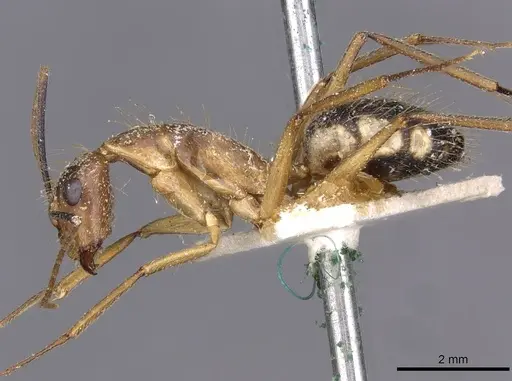
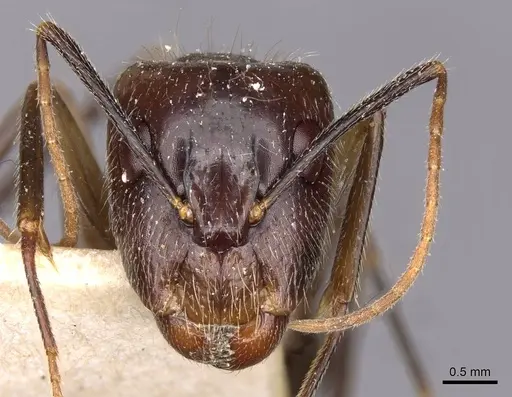
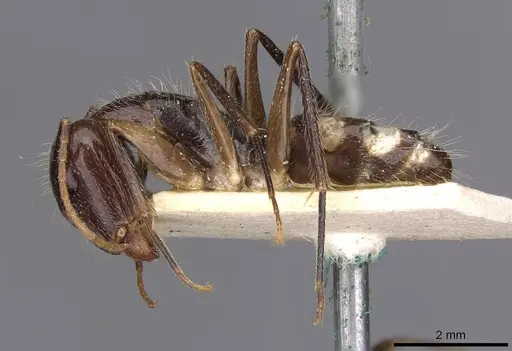
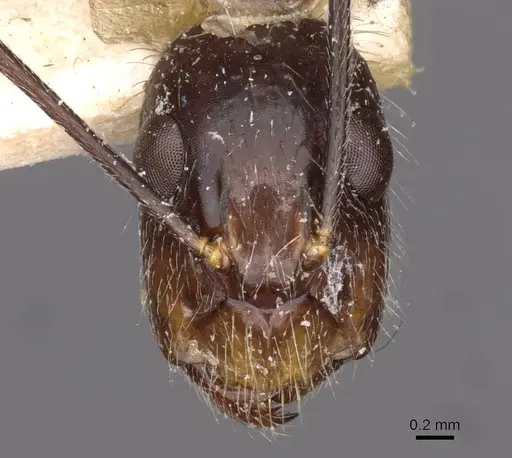
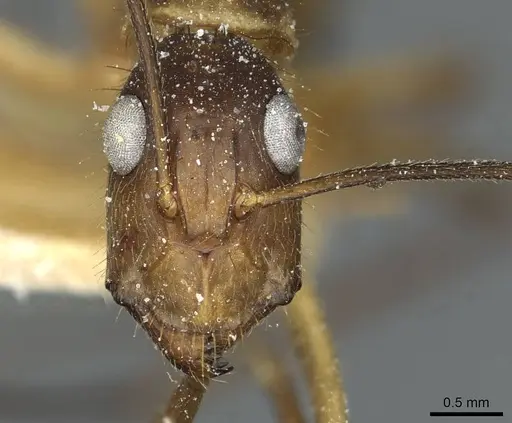
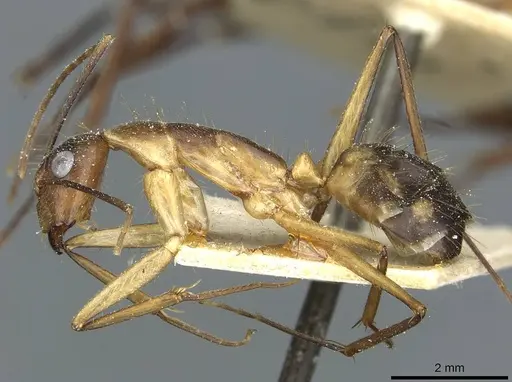
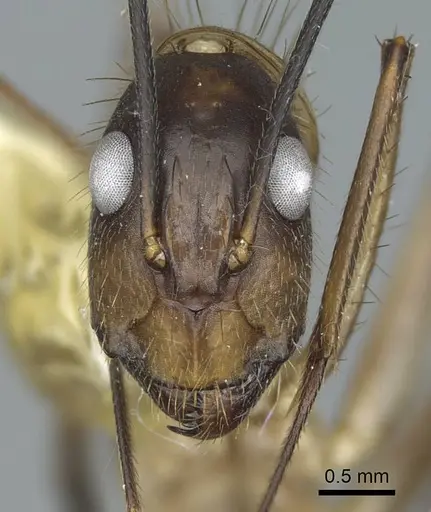
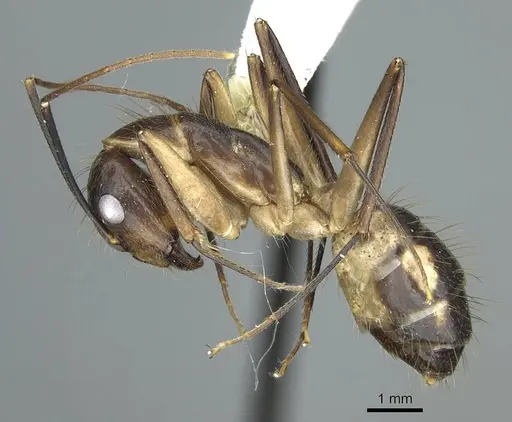
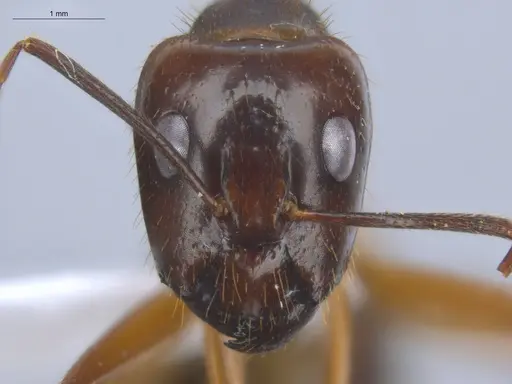
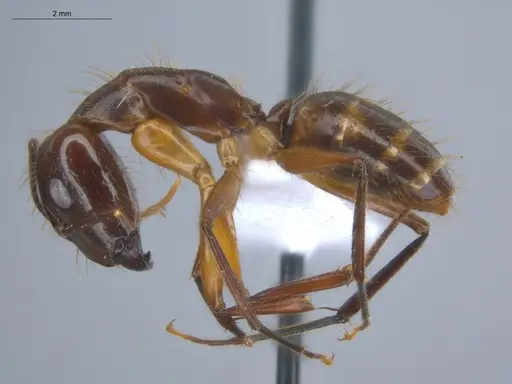
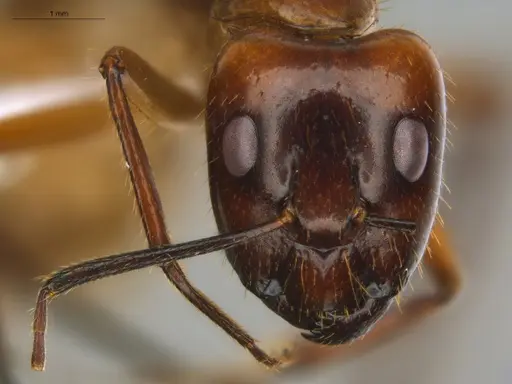
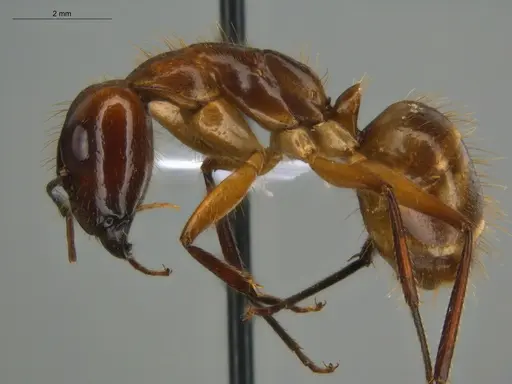
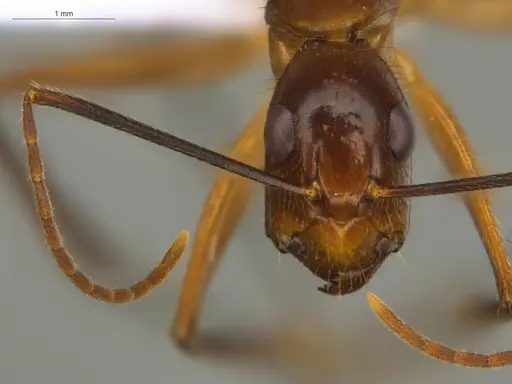
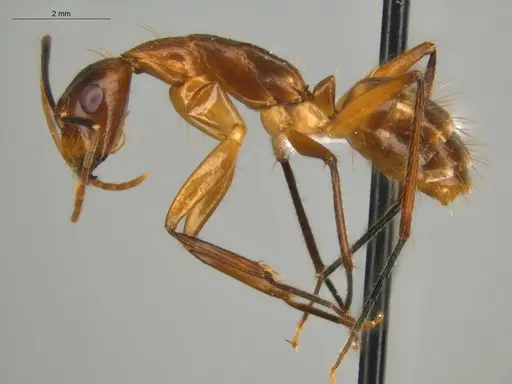
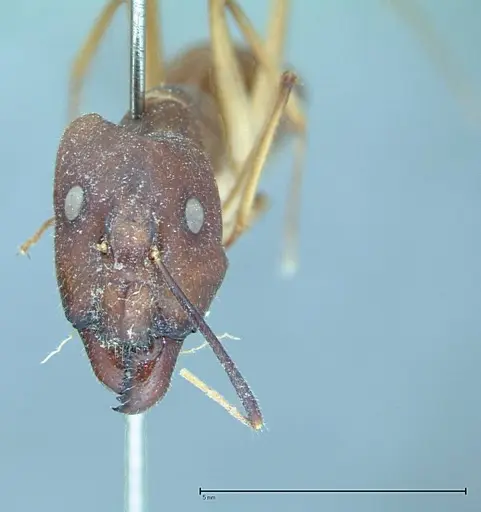
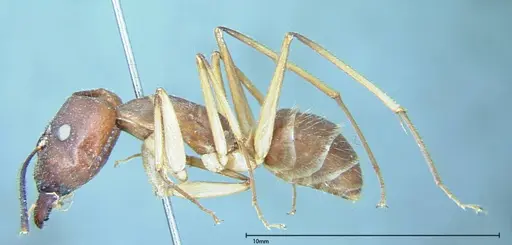
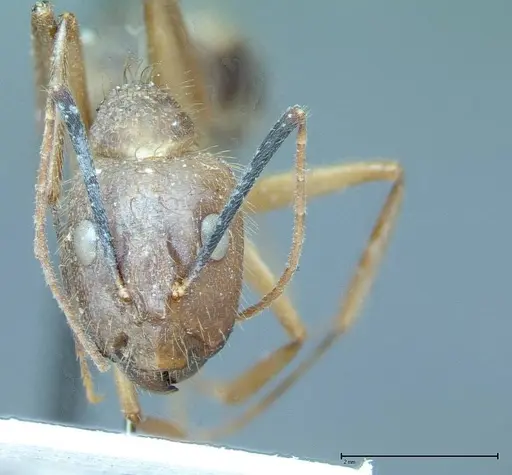
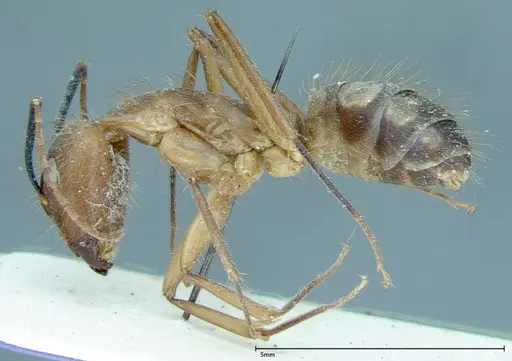
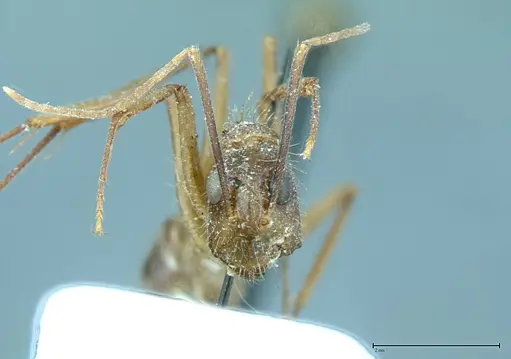
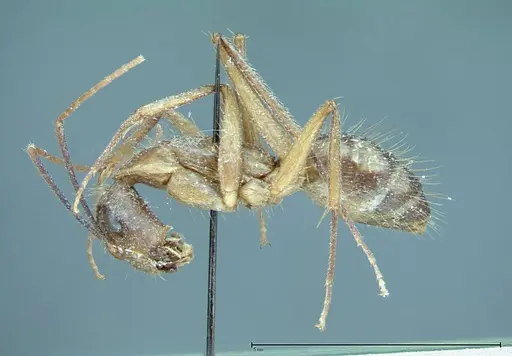
Camponotus substitutus is a large carpenter ant species found throughout the Neotropics, from Mexico south to Argentina. Workers are pale brown with a darker gaster that typically displays yellow lateral spots or yellow transverse bands, giving them striking bicoloration. They belong to the maculatus species complex and have distinctive features including erect hairs on the cheeks and a concave anterior medial clypeal border. Queens and workers are among the larger Camponotus, with the genus known for being polymorphic. These ants nest under stones in sandy soils and thrive in open, disturbed habitats ranging from desert shrub to tropical forest environments [1][2][3].
What makes C. substitutus interesting is its remarkable adaptability across extreme habitats, from the dry Caatinga thorn woodland of northeastern Brazil to the humid Amazon basin, and from sea level to over 1,000 meters elevation. Studies show this species maintains consistent abundance year-round, appearing in over 60% of sampling sites regardless of season, making it one of the most successful ground-foraging ants in its range [4][5].
Quick Summary
- Difficulty: Medium
- Origin & Habitat: Neotropical species found from Mexico to Argentina, including Brazil, Colombia, Paraguay, Guatemala, and Uruguay. Nests under stones in sandy soils in open, disturbed habitats including chaco, Caatinga thorn woodland, tropical forests, and desert shrub habitats [1][2][3].
- Colony Type: Single-queen colonies (monogyne). Colony structure is typical for large Camponotus species in the subgenus Tanaemyrmex.
- Colony: Monogyne
- Founding: Claustral
- Size & Growth:
- Queen: Estimated 15-18mm based on genus patterns for large Tanaemyrmex species
- Worker: Major workers 10-14mm, minor workers 6-9mm, polymorphic [2]
- Colony: Likely several thousand workers based on related large Camponotus species
- Growth: Moderate, typical for larger Camponotus
- Development: 6-10 weeks at optimal temperature based on genus patterns for Tanaemyrmex (Development time follows typical Camponotus patterns, slower than smaller species but faster than some tropical varieties. First workers (nanitics) typically smaller than normal workers.)
- Antkeeping:
- Temperature: Keep at 24-28°C. As a Neotropical species from warm climates, they prefer temperatures in the mid-to-high 20s°C. A heating cable on one side of the nest creates a gradient allowing workers to self-regulate [1].
- Humidity: Moderate humidity around 50-60%. These ants naturally nest under stones in sandy soils, which suggests they prefer drier conditions than many tropical species. Provide a water tube but avoid oversaturating the nest [2].
- Diapause: Unlikely, as a Neotropical species from tropical to subtropical regions, they do not require true hibernation. However, a slight cool period (around 18-20°C) during winter months may help simulate seasonal slowdown if kept in temperate climates.
- Nesting: Y-tong (AAC) nests work well for larger Camponotus. They also accept plaster nests and naturalistic setups with stones over sandy substrate. Provide narrow chambers scaled to their size. Avoid overly humid conditions that can cause mold in their nests [2].
- Behavior: These ants are generalist foragers and are active throughout the day. They use tandem communication to recruit nestmates to food sources, one ant leads another by direct contact, which improves foraging success in competitive tropical habitats [6]. Workers are moderately aggressive when defending the nest but not particularly territorial outside their immediate vicinity. They are escape artists due to their size and activity level, use fluon barriers and tight-fitting lids. Major workers can deliver a moderately painful bite [2].
- Common Issues: escape prevention is critical, use fluon on container edges and tight-fitting lids, colonies may be slow to establish, patience needed during founding phase, overheating can kill colonies, avoid temperatures above 32°C, mold problems if humidity too high, provide ventilation and keep nest substrate appropriately dry, wild-caught colonies may have parasites, quarantine and monitor new colonies
Nest Preferences
In the wild, Camponotus substitutus nests under stones in sandy soils, making them adaptable to various captive setups. For antkeeping, Y-tong (AAC) nests are ideal because they provide the dark, secure environment these ants prefer while allowing you to observe colony development. Plaster nests also work well, especially when kept moderately dry. Naturalistic setups with a layer of sandy substrate and flat stones on top mimic their natural nesting sites. The key is providing chambers appropriately sized to the worker castes, major workers need slightly larger passages than minor workers. Avoid overly compact or humid nests, as these ants naturally inhabit drier, well-drained soils. A water tube connected to the nest helps maintain adequate humidity without creating soggy conditions [2].
Feeding and Diet
Like most Camponotus species, C. substitutus is omnivorous and will accept a varied diet. Protein sources are essential for brood development, offer insects such as mealworms, crickets, and other small arthropods. They also readily consume sugar water, honey, or ripe fruit for energy. In their natural habitat, they forage for honeydew from aphids and scale insects, so providing sweet liquids is important for colony health. Feed protein prey 2-3 times per week, and keep sugar water available constantly. Remove uneaten prey after 24-48 hours to prevent mold. These ants are competitive foragers and will recruit nestmates heavily to abundant food sources using tandem communication [6][2].
Temperature and Care
As a Neotropical species ranging from Mexico to Argentina, C. substitutus prefers warm conditions in the 24-28°C range. This is warmer than many temperate ant species but typical for tropical Camponotus. Use a heating cable on one side of the nest to create a temperature gradient, this lets workers regulate their own temperature by moving between warmer and cooler areas. Avoid temperatures above 32°C, as overheating can be fatal. Room temperature (around 22-24°C) is acceptable if your home runs warm, but you may need supplemental heating for optimal development. Unlike temperate species, they do not require true hibernation, though a slight seasonal cooldown in winter (around 18-20°C) may be beneficial if mimicking natural cycles [1].
Behavior and Temperament
Camponotus substitutus is a generalist forager active during both day and night. They use tandem-running recruitment, where one worker physically leads another to food sources, this communication method is particularly important in competitive tropical habitats where food resources are heavily contested [6]. Workers are moderately defensive and will bite if threatened, though they are not particularly aggressive toward humans. The colony's major workers can deliver a noticeable bite due to their size. These ants are excellent climbers and escape artists, use fluon (liquid PTFE) on all container rims and ensure any connections between the outworld and nest are secure. They maintain relatively calm colonies once established and are fascinating to watch due to their polymorphism, the size difference between minor and major workers is dramatic [2].
Growth and Development
Like all Camponotus species, C. substitutus undergoes complete metamorphosis (egg, larva, pupa, adult). The queen lays eggs after mating, and the first brood develops entirely on her stored fat reserves, this is called claustral founding. First workers (nanitics) are typically smaller than normal workers and emerge 6-10 weeks after egg-laying at optimal temperatures. After nanitics hatch, the queen shifts to laying additional eggs while workers take over all foraging and brood care. Colony growth is initially slow but accelerates as the worker population increases. Large Camponotus colonies can eventually reach several thousand workers over several years. The polymorphic worker caste system (majors and minors) becomes apparent once the colony reaches several hundred workers [2].
Frequently Asked Questions
Can I keep Camponotus substitutus in a test tube?
Test tubes work for the founding stage, but you'll need to move the colony to a proper nest (Y-tong or formicarium) once the colony reaches 20-30 workers. These large ants need more space than a test tube provides for a mature colony.
How long until first workers appear in Camponotus substitutus?
Expect first workers (nanitics) around 6-10 weeks after the queen lays eggs, assuming temperatures around 25°C. Development is slower than smaller ant species due to their larger size.
What do Camponotus substitutus eat?
They are omnivorous. Feed protein (insects like mealworms, crickets) 2-3 times per week and keep sugar water or honey available constantly. They also accept fruit and will forage for honeydew in captivity.
Are Camponotus substitutus good for beginners?
They are medium difficulty. They require warmer temperatures than temperate species and need proper escape prevention, but their omnivorous diet and adaptable nature make them manageable for intermediate antkeepers.
Do Camponotus substitutus need hibernation?
No. As a Neotropical species from tropical to subtropical regions, they do not require true hibernation. A slight cooldown in winter (18-20°C) is optional but not necessary.
How big do Camponotus substitutus colonies get?
Mature colonies likely reach several thousand workers, typical for large Camponotus species in the Tanaemyrmex subgenus.
When should I move Camponotus substitutus to a formicarium?
Move them once the colony outgrows the founding setup, typically when you have 20-30+ workers. Y-tong nests work well for these large carpenter ants.
Why are my Camponotus substitutus dying?
Common causes include: temperatures too high (above 32°C) or too low, humidity too high causing mold, escape-related injuries, or parasites from wild-caught colonies. Review your temperature, humidity, and escape prevention.
Can I keep multiple Camponotus substitutus queens together?
No. This species is monogyne (single-queen). Multiple unrelated queens will fight. Only keep one queen per colony.
What temperature is best for Camponotus substitutus?
Keep them at 24-28°C. A heating cable on one side of the nest creates a gradient that lets workers self-regulate. Avoid temperatures above 32°C.
Is Camponotus substitutus invasive?
No. This is a native Neotropical species found naturally from Mexico to Argentina. It is not listed as invasive anywhere in its range.
References

This caresheet is licensed under CC BY-SA 4.0 .
CASENT0173454
View on AntWeb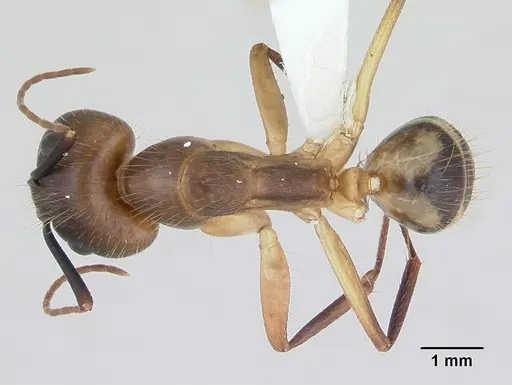
CASENT0905256
View on AntWeb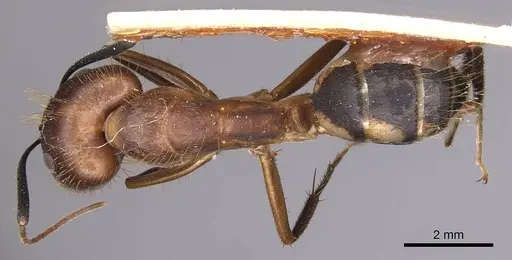
CASENT0905257
View on AntWeb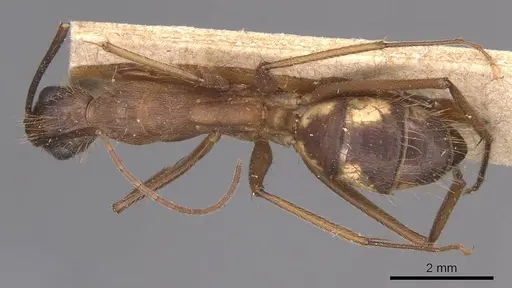
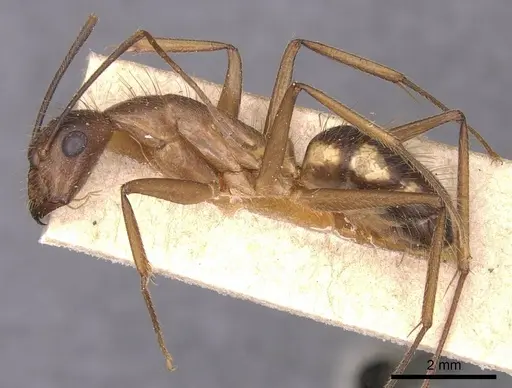
CASENT0910022
View on AntWeb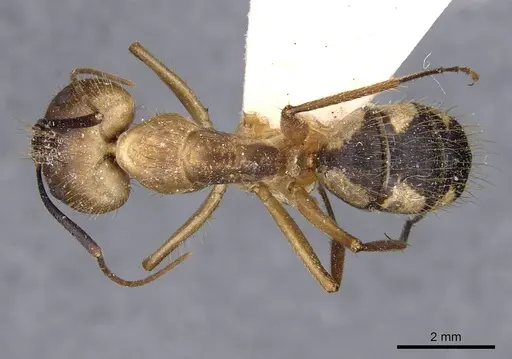
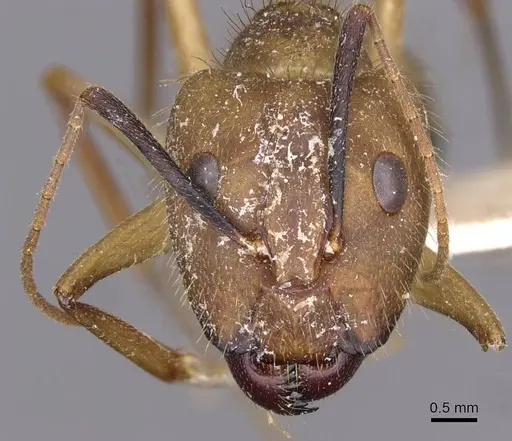
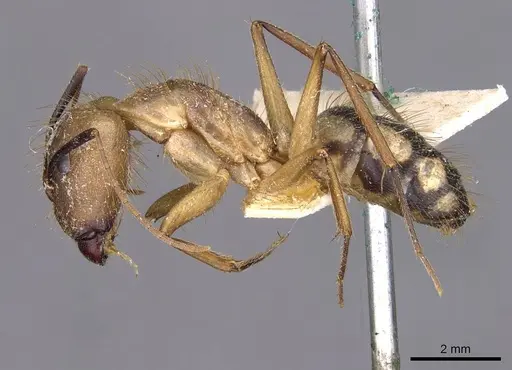
CASENT0910023
View on AntWeb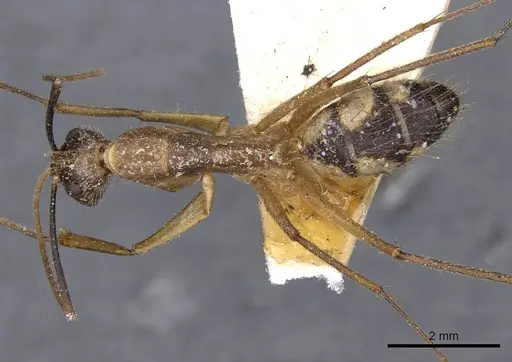
CASENT0910026
View on AntWeb
CASENT0910027
View on AntWeb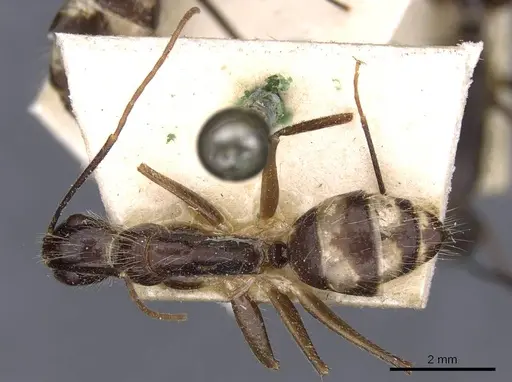
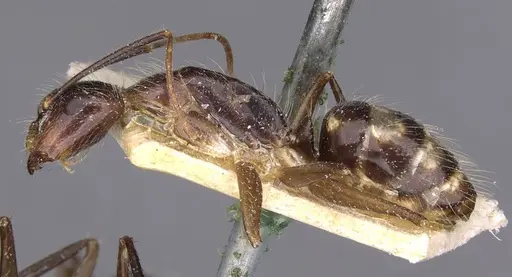
CASENT0912045
View on AntWeb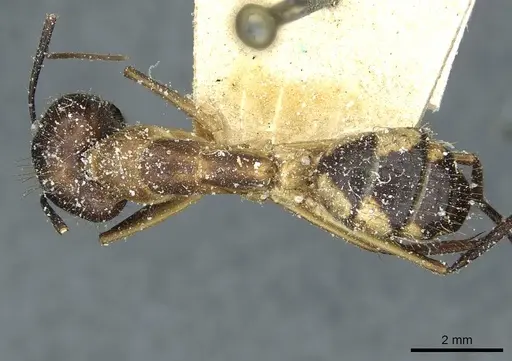
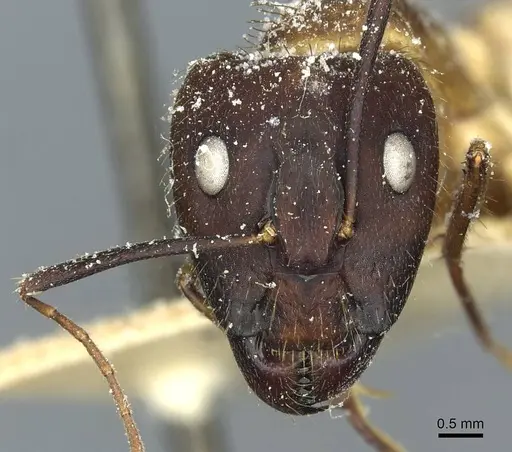
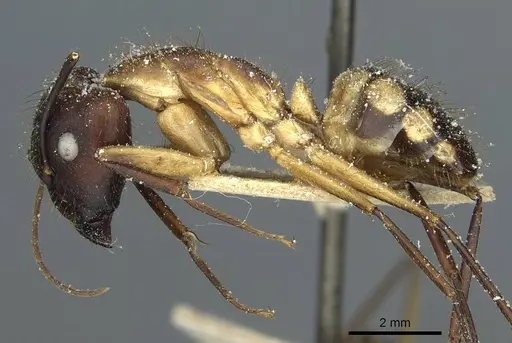
CASENT0912046
View on AntWeb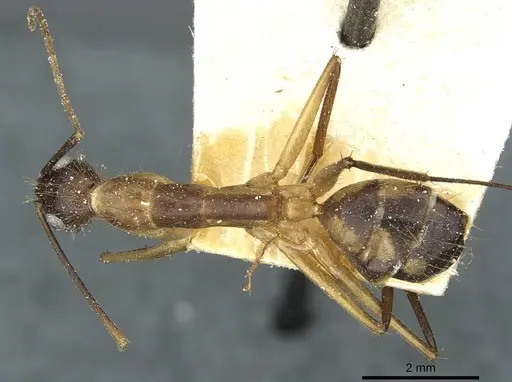
CASENT0914429
View on AntWeb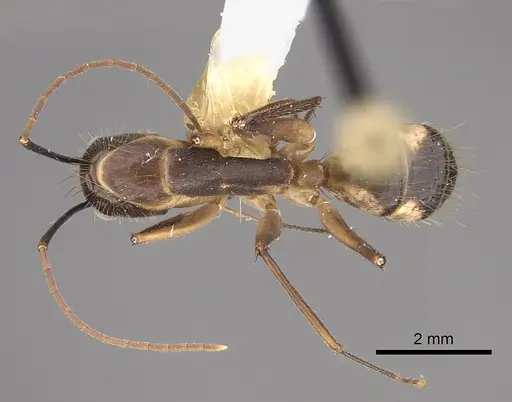
ECOFOG-BOUM-0576-01
View on AntWeb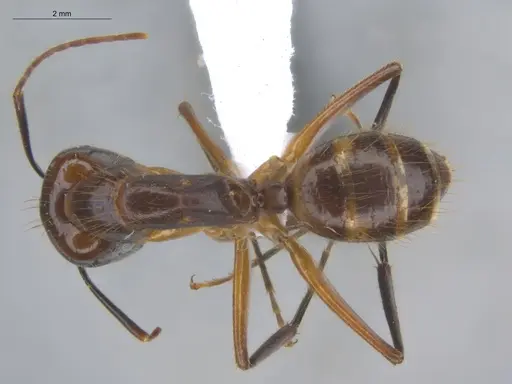
ECOFOG-BOUM-0777-03-S
View on AntWeb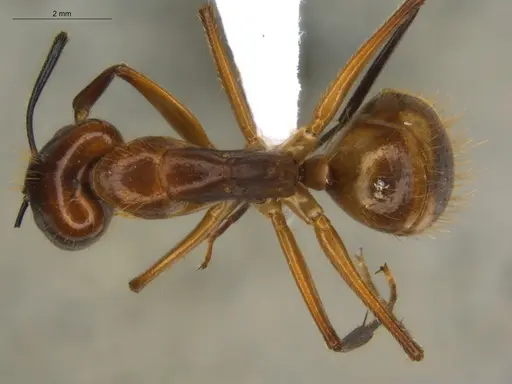
ECOFOG-BOUM-0777-03
View on AntWeb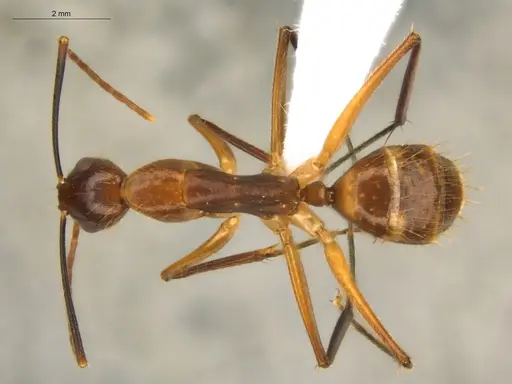
FOCOL0001
View on AntWeb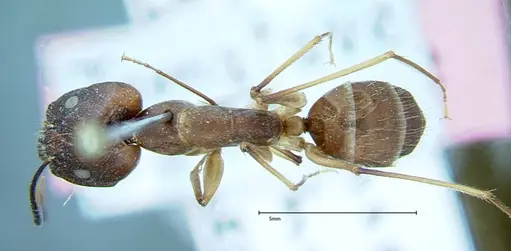
FOCOL0008
View on AntWeb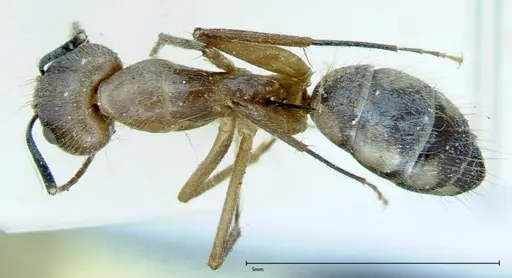
FOCOL0012
View on AntWeb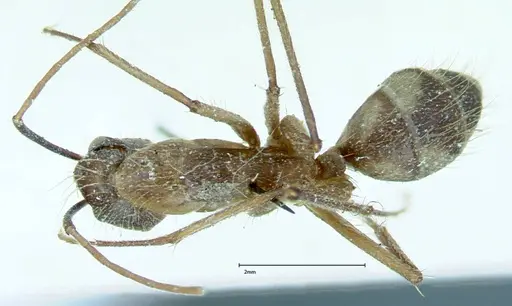
Literature
Loading...Loading products...