

Camponotus subnitidus
- Scientific Name
- Camponotus subnitidus
- Subgenus
- Tanaemyrmex
- Tribe
- Camponotini
- Subfamily
- Formicinae
- Author
- Mayr, 1876
- Distribution
- Found in 1 countries
Camponotus subnitidus Overview
Camponotus subnitidus is an ant species of the genus Camponotus. It is primarily documented in 1 countries , including Australia. Detailed taxonomic data and occurrence records can be further explored via authoritative databases such as AntWeb or the Global Biodiversity Information Facility (GBIF).
Camponotus subnitidus
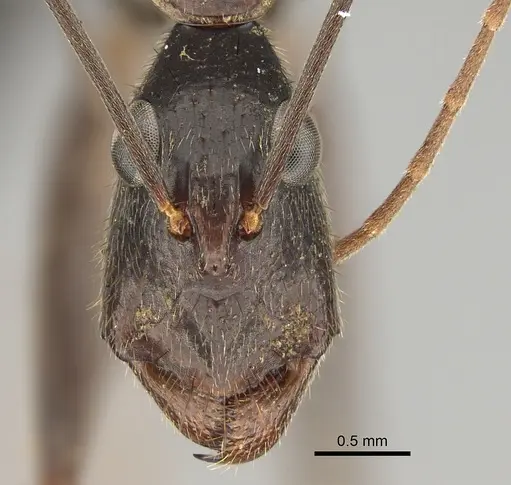
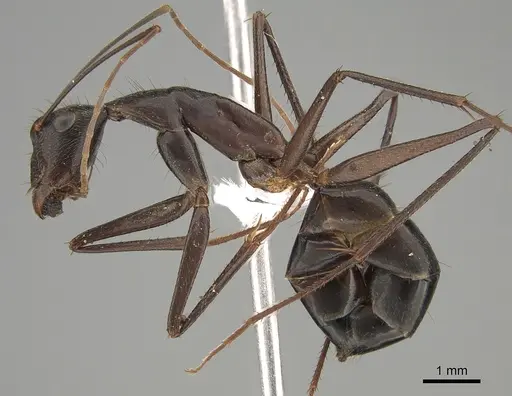
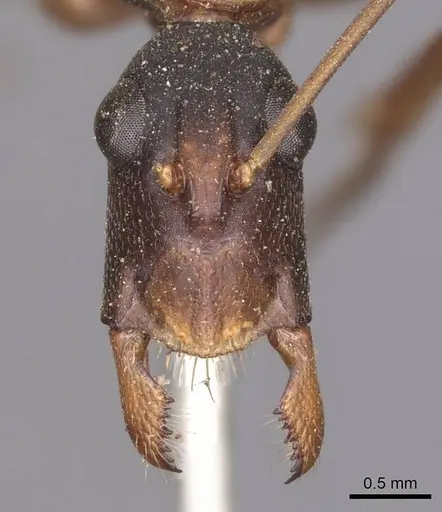
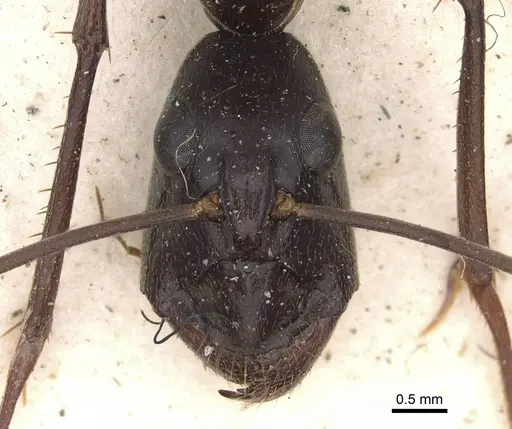
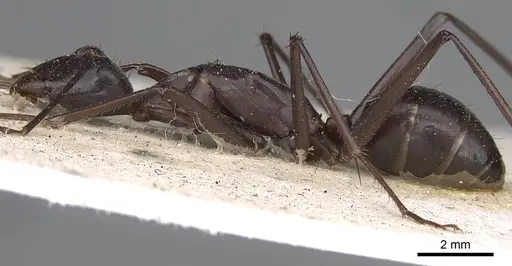
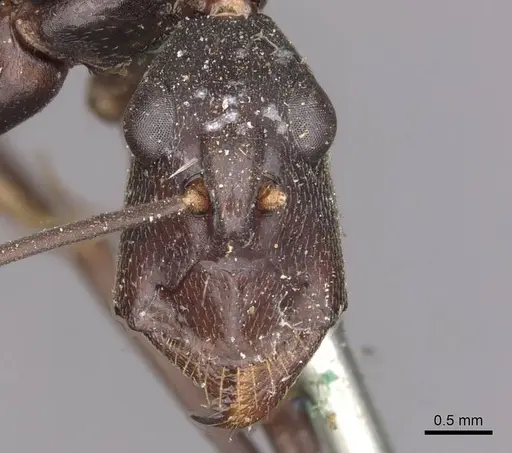
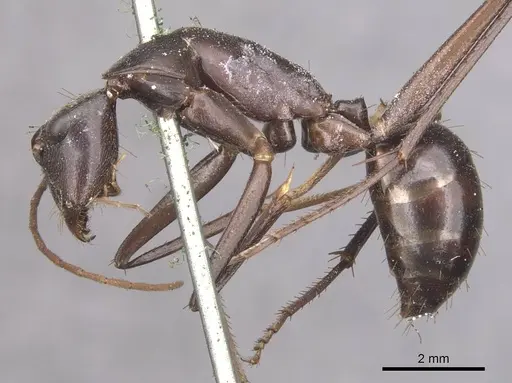
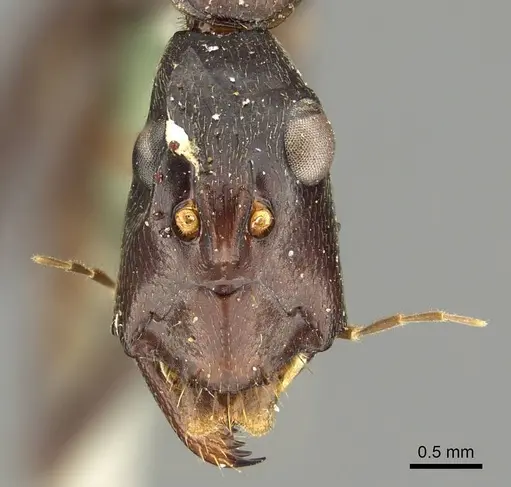
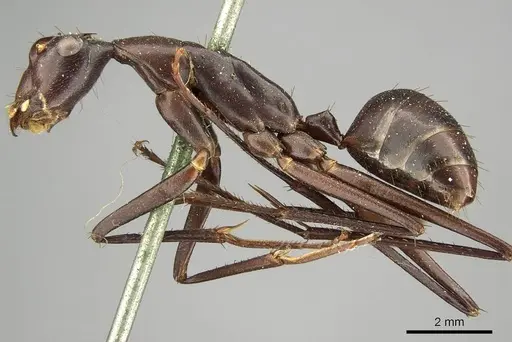
Camponotus subnitidus is a very large ant species native to Australia, particularly found in Queensland and Western Australia. Workers measure an impressive 12-17mm, with major workers developing especially large heads (nearly 5mm long). The species has a distinctive blackish-brown coloration with reddish-brown antennae and leg segments. These ants are characterized by extremely long and glabrous (smooth, hairless) antennal scapes, which gives them their 'aerial' common name. As a member of the Formicinae subfamily, they lack a stinger but can spray formic acid as a defense. The aerial sugar ant is primarily nocturnal, foraging at night for honeydew and nectar.
Quick Summary
- Difficulty: Easy
- Origin & Habitat: Australia (Queensland, Western Australia). Inhabits arid to semi-arid environments, nesting in soil or under stones.
- Colony Type: Likely single-queen colonies (monogyne) based on typical Camponotus patterns. Multiple subspecies exist: C. s. famelicus and C. s. longinodis.
- Colony: Monogyne
- Founding: Claustral
- Size & Growth:
- Queen: Likely 15-20mm based on genus patterns, not directly measured for this species
- Worker: 12-17mm [1]
- Colony: Likely several thousand workers based on typical Camponotus colony development
- Growth: Moderate
- Development: 6-10 weeks estimated based on typical Camponotus development at optimal temperature (Development time is temperature-dependent, warmer conditions (24-28°C) accelerate growth, cooler conditions slow it down)
- Antkeeping:
- Temperature: Keep nest area at 24-28°C. A heating cable on one side creates a gradient allowing ants to thermoregulate. They are nocturnal and may prefer slightly cooler conditions in the outworld.
- Humidity: Moderate humidity (50-60%). Provide a water tube for drinking. Native to arid Australia so avoid overly damp conditions.
- Diapause: Not required. As an Australian species from temperate Queensland, they may tolerate cooler winter temperatures (15-20°C) but do not need true hibernation.
- Nesting: Y-tong (AAC) nests work well for their large size. Plaster or acrylic nests are also suitable. Provide a spacious outworld for nocturnal foraging.
- Behavior: Primarily nocturnal, expect most activity in evening and night hours. Like other Camponotus species, they are generally docile but will defend the nest if threatened. Workers are large and confident foragers. They have formic acid spray as defense rather than a stinger. Escape risk is low given their size, standard barriers are sufficient.
- Common Issues: colonies can take 6-12 months to establish first workers, patience is essential, overheating is more dangerous than being slightly cool, avoid temperatures above 32°C, wild-caught colonies may have parasites, quarantine and observe new colonies, large workers can flip water tubes, use secure setups, nocturnal activity means you'll see less movement during the day
Housing and Nest Setup
Camponotus subnitidus is a large ant species that does well in Y-tong (AAC) nests, acrylic formicaria, or plaster nests. The chambers should be appropriately sized for 12-17mm workers, narrow passages help them feel secure. Provide a spacious outworld since they are nocturnal foragers. A test tube setup works for founding colonies, but be prepared to move them to a larger formicarium once the colony reaches 20-30 workers. Use a water tube with cotton plug for drinking water. Escape prevention is straightforward due to their size, standard barriers work well. [1]
Feeding and Diet
As 'sugar ants, ' Camponotus subnitidus has a strong sweet tooth. Offer sugar water, honey, or diluted maple syrup as a constant food source. They also need protein for brood development, offer insects like mealworms, crickets, or other arthropods. Feed protein 2-3 times per week, and keep sugar sources available at all times. In the wild, they forage for honeydew from aphids and scale insects, plus nectar and small prey. Remove uneaten protein within 24 hours to prevent mold. [1]
Temperature and Seasonal Care
Keep the nest area at 24-28°C for optimal brood development. A heating cable on one side of the nest creates a temperature gradient, the ants will move to their preferred temperature zone. These ants are primarily nocturnal, so they may be more active in cooler areas of the outworld during evening hours. Unlike temperate species, they do not require a true diapause (hibernation) period. However, they may slow down slightly during cooler winter months. Avoid temperatures above 32°C as this can be fatal.
Behavior and Temperament
Camponotus subnitidus is a docile species that rarely aggression unless its nest is directly threatened. Workers are large and confident foragers, primarily active at night. They lack a stinger but can spray formic acid as a defensive mechanism. Major workers have notably large heads with powerful mandibles. The colony will establish scent trails to food sources once workers discover them. Unlike some Camponotus species that are polydomous (multiple nests), this species typically maintains a single nest site. [1]
Colony Development
Founding queens are claustral, they seal themselves in a chamber and raise the first brood alone using stored fat reserves. The first workers (nanitics) are smaller than mature workers but will quickly grow as the colony expands. Expect 6-10 weeks from egg to first worker at optimal temperature. Growth is moderate, a healthy colony can reach several hundred workers within 1-2 years. Major workers begin appearing as the colony grows, developing their characteristic large heads for defense and food processing. [1]
Frequently Asked Questions
How long does it take for Camponotus subnitidus to have first workers?
Expect 6-10 weeks from egg to first worker at optimal temperature (24-28°C). This is typical for Camponotus species. Founding colonies require patience, do not disturb the queen during this period.
What do Camponotus subnitidus eat?
They are sugar-loving ants, offer constant access to sugar water, honey, or maple syrup. They also need protein from insects like mealworms or crickets. Feed protein 2-3 times per week.
Are Camponotus subnitidus good for beginners?
Yes, they are considered an easy species to keep. They are docile, large (easy to observe), and have straightforward care requirements. The main challenge is their slow founding period requiring patience.
Do Camponotus subnitidus need hibernation?
No, they do not require true hibernation. As an Australian species, they may slow down in cooler winter months but a diapause period is not necessary.
When should I move Camponotus subnitidus to a formicarium?
Move them once the colony reaches 20-30 workers or when the test tube becomes cramped. A Y-tong or acrylic nest works well for their size. Ensure the outworld is spacious enough for nocturnal foraging.
How big do Camponotus subnitidus colonies get?
Based on typical Camponotus patterns, colonies can reach several thousand workers over several years. The major workers can reach 17mm in length.
Why are my Camponotus subnitidus inactive during the day?
This is normal, they are primarily nocturnal. Expect to see most activity in the evening and night hours. Provide a dim or dark area for the outworld if possible.
Can I keep multiple Camponotus subnitidus queens together?
This species is likely monogyne (single queen). Combining unrelated queens is not recommended as they typically fight. Let a single queen found the colony alone.
What temperature is best for Camponotus subnitidus?
Keep the nest at 24-28°C. A heating cable on one side creates a gradient. Avoid temperatures above 32°C as overheating can be fatal.
References

This caresheet is licensed under CC BY-SA 4.0 .
CASENT0280201
View on AntWeb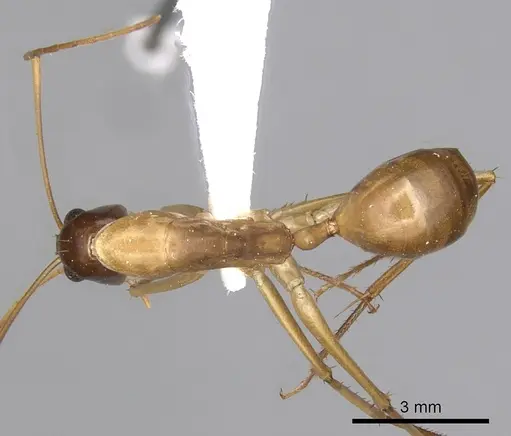
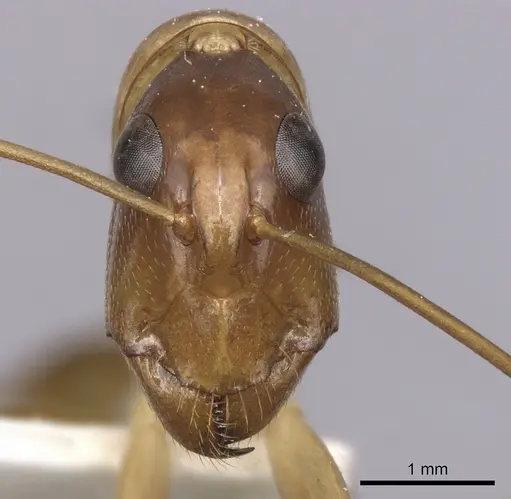
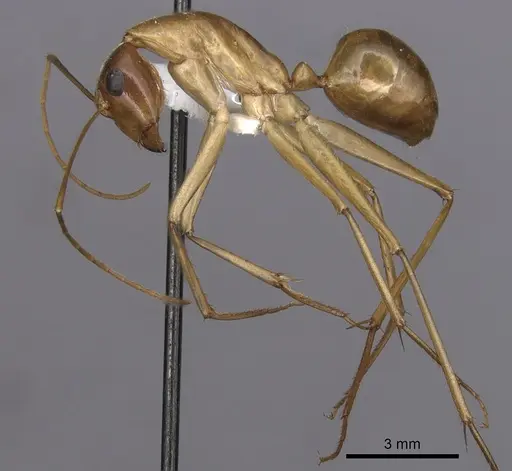
CASENT0887724
View on AntWeb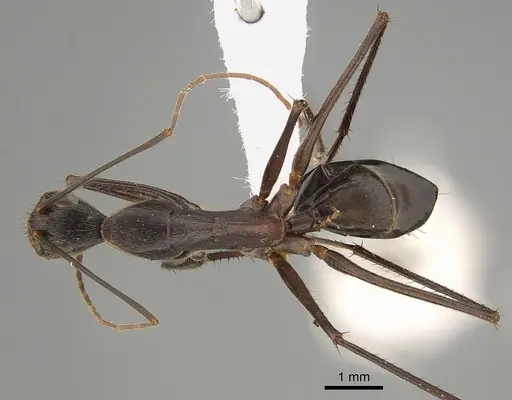
CASENT0905246
View on AntWeb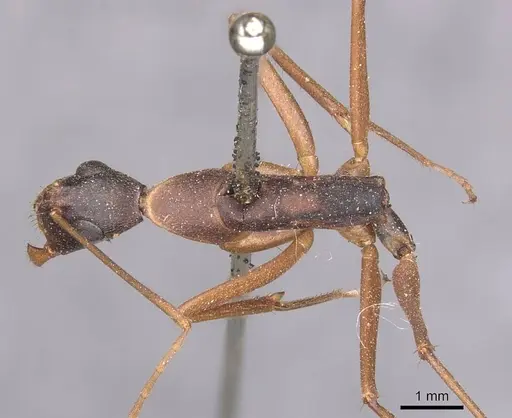
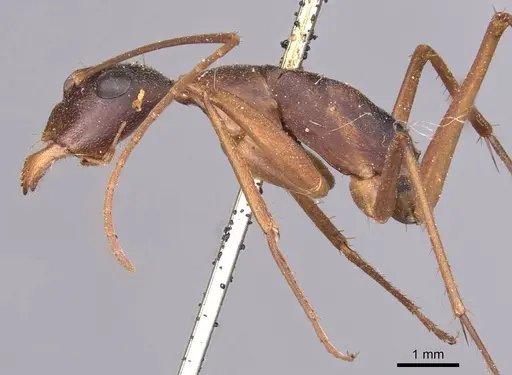
CASENT0906927
View on AntWeb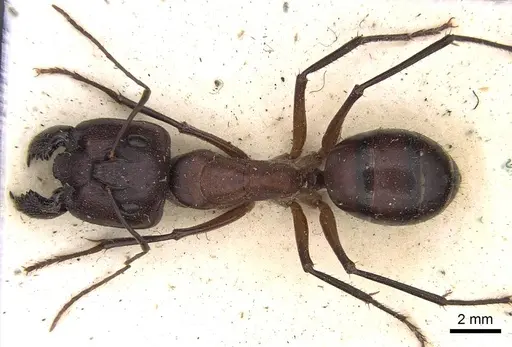
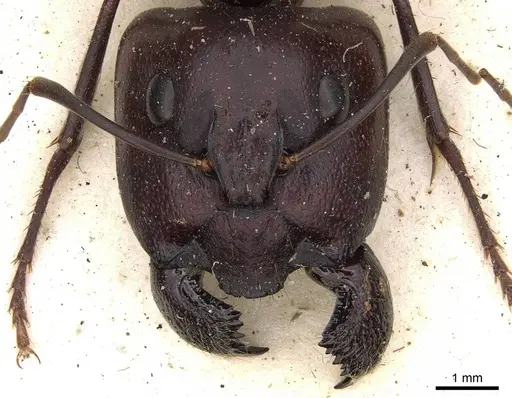
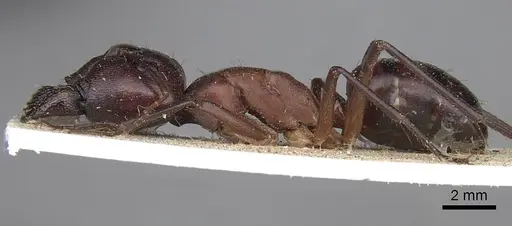
CASENT0906928
View on AntWeb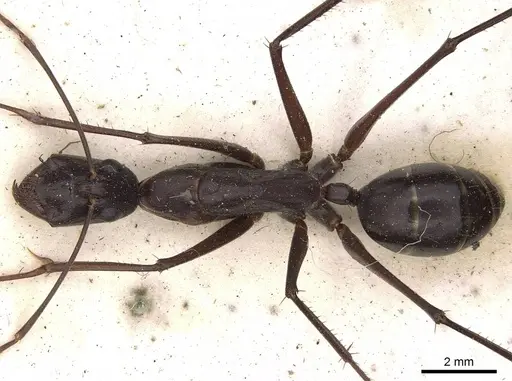
CASENT0910100
View on AntWeb
CASENT0915775
View on AntWeb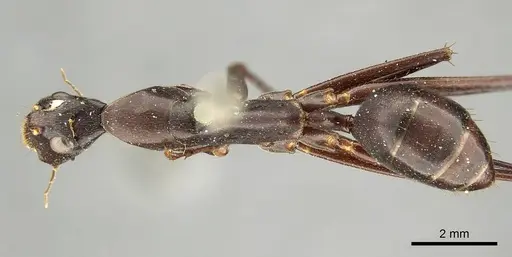
Literature
Loading...Loading products...