

Camponotus sponsorum
- Scientific Name
- Camponotus sponsorum
- Subgenus
- Myrmophyma
- Tribe
- Camponotini
- Subfamily
- Formicinae
- Author
- Forel, 1910
- Distribution
- Found in 1 countries
Camponotus sponsorum Overview
Camponotus sponsorum is an ant species of the genus Camponotus. It is primarily documented in 1 countries , including Australia. Detailed taxonomic data and occurrence records can be further explored via authoritative databases such as AntWeb or the Global Biodiversity Information Facility (GBIF).
Camponotus sponsorum
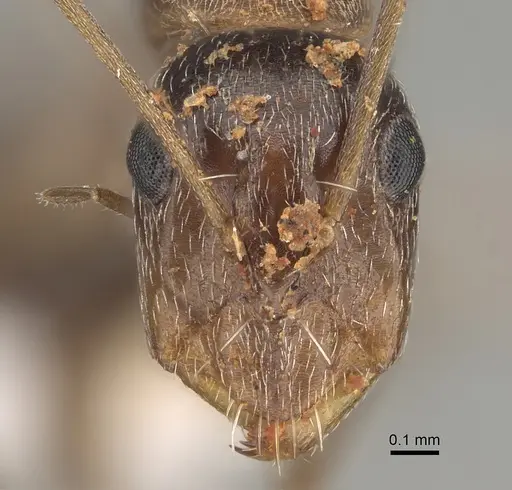
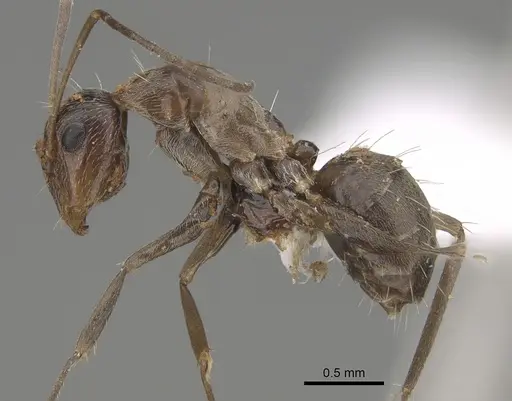
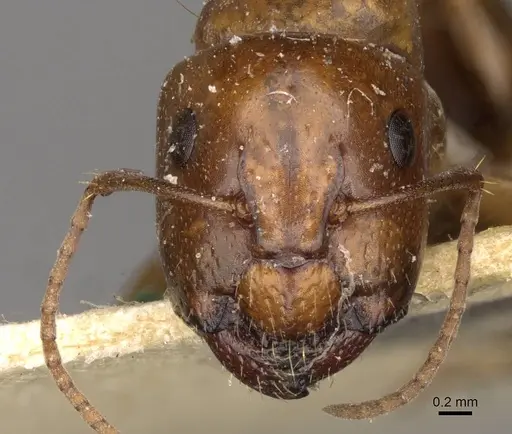
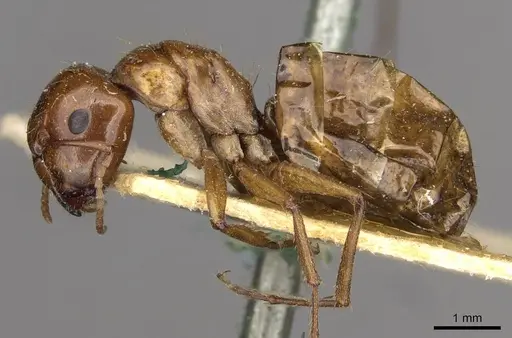
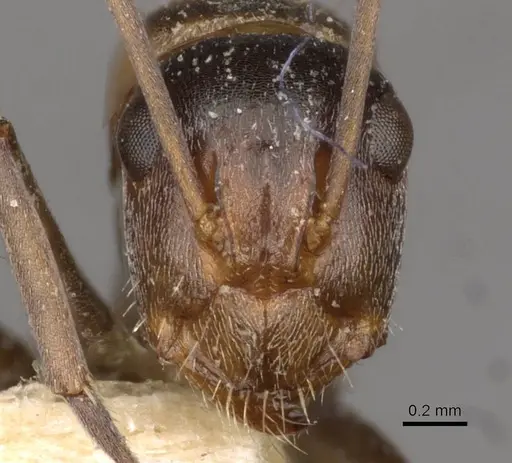
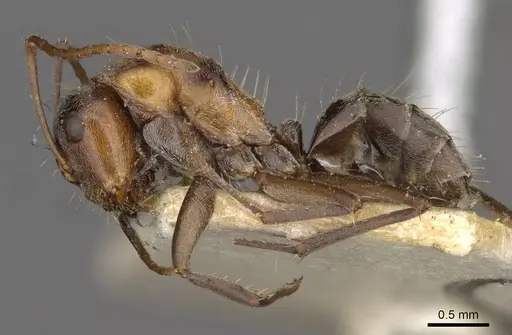
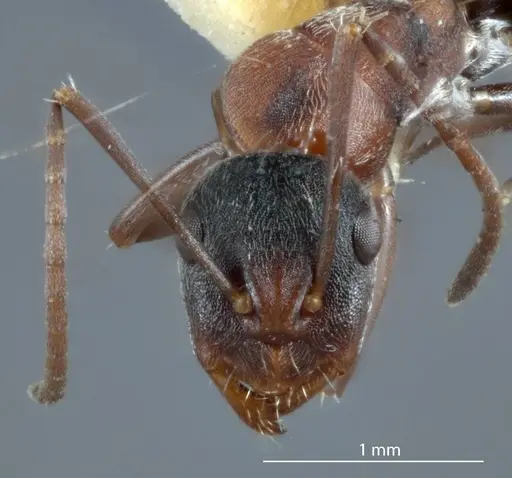
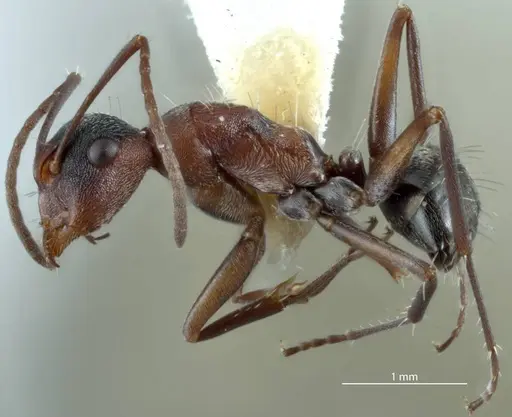
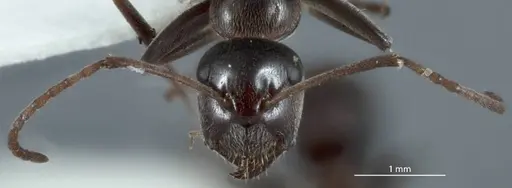
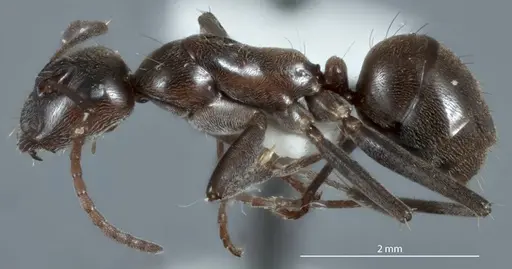
Camponotus sponsorum is a small to medium-sized carpenter ant native to Australia, with workers ranging from 2.4 to 7mm. The major workers have a distinctive appearance featuring a bidentate (two-toothed) clypeus and a noticeable occipital swelling on the back of the head. Minor workers are notably smaller and resemble small Iridomyrmex species, which can cause identification confusion. The head and thorax are reddish-brown to brown, while the gaster is black with yellow segment edges. This species is found throughout Western Australia (particularly the eastern Darling Range and wheatbelt regions), the Pilbara region, and the Northern Territory around Tennant Creek [1].
This ant is notable for the significant size difference between major and minor workers, a strong dimorphism without major differences in head shape between castes. Being a very small Camponotus species, they are more active foragers compared to their larger relatives, and their small size means escape prevention requires extra attention in captivity.
Quick Summary
- Difficulty: Easy
- Origin & Habitat: Native to arid and semi-arid regions of Australia, specifically the Northern Territory (Tennant Creek) and widespread throughout Western Australia including the eastern Darling Range, wheatbelt, and Pilbara regions [1]. Found in open woodland and arid habitats.
- Colony Type: Colony structure is unconfirmed. As a Camponotus species, likely forms single-queen colonies (monogyne) but this requires confirmation.
- Founding: Claustral
- Size & Growth:
- Queen: Unconfirmed, likely 8-12mm based on typical Camponotus queen size range
- Worker: 2.4-7mm (minor workers 2.4-4mm, major workers 5-7mm) [2]
- Colony: Unconfirmed, likely several hundred workers based on typical Camponotus colony sizes
- Growth: Moderate, inferred from typical Camponotus development patterns
- Development: 6-8 weeks at optimal temperature, inferred from typical Camponotus development [2] (Development time is typical for Camponotus species, exact timeline for this species has not been directly studied)
- Antkeeping:
- Temperature: Keep at 24-28°C. Being from Central Australian regions, they tolerate warmer conditions but avoid extreme heat. A heating cable on one side of the nest creates a gradient for them to choose their preferred temperature.
- Humidity: Low to moderate. Being from arid to semi-arid Australian regions, they prefer drier conditions. Keep nest substrate moderately moist but allow portions to dry out. Avoid overly damp conditions.
- Diapause: Unknown for this species. Australian ants may reduce activity during cooler winter months but true hibernation is unlikely given their origin.
- Nesting: In nature, they likely nest in soil or under stones. In captivity, standard formicariums, Y-tong nests, or test tube setups work well. Provide moderate nesting space with some dry areas available.
- Behavior: These ants are active foragers, with minor workers doing most of the foraging while majors may remain in the nest. They are not aggressive but will defend the colony if threatened. Their small size makes them capable of escaping through tiny gaps, use fine mesh and tight-fitting lids. Minor workers resemble Iridomyrmex species, so be careful with identification.
- Common Issues: escape prevention is critical due to their very small size, they can squeeze through standard test tube cotton if gaps exist, overheating risk, being from arid regions, they prefer warmth but can be damaged by excessive heat above 30°C, overhydration, too much moisture in the nest can be harmful given their arid origin, colonies may grow slowly initially, patience is needed during the founding phase
Housing and Nest Setup
Camponotus sponsorum does well in standard ant keeping setups. Test tubes work well for founding colonies, use a water reservoir with cotton barrier, but ensure the gap between cotton and tube wall is minimal to prevent escapes. Once the colony reaches 20-30 workers, you can move them to a formicarium. Y-tong (AAC) nests or plaster nests work well for this species. Because they come from arid regions, provide a nest chamber that can remain relatively dry with only light moisture. Include a water foraging area outside the nest. Escape prevention is crucial, these tiny ants can squeeze through surprisingly small gaps. Use fluon on test tube rims and ensure all connections between outworld and nest are sealed. [1][2]
Feeding and Diet
Like most Camponotus species, C. sponsorum is omnivorous. They accept sugar sources readily, offer sugar water, honey, or diluted maple syrup. For protein, provide small insects like fruit flies, pinhead crickets, or mealworm pieces. Being small ants, portion sizes should be tiny. Minor workers are active foragers, so place food near their foraging trails. Remove uneaten protein after 24-48 hours to prevent mold. Feed protein 2-3 times per week and keep sugar water constantly available. Some keepers report that small Camponotus species accept cat food or other prepared proteins, but live insects are preferred for their nutritional value.
Temperature and Seasonal Care
Maintain nest temperatures around 24-28°C. This species originates from Central Australian regions (Tennant Creek) and Western Australia, so they tolerate warmth well. However, avoid temperatures above 30°C as this can stress or kill colonies. A heating cable on one side of the nest creates a temperature gradient allowing ants to self-regulate. Place the heating element on top of the nest, not underneath, to prevent excessive drying. During winter, room temperature is likely sufficient, they may slow down but probably do not require true hibernation (diapause). If your colony becomes less active in winter, reduce feeding frequency but continue offering sugar water. [2]
Colony Development and Growth
Founding queens seal themselves in a claustral chamber and raise their first brood without leaving to forage. First workers (nanitics) will be smaller than normal workers. After the nanitics emerge, the queen resumes egg-laying and the colony grows steadily. Growth rate is moderate, expect 6-8 weeks from egg to first worker at optimal temperature. Colonies likely reach several hundred workers over time, though exact maximum size is unconfirmed for this species. Major workers develop as the colony grows and may become more prominent once the colony reaches 50+ workers. Be patient during the founding phase, small Camponotus species can take time to establish.
Handling and Observation
These ants are not aggressive and rarely bite. However, their small size makes them challenging to handle directly. When moving colonies or cleaning nests, use gentle tapping or flooding techniques rather than picking up ants with forceps. The minor workers closely resemble Iridomyrmex species in appearance, which is an interesting identification challenge. Major workers have distinctive features including a bidentate clypeus and occipital swelling, making them easier to identify. Observe their foraging behavior, minor workers actively search for food while majors often remain in the nest. [2]
Frequently Asked Questions
How long does it take for Camponotus sponsorum to get first workers?
Expect 6-8 weeks from egg to first worker at optimal temperature (24-28°C). This is typical for Camponotus species. The founding phase requires patience, queens seal themselves in and raise the first brood alone.
What do Camponotus sponsorum ants eat?
They are omnivorous. Offer sugar water, honey, or maple syrup as a constant sugar source. For protein, provide small insects like fruit flies, pinhead crickets, or mealworm pieces. Remove uneaten protein after 24-48 hours.
What temperature do Camponotus sponsorum ants need?
Keep nest temperatures around 24-28°C. They tolerate warmth being from arid Australian regions, but avoid temperatures above 30°C. A heating cable on one side of the nest creates a useful gradient.
Are Camponotus sponsorum good for beginners?
Yes, they are considered an easy species to keep. They are forgiving of minor care mistakes, tolerate warmer and drier conditions, and are not aggressive. However, their small size requires attention to escape prevention.
How big do Camponotus sponsorum colonies get?
Colony size is unconfirmed but likely reaches several hundred workers based on typical Camponotus patterns. Major workers can reach 7mm while minors are 2.4-4mm.
Do Camponotus sponsorum need hibernation?
True hibernation (diapause) is not confirmed for this species. Being from Australia, they may reduce activity in cooler months but room temperature care is likely sufficient year-round.
Why are my Camponotus sponsorum escaping?
Their very small size means they can escape through tiny gaps. Use fine mesh on all openings, apply fluon to tube rims, and ensure all connections are sealed. Check for gaps around cotton barriers in test tubes.
When should I move Camponotus sponsorum to a formicarium?
Move them once the colony reaches 20-30 workers. Before that, a test tube setup is ideal for the founding phase. Ensure the formicarium has appropriately sized chambers for their small size.
How do I identify Camponotus sponsorum?
Major workers have a distinctive bidentate (two-toothed) clypeus and an occipital swelling on the head. Minor workers resemble small Iridomyrmex species. Body is reddish-brown with a black gaster having yellow segment edges.
References

This caresheet is licensed under CC BY-SA 4.0 .
CASENT0887662
View on AntWeb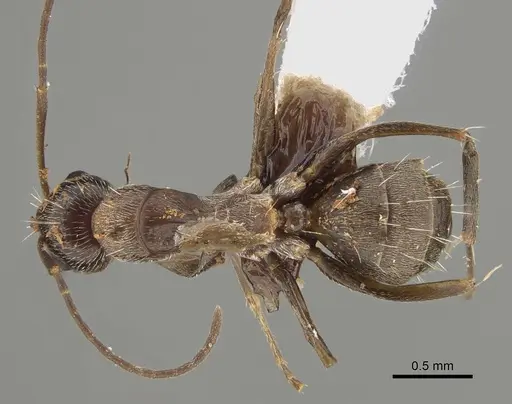
CASENT0887703
View on AntWeb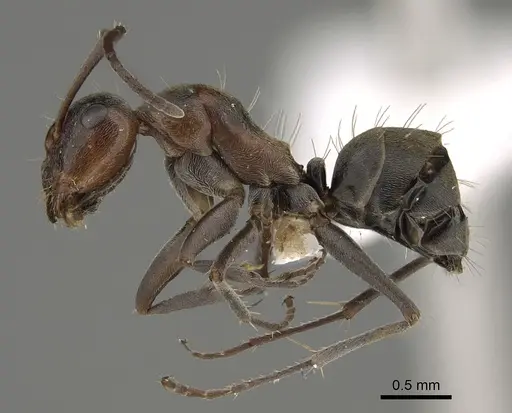
CASENT0910401
View on AntWeb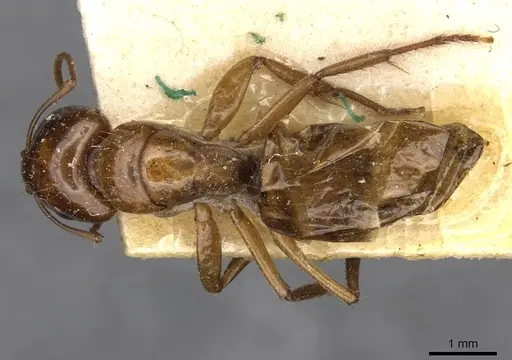
CASENT0910402
View on AntWeb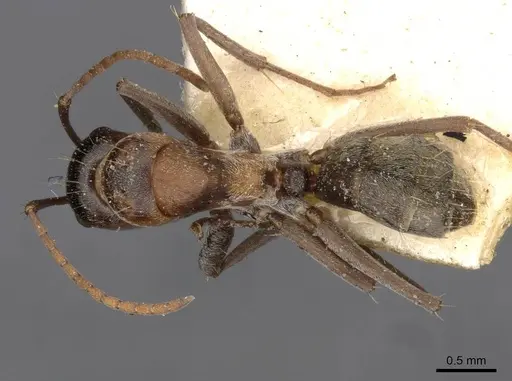
JDM32-001371
View on AntWeb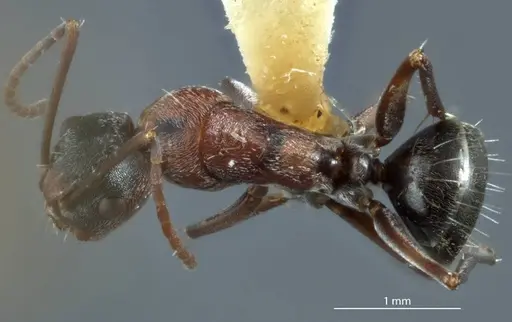
JDM32-001374
View on AntWeb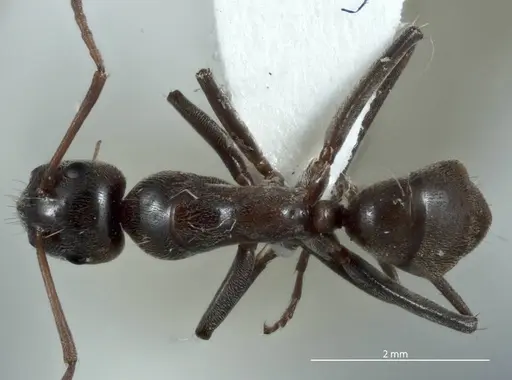
Literature
Loading...Loading products...