

Camponotus spinolae
- Scientific Name
- Camponotus spinolae
- Subgenus
- Tanaemyrmex
- Tribe
- Camponotini
- Subfamily
- Formicinae
- Author
- Roger, 1863
- Distribution
- Found in 1 countries
Camponotus spinolae Overview
Camponotus spinolae is an ant species of the genus Camponotus. It is primarily documented in 1 countries , including Chile. Detailed taxonomic data and occurrence records can be further explored via authoritative databases such as AntWeb or the Global Biodiversity Information Facility (GBIF).
Camponotus spinolae
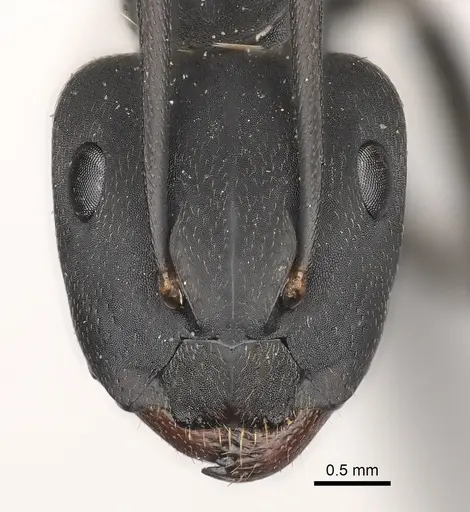
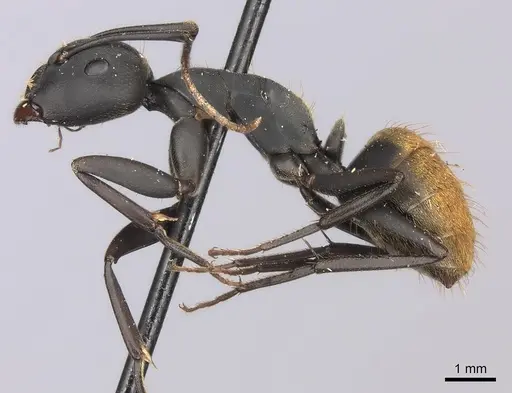
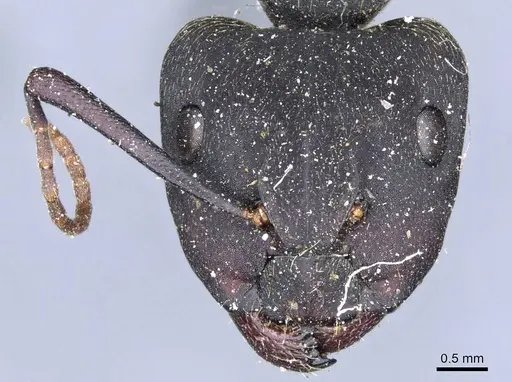
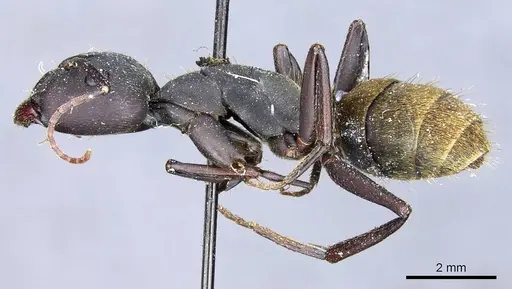
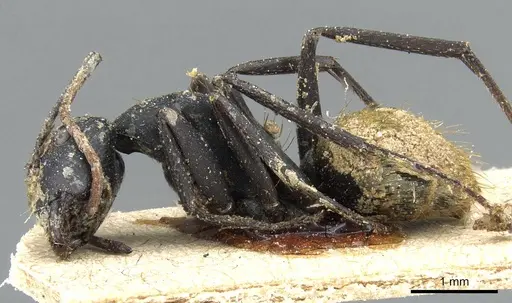
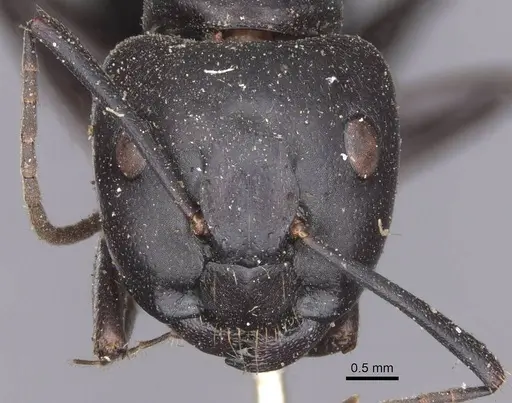
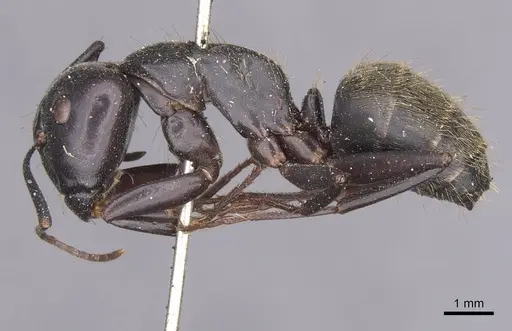
Camponotus spinolae is a carpenter ant species native to South America, with documented distribution in Bolivia and Chile [1][2]. As a Camponotus species, workers are polymorphic, meaning they come in different sizes, from smaller minor workers to larger major workers. The genus is known for nesting in wood and excavating galleries, though this specific species' nesting habits have not been documented. These ants are typical of the carpenter ant form: robust body, large compound eyes, and a distinctively shaped metapleuron. The species was originally described in the late 1800s, with limited modern research available.
Quick Summary
- Difficulty: Medium
- Origin & Habitat: South America, documented in Bolivia [1] and Chile [2]. The specific habitat within this range has not been studied.
- Colony Type: Likely single-queen colonies based on typical Camponotus patterns. Colony structure for this specific species is unconfirmed.
- Colony: Monogyne
- Founding: Claustral
- Size & Growth:
- Queen: Estimated 15-18mm based on typical Camponotus queen size range
- Worker: Estimated 6-15mm (polymorphic majors and minors) based on typical Camponotus worker size range
- Colony: Likely reaches several thousand workers based on typical Camponotus colony development
- Growth: Moderate, Camponotus species typically grow more slowly than smaller ants, taking months to establish
- Development: Estimated 6-10 weeks based on typical Camponotus development at warm temperatures (Development time is estimated from related species, this species has not been directly studied. Cooler temperatures will slow development significantly.)
- Antkeeping:
- Temperature: Keep nest area at 20-26°C with a gentle gradient. Room temperature (around 20-22°C) is suitable for most of the year, with slight warming beneficial for brood development.
- Humidity: Moderate humidity around 50-60%. Carpenter ants prefer somewhat drier conditions compared to tropical species. Provide a water tube for drinking access.
- Diapause: Likely requires a winter rest period given the temperate to subtropical distribution in Chile. Reduce temperature to 10-15°C for 2-3 months during winter
- Nesting: Y-tong (acrylic) nests work well for this species. The chambers should be appropriately scaled, carpenter ants need moderate spacing. Wood-nesting species often adapt to acrylic or plaster nests in captivity.
- Behavior: Typical carpenter ant temperament, generally non-aggressive toward keepers but will defend the nest if threatened. Workers are primarily nocturnal or crepuscular, foraging for honeydew, aphid secretions, and protein. Escape risk is moderate, use standard barrier methods. Major workers can deliver a mild sting if handled roughly, though Camponotus are not known for aggressive stinging.
- Common Issues: limited distribution data means care recommendations are largely inferred from genus patterns, adjust based on colony behavior, slow founding phase compared to smaller ant species, beginners may lose patience during claustral founding, winter dormancy requirements may be unclear for this species given the Chile/Bolivia distribution ambiguity, test tube setups work for founding but colonies will need appropriately sized formicarium as they grow
Origin and Distribution
Camponotus spinolae is a South American carpenter ant species documented in Bolivia [1] and Chile [2]. The exact range within these countries is not well-defined in the scientific literature. This species was originally described in the late 1800s, and modern research on its distribution and ecology is extremely limited. The Chile location suggests adaptation to temperate or subtropical conditions, while the Bolivia records indicate presence in warmer regions. This distribution pattern suggests the species can tolerate a range of conditions, though specific microhabitat preferences are unknown.
Nest Preferences and Housing
As a Camponotus species, C. spinolae likely nests in wood in the wild, either in dead trees, stumps, or wooden structures. This aligns with the common name 'carpenter ant' for the genus. In captivity, Y-tong (acrylic) nests work well for most Camponotus species. The chamber size should be appropriate for the colony size, not too large for founding colonies, but spacious enough for mature colonies to accommodate thousands of workers. Plaster nests can also work, providing some moisture retention. Test tube setups are suitable for founding colonies. Ensure adequate ventilation while maintaining stable humidity.
Feeding and Diet
Carpenter ants are omnivorous, feeding on honeydew from aphids and scale insects, nectar from flowers, and protein from insects. In captivity, offer sugar water or honey as a constant energy source. For protein, provide insects such as mealworms, crickets, or other appropriately sized prey. Feed protein 2-3 times per week, and keep a sugar source available at all times. Remove uneaten prey after 24-48 hours to prevent mold. Camponotus colonies can be slow to accept new foods during the founding phase, be patient and try different options.
Temperature and Seasonal Care
Maintain nest temperatures between 20-26°C. Room temperature around 20-22°C is typically suitable for Camponotus species, with slight warming (up to 26°C) potentially speeding brood development. Given the Chile distribution, a winter rest period is likely beneficial. Reduce temperatures to 10-15°C for 2-3 months during winter months, mimicking natural seasonal cycles. During this time, reduce feeding significantly. This diapause period helps maintain colony health and may trigger reproductive behavior in spring. Do not feed during deep hibernation.
Colony Development
As a likely claustral species, the queen will seal herself in a chamber and not leave during founding. She relies entirely on stored fat reserves and metabolic energy to survive and raise the first brood. This founding phase can take several months, be patient and do not disturb the founding chamber. First workers (nanitics) will be smaller than normal workers but will immediately begin caring for the colony. Growth is typically moderate, Camponotus colonies do not explode in numbers like some smaller species. A mature colony may take several years to develop and can eventually reach several thousand workers.
Frequently Asked Questions
How long does it take for Camponotus spinolae to produce first workers?
Estimated 6-10 weeks from egg to first worker at warm temperatures (around 24-26°C). This is based on typical Camponotus development patterns since this specific species has not been studied. Cooler temperatures will significantly slow development.
What do Camponotus spinolae ants eat?
They are omnivorous like most carpenter ants. Offer sugar water or honey constantly, and feed protein (insects like mealworms or crickets) 2-3 times per week. They likely also collect honeydew in the wild.
Do Camponotus spinolae need hibernation?
Given the Chile distribution, a winter rest period is likely beneficial. Reduce temperatures to 10-15°C for 2-3 months during winter. This mimics natural seasonal patterns and helps maintain colony health.
How big do Camponotus spinolae colonies get?
Likely several thousand workers at maturity, typical for Camponotus species. Growth is moderate and takes several years to reach full size.
What is the best nest type for Camponotus spinolae?
Y-tong (acrylic) nests work well for this species. Scale chamber sizes to colony size, smaller chambers for founding colonies, larger for mature colonies. Plaster nests are also suitable.
Is Camponotus spinolae good for beginners?
This species is rated Medium difficulty. The main challenges are the slow founding phase compared to smaller ants, and the need for appropriate winter rest. If you have experience with other Camponotus species or are patient with slower-growing ants, this is a suitable choice.
Can I keep multiple Camponotus spinolae queens together?
This species is likely single-queen (monogyne) based on typical Camponotus patterns. Combining unrelated queens is not recommended as they likely will not accept each other. If you obtain a colony, assume single-queen structure.
What temperature should I keep Camponotus spinolae at?
Keep nest areas at 20-26°C. Room temperature (20-22°C) is suitable, with slight warming up to 26°C beneficial for faster brood development. Provide a temperature gradient so ants can choose their preferred zone.
Why is my Camponotus spinolae colony growing slowly?
Camponotus species naturally grow more slowly than smaller ant species. Ensure proper temperature (20-26°C), adequate protein feeding, and be patient during the founding phase. Colonies may appear stagnant for months before accelerating. Also verify the queen is still alive and laying eggs.
References

This caresheet is licensed under CC BY-SA 4.0 .
CASENT0217706
View on AntWeb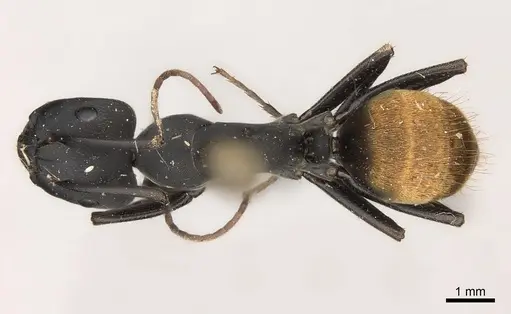
CASENT0905203
View on AntWeb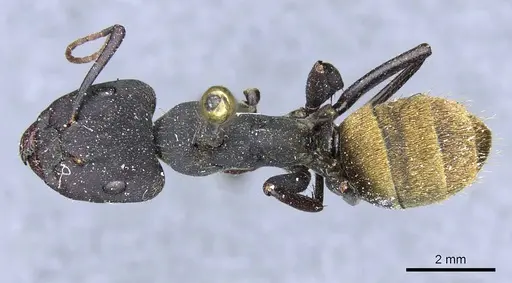
CASENT0905204
View on AntWeb
CASENT0913699
View on AntWeb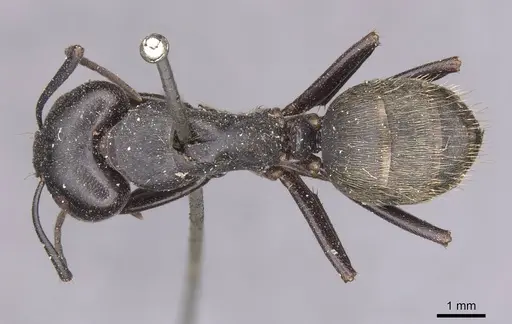
Literature
Loading...Loading products...