

Camponotus sphenoidalis
- Scientific Name
- Camponotus sphenoidalis
- Subgenus
- Myrmobrachys
- Tribe
- Camponotini
- Subfamily
- Formicinae
- Author
- Mayr, 1870
- Distribution
- Found in 1 countries
Camponotus sphenoidalis Overview
Camponotus sphenoidalis is an ant species of the genus Camponotus. It is primarily documented in 1 countries , including Colombia. Detailed taxonomic data and occurrence records can be further explored via authoritative databases such as AntWeb or the Global Biodiversity Information Facility (GBIF).
Camponotus sphenoidalis
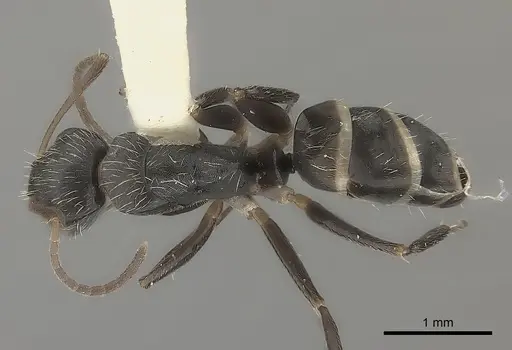
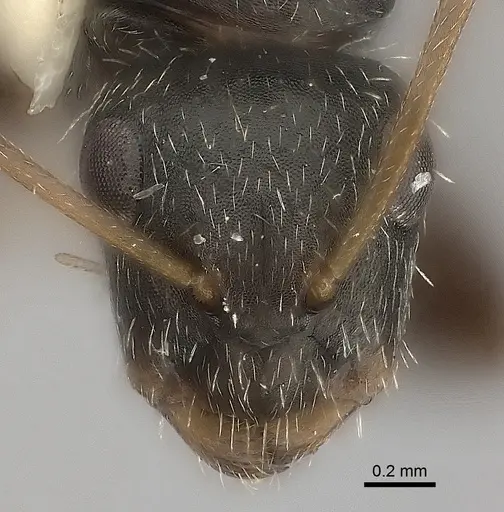
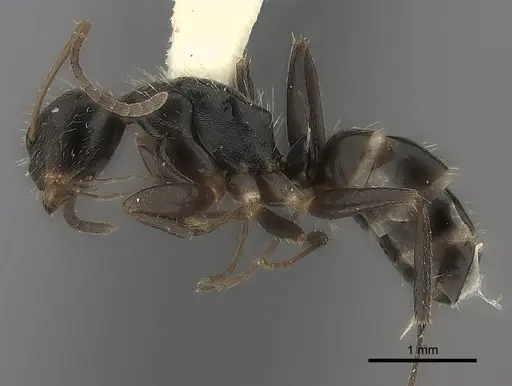
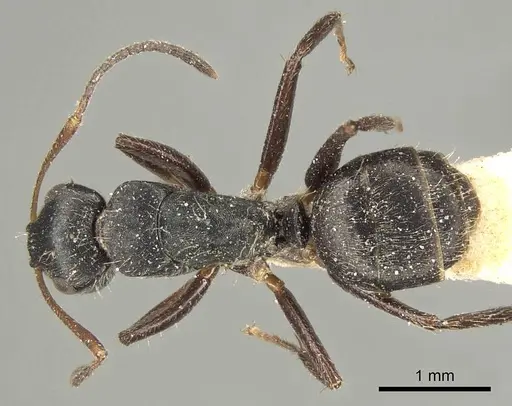
Camponotus sphenoidalis is a small Neotropical carpenter ant measuring 4.5-6mm in total length. Workers are mostly black and shiny with distinctive yellowish pubescence covering much of their body. The head often shows yellowish coloration on the anterior part, and the legs are typically reddish-brown. Each abdominal segment has a transverse band of lighter coloration along its posterior edge. These ants belong to the subgenus Myrmobrachys and are found across the Colombian Andes and Amazon region, from Costa Rica down to Ecuador. They are likely tree-nesting ants, possibly associated with Cecropia plants, though their exact nesting habits remain poorly documented.
Quick Summary
- Difficulty: Medium
- Origin & Habitat: Neotropical species native to Colombia, Costa Rica, and Ecuador. Found in Amazon regions (várzea floodplain and tierra firme forest) and Andean foothills up to 980m elevation [1][2][3].
- Colony Type: Colony structure is unconfirmed. Based on genus patterns, likely single-queen (monogyne) colonies.
- Colony: Monogyne
- Founding: Claustral
- Size & Growth:
- Queen: Estimated 8-10mm based on genus Camponotus patterns
- Worker: 4.5-6mm [4][1]
- Colony: Unknown, likely moderate colony size typical of small Myrmobrachys species
- Growth: Moderate, typical for tropical Camponotus
- Development: 6-10 weeks (estimated based on typical Camponotus development at 24-26°C) (Development time is estimated from genus patterns since specific data for this species is unavailable. Tropical origin suggests faster development than temperate species.)
- Antkeeping:
- Temperature: Keep at 24-28°C. As a Neotropical species from tropical forests, they prefer warm, stable conditions. A heating cable on one side of the nest creates a gentle gradient [1].
- Humidity: Moderate to high humidity (60-80%). Their natural habitat includes Amazon várzea regions, so they prefer damp conditions. Keep the nest substrate consistently moist but not waterlogged.
- Diapause: No, as a tropical species from near-equatorial regions, they do not require hibernation. Maintain warm conditions year-round.
- Nesting: Likely nests in Cecropia plants or rotting wood in nature. In captivity, a Y-tong (AAC) or plaster nest works well. Provide narrow chambers scaled to their small size. The subgenus Myrmobrachys typically nests in pre-existing cavities in plants.
- Behavior: These are relatively docile carpenter ants with typical Camponotus temperament. Workers are active foragers that likely scavenge for honeydew and small prey. Their small size (under 6mm) means escape prevention is important, use fine mesh and tight-fitting lids. They are not aggressive but may bite if threatened. Like most Camponotus, they likely communicate through chemical signals and may form foraging trails to food sources.
- Common Issues: escape prevention is critical due to their small size, they can squeeze through tiny gaps, tropical species may struggle if temperatures drop below 22°C, limited natural history data means some care parameters are estimated from genus patterns, wild-caught colonies may carry parasites that can affect captive colonies, slow founding phase typical of claustral ants, new keepers may lose patience
Appearance and Identification
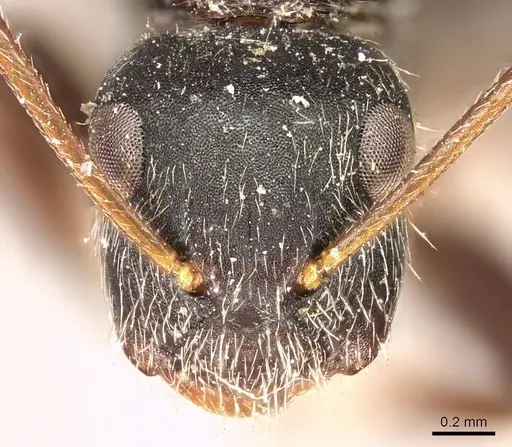
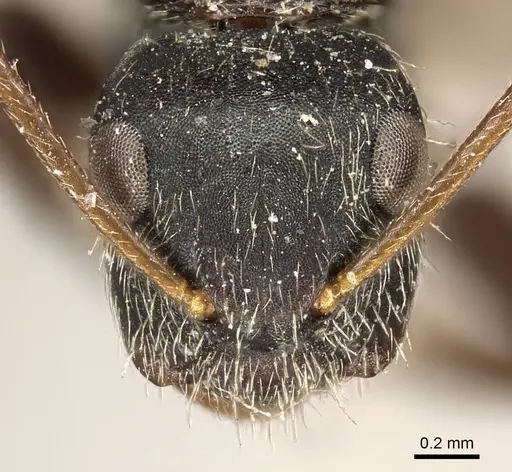
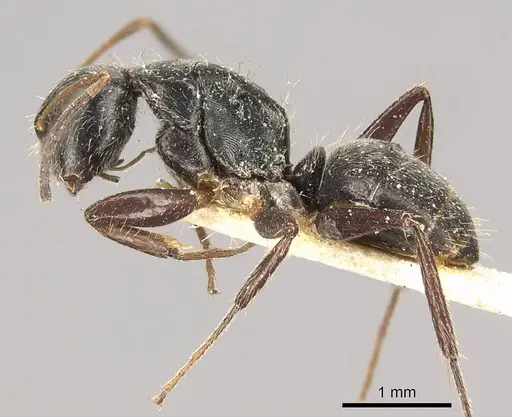
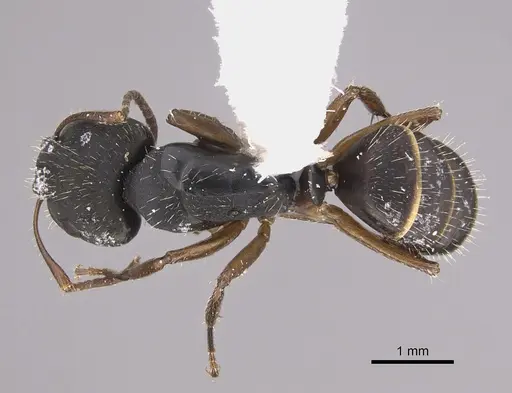
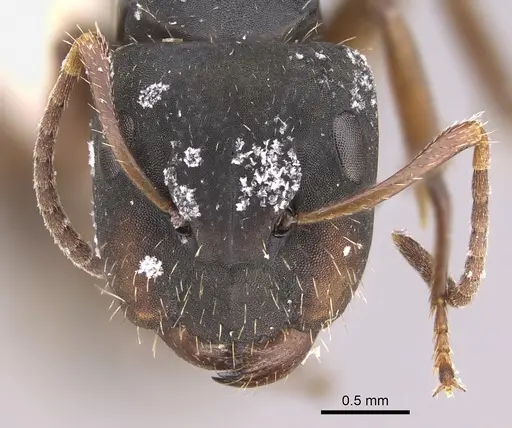
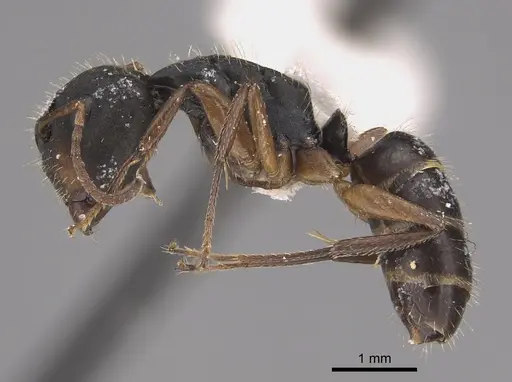
Camponotus sphenoidalis is a small carpenter ant measuring 4.5-6mm in total length. Workers are predominantly black and shiny with abundant yellowish pubescence covering most body surfaces. The head often displays yellowish coloration on the anterior portion, and the legs are typically reddish-brown. A distinctive feature is the transverse bands of lighter coloration along the posterior edges of each abdominal segment. The propodeum (the section between the thorax and abdomen) is angulated rather than rounded, and the petiole is thick when viewed from the side. Erect hairs are present on the cheeks, sides of the head, and posterior margins. The scape (the first segment of the antenna) has erect or suberect hairs, and the tibial hairs are appressed or slightly elevated from the surface [4][1].
Distribution and Habitat
This species ranges from Costa Rica through Colombia to Ecuador. In Colombia, it has been recorded across multiple departments including Boyacá, Antioquia, Valle del Cauca, Quindío, Risaralda, Tolima, Meta, Caquetá, and Nariño. It occurs in both Amazon regions (várzea floodplain forests and tierra firme upland forests) and Andean foothills up to approximately 980 meters elevation. The species is common in Colombia and has a wide distribution within its range [1][3][2].
Nest Preferences
Based on their placement in the subgenus Myrmobrachys, these ants likely nest in pre-existing cavities in rotting wood or live plants. There is a possible association with Cecropia trees, which are common in Neotropical forests. In captivity, Y-tong (acrylic) nests or plaster nests with narrow chambers work well. The chambers should be appropriately scaled to their small worker size (4.5-6mm). Provide some damp substrate but avoid overly wet conditions that could lead to mold. A small water reservoir connected to the nest helps maintain humidity [1].
Feeding and Diet
Like other Camponotus species, these ants are omnivorous with a preference for sugar sources. In nature, they likely tend aphids for honeydew and scavenge for small insects. In captivity, offer sugar water or honey regularly, and provide protein sources such as small insects (fruit flies, small mealworms, crickets) or commercial ant protein mixes. Feed protein 2-3 times per week and keep sugar water available at all times. Remove uneaten prey after 24-48 hours to prevent mold.
Temperature and Seasonal Care
As a Neotropical species from tropical regions near the equator, Camponotus sphenoidalis does not require hibernation or diapause. Keep the nest area at 24-28°C year-round. A heating cable placed on one side of the nest creates a temperature gradient allowing the ants to regulate their own exposure to warmth. Avoid temperatures below 22°C as this species is adapted to consistently warm conditions. Room temperature within this range is acceptable, but supplemental heating may be needed in cooler environments. [1]
Colony Development
Like all Camponotus species, C. sphenoidalis is claustral, the queen seals herself in a chamber and raises the first workers entirely on stored fat reserves without leaving to forage. The founding process typically takes 6-10 weeks at optimal temperatures, producing nanitic (first) workers that are smaller than normal workers. After the first workers emerge, the colony enters a growth phase. The exact maximum colony size is unknown but is likely several hundred workers given their small body size and tropical distribution. Growth is moderate, faster than temperate species but not as rapid as some tropical specialists.
Frequently Asked Questions
How long does it take for Camponotus sphenoidalis to produce first workers?
Expect first workers (nanitics) in 6-10 weeks at 24-28°C. This is estimated from typical Camponotus development patterns since specific timing for this species has not been documented.
What size nest do I need for Camponotus sphenoidalis?
Use a nest with small, appropriately scaled chambers. A Y-tong (AAC) or plaster nest works well. The workers are only 4.5-6mm, so narrow passages and tight chambers help them feel secure. Start with a small setup and expand as the colony grows.
Do Camponotus sphenoidalis ants need hibernation?
No. As a tropical species from Costa Rica to Ecuador, they do not require hibernation. Keep them warm year-round at 24-28°C.
What do Camponotus sphenoidalis eat?
They are omnivorous like other carpenter ants. Offer sugar water or honey constantly, and feed protein (small insects like fruit flies, mealworms, or crickets) 2-3 times per week.
Are Camponotus sphenoidalis good for beginners?
This species is rated as Medium difficulty. While not the easiest species, experienced beginners can succeed with them. The main challenges are their small size (requiring good escape prevention) and the need for warm, stable tropical conditions. Their claustral founding and moderate growth rate are manageable for those with some antkeeping experience.
How big do Camponotus sphenoidalis colonies get?
The maximum colony size is not documented, but based on their small worker size (4.5-6mm) and tropical distribution, colonies likely reach several hundred workers. They are not among the largest Camponotus species.
Can I keep multiple Camponotus sphenoidalis queens together?
This has not been documented for this species. Based on typical Camponotus behavior, single-queen colonies are most common. It is not recommended to combine unrelated queens as they typically fight.
Why are my Camponotus sphenoidalis dying?
Common causes include: temperatures below 22°C (tropical species are cold-sensitive), escape due to their small size (use fine mesh barriers), overly dry conditions (they prefer humid environments), or mold from overwatering. Check that your setup maintains proper warmth and humidity levels.
When should I move Camponotus sphenoidalis to a formicarium?
Move them once the colony reaches 20-30 workers and the test tube setup becomes crowded. For this small species, a small formicarium with appropriately scaled chambers works well. Ensure the new setup maintains similar humidity and has proper escape prevention.
References

This caresheet is licensed under CC BY-SA 4.0 .
Literature
Loading...Loading products...