

Camponotus sphaericus
- Scientific Name
- Camponotus sphaericus
- Subgenus
- Myrmaphaenus
- Tribe
- Camponotini
- Subfamily
- Formicinae
- Author
- Roger, 1863
- Distribution
- Found in 1 countries
Camponotus sphaericus Overview
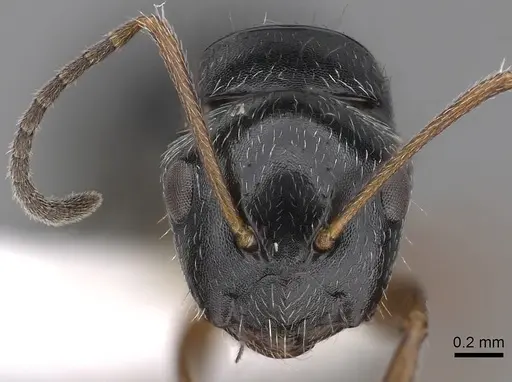
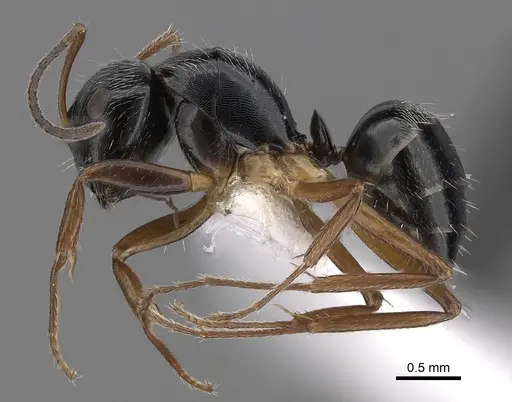
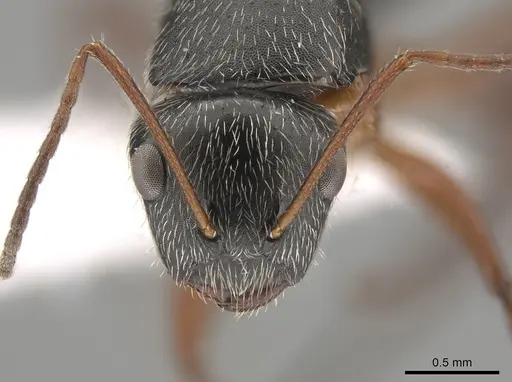
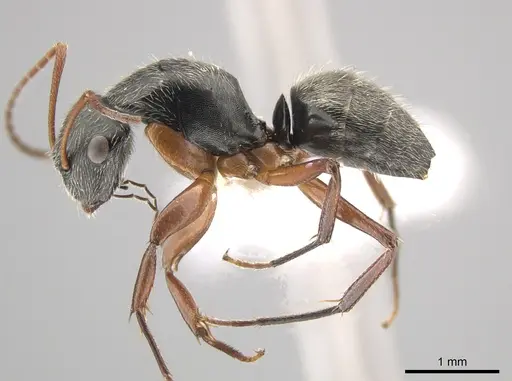
Camponotus sphaericus is an ant species of the genus Camponotus. It is primarily documented in 1 countries , including Cuba. Detailed taxonomic data and occurrence records can be further explored via authoritative databases such as AntWeb or the Global Biodiversity Information Facility (GBIF).
Camponotus sphaericus
Camponotus sphaericus is a small carpenter ant species endemic to Cuba, meaning it's found nowhere else on Earth. Originally described by Roger in 1863,this species belongs to the subgenus Manniella and is known from workers and soldiers (majors) [1][2]. The genus name 'Camponotus' comes from Greek and means 'strength of the neck', referring to their powerful neck muscles. These ants are part of the Formicinae subfamily, which means they lack a stinger but can spray formic acid as a defense. As a Cuban endemic, this species represents a unique piece of the island's biodiversity and would be an interesting species for antkeepers interested in keeping something rare that few others have worked with.
Quick Summary
- Difficulty: Unknown
- Origin & Habitat: Cuba, this species is endemic to the island, meaning it's found nowhere else in the world [3][4]. The specific habitat preferences within Cuba are not well documented in scientific literature.
- Colony Type: Unknown, colony structure has not been studied. Most Camponotus species are single-queen (monogyne) colonies, but this has not been confirmed for C. sphaericus.
- Size & Growth:
- Queen: Unconfirmed, no specific measurements available. Based on typical Camponotus patterns, expect queens around 7-12mm.
- Worker: Unconfirmed, workers have been described but specific measurements are not provided in available literature [1].
- Colony: Unknown, no colony size data exists for this species.
- Growth: Unknown
- Development: Unconfirmed, no development data available for this species. Based on typical Camponotus genus patterns, expect 6-10 weeks at warm temperatures. (Development timeline is estimated from genus-level data since species-specific research does not exist.)
- Antkeeping:
- Temperature: Unconfirmed, no thermal studies exist for this species. Based on its Cuban origin (tropical Caribbean), aim for warm conditions around 22-28°C. Adjust based on colony activity.
- Humidity: Unconfirmed, no humidity data exists. As a Cuban species, moderate to high humidity (60-80%) is likely appropriate, similar to other tropical Camponotus.
- Diapause: Unknown, no research on seasonal requirements. Cuba's climate is tropical with minimal cold periods, so diapause may not be required. Observe your colony's seasonal activity patterns.
- Nesting: In nature, Camponotus species typically nest in rotting wood, under bark, or in hollow stems. For captivity, a Y-tong (AAC) nest, wooden formicarium, or plaster nest works well. Provide some damp substrate but avoid waterlogging.
- Behavior: Behavior is unstudied. Based on genus patterns, expect typical carpenter ant behavior: moderate activity levels, workers that forage for sugar and protein, and a tendency to excavate wood. Escape prevention is important, use standard Camponotus-level barriers. They are not aggressive toward keepers but may spray formic acid if threatened.
- Common Issues: lack of available care information makes successful keeping challenging, specific temperature and humidity requirements are unknown, requiring experimentation, this species may be difficult to acquire as it's endemic to Cuba and rarely exported, growth rate is unknown, so patience may be required, no documented feeding preferences, experimentation needed
Species Overview and Rarity
Camponotus sphaericus represents one of Cuba's endemic ant species, found nowhere else on Earth [3]. This makes it a potentially interesting species for antkeepers who want something truly unique. The species was originally described in 1863 by Julius Roger, with later contributions from Wheeler and Mann who further documented its classification [1]. The species has moved through several subgenera over time, including Myrmeurynota, Colobopsis, and finally Manniella, reflecting taxonomic revisions as researchers learned more about its morphology. The fact that it's endemic to Cuba means that any captive colonies would likely be rare in the antkeeping hobby, as collection and export would be limited.
Nest Preferences
Natural nesting behavior for this species has not been documented. However, Camponotus as a genus typically nests in rotting wood, under loose bark, in hollow stems, or sometimes in soil cavities. In captivity, provide a nest that allows for some humidity control, Y-tong (AAC) nests, wooden formicaria, or plaster nests all work well for Camponotus species. The nest should have chambers scaled appropriately for a small to medium carpenter ant. Since this is a tropical species from Cuba, maintaining some moisture in the nest is advisable, but avoid waterlogging.
Feeding and Diet
Feeding preferences have not been studied for this specific species. Based on general Camponotus biology, they are omnivorous, workers collect honeydew from aphids, nectar from flowers, and hunt small insects for protein. In captivity, offer sugar water or honey as a constant energy source, and provide protein sources like mealworms, crickets, or other small insects. Since this is a relatively small Camponotus species, prey items should be appropriately sized. Monitor whether your colony accepts different food types and adjust accordingly.
Temperature and Seasonal Care
No specific temperature requirements exist in scientific literature for this species. Being Cuban (tropical Caribbean), it likely prefers warm conditions, aim for 22-28°C as a starting point. Watch how your colony responds: if workers are active and foraging, the temperature is likely suitable. Cuba has a tropical climate with warm temperatures year-round, so this species may not require a true diapause or hibernation period. However, if you notice seasonal slowdowns in activity, providing a cooler period (around 15-18°C) for a few months may be appropriate.
Challenges and Considerations
This species presents significant challenges for antkeepers. First, availability is extremely limited, as an endemic Cuban species, few colonies exist in captivity outside of Cuba. Second, almost no species-specific care information exists, so keepers will need to experiment with temperature, humidity, and feeding to find what works. Third, the lack of documented development data means estimating growth rates and colony development is difficult. If you obtain this species, careful observation and documentation of your colony's behavior would contribute valuable information to the antkeeping community. Consider starting with standard Camponotus care and adjusting based on your observations.
Frequently Asked Questions
How do I care for Camponotus sphaericus ants?
Specific care requirements are not documented. Based on typical Camponotus care, provide a warm nest (22-28°C), moderate humidity (60-80%), sugar water constantly, and protein prey 1-2 times weekly. Start with standard carpenter ant husbandry and adjust based on your colony's response.
What do Camponotus sphaericus eat?
Feeding is unstudied for this species. Based on genus patterns, they likely accept sugar sources (honey, sugar water) and small insects. Offer a variety and observe what your colony prefers.
How long does it take for Camponotus sphaericus to develop from egg to worker?
Development timeline is unconfirmed. Based on typical Camponotus genus development at warm temperatures (24-27°C), expect approximately 6-10 weeks from egg to first worker.
Where is Camponotus sphaericus found?
This species is endemic to Cuba, meaning it's found nowhere else in the world [3][4].
How big do Camponotus sphaericus colonies get?
Colony size is unknown, no colony size data exists in scientific literature for this species.
Is Camponotus sphaericus good for beginners?
Difficulty level is unknown, but the lack of available care information makes this species challenging even for experienced antkeepers. Unless you have access to an established colony, this species is not recommended for beginners.
Do Camponotus sphaericus need hibernation?
Diapause requirements are unknown. Cuba has a tropical climate with minimal cold periods, so this species likely does not require hibernation. Monitor your colony for seasonal activity changes.
Can I keep multiple queens together?
Colony structure is unconfirmed. Most Camponotus are single-queen (monogyne) colonies, but this has not been documented for C. sphaericus. Without specific data, combining unrelated queens is not recommended.
What size are Camponotus sphaericus queens and workers?
Specific measurements are not available in literature. Based on typical Camponotus genus size ranges, expect queens around 7-12mm and workers smaller, likely 4-8mm.
References

This caresheet is licensed under CC BY-SA 4.0 .
CASENT0280088
View on AntWeb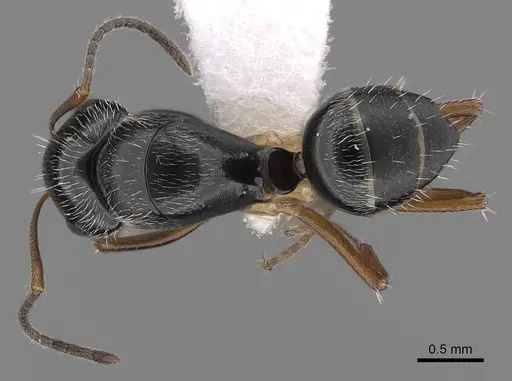
CASENT0651972
View on AntWeb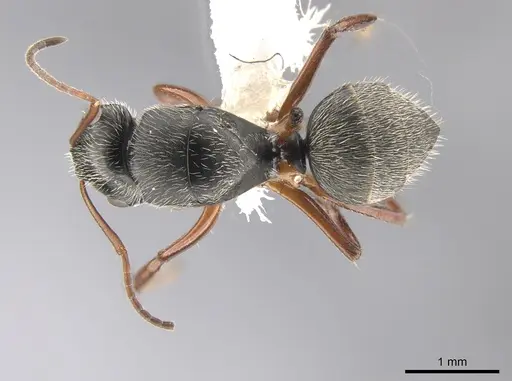
Literature
Loading...Loading products...