
Camponotus snellingi shows a March to May flight window. Peak activity occurs in March, with nuptial flights distributed across 3 months.
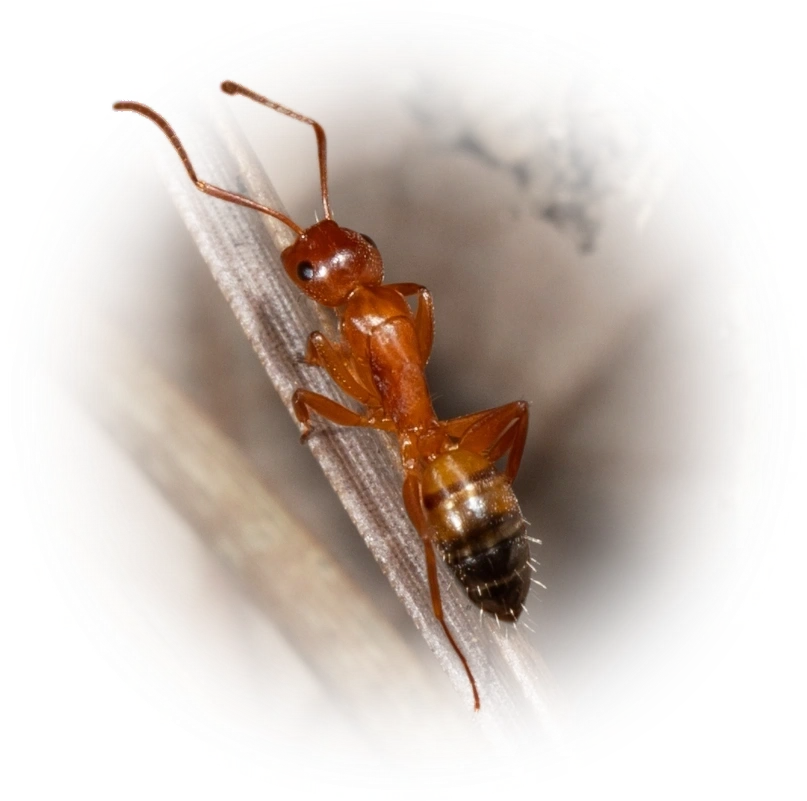
Camponotus snellingi
- Scientific Name
- Camponotus snellingi
- Subgenus
- Myrmentoma
- Tribe
- Camponotini
- Subfamily
- Formicinae
- Author
- Bolton, 1995
- Common Name
- Snelling's Carpenter Ant
- Distribution
- Found in 1 countries
- Nuptial Flight
- from March to May, peaking in March
AI Identifiable
try →
Camponotus snellingi Overview
Camponotus snellingi (commonly known as the Snelling's Carpenter Ant) is an ant species of the genus Camponotus. It is primarily documented in 1 countries , including United States of America. Detailed taxonomic data and occurrence records can be further explored via authoritative databases such as AntWeb or the Global Biodiversity Information Facility (GBIF).
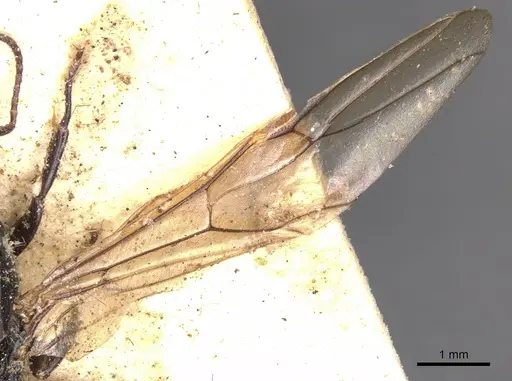
The nuptial flight of Camponotus snellingi is a significant biological event, typically occurring from March to May, peaking in March. During this time, winged queens and males leave the nest to mate and establish new colonies.
Camponotus snellingi - "Snelling's Carpenter Ant"
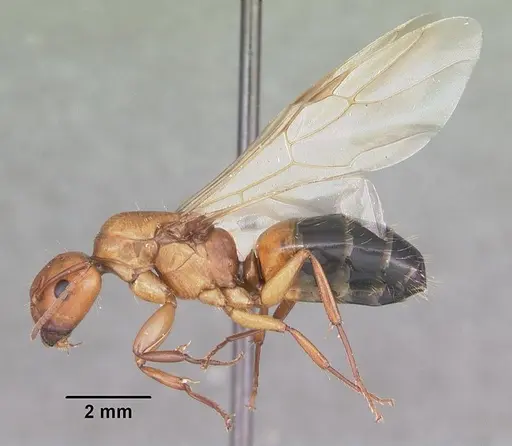
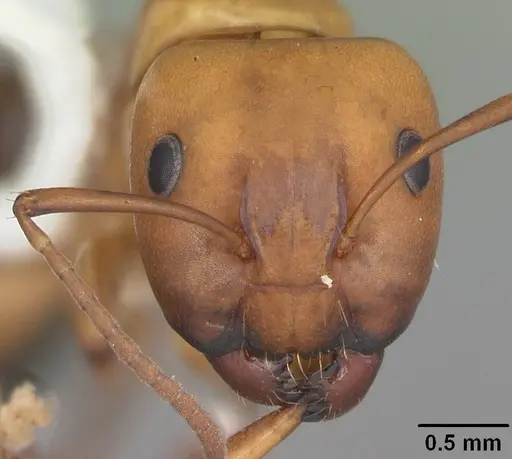
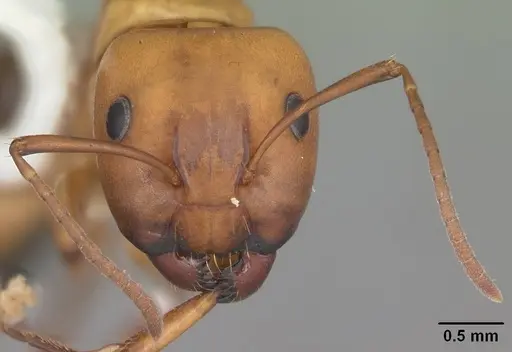
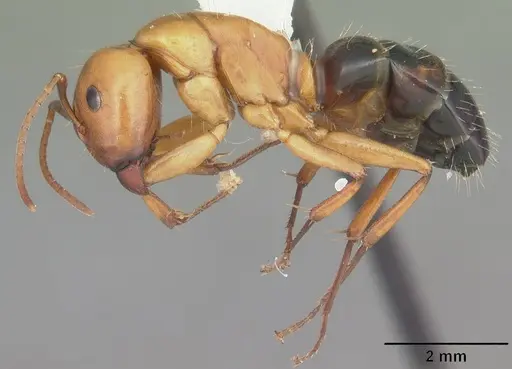
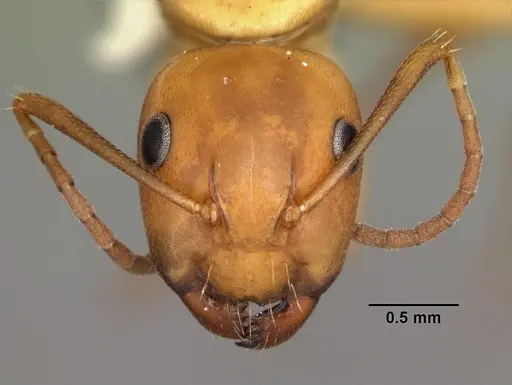
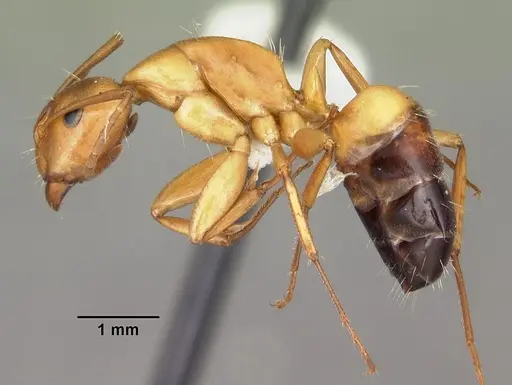
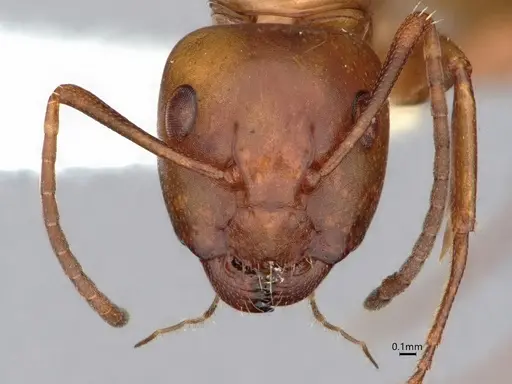
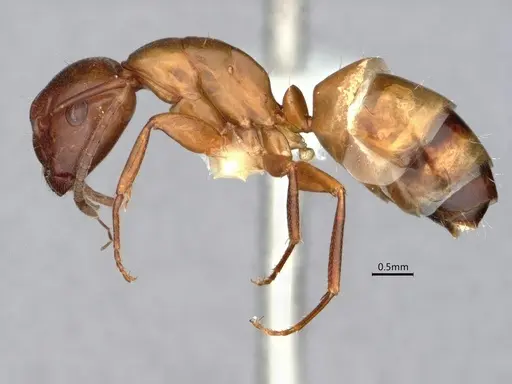
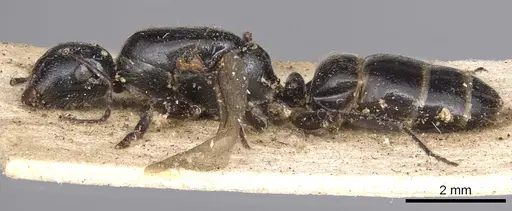
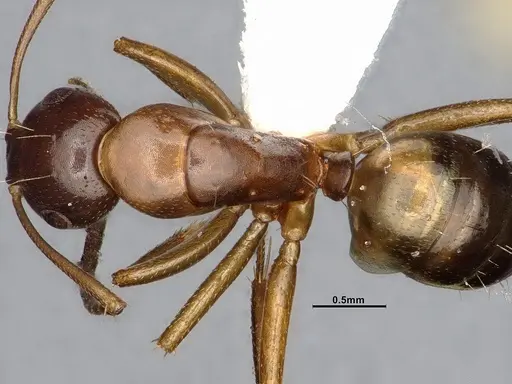
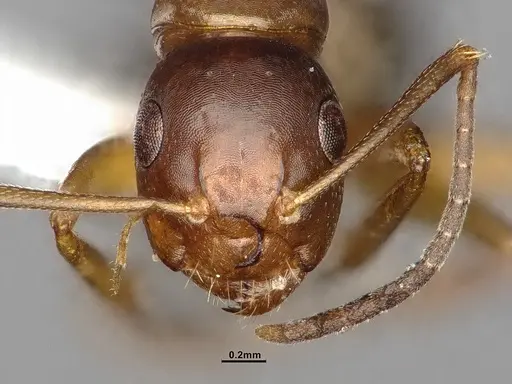
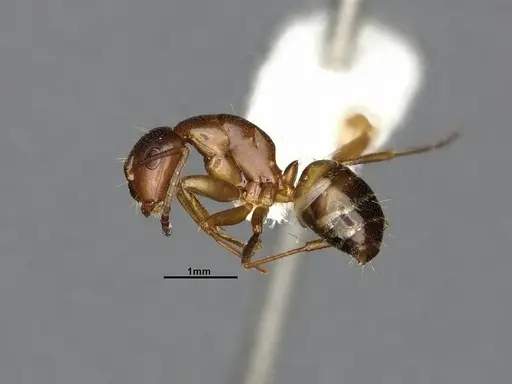
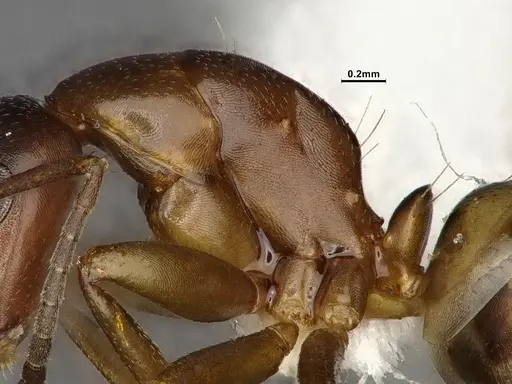
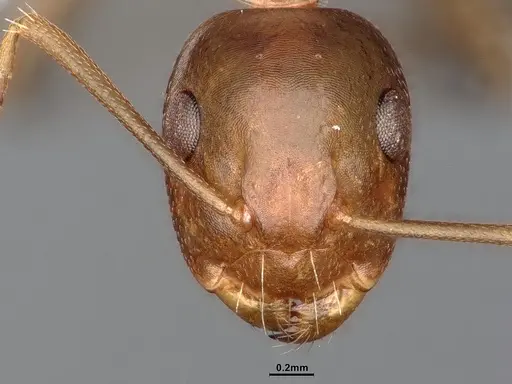
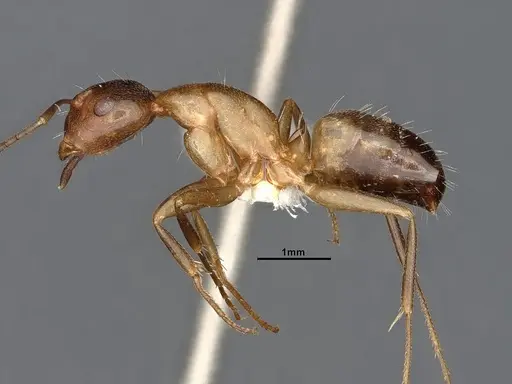
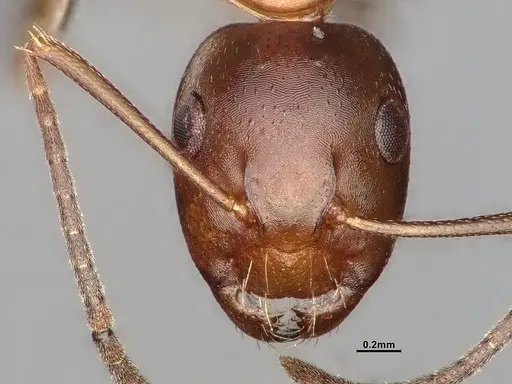
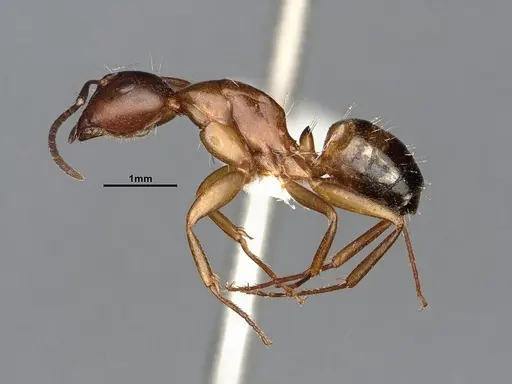
Camponotus snellingi is a medium-sized to large carpenter ant native to the southeastern United States. Workers measure 3.5-8mm, with the characteristic bicolored appearance: orangish-red head, alitrunk, legs, and petiole, contrasting with a gaster that has the first two segments orangish-red and the remaining segments blackish [1]. This species nests in dead twigs and branches of trees, under bark of live and dead trees, in partly rotting logs and stumps, and in standing dead trees [1]. It is widespread across the eastern US from Texas east to Florida and north to Virginia, preferring natural forested habitats over human structures [1][2].
What makes C. snellingi interesting is its colony flexibility, it often forms very large colonies with thousands of individuals, but can also maintain smaller colonies with less than a hundred workers [1]. In the southern parts of its range, especially Florida, nests tend to be in smaller twigs and branches rather than larger rotting trees, while larger nests are typical in central and northern Mississippi and Alabama [1]. This species is not considered a serious household or structural pest, making it a good choice for antkeepers who want a native carpenter ant without the concerns associated with truly pestiferous species.
Quick Summary
- Difficulty: Easy
- Origin & Habitat: Native to the southeastern United States, ranging from central Texas east to Georgia and Florida, and north to Virginia, Tennessee, and North Carolina. Found in forested habitats including mature swamp forests, moist thickets, and oak forests. Nests in dead wood, twigs, branches, rotting logs, stumps, and under bark [1][3][4].
- Colony Type: Likely monogyne (single queen) based on typical Camponotus patterns. Colonies can reach thousands of workers, though smaller colonies under 100 workers occur especially in southern parts of the range [1].
- Colony: Monogyne
- Founding: Claustral
- Size & Growth:
- Queen: Estimated 12-15mm based on genus patterns for large Camponotus species
- Worker: 3.5-8mm [1]
- Colony: Up to thousands of workers in large colonies [1]
- Growth: Moderate, typical for Camponotus
- Development: 6-10 weeks (estimated based on typical Camponotus development at room temperature) (Development time inferred from genus-level data, specific species timing unconfirmed)
- Antkeeping:
- Temperature: Keep at room temperature (20-24°C). They tolerate a range from roughly 18°C to 28°C. A gentle heat gradient in the nest area is beneficial but not required.
- Humidity: Moderate humidity (50-70%). Keep nest substrate moderately moist but not waterlogged. Being a wood-nesting species, they prefer slightly drier conditions than soil-nesting ants.
- Diapause: Yes, as a temperate species, they benefit from a winter rest period. Reduce temperature to around 10-15°C for 2-3 months during winter.
- Nesting: Best kept in Y-tong (AAC) nests, plaster nests, or naturalistic setups with rotting wood/coreless. They nest in dead wood in the wild, so wood-based or close-ended nests mimic their natural preferences. Test tubes can work for founding colonies but may need upgrading as the colony grows.
- Behavior: Fast-moving and active foragers that search for food both during the day and at night, often many meters from their colonies [5]. Generally not aggressive but will defend the nest if threatened. Workers are large enough to deliver a noticeable bite, though they are not considered dangerous. Escape prevention is important, while not the smallest ants, they are strong and can escape from poorly sealed setups. They are foragers that will scout for protein and sugar sources.
- Common Issues: Large colony size means they need significant space as they grow, be prepared to upgrade to larger setups, They are fast-moving and can escape if escape prevention is not maintained, Winter diapause is important for long-term colony health, skipping hibernation may weaken colonies over time, As a wood-nesting species, they may not thrive in fully soil-based setups, Very large colonies can become defensive if the nest is disturbed
Nuptial Flight Activity Analysis 74 observations
Flight Activity by Hour 74 observations
Camponotus snellingi nuptial flight activity peaks around 17:00 during the afternoon. Activity is spread across a 24-hour window (00:00–23:00). A secondary activity peak occurs around 20:00. Times may be influenced by human observation patterns.
Housing and Nest Setup
Camponotus snellingi does well in Y-tong (AAC) nests, plaster nests, or naturalistic setups that mimic their natural wood-nesting preferences. They are a larger carpenter ant, so give them appropriately sized chambers, not too tight, but with passages they can comfortably walk through. For founding colonies, a test tube setup works well with a water reservoir. As the colony grows to 30+ workers, consider upgrading to a formicarium with multiple chambers. They prefer darker conditions and will often nest in the more shaded areas of a setup. A naturalistic setup with rotting wood or cork works well if you want to observe their natural wood-boring behavior. [1][5]
Feeding and Diet
Like other carpenter ants, C. snellingi is an omnivore that accepts both protein and sugar sources. Offer protein foods like mealworms, crickets, and other insects 2-3 times per week. They also readily accept sugar water, honey, or maple syrup. In the wild, they forage for honeydew and insects. Feed them a varied diet, protein for brood development and sugars for worker energy. Remove uneaten prey after 24-48 hours to prevent mold. They are active foragers that will send out scouts, so place food in the outworld where they can find it easily. [1][5]
Temperature and Seasonal Care
Keep your colony at room temperature (20-24°C). They can tolerate temperatures from roughly 18°C to 28°C. During the summer active season, normal room temperature is fine. In winter, they benefit from a diapause period, reduce temperatures to around 10-15°C for 2-3 months. This mimics their natural seasonal cycle in the temperate US and helps maintain colony health. Do not feed them during hibernation, they will be mostly inactive and their metabolism slows. Bring them out gradually in spring by slowly warming the setup. [1]
Behavior and Colony Dynamics
This is an active, fast-moving species that forages both day and night, often traveling considerable distances from the nest to find food [5]. Workers are not particularly aggressive but will defend the nest vigorously if disturbed. Colonies grow large, thousands of workers in established nests, so you will need to plan for expansion space. They are not household pests in the traditional sense, preferring natural forested habitats over buildings [1]. When keeping them, you will notice they are curious and investigative, sending out regular foraging patrols.
Growth and Development
As a claustral founder, the queen seals herself in a chamber and raises the first brood alone without foraging. First workers (nanitics) are typically smaller than normal workers but grow quickly as the colony expands. Growth rate is moderate, expect 6-10 weeks from egg to first worker at room temperature. Once the colony reaches 20-30 workers, growth accelerates. Large colonies can eventually reach thousands of workers. The colony will produce alates (reproductives) in spring, alates have been collected from March through May in the wild [1].
Frequently Asked Questions
How long does it take for Camponotus snellingi to produce first workers?
Expect 6-10 weeks from egg to first worker at room temperature (20-24°C). This is typical for Camponotus species. The queen is claustral, she seals herself in and raises the first brood alone using stored fat reserves.
Is Camponotus snellingi a good beginner ant?
Yes, this is a good species for beginners. They are relatively easy to care for, not aggressive, and tolerate a range of conditions. They are also not household pests like some carpenter ant species. The main considerations are planning for large colony size and providing winter diapause.
What do Camponotus snellingi ants eat?
They are omnivores. Offer protein sources like mealworms, crickets, or other insects 2-3 times per week. Also provide sugar water, honey, or maple syrup regularly. They are active foragers that will readily accept both types of food.
Do Camponotus snellingi ants need hibernation?
Yes, they benefit from a winter rest period. As a temperate species native to the southeastern US, they expect seasonal temperature changes. Reduce temperature to 10-15°C for 2-3 months during winter. Do not feed them during this period.
How big do Camponotus snellingi colonies get?
They can reach thousands of workers in mature colonies [1]. However, smaller colonies with under 100 workers also occur, especially in the southern parts of their range. Be prepared to provide increasing space as your colony grows.
Can I keep multiple queens together?
This species is likely monogyne (single queen per colony) based on typical Camponotus patterns. Combining unrelated queens is not recommended as they would likely fight. If you find a queen in the wild, house her alone for founding.
When do Camponotus snellingi alates appear?
In the wild, alates (reproductives) have been collected from March 26 through May 26 [1]. In captivity, your colony may produce alates in spring as temperatures rise after hibernation.
Is Camponotus snellingi a pest?
No, they are not considered a serious household or structural pest. They prefer natural forested habitats and typically nest in dead wood outdoors rather than in buildings [1].
References

This caresheet is licensed under CC BY-SA 4.0 .
CASENT0103729
View on AntWeb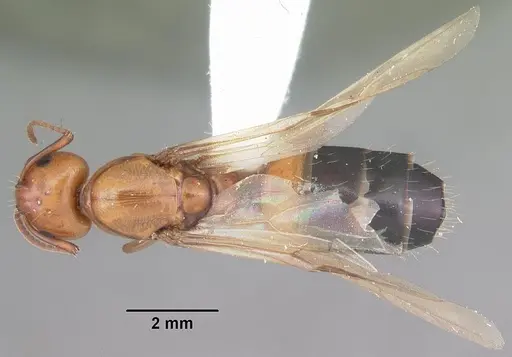
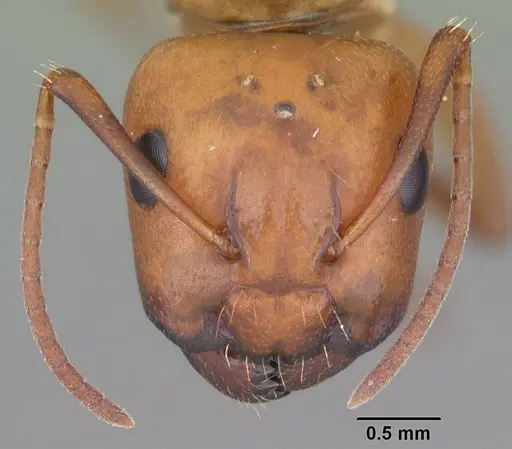
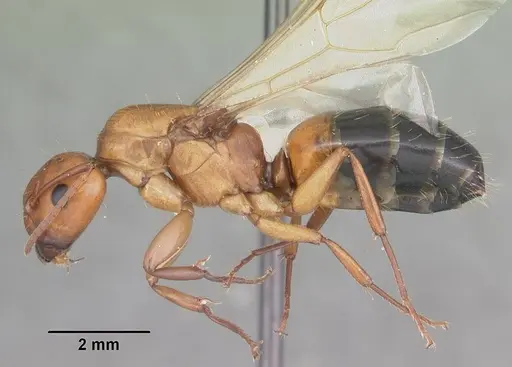
CASENT0103730
View on AntWeb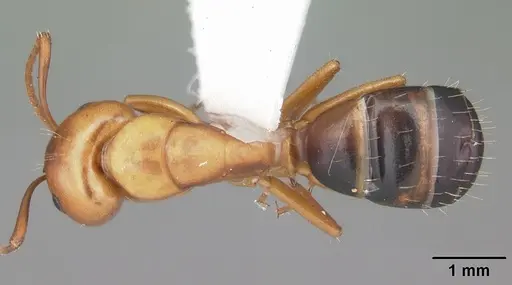
CASENT0103731
View on AntWeb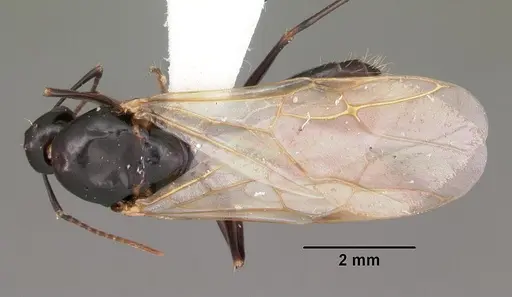
CASENT0103732
View on AntWeb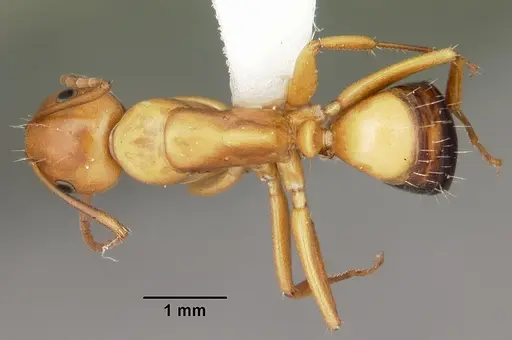
CASENT0221958
View on AntWeb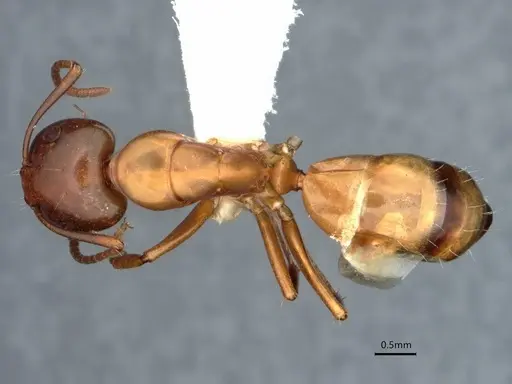
CASENT0901915
View on AntWeb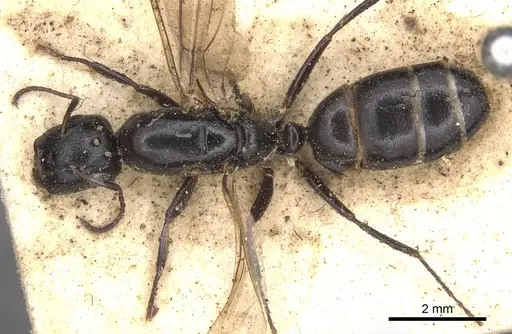
MEM252745
View on AntWeb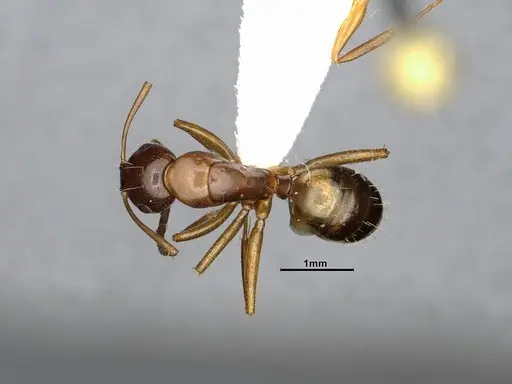
MEM290579
View on AntWeb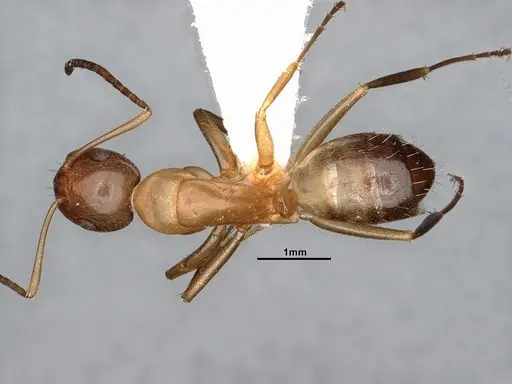
MEM290582
View on AntWeb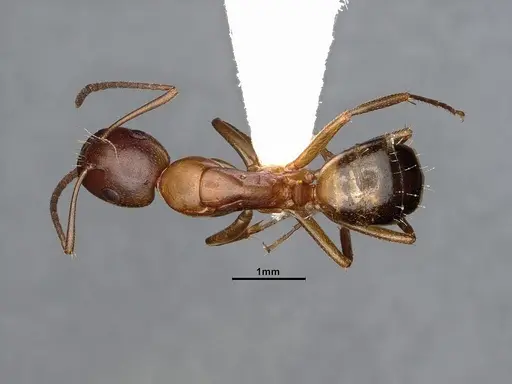
Literature
Loading...Loading products...