

Camponotus simus
- Scientific Name
- Camponotus simus
- Subgenus
- Paramyrmamblys
- Tribe
- Camponotini
- Subfamily
- Formicinae
- Author
- Emery, 1908
- Distribution
- Found in 2 countries
Camponotus simus Overview
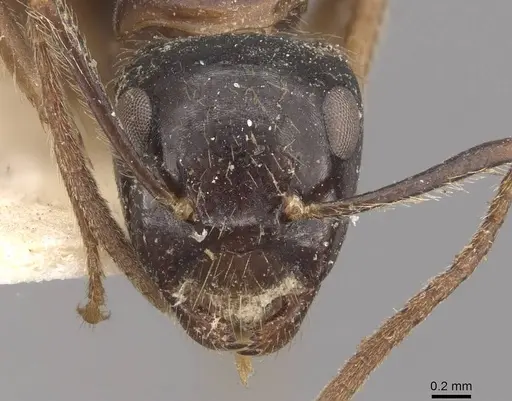
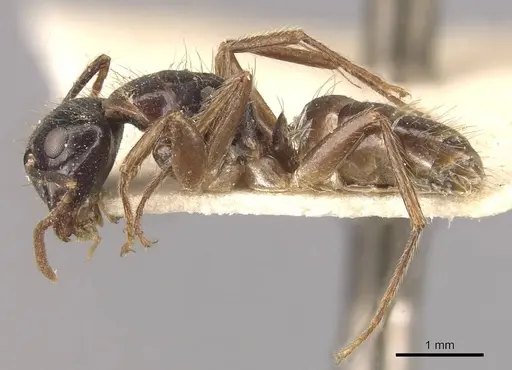
Camponotus simus is an ant species of the genus Camponotus. It is primarily documented in 2 countries , including Congo, Democratic Republic of the, Cameroon. Detailed taxonomic data and occurrence records can be further explored via authoritative databases such as AntWeb or the Global Biodiversity Information Facility (GBIF).
Camponotus simus
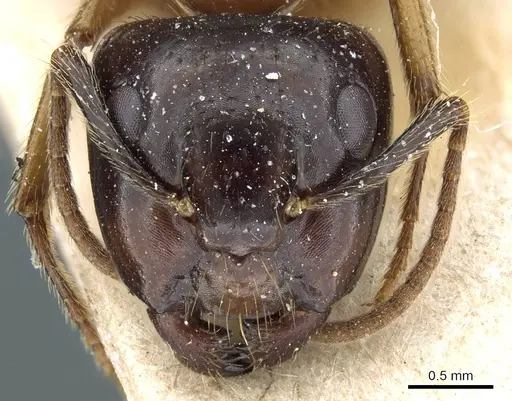
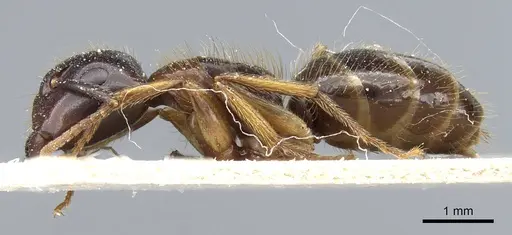
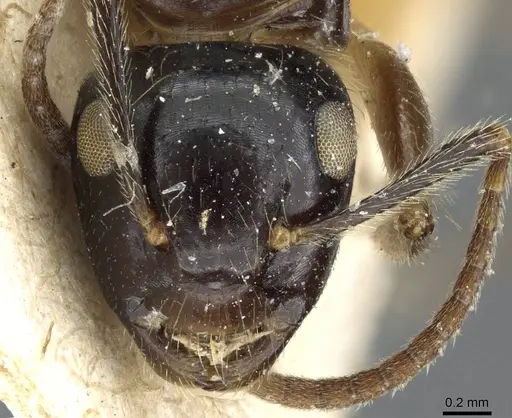
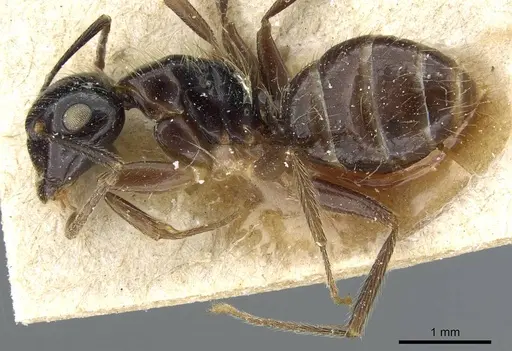
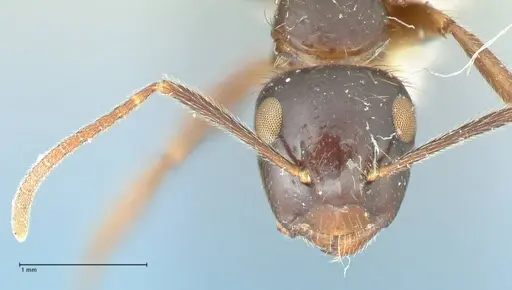
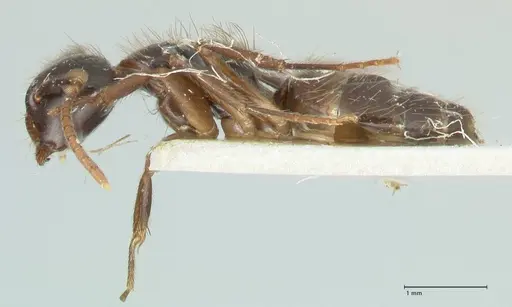
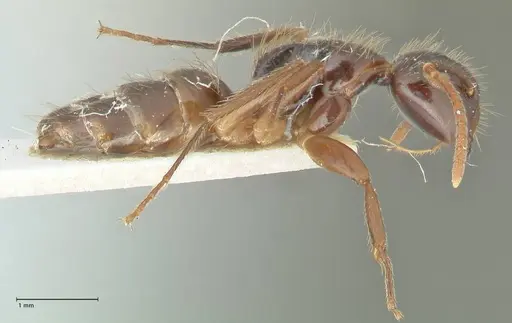
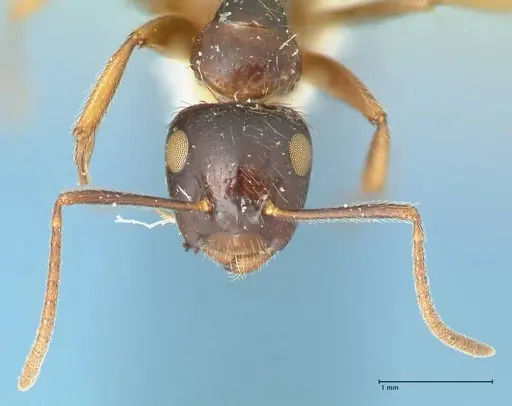
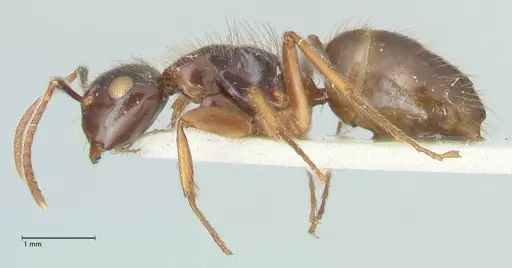
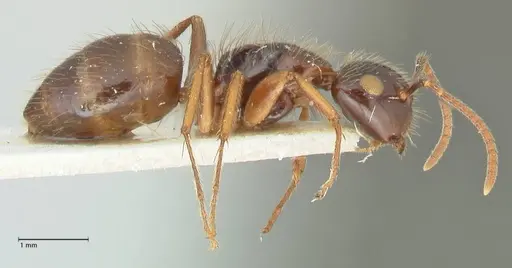
Camponotus simus is a carpenter ant species native to Central Africa, specifically documented in the Democratic Republic of Congo [1]. As with other Camponotus species, workers are polymorphic, meaning they come in different sizes, smaller minor workers and larger major workers. The genus is known for nesting in wood, though this species' exact nesting preferences are unconfirmed. These ants are typical of the carpenter ant type, they have a rounded thorax, a single node between the mesosoma and gaster, and relatively smooth body surface. The specific coloration and exact size ranges for this species have not been documented in available research.
Quick Summary
- Difficulty: Medium
- Origin & Habitat: Democratic Republic of Congo in Central Africa. Based on location and genus patterns, this species likely inhabits tropical forest environments, potentially nesting in rotting wood or under stones in shaded areas.
- Colony Type: Unconfirmed. Camponotus species are typically single-queen (monogyne) colonies, but colony structure for this specific species has not been documented.
- Size & Growth:
- Queen: Estimated 12-16mm based on typical Camponotus queen size range
- Worker: Estimated 4-12mm (polymorphic majors and minors)
- Colony: Estimated several hundred workers based on genus patterns
- Growth: Moderate, Camponotus species typically grow at moderate pace
- Development: Estimated 6-8 weeks at optimal temperature based on genus patterns (Development time inferred from typical Camponotus development. Exact timing for this species is unconfirmed.)
- Antkeeping:
- Temperature: Estimated 22-27°C based on Central African habitat and genus patterns. Provide a temperature gradient allowing workers to self-regulate.
- Humidity: Estimated 50-70% relative humidity. Provide a moist nest area but avoid waterlogging. Mist occasionally and ensure water availability.
- Diapause: Likely minimal or no true diapause given tropical origin. However, some reduced activity during cooler months may occur.
- Nesting: Based on genus patterns, likely prefers nesting in wood or enclosed spaces. Y-tong (acrylic) nests or plaster nests with narrow chambers work well. Provide damp substrate in the nest area.
- Behavior: Camponotus species are generally moderate in aggression, they will defend the nest if threatened but are not typically aggressive foragers. Workers are nocturnal to crepuscular, often foraging at night. Major workers can deliver a mild sting if handled roughly, though most Camponotus species have minimal sting capability. Escape risk is moderate, use standard barrier methods. They are not known for being particularly escape-prone compared to smaller species.
- Common Issues: limited documented care information makes species-specific guidance difficult, tropical origin means temperature stability is important, avoid cold drafts, polymorphic workers mean varied chamber sizes may be needed as colony grows, wood-nesting preference means providing appropriate nest material is key, limited data on this specific species means keepers should monitor colony response and adjust care accordingly
Nest Preferences
Camponotus simus likely prefers nesting in enclosed spaces with moderate moisture, similar to other Central African Camponotus species. In captivity, Y-tong (acrylic) nests or plaster nests work well. Provide a nest chamber that allows the colony to self-regulate humidity. The nest should have narrow to moderate-sized chambers to accommodate their polymorphic workers, majors need wider passages. A water tube or moist cotton in the outworld provides drinking water. Avoid very dry conditions or excessive heat.
Feeding and Diet
Like other Camponotus species, C. simus likely accepts a varied diet including sugar sources (honey water, sugar water) and protein (insects, mealworms, crickets). Sugar water should be available at all times. Protein should be offered 2-3 times per week depending on colony size. They are not specialized predators, so standard ant feeding protocols apply. Remove uneaten protein after 24-48 hours to prevent mold.
Temperature and Care
Maintain temperatures around 22-27°C. A slight gradient is beneficial, allow workers to choose their preferred temperature zone. Avoid temperatures below 18°C or above 30°C. Since this species comes from tropical Central Africa, stable warm conditions are more important than dramatic temperature swings. Room temperature in most homes (around 20-24°C) may be adequate, but a small heating cable on one side of the nest can help maintain optimal range.
Behavior and Temperament
Camponotus species are generally calm foragers rather than aggressive defenders. Workers are typically active during evening and night hours. They are not particularly aggressive toward humans and rarely sting. Major workers are capable of mild stinging if cornered or handled roughly, but the sting is not medically significant for healthy adults. Standard antkeeping escape prevention (fluon on container rims, tight-fitting lids) is adequate for this species.
Frequently Asked Questions
How long does it take for Camponotus simus to produce first workers?
Estimated 6-8 weeks from egg to first worker based on typical Camponotus development patterns. This is an estimate, actual timing may vary depending on temperature and colony health.
What do Camponotus simus ants eat?
They likely accept standard ant foods: sugar water or honey water as a constant carbohydrate source, and protein like mealworms, crickets, or other insects 2-3 times per week.
Are Camponotus simus good for beginners?
This species is rated Medium difficulty primarily due to limited documented care information. If you have experience with other Camponotus species, this should be manageable. Beginners may want to start with more commonly kept species where care is better documented.
What temperature do Camponotus simus need?
Estimated 22-27°C based on their Central African origin and genus patterns. Provide a temperature gradient if possible.
How big do Camponotus simus colonies get?
Estimated several hundred workers based on typical Camponotus colony sizes. Exact maximum is unconfirmed for this species.
Do Camponotus simus need hibernation?
Likely no true hibernation required due to tropical origin. They may have reduced activity during cooler months but do not need a cold diapause period.
What size nest do I need for Camponotus simus?
Start with a test tube setup for the founding queen. Once the colony reaches 20-30 workers, move to a small formicarium or Y-tong nest. Provide chambers sized for polymorphic workers.
Can I keep multiple Camponotus simus queens together?
Colony structure is unconfirmed for this species. Camponotus species are typically single-queen colonies. Combining unrelated queens is not recommended without documented evidence that this species accepts multiple queens.
Why is there so little information about Camponotus simus?
This species has limited documented research, particularly in antkeeping literature. It is known from historical records in the Democratic Republic of Congo but has not been the subject of detailed biological studies.
References

This caresheet is licensed under CC BY-SA 4.0 .
CASENT0905448
View on AntWeb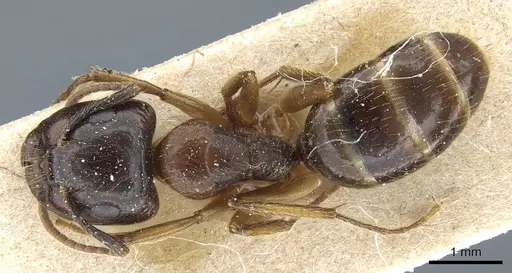
CASENT0905449
View on AntWeb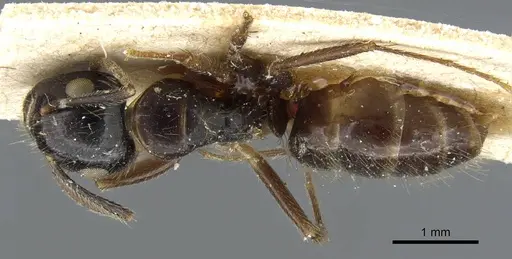
CASENT0910560
View on AntWeb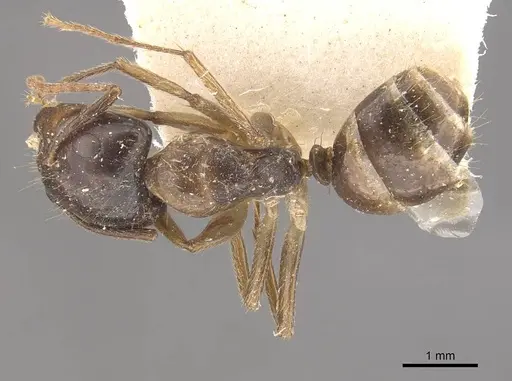
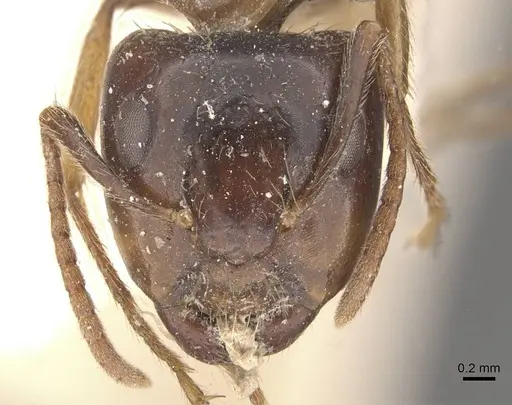
CASENT0910561
View on AntWeb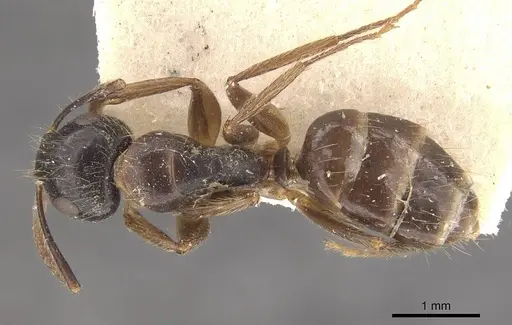
FOCOL2266
View on AntWeb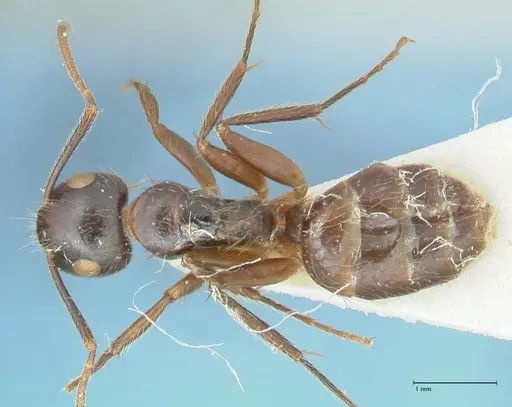
FOCOL2267
View on AntWeb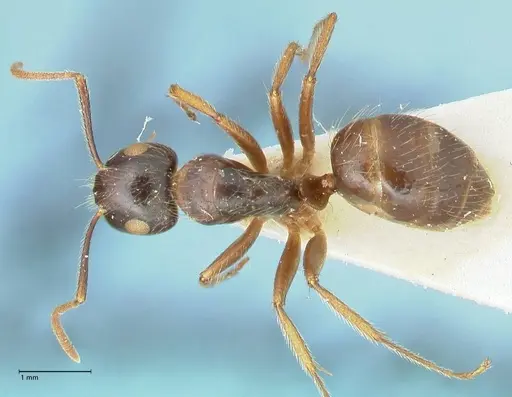
Literature
Loading...Loading products...