

Camponotus simulans
- Scientific Name
- Camponotus simulans
- Subgenus
- Myrmopsamma
- Tribe
- Camponotini
- Subfamily
- Formicinae
- Author
- Forel, 1910
- Distribution
- Found in 2 countries
Camponotus simulans Overview
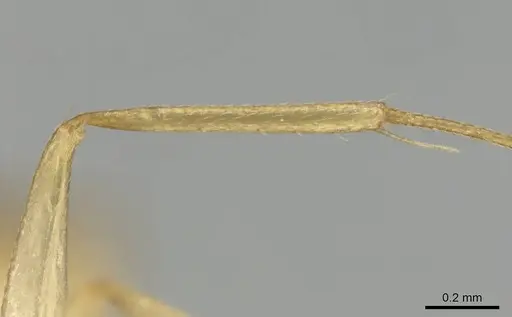
Camponotus simulans is an ant species of the genus Camponotus. It is primarily documented in 2 countries , including Namibia, South Africa. Detailed taxonomic data and occurrence records can be further explored via authoritative databases such as AntWeb or the Global Biodiversity Information Facility (GBIF).
Camponotus simulans
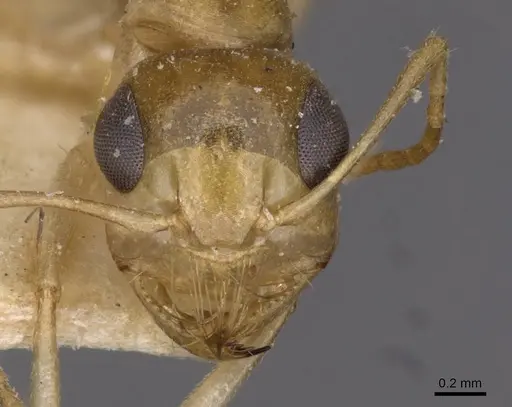
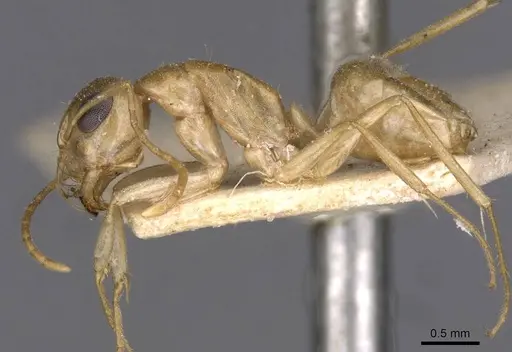
Camponotus simulans is a medium-sized carpenter ant native to southern Africa, found in Namibia and Zimbabwe [1]. Workers are typically 6-10mm with the characteristic Camponotus body shape, a rounded thorax and a smooth, glossy gaster. They belong to the subgenus Myrmopsamma, which includes several African species known for their relatively docile nature. The species was first described by Forel in 1910 from specimens collected in Namibia, with soldiers later described by Arnold in 1944 [1].
This ant is a nectarivore and scavenger by feeding guild, meaning they primarily seek sweet liquids like nectar and honeydew while also scavenging for protein from dead insects and other organic matter [2]. As a semi-arid region species from Namibia and Zimbabwe, they are adapted to warmer, drier conditions than many other Camponotus species. They are not aggressive and make relatively calm colony residents, though their size means they can deliver a moderately painful bite if threatened.
Quick Summary
- Difficulty: Easy
- Origin & Habitat: Namibia and Zimbabwe in the Afrotropical region. They inhabit semi-arid to arid environments, typically nesting in soil under stones or in decaying wood in warm, dry savanna habitats [1][2].
- Colony Type: Likely monogyne (single queen) based on typical Camponotus patterns. Colony size is unknown but likely reaches several hundred workers based on genus patterns.
- Colony: Monogyne
- Founding: Claustral
- Size & Growth:
- Queen: Estimated 12-16mm based on genus Camponotus patterns for medium-sized species
- Worker: 6-10mm based on original species description [1]
- Colony: Estimated several hundred workers based on genus patterns
- Growth: Moderate
- Development: Estimated 6-8 weeks at optimal temperature based on typical Camponotus development (Development time is estimated from genus patterns as specific data for this species is not available)
- Antkeeping:
- Temperature: Keep around 24-28°C. They prefer warm conditions matching their semi-arid African origin. A heating cable on one side of the nest creates a temperature gradient they can regulate themselves.
- Humidity: Low to moderate. These ants come from dry regions, so keep the nest substrate relatively dry with only occasional misting. Allow areas to dry out completely between waterings.
- Diapause: Yes, they likely require a winter rest period of 2-3 months at 10-15°C, consistent with their subtropical origin.
- Nesting: They accept most standard nest types. Y-tong (AAC) nests work well, or you can use test tubes with cotton stops. Provide a dry to moderately humid founding chamber. They do well in formicariums with soil or plaster substrates.
- Behavior: These are calm, non-aggressive ants that rarely show defensive behavior. Workers are moderately active foragers who search for sugar sources and scavenge for protein. They are not known to be escape artists, their medium size makes standard barrier methods effective. They tend to be more active during warmer months and may reduce activity during cooler periods.
- Common Issues: colonies may fail if kept too humid, their semi-arid origin means they prefer drier conditions, winter diapause is important, skipping hibernation can weaken colonies over time, slow founding phase means new keepers may lose patience and disturb the queen prematurely, test tube setups should have small water reservoirs to prevent flooding in dry-adapted species
Nest Preferences and Setup
Camponotus simulans adapts well to various captive setups. For founding colonies, a simple test tube setup works well, use a small water reservoir with a cotton stop to provide humidity without creating wet conditions. Once the colony reaches 20+ workers, you can transition to a Y-tong (AAC) formicarium or a plaster/soil setup.
These ants prefer drier conditions than many tropical species. The nest material should be allowed to dry out between waterings. If using a formicarium, provide only one humid chamber while keeping the rest relatively dry. They do not require high humidity and may develop mold problems if kept too moist. A small water dish in the outworld is sufficient for drinking access. [1]
Feeding and Diet
As nectarivores and scavengers, these ants need a balanced diet of sugar and protein. Offer sugar water (1:3 ratio with water) or honey water at all times as a constant energy source. For protein, provide small insects like fruit flies, small crickets, or mealworms. Dead insects from your yard (ensure no pesticides) work well as scavenged protein.
Feed protein sources 2-3 times per week, removing any uneaten prey within 24 hours. The sugar water should be refreshed every few days. Unlike some Camponotus species that prefer live prey, C. simulans readily accepts scavenged food, making them easy to feed. Observe your colony, if workers ignore a particular food item, try alternatives. [2]
Temperature and Seasonal Care
Keep your colony at 24-28°C during the active season. These ants come from warm semi-arid regions and do best with consistent warmth. A heating cable placed on one end of the nest creates a gradient that allows ants to self-regulate their temperature. Avoid temperatures below 20°C for extended periods during growth season.
During winter (roughly November-February in the Northern Hemisphere), reduce temperature to 10-15°C to allow dormancy. This diapause period is important for colony health and may trigger reproductive behavior in spring. Do not feed heavily during dormancy and reduce sugar water to a small amount once weekly. Return to normal temperatures gradually in spring. [1]
Behavior and Colony Development
Camponotus simulans is a calm, manageable species ideal for keepers who want larger ants without aggressive behavior. Workers are moderately sized and easy to observe. The colony founding phase follows typical claustral patterns, the queen seals herself in a chamber and does not leave to forage until her first workers (nanitics) emerge.
Initial colony growth is slow, the queen raises her first workers alone and they may take 6-8 weeks to emerge. Once workers establish, growth accelerates but remains moderate compared to some faster-growing species. Colonies can live for many years with proper care, with queens potentially living 10-15 years. These ants are not prone to escaping, standard barrier methods like fluon on container rims work well. [1]
Frequently Asked Questions
How long does it take for Camponotus simulans to get their first workers?
Expect 6-8 weeks from egg to first worker at optimal temperature (around 26°C). This is typical for Camponotus species. The founding queen seals herself in and raises the first brood alone, so be patient and avoid disturbing the setup during this time.
Do Camponotus simulans ants need hibernation?
Yes, they benefit from a winter dormancy period of 2-3 months at 10-15°C. This rest period helps maintain colony health and may trigger reproductive behavior in spring. Reduce feeding during this time and keep sugar water minimal.
What do Camponotus simulans eat?
They are nectarivores and scavengers. Offer constant sugar water or honey water, and feed protein sources like small insects (fruit flies, small crickets, mealworms) 2-3 times per week. They readily accept scavenged dead insects.
Are Camponotus simulans good for beginners?
Yes, this is a good beginner species. They are relatively docile, easy to feed, and tolerate standard captive conditions well. Their moderate size makes them easy to observe, and they are not aggressive or prone to escaping.
How big do Camponotus simulans colonies get?
Based on typical Camponotus patterns, colonies likely reach several hundred workers. With good care, they can live for many years with the queen potentially surviving 10-15 years.
What humidity level do Camponotus simulans need?
Keep them relatively dry, these ants come from semi-arid regions. Allow the nest to dry between waterings, and provide only modest humidity. Avoid the constantly damp conditions that work for tropical species.
When should I move Camponotus simulans to a formicarium?
You can keep them in a test tube setup until the colony reaches 20-30 workers. Once they outgrow the tube or you see workers clustering in the outworld looking for space, transition to a Y-tong or formicarium.
Can I keep multiple Camponotus simulans queens together?
This is not recommended. Camponotus simulans is likely monogyne (single queen) by nature. Combining unrelated queens has not been documented for this species and would likely result in fighting.
What temperature is best for Camponotus simulans?
Keep them at 24-28°C during the active season. A heating cable on part of the nest creates a gradient they can use to regulate their temperature. Avoid prolonged periods below 20°C during growth.
References

This caresheet is licensed under CC BY-SA 4.0 .
CASENT0813987
View on AntWeb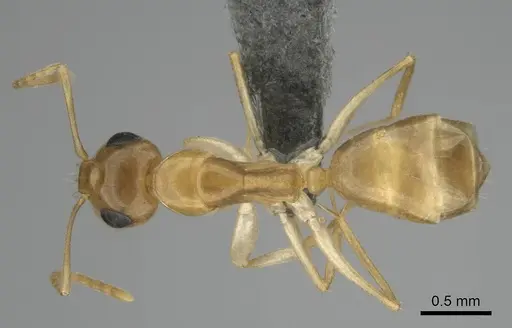
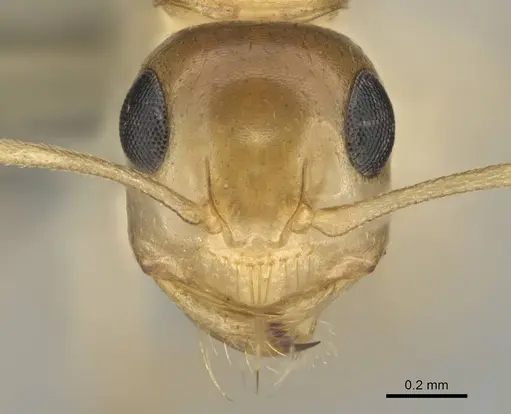
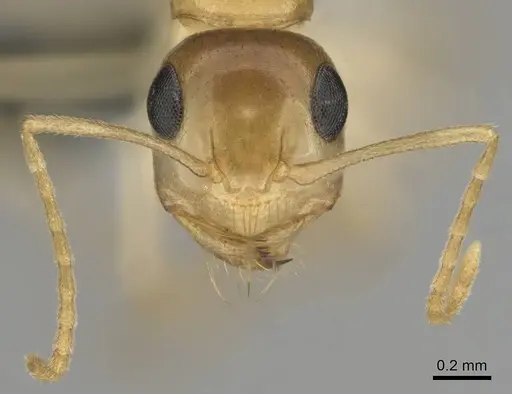
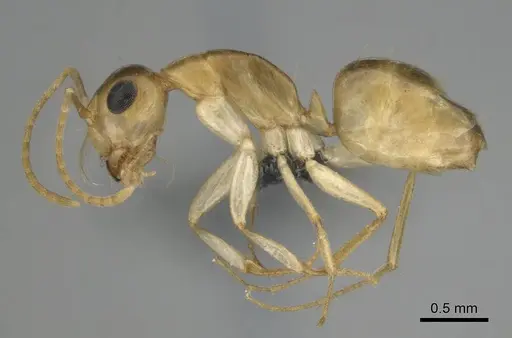
CASENT0909952
View on AntWeb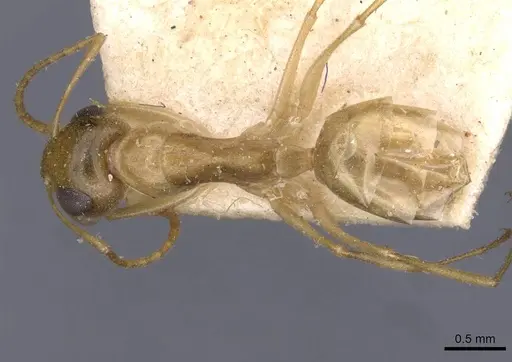
Literature
Loading...Loading products...