

Camponotus simoni
- Scientific Name
- Camponotus simoni
- Subgenus
- Tanaemyrmex
- Tribe
- Camponotini
- Subfamily
- Formicinae
- Author
- Emery, 1893
- Distribution
- Found in 2 countries
Camponotus simoni Overview
Camponotus simoni is an ant species of the genus Camponotus. It is primarily documented in 2 countries , including Gabon, India. Detailed taxonomic data and occurrence records can be further explored via authoritative databases such as AntWeb or the Global Biodiversity Information Facility (GBIF).
Camponotus simoni
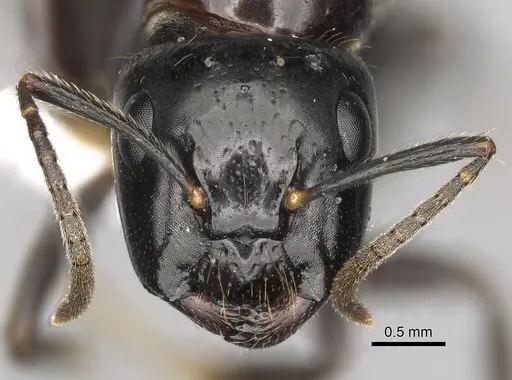
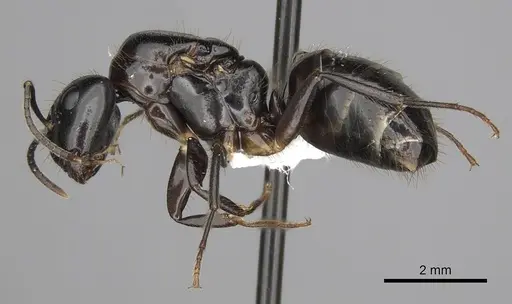
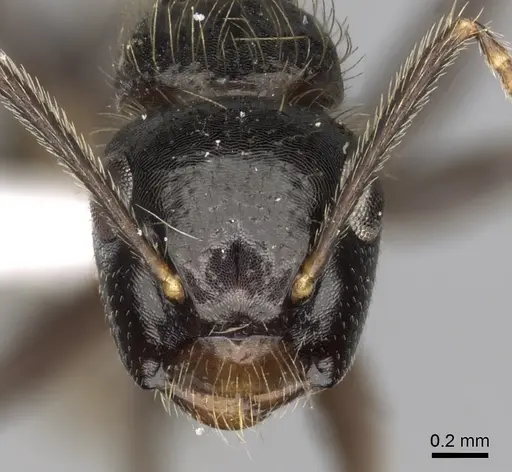
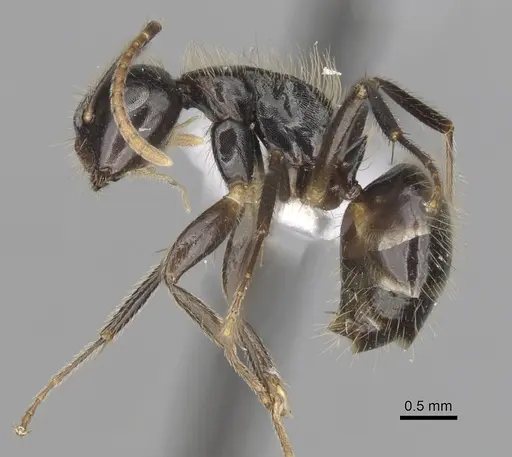
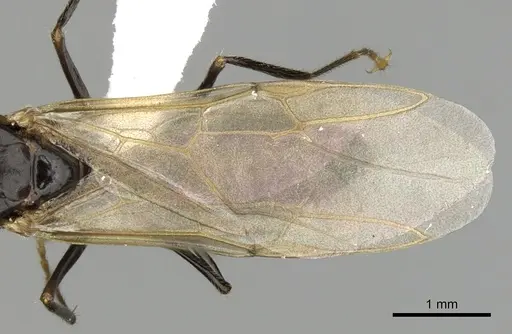
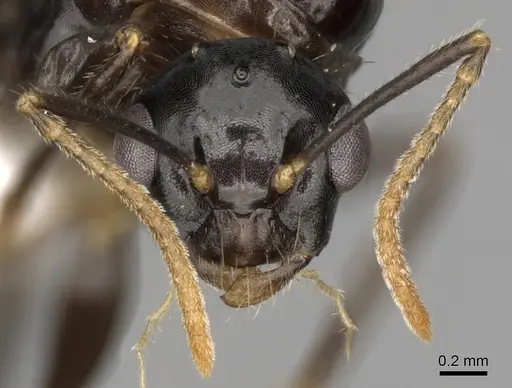
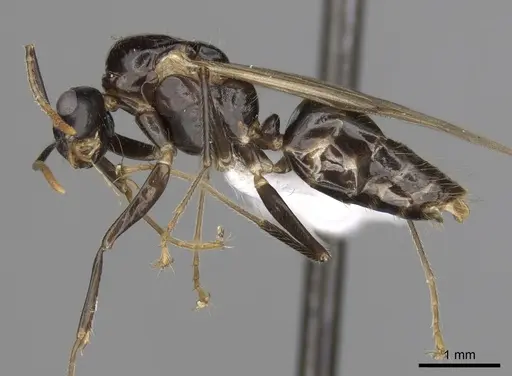
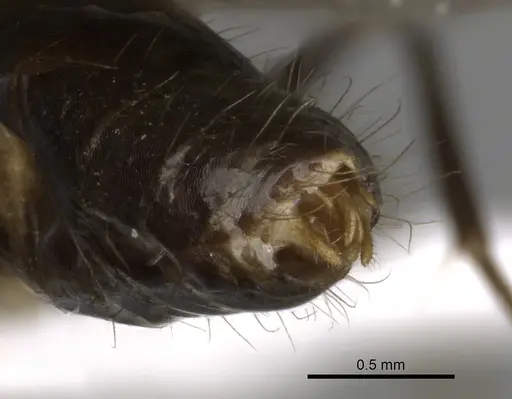
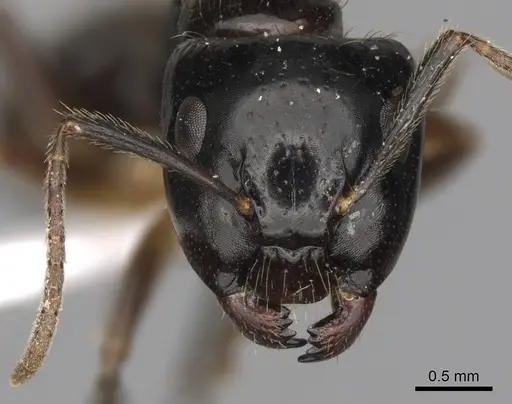
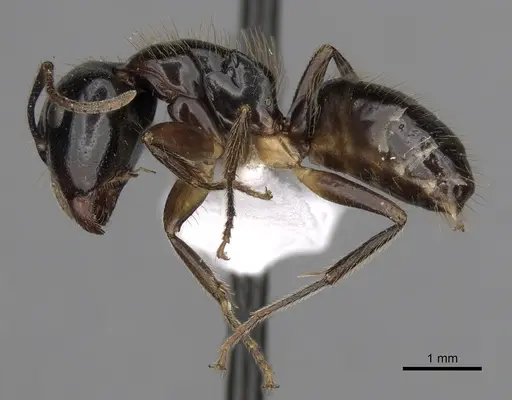
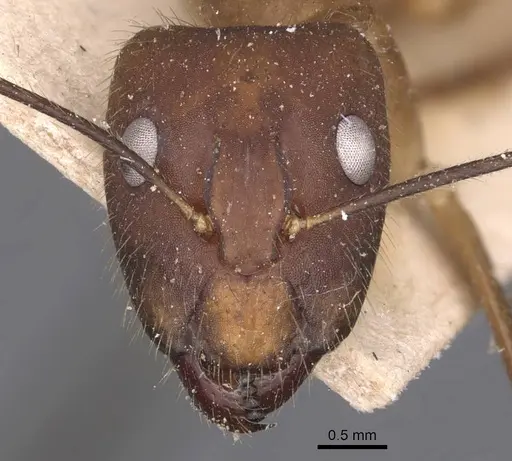
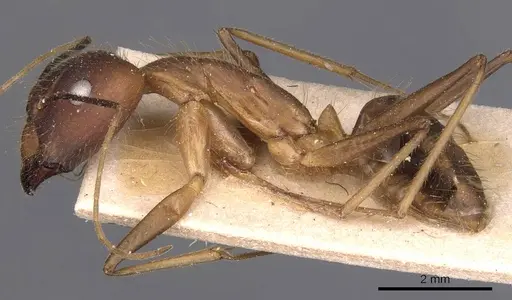
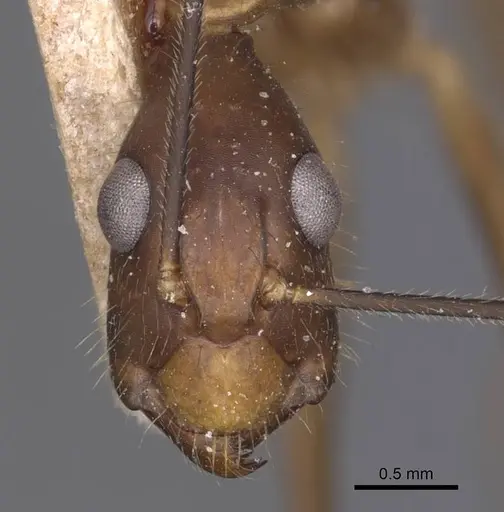
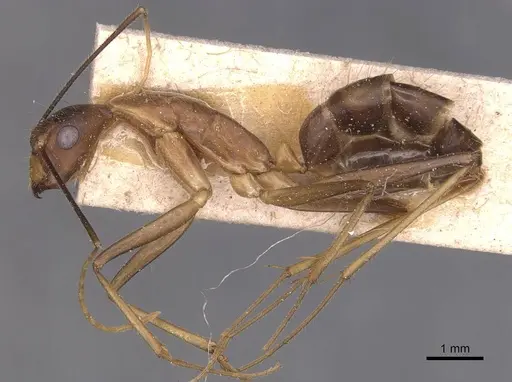
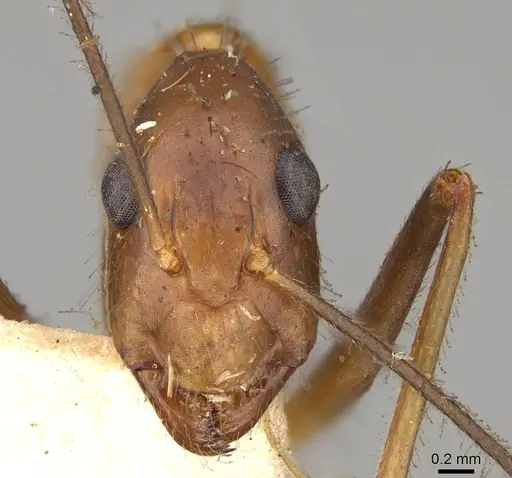
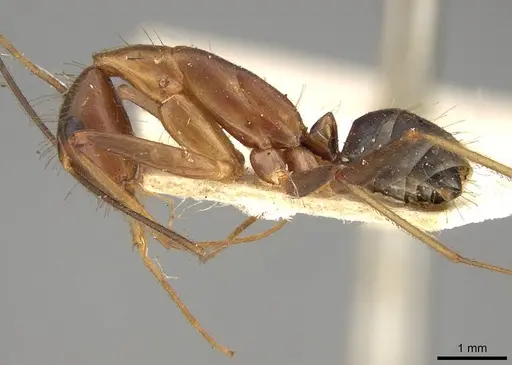
Camponotus simoni is a medium-sized carpenter ant native to India and Sri Lanka. Major workers measure 8.7-9.2mm while minors are slightly smaller at 7.4-7.9mm. The queen reaches approximately 11.4mm. This species has a distinctive appearance with a dark reddish-brown head and gaster featuring yellowish markings on the dorsal surface, while the mesosoma, antennae, and legs are yellowish-brown. The head is notably elongated compared to similar species like C. mitis [1].
This species inhabits tropical wet evergreen forests in southern India and Sri Lanka, nesting in mound structures above ground that are often shared with termites. The only documented collection occurred in deep forest at Parambikulam National Park, Kerala, where the average daily temperature reaches 32°C [1]. As a Tanaemyrmex species, they are typical carpenter ants that nest in wood or soil cavities.
Quick Summary
- Difficulty: Medium
- Origin & Habitat: India and Sri Lanka in tropical wet evergreen forests at elevations around 600m. Nests are mound-type structures located above ground, often shared with termites in deep forest areas [1].
- Colony Type: Likely single-queen (monogyne) colonies based on typical Camponotus patterns. Colony size is unconfirmed but likely reaches several hundred workers given the worker size range.
- Colony: Monogyne
- Founding: Claustral
- Size & Growth:
- Queen: 11.39mm (gyne) [1]
- Worker: Major: 8.7-9.2mm, Minor: 7.4-7.9mm [1]
- Colony: Unconfirmed, likely several hundred workers based on typical Camponotus growth patterns
- Growth: Moderate, typical for tropical Camponotus species
- Development: 6-10 weeks (estimated based on typical Camponotus development at 24-26°C) (Development time inferred from genus-level data. Warmer temperatures within range may accelerate development.)
- Antkeeping:
- Temperature: Keep nest area at 24-28°C. This tropical species originates from regions with average daily temperatures of 32°C, so they tolerate warmth well. A heating cable on one side of the nest creates a gradient allowing workers to self-regulate [1].
- Humidity: Moderate to high humidity. Their natural habitat is tropical wet evergreen forest. Keep nest substrate slightly moist but not waterlogged. Provide a water source and occasional misting of the outworld.
- Diapause: Unlikely, as a tropical species from Sri Lanka and southern India, they probably do not require a true hibernation period. However, a slight reduction in temperature during winter months (reducing to around 20-22°C) may benefit the colony.
- Nesting: Y-tong (AAC) nests work well for this medium-sized species. They also accept plaster nests and naturalistic setups with soil. Provide nesting chambers scaled to colony size, avoid overly large spaces for founding colonies.
- Behavior: Typical Camponotus temperament, generally calm and not overly aggressive. Workers are active foragers, primarily hunting small insects and collecting honeydew. They have moderate escape risk due to their size, standard barrier methods like Fluon on container rims are usually sufficient. Major workers serve as soldiers and may defend the nest aggressively if threatened.
- Common Issues: tropical species may struggle in cool or dry environments, monitor temperature and humidity closely, colonies can be slow to establish initially, patience is needed during the claustral founding phase, wild-caught colonies may carry parasites or pathogens that can cause colony collapse, overfeeding can lead to mold problems in the nest, remove uneaten prey promptly
Nest Preferences
In the wild, Camponotus simoni builds mound-type nests above ground that are often associated with termite colonies. The documented nest was located in deep forest within tropical wet evergreen habitat at approximately 600m elevation [1]. For captive care, Y-tong (AAC) nests provide an excellent option as they allow you to control humidity while giving workers a dark, secure space. Plaster nests also work well and maintain humidity naturally. naturalistic setups with soil and decorative elements can mimic their natural environment. For founding colonies, use a small test tube setup with a water reservoir, the queen will seal herself into a chamber and remain there until her first workers emerge. As the colony grows, provide progressively larger nesting chambers.
Feeding and Diet
Camponotus simoni is a typical omnivorous carpenter ant. Workers forage for honeydew from aphids and scale insects, hunt small insects and arthropods, and will accept sugar sources. In captivity, offer a varied diet including sugar water or honey as a constant energy source. Protein should come from small insects like fruit flies, pinhead crickets, or mealworms. Feed protein prey 2-3 times per week, adjusting based on colony size. Remove uneaten prey within 24-48 hours to prevent mold. This species has typical Camponotus mandibles, they can handle moderately sized prey but prefer smaller, manageable items. Fresh killed insects are more readily accepted than live ones initially.
Temperature and Seasonal Care
This tropical species requires warm conditions. Keep the nest area at 24-28°C, with the upper end of this range being ideal for active growth and brood development. A heating cable placed on one side of the nest creates a temperature gradient that allows workers to regulate their own body temperature by moving between warmer and cooler areas. The natural habitat in Kerala averages 32°C daily [1], so they handle warmth well but may struggle below 20°C. During winter, if your room temperature drops significantly, consider using a low-level heat source. Unlike temperate species, they do not require true hibernation, but a slight temperature reduction to around 20-22°C during winter months may simulate natural seasonal changes and potentially trigger reproductive cycles.
Behavior and Colony Dynamics
Camponotus simoni exhibits typical carpenter ant behavior. Colonies are founded by a single claustral queen who seals herself in a chamber and raises her first brood without leaving to forage. The first workers (nanitics) are typically smaller than subsequent generations and help establish the colony before larger majors appear. Major workers develop later and serve as soldiers and foragers for larger prey. Workers are moderately aggressive when defending the nest but generally calm during routine activities. They are primarily diurnal foragers, though they may show some nocturnal activity. The species does not appear to have specialized defense mechanisms beyond the typical biting response of Camponotus ants. Escape prevention is straightforward due to their moderate size, standard barrier methods work well.
Growth and Development
Development from egg to first worker likely takes 6-10 weeks at optimal temperature (around 26°C), based on typical Camponotus development patterns. The queen lays eggs which hatch into larvae, then pupate before emerging as adult workers. The first generation typically produces smaller workers (nanitics) due to limited resources. Subsequent generations grow progressively larger as the colony can allocate more energy to brood development. Major workers appear as the colony reaches moderate size and serve specialized roles in defense and processing larger food items. Colony growth rate is moderate, expect 6-12 months to reach 50 workers, with faster growth possible under optimal conditions. Maximum colony size is not documented but likely reaches several hundred workers based on similar species.
Frequently Asked Questions
How long does it take for Camponotus simoni to produce first workers?
First workers typically emerge after 6-10 weeks at optimal temperature (24-28°C). This estimate is based on typical Camponotus development patterns since specific timing for this species has not been documented. The queen will remain sealed in her chamber until the first nanitics emerge.
What do Camponotus simoni ants eat?
They are omnivorous like most carpenter ants. Offer sugar water or honey as a constant energy source, and protein from small insects like fruit flies, pinhead crickets, or mealworms 2-3 times per week. They will also collect honeydew if aphids are available.
What temperature is best for Camponotus simoni?
Keep them at 24-28°C. This tropical species originates from warm regions in India and Sri Lanka where average temperatures reach 32°C. They tolerate warmth well but should be kept above 20°C for healthy activity and brood development.
Do Camponotus simoni need hibernation?
Probably not. As a tropical species from Sri Lanka and southern India, they do not require a true hibernation period. You may provide a slight temperature reduction to around 20-22°C during winter months, but this is optional rather than necessary.
How big do Camponotus simoni colonies get?
Colony size is not specifically documented, but based on typical Camponotus patterns, colonies likely reach several hundred workers. Major workers can reach 9mm while minors stay around 7-8mm.
Can I keep multiple Camponotus simoni queens together?
This is not recommended. Camponotus simoni is likely a single-queen (monogyne) species. Combining unrelated queens typically results in fighting, and even if they initially tolerate each other, conflicts often arise once workers begin appearing.
When should I move Camponotus simoni to a formicarium?
Keep founding colonies in a test tube setup until they have 20-30 workers and the test tube is becoming crowded. Moving too early can stress the queen and delay colony development. A Y-tong or plaster nest works well once the colony is established.
Are Camponotus simoni good for beginners?
They are moderate difficulty, more challenging than some beginner species like Lasius but easier than rare or specialized ants. Their tropical temperature requirements and moderate size make them manageable for those with some antkeeping experience.
What makes Camponotus simoni different from other carpenter ants?
This species has distinctive yellowish markings on an otherwise dark reddish-brown gaster, setting it apart from similar species like C. mitis which has darker coloration. They also have an elongated head shape and 6 mandibular teeth (compared to 7 in C. mitis) [1].
References

This caresheet is licensed under CC BY-SA 4.0 .
CASENT0316930
View on AntWeb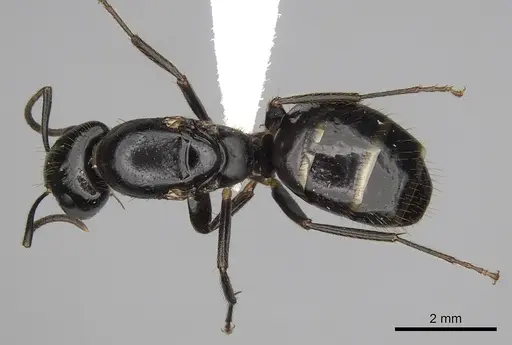
CASENT0316931
View on AntWeb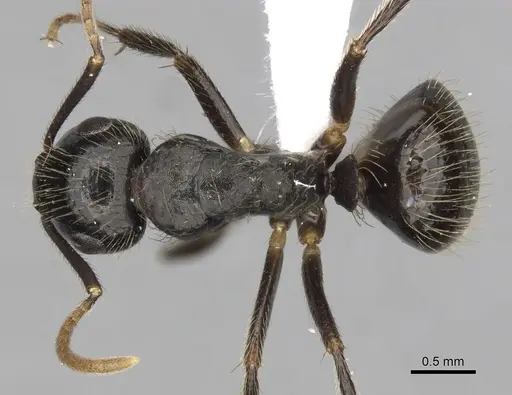
CASENT0403463
View on AntWeb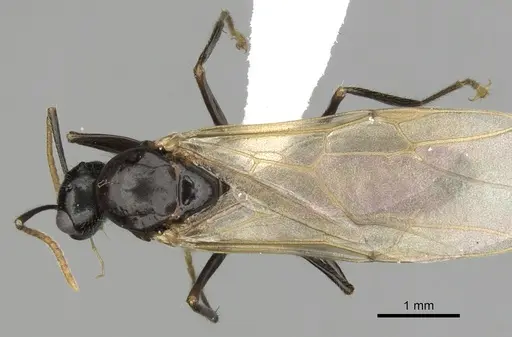
CASENT0403573
View on AntWeb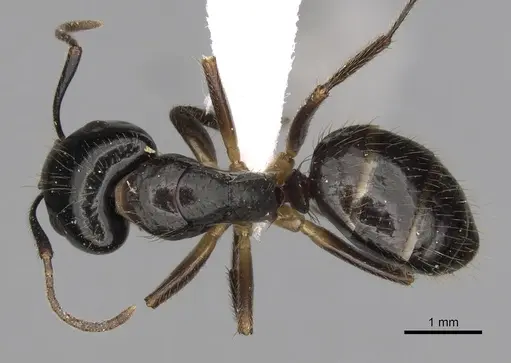
CASENT0905249
View on AntWeb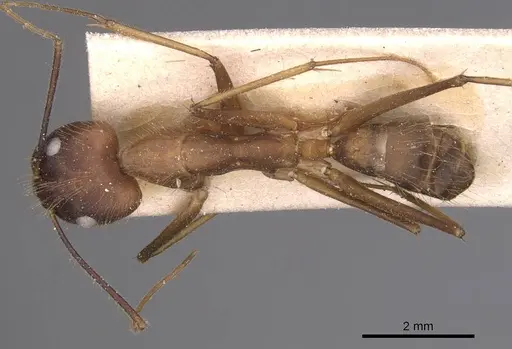
CASENT0905250
View on AntWeb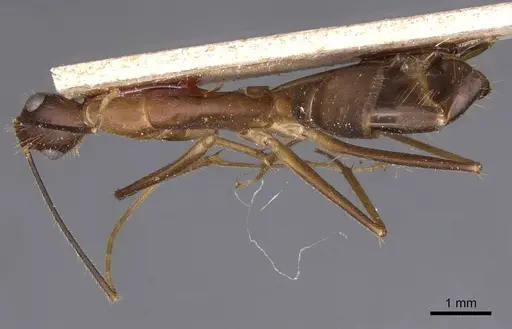
CASENT0906989
View on AntWeb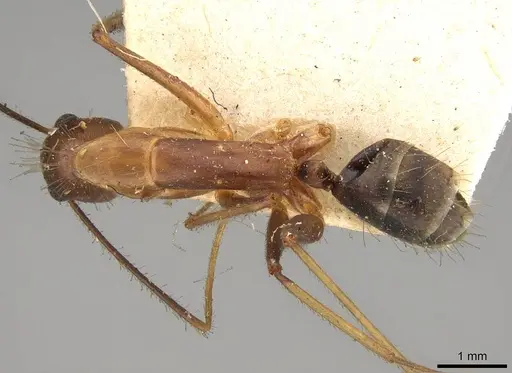
Literature
Loading...Loading products...