

Camponotus silvicola
- Scientific Name
- Camponotus silvicola
- Subgenus
- Tanaemyrmex
- Tribe
- Camponotini
- Subfamily
- Formicinae
- Author
- Forel, 1902
- Distribution
- Found in 2 countries
Camponotus silvicola Overview
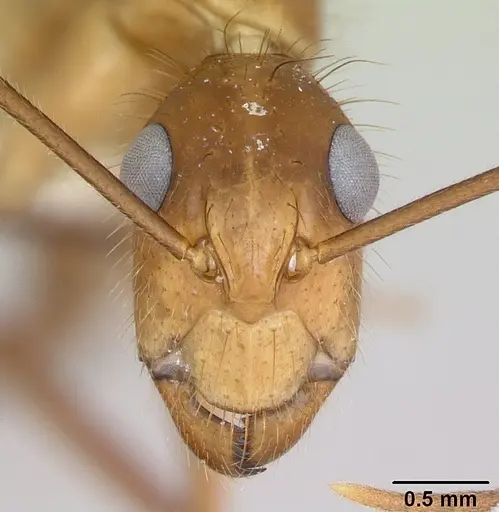
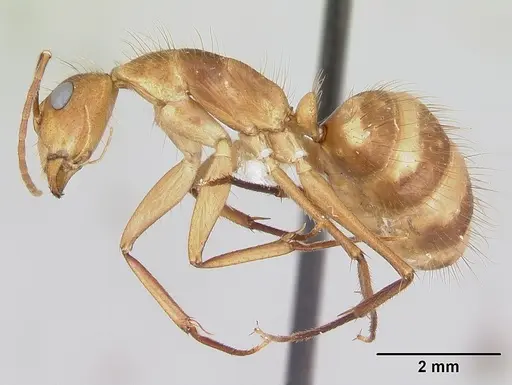
Camponotus silvicola is an ant species of the genus Camponotus. It is primarily documented in 2 countries , including Colombia, Ecuador. Detailed taxonomic data and occurrence records can be further explored via authoritative databases such as AntWeb or the Global Biodiversity Information Facility (GBIF).
Camponotus silvicola
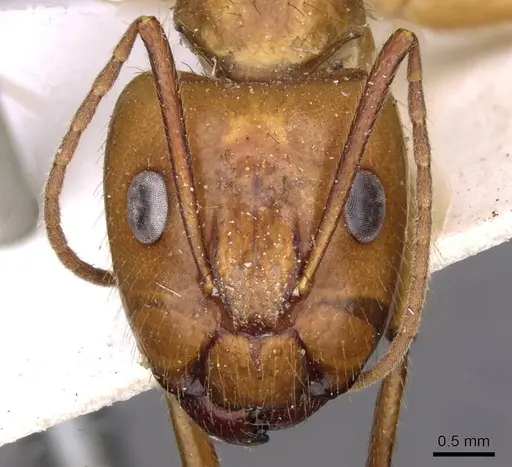
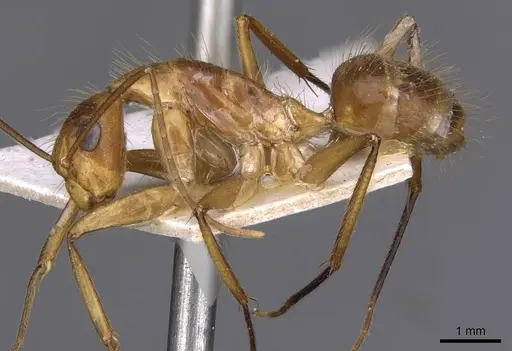
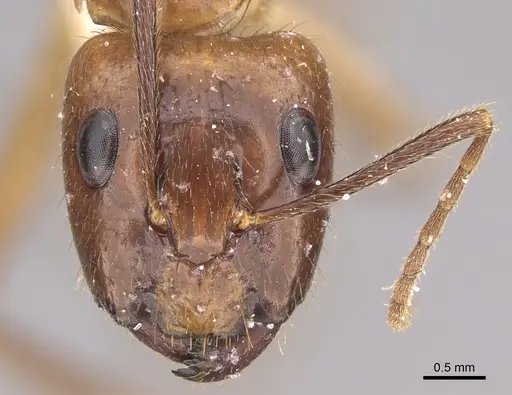
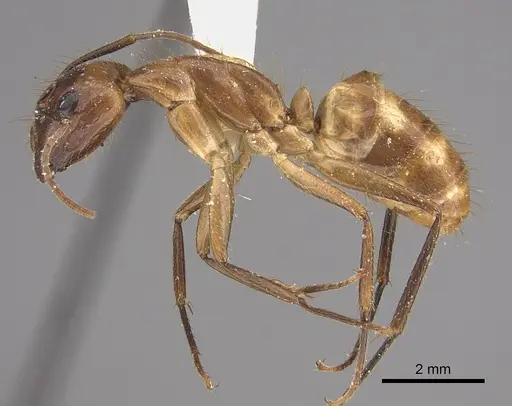
Camponotus silvicola is a Neotropical carpenter ant found across northern South America, from Colombia and Ecuador through Brazil to Argentina and Paraguay [1]. Workers are polymorphic, typically ranging from 4-10mm, with the larger major workers having notably developed mandibles [2]. The species belongs to the subfamily Formicinae and is part of the Camponotini tribe, known as generalist patrolling ants that recruit workers massively when they find abundant food sources [3].
This species nests in rotten wood and decaying tree trunks in forest environments, typical carpenter ant behavior. They are omnivorous, foraging for both protein sources and sugar, and maintain mutualistic relationships with membracids (treehoppers) similar to other Camponotus species [3]. The trail pheromone uses trimethylisocoumarin as the main component, which helps workers follow recruitment trails to food sources [4].
Quick Summary
- Difficulty: Medium
- Origin & Habitat: Neotropical species found across Colombia, Ecuador, Brazil, Argentina, and Paraguay. In Brazil, recorded from Pará state (Belém) and the Pantanal region [5][6]. In Argentina, found in Misiones province [7]. Nests in rotten wood and decaying trunks in forest environments [3].
- Colony Type: Colony structure is unconfirmed. Based on genus patterns, likely monogyne (single queen) colonies typical of most Camponotus species. Ergatoid replacement reproductives may be present as documented in related species.
- Founding: Claustral
- Size & Growth:
- Queen: Estimated 10-15mm based on typical Camponotus genus size range [1]
- Worker: Polymorphic: minor workers 4-6mm, major workers 8-10mm [2]
- Colony: Unknown for this specific species, but typical Camponotus colonies reach several thousand workers
- Growth: Moderate, typical Camponotus growth rate
- Development: Estimated 6-8 weeks at optimal temperature based on genus patterns for Camponotus species (Development time varies with temperature, warmer conditions accelerate development. Nanitics (first workers) typically smaller than normal workers.)
- Antkeeping:
- Temperature: Keep at 24-28°C. As a Neotropical species, they prefer warm conditions. Use a heating cable on one side of the nest to create a gentle gradient [1].
- Humidity: Moderate to high humidity (60-80%). Keep nest substrate slightly moist but not waterlogged. Forest species prefer damp conditions [3].
- Diapause: Unconfirmed. Neotropical species may not require true hibernation but may slow activity during cooler months. Consider a slight cooling period (15-18°C) for 2-3 months in winter if colony shows reduced activity.
- Nesting: Prefers nesting in wood-based materials. A Y-tong (AAC) nest or plaster nest works well. Provide a water tube for humidity. Can also use naturalistic setups with rotten wood pieces. Avoid dry, desiccating setups.
- Behavior: Generally calm and non-aggressive compared to some carpenter ants. Workers are active foragers that recruit nestmates to food sources using trail pheromones [4]. They are generalist omnivores, accepting both protein (insects) and sugar sources (honey, sugar water). Escape risk is moderate, use standard barrier techniques (Fluon) on the outworld. Major workers have strong mandibles but rarely bite unless threatened.
- Common Issues: slow colony growth can frustrate beginners, Camponotus species take time to establish, queen loss during founding is common, ensure founding setup is stable and undisturbed, dry conditions cause colony decline, monitor humidity closely, wild-caught colonies may have parasites, quarantine and observe new colonies, larger colonies may outgrow initial setups, plan for expansion
Nest Preferences and Housing
Camponotus silvicola naturally nests in rotten wood and decaying tree trunks [3]. In captivity, they do well in Y-tong (AAC) nests or plaster nests that retain moisture. These setups mimic their natural wood-nesting preferences while allowing you to control humidity. Provide a water tube connected to the nest to maintain moisture levels. For the outworld, use a simple foraging area with a sugar station and protein feeding dish. Because they are medium-to-large ants, standard test tube setups work well for founding colonies, but be prepared to move them to a larger formicarium once the colony reaches 50-100 workers. Avoid completely dry setups, these forest ants need access to moisture.
Feeding and Diet
As generalist omnivores, these ants accept a wide variety of foods. Offer sugar water or honey as a constant energy source, they will readily take it. For protein, provide small insects like fruit flies, mealworms, or crickets. Feed protein 2-3 times per week, adjusting based on colony size. Larger colonies can handle bigger prey items. They also likely tend membracids (treehoppers) for honeydew in the wild, so sugar sources are important [3]. Remove uneaten prey after 24-48 hours to prevent mold. Fresh fruit pieces can also be offered as supplemental sugar sources.
Temperature and Seasonal Care
As a Neotropical species from warm, humid forests, keep your colony at 24-28°C. A heating cable placed on one side of the nest creates a temperature gradient that lets ants choose their preferred zone. Avoid temperatures below 20°C for extended periods. During winter months in temperate climates, you may notice reduced activity. While true hibernation is not required, a slight cooling period (15-18°C) for 2-3 months can be beneficial if your colony becomes less active. Do not cool suddenly, reduce temperature gradually over 1-2 weeks. Maintain humidity during any cooling period. [1]
Behavior and Colony Dynamics
Workers of this species are active foragers that use trail pheromones to recruit nestmates to food sources [4]. When a worker finds a abundant food source, it returns to the nest and leads others using the trail pheromone, this is why you often see a trail of ants following a path. They are generally calm and less aggressive than some carpenter ant species, but major workers can deliver a bite if threatened. The colony will establish distinct foraging patterns once established. Major workers (soldiers) develop as the colony grows and are used for defense and processing larger food items. Colonies grow moderately, expect 6-12 months to first workers, then several years to reach several hundred workers.
Growth and Development
Camponotus silvicola follows typical carpenter ant development patterns. The queen lays eggs that hatch into larvae, then pupate before emerging as adult workers. First workers (nanitics) are typically smaller than normal workers and help the colony expand before larger majors appear. Development from egg to worker takes approximately 6-8 weeks at optimal temperature (around 26°C) [1]. Growth is temperature-dependent, cooler conditions slow development significantly. A healthy founding colony should produce first workers within 2-3 months. After that, growth accelerates as more workers help with foraging and brood care. Major workers typically appear when the colony reaches 100-200 workers.
Frequently Asked Questions
How long does it take for Camponotus silvicola to produce first workers?
First workers typically appear 6-10 weeks after the queen lays eggs, assuming optimal temperature (24-28°C). This is the egg-to-worker development time for this species. Founding colonies may take 2-3 months before the first nanitics emerge.
What do Camponotus silvicola ants eat?
They are omnivores. Offer sugar water or honey constantly for energy, and feed protein (insects like mealworms, fruit flies, or small crickets) 2-3 times per week. They will also accept fruit and other sweet substances.
Can I keep multiple Camponotus silvicola queens together?
Not recommended. While the exact colony structure is unconfirmed for this species, most Camponotus are monogyne (single queen). Combining unrelated queens typically results in fighting. If you obtain a wild colony, it likely has one functional queen.
What temperature do Camponotus silvicola need?
Keep them warm at 24-28°C. Use a heating cable on part of the nest to create a gradient. Avoid temperatures below 20°C for extended periods. Neotropical species prefer consistent warmth.
Are Camponotus silvicola good for beginners?
They are intermediate difficulty. The main challenges are their slower growth compared to some species and their need for humidity control. They are more forgiving than tropical rainforest species but require more attention than temperate ants.
When should I move Camponotus silvicola to a formicarium?
Move them when the colony reaches 50-100 workers and the test tube setup becomes cramped. Y-tong or plaster nests work well. Make sure the new setup has humidity control and enough space for the growing colony.
Do Camponotus silvicola need hibernation?
True hibernation is not required as they are Neotropical. However, they may slow activity during cooler months. A slight cooling period (15-18°C) for 2-3 months can be beneficial if the colony shows reduced activity, but this is optional.
Why is my Camponotus silvicola colony growing slowly?
Slow growth is normal for Camponotus species. Ensure temperatures are warm (24-28°C), humidity is adequate (60-80%), and the queen is still laying eggs. Check that the colony has constant access to sugar and regular protein. Avoid disturbing the founding chamber too often.
References

This caresheet is licensed under CC BY-SA 4.0 .
CASENT0173453
View on AntWeb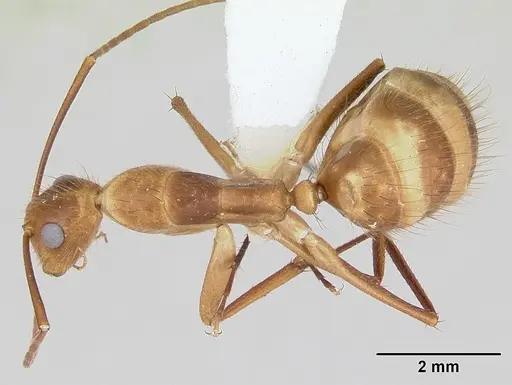
CASENT0910036
View on AntWeb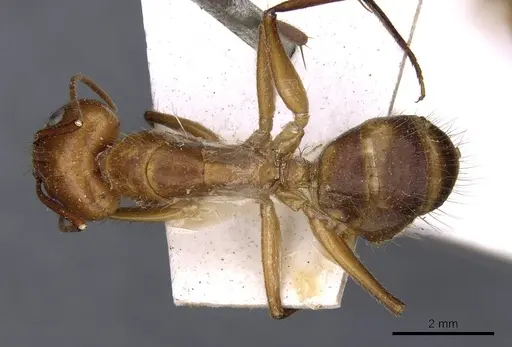
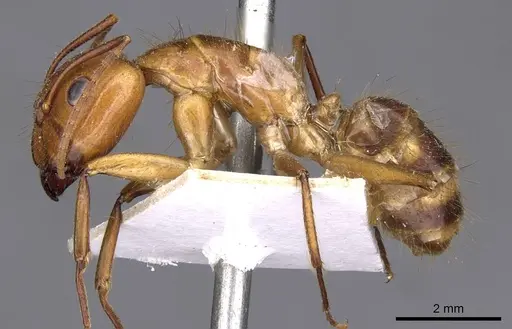
CASENT0910037
View on AntWeb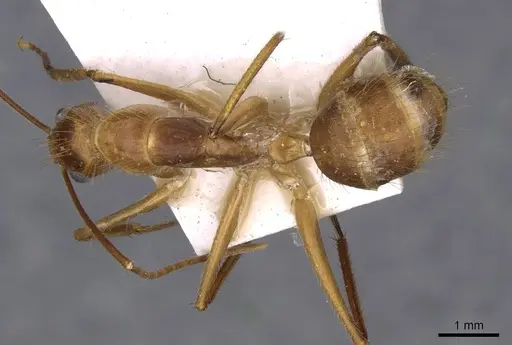
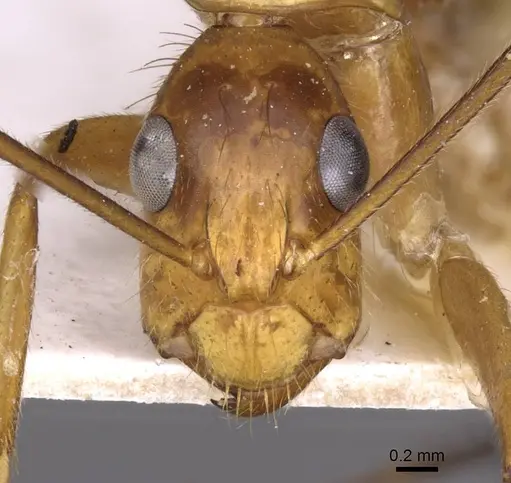
CASENT0923550
View on AntWeb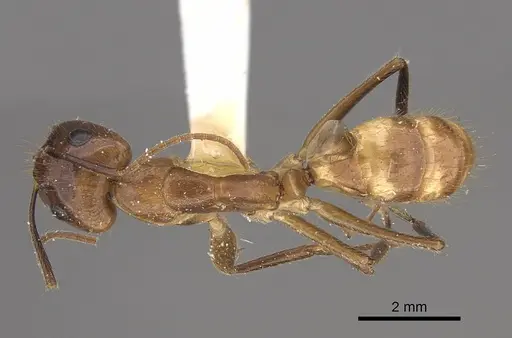
FOCOL2975
View on AntWeb
Literature
Loading...Loading products...