

Camponotus silvestrii
- Scientific Name
- Camponotus silvestrii
- Subgenus
- Myrmaphaenus
- Tribe
- Camponotini
- Subfamily
- Formicinae
- Author
- Emery, 1906
- Distribution
- Found in 1 countries
Camponotus silvestrii Overview
Camponotus silvestrii is an ant species of the genus Camponotus. It is primarily documented in 1 countries , including Brazil. Detailed taxonomic data and occurrence records can be further explored via authoritative databases such as AntWeb or the Global Biodiversity Information Facility (GBIF).
Camponotus silvestrii
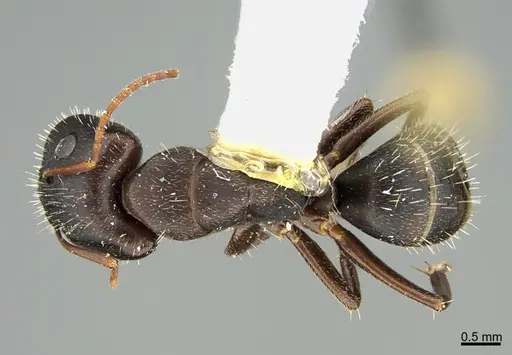
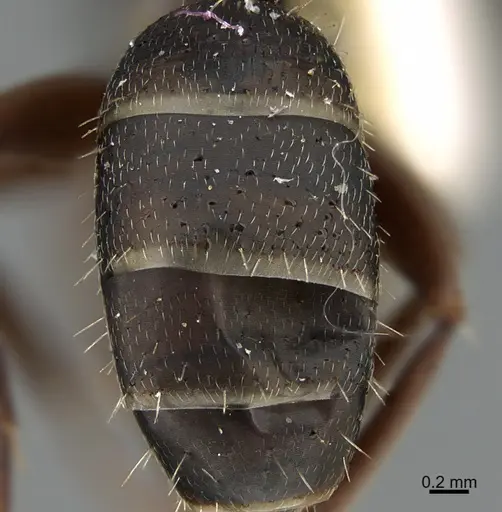
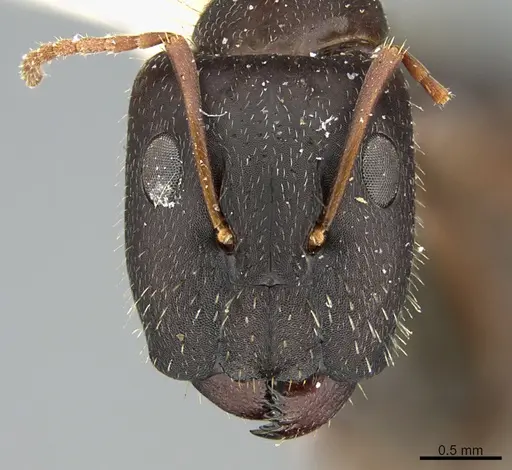
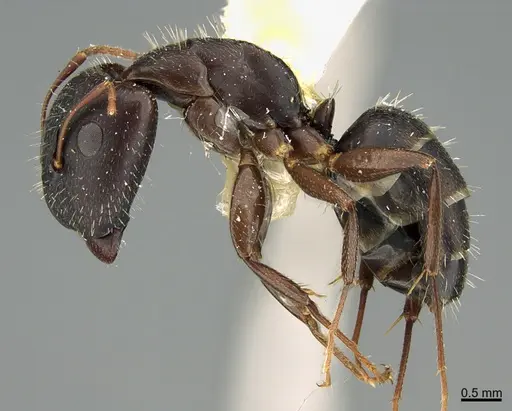
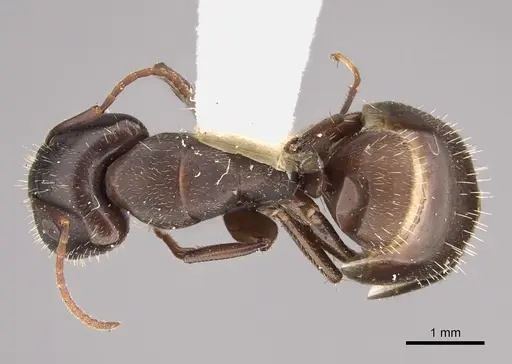
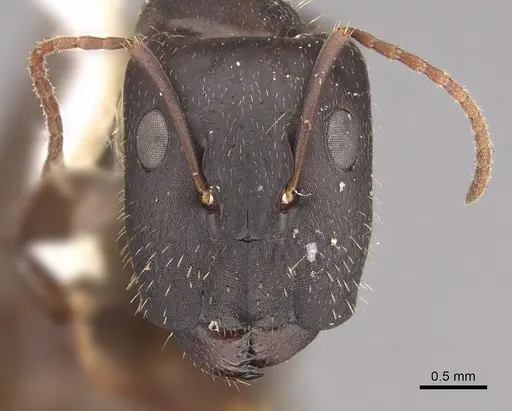
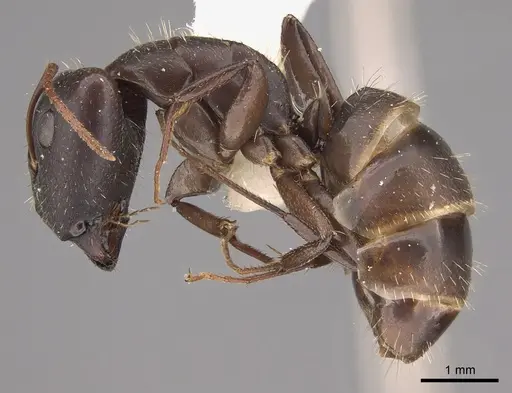
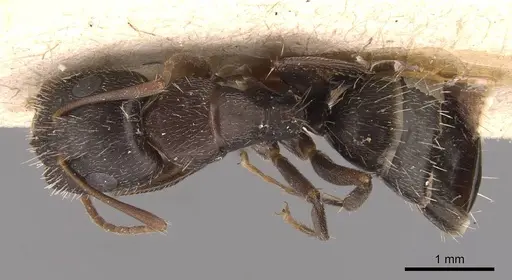
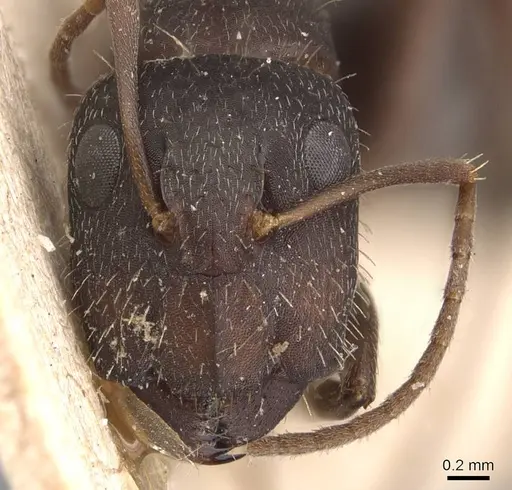
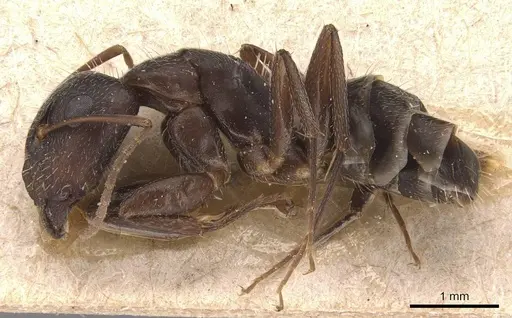
Camponotus silvestrii is a medium-sized carpenter ant native to the Neotropical region of South America, found primarily in Brazil and Paraguay. Major workers measure around 6mm while minors are roughly 4.5mm, with queens reaching approximately 8mm. They are medium to dark brown in color, and the head shape varies, largest majors have a nearly rectangular head narrowed toward the front, while smaller majors show more pronounced narrowing at the cheeks. This species is at least trimorphic, meaning it produces three distinct worker sizes (minor, media, and major), and may be polymorphic with even more variation [1].
What makes C. silvestrii interesting is its documented role in seed dispersal. Research in Brazil's Atlantic Forest recorded these ants interacting with castor bean seeds, moving them away from the parent plant, a behavior that helps seeds germinate by removing them from the shadow of the parent and potential predators [2]. This secondary seed dispersal shows these ants play an active ecological role beyond being simple foragers.
Quick Summary
- Difficulty: Medium
- Origin & Habitat: Native to the Neotropical region of South America, specifically Brazil (Mato Grosso, Pará, Maranhão) and Paraguay (Misiones). They inhabit the Amazon-Cerrado transition zone and surrounding tropical forests [1][3].
- Colony Type: Colony structure is unconfirmed. Based on typical Camponotus patterns, likely single-queen (monogyne) colonies, but this has not been directly studied for this species.
- Size & Growth:
- Queen: ~8mm [1]
- Worker: Major workers ~6mm, minor workers ~4.5mm [1]
- Colony: Unknown, no colony size data available for this species
- Growth: Moderate, based on typical Camponotus development patterns
- Development: Estimated 6-10 weeks based on genus-level Camponotus data at optimal temperature (Development time varies with temperature, typical for medium-sized Camponotus species)
- Antkeeping:
- Temperature: Keep around 22-26°C. As a Neotropical species from Brazil, they prefer warm conditions but avoid overheating. A heating cable on one side of the nest creates a suitable gradient
- Humidity: Moderate to high humidity (60-80%). These ants come from tropical regions with moisture. Keep the nest substrate consistently moist but not waterlogged
- Diapause: Likely minimal or no true diapause given their tropical origin. They may slow down slightly during cooler months but probably don't require hibernation like temperate species
- Nesting: In captivity, standard formicarium setups work well, acrylic nests, Y-tong nests, or plaster nests with chambers scaled to their size. They likely nest in rotting wood or under stones in the wild
- Behavior: Workers are attracted to both sugar (honey) and protein (sardine) baits [1], indicating they readily accept a varied diet in captivity. They are moderate foragers and likely nocturnal or crepuscular like many Camponotus species. Escape risk is moderate, they're not tiny ants but use standard escape prevention (Fluon, tight-fitting lids). Their polymorphic worker caste means you'll see size variation among workers, which is visually interesting. They are not particularly aggressive toward keepers but will defend the nest if threatened.
- Common Issues: limited availability, this species is rarely available in the antkeeping hobby, colony growth is slow, Camponotus species typically take months to establish, patience is required, no specific colony data, keepers are working with genus-level assumptions rather than species-specific research, tropical origin means temperature must be maintained, cold rooms will cause colony decline, wild-caught colonies may have parasites that can wipe out captive colonies
Housing and Nest Setup
Camponotus silvestrii does well in standard formicarium setups. Acrylic nests, Y-tong nests, or plaster nests all work for this species. The chambers should be appropriately sized, not too large for small colonies, but with room to expand as the colony grows. Because they are polymorphic (having different worker sizes), ensure passages are wide enough for the largest major workers to move through comfortably.
A test tube setup works well for founding colonies. Use a water reservoir connected to a cotton plug, this provides humidity without flooding. Once the colony reaches 20-30 workers, you can consider moving them to a formicarium. Always provide an outworld area for foraging and waste disposal. Use escape prevention like Fluon on container rims, as even medium-sized ants can find ways out. [1]
Feeding and Diet
Based on field data showing workers captured with honey and sardine baits [1], plus documented seed dispersal behavior [2], C. silvestrii accepts both sugar and protein sources. Offer sugar water, honey, or diluted maple syrup as a constant carbohydrate source. For protein, provide small insects like fruit flies, mealworms, or crickets. They may also accept seeds as part of their diet given the seed dispersal observation.
Feed protein 2-3 times per week, adjusting based on colony size and consumption. Remove uneaten prey after 24-48 hours to prevent mold. Keep sugar water available at all times. Fresh workers (nanitics) may be smaller than mature workers, this is normal for newly established colonies.
Temperature and Seasonal Care
As a Neotropical species from Brazil, C. silvestrii prefers warm conditions. Maintain temperatures between 22-26°C. You can use a heating cable on one side of the nest to create a gradient, allowing ants to choose their preferred temperature. Avoid temperatures above 30°C or below 18°C for extended periods.
Unlike temperate ant species that require hibernation, this tropical species likely does not need a true diapause period. They may show slightly reduced activity during cooler months, but no special winter treatment is required. If your room temperature stays in the low 20s°C year-round, that should be suitable. Monitor colony behavior, if workers cluster near a heat source, the colony is telling you it wants warmer conditions. [1]
Colony Development and Growth
Camponotus colonies are known for slow establishment. A newly mated queen will seal herself in a chamber (claustral founding) and lay eggs. She feeds the first brood using her own body reserves, this is why queens appear chunky when you catch them. The first workers, called nanitics, are often smaller than normal workers and emerge 6-10 weeks after eggs are laid, depending on temperature.
After nanitics arrive, the colony enters a growth phase. Subsequent broods are fed by workers hunting and gathering food. Growth is gradual, expect months before you see significant numbers. A mature colony may have hundreds of workers over time. The polymorphic caste system (multiple worker sizes) becomes more pronounced as the colony grows. Patience is essential with Camponotus species, they are long-lived and can thrive for many years once established.
Frequently Asked Questions
How long does it take for Camponotus silvestrii to produce first workers?
Expect 6-10 weeks from egg to first worker at optimal temperature (around 24-26°C). This is based on typical Camponotus development patterns since species-specific timing hasn't been documented. The first workers (nanitics) will be smaller than mature workers, this is normal.
What do Camponotus silvestrii ants eat?
They accept both sugar and protein. Offer sugar water, honey, or maple syrup constantly. For protein, feed small insects like fruit flies, mealworms, or crickets 2-3 times per week. They may also accept seeds based on observed seed dispersal behavior in the wild.
What temperature do Camponotus silvestrii need?
Keep them warm at 22-26°C. As a Brazilian tropical species, they prefer consistent warmth. A heating cable on one side of the nest creates a gradient they can regulate themselves. Avoid cold rooms below 18°C.
Are Camponotus silvestrii good for beginners?
They are rated Medium difficulty. The main challenges are slow colony growth (Camponotus are notoriously slow to establish), maintaining proper temperature, and limited availability in the antkeeping hobby. If you're patient and can keep them warm, they can be rewarding.
Do Camponotus silvestrii need hibernation?
Probably not. As a Neotropical species from Brazil, they likely don't require true hibernation. They may slow down slightly in cooler months, but no special winter cooling is needed. Keep them at room temperature year-round.
How big do Camponotus silvestrii colonies get?
The maximum colony size is unknown, no published data exists for this species. Based on typical Camponotus patterns, expect a mature colony of several hundred workers over several years. They are polymorphic, so you'll see major, media, and minor workers.
Can I keep multiple Camponotus silvestrii queens together?
This has not been studied for this species. Most Camponotus are monogyne (single queen), and combining unrelated queens typically leads to fighting. Unless you have specific research showing otherwise, keep one queen per colony.
When should I move Camponotus silvestrii to a formicarium?
Keep them in a test tube setup for the founding stage. Once the colony reaches 20-30 workers and you see active foraging, you can transition to a formicarium. Make sure the formicarium chambers are appropriately sized, too large an empty space can stress small colonies.
Why is my Camponotus silvestrii colony growing so slowly?
Slow growth is normal for Camponotus species. It can take 6+ months to reach 30 workers. Ensure proper temperature (22-26°C), adequate protein feeding, and humidity. If the queen dies or is stressed, no new workers will be produced. Patience is key with this genus.
References

This caresheet is licensed under CC BY-SA 4.0 .
Literature
Loading...Loading products...