

Camponotus setosus
- Scientific Name
- Camponotus setosus
- Tribe
- Camponotini
- Subfamily
- Formicinae
- Author
- Shattuck & McArthur, 2002
- Distribution
- Found in 1 countries
Camponotus setosus Overview
Camponotus setosus is an ant species of the genus Camponotus. It is primarily documented in 1 countries , including Australia. Detailed taxonomic data and occurrence records can be further explored via authoritative databases such as AntWeb or the Global Biodiversity Information Facility (GBIF).
Camponotus setosus
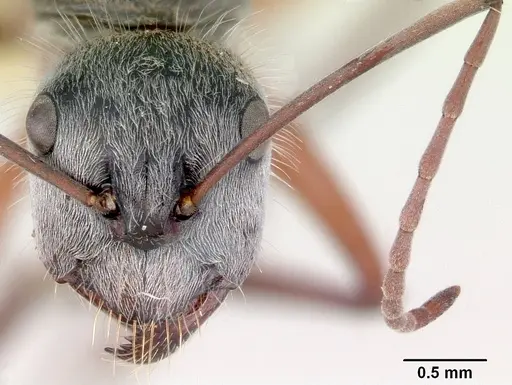
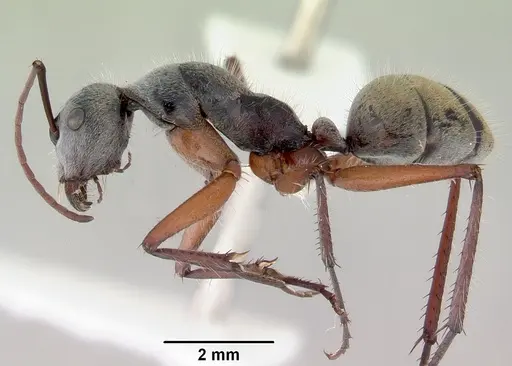
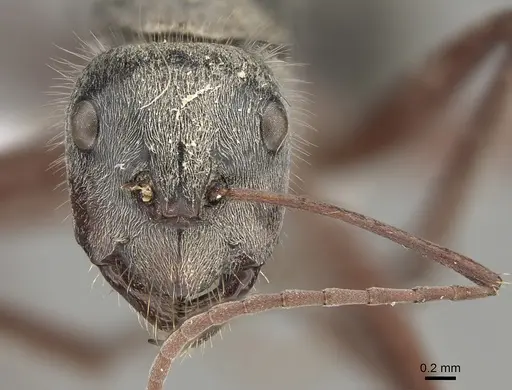
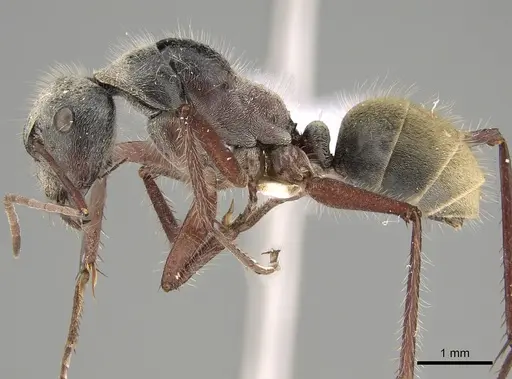
Camponotus setosus is a distinctive medium-sized ant species native to the Kimberley region of Western Australia. Workers are relatively small for a Camponotus species, measuring 1.64-1.69mm in head width, with the genus typically ranging from 4-12mm [1]. The species gets its name from the abundant long setae (hairs) covering most regions of its body, giving it a noticeably fuzzy appearance. Coloration is striking: the gaster (back section) is black, while most of the head, mesosoma (middle body), and node are black with red patches. The coxae and femora are red, with brown tibiae and tarsi. This red and black color pattern is common among Australian Camponotus species [2]. All known collections consist of ground-foraging workers in open Eucalyptus woodlands, suggesting they are primarily terrestrial foragers.
Quick Summary
- Difficulty: Medium
- Origin & Habitat: Kimberley region of Western Australia, specifically around the Manning River Gorge area (16°39'S,125°55'E). Found in open Eucalyptus woodlands on sandy soils associated with sandstone outcrops [1][2].
- Colony Type: Single-queen colonies (monogyne), which is typical for most Camponotus species [1].
- Colony: Monogyne
- Founding: Claustral
- Size & Growth:
- Queen: Estimated 12-14mm based on typical Camponotus genus patterns [1].
- Worker: 1.64-1.69mm head width,3.08-3.20mm total length [1].
- Colony: Likely several thousand workers based on typical Camponotus colony development [1].
- Growth: Moderate, Camponotus species typically take 6-10 weeks from egg to first worker at optimal temperature [1].
- Development: 6-10 weeks estimated based on typical Camponotus development [1]. (Development time varies with temperature, warmer conditions within acceptable range speeds development.)
- Antkeeping:
- Temperature: Keep at 22-26°C. As an Australian species from the Kimberley region, they prefer warm but not extreme conditions. A heating cable on one side of the nest creates a gentle gradient allowing workers to self-regulate [1].
- Humidity: Low to moderate. Their natural habitat in the Kimberley is relatively arid, so avoid overly damp conditions. Keep nest substrate slightly moist but allow some drying between waterings. Provide a water tube for drinking [1].
- Diapause: Yes, Australian temperate species require a winter rest period. Reduce temperature to 10-15°C for 2-3 months during winter. This mimics their natural seasonal cycle and supports colony health [1].
- Nesting: Ground-nesting species. In captivity, a Y-tong (AAC) nest or plaster nest works well. They also do well in naturalistic setups with soil substrate and flat stones for cover. Provide chambers scaled to their worker size [1].
- Behavior: Ground-foraging species that actively searches for food on the substrate surface. Typical Camponotus temperament, generally calm and not aggressive, but will defend if threatened. Workers are moderately sized and can grip surfaces well, but escape prevention should still be practiced. They are daytime foragers, searching for nectar, honeydew, and small insects [1].
- Common Issues: colonies may fail if kept too humid, their arid origin means excess moisture causes mold and stress, hibernation is essential for this Australian species, skipping winter rest often leads to colony decline, small worker size means escape prevention should be taken seriously despite their moderate build, slow founding phase is normal, Camponotus queens can take months to raise first workers, wild-caught colonies may harbor parasites that kill them in captivity
Nest Preferences
Camponotus setosus is a ground-nesting species that naturally colonies in soil cavities under stones or within rotting wood in open Eucalyptus woodlands. In captivity, they adapt well to various nest types. Y-tong (acrylic) nests work excellently because you can control humidity precisely. Plaster nests are another good option, as they allow you to maintain slight moisture without waterlogging. For a naturalistic approach, use a soil-filled container with flat stones or pieces of bark on top for cover, this mimics their natural ground-foraging behavior. The key is providing chambers appropriately sized for their worker size (not too large, as ants feel safer in snugger spaces). Ensure the nest has a dark area where the queen can seal herself during founding. [1]
Feeding and Diet
Like most Camponotus species, C. setosus is omnivorous with a preference for sweet liquids. Feed them sugar water or honey water regularly, this should be available at all times in a small test tube or feeder. For protein, offer small insects like fruit flies, small crickets, or mealworms. They are ground-foragers, so place food on the substrate surface rather than in elevated feeders. In the wild, they likely forage for nectar, honeydew from sap-sucking insects, and small arthropods. During the founding phase, the claustral queen does not eat, she relies entirely on stored fat reserves. Once workers emerge, they will begin foraging for food. Feed protein sources 2-3 times per week, and keep sugar water constantly available. Remove uneaten prey after 24 hours to prevent mold. [1]
Temperature and Seasonal Care
As a species from the Kimberley region of Western Australia, C. setosus prefers warm conditions in the 22-26°C range. This is a temperate to subtropical Australian species, not a tropical one, so avoid extreme heat. A heating cable placed on one side of the nest creates a temperature gradient that lets workers regulate their own exposure. During summer, room temperature is often sufficient. However, winter care is critical, this species requires a diapause (hibernation) period. In autumn, gradually reduce the temperature to 10-15°C and maintain this for 2-3 months. Place the colony in a cool location like an unheated garage or basement. During diapause, reduce food offerings but keep water available. Do not feed during the deepest part of hibernation. This winter rest is essential for colony health and triggers reproductive behavior the following spring. [1]
Behavior and Temperament
Camponotus setosus displays typical Camponotus behavior, they are generally docile and non-aggressive toward keepers. Workers are active foragers that search the ground surface for food, making them entertaining to watch. They are daytime active, unlike some nocturnal ant species. When threatened, they may bite but their moderate size and calm nature make them handleable. The species is not known for being particularly aggressive or territorial. Their distinctive fuzzy appearance (due to abundant setae) makes them visually interesting in captivity. Workers communicate through chemical trails and will recruit nestmates to good food sources. Colonies grow at a moderate pace, with the queen laying eggs continuously once workers are established. The founding phase can be slow, queens may remain sealed in their chamber for several months before first workers (nanitics) emerge. [1]
Colony Founding
Camponotus setosus is claustral, meaning the queen seals herself in a chamber and does not leave to forage during founding. She relies entirely on stored fat reserves to survive and produce eggs until her first workers emerge. This process can take 6-10 weeks under optimal temperature conditions, sometimes longer. The queen will lay eggs, which develop through larvae and pupae before emerging as nanitic (first) workers. These initial workers are typically smaller than mature workers. After the first workers emerge, the colony enters a growth phase as the queen continues laying eggs and workers take over foraging. During founding, keep the setup completely dark and undisturbed. Do not check on the queen unnecessarily, vibrations and light stress founding queens. Maintain slight substrate moisture and warmth (around 24°C). Once workers appear, you can begin offering tiny amounts of sugar water. [1]
Frequently Asked Questions
How long does it take for Camponotus setosus to raise first workers?
Expect 6-10 weeks from egg to first worker at optimal temperature (around 24°C). The claustral queen seals herself in and raises the first brood alone. This founding phase can feel slow, but it is normal for Camponotus species. Some colonies may take slightly longer depending on temperature and conditions.
What temperature do Camponotus setosus ants need?
Keep them at 22-26°C during the active season. A heating cable on one side of the nest creates a gradient. This Australian species from the Kimberley region prefers warmth but not extreme heat. Room temperature is often suitable in most homes.
Do Camponotus setosus ants need hibernation?
Yes, they require a winter diapause. Reduce temperature to 10-15°C for 2-3 months during winter. This mimics their natural seasonal cycle in Australia and is essential for colony health. Skipping hibernation often leads to colony decline.
What do Camponotus setosus ants eat?
They are omnivorous. Keep sugar water or honey water available at all times. Feed protein (small insects like fruit flies, crickets, mealworms) 2-3 times per week. They are ground-foragers, so place food on the substrate surface.
Are Camponotus setosus good for beginners?
They are moderate in difficulty, not the easiest but not challenging. Theirclaustral founding takes patience, and proper hibernation is essential. If you are willing to provide proper seasonal care and can wait through the founding phase, they make rewarding pets.
How big do Camponotus setosus colonies get?
At maturity, colonies likely reach several thousand workers based on typical Camponotus growth patterns. The queen can live for 15-20 years, and colonies grow continuously during the active season.
Can I keep multiple Camponotus setosus queens together?
No, this species is monogyne (single-queen). In the wild, colonies have one queen. Combining unrelated queens will result in fighting. Only keep one queen per colony.
What nest type is best for Camponotus setosus?
Y-tong (AAC) nests or plaster nests work well. They also thrive in naturalistic setups with soil and flat stones. Provide appropriately sized chambers, not too large, as ants prefer snugger spaces.
Why is my Camponotus setosus colony dying?
Common causes include: too much humidity (they come from arid Australia), skipping hibernation, disturbing the founding queen too often, or parasites from wild-caught colonies. Ensure proper humidity, provide winter diapause, and avoid checking the queen during founding.
References

This caresheet is licensed under CC BY-SA 4.0 .
CASENT0172149
View on AntWeb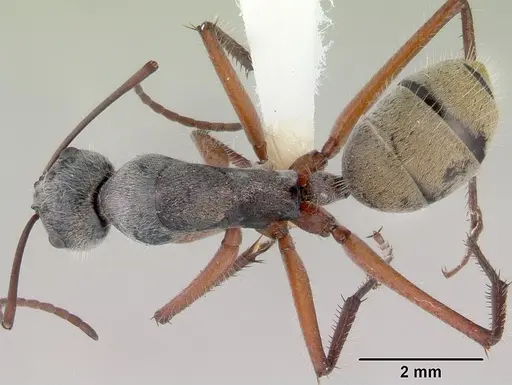
CASENT0887710
View on AntWeb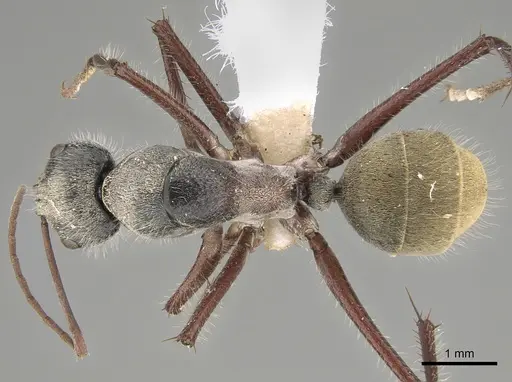
Literature
Loading...Loading products...