

Camponotus scissus
- Scientific Name
- Camponotus scissus
- Subgenus
- Myrmobrachys
- Tribe
- Camponotini
- Subfamily
- Formicinae
- Author
- Mayr, 1887
- Distribution
- Found in 1 countries
Camponotus scissus Overview
Camponotus scissus is an ant species of the genus Camponotus. It is primarily documented in 1 countries , including Brazil. Detailed taxonomic data and occurrence records can be further explored via authoritative databases such as AntWeb or the Global Biodiversity Information Facility (GBIF).
Camponotus scissus
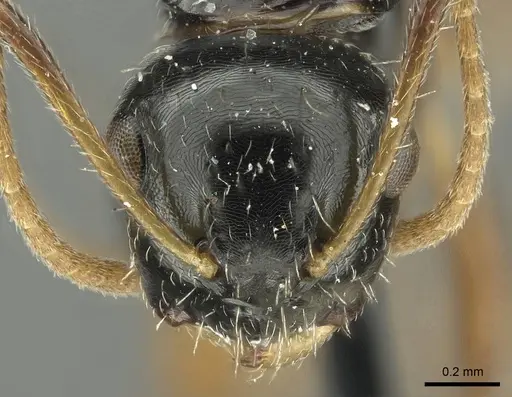
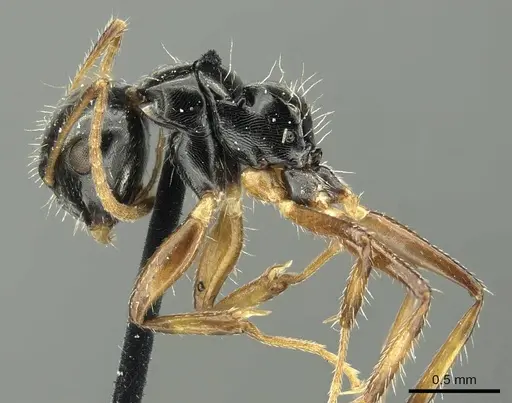
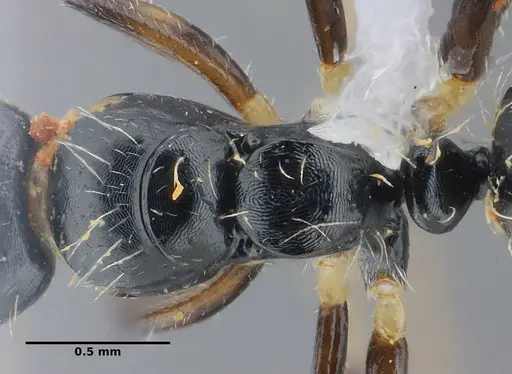
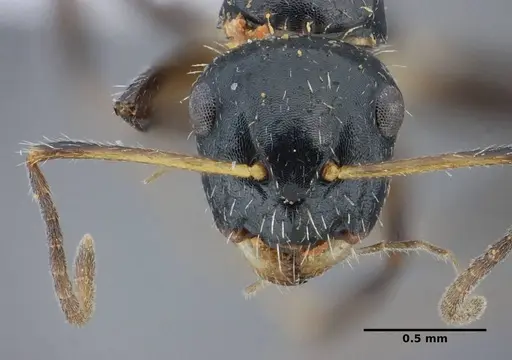
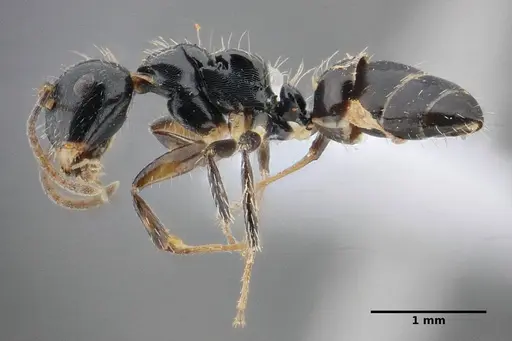
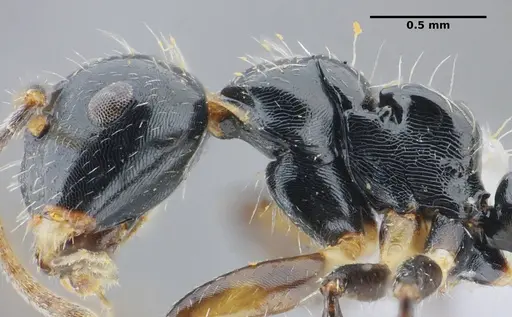
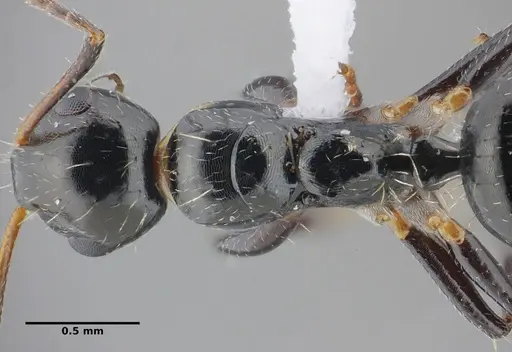
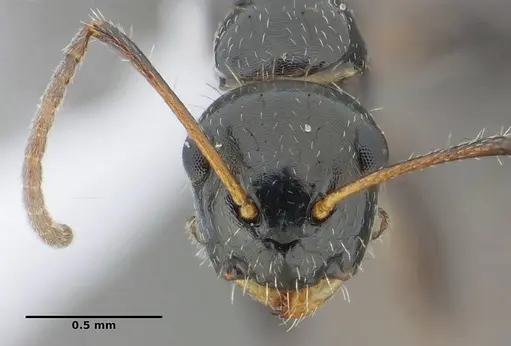
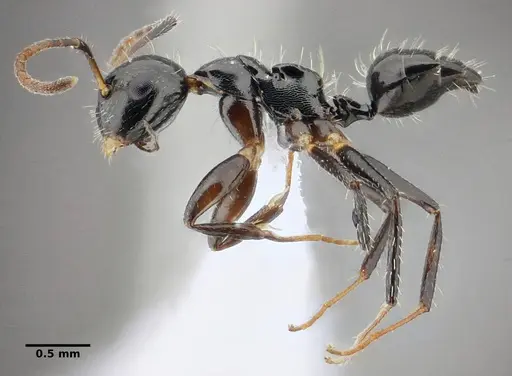
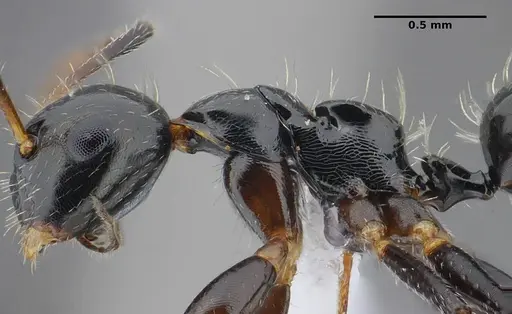
Camponotus scissus is a Neotropical carpenter ant belonging to the subgenus Myrmobrachys and the dimorphus species group. Workers are polymorphic, meaning they come in different sizes, a common trait in carpenter ants. This species is found across southeastern Brazil and into northern Argentina, primarily in forest environments. The species was originally described from Santa Catarina, Brazil in 1887 and has been recorded across the Amazonian region, with studies finding them at multiple sampling sites spanning over 1500 km [1]. As with other Myrmobrachys species, they likely nest in rotting wood or under bark in their natural habitat.
Quick Summary
- Difficulty: Medium
- Origin & Habitat: Southeastern Brazil (Santa Catarina) and northern Argentina. Found in Neotropical forest environments including Amazonian floodplain forests [1][2].
- Colony Type: Likely monogyne (single queen colonies) based on typical Camponotus patterns. Ergatoid replacement reproductives may be present as documented in related species.
- Colony: Monogyne
- Founding: Claustral
- Size & Growth:
- Queen: Estimated 12-16mm based on genus Camponotus patterns [3]
- Worker: Polymorphic, minor workers 4-6mm, major workers 8-12mm based on genus patterns [3]
- Colony: Estimated 500-2000 workers based on typical Camponotus colony sizes [3]
- Growth: Moderate, Camponotus species typically take 6-10 weeks from egg to first worker
- Development: 6-10 weeks at optimal temperature (estimated based on genus patterns) (Development time is temperature-dependent, warmer conditions within safe ranges accelerate development)
- Antkeeping:
- Temperature: Keep at 22-26°C. Provide a temperature gradient so ants can self-regulate. Related Neotropical Camponotus species do well in low-to-mid 20s°C range.
- Humidity: Moderate to high humidity (60-80%). Keep nest substrate moist but not waterlogged. This species comes from humid forest environments.
- Diapause: Unlikely, Neotropical species from Brazil typically do not require hibernation. They may show reduced activity during cooler months but no true diapause.
- Nesting: In nature they nest in rotting wood and under bark. In captivity, Y-tong (AAC) nests or well-moistened plaster nests work well. They prefer tight, dark chambers. Avoid dry, airy setups.
- Behavior: Typical Camponotus temperament, generally calm and not overly aggressive. Workers are moderate foragers, searching for sugar sources and protein. They are not known to be escape artists, but use standard barrier precautions. Polymorphic workers mean larger majors can defend the colony while smaller minors forage.
- Common Issues: humidity control is critical, too dry and brood will fail to develop, wild-caught colonies may have parasites that cause colony collapse in captivity, slow initial growth can lead to overfeeding and mold problems, queen loss during founding is common, ensure minimal disturbance, test tube setups can flood if water reservoirs are overfilled
Housing and Nest Setup
Camponotus scissus does well in Y-tong (acrylic) nests or moistened plaster formicariums. They prefer dark, tight chambers that mimic their natural nesting in rotting wood. A test tube setup works well for founding colonies, use a water reservoir with a cotton plug, keeping it topped up but not overflowing. Once the colony reaches 20-30 workers, you can consider moving to a larger nest. Provide an outworld area for foraging. Ensure the nest area stays humid, check substrate moisture regularly and rehydrate before it fully dries. [3]
Feeding and Diet
Like other Camponotus species, C. scissus is omnivorous. They need a balanced diet of protein and carbohydrates. Offer sugar water, honey, or diluted maple syrup as a constant carbohydrate source. For protein, provide small insects like fruit flies, small crickets, or mealworms. Feed protein 2-3 times per week, adjusting based on colony size and consumption. Remove uneaten prey after 24-48 hours to prevent mold. Carpenter ants also consume some plant matter in the wild, so occasional seeds or fruit may be accepted. [3]
Temperature and Seasonal Care
Maintain temperatures between 22-26°C for optimal brood development. A heating cable on one side of the nest creates a gradient allowing ants to regulate their own temperature. Avoid temperatures above 30°C as this can stress the colony. Since this is a Neotropical species from Brazil, they do not require hibernation. They may show slightly reduced activity during cooler months but should remain active year-round if kept warm. Room temperature in most homes (20-24°C) is generally acceptable, though slightly warmer conditions (24-26°C) will support faster growth. [3]
Colony Founding
Claustral founding is typical for Camponotus, the queen seals herself in a chamber and raises her first workers alone without foraging. Provide a founding queen with a small, dark test tube setup with a water reservoir. Keep the setup undisturbed in a dark place for 4-8 weeks until the first workers (nanitics) emerge. Do not check on the queen during this time, disturbance can cause her to abandon or eat the brood. Once workers emerge, you can begin offering tiny amounts of sugar water and small protein items. [3]
Behavior and Temperament
Camponotus scissus has a typical carpenter ant temperament, generally peaceful and not prone to biting. When threatened, they may spray formic acid as a defense. Workers are polymorphic, with larger majors capable of defending the colony and smaller minors handling foraging tasks. They are not aggressive toward keepers and can be handled gently when necessary. Foraging activity is typically crepuscular or nocturnal. They are moderate escape risks, use standard barrier methods (fluon on rim edges) but no special escape prevention is required beyond standard practices. [3]
Frequently Asked Questions
How long does it take for Camponotus scissus to produce first workers?
Expect 6-10 weeks from egg to first worker at optimal temperature (24-26°C). The queen is claustral and seals herself in during founding, raising the first brood on stored fat reserves. This timeline is typical for Camponotus species.
What do Camponotus scissus ants eat?
They are omnivorous. Offer constant sugar water, honey, or maple syrup for carbohydrates. For protein, provide small insects like fruit flies, small crickets, or mealworms 2-3 times per week.
Do Camponotus scissus ants need hibernation?
No, this is a Neotropical species from Brazil and Argentina. They do not require hibernation and should be kept warm year-round (22-26°C). They may show reduced activity in cooler months but no true diapause.
What size colony do Camponotus scissus reach?
Based on typical Camponotus patterns, colonies likely reach 500-2000 workers over several years. Growth is moderate, faster in warmer conditions with good feeding.
Can I keep multiple Camponotus scissus queens together?
This species is likely monogyne (single queen). Combining unrelated foundress queens is not recommended as they will likely fight. In the wild, colonies are started by a single queen.
What humidity do Camponotus scissus need?
Keep humidity moderate to high (60-80%). The nest substrate should feel moist but not waterlogged. This species comes from humid Neotropical forest environments.
When should I move Camponotus scissus to a formicarium?
Move from test tube to a larger nest (Y-tong or plaster formicarium) when the colony reaches 20-30 workers. Ensure the new nest has appropriate humidity and dark chambers before transferring.
Are Camponotus scissus good for beginners?
They are a medium-difficulty species. The genus Camponotus is popular in antkeeping, but this specific species has limited documentation. They are more forgiving than some exotic species but require attention to humidity and temperature.
What temperature is best for Camponotus scissus?
Keep them at 22-26°C. A slight gradient (warmer on one side) allows ants to self-regulate. Avoid temperatures above 30°C or below 18°C for extended periods.
References

This caresheet is licensed under CC BY-SA 4.0 .
ANTWEB1053774
View on AntWeb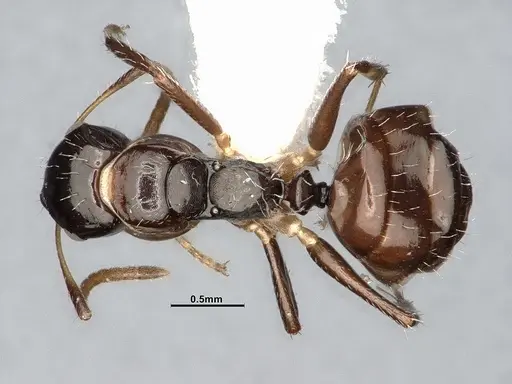
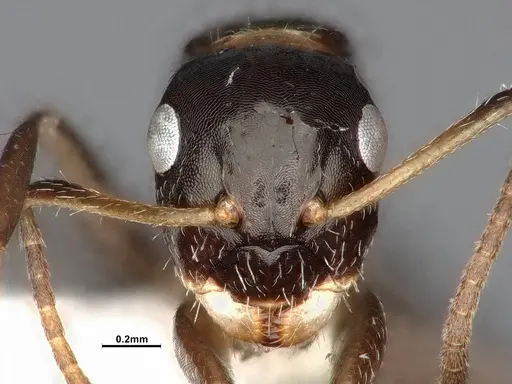
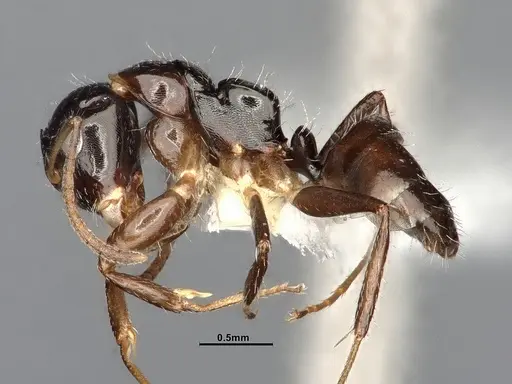
CASENT0915802
View on AntWeb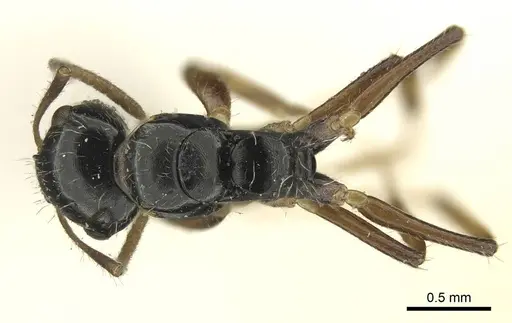
UFV-LABECOL-000072
View on AntWeb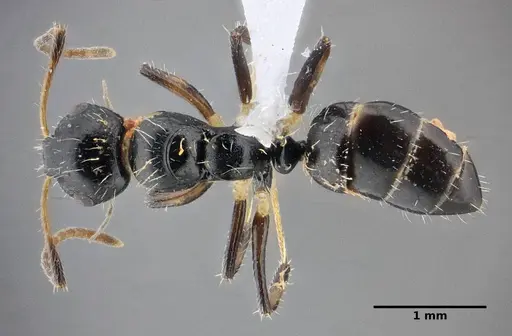
UFV-LABECOL-000074
View on AntWeb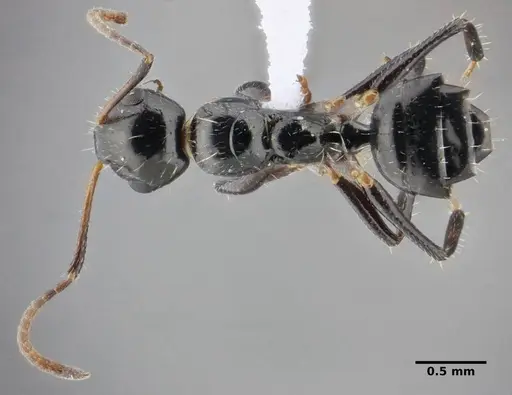
Literature
Loading...Loading products...