

Camponotus schoutedeni
- Scientific Name
- Camponotus schoutedeni
- Subgenus
- Mayria
- Tribe
- Camponotini
- Subfamily
- Formicinae
- Author
- Forel, 1911
- Distribution
- Found in 9 countries
Camponotus schoutedeni Overview
Camponotus schoutedeni is an ant species of the genus Camponotus. It is primarily documented in 9 countries , including Benin, Congo, Democratic Republic of the. Detailed taxonomic data and occurrence records can be further explored via authoritative databases such as AntWeb or the Global Biodiversity Information Facility (GBIF).
Camponotus schoutedeni
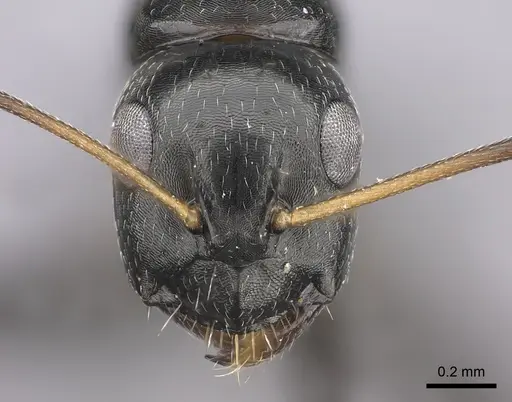
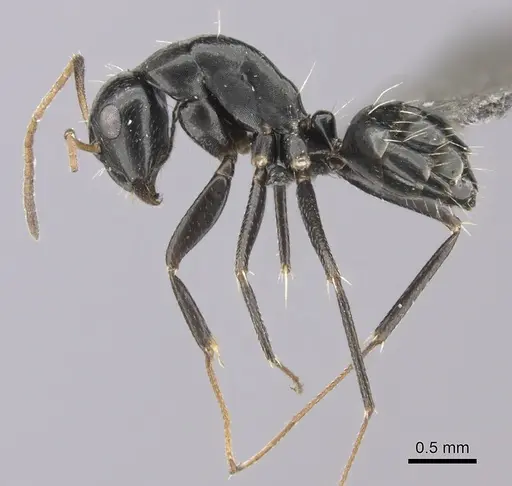
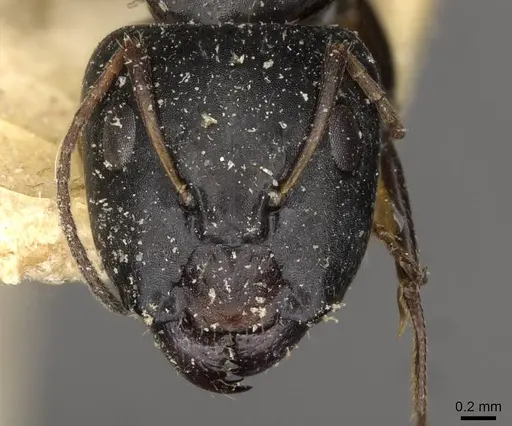
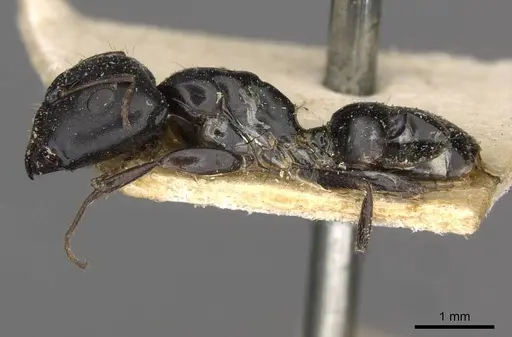
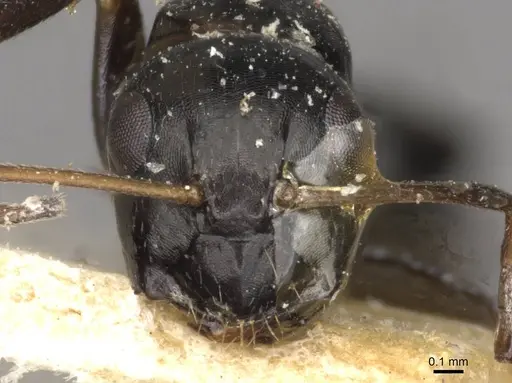
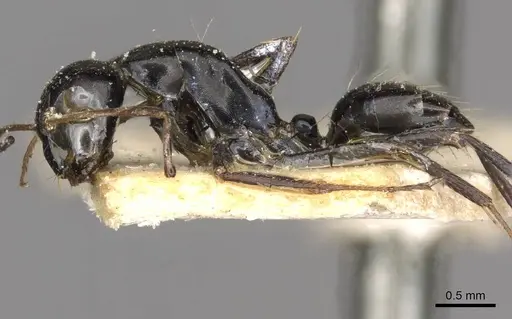
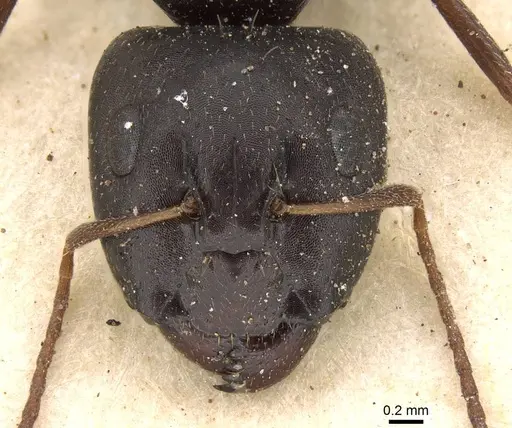
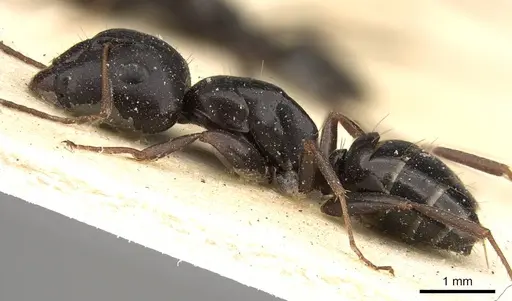
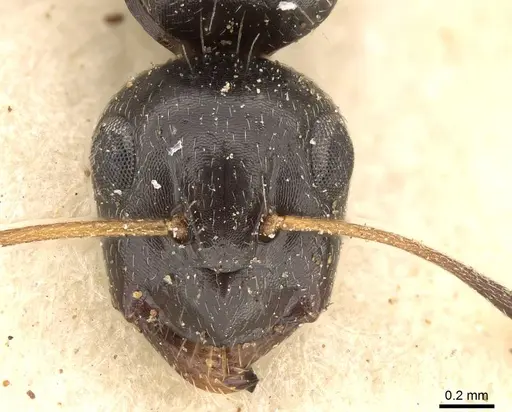
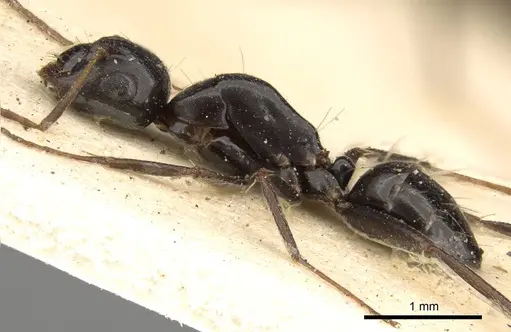
Camponotus schoutedeni is a medium-sized Camponotus species native to the central African forest zone. Workers are polymorphic with major and minor castes, typically showing the characteristic 'carpenter ant' body shape with a rounded thorax and distinct pedicel. The species has been recorded across a wide geographic range from South Africa to Côte d'Ivoire, with confirmed populations in Benin, Nigeria, Democratic Republic of Congo, Kenya, Zimbabwe, Rwanda, Angola, Cameroon, and Tanzania [1][2]. This ant is a generalist forager found in various habitats including forest edges, mango plantations, and savanna areas, often associated with coccids and planthoppers on fruit trees [3]. The species was originally described from the Democratic Republic of Congo and has undergone several taxonomic reclassifications through different subgenera including Myrmosaga, Myrmamblys, and currently Mayria [3].
Quick Summary
- Difficulty: Medium
- Origin & Habitat: Central African forest zone, found across West, Central, and East Africa including Benin, Nigeria, DR Congo, Kenya, Zimbabwe, Rwanda, Angola, Cameroon, and Tanzania. This is a forest-edge and generalist species that inhabits diverse environments from primary forest to agricultural areas like mango plantations. They forage on vegetation and are commonly found associated with coccids and planthoppers [1][3].
- Colony Type: Likely monogyne (single queen) based on typical Camponotus patterns, though polygyny has not been specifically documented for this species. Camponotus colonies typically establish with one founding queen who seals herself in a chamber to raise the first brood alone.
- Colony: Monogyne
- Founding: Claustral
- Size & Growth:
- Queen: Estimated 12-16mm based on typical Camponotus queen size range, no specific measurements found for this species
- Worker: Polymorphic, minors 5-7mm, majors 8-12mm estimated based on genus patterns
- Colony: Likely several hundred to a few thousand workers based on typical Camponotus colony development
- Growth: Moderate, Camponotus species typically grow at a moderate pace, with first workers (nanitics) appearing in 6-8 weeks under optimal conditions
- Development: Estimated 6-8 weeks at optimal temperature (25°C) based on typical Camponotus development (Development time is inferred from related Camponotus species as no specific study exists for C. schoutedeni. Nanitics (first workers) are typically smaller and develop faster than normal workers.)
- Antkeeping:
- Temperature: Keep at 24-27°C for optimal brood development. As a tropical African species, they prefer warm conditions but can tolerate room temperature (22-25°C). A gentle temperature gradient allows workers to self-regulate. Avoid temperatures below 20°C for extended periods.
- Humidity: Moderate to high humidity (60-80%). Forest-edge species prefer conditions that aren't too dry. Keep the nest substrate consistently moist but not waterlogged. Provide a water tube as a permanent moisture source.
- Diapause: No, this is a tropical African species that does not require hibernation. They remain active year-round if kept warm.
- Nesting: In captivity, they do well in Y-tong (AAC), plaster, or naturalistic setups with soil. They prefer nested chambers with some vertical space for major workers. As generalists, they adapt to various nest types but prefer dark, humid chambers. A test tube setup works well for founding colonies.
- Behavior: This is a generally calm, non-aggressive Camponotus species. Workers are active foragers that will scout for food and recruit nestmates through chemical trails. They are primarily nocturnal or crepuscular foragers in nature, though they will forage anytime in captivity. Major workers can deliver a mild bite if threatened, but they are not particularly aggressive. Escape prevention is important, use standard barriers like fluon on test tube rims. They are moderate climbers but standard containment methods work well.
- Common Issues: tropical species requires consistent warmth, cold drafts or temperatures below 20°C can slow or stop brood development, as a polymorphic species, majors may accidentally crush brood when moving eggs and larvae, handle gently during colony moves, wild-caught colonies may carry parasites or pathogens that can devastate captive colonies, quarantine and observe new colonies carefully, slow initial growth during founding phase can cause keepers to overfeed or disturb the queen, resist the urge to check too frequently, moderate humidity needs mean both drying out and mold are risks, balance ventilation with moisture retention
Housing and Nest Setup
For Camponotus schoutedeni, a test tube setup works excellently for founding colonies. Use a standard test tube with a water reservoir sealed with cotton, this provides humidity through evaporation and gives the queen a dark, secure chamber. Once the colony reaches 20-30 workers, you can transition to a Y-tong (AAC) nest, plaster formicarium, or a naturalistic setup with soil. These ants prefer nested chambers that are somewhat humid but not wet. A small outworld for foraging allows you to observe their hunting and feeding behaviors. Because they are polymorphic with major workers up to 12mm, ensure chambers and passages are spacious enough for majors to move freely. Avoid exposing the nest to direct sunlight, they prefer dim, stable conditions.
Feeding and Diet
Camponotus schoutedeni is a generalist omnivore like most Camponotus species. Feed them a balanced diet of protein and carbohydrates. Protein sources include small insects (fruit flies, mealworms, small crickets, waxworms), offer these dead or injured initially until workers gain confidence. Carbohydrates come from sugar water, honey, or ripe fruit. They will also collect honeydew if you offer sweet liquids. Feed protein prey 2-3 times per week, and keep a constant sugar water or honey source available. Remove uneaten prey after 24-48 hours to prevent mold. In the wild, they associate with coccids and planthoppers to harvest honeydew, so this sugar source is particularly natural for them [3].
Temperature and Seasonal Care
As a tropical African species, Camponotus schoutedeni thrives at warm temperatures between 24-27°C. This range supports optimal brood development and colony activity. They can tolerate room temperature (22-25°C) but may slow down below 24°C. Avoid temperatures below 20°C for extended periods as this can cause brood developmental issues and colony decline. A small heating cable on one side of the nest can create a temperature gradient, allowing workers to self-regulate. Place the heating on top of the nest, not underneath, to avoid drying out the substrate. Since they come from a tropical climate, no hibernation or diapause is required, keep them warm year-round.
Colony Development and Growth
Colony growth follows the typical Camponotus pattern. After the claustral queen seals herself in, she lays eggs that develop through larvae and pupae to become first-generation workers (nanitics). These nanitics are smaller than normal workers and emerge within 6-8 weeks under optimal conditions. Once nanitics arrive, the queen stops foraging entirely and focuses on egg-laying while workers take over all colony tasks. Growth is moderate, expect the colony to reach 50 workers within a few months, several hundred within a year, and potentially a few thousand at maturity. The presence of major workers (soldiers) typically appears once the colony reaches several hundred workers. Major workers develop from the same larval food as minors but receive more nutrition during development.
Behavior and Temperament
This is a calm, non-aggressive species that is well-suited for antkeeping. Workers are active foragers that will readily explore and recruit nestmates to food sources. They use chemical pheromone trails to guide others to discoveries. Major workers can deliver a mild bite if the colony feels threatened, but they are not particularly defensive or aggressive toward keepers. They are primarily nocturnal foragers in the wild but adjust their activity patterns to feeding schedules in captivity. They are moderate climbers and can escape through small gaps if not properly contained. Standard escape prevention with fluon on tube rims or barrier tape on formicarium edges works well. They are generalist foragers found in diverse habitats from forest to agricultural land, indicating good adaptability [1][3].
Frequently Asked Questions
How long does it take for Camponotus schoutedeni to get first workers?
First workers (nanitics) typically appear in 6-8 weeks after the queen lays eggs, assuming optimal temperature around 25°C. This timeline is based on typical Camponotus development patterns since no specific study exists for this species.
What do Camponotus schoutedeni ants eat?
They are omnivores that accept both protein and sugar sources. Feed small insects like fruit flies, mealworms, or small crickets 2-3 times per week, and keep sugar water or honey available constantly. They also naturally feed on honeydew from aphids or coccids.
What temperature do Camponotus schoutedeni need?
Keep them at 24-27°C for optimal development. They can tolerate room temperature (22-25°C) but avoid temperatures below 20°C. No hibernation is needed as they are a tropical species.
Is Camponotus schoutedeni good for beginners?
This species is rated as medium difficulty. They are more forgiving than some tropical species but require consistent warmth and proper humidity. They are calmer than many ants and don't require special care beyond standard Camponotus keeping practices.
How big do Camponotus schoutedeni colonies get?
Based on typical Camponotus patterns, colonies likely reach several hundred to a few thousand workers at maturity. The exact maximum is unknown as this species hasn't been specifically studied in captivity.
Can I keep multiple Camponotus schoutedeni queens together?
This is not recommended. While not specifically documented, Camponotus species are typically single-queen (monogyne) colonies. Combining unrelated queens often leads to fighting.
When should I move Camponotus schoutedeni to a formicarium?
Move from the test tube to a larger nest once the colony reaches 20-30 workers or when the test tube becomes cramped. A Y-tong (AAC), plaster nest, or naturalistic setup works well for this species.
Do Camponotus schoutedeni need hibernation?
No. As a tropical African species from the central African forest zone, they do not require hibernation or cooling periods. Keep them warm year-round.
Why is my Camponotus schoutedeni colony not growing?
Common causes include temperatures below 20°C, too dry or too wet conditions, overfeeding causing mold, or disturbing the queen too frequently during founding. Ensure optimal temperature (24-27°C), moderate humidity, and minimal disturbance for the first few months.
References

This caresheet is licensed under CC BY-SA 4.0 .
CASENT0235421
View on AntWeb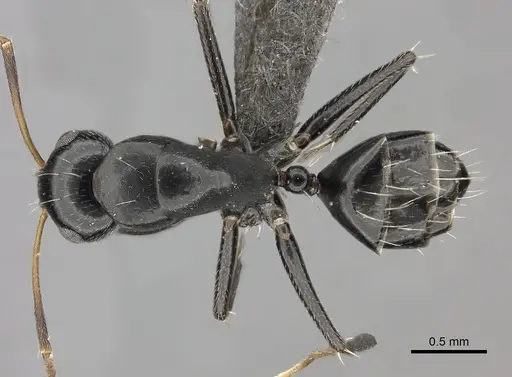
CASENT0910442
View on AntWeb
CASENT0910443
View on AntWeb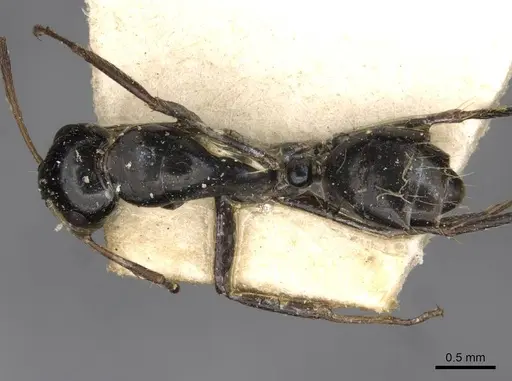
CASENT0914008
View on AntWeb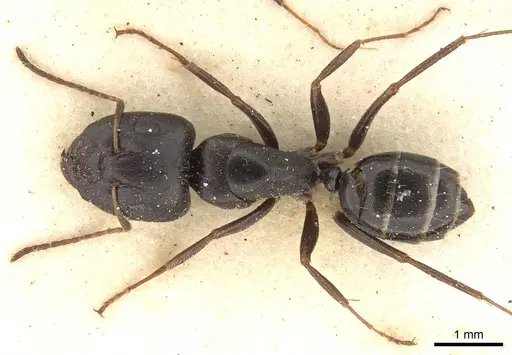
CASENT0914009
View on AntWeb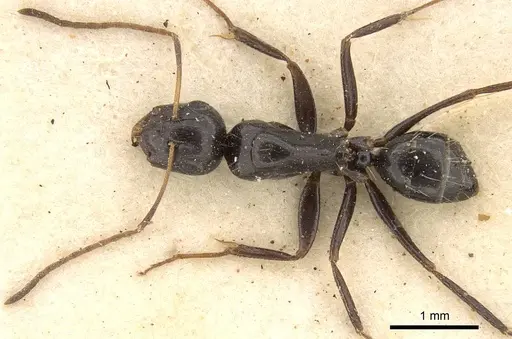
Literature
Loading...Loading products...