
Camponotus sansabeanus follows a consistent seasonal pattern with peak activity in April. The flight window runs from March to May, providing several months of opportunity for observations.
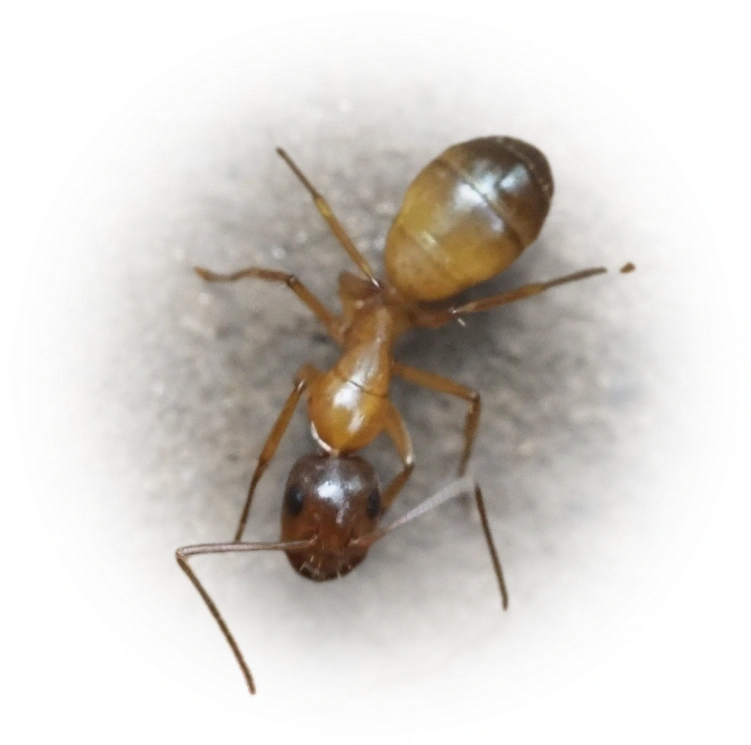
Camponotus sansabeanus
- Scientific Name
- Camponotus sansabeanus
- Subgenus
- Tanaemyrmex
- Tribe
- Camponotini
- Subfamily
- Formicinae
- Author
- Buckley, 1866
- Distribution
- Found in 2 countries
- Nuptial Flight
- from March to May, peaking in April
AI Identifiable
try →
Camponotus sansabeanus Overview
Camponotus sansabeanus is an ant species of the genus Camponotus. It is primarily documented in 2 countries , including Mexico, United States of America. Detailed taxonomic data and occurrence records can be further explored via authoritative databases such as AntWeb or the Global Biodiversity Information Facility (GBIF).
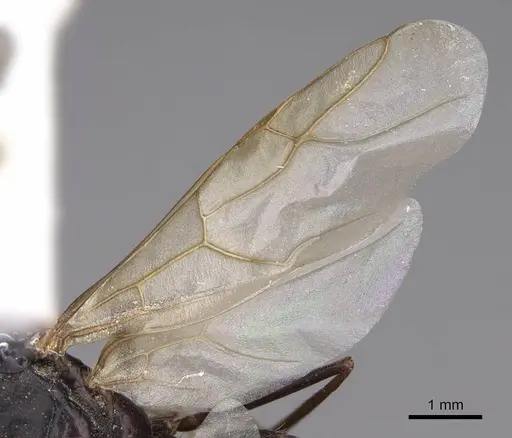
The nuptial flight of Camponotus sansabeanus is a significant biological event, typically occurring from March to May, peaking in April. During this time, winged queens and males leave the nest to mate and establish new colonies.
Camponotus sansabeanus
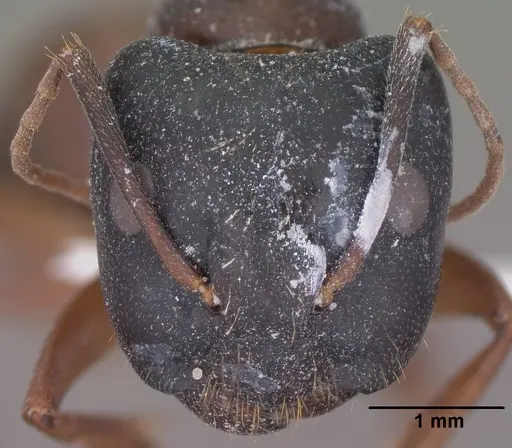
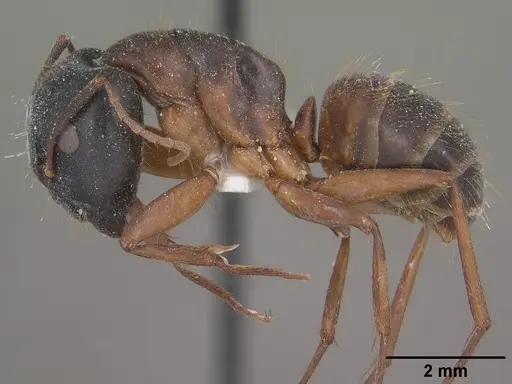
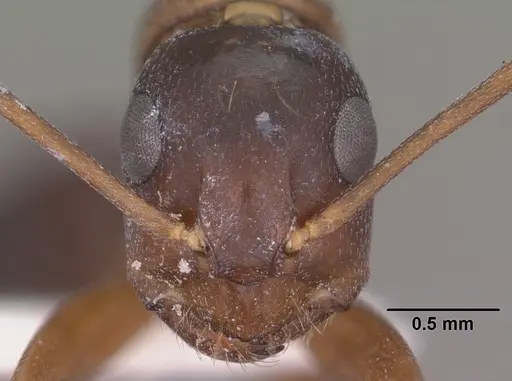
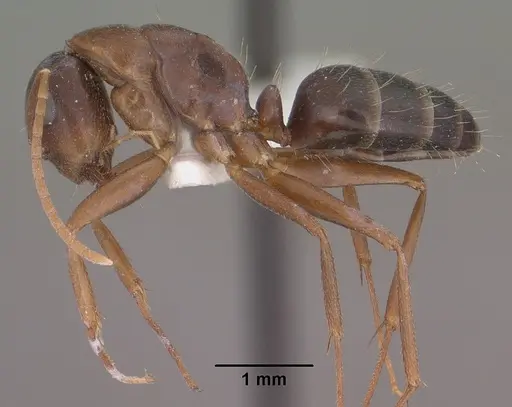
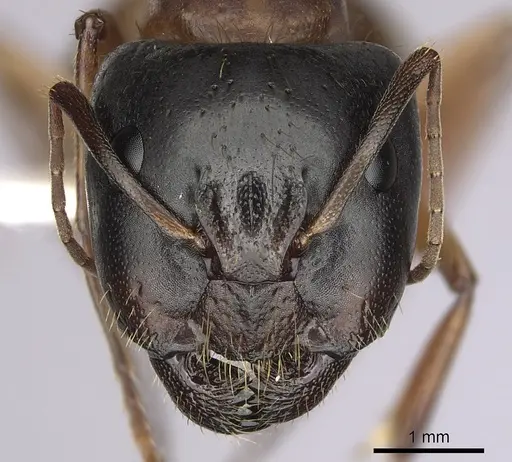
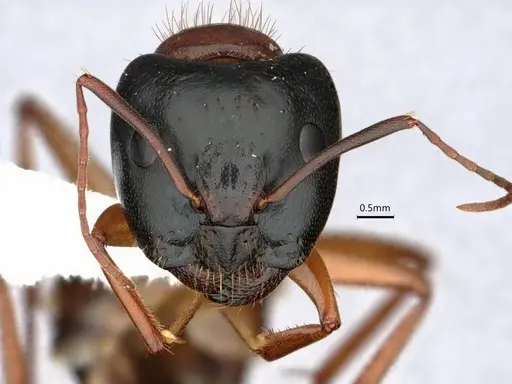
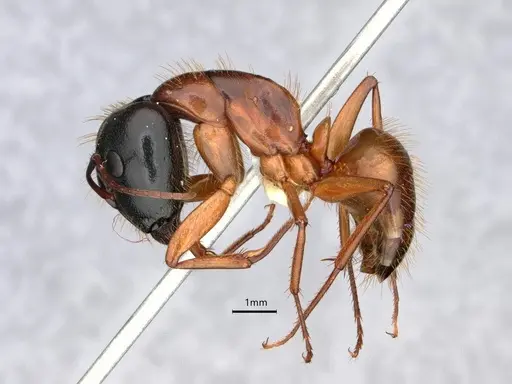
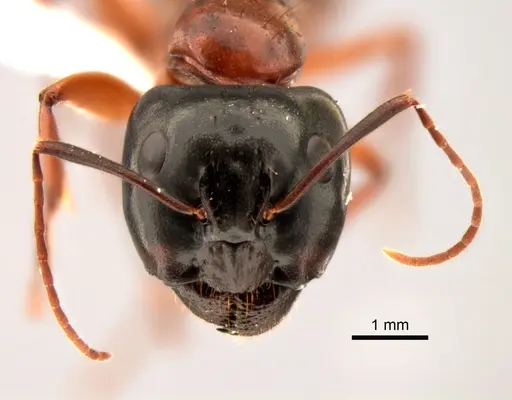
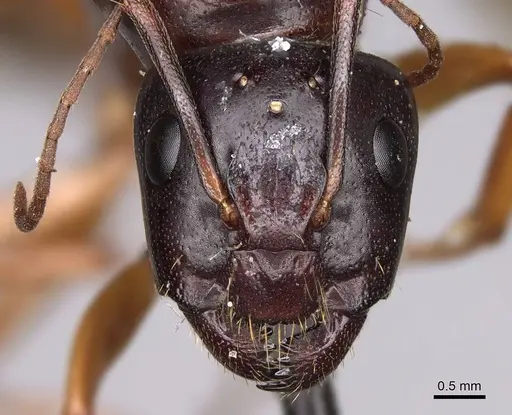
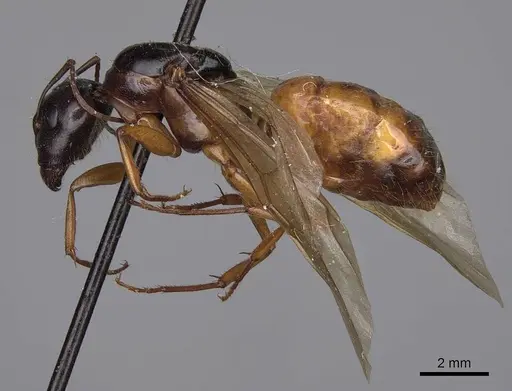
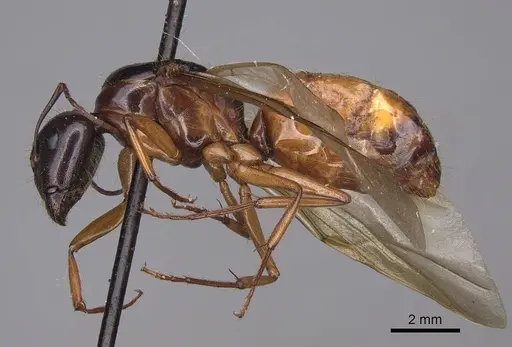
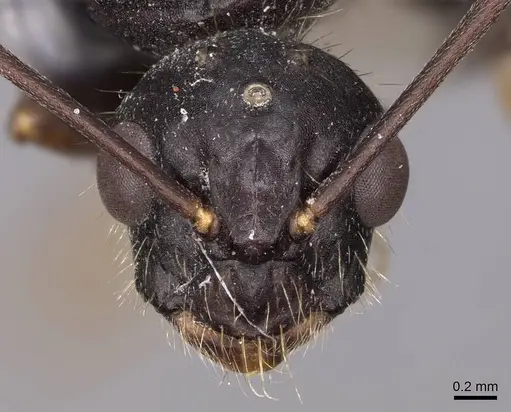
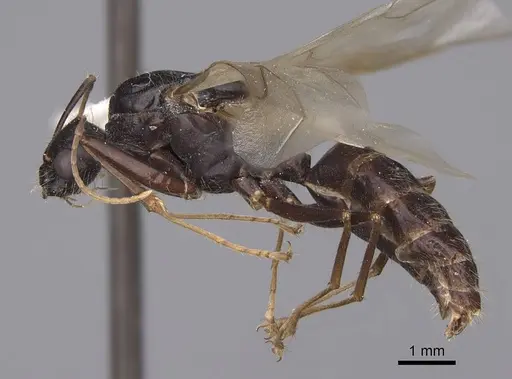
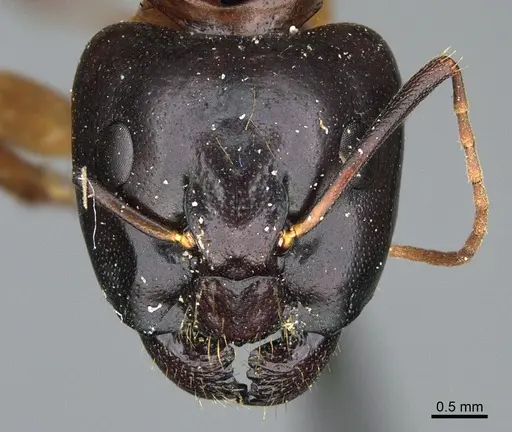
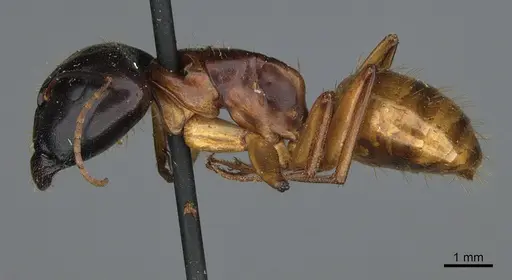
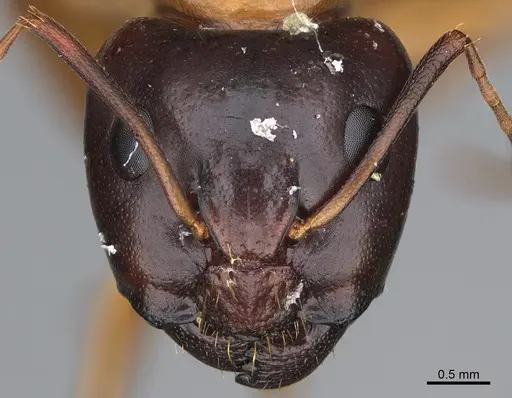
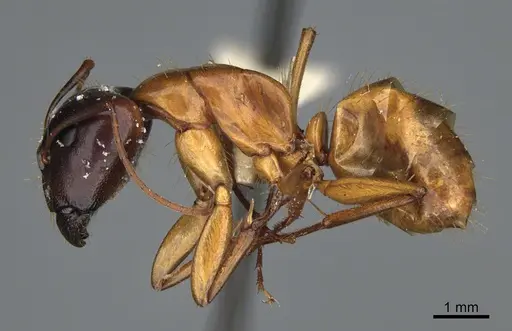
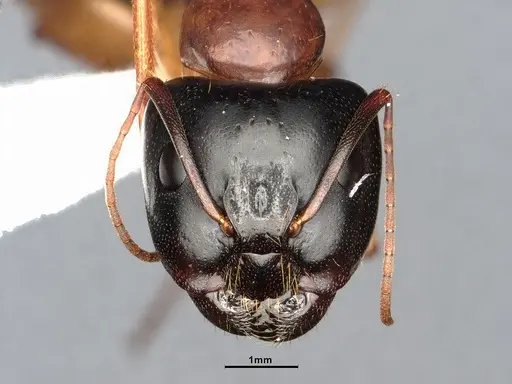
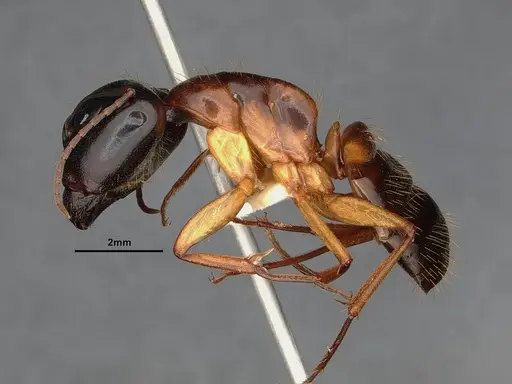
Camponotus sansabeanus is a polymorphic carpenter ant native to the southwestern United States and northern Mexico. These ants have a striking appearance with majors sporting wide, dark heads while minors are lighter yellow, creating a bicolored look [1]. Workers range from 5-7mm for minors up to 9-11mm for majors, with queens reaching 12-14mm [1]. This species belongs to the Tanaemyrmex subgenus and is part of the Camponotini tribe, which has an obligate symbiotic relationship with Blochmannia bacteria that helps regulate worker size distribution [2][3]. Colonies are commonly found nesting under stones in desert and pinyon-juniper habitats across their range from Arkansas/Louisiana west to California and south into Mexico [1].
Quick Summary
- Difficulty: Easy
- Origin & Habitat: Southwestern United States and northern Mexico, found in sagebrush, pinyon-juniper woodlands, oak areas, ponderosa pine, and Chihuahuan pine habitats at elevations between 4,800-7,500 feet [1][4].
- Colony Type: Single-queen (monogyne) colonies, typical for Camponotus species in the Tanaemyrmex subgenus
- Colony: Monogyne
- Founding: Claustral
- Size & Growth:
- Queen: 12-14mm [1]
- Worker: Minors 5-7mm, Majors 9-11mm [1]
- Colony: Likely several thousand workers based on typical Camponotus growth patterns
- Growth: Moderate
- Development: 6-8 weeks at optimal temperature (estimated based on typical Camponotus development) (Development time follows typical Camponotus patterns, faster in warmer conditions, slower if cool. Nanitics (first workers) emerge smaller than normal workers.)
- Antkeeping:
- Temperature: Keep nest area at 20-26°C with a gentle gradient. This species tolerates the typical room temperature range well, as it's adapted to variable desert and woodland conditions. A heating cable on one side of the nest can create optional warmth if your room runs cool.
- Humidity: Moderate humidity around 50-60%. These ants prefer drier conditions than many tropical species, think desert and woodland floor, not rainforest. Provide a water tube but don't over-moisten the nest.
- Diapause: Yes, this species is adapted to temperate climates with distinct seasons. Provide a winter rest period around 10-15°C for 2-3 months during winter months (roughly November-February depending on your location).
- Nesting: In nature they nest in soil, often under stones or in rotting wood. For captivity, a Y-tong (AAC) nest or plaster nest works well. Avoid overly humid conditions, these are not rainforest ants. A test tube setup works for founding colonies.
- Behavior: Workers are timid and will escape when the nest is disturbed, they are not aggressive defenders [1]. They forage diurnally and are omnivorous scavengers, accepting both protein sources and sugar [4]. They have a mutualistic relationship with aphids and will tend honeydew-producing insects [5]. Escape prevention should be moderate, while not the smallest ants, they can still squeeze through small gaps. majors are larger but minors are quite small.
- Common Issues: colonies may fail if kept too humid, these are desert-adapted ants that prefer drier conditions, timid workers may abandon disturbed nests, handle gently during inspections, winter diapause is required for long-term colony health, skipping hibernation can weaken colonies, overfeeding can lead to mold in nests, remove uneaten food promptly
Nuptial Flight Activity Analysis 635 observations
Flight Activity by Hour 635 observations
Camponotus sansabeanus nuptial flight activity peaks around 10:00 during the late morning to early afternoon. Activity is spread across a 15-hour window (08:00–22:00). A secondary activity peak occurs around 12:00. Times may be influenced by human observation patterns.
Housing and Nest Setup
Camponotus sansabeanus is adaptable to various nest types. For founding colonies, a simple test tube setup works well, fill one tube with water reservoir, stuff with cotton, and place the queen in the open end. The queen will seal herself in and begin laying eggs. Once you have 15-20 workers, you can consider moving to a more permanent formicarium. Y-tong (AAC) nests are excellent for this species because they allow you to observe the colony while providing appropriate darkness. Plaster nests also work well. Avoid setups that stay constantly wet, these ants prefer drier conditions. A small outworld for foraging allows workers to come and go for food. Escape prevention is important but not as critical as with tiny species, standard barriers like fluon on test tube rims work adequately. [4][1]
Feeding and Diet
These ants are omnivorous scavengers, making them easy to feed. Offer protein sources like small pieces of mealworms, crickets, or other insects roughly twice per week. They also accept sugar water, honey, or diluted maple syrup as an energy source. In the wild, they tend aphids for honeydew [5], so they appreciate sweet liquids. Remove any uneaten food after 24-48 hours to prevent mold. Fresh killed insects are better than live prey for these timid ants, they may not chase down active prey. A constant sugar water supply in the outworld works well for established colonies.
Temperature and Seasonal Care
Keep your colony at room temperature (20-26°C) for optimal growth. They tolerate this range well and are adapted to variable conditions in their natural desert and woodland habitats. During winter, this species requires a diapause period. Reduce temperatures to 10-15°C for 2-3 months, roughly November through February in the Northern Hemisphere. You can accomplish this by moving the colony to a cooler location like a garage or basement, or using a refrigerator set to appropriate temperatures (avoid freezing). Do not feed during diapause but keep water available. This winter rest is important for colony health and triggers reproductive behavior in spring. [1]
Behavior and Colony Dynamics
This species has a clear polymorphic caste system with major and minor workers. Majors have notably wide heads and handle heavier tasks like cutting food, while minors handle most day-to-day foraging and brood care. Workers are described as timid and will quickly flee when the nest is disturbed [1], this means gentle handling during inspections is important. They forage during the day, unlike some related species that are nocturnal. The colony will grow from just a few nanitics (first workers, which are smaller) to hundreds then thousands of workers over several years. Queens can live 15-20 years, so this is a long-term commitment.
Growth and Development
Like all Camponotus species, C. sansabeanus has claustral founding, the queen seals herself in a chamber and survives entirely on her stored fat reserves while raising the first brood. She does not leave to forage. First workers (nanitics) are typically smaller than normal workers and emerge after 6-8 weeks at warm temperatures. After the nanitics arrive, the queen stops caring for brood directly and focuses on egg-laying. Growth rate is moderate, expect the colony to reach several hundred workers within 2-3 years under good conditions. The symbiotic bacteria Blochmannia that this species carries helps regulate worker size distribution and enhances nutrition [3].
Unique Biological Features
Camponotus sansabeanus belongs to the Camponotini tribe, which has an obligate endosymbiotic relationship with Blochmannia bacteria. This bacteria was horizontally transferred from hemipteran bugs to the ancestor of Camponotini approximately 51 million years ago [3]. The bacteria live inside the ants' cells and are passed from queen to offspring through the germline. They help ants by increasing amino acid synthesis, which can regulate the size distribution of worker ants, this explains why Camponotus species show such dramatic polymorphism between minor and major workers. This is a fascinating biological feature that makes keeping this species particularly interesting.
Frequently Asked Questions
Is Camponotus sansabeanus good for beginners?
Yes, this is a good beginner species. They're forgiving of minor care mistakes, don't require high humidity like tropical ants, and are not aggressive. The main things to get right are providing proper (drier) humidity levels and remembering winter diapause. Their moderate growth rate means you won't get overwhelmed, and they're fascinating to watch with their polymorphic worker castes.
How long does it take for first workers to emerge?
Expect 6-8 weeks from egg to first worker (nanitics) at room temperature (around 24°C). This is typical for Camponotus species. The first workers will be smaller than normal workers but will quickly be joined by larger minors and eventually majors as the colony grows.
What temperature do they need?
Keep them at 20-26°C. Room temperature is usually fine. They can tolerate cooler temperatures better than many tropical species since they're adapted to desert and temperate woodland habitats. A simple heating cable on one side of the nest can provide extra warmth if needed.
Do they need hibernation?
Yes, this species requires a winter diapause. Reduce temperatures to 10-15°C for 2-3 months during winter. This is important for colony health and triggers spring reproductive behavior. Skip diapause and you may see reduced queen egg-laying and colony vitality over time.
What do they eat?
Omnivorous, they accept protein (insects like mealworms, crickets) and sugar sources (honey, sugar water, maple syrup). Feed protein twice weekly and keep sugar water available constantly. They also tend aphids for honeydew in the wild.
How big do colonies get?
At maturity, colonies likely reach several thousand workers. This is typical for Camponotus species. The colony grows over several years, starting with just a few nanitics and expanding as the queen continues laying eggs. Majors typically appear once the colony reaches several hundred workers.
Can I keep multiple queens together?
No, this species is monogyne (single-queen). Unlike some ants that can form multi-queen colonies, C. sansabeanus establishes single-queen colonies. If you catch multiple dealate females, they should be housed separately.
When should I move them to a formicarium?
Move from test tube to a proper nest once you have 15-30 workers. This is usually around 6-12 months after founding. A Y-tong or plaster nest works well. Make sure the chambers aren't too large for the colony size, too much space can stress them.
Why are my ants dying?
Common causes include: too high humidity (they prefer drier conditions), skipping winter diapause, disturbing the nest too often (they're timid), or mold from uneaten food. Check that humidity is moderate (50-60%), you're providing diapause in winter, and removing uneaten food promptly. Timid workers dying outside the nest after disturbance is normal, they're protecting the colony.
References

This caresheet is licensed under CC BY-SA 4.0 .
CASENT0005350
View on AntWeb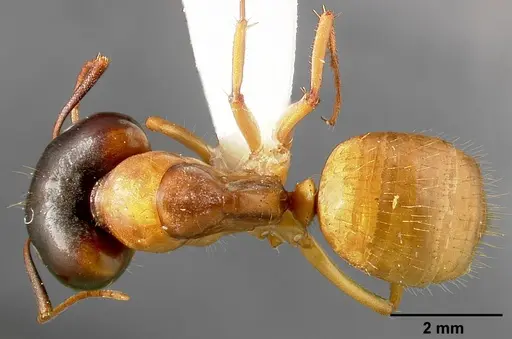
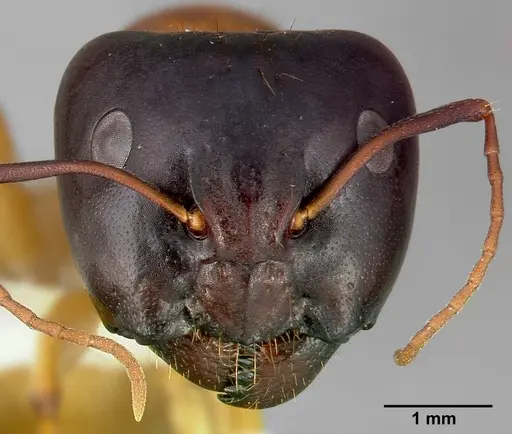
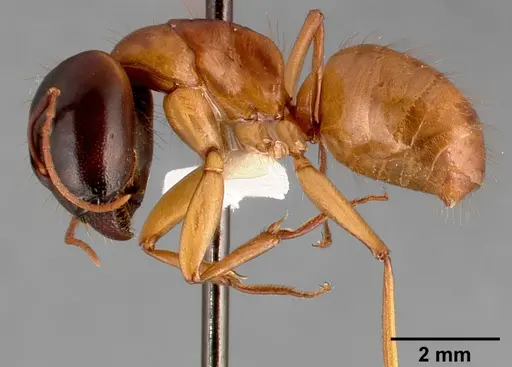
CASENT0102779
View on AntWeb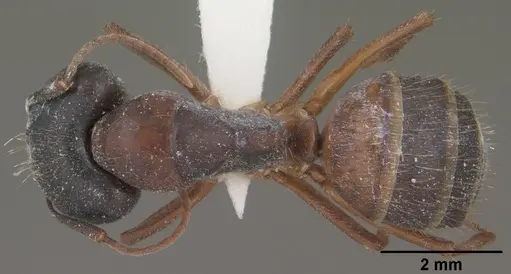
CASENT0102780
View on AntWeb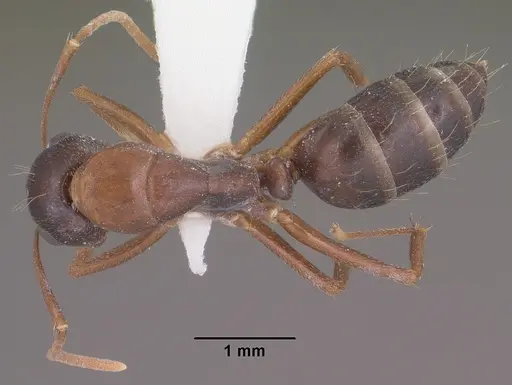
CASENT0280033
View on AntWeb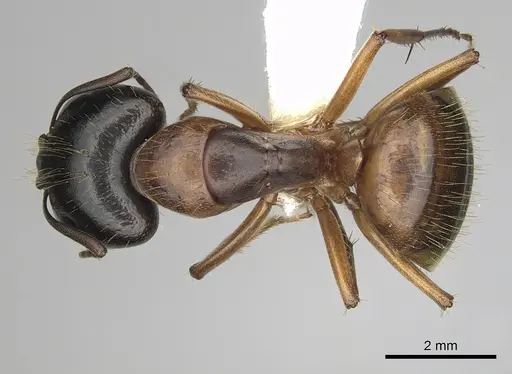
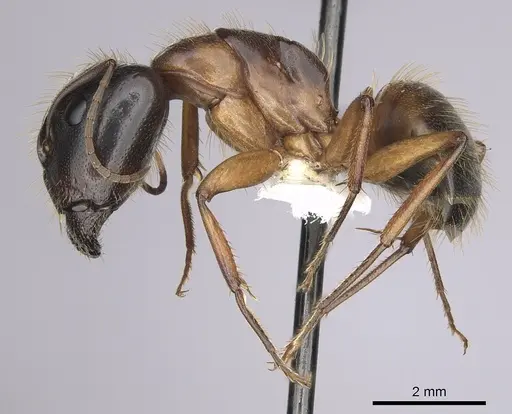
CASENT0280034
View on AntWeb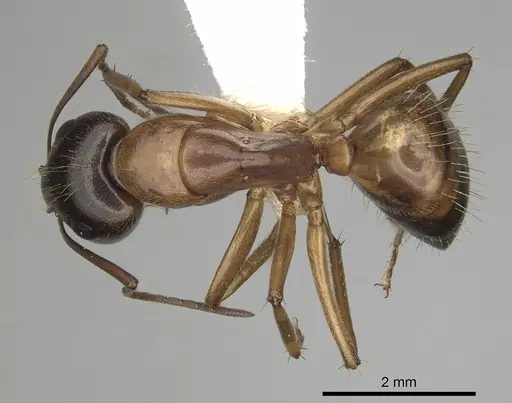
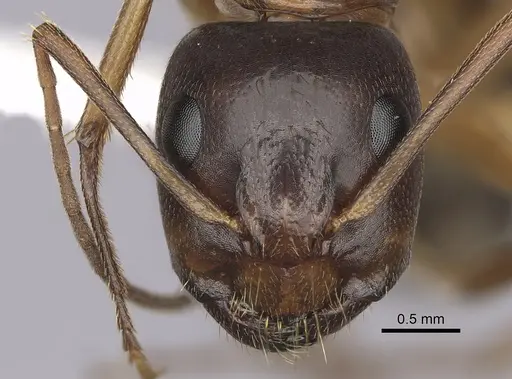
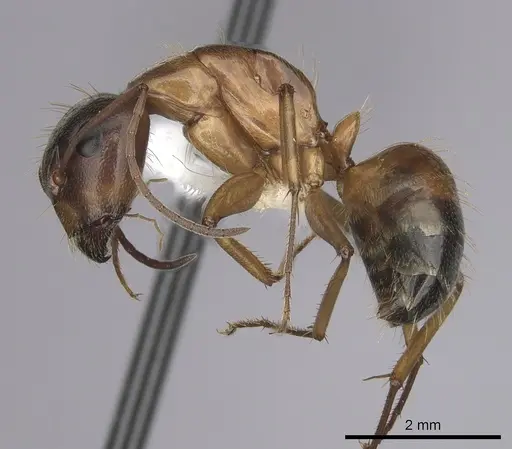
CASENT0840931
View on AntWeb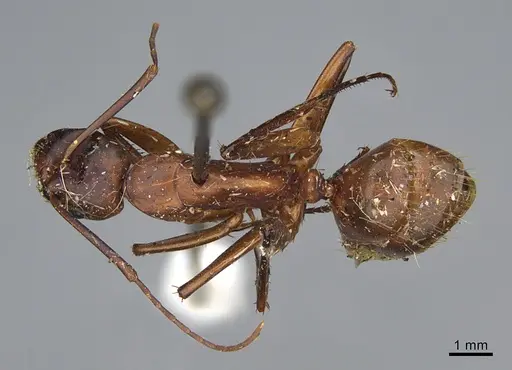
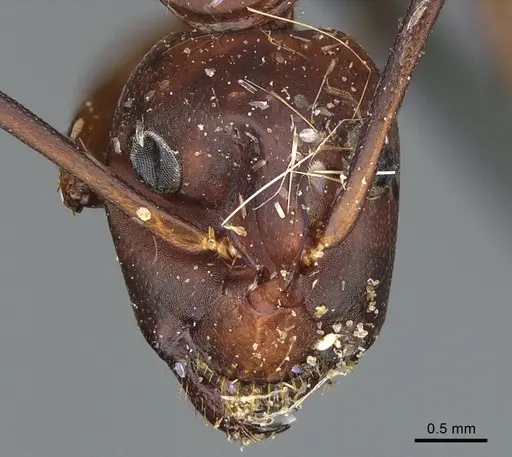
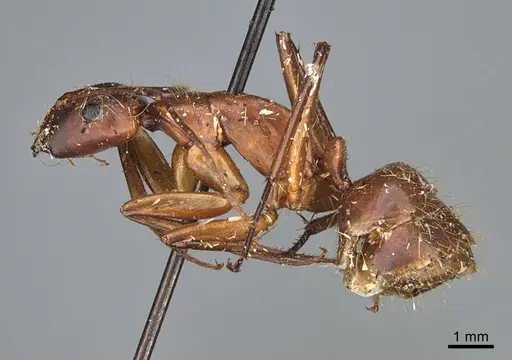
CASENT0882211
View on AntWeb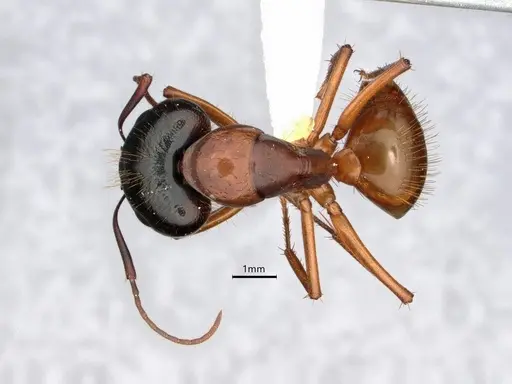
CASENT0882276
View on AntWeb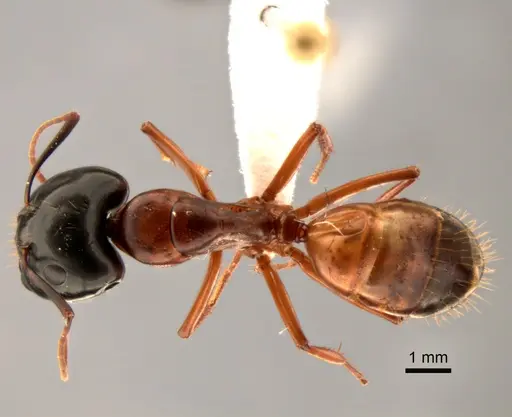
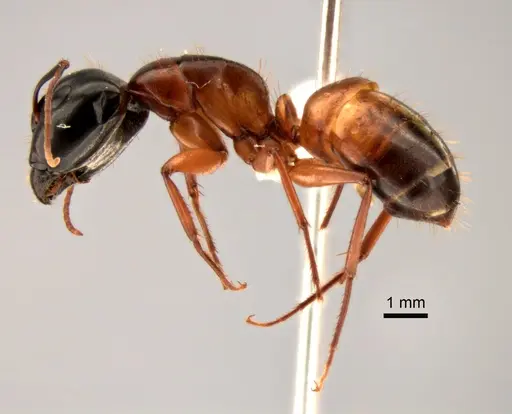
CASENT0923032
View on AntWeb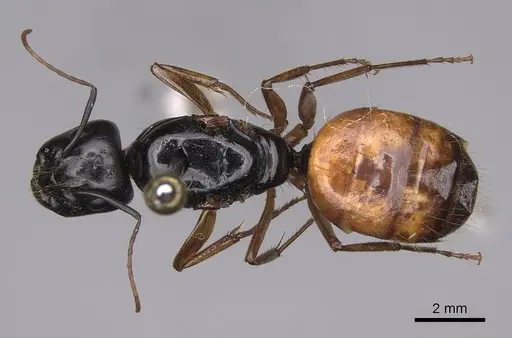
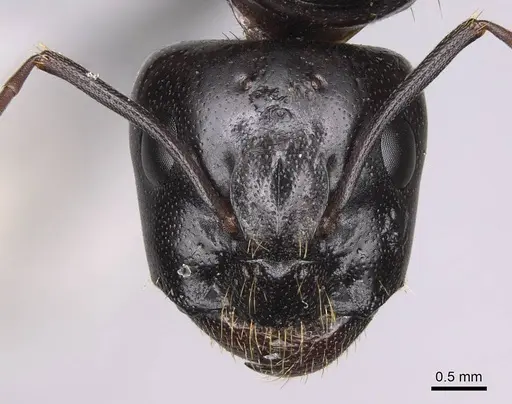
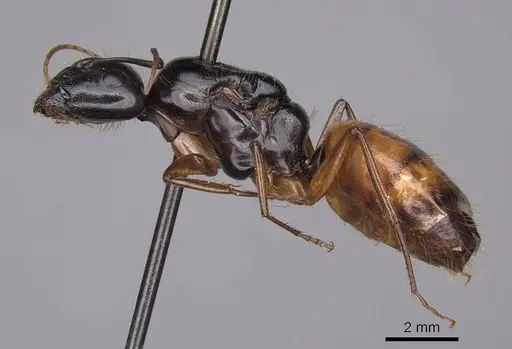
CASENT0923035
View on AntWeb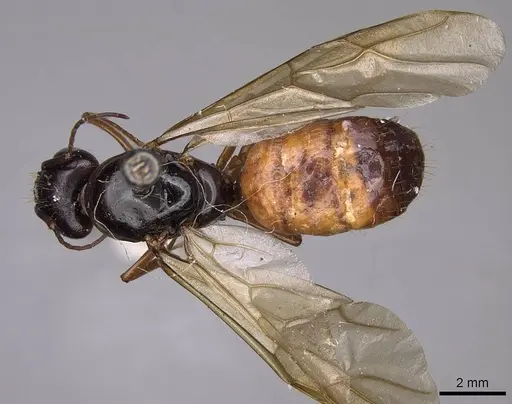
CASENT0923036
View on AntWeb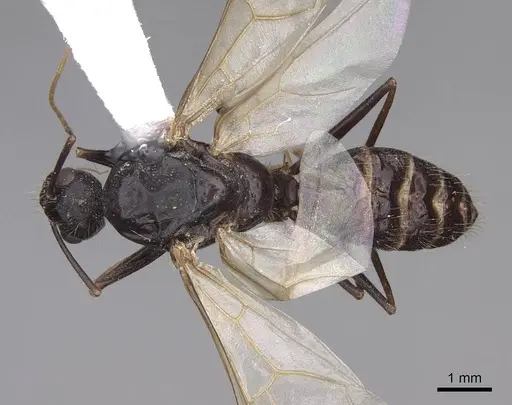
CASENT0923696
View on AntWeb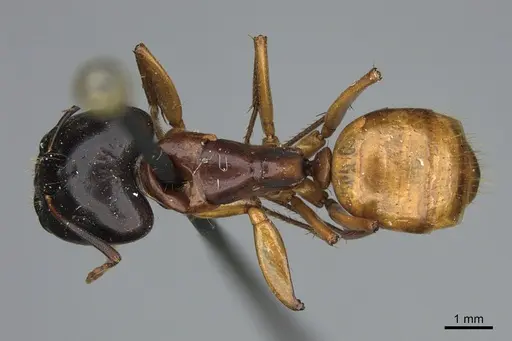
CASENT0923697
View on AntWeb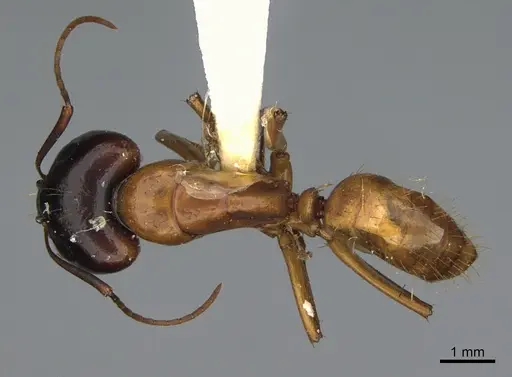
CASENT4031321
View on AntWeb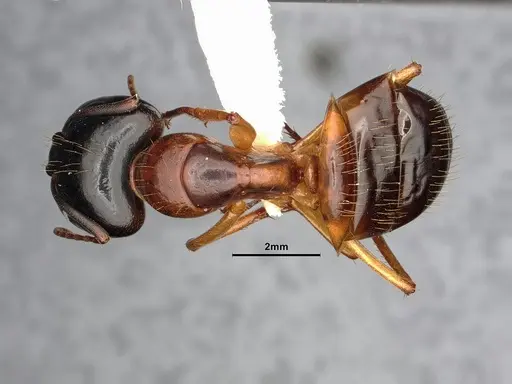
Literature
Loading...Loading products...