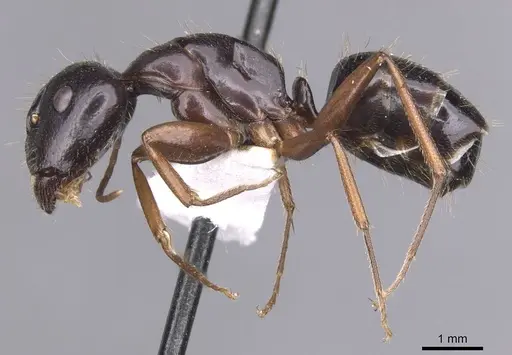
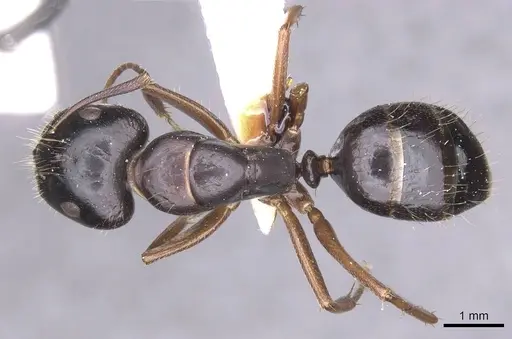
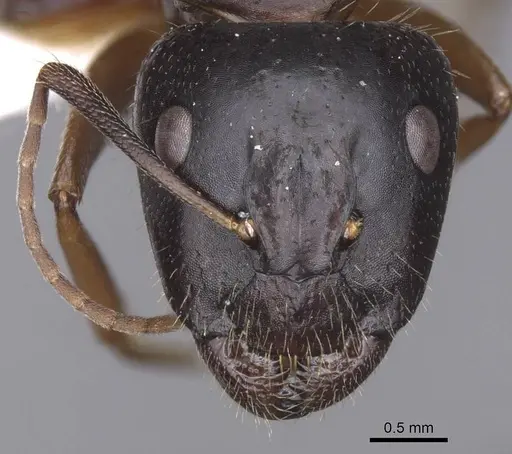
Camponotus sannini - "Sannine Carpenter Ant"
Camponotus sannini is a fascinating ant species belonging to the large and diverse genus Camponotus, commonly known as carpenter ants. These ants are known for their polymorphic worker caste, meaning workers come in different sizes, from smaller minor workers to larger major workers, often called 'soldiers'. While specific detailed descriptions of C. sannini can be somewhat challenging to find, like many Camponotus, they likely exhibit a generally robust body, strong mandibles, and a smooth, arched mesosoma in profile. Their coloration is predominantly brown, with mandibles and the anterior margin of the clypeus often appearing yellow to yellowish-brown. Some specimens may show a slightly paler brown mesosoma compared to the head and gaster, or even yellowish-brown pronotums. The legs are typically yellow or pale brown. The queen, workers, and males were originally described from Lebanon.
- Difficulty: Medium
- Origin & Habitat: Palaearctic Region (Greece, Israel, Lebanon, Syria) in Deciduous mountain forests, found nesting under stones..
- Colony Type: Monogyne (single queen), claustral (queen seals herself in) founding.
- Size & Growth:
- Queen: Not specified
- Worker: 6.9-9.4mm
- Colony: Large (tens of thousands). Slow growth.
- Antkeeping:
- Temperature: Optimal temperatures for Camponotus species generally range between 24-28°C (75-82°F) in the nest, with the outworld potentially warmer, up to 35°C (95°F). Providing a heat source for a portion of the nest can significantly aid in brood development and colony growth..
- Humidity: Camponotus sannini, like many carpenter ants, prefers a moderately dry nest environment, typically around 50-70% humidity. While they need moisture, excessively wet conditions can be detrimental. A hydration gradient within the nest is ideal, with only a small area being moist and the rest drier..
- Diapause: Required. 4-5 months at 4-6°C.
- Nesting: In the wild, Camponotus sannini has been found nesting under stones in deciduous mountain forests. In captivity, various nest types can work well, including acrylic, Ytong, or sand-clay setups. Providing a test tube with water directly accessible is crucial for hydration. Some Camponotus species also nest in wood, but generally prefer rotten wood to dig their galleries..
- Behavior: Low (towards handler, food or other ants) aggressiveness.
- Common Issues: Colony stalling (due to stress or improper conditions), Overfeeding leading to waste, Humidity fluctuations, Mold in nest (from excessive humidity).
Camponotus sannini, much like other carpenter ant species, will typically exhibit a slow growth rate, especially during their initial founding stage. This characteristic makes them a species that demands patience from the antkeeper. While they may take a considerable amount of time to develop their first workers and grow into a sizable colony, the reward of observing a large, polymorphic colony with impressive major workers is well worth the wait. Many antkeepers note that Camponotus colonies often reach a substantial size, with some reaching thousands of workers over several years.
These ants are polymorphic, meaning their workers come in various sizes, with distinct minor and major castes. The larger major workers, sometimes referred to as 'soldiers,' play vital roles within the colony, often specializing in tasks such as crushing harder food items and defending the nest. This division of labor based on size adds a fascinating dynamic to their colony structure and behavior, making them particularly engaging to observe.
When setting up a new queen of Camponotus sannini, remember that they are a claustral species. This means the queen will seal herself in a chamber and raise her first generation of workers (the nanitics) using the nutrients stored in her own body. Avoid disturbing her too frequently during this crucial founding stage, as stress can cause the queen to eat her brood or stop laying eggs altogether. A dark, quiet setup, such as a test tube, is highly recommended until the first workers emerge.
Proper heating is important for optimal development. While Camponotus can tolerate room temperatures, a heat source applied to one side of the nest can encourage faster brood development. This allows the ants to regulate the temperature within their nest by moving the brood to warmer or cooler areas as needed. Ensure good ventilation in the setup to prevent issues like mold, especially in humid areas of the nest.
Camponotus sannini, originating from the Palaearctic region, will likely require a diapause period (often referred to as hibernation by antkeepers). This is a crucial phase where the colony's metabolism slows down, mimicking natural winter conditions. Typically, this involves keeping the colony at cooler temperatures for a few months. Researching the specific diapause requirements for species from their exact geographic origin can further refine this care aspect for optimal colony health.
Frequently Asked Questions
What is a Camponotus sannini ant?
Camponotus sannini is a species of carpenter ant from the Palaearctic region, specifically found in countries like Lebanon, Israel, Greece, and Syria. They are known for having workers of different sizes, including smaller minor workers and larger major workers, and are typically a slow-growing but rewarding species to keep in the antkeeping hobby.
How big do Camponotus sannini colonies get?
Like many Camponotus species, a mature Camponotus sannini colony can grow to a large size, potentially housing tens of thousands of workers. However, they are a slow-growing species, so reaching this size will take several years under optimal care.
Do Camponotus sannini queens need to be fed during the founding stage?
No, Camponotus sannini queens are fully claustral, meaning they can start their colony without external feeding. The queen uses stored energy from her wing muscles to sustain herself and her first brood until the nanitic workers emerge.
What is the ideal temperature for Camponotus sannini?
For optimal development and growth, maintain the nest temperature between 24-28°C (75-82°F). A heat cable or mat can be used to provide a thermal gradient within the nest, allowing the ants to choose their preferred temperature zone.
What kind of nest is best for Camponotus sannini?
Camponotus sannini are adaptable and can thrive in various formicarium types once the colony is established, including acrylic, Ytong, or sand-clay setups. For a founding queen, a simple test tube setup is best to minimize stress. When they are ready for a formicarium (around 20-50 workers), ensure it's not too large to prevent stress and using chambers as waste areas.
Do Camponotus sannini workers sting?
No, Camponotus species generally do not sting. They rely on their strong mandibles for defense and can spray formic acid, which can be irritating but is not typically harmful to humans in small amounts.
What do Camponotus sannini eat?
Like most ants, Camponotus sannini require a balanced diet of sugars for energy and protein for growth. Offer liquid sugars like honey water or sugar water, and protein sources such as small insects (e.g., mealworms, crickets, fruit flies). Ensure all feeder insects are clean and free of mites.
Do Camponotus sannini need to hibernate?
Yes, as a species native to the Palaearctic region, Camponotus sannini requires a period of diapause, often referred to as hibernation in antkeeping. This typically involves keeping them at cooler temperatures, around 4-6°C (39-43°F), for 4-5 months to mimic their natural winter conditions.
How long does it take for Camponotus sannini eggs to become workers?
The developmental time from egg to adult worker for Camponotus species can vary but is generally longer than for smaller ant species. While specific data for C. sannini is limited, other Camponotus species can take approximately 8-10 days from egg to larva, 10-14 days from larva to pupa, and 10-14 days from pupa to worker, totaling around 28-50 days under optimal conditions.
Are Camponotus sannini good for beginner antkeepers?
Camponotus sannini can be a good species for patient beginners. While their slow growth rate requires a long-term commitment, their claustral founding, moderate care requirements, and impressive size once mature make them a rewarding species to keep.
How often should I feed my Camponotus sannini colony?
Once the colony has workers, a feeding schedule of every 2-3 days is generally recommended, adjusting the quantity based on the colony's size and activity. Always ensure they have a constant supply of fresh water.
What is the difference between minor and major workers in Camponotus sannini?
Camponotus sannini exhibits polymorphism, meaning there are distinct size differences among workers. Minor workers are smaller and typically focus on tasks like tending to the brood and foraging. Major workers, also known as 'soldiers,' are much larger, with disproportionately large heads and strong mandibles, which they use for defense, crushing harder food items, and other specialized tasks.