Camponotus sanctus shows a April to July flight window. Peak activity occurs in April, with nuptial flights distributed across 3 months.

Camponotus sanctus
- Scientific Name
- Camponotus sanctus
- Subgenus
- Tanaemyrmex
- Tribe
- Camponotini
- Subfamily
- Formicinae
- Author
- Forel, 1904
- Distribution
- Found in 8 countries
- Nuptial Flight
- from April to July, peaking in April
AI Identifiable
try →
Camponotus sanctus Overview
Camponotus sanctus is an ant species of the genus Camponotus. It is primarily documented in 8 countries , including Cyprus, Greece, Israel. Detailed taxonomic data and occurrence records can be further explored via authoritative databases such as AntWeb or the Global Biodiversity Information Facility (GBIF).
The nuptial flight of Camponotus sanctus is a significant biological event, typically occurring from April to July, peaking in April. During this time, winged queens and males leave the nest to mate and establish new colonies.
Camponotus sanctus
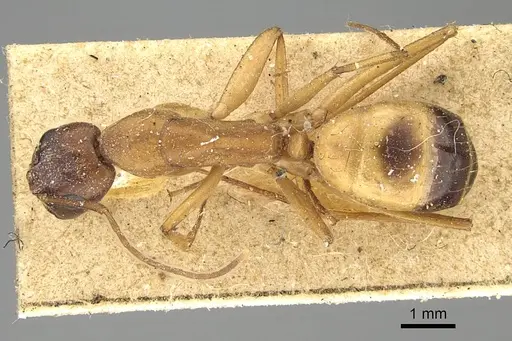
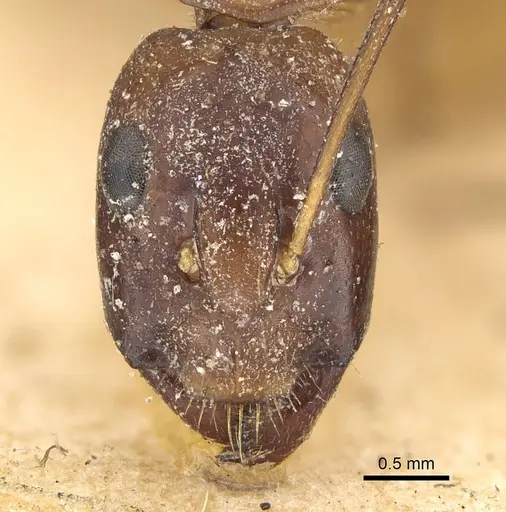
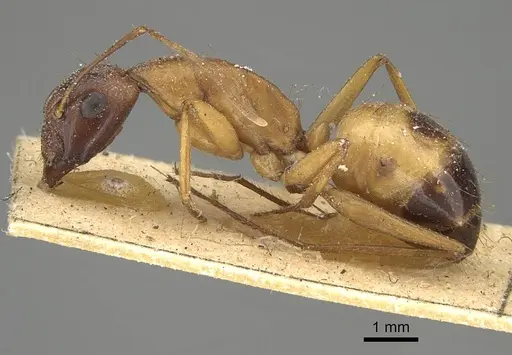
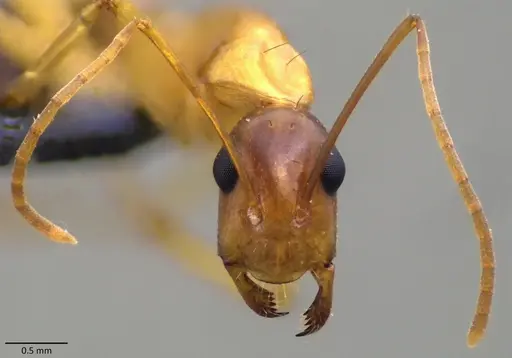
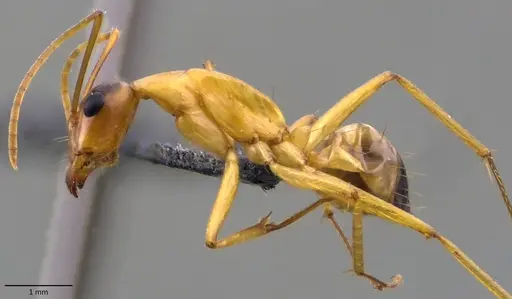
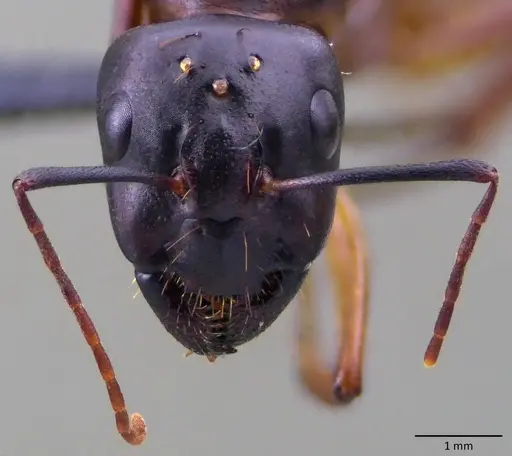
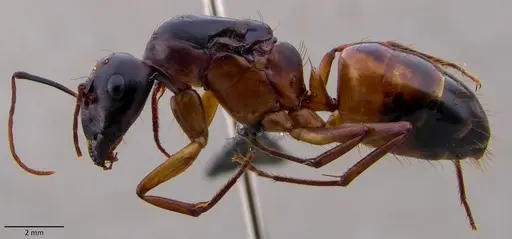
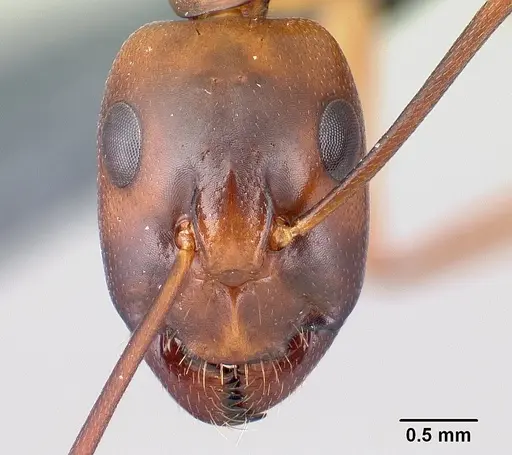
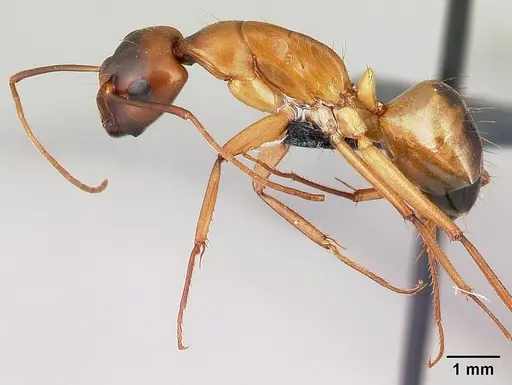
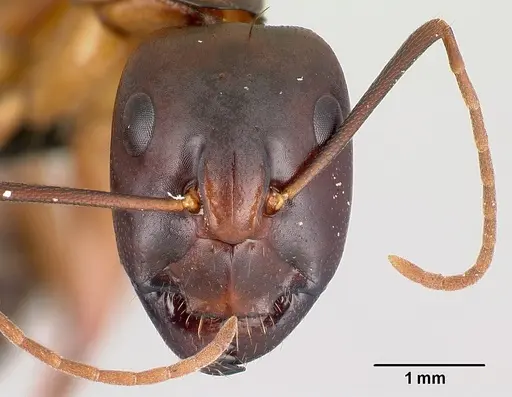
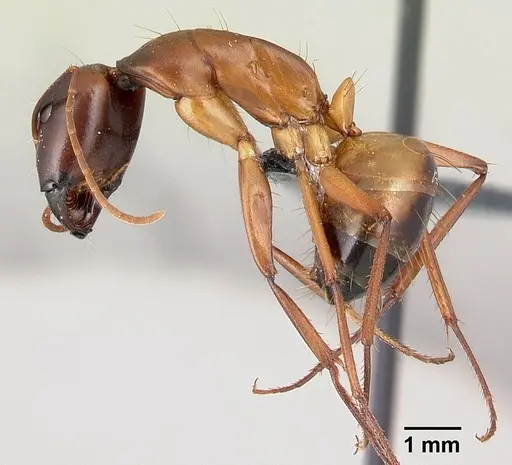
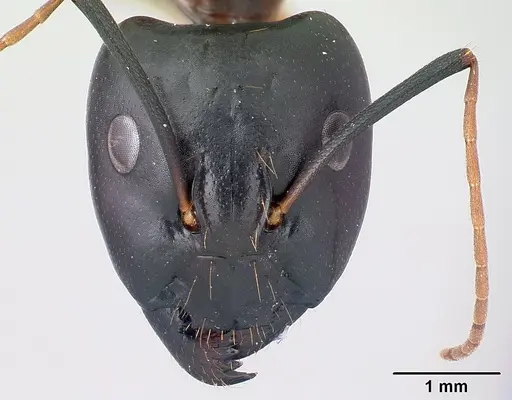
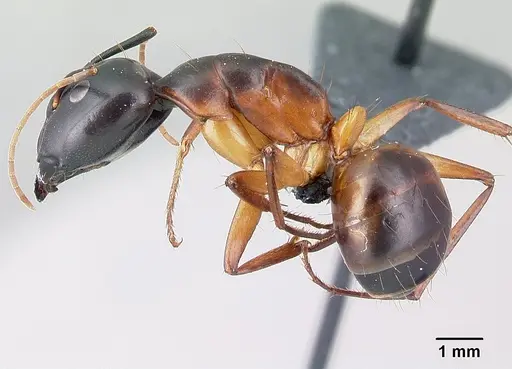
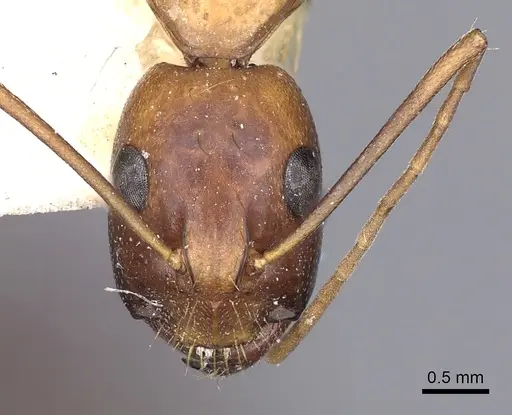
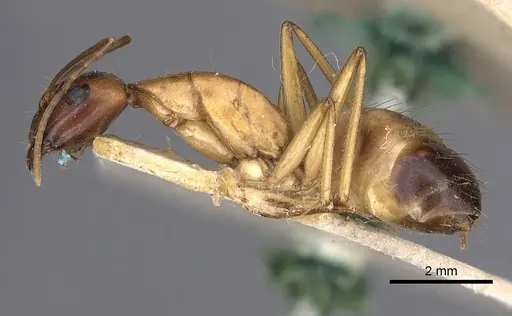
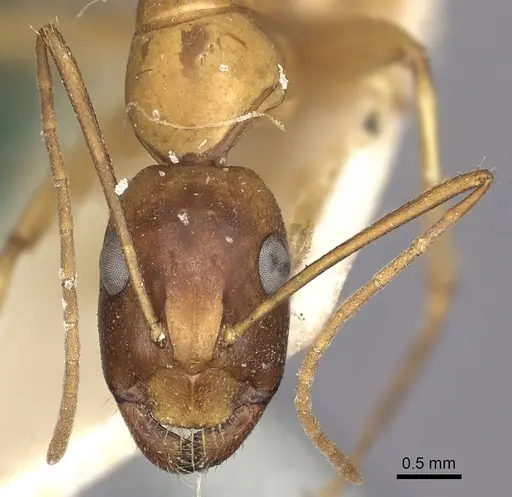
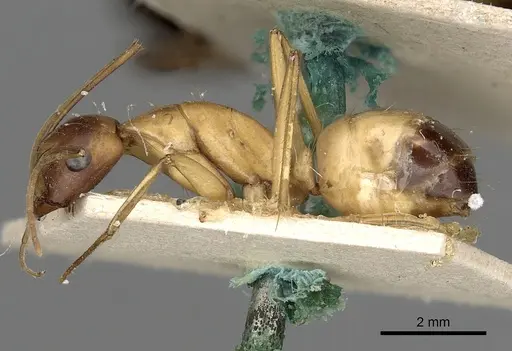
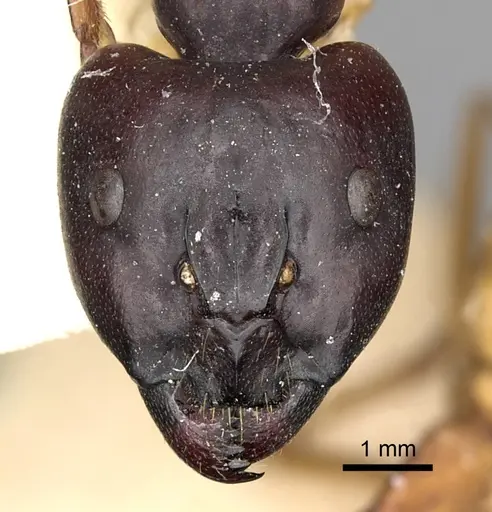
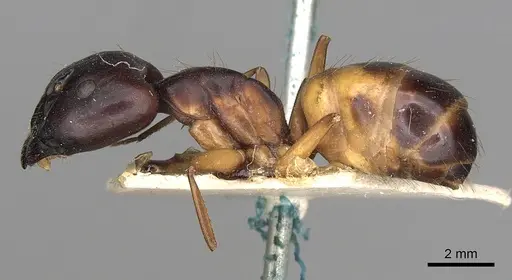
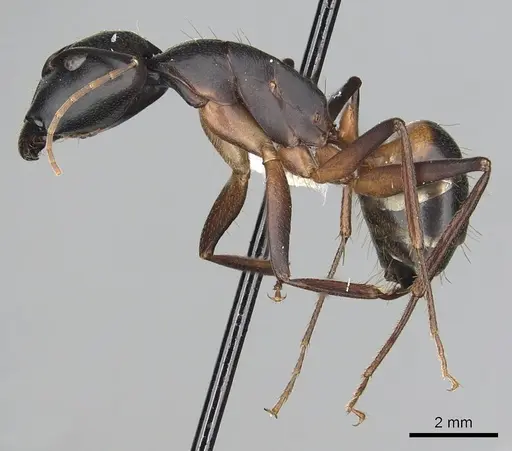
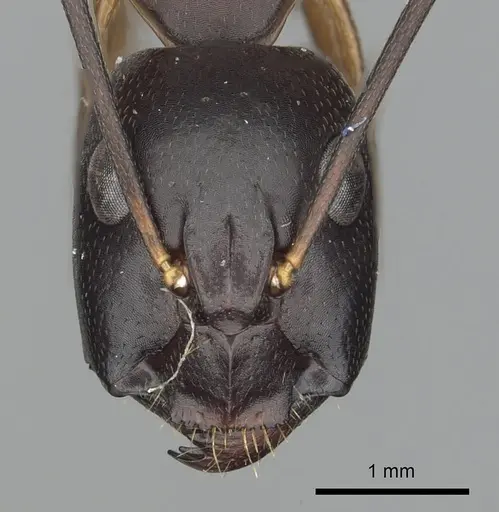
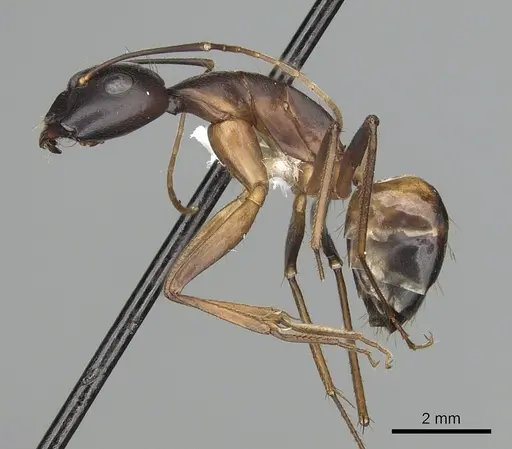
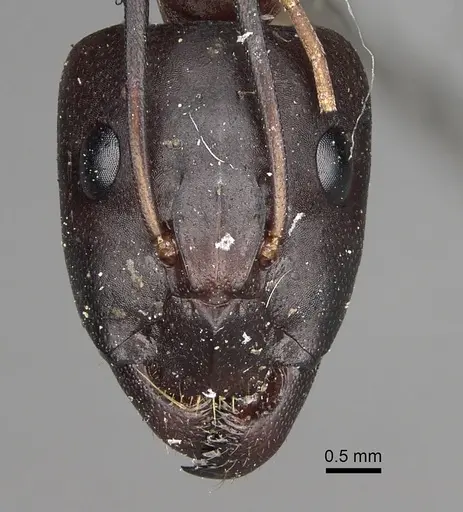
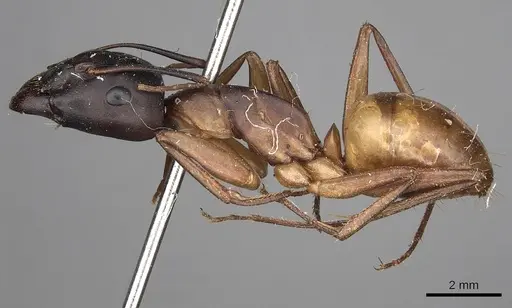
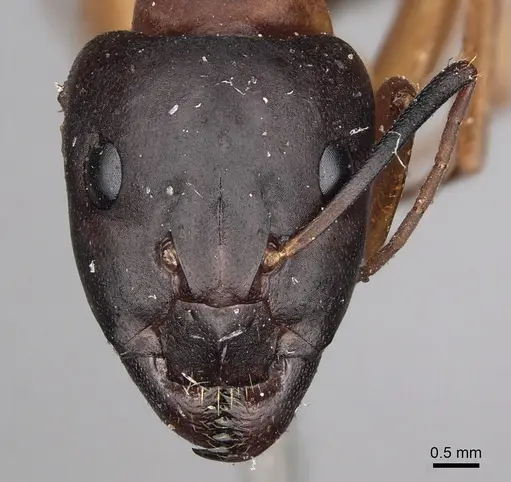
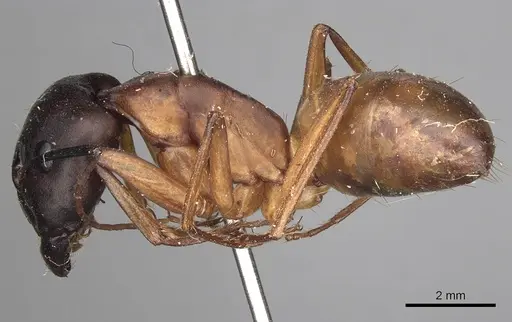
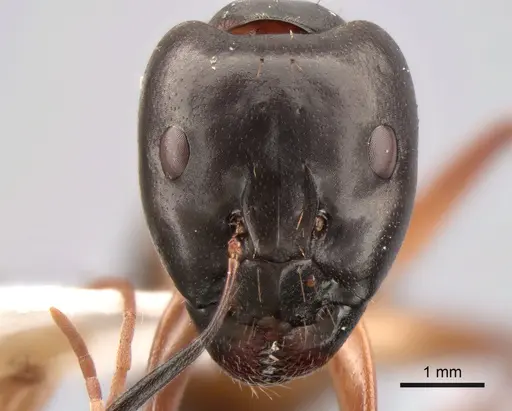
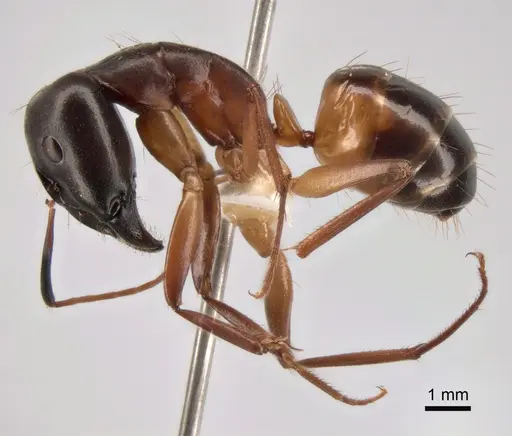
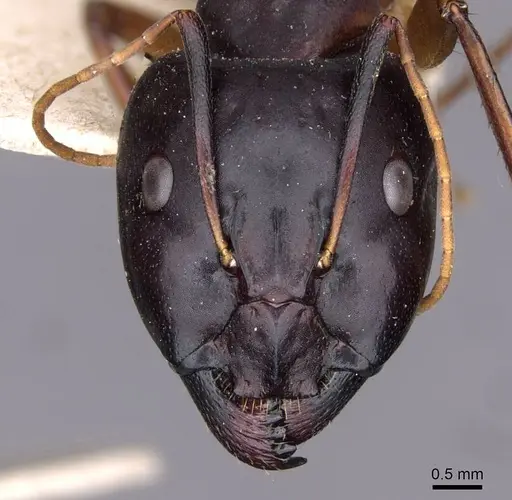
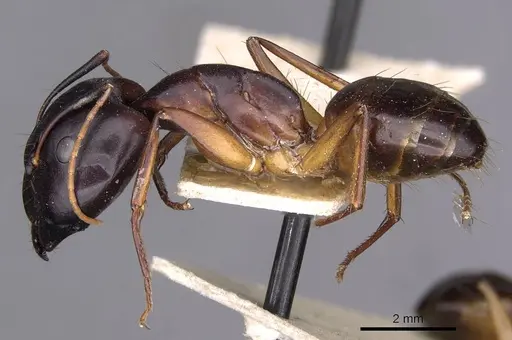
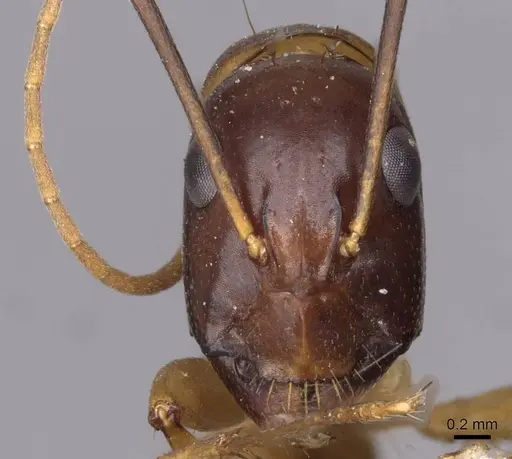
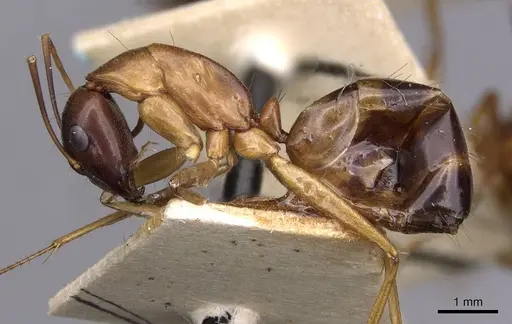
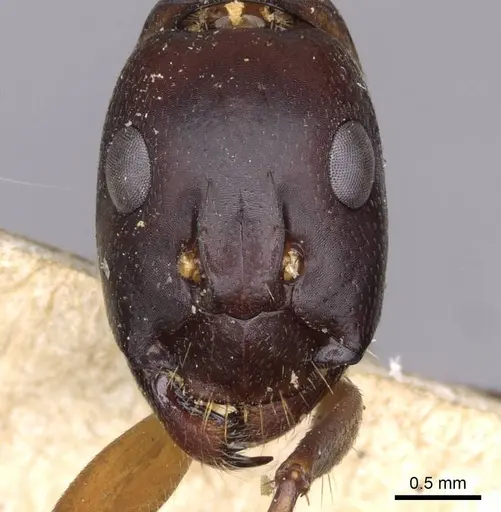
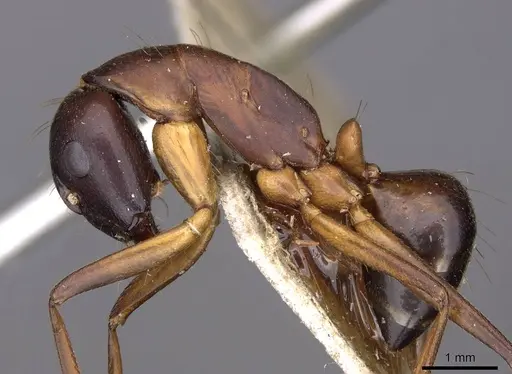
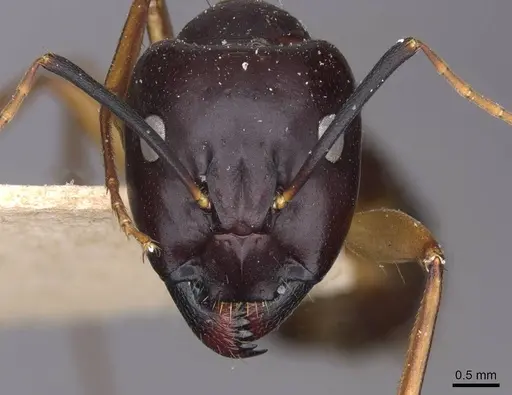
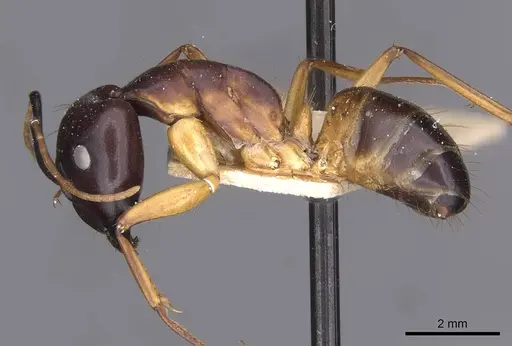
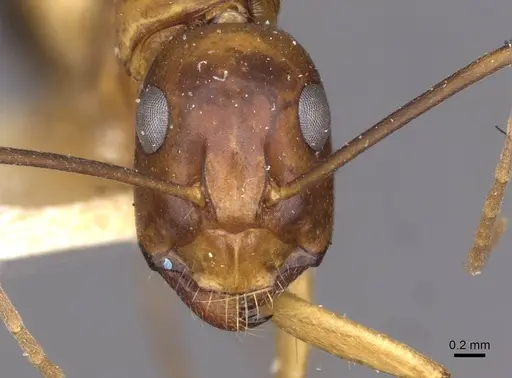
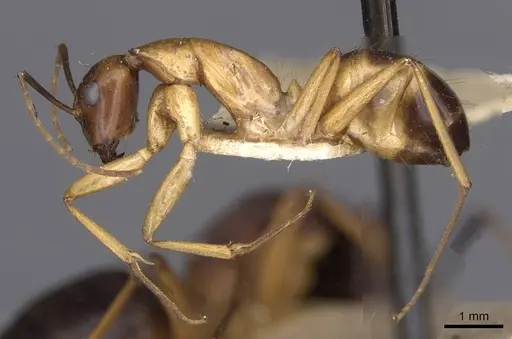
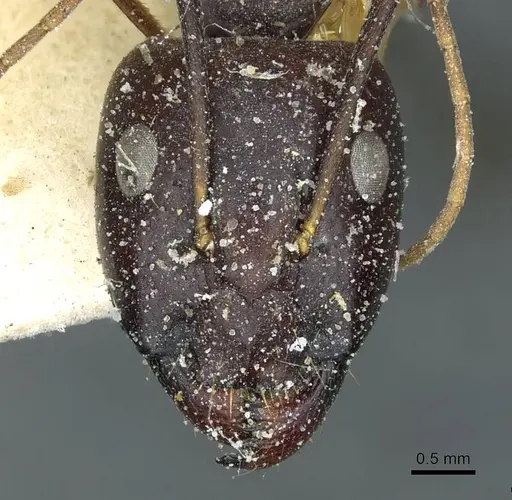
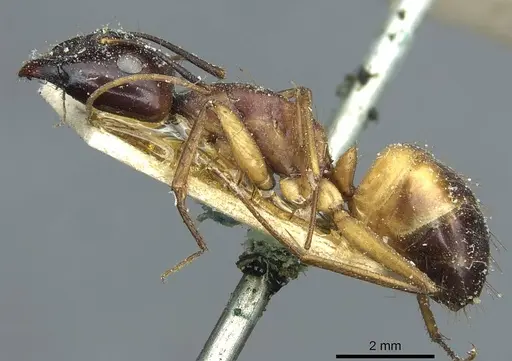
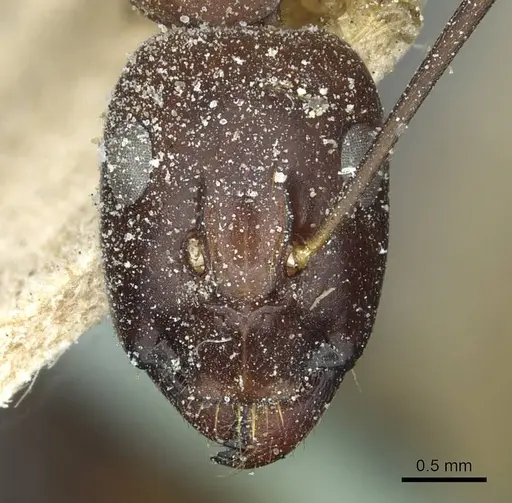
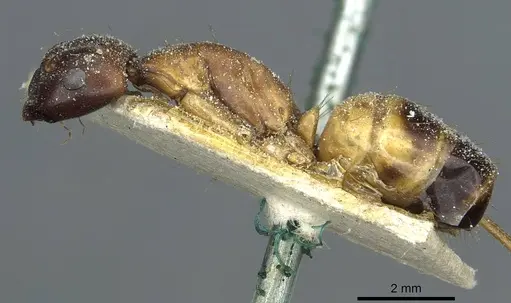
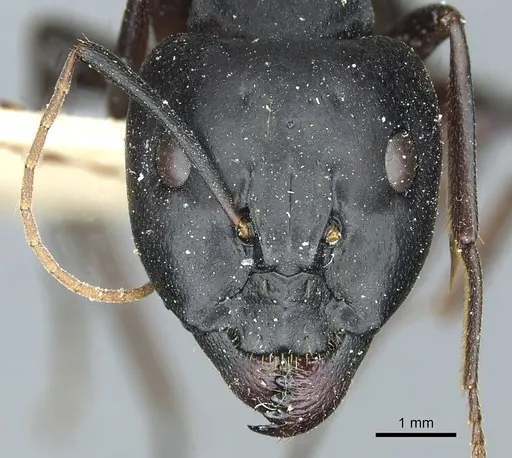
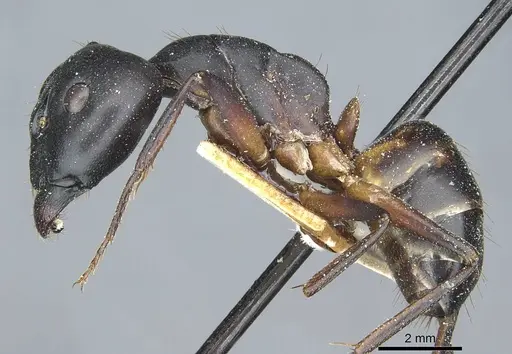
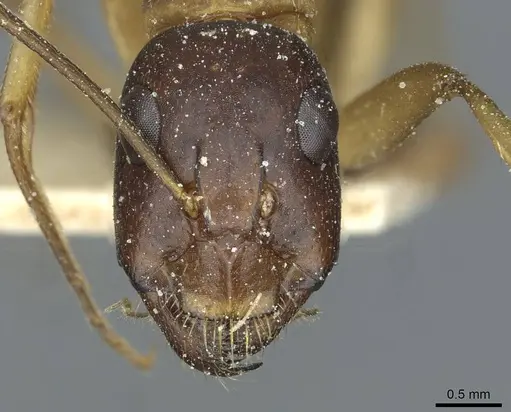
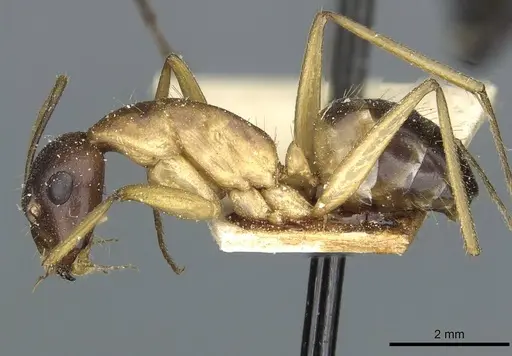
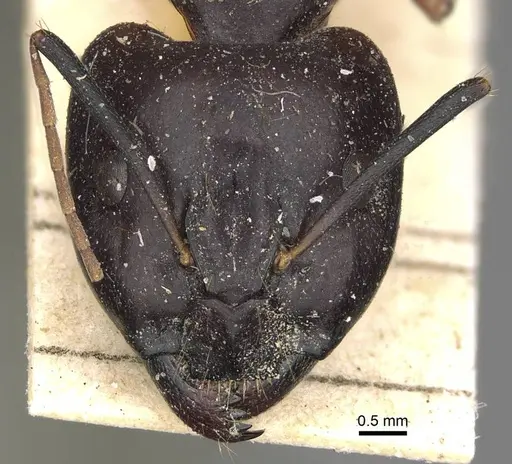
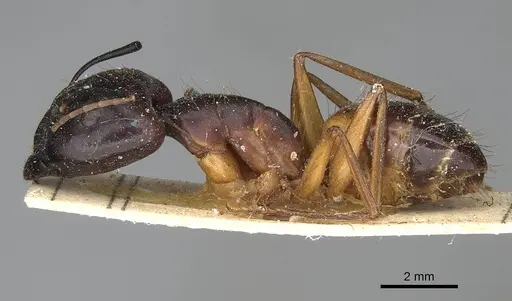
Camponotus sanctus is a large, polymorphic ant species belonging to the subgenus Tanaemyrmex. Workers range from 8-15.6mm in total length, with major workers developing impressive large heads while minor workers remain more slender. They display a distinctive bicolor pattern: the head and mesosoma are yellow to rusty yellow, while the gaster has yellow segments with brown spots. This species is native to the Mediterranean region and Near East, found across countries including Greece, Turkey, Cyprus, Israel, Iran, Jordan, Lebanon, and Syria [1][2]. Colonies nest under large stones in warm, open habitats such as dry hillsides, river wadis, sunny forest edges, and urban parks. They thrive at low to mid altitudes from sea level up to around 810m [3][4]. This species has been used as a model in research on trophallaxis, the social sharing of liquid food between ants, making it one of the better-studied ants for understanding how food moves through a colony [5][6].
Quick Summary
- Difficulty: Medium
- Origin & Habitat: Mediterranean region and Near East, found in Greece, Turkey, Cyprus, Israel, Iran, Jordan, Lebanon, Syria, and Afghanistan. Prefers warm, open habitats like dry hillsides with sparse vegetation, river wadis, sunny roadsides in oak forests, and urban parks. Nests under large stones at low to mid altitudes [3][4][1][2].
- Colony Type: Single-queen colonies (monogyne). Colonies are polymorphic with distinct major and minor worker castes.
- Size & Growth:
- Queen: ~12-15mm, inferred from genus patterns
- Worker: Minor workers: 8-10mm, Major workers: 12-15.6mm [AntWiki]
- Colony: Colony size data not specifically documented in provided research
- Growth: Moderate, typical for larger Camponotus species
- Development: 6-8 weeks estimated based on typical Camponotus development (Queens are claustral, they seal themselves in and raise first workers alone using stored fat reserves. First workers (nanitics) are smaller than mature workers.)
- Antkeeping:
- Temperature: Keep nest area at 24-28°C. This is a warmth-loving Mediterranean species that thrives in warm conditions. A heating cable on one side of the nest creates a temperature gradient [3][4].
- Humidity: Moderate humidity around 50-60%. These ants prefer drier conditions than many tropical species. Allow the nest substrate to dry partially between water additions. Provide a water tube for drinking but avoid constant moisture [4].
- Diapause: Yes, as a Mediterranean species, colonies benefit from a mild winter rest period. Reduce temperature to 10-15°C for 8-12 weeks during winter. This mimics their natural seasonal cycle.
- Nesting: Y-tong (AAC) nests work well for this larger species. They also do well in plaster nests or naturalistic setups with stone slabs on top of soil. Provide chambers large enough for their polymorphic workers. Avoid overly humid conditions that can cause mold [3].
- Behavior: These ants are generally calm and not aggressive toward keepers. They are active foragers that readily search for food. Major workers serve as soldiers and food processors, while smaller workers handle brood care and routine foraging. They accept sugar water, honey, and protein foods like insects. Escape prevention is important for major workers due to their size, ensure lids fit tightly. They do not have a functional sting and pose no danger to keepers.
- Common Issues: colonies may fail if kept too cold, provide warmth above 24°C, mold problems can occur if nest is too humid, allow drying periods between watering, major workers can squeeze through standard test tube barriers, use secure escape prevention, slow initial growth during founding phase can worry beginners, be patient through the first few months, wild-caught colonies may carry parasites that affect captive success
Nuptial Flight Activity Analysis 63 observations
Flight Activity by Hour 63 observations
Camponotus sanctus nuptial flight activity peaks around 15:00 during the afternoon. Activity is spread across a 22-hour window (02:00–23:00). A secondary activity peak occurs around 20:00. Times may be influenced by human observation patterns.
Nest Preferences and Setup
In the wild, Camponotus sanctus nests under large stones in warm, open habitats. This tells you they prefer dry conditions with stable warmth. For captivity, Y-tong (AAC) nests work excellently, the chambers are appropriately sized for their polymorphic workers and the material provides good insulation. Plaster nests are another solid option, though you will need to monitor moisture carefully to prevent mold. Naturalistic setups with a layer of soil and flat stones on top also mimic their natural conditions well. Whatever setup you choose, ensure the nest chambers are spacious enough for major workers to move through comfortably, their large heads can get stuck in tight passages. A small outworld connected to the nest allows for foraging and waste management. Keep the nest area warm and relatively dry, with humidity around 50-60% [3][4].
Feeding and Diet
Like other Camponotus species, C. sanctus is omnivorous with a preference for sugar sources and protein. They readily accept sugar water, honey, or maple syrup as carbohydrate sources. For protein, offer insects like mealworms, crickets, or fruit flies. Based on their association with Myzus cerasi (black cherry aphid) in the wild, they likely tend aphids for honeydew in captivity as well [7]. Feed sugar water constantly, keep a small container always available. Offer protein foods 2-3 times per week, adjusting based on colony size. Remove uneaten protein after 24-48 hours to prevent mold. Larger colonies will consume more food, so scale feeding accordingly. The research on trophallaxis shows they pass liquid food between nestmates efficiently, so sugar water is particularly important for colony cohesion [5][6].
Temperature and Seasonal Care
This is a warmth-loving species from the Mediterranean, so warmth is essential for their wellbeing. Keep the nest area at 24-28°C for optimal brood development and worker activity. A heating cable placed on one side of the nest creates a gradient so ants can choose their preferred temperature. During summer months, room temperature may suffice, but watch for signs of sluggishness, if workers cluster near the warmest part of the nest, they are telling you they want more heat. In winter, provide a mild diapause period of 8-12 weeks at 10-15°C. This mimics their natural seasonal cycle in the Mediterranean. Reduce feeding during diapause but keep water available. Do not cool them below 5°C or warm them above 35°C [3][4].
Colony Growth and Development
Camponotus sanctus follows the typical claustral founding pattern, the queen seals herself in a chamber and raises her first workers alone, living entirely on stored fat reserves. This means you should not disturb a founding queen or offer her food, she has everything she needs. First workers (nanitics) emerge smaller than mature workers but will grow in size as the colony expands. Growth is moderate, expect 6-12 months to reach 50 workers, then faster expansion as the colony establishes. The polymorphic nature means you will see major workers appearing once the colony reaches several hundred workers. Major workers develop larger heads and serve different roles than smaller workers. Be patient during the founding phase, this is when colonies are most vulnerable to failure from disturbance or poor conditions.
Behavior and Temperament
These ants are generally calm and manageable in captivity. They are not particularly aggressive and rarely attempt to sting. Major workers can deliver a mild bite if threatened, but they typically retreat. They are active foragers that will readily explore their outworld for food. Their large size makes them easy to observe, you can watch major workers processing food while smaller workers handle brood care. They communicate through chemical signals and trophallaxis (mouth-to-mouth food sharing), which helps distribute food throughout the colony efficiently. Research shows forager ants adjust their behavior based on colony hunger levels, when many ants are hungry, foragers make more trips and interact with more nestmates [5][6]. This social organization makes them fascinating to watch.
Frequently Asked Questions
How long does it take for Camponotus sanctus to raise first workers?
Expect 6-8 weeks from egg to first worker at optimal temperature (around 26°C). The queen seals herself in and raises the first brood alone using stored energy reserves. First workers (nanitics) are smaller but will grow as the colony expands.
What temperature do Camponotus sanctus ants need?
Keep them at 24-28°C. This Mediterranean species thrives in warm conditions. A heating cable on part of the nest creates a gradient. Room temperature alone may be slightly cool, consider supplemental warmth for best growth.
Do Camponotus sanctus ants need hibernation?
Yes, they benefit from a mild winter rest. Reduce temperature to 10-15°C for 8-12 weeks during winter. This mimics their natural seasonal cycle in the Mediterranean. Keep water available but reduce feeding during this period.
What do Camponotus sanctus ants eat?
They are omnivorous. Offer sugar water or honey constantly as a carbohydrate source. Feed protein (insects like mealworms, crickets) 2-3 times per week. They also tend aphids for honeydew if given the opportunity.
How big do Camponotus sanctus colonies get?
Colony size is not specifically documented in the provided research. Expect moderate growth, several hundred workers in the first year, then faster expansion. They are polymorphic with major and minor workers.
Can I keep multiple Camponotus sanctus queens together?
No. This species is monogyne (single-queen). Combining unrelated queens typically results in fighting. Only keep one queen per colony.
What type of nest is best for Camponotus sanctus?
Y-tong (AAC) nests work well for this larger species. Plaster nests are another option. They also do well in naturalistic setups with stone slabs. Provide spacious chambers for their polymorphic workers. Avoid overly humid conditions.
Are Camponotus sanctus ants good for beginners?
They are rated as medium difficulty. They are larger and more visible than many ants, making them rewarding to watch. However, they need warm temperatures and proper seasonal care. Beginners should be prepared to provide heating and winter diapause.
When should I move Camponotus sanctus to a formicarium?
Keep founding queens in a simple test tube setup until the first workers emerge. Once the colony reaches 30-50 workers and you see them actively foraging, you can connect a formicarium or outworld. Make sure any connections are secure, major workers can squeeze through small gaps.
Report an Issue
The current care sheet is based fully on literature. See inconsistencies, or something that's incorrect? Please , it will be resolved after review from an admin. Contributing to the blogs tab also helps providing information, to make us be able to further improve the caresheets. Thank you for your support!
References

This caresheet is licensed under CC BY-SA 4.0 .
ANTWEB1060121
View on AntWeb
ANTWEB1060122
View on AntWeb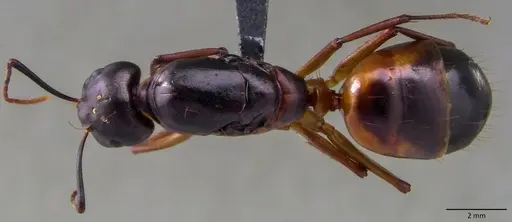
CASENT0179882
View on AntWeb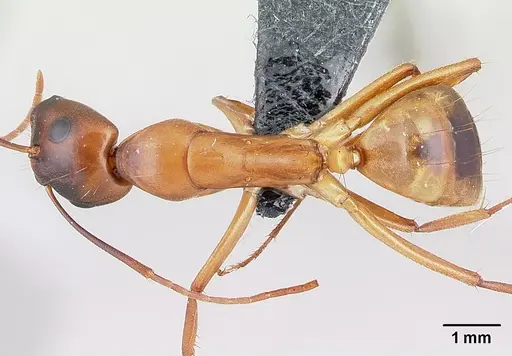
CASENT0179883
View on AntWeb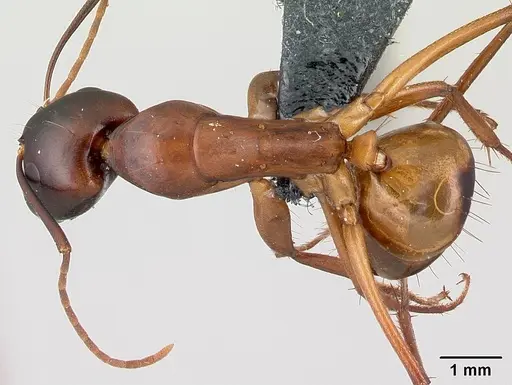
CASENT0179884
View on AntWeb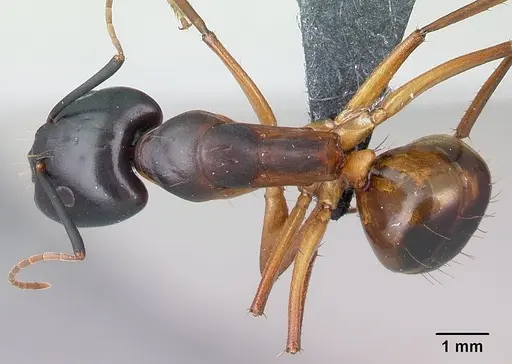
CASENT0249626
View on AntWeb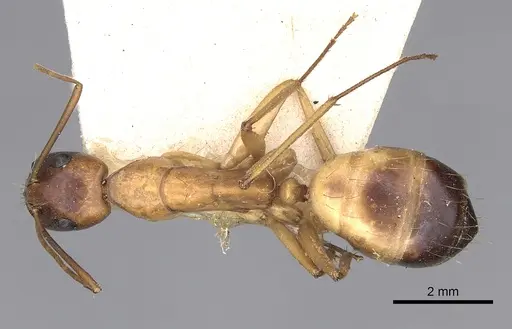
CASENT0249627
View on AntWeb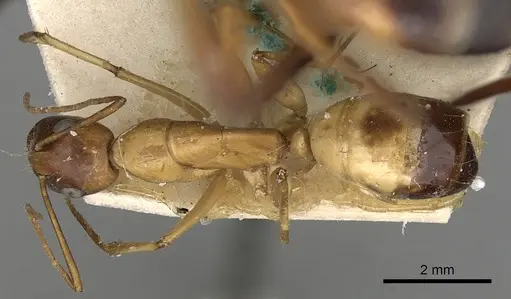
CASENT0249879
View on AntWeb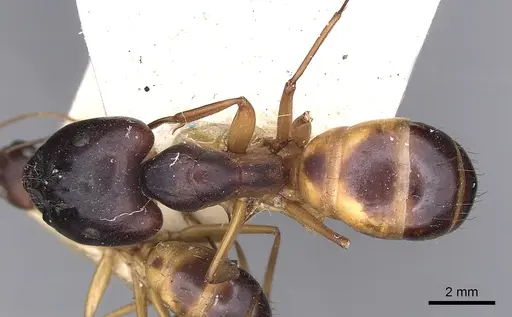
CASENT0249880
View on AntWeb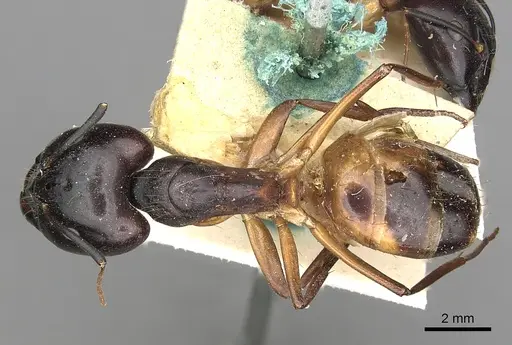
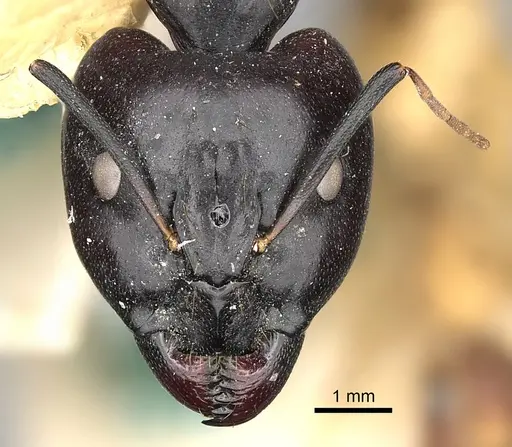
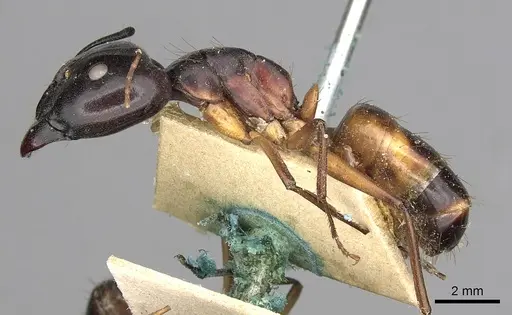
CASENT0249996
View on AntWeb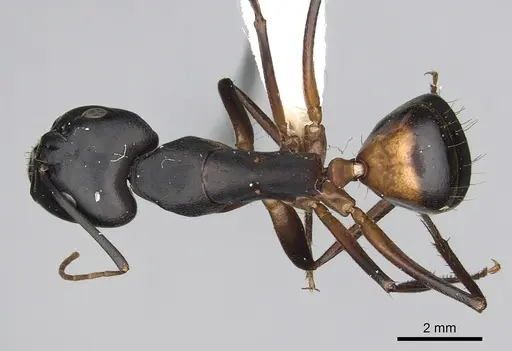
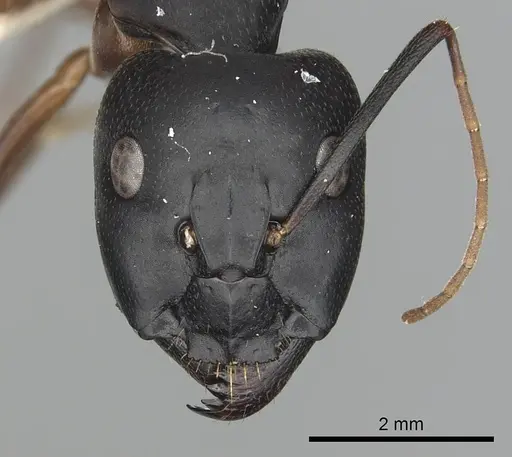
CASENT0249997
View on AntWeb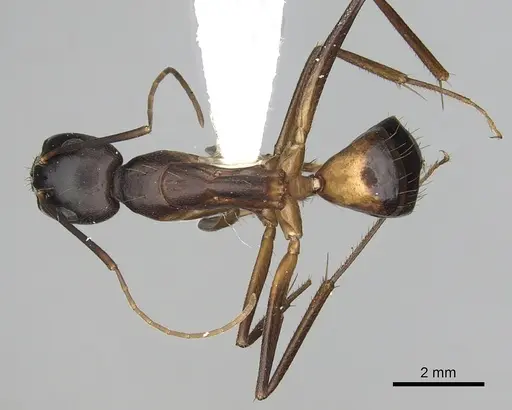
CASENT0280617
View on AntWeb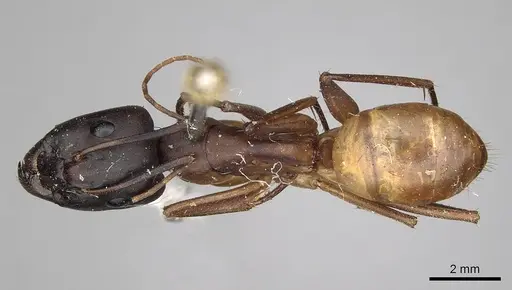
CASENT0280618
View on AntWeb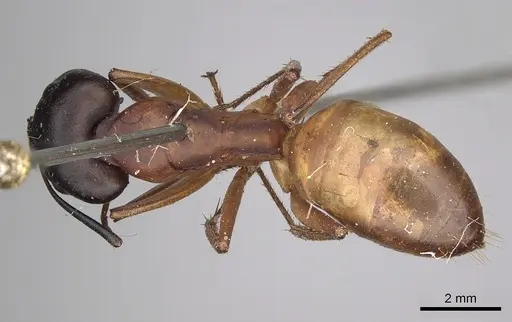
CASENT0882045
View on AntWeb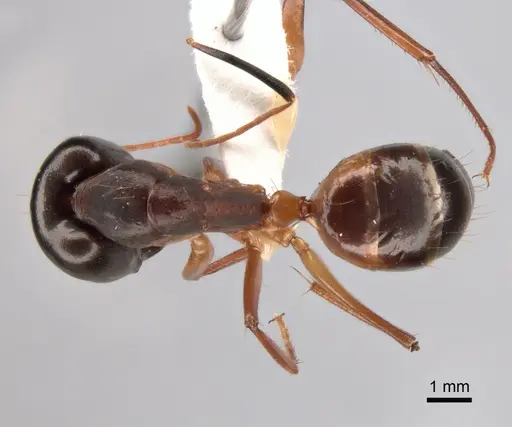
CASENT0910203
View on AntWeb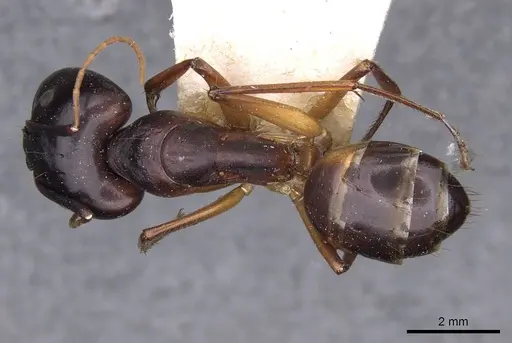
CASENT0910204
View on AntWeb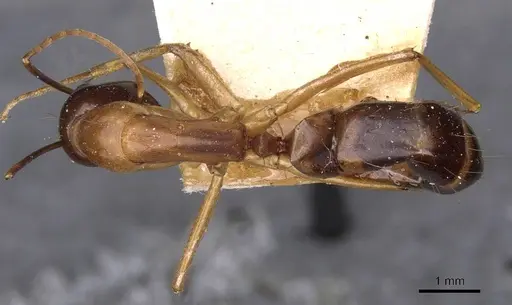
CASENT0910205
View on AntWeb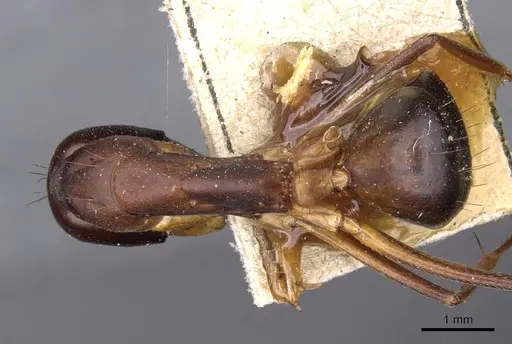
CASENT0910247
View on AntWeb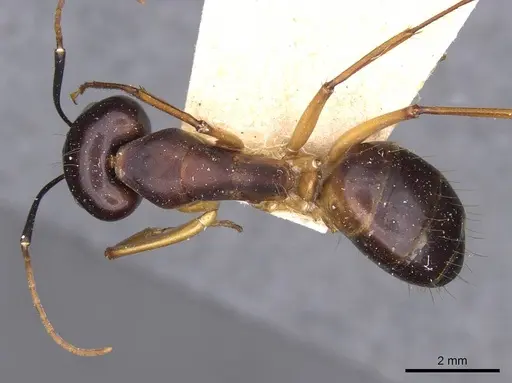
CASENT0910248
View on AntWeb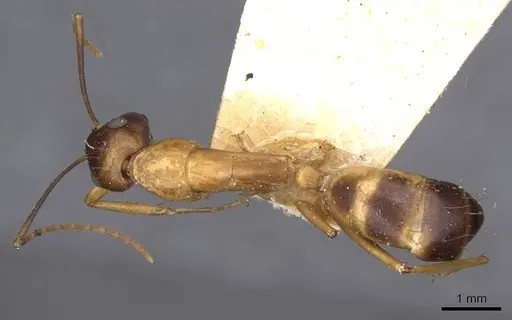
CASENT0912036
View on AntWeb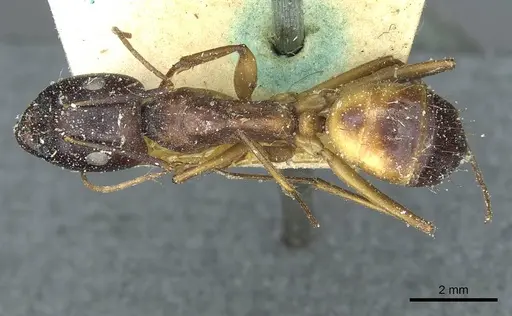
CASENT0912037
View on AntWeb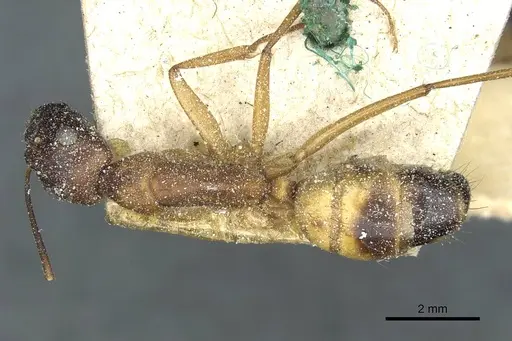
CASENT0912038
View on AntWeb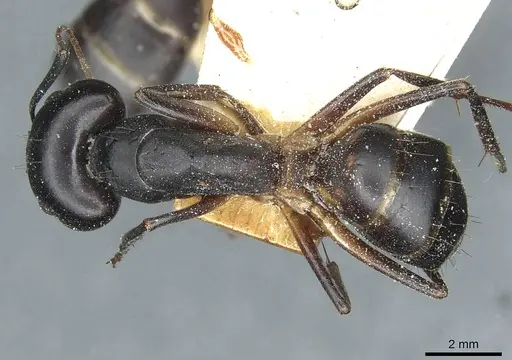
CASENT0912039
View on AntWeb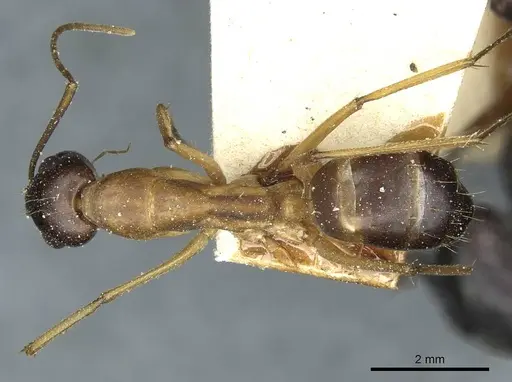
CASENT0922410
View on AntWeb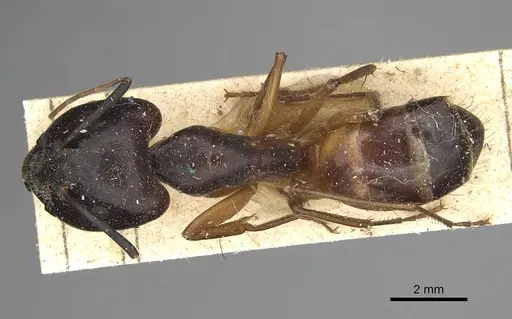
CASENT0922411
View on AntWeb