

Camponotus salvini
- Scientific Name
- Camponotus salvini
- Subgenus
- Myrmaphaenus
- Tribe
- Camponotini
- Subfamily
- Formicinae
- Author
- Forel, 1899
- Distribution
- Found in 3 countries
Camponotus salvini Overview
Camponotus salvini is an ant species of the genus Camponotus. It is primarily documented in 3 countries , including Costa Rica, Mexico, Panama. Detailed taxonomic data and occurrence records can be further explored via authoritative databases such as AntWeb or the Global Biodiversity Information Facility (GBIF).
Camponotus salvini
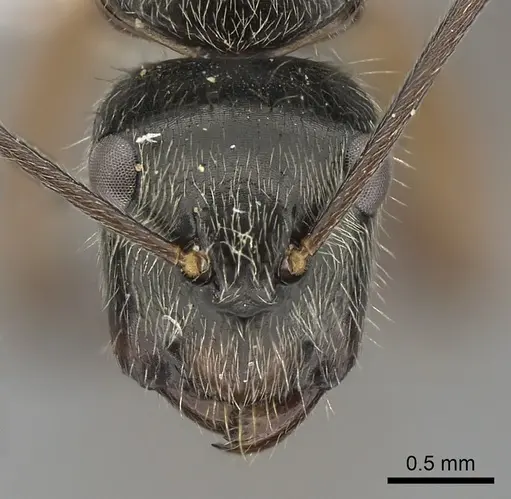
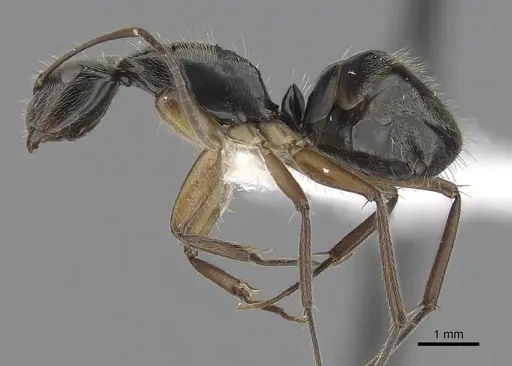
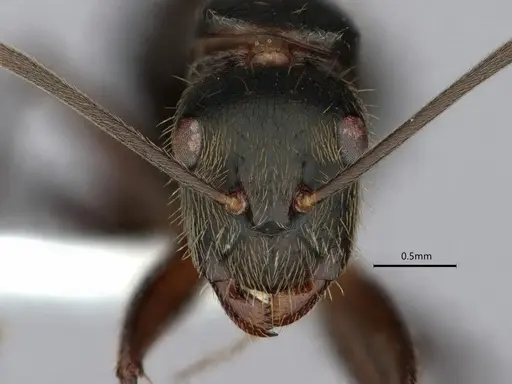
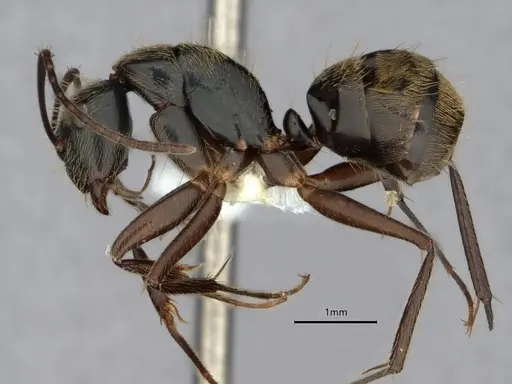
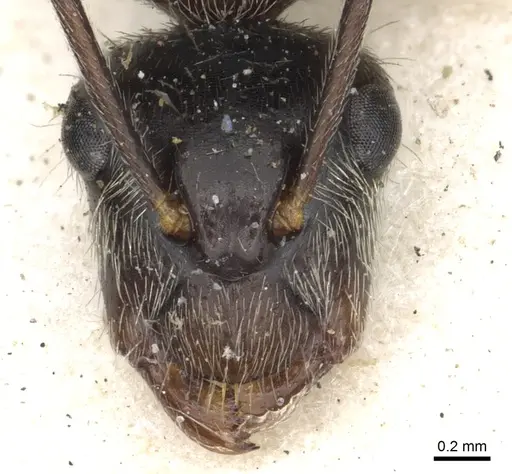
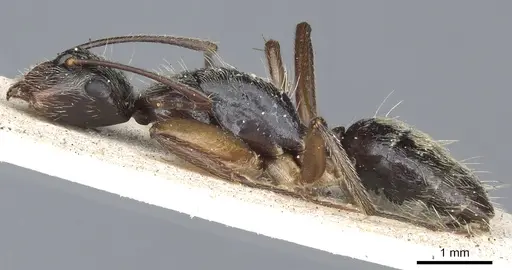
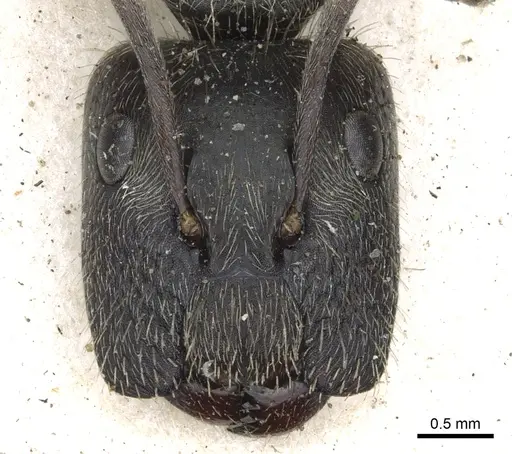
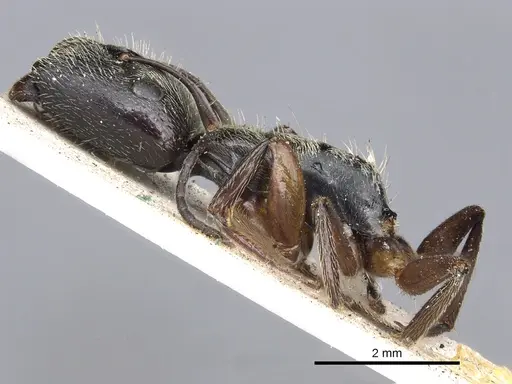
Camponotus salvini is a Neotropical carpenter ant found across Central America from Mexico to French Guiana. Workers come in two sizes: majors measure around 6-9mm with a large rectangular head featuring a distinctive cheek pocket for storing their mandibles, while minors are smaller at 4.5-6mm. The species is entirely black with brownish-red legs and antennae, and has a covering of golden-yellow pubescence that gives it a slightly fuzzy appearance, especially on the abdomen. These ants inhabit wet forests and cloud forests, typically nesting in vegetation rather than on the ground [1][2].
What makes C. salvini stand out is their specialized head structure, the major workers have a well-developed cheek pocket that allows them to fold their mandibles inside when closed, a trait shared with only a few related Camponotus species. They are a relatively rare species in the ant-keeping hobby, making them an interesting choice for collectors looking for something beyond the common carpenter ants. As a tropical species, they require warm, humid conditions year-round and do not enter true hibernation [1].
Quick Summary
- Difficulty: Medium
- Origin & Habitat: Neotropical region, Costa Rica, Panama, Mexico, and French Guiana. They live in wet forests and cloud forests, typically found on vegetation rather than ground nesting [1][3].
- Colony Type: Likely monogyne (single queen colony) based on typical Camponotus patterns. The colony structure for this specific species has not been directly studied, but most Camponotus species establish single-queen colonies [1].
- Colony: Monogyne
- Founding: Claustral
- Size & Growth:
- Queen: Unconfirmed, likely 12-15mm based on typical Camponotus queen size range for this region
- Worker: Major: 6-9mm, Minor: 4.5-6mm [1][2]
- Colony: Unknown, likely several hundred workers based on typical Camponotus colony sizes
- Growth: Moderate, typical for tropical Camponotus species
- Development: Estimated 6-8 weeks at optimal temperature based on genus-level Camponotus data (Development time is estimated from related Camponotus species, direct measurements for C. salvini are not available)
- Antkeeping:
- Temperature: Keep at 24-28°C. As a tropical wet-forest species, they need warm, stable temperatures. A heating cable on one side of the nest creates a gradient allowing workers to self-regulate. Avoid temperatures below 22°C for extended periods [1].
- Humidity: High humidity required, aim for 70-85%. These ants come from wet cloud forests, so the nest substrate should stay consistently moist but never waterlogged. Provide a water tube for drinking and consider misting the outworld occasionally. Good ventilation is essential to prevent mold while maintaining humidity [1].
- Diapause: No, as a tropical species from wet forests, they do not require hibernation. Keep them warm year-round. Some reduction in activity during the dry season may occur naturally, but this is not true diapause [1].
- Nesting: Y-tong (AAC) nests work well for this species, or a plaster nest that can hold moisture. The chambers should be appropriately sized, not too large for a starting colony. They naturally nest in vegetation, so adding some plant material or bark pieces to a naturalistic setup can encourage natural behavior. Avoid completely dry nests [1].
- Behavior: These ants are generally calm and not particularly aggressive. They are primarily nocturnal or crepuscular, showing more activity during evening and night hours. Major workers use their specialized cheek pocket to store items, and all workers can deliver a mild sting if provoked, though they are not aggressive toward keepers. They are moderate escape artists, use standard barrier methods but they are not as prone to escaping as tiny species. Foraging occurs individually rather than in raiding parties [1].
- Common Issues: mold growth is a major risk, their high humidity needs create perfect conditions for mold if ventilation is poor, temperature drops below 22°C can slow or stop brood development, monitor with a thermometer, overfeeding leads to mold in the outworld, remove uneaten protein within 24 hours, wild-caught colonies may have parasites, quarantine and observe new colonies carefully, they are slow to establish compared to temperate species, patience is required during founding
Housing and Nest Setup
Camponotus salvini does well in Y-tong (acrylic) nests or moist plaster nests that can hold humidity. Since they come from wet cloud forests, the nest material should retain moisture well. Start colonies in a test tube setup with a water reservoir, the cotton should be snug but not compressed, and the water level should be moderate to prevent flooding. Once the colony reaches 15-20 workers, you can move them to a proper formicarium. For the outworld, use a simple container with a foraging area. Add a shallow water dish for drinking, these ants need access to free water. Escape prevention is straightforward, a standard barrier of fluon or petroleum jelly on the rim works well, though they are not particularly escape-prone like tiny species [1].
Feeding and Diet
Like most Camponotus, these ants are omnivorous. Offer sugar sources consistently, a drop of honey or sugar water every few days works well. For protein, provide small insects like fruit flies, small crickets, or mealworms. They are not aggressive hunters, so prey should be small enough to handle or pre-killed. In the wild, they likely tend aphids and collect honeydew, so sugar is an important part of their diet. Feed protein 1-2 times per week, and keep sugar available at all times. Remove any uneaten prey after 24 hours to prevent mold. They may accept fruit or small amounts of protein jelly, but live insects are preferred for optimal health [1].
Temperature and Humidity Management
This is the most critical aspect of keeping C. salvini successfully. They need temperatures between 24-28°C consistently. Use a heating cable or heat mat on one side of the nest to create a temperature gradient, this lets ants move between warmer and cooler areas. Place the heating on TOP of the nest, not underneath, to avoid drying out the moisture too quickly. Monitor with a digital thermometer. For humidity, aim for 70-85% in the nest. Check the water tube regularly and refill before it runs dry. Good ventilation is essential, small holes or mesh on the outworld side prevent stale air while maintaining humidity. If you see condensation constantly fogging the nest, increase ventilation slightly. If the nest dries out quickly between refills, reduce ventilation [1].
Colony Founding and Growth
A newly mated queen will seal herself in a claustral chamber and lay eggs without leaving to forage. She survives entirely on her stored fat reserves while raising the first workers, called nanitics. These first workers are typically smaller than normal workers. Expect 4-8 weeks for the first workers to emerge, depending on temperature. Once the first nanitics arrive, the colony enters a slow growth phase, do not expect rapid expansion. It may take 6-12 months to reach 30-50 workers. Growth is slower than temperate species because they lack a true diapause period to accelerate development. Be patient during founding, disturbing the queen or moving the nest during this time often leads to colony failure. After the founding chamber is established, avoid moving them unless absolutely necessary [1].
Seasonal Care
Unlike temperate ant species, C. salvini does not need hibernation. They are active year-round if kept warm. In their native range, there may be a drier season with slightly less rainfall, but this does not require special handling in captivity. Simply maintain consistent temperature and humidity throughout the year. Some keepers notice slight reductions in activity during what would be winter months in the Northern Hemisphere, but this is minor. Do not cool them down or reduce feeding, this can harm the colony. Keep them at their normal temperature range regardless of the season outside their enclosure. Consistency is key, sudden temperature drops are more dangerous than gradual seasonal changes [1].
Behavior and Handling
Camponotus salvini is a calm species that rarely shows aggression toward keepers. Major workers can deliver a mild sting if they feel threatened, but they are not aggressive and will typically flee rather than attack. They are primarily nocturnal, so you will see more activity in the evening and at night. Workers forage individually rather than in groups, searching for sugar sources and small prey. The majors with their cheek pocket are interesting to watch, they can store items there temporarily. They are not particularly shy and will emerge to investigate disturbances. When cleaning the outworld or offering food, move slowly to avoid alarming them. They are not difficult to handle and are suitable for keepers who want an interesting tropical species without aggressive tendencies [1].
Frequently Asked Questions
How long does it take for Camponotus salvini to get their first workers?
Expect 6-8 weeks from egg to first worker at optimal temperature (24-28°C). This is typical for tropical Camponotus species. The first workers (nanitics) will be smaller than normal workers. Patience is key, do not disturb the queen during founding [1].
Can I keep multiple Camponotus salvini queens together?
Not recommended. Like most Camponotus species, they are likely monogyne (single queen). Combining unrelated queens typically results in fighting. If you catch multiple queens, house them separately [1].
What temperature do Camponotus salvini need?
Keep them at 24-28°C consistently. Use a heating cable on one side of the nest to create a gradient. Avoid temperatures below 22°C for extended periods, this can slow or stop brood development [1].
Do Camponotus salvini need hibernation?
No. As a tropical species from wet forests in Central America, they do not require hibernation. Keep them warm year-round at their normal temperature range. True hibernation can actually harm them [1].
What do Camponotus salvini eat?
They are omnivorous. Offer sugar consistently (honey or sugar water) and protein 1-2 times per week (small insects like fruit flies or mealworms). They may also collect honeydew in captivity if you provide aphids. Remove uneaten prey within 24 hours to prevent mold [1].
How big do Camponotus salvini colonies get?
Colony size is not well documented, but based on related species, expect several hundred workers at maturity. Growth is moderate and slower than temperate species, it takes time to reach large numbers [1].
Are Camponotus salvini good for beginners?
They are rated as medium difficulty. They require more specific humidity and temperature control than temperate species, but are not as demanding as some other tropical ants. Some experience with ant keeping is helpful, but they are not overly difficult once their needs are understood [1].
When should I move Camponotus salvini to a formicarium?
Wait until the colony has 15-20 workers before moving from a test tube setup. The nest should have appropriately sized chambers, not too large for the colony size. Ensure the new nest can maintain humidity and has a heat source option [1].
Why is my Camponotus salvini colony dying?
The most common causes are: temperature too low (below 22°C), humidity too low or too high (aim for 70-85%), mold from overfeeding or poor ventilation, or disturbing the queen during founding. Check these parameters first. Wild-caught colonies may also have parasites [1].
References

This caresheet is licensed under CC BY-SA 4.0 .
CASENT0280070
View on AntWeb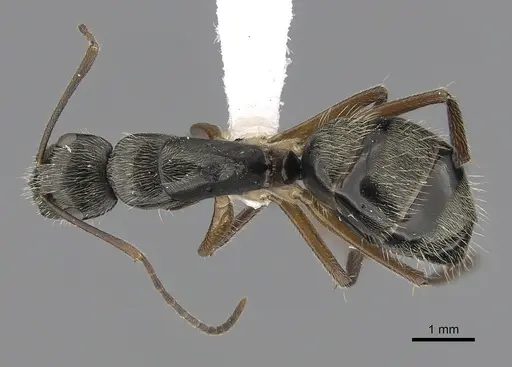
CASENT0843556
View on AntWeb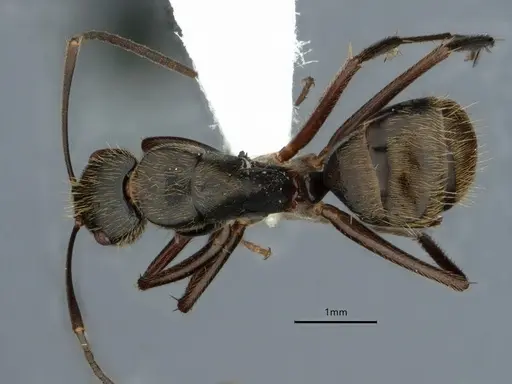
CASENT0903627
View on AntWeb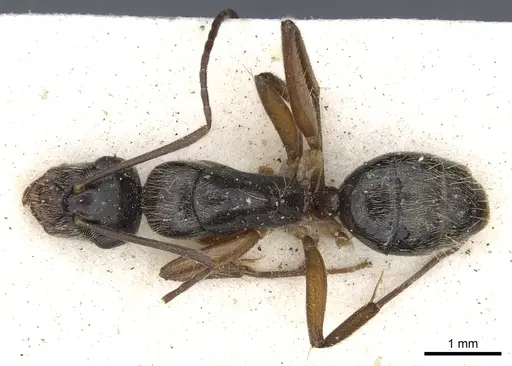
CASENT0903628
View on AntWeb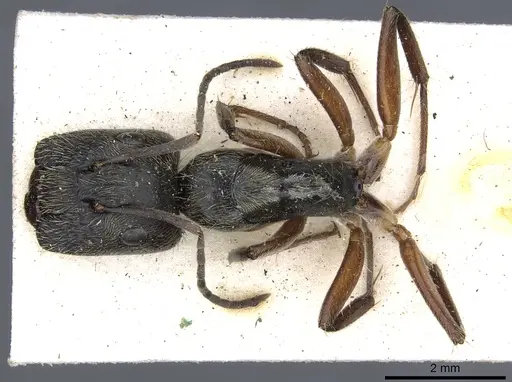
Literature
Loading...Loading products...