

Camponotus rubrithorax
- Scientific Name
- Camponotus rubrithorax
- Subgenus
- Myrmobrachys
- Tribe
- Camponotini
- Subfamily
- Formicinae
- Author
- Forel, 1899
- Distribution
- Found in 1 countries
Camponotus rubrithorax Overview
Camponotus rubrithorax is an ant species of the genus Camponotus. It is primarily documented in 1 countries , including Mexico. Detailed taxonomic data and occurrence records can be further explored via authoritative databases such as AntWeb or the Global Biodiversity Information Facility (GBIF).
Camponotus rubrithorax
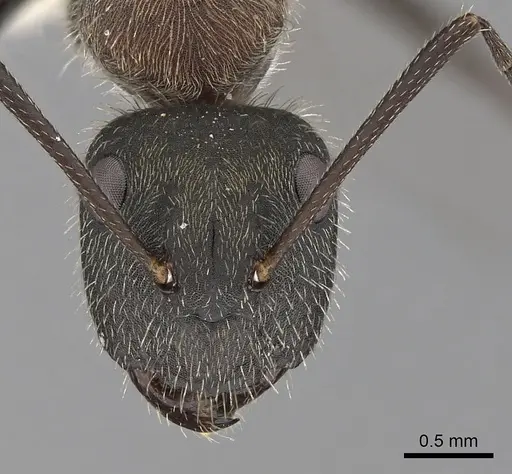
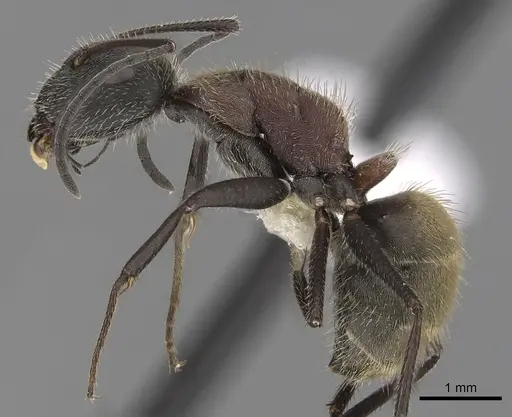
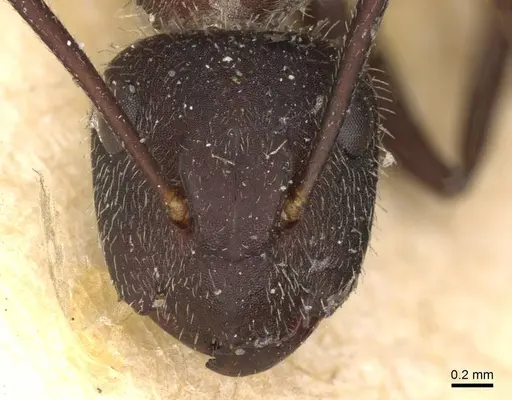
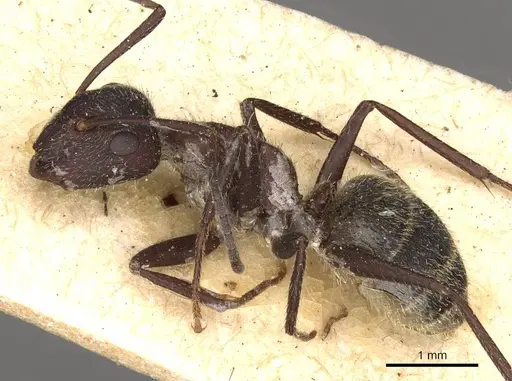
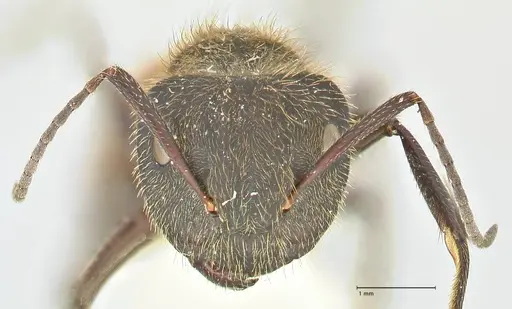
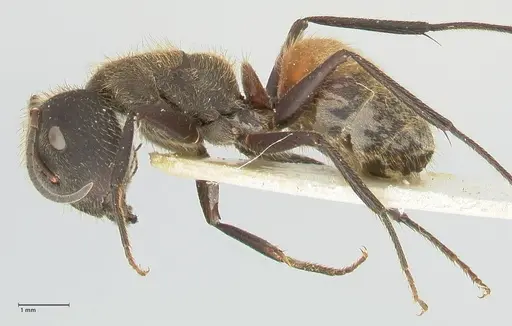
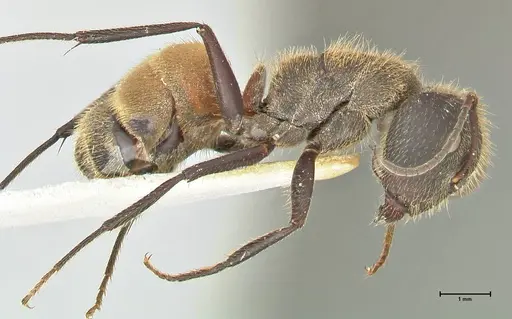
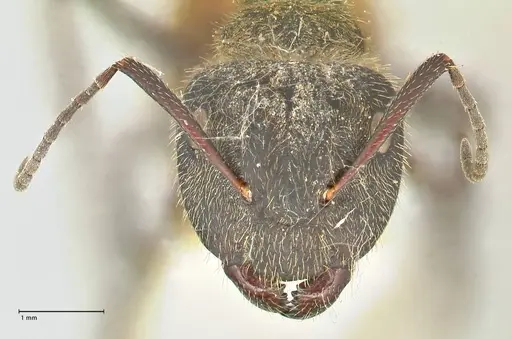
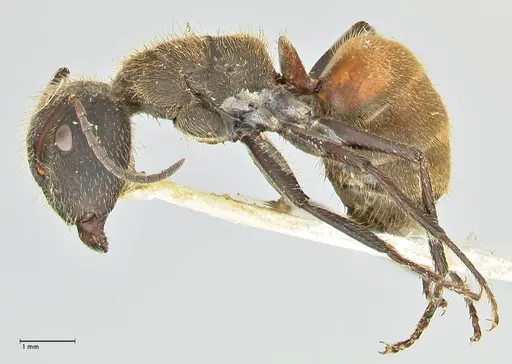
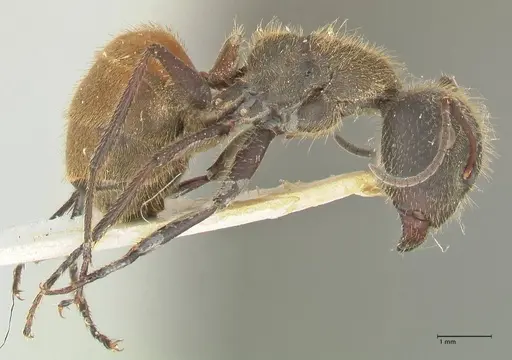
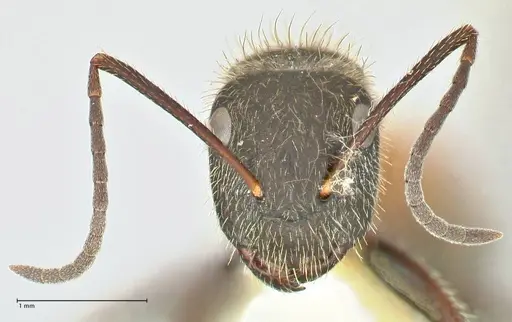
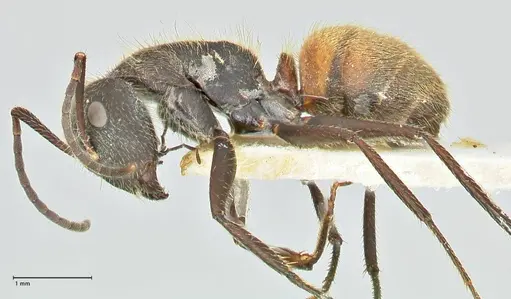
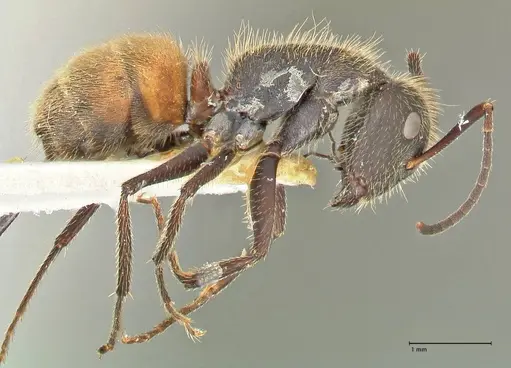
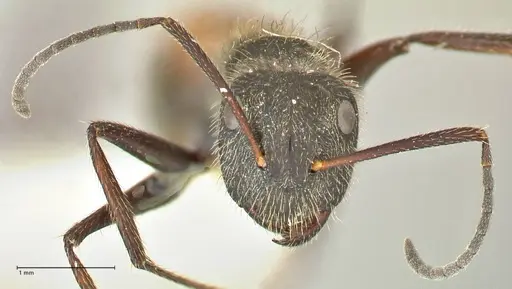
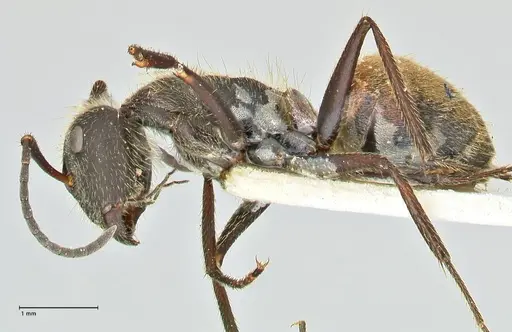
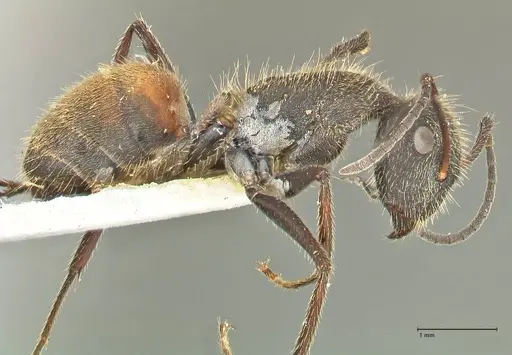
Camponotus rubrithorax is a medium-sized carpenter ant native to central Mexico. Workers measure 5.8-6.2mm and have a distinctive appearance with a dull red to brownish thorax and petiole, contrasting with a black head and abdomen that has narrow yellowish borders on the segments [1]. This species thrives in arid and semi-arid environments like the Zapotitlán Valley, where it plays a key role in ant-plant networks as a dominant forager [2][3]. The ants are aggressive defenders of food resources and have special adaptations for surviving high temperatures and intense sunlight [2]. They are generalists that feed on extrafloral nectar, honeydew, and insects, making them important players in their ecosystem.
Quick Summary
- Difficulty: Easy
- Origin & Habitat: Central Mexico, found in Puebla, Morelos, Guerrero, and San Luis Potosí states [4]. Inhabits arid and semi-arid environments like the Zapotitlán Valley with high solar insolation and elevated temperatures [2].
- Colony Type: Likely single-queen colonies based on typical Camponotus patterns. Colony structure in this species has not been directly studied.
- Colony: Monogyne
- Founding: Claustral
- Size & Growth:
- Queen: Not directly documented, estimated 10-12mm based on typical Camponotus queen size
- Worker: 5.8-6.2mm [1]
- Colony: Not directly documented, likely several hundred workers based on related species
- Growth: Moderate, based on typical Camponotus development patterns
- Development: 6-10 weeks at optimal temperature (estimated based on genus patterns) (Development time varies with temperature, warmer conditions within range accelerate development)
- Antkeeping:
- Temperature: Keep at 24-28°C, they are adapted to warm arid conditions [2]. A gentle gradient allowing cooler areas is beneficial.
- Humidity: Low to moderate, arid environment species. Keep nest substrate slightly moist but allow drying between waterings. Avoid overly damp conditions.
- Diapause: Not required, being a tropical/subtropical species from central Mexico, they do not need a true hibernation. However, a slight cooling period during winter months may be beneficial.
- Nesting: In nature they nest in soil and under stones in arid environments. In captivity, a Y-tong (AAC) nest or plaster nest works well. Provide a dry to moderately humid nest chamber with some moisture gradient.
- Behavior: This species is aggressive when defending food resources and will dominate extrafloral nectaries and honeydew sources [3][2]. They are active foragers during the day in their natural habitat, adapted to high temperatures. Workers travel short distances from the nest to forage [2]. They are not particularly aggressive toward keepers but may spray formic acid when threatened. Escape prevention is important, use standard barriers as workers are a moderate size.
- Common Issues: overheating, despite being heat-adapted, direct heat sources can kill them if temperatures exceed 35°C, colonies can stall if temperatures drop too low, keep above 22°C for active growth, too much humidity can cause fungal problems, allow substrate to dry between waterings, wild-caught colonies may have parasites, quarantine and observe new colonies, slow initial growth during founding phase can lead to overfeeding or disturbance by impatient keepers
Housing and Nest Setup
Camponotus rubrithorax does well in standard ant-keeping setups. A Y-tong (acrylic) nest or plaster nest works well, these allow you to control humidity while providing a dark, secure chamber for the colony. Since they come from arid environments, keep the nest chamber relatively dry with only a small water reservoir or moist cotton on one end to create a humidity gradient. The outworld should be spacious enough for foraging and can be decorated with sand or soil substrate. Use a test tube setup for founding colonies, a simple test tube with a water reservoir plugged with cotton works perfectly for claustral founding. Once the colony reaches 20-30 workers, you can consider moving them to a formicarium if desired. [2]
Feeding and Diet
In the wild, C. rubrithorax is a generalist that dominates extrafloral nectaries and honeydew sources [3]. They also hunt insects and are important predators in their ecosystem, they appear in the diet of several lizard species in their native range [5]. In captivity, offer a varied diet: sugar water or honey as a constant energy source, and protein-rich foods like mealworms, crickets, or other small insects. Feed protein 2-3 times per week, and keep sugar water available at all times. Remove uneaten prey after 24-48 hours to prevent mold. This species has high energy demands due to their active foraging in warm conditions.
Temperature and Seasonal Care
Being adapted to arid environments in central Mexico, these ants prefer warm conditions. Keep the nest area at 24-28°C, they can tolerate higher temperatures than many temperate species [2]. Use a heating cable on one side of the nest if your room temperature is below this range. Place the heating on top of the nest, not underneath, to avoid drying out the substrate too quickly. They do not require true hibernation, but a slight reduction in temperature during winter months (down to around 18-20°C) can help simulate natural seasonal cycles and may benefit colony health. Activity will slow during this period, which is normal.
Behavior and Colony Dynamics
This is an active, aggressive forager species. Workers defend food resources vigorously and will dominate extrafloral nectaries in their territory [2]. They are day-active and adapted to high temperatures and solar exposure, their natural habitat sees intense sunlight and elevated temperatures [2]. Workers travel relatively short distances when foraging, so place food sources not far from the nest. The colony will establish foraging trails once established. Major workers may develop in larger colonies, these have larger heads for tasks like seed processing or defense. When threatened, they may spray formic acid as a defense mechanism.
Frequently Asked Questions
How long does it take for Camponotus rubrithorax to produce first workers?
Expect first workers (nanitics) to emerge in 6-10 weeks after the queen lays eggs, assuming optimal temperatures around 26°C. The exact timing depends on temperature, warmer conditions within the 24-28°C range speed up development.
Can I keep Camponotus rubrithorax in a test tube?
Yes, test tubes work well for founding colonies. Use a standard test tube setup with a water reservoir and cotton plug. Keep it horizontal or at a slight angle so the queen can move away from the water. Once the colony reaches 30+ workers, consider moving to a formicarium.
What temperature do Camponotus rubrithorax need?
Keep them at 24-28°C. They are adapted to warm, arid conditions and can tolerate higher temperatures than most temperate ant species. A heating cable on one side of the nest can help maintain optimal temperatures.
Are Camponotus rubrithorax good for beginners?
Yes, this species is beginner-friendly. They are hardy, adaptable, and have straightforward care requirements. Their moderate size and claustral founding make them easier to establish than some more demanding species.
How often should I feed Camponotus rubrithorax?
Offer protein (insects) 2-3 times per week. Keep sugar water or honey available at all times as an energy source. Remove uneaten prey after 24-48 hours to prevent mold. Feed more frequently as the colony grows.
Do Camponotus rubrithorax need hibernation?
No, they do not require true hibernation. Being from central Mexico, they experience mild winters but not cold enough to trigger diapause. You can provide a slight cooling period (18-20°C) in winter, but this is optional.
How big do Camponotus rubrithorax colonies get?
Colony size is not directly documented, but based on related species, expect several hundred workers at maturity. Growth is moderate, it takes several years to reach full colony size.
Can I keep multiple queens together?
This has not been studied for this species. Based on typical Camponotus behavior, it is likely single-queen (monogyne). It is not recommended to combine unrelated queens, as they will likely fight.
Why is my colony not growing?
Check temperature first, they need warmth (24-28°C) for active growth. Also ensure they have enough protein food and sugar water. Disturbing the colony during founding can cause queens to eat their eggs. Make sure humidity is not too high, they prefer drier conditions.
References

This caresheet is licensed under CC BY-SA 4.0 .
CASENT0280092
View on AntWeb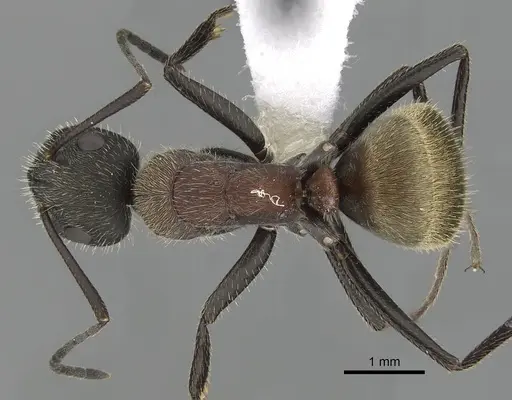
CASENT0910717
View on AntWeb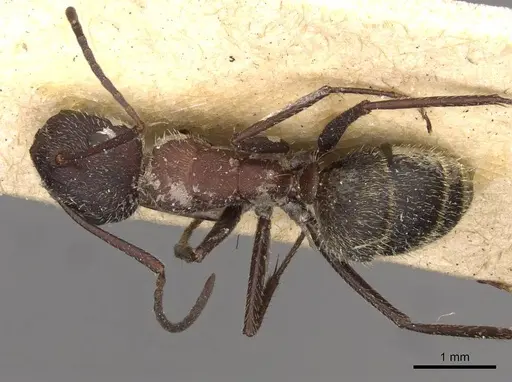
CASENT0923548
View on AntWeb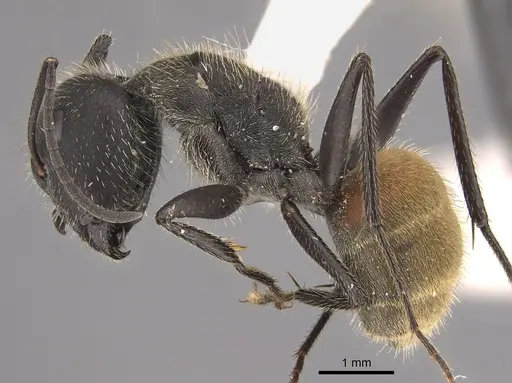
FOCOL2461
View on AntWeb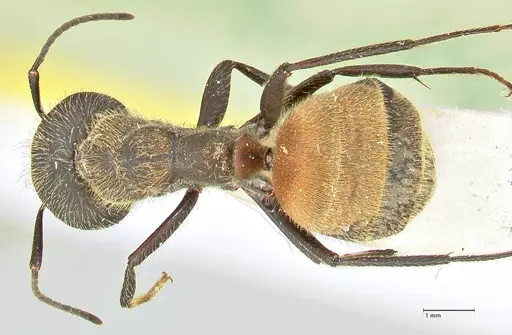
FOCOL2462
View on AntWeb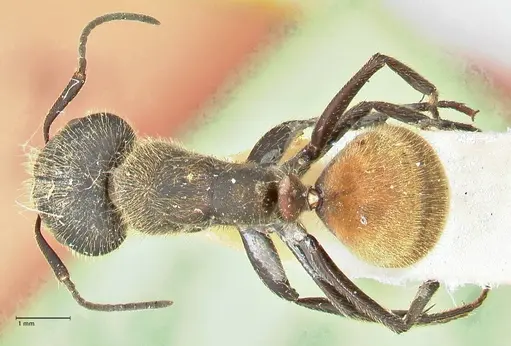
FOCOL2463
View on AntWeb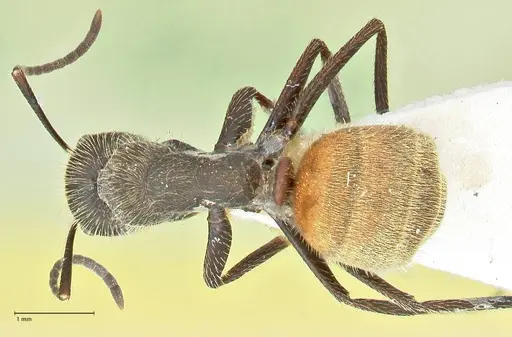
FOCOL2464
View on AntWeb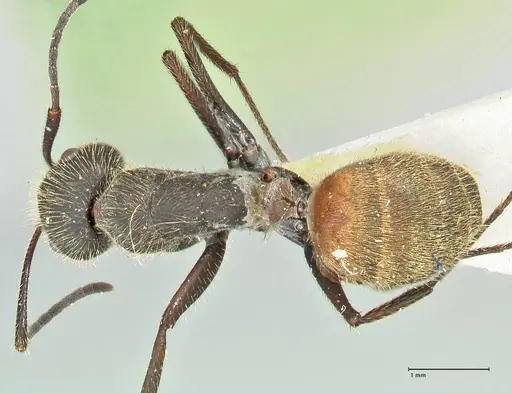
Literature
Loading...Loading products...