

Camponotus rosariensis
- Scientific Name
- Camponotus rosariensis
- Subgenus
- Myrmaphaenus
- Tribe
- Camponotini
- Subfamily
- Formicinae
- Author
- Forel, 1912
- Distribution
- Found in 2 countries
Camponotus rosariensis Overview
Camponotus rosariensis is an ant species of the genus Camponotus. It is primarily documented in 2 countries , including Argentina, Paraguay. Detailed taxonomic data and occurrence records can be further explored via authoritative databases such as AntWeb or the Global Biodiversity Information Facility (GBIF).
Camponotus rosariensis
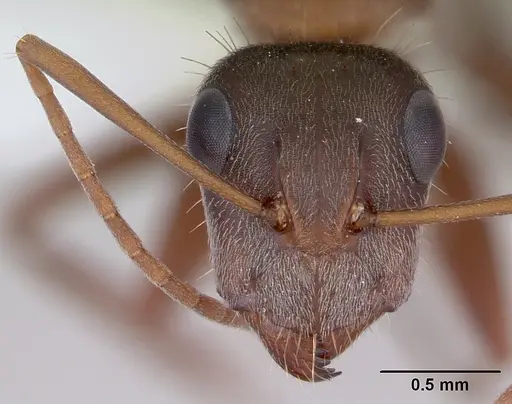
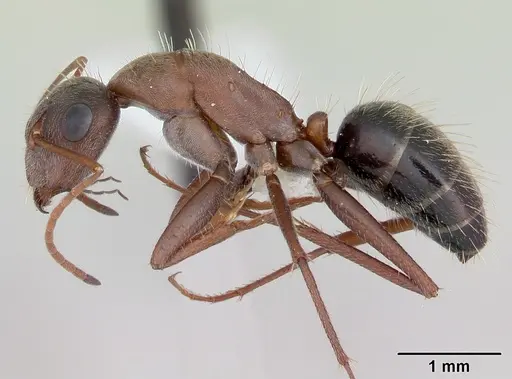
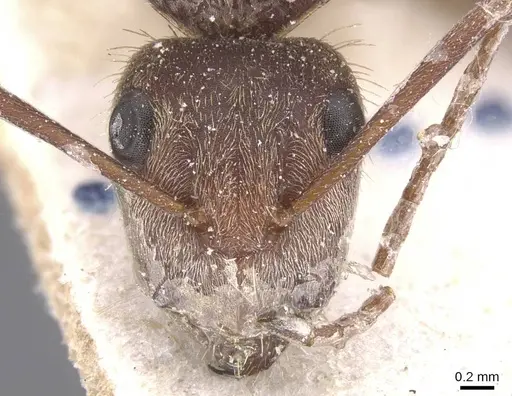
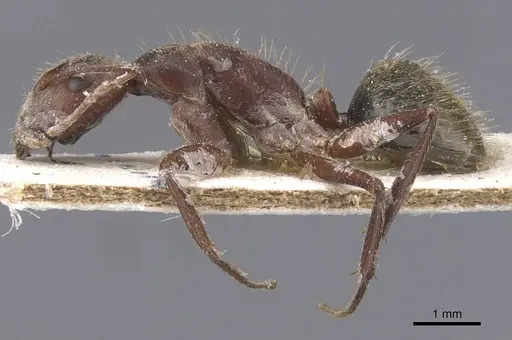
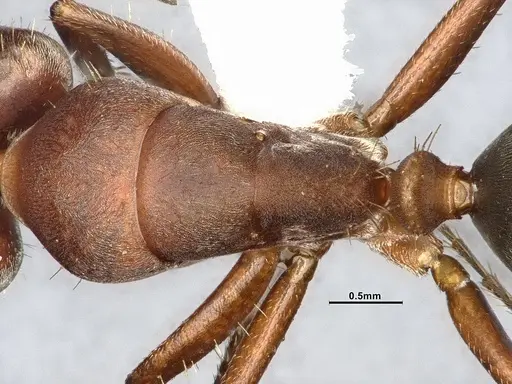
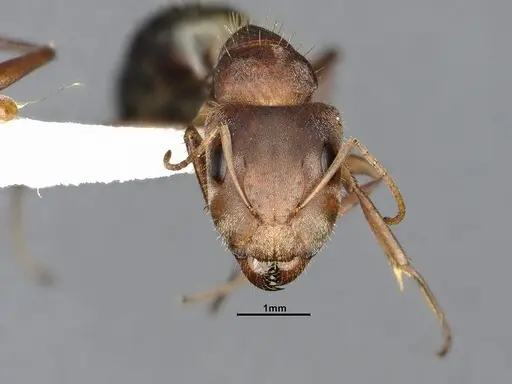
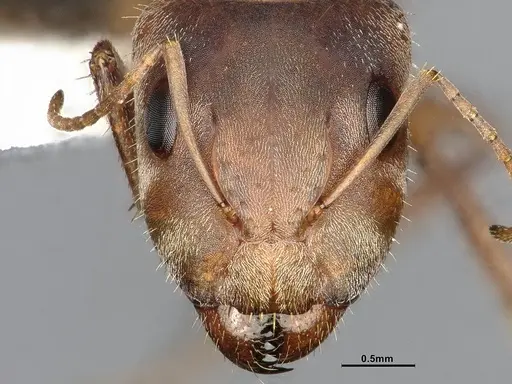
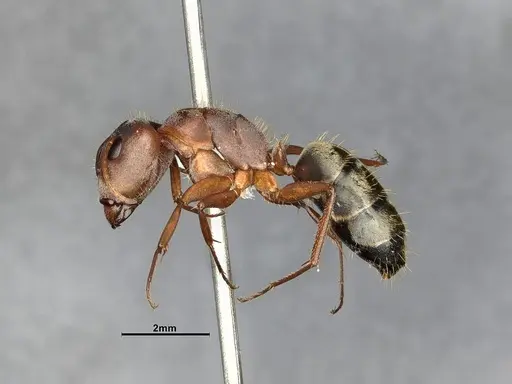
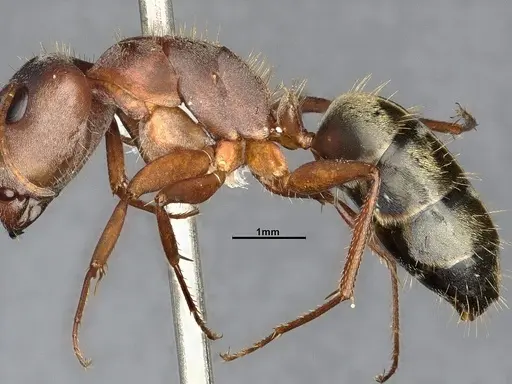
Camponotus rosariensis is a medium-sized carpenter ant native to the subtropical regions of Argentina and Paraguay. Workers measure around 6-10mm with the characteristic bicolored appearance common to many South American Camponotus, they have a reddish head and mesosoma (middle body section) contrasting with a darker abdomen. This species belongs to the Subordinate Camponotini functional group, which typically includes more docile, less aggressive ants that often coexist with other ant species in their habitat. They are one of the most frequently recorded ant species in Paraguay, indicating they are adaptable and successful in their native range [1].
This species remains relatively obscure in both scientific literature and the antkeeping hobby, with limited specific research on its biology. As a Camponotus species, they likely nest in rotting wood or hollow stems in their natural habitat, similar to other carpenter ants. Their workers show the typical size polymorphism seen in the genus, with larger major workers and smaller minor workers serving different roles within the colony.
Quick Summary
- Difficulty: Medium
- Origin & Habitat: Native to the Neotropical region, specifically Argentina (Santa Fe, Corrientes provinces) and Paraguay (multiple departments including Alto Paraguay, Boquerón, Central, Neembucú, Pte. Hayes). They inhabit the chaco and Mesopotamian regions, which are subtropical areas with warm temperatures and seasonal rainfall patterns [1][2][3].
- Colony Type: Likely monogyne (single queen) based on typical Camponotus patterns. Colony structure has not been specifically documented for this species.
- Colony: Monogyne
- Founding: Claustral
- Size & Growth:
- Queen: Estimated 12-15mm based on genus-level inference from related Camponotus species
- Worker: 6-10mm (polymorphic, major and minor workers)
- Colony: Estimated several thousand workers at maturity based on typical Camponotus colony development
- Growth: Moderate, typical for subtropical Camponotus species
- Development: Estimated 6-8 weeks at optimal temperature based on genus patterns (Development time is inferred from typical Camponotus development. Warmer temperatures within the suitable range may accelerate development.)
- Antkeeping:
- Temperature: Keep nest area at 24-28°C. This species comes from subtropical Argentina/Paraguay where temperatures are warm year-round. A heating cable on one side of the nest creates a temperature gradient allowing ants to self-regulate. Room temperature in the low-to-mid 20s°C is likely suitable for established colonies.
- Humidity: Moderate humidity around 50-70%. Provide a water tube as a moisture source. The chaco region has distinct wet and dry seasons, so allow the nest to dry slightly between water additions. Monitor substrate moisture, it should feel damp but not waterlogged.
- Diapause: Unconfirmed, subtropical species may have reduced activity in cooler months but true hibernation is unlikely. Reduce feeding and lower temperatures slightly (by 3-5°C) during winter months if colony shows decreased activity.
- Nesting: Y-tong (AAC) nests or plaster nests work well for this medium-sized species. Provide narrow to moderate chamber widths. They may accept test tube setups for founding colonies. Avoid overly wet substrates as this can promote mold. Naturalistic setups with rotting wood or cork bark also suit their carpenter ant nature.
- Behavior: Members of the Subordinate Camponotini group are typically more docile and less aggressive than many other ants. Workers are moderately active foragers that likely scavenge for honeydew, nectar, and small insects. Major workers can defend the colony but are not particularly aggressive toward keepers. Escape prevention should be moderate, they are not tiny ants but can climb smooth surfaces. Apply fluon to barrier edges as standard practice.
- Common Issues: limited species-specific information means care is based on genus inference rather than direct observation, subtropical origin means they may struggle in cool or dry environments, colonies grow slowly during the first few months which can frustrate beginners, wild-caught colonies may contain parasites or pathogens that affect captive survival, major workers are powerful and can escape through small gaps if barrier fails
Housing and Nest Setup
Camponotus rosariensis does well in a variety of captive setups. For founding colonies, a simple test tube setup works fine, queen seals herself in and raises the first workers (nanitics) without any intervention. Once the colony reaches 15-30 workers, you can transition to a more elaborate formicarium. Y-tong (acrylic) nests are excellent for this species as they provide good visibility and easy humidity control. Plaster nests also work well, especially if you want to maintain moderate moisture levels. The chamber width should be moderate, not too narrow for the polymorphic workers, but not so wide that they feel exposed. A water tube connected to the nest provides constant humidity. For the outworld, a simple plastic container with smooth walls works, though you should apply a fluon barrier to prevent escapes, especially from the smaller minor workers.
Feeding and Diet
Like most Camponotus species, C. rosariensis is omnivorous with a preference for sugary liquids. Offer sugar water (1:3 ratio with water) or honey water constantly, this should be the primary food source for established colonies. They also need protein for brood development, so offer protein sources like mealworms, small crickets, or other insects 2-3 times per week. The amount depends on colony size, start with small portions and adjust based on what gets consumed within 24 hours. Remove uneaten prey to prevent mold. In the wild, these ants likely forage for honeydew from aphids and scale insects, plus dead insects and nectar, so replicating this varied diet in captivity supports healthy colony growth.
Temperature and Seasonal Care
Being from subtropical Argentina and Paraguay, this species thrives in warm conditions. Keep the nest area at 24-28°C for optimal brood development. A heating cable placed on top of the nest (never underneath where it can dry out the substrate) creates a gentle warmth gradient. During the warmer summer months, room temperature in the low-to-mid 20s is often sufficient. In winter, if your room temperature drops significantly, you may want to reduce feeding and allow the colony to slow down naturally rather than maintaining active breeding. This species likely experiences reduced activity during cooler months in its native range, though true hibernation (diapause) is unlikely given the subtropical climate. [1]
Colony Development and Growth
Camponotus colonies grow progressively, the queen lays eggs, which develop through larval and pupal stages to become workers. First-generation workers (nanitics) are typically smaller than mature workers and help the colony expand. As the colony grows, larger major workers appear, which handle defense and seed processing. A healthy colony should grow from a founding queen to 50+ workers within 6-12 months under good conditions. The growth rate is moderate, faster than some slow-growing genera like Pheidole, but not as rapid as tropical species. Patience is key with Camponotus, the first year focuses on establishment, with significant growth occurring in years two and three.
Behavior and Handling
As a member of the Subordinate Camponotini functional group, C. rosariensis is relatively docile compared to many ants. They are not particularly aggressive and will typically retreat rather than attack when disturbed. Major workers can deliver a mild sting if provoked, but they are not persistent attackers. Workers are moderately active and will forage throughout the formicarium and outworld. They are not nocturnal, you should see activity during daylight hours. The polymorphic workforce means you'll observe both small minor workers handling most tasks and larger major workers serving as defenders and food processors. This species does not exhibit slave-making, parasitism, or other complex social behaviors that would complicate care. [3]
Common Challenges
The main challenge with this species is the lack of species-specific care information, everything in this guide is inferred from genus patterns and general antkeeping knowledge. This means you'll need to observe your colony and adjust conditions accordingly. Watch for worker activity levels as an indicator of comfort, if they cluster near the heat source, increase warmth slightly, if they avoid it, reduce heat. Mold can be an issue if the nest stays too wet, so allow drying periods between water additions. Escape prevention is important, while not the smallest ants, they can climb smooth surfaces effectively. Finally, wild-caught colonies may carry parasites or diseases that can cause colony failure shortly after collection, so starting with a captive-born colony from a reputable source improves your chances of success.
Frequently Asked Questions
How long does it take for Camponotus rosariensis to produce first workers?
Based on typical Camponotus development, expect first workers (nanitics) around 6-8 weeks after the queen lays eggs, assuming optimal temperatures of 24-28°C. The queen seals herself in during founding and lives off stored fat reserves until her first brood emerges.
What do Camponotus rosariensis ants eat?
They are omnivorous with a preference for sugary foods. Offer sugar water or honey water constantly as the primary food. For protein, provide insects like mealworms, small crickets, or fruit flies 2-3 times per week. Remove uneaten prey within 24 hours to prevent mold.
What temperature is best for Camponotus rosariensis?
Keep nest temperatures between 24-28°C. This subtropical species comes from warm regions of Argentina and Paraguay. A heating cable on top of the nest can maintain warmth, or room temperature in the low-to-mid 20s°C is often suitable for established colonies.
Are Camponotus rosariensis good for beginners?
They are moderate difficulty, more forgiving than some tropical species but requiring more attention than common temperate ants like Lasius. The main challenge is the limited species-specific information available. If you're comfortable with basic antkeeping and can maintain warm, moderately humid conditions, this species is manageable for intermediate keepers.
How big do Camponotus rosariensis colonies get?
Based on typical Camponotus patterns, mature colonies likely reach several thousand workers over 2-3 years. The colony grows progressively, with the queen producing more workers as the colony establishes. Major workers appear as the colony matures.
Can I keep multiple Camponotus rosariensis queens together?
This is not recommended. Like most Camponotus species, they are likely monogyne (single queen). Combining unrelated queens typically results in fighting. If you obtain a colony, it should already have a single functional queen.
Do Camponotus rosariensis need hibernation?
True hibernation is unlikely as they come from subtropical regions. However, they may experience reduced activity during cooler winter months. You can reduce temperatures slightly (by 3-5°C) and decrease feeding during this period if the colony shows decreased activity.
What type of nest is best for Camponotus rosariensis?
Y-tong (AAC) nests or plaster nests work well for this medium-sized species. For founding colonies, a simple test tube setup is sufficient. Provide moderate chamber widths suitable for polymorphic workers. Ensure good humidity control with a water tube.
Why is my Camponotus rosariensis colony declining?
Common causes include: poor temperature (too cold or too hot), incorrect humidity (too dry or waterlogged), insufficient food (especially protein), or disease from wild-caught colonies. Check that temperatures are in the 24-28°C range, humidity is moderate, and food is being consumed. If the colony was wild-caught, parasites or stress from collection may be the cause.
References

This caresheet is licensed under CC BY-SA 4.0 .
CASENT0173442
View on AntWeb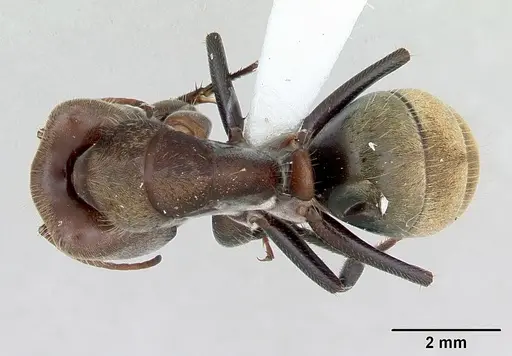
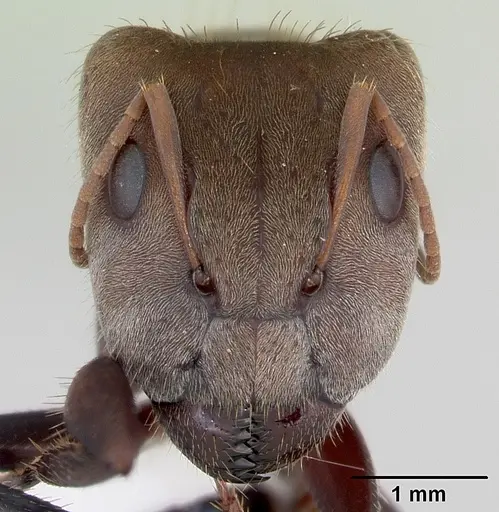
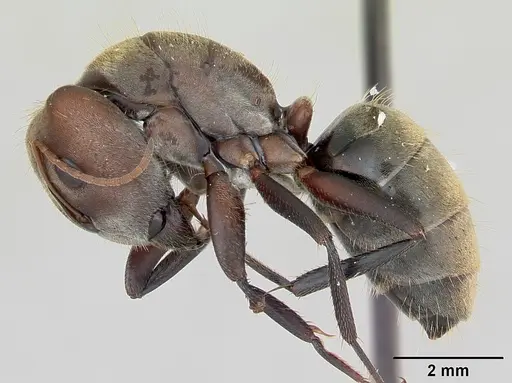
CASENT0173443
View on AntWeb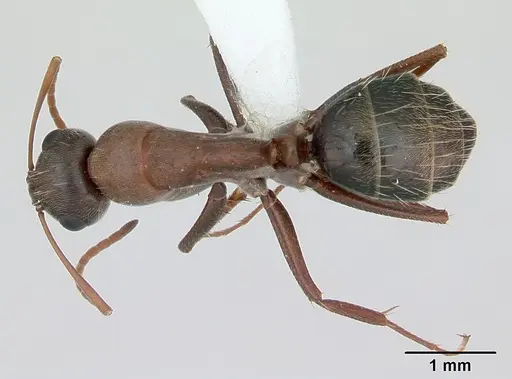
CASENT0910627
View on AntWeb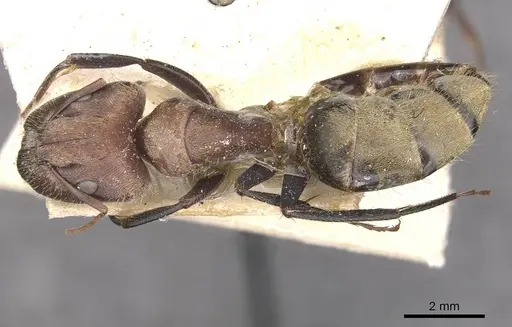
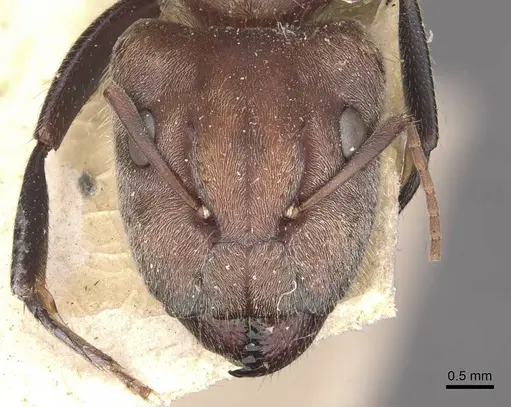
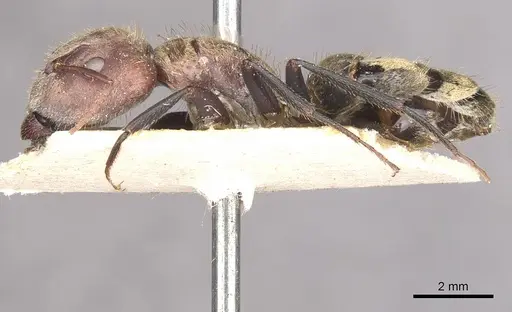
CASENT0910628
View on AntWeb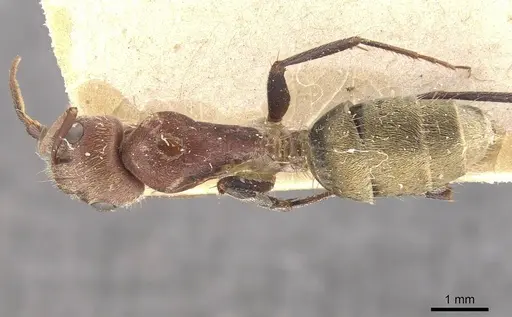
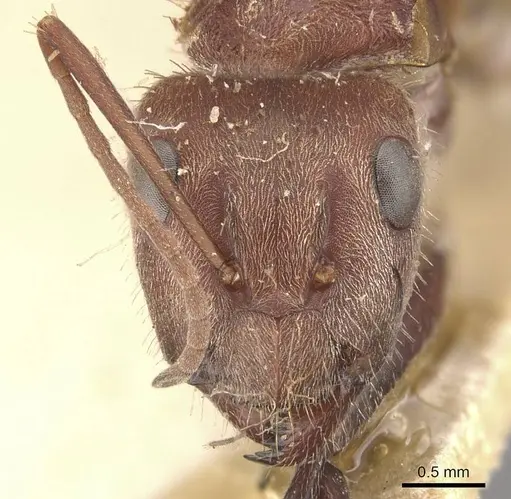
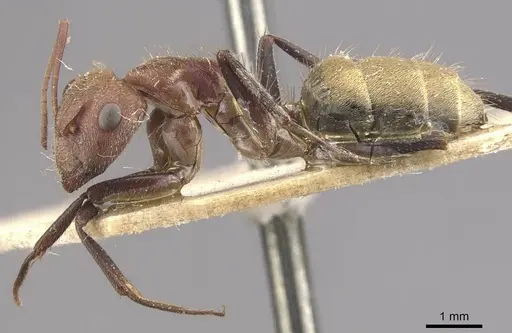
CASENT0911679
View on AntWeb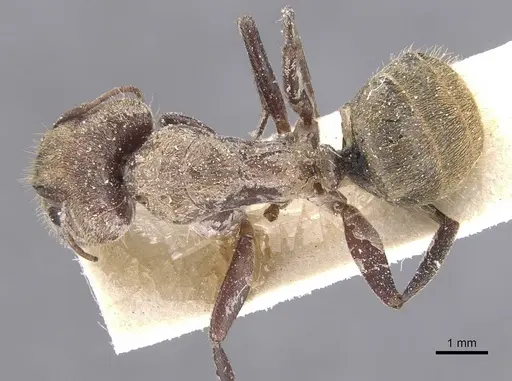
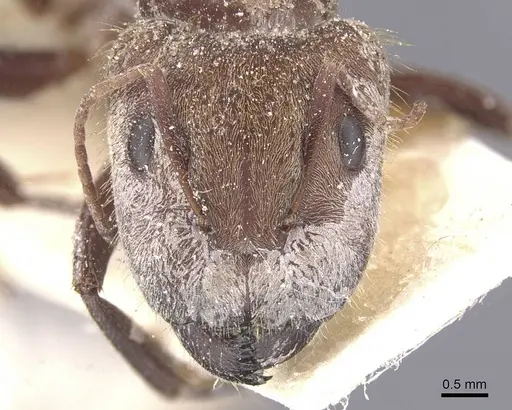
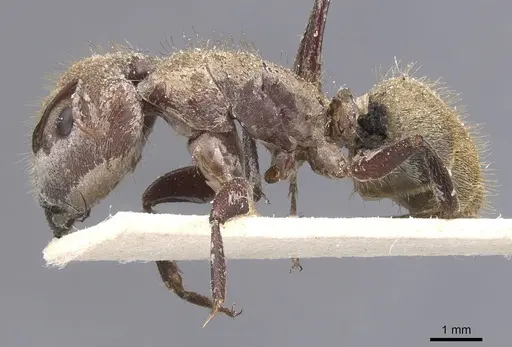
CASENT0911680
View on AntWeb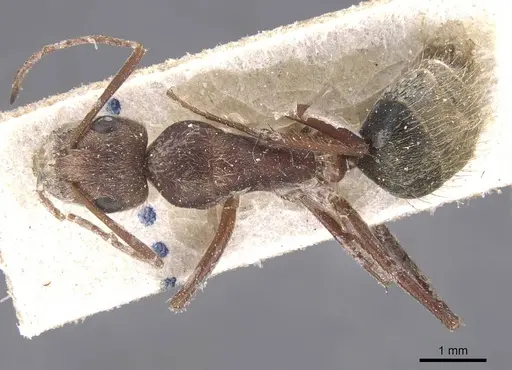
CASENT4032245
View on AntWeb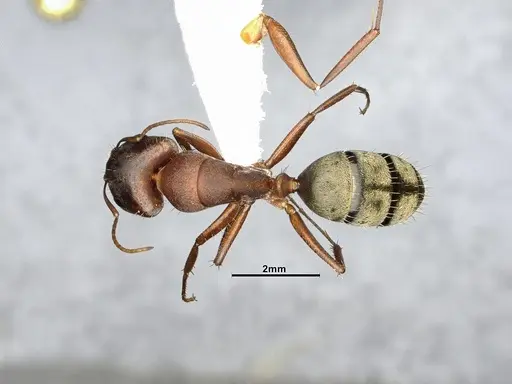
Literature
Loading...Loading products...