

Camponotus rhamses
- Scientific Name
- Camponotus rhamses
- Subgenus
- Myrmotrema
- Tribe
- Camponotini
- Subfamily
- Formicinae
- Author
- Santschi, 1915
- Distribution
- Found in 1 countries
Camponotus rhamses Overview
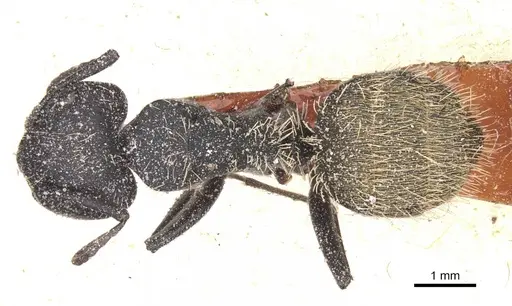
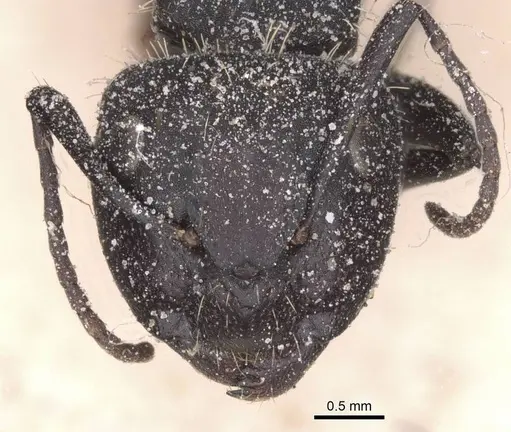
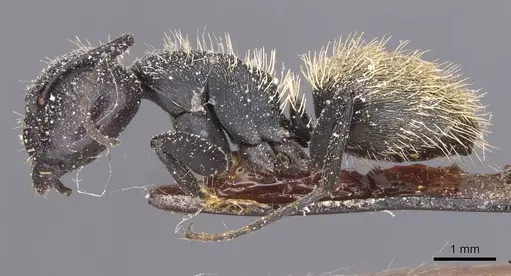
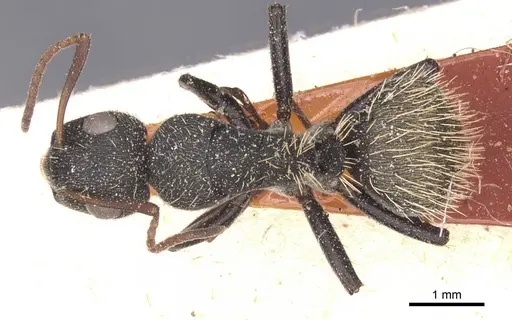
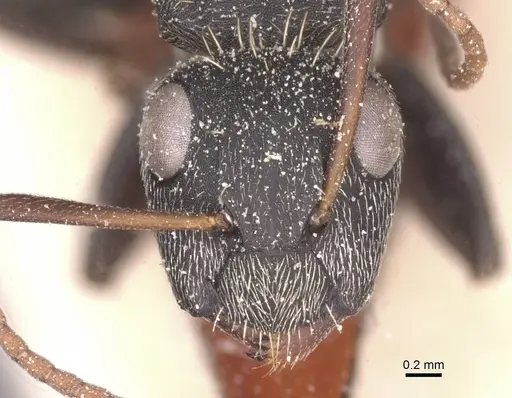
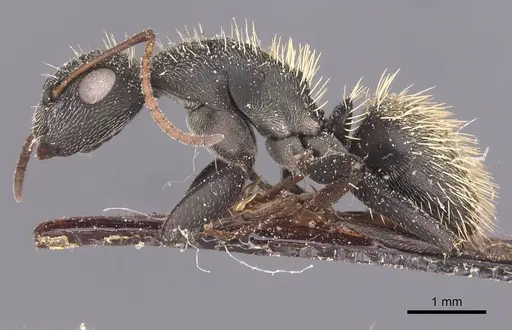
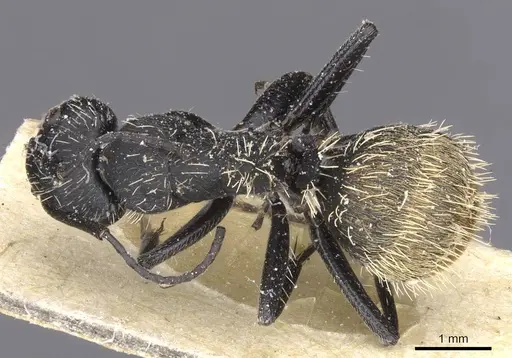
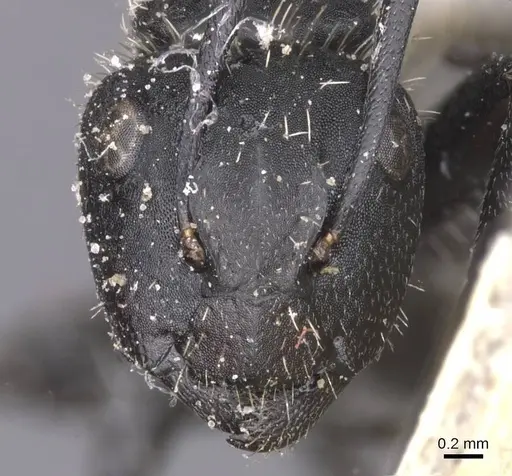
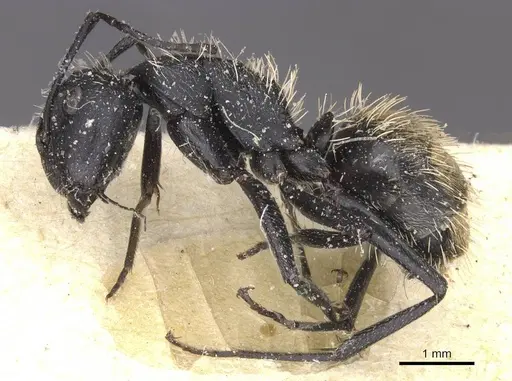
Camponotus rhamses is an ant species of the genus Camponotus. It is primarily documented in 1 countries , including Ethiopia. Detailed taxonomic data and occurrence records can be further explored via authoritative databases such as AntWeb or the Global Biodiversity Information Facility (GBIF).
Camponotus rhamses
Camponotus rhamses is a carpenter ant species native to Egypt and Northeast Africa. As with other Camponotus species, workers are polymorphic with major workers developing large heads for defensive and food-processing tasks, while minor workers handle brood care and foraging. The colony structure follows the typical Camponotus pattern with a single dominant queen that can live for 15-20 years, producing workers continuously once established. This species originates from a warm, arid to semi-arid region, which influences its temperature and humidity requirements in captivity.
Quick Summary
- Difficulty: Medium
- Origin & Habitat: Egypt and Northeast Africa, where it nests in dry to semi-dry habitats including under stones, in soil, and sometimes in decaying wood [1].
- Colony Type: Single-queen colonies (monogyne) are typical for this genus. The queen seals herself in during founding and raises the first brood alone using stored fat reserves.
- Colony: Monogyne
- Founding: Claustral
- Size & Growth:
- Queen: Estimated 15-18mm based on typical Camponotus queen size range
- Worker: Major workers 10-14mm, minor workers 5-8mm based on genus patterns
- Colony: Mature colonies can reach several thousand workers over several years
- Growth: Moderate, Camponotus species typically take 2-3 months for first workers (nanitics) and several years to reach large colony sizes
- Development: Estimated 6-10 weeks from egg to first nanitic worker at optimal temperature, based on typical Camponotus development [2] (Development is temperature-dependent, warmer conditions within safe range accelerate development while cooler temperatures slow it significantly)
- Antkeeping:
- Temperature: Keep nest area at 24-28°C. A heating cable on one side of the nest creates a gentle gradient allowing ants to self-regulate. This species tolerates warmer conditions better than most European Camponotus due to its African origin.
- Humidity: Moderate humidity around 50-60%. Allow the nest to dry partially between water additions. Provide a water tube but avoid oversaturation, these ants come from a drier climate than many Camponotus species.
- Diapause: Not required. This species originates from a tropical/subtropical region without true winter. However, a slight cool period (15-18°C) during winter months may help simulate natural seasonal cycles and promote colony health.
- Nesting: Y-tong (acrylic) nests work well, or a plaster nest with moderate humidity. Provide a test tube setup for the founding chamber, then transition to a formicarium as the colony grows. Naturalistic setups with stones or rotting wood also suit this species.
- Behavior: Workers are generally docile and non-aggressive toward keepers. They are nocturnal to crepuscular, becoming most active during evening and night hours. Major workers can deliver a mild bite if threatened, but this species is not considered dangerous. Escape risk is moderate, workers are large enough that standard barrier methods work well, but ensure connections between outworld and nest are secure.
- Common Issues: colonies often stall in development if temperatures drop below 20°C for extended periods, founding queens may abandon chambers if disturbed too frequently during the claustral period, overwatering is a common mistake, this species prefers drier conditions than many Camponotus, large colonies need expanding space, cramped conditions lead to stress and potential queen death, test tube flooding can kill founding colonies, use appropriate water reservoir size and secure cotton
Nest Preferences and Setup
Camponotus rhamses adapts well to various nest types in captivity. For founding colonies, a simple test tube setup with a water reservoir works well, the queen will seal herself into a dark chamber and remain there until her first workers emerge. Once the colony reaches 20-30 workers, consider transitioning to a Y-tong (acrylic) nest or a plaster formicarium. These ants prefer narrow chambers that allow workers to maintain contact with each other and the brood. In the wild, this species nests under stones and in soil, so a naturalistic setup with a layer of substrate and flat stones on top can also work. Ensure the nest provides darkness and stability, queens are sensitive to vibrations and light during the founding phase. [1][2]
Feeding and Diet
Like other carpenter ants, Camponotus rhamses is omnivorous with a preference for protein sources. Feed a varied diet including small insects (fruit flies, mealworms, small crickets), and provide sugar sources such as honey water or sugar water regularly. Major workers will accept larger prey items and process them for the colony. Feed protein 2-3 times per week, and keep sugar water available at all times. Remove uneaten prey after 24-48 hours to prevent mold. This species does well on a standard ant diet, variety matters more than any single food source. [2]
Temperature and Seasonal Care
Maintain nest temperatures between 24-28°C for optimal brood development. This species tolerates warmer conditions well given its African origin. Use a heating cable placed on top of or beside the nest to maintain warmth, especially during winter or in cooler rooms. A temperature gradient allows ants to regulate their own exposure. During winter months, a slight reduction to 18-22°C is acceptable but not required, these ants do not need true hibernation. Avoid temperatures below 15°C for extended periods as this can weaken or kill colonies. [1]
Colony Growth and Development
Camponotus colonies grow progressively, the first nanitic workers are small but subsequent generations become progressively larger as the colony invests more resources in each brood. A healthy colony should produce major workers (soldiers) once it reaches several hundred workers. Growth rate depends heavily on temperature and feeding frequency. Expect 6-10 weeks for first workers, then 6-12 months to reach 50-100 workers. Large colonies of several thousand workers develop over 3-5 years under good conditions. Patience is key with this genus, they are long-lived and reward consistent care with impressive colony sizes. [2]
Frequently Asked Questions
How long does it take for Camponotus rhamses to produce first workers?
First workers (nanitics) typically emerge 6-10 weeks after the queen lays eggs, assuming temperatures around 24-28°C. Cooler conditions significantly slow development.
Can I keep multiple Camponotus rhamses queens together?
No. This species is monogyne, single-queen colonies are standard. Combining unrelated queens typically results in fighting and colony failure.
What temperature range is best for Camponotus rhamses?
Keep nest temperatures between 24-28°C. This species tolerates warmer conditions well due to its African origin. A slight drop in winter is acceptable but not required.
How often should I feed Camponotus rhamses?
Provide protein (insects) 2-3 times per week. Keep sugar water or honey available at all times. Remove uneaten prey after 24-48 hours to prevent mold.
When should I move my colony from a test tube to a formicarium?
Transition once the colony reaches 20-30 workers and you see activity in the outworld. Ensure the formicarium has appropriately sized chambers, too large a space can stress small colonies.
Does Camponotus rhamses need hibernation?
No. This species originates from Egypt/Northeast Africa where winters are mild. A slight cool period (18-20°C) may benefit the colony but true hibernation is not necessary.
Are Camponotus rhamses good for beginners?
This species is rated Medium difficulty. They are more forgiving than some exotic species but require more patience than fast-growing tropical ants. They are a good intermediate-level Camponotus species.
How big do Camponotus rhamses colonies get?
Mature colonies can reach several thousand workers over 3-5 years. Major workers appear once the colony reaches several hundred workers.
Why is my founding queen not laying eggs?
Queens may delay egg-laying if disturbed, if temperatures are too low, or if they are not well-fed before sealing in. Ensure the setup is dark, quiet, and at 24-28°C. Some founding delays are normal.
References

This caresheet is licensed under CC BY-SA 4.0 .
Literature
Loading...Loading products...