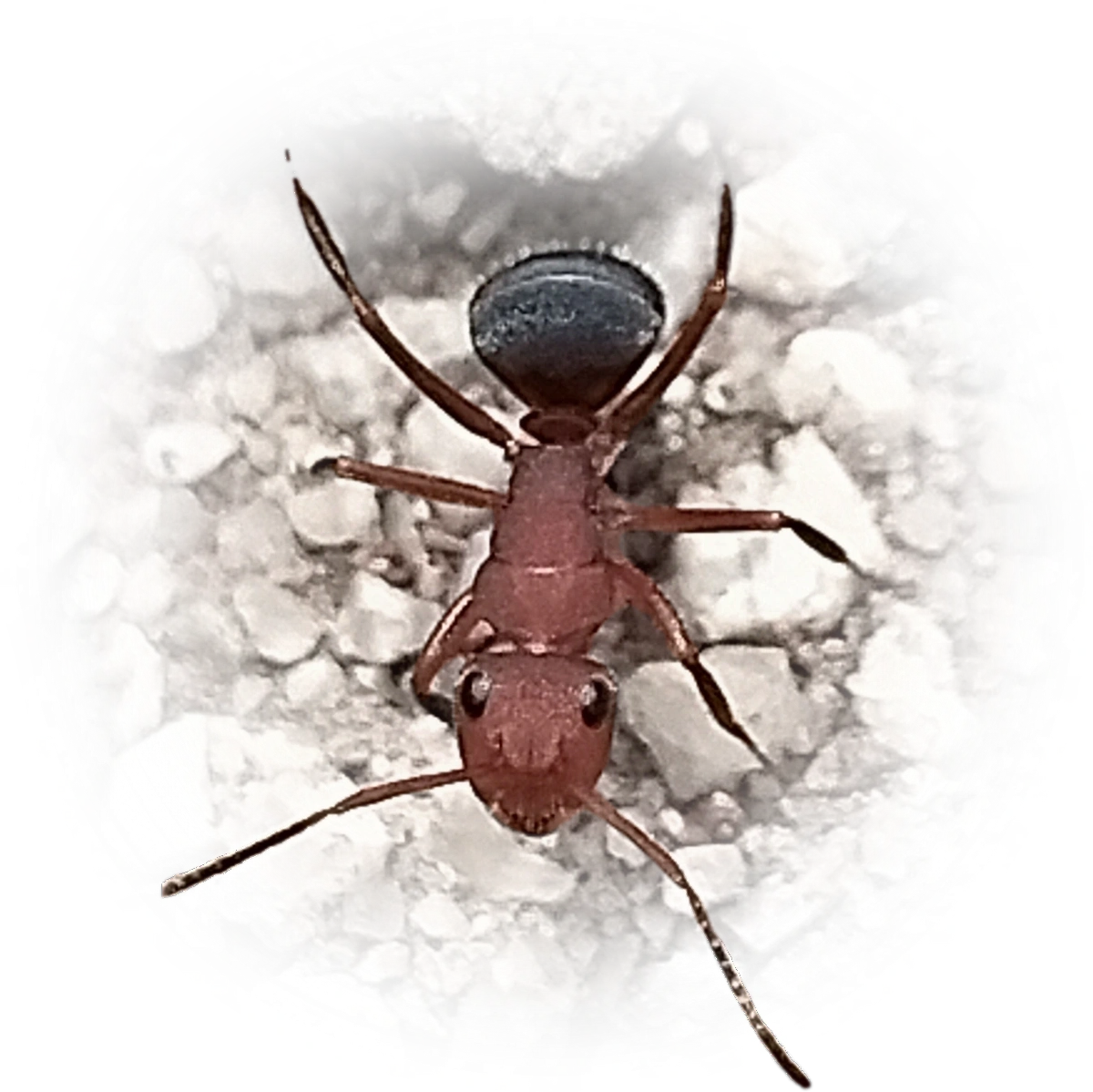

Camponotus rectangularis
- Scientific Name
- Camponotus rectangularis
- Subgenus
- Myrmocladoecus
- Tribe
- Camponotini
- Subfamily
- Formicinae
- Author
- Emery, 1890
- Distribution
- Found in 10 countries
Camponotus rectangularis Overview
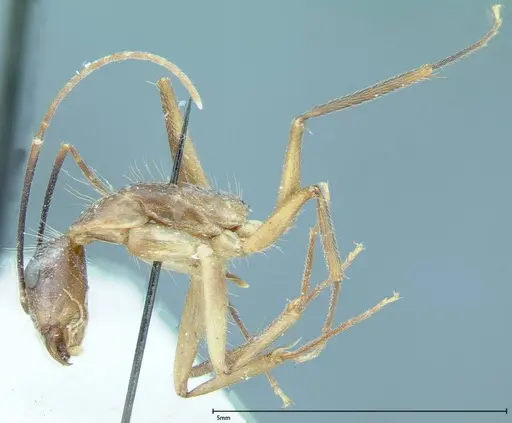
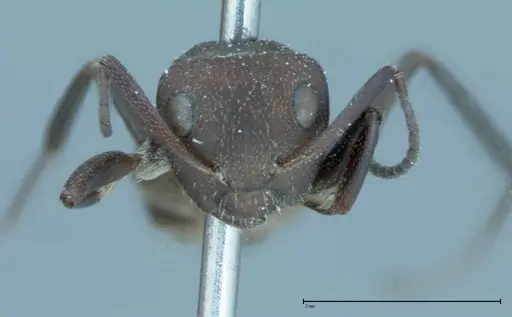
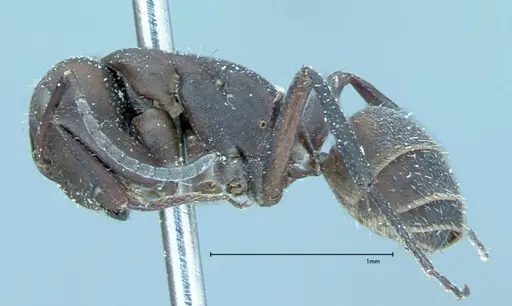
Camponotus rectangularis is an ant species of the genus Camponotus. It is primarily documented in 10 countries , including Brazil, Belize, Costa Rica. Detailed taxonomic data and occurrence records can be further explored via authoritative databases such as AntWeb or the Global Biodiversity Information Facility (GBIF).
Camponotus rectangularis
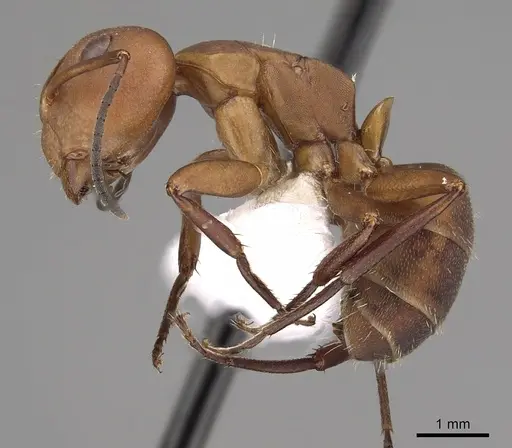
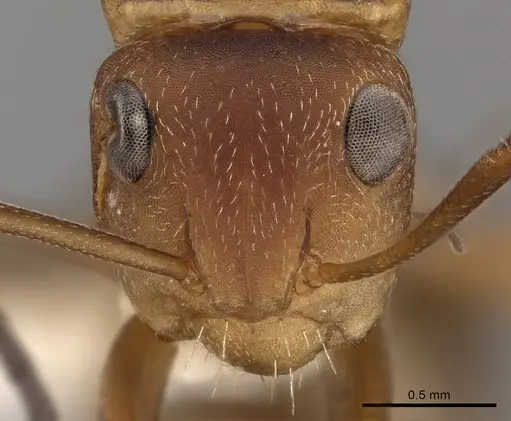
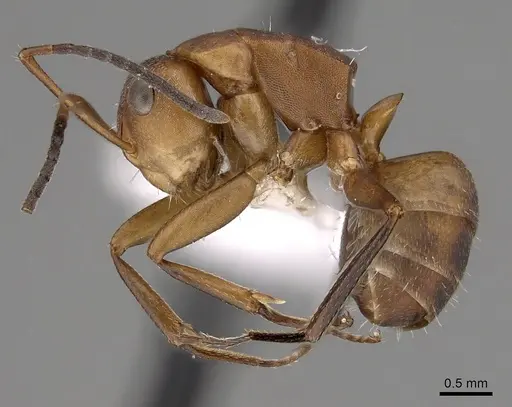
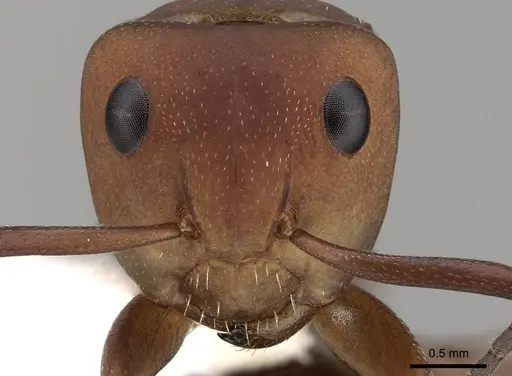
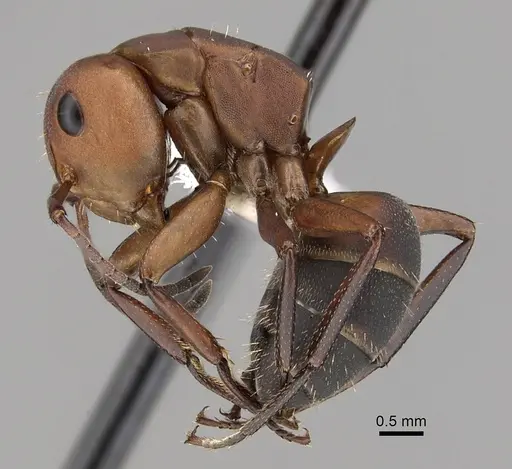
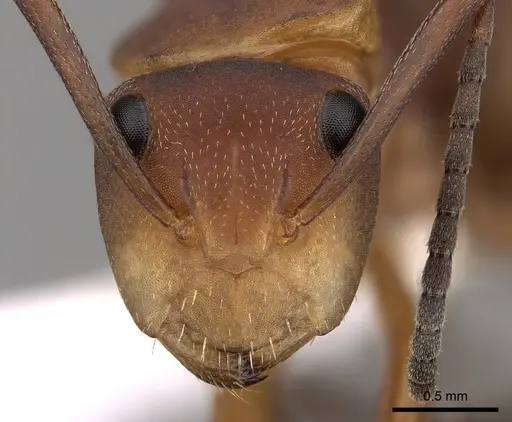
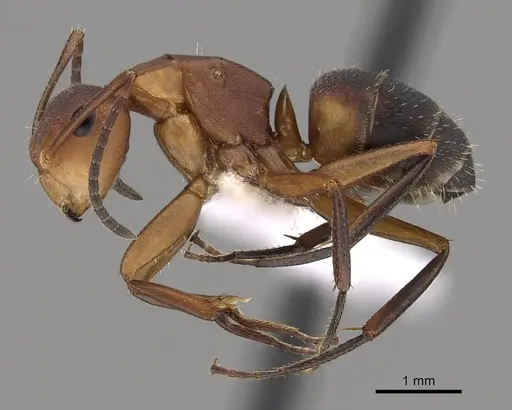
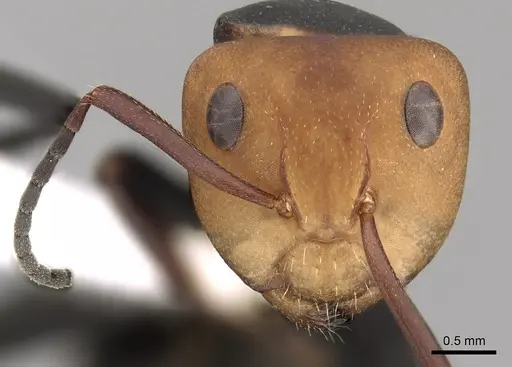
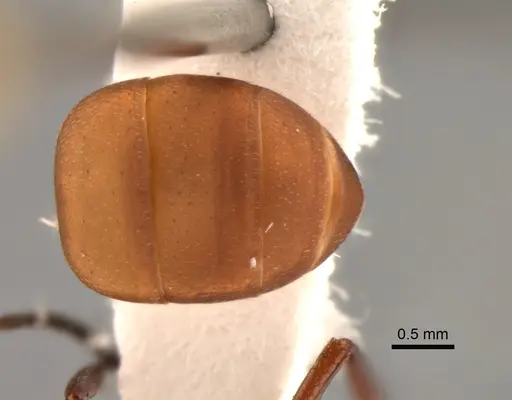
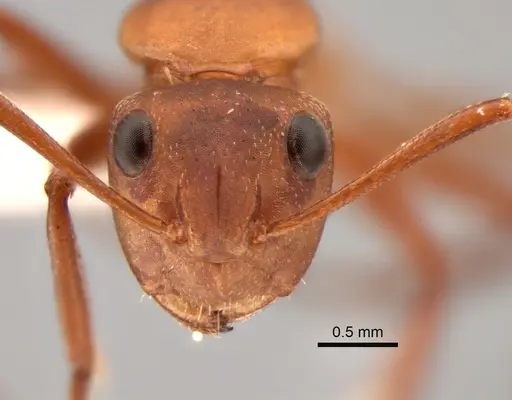
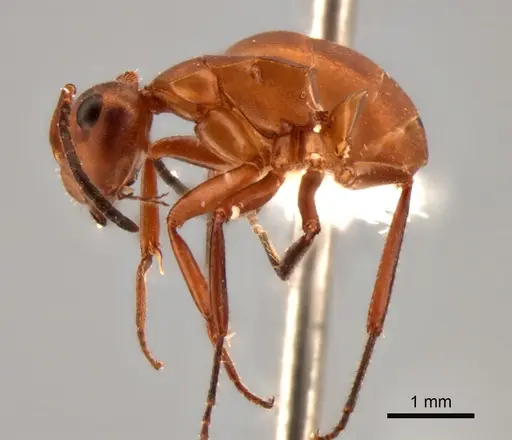
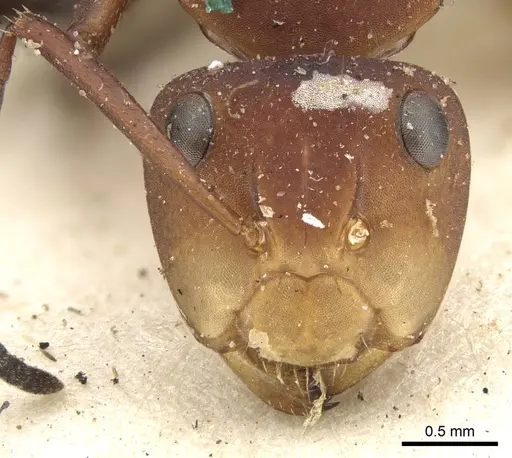
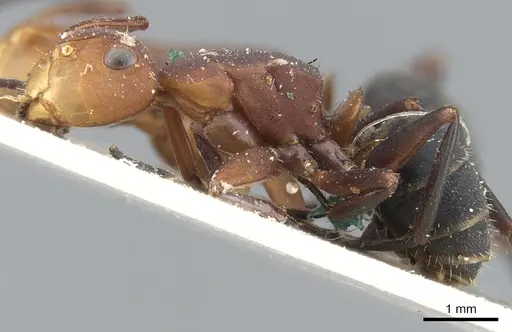
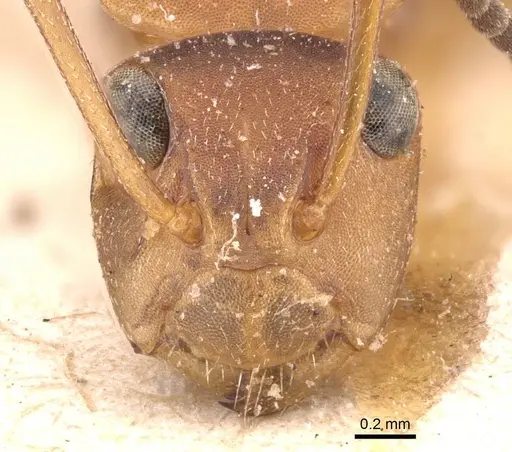
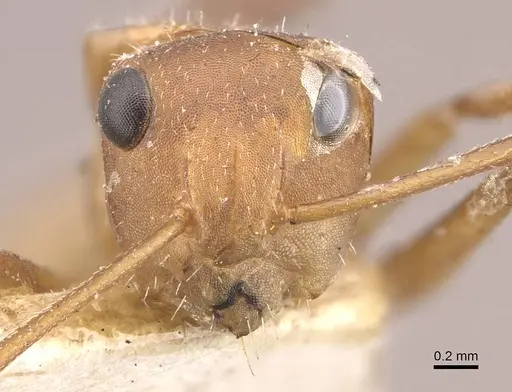
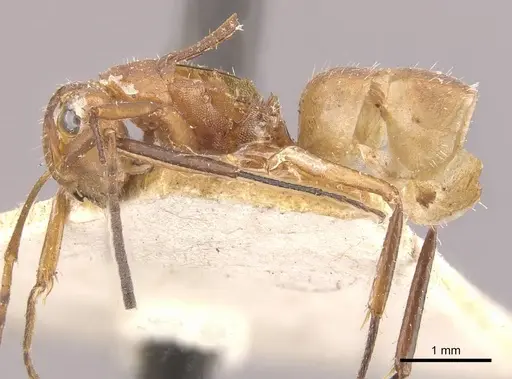
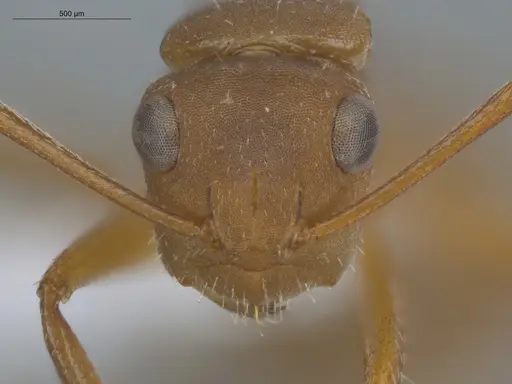
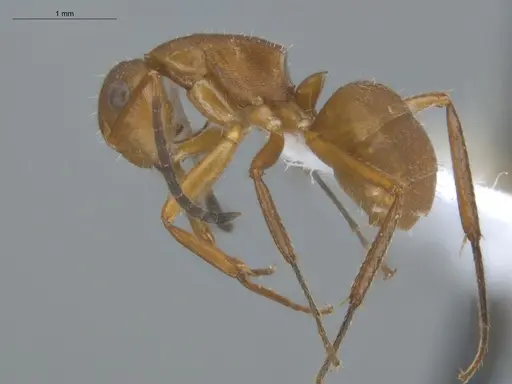
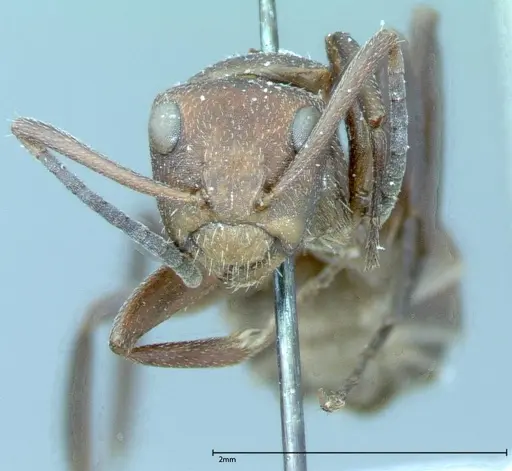
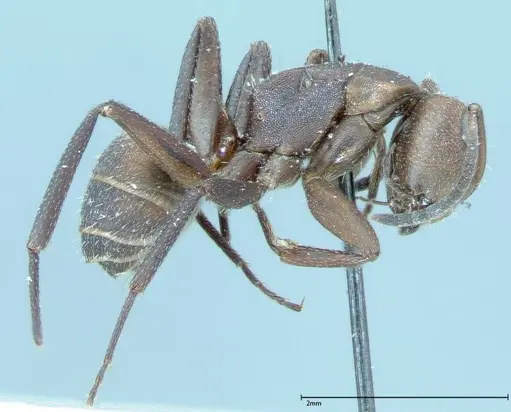
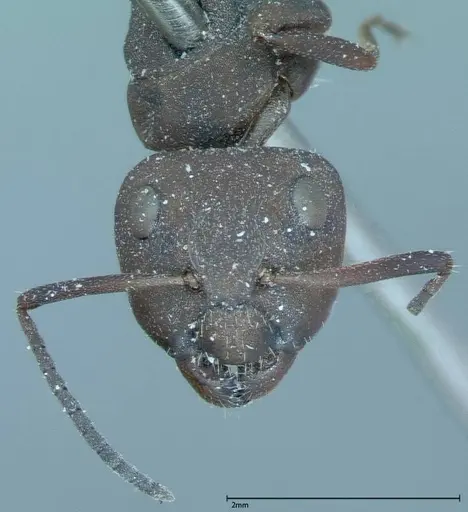
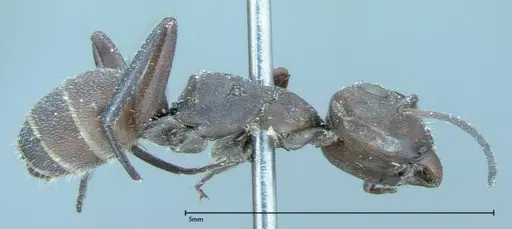
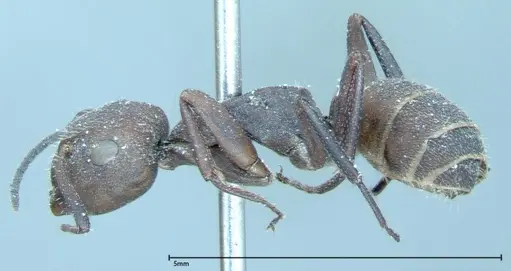
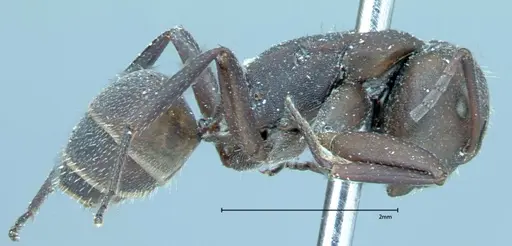
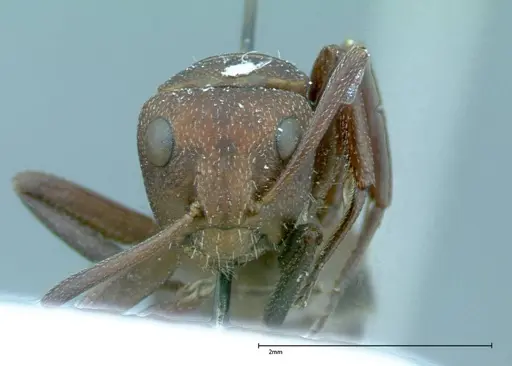
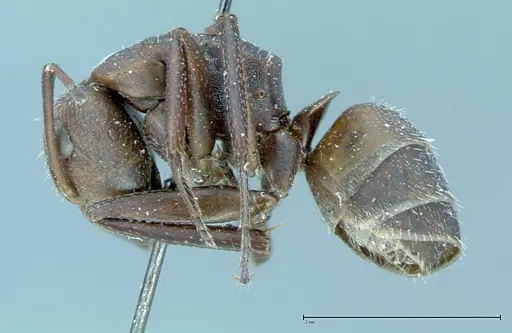
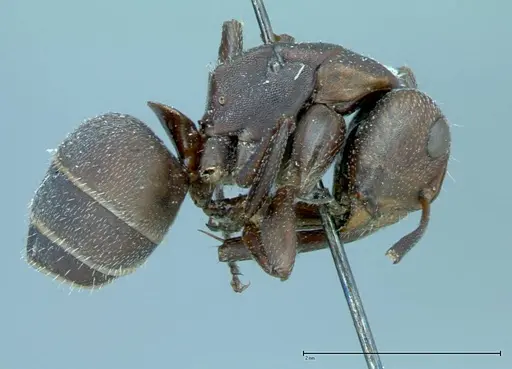
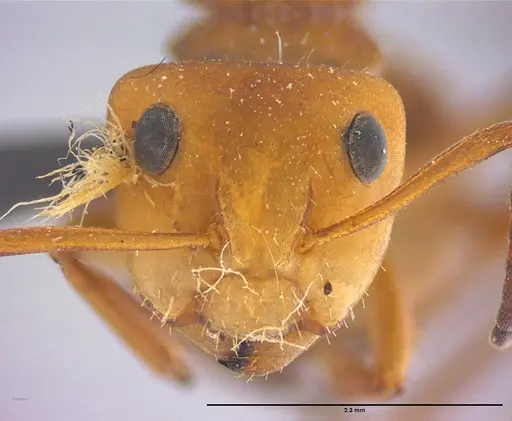
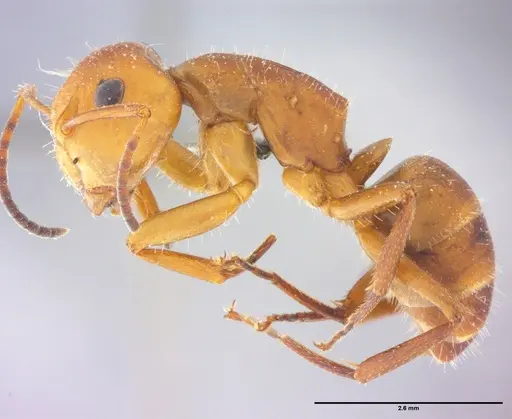
Camponotus rectangularis is a medium-sized arboreal ant found throughout the Neotropical region, from northern Mexico down to Brazil. Workers measure 4.3-9mm and display distinctive orange-red to brown coloration with a unique rectangular-shaped propodeum (the section between the thorax and abdomen) that makes them easy to identify [1]. These ants are highly adaptable, nesting opportunistically in preformed cavities including tree hollows, dead branches, abandoned insect structures, and even orchid pseudobulbs [1]. They maintain mutualistic relationships with epiphytes like the orchid Myrmecophila tibicinis and actively tend honeydew-producing insects in the canopy [1]. This species is diurnally active, foraging on low vegetation and tree trunks, and is considered a true omnivore that preys on small arthropods, collects nectar, and scavenges on carrion [1].
Quick Summary
- Difficulty: Medium
- Origin & Habitat: Neotropical region, from Sinaloa and Nuevo León in northern Mexico through Central America to Bolivia and southern Brazil. Found in tropical dry forests, cloud forests, and agricultural areas. Arboreal nester that colonizes preformed cavities in trees, dead branches, and abandoned arthropod structures [1][2].
- Colony Type: Monogynous (single queen per colony) with polydomous nesting, colonies occupy several cavities and can rapidly relocate [1].
- Colony: Monogyne
- Founding: Claustral
- Size & Growth:
- Queen: Estimated 12-15mm based on Camponotus genus patterns, direct measurement not documented
- Worker: 4.3-9mm [1]
- Colony: 247-820 workers in mature queenright colonies [1]
- Growth: Moderate, estimated 6-8 weeks from egg to first worker at optimal temperature based on genus patterns
- Development: 6-8 weeks (estimated based on typical Camponotus development) (Development time inferred from genus patterns, tropical species may develop faster at warmer temperatures)
- Antkeeping:
- Temperature: Keep at 24-28°C, these are tropical ants that need warm conditions. A heating cable on one side of the nest creates a gradient allowing workers to regulate their temperature [1].
- Humidity: Moderate to high humidity (60-80%). Provide a water tube and keep the nest substrate slightly moist but not waterlogged. Being arboreal, they tolerate varying humidity better than ground-nesting species.
- Diapause: No, this is a tropical species that does not require hibernation. Maintain warm temperatures year-round.
- Nesting: Arboreal setup works best. Y-tong (AAC) nests, plaster nests, or naturalistic setups with hollow branches/twigs suit them well. They readily accept artificial cavities and can be kept in standard formicaria with proper humidity control. Provide twigs or small branches for a more natural setup [1].
- Behavior: Generally calm and non-aggressive foragers. Workers are diurnal and actively patrol tree trunks and low vegetation. They are excellent climbers and may escape if given the opportunity, use barrier gel or fluon on edges. They are not known for stinging and pose no danger to keepers. Workers are robust and can handle moderate disturbance. They form polydomous colonies that can relocate quickly when needed [1].
- Common Issues: escape prevention is important, they are excellent climbers and will find any gap, colonies can be parasitized by eucharitid wasps (3.7% global rate, up to 24% locally), quarantine new colonies [1], polydomous colonies may split across multiple nest areas, ensure all sections stay connected, tropical species will become sluggish below 22°C, keep consistently warm, wild-caught colonies may have mites or other parasites, inspect and quarantine new introductions
Housing and Nest Setup
Camponotus rectangularis is an arboreal species that naturally nests in preformed cavities like tree hollows, dead branches, and abandoned insect structures. In captivity, they adapt well to various setups including Y-tong (AAC) nests, plaster nests, or naturalistic formicaria. A naturalistic setup with small twigs or branches closely mimics their natural environment and encourages natural behavior. They readily accept artificial bamboo trap nests and hollow dead branches as nesting sites [1]. Keep the nest humid but ensure adequate ventilation to prevent mold. A water tube should be provided for humidity, and the nest material should remain slightly moist. Because they are arboreal, they do well with climbing structures and vertical space.
Feeding and Diet
These ants are true omnivores with diverse feeding habits. In the wild, they forage for nectar from extra-floral nectaries and orchids, collect honeydew from aphids and membracids, prey on small arthropods, and scavenge on carrion [1]. In captivity, offer a varied diet including sugar water or honey as a constant energy source, protein sources like mealworms or small crickets 2-3 times weekly, and occasional fruit or insects. They readily attend to sugar sources and will hunt small prey. Remove uneaten prey after 24 hours to prevent mold. Their generalist diet makes them relatively easy to feed compared to more specialized species.
Temperature and Seasonal Care
As a tropical species, Camponotus rectangularis requires warm temperatures year-round. Maintain nest temperatures between 24-28°C for optimal brood development. They become sluggish and development slows significantly below 22°C. A small heating cable placed on one side of the nest creates a temperature gradient allowing workers to self-regulate. No hibernation or diapause is required, these ants remain active throughout the year in warm conditions. Room temperature in heated homes (around 24°C) is typically suitable. Avoid cold drafts and sudden temperature drops. [1]
Colony Structure and Behavior
This species forms monogynous colonies with a single reproductive queen. Colonies are polydomous, meaning they occupy multiple connected cavities and can rapidly relocate when conditions change, they can move entire colonies into artificial nests within four weeks [1]. Workers are diurnally active, foraging on low vegetation and tree trunks. They are not aggressive and handle disturbance reasonably well. The species is known for its mutualistic relationships with epiphytes like the orchid Myrmecophila tibicinis, where they nest in exchange for protection and nutrients. Workers communicate through chemical trails and can coordinate foraging efficiently.
Health and Parasites
One important concern is parasitism by eucharitid wasps, which target developing brood. Global parasitism rates average 3.7% but can exceed 24% in some populations [1]. These wasps lay eggs on plants visited by foragers, and their larvae develop inside worker and male pupae. Female pupae appear resistant to parasitism. When acquiring colonies, quarantine them and monitor for unusual pupae or emerging wasps. Additionally, they can host various mites and may have endosymbiotic bacteria. Regular observation and maintaining clean colony conditions helps minimize health issues.
Frequently Asked Questions
How long does it take for Camponotus rectangularis to raise first workers?
Based on typical Camponotus development patterns, expect 6-8 weeks from egg to first worker at optimal temperature (24-28°C). Development is faster in warmer conditions and slower below 22°C.
Can I keep multiple queens together?
No. This species is monogynous, meaning colonies naturally have only one queen. Multiple unrelated queens will fight. Only one queen should be introduced per colony.
What do Camponotus rectangularis eat?
They are omnivores. Offer sugar water or honey as a constant energy source, protein like mealworms or small crickets 2-3 times weekly, and occasional fruit or insects. They also collect honeydew if you keep aphids.
Do they need hibernation?
No. As a tropical species, they do not require hibernation or winter rest. Keep them warm year-round at 24-28°C.
What is the best nest type for this species?
Y-tong (AAC) nests, plaster nests, or naturalistic setups with small branches/twigs all work well. They are arboreal and prefer cavities with some humidity control.
How big do colonies get?
Mature colonies reach 247-800+ workers. Growth is moderate, expect several months to a year to reach 100 workers under good conditions.
Are they good for beginners?
Moderate difficulty. They are more forgiving than some species but require warm temperatures year-round and escape prevention. Their omnivorous diet makes feeding straightforward.
Why are my ants dying?
Check temperature first, they need 24-28°C and become sluggish below 22°C. Also verify humidity is adequate but not excessive, and check for parasites. Wild-caught colonies may carry eucharitid wasp larvae in pupae.
References

This caresheet is licensed under CC BY-SA 4.0 .
CASENT0217691
View on AntWeb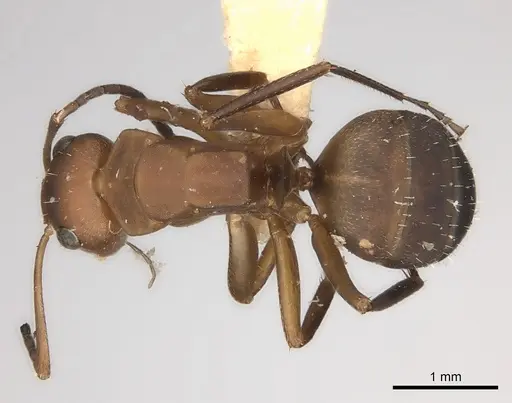
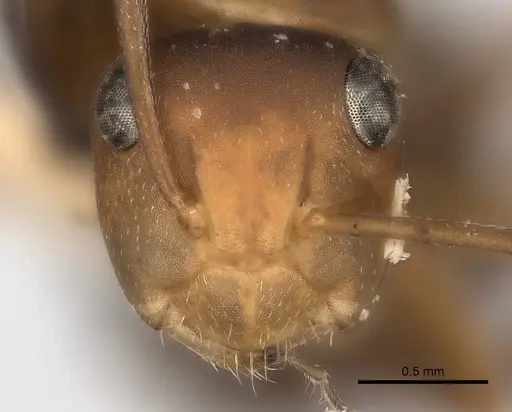
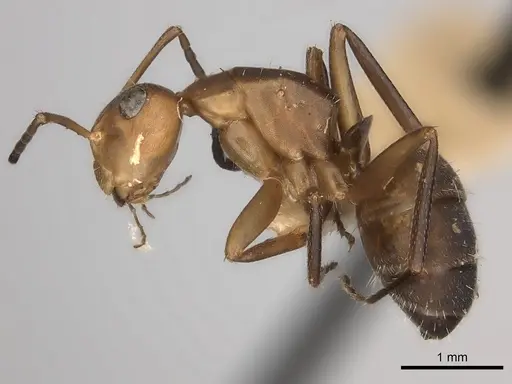
CASENT0217692
View on AntWeb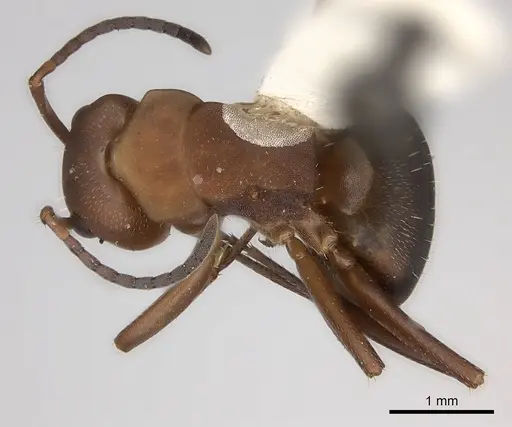
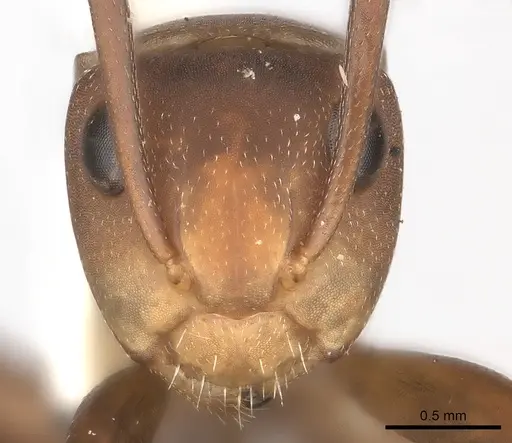
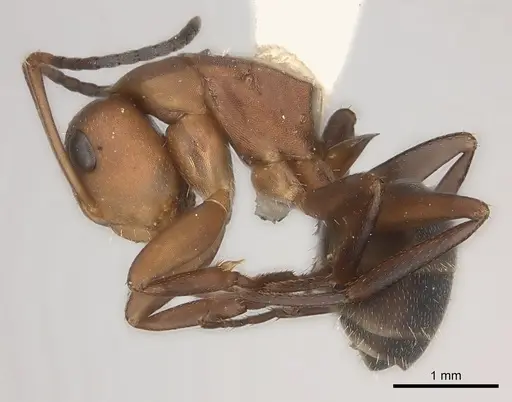
CASENT0217693
View on AntWeb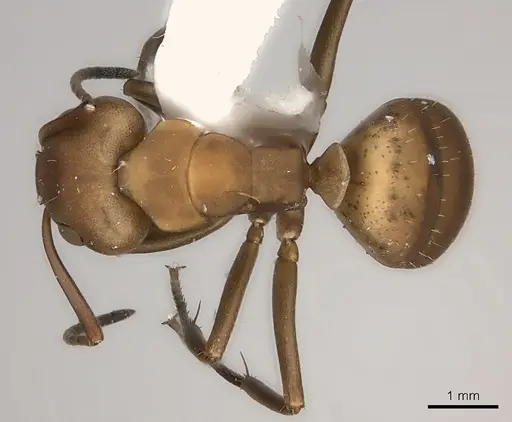
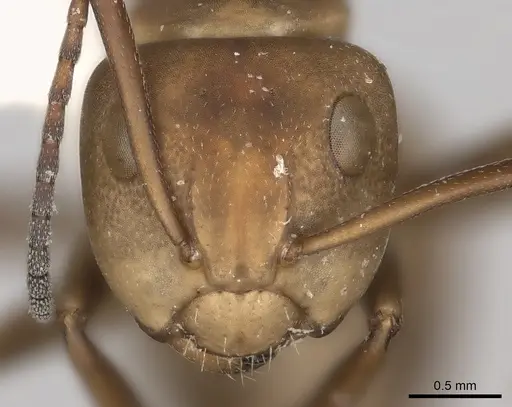
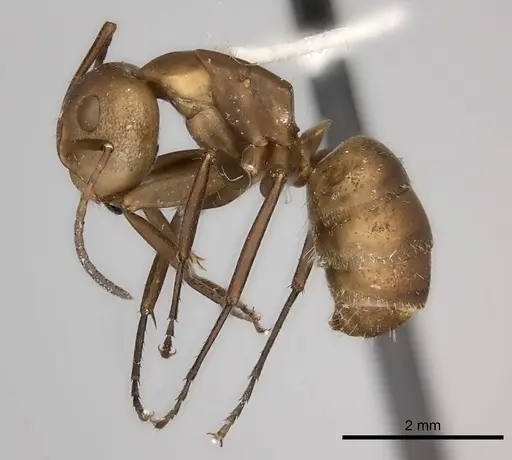
CASENT0227884
View on AntWeb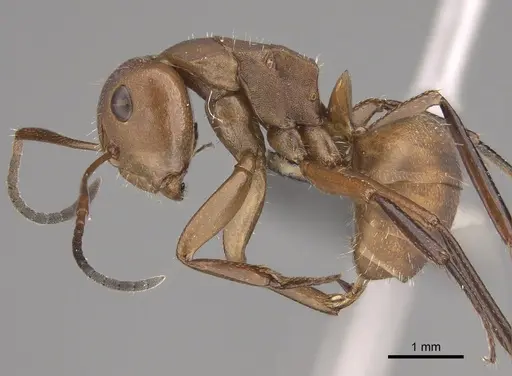
CASENT0246660
View on AntWeb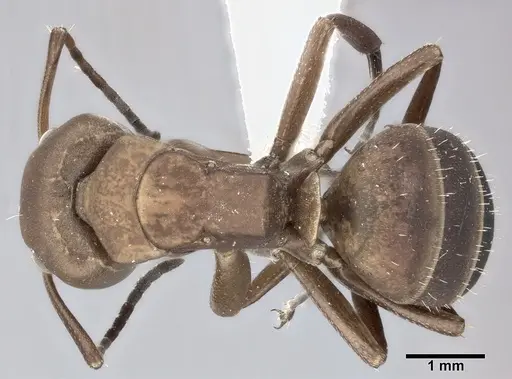
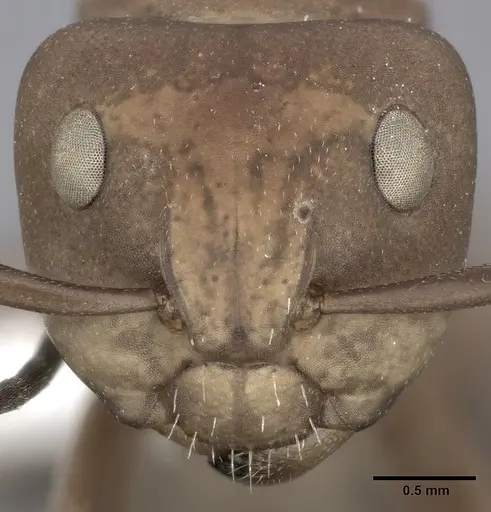
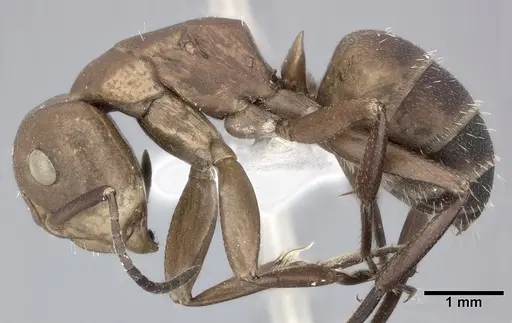
CASENT0280135
View on AntWeb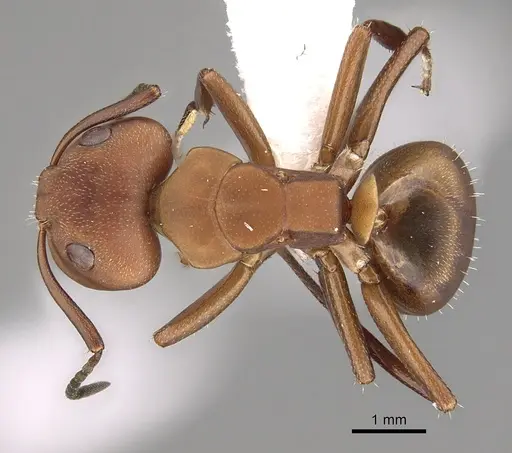
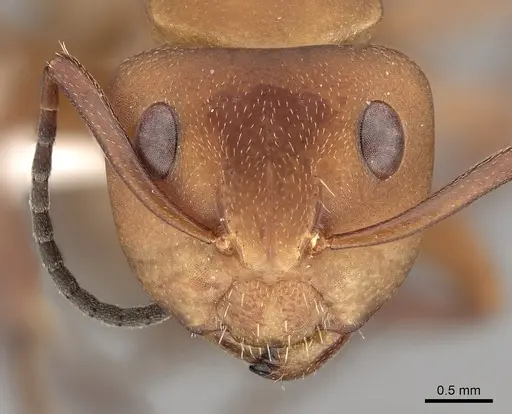
CASENT0280136
View on AntWeb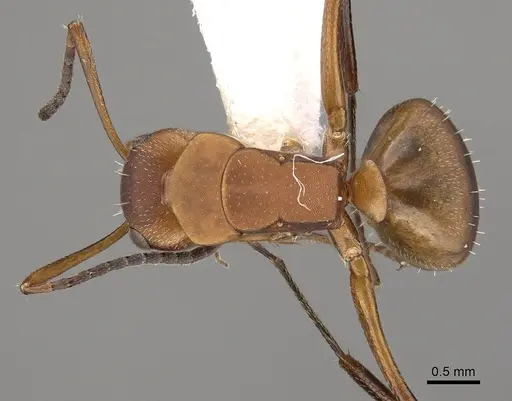
CASENT0280139
View on AntWeb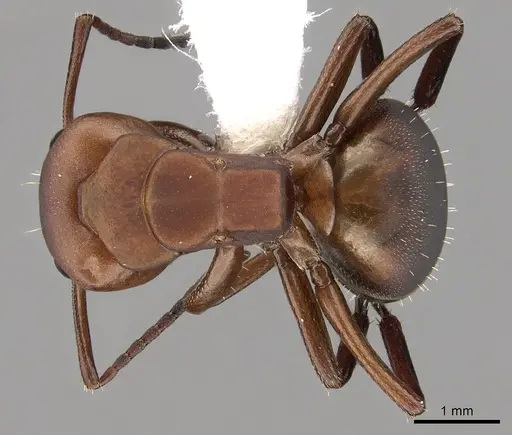
CASENT0280140
View on AntWeb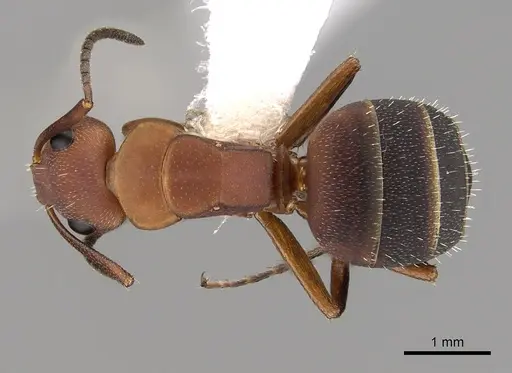
CASENT0280141
View on AntWeb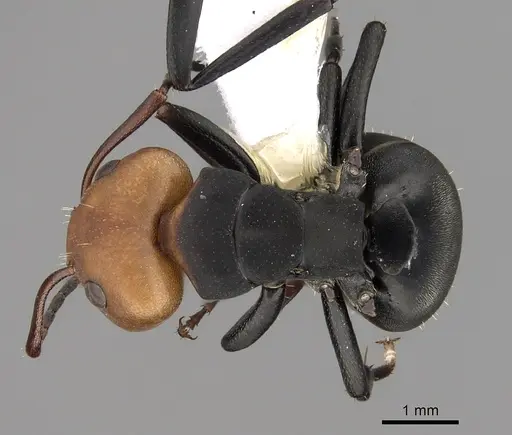
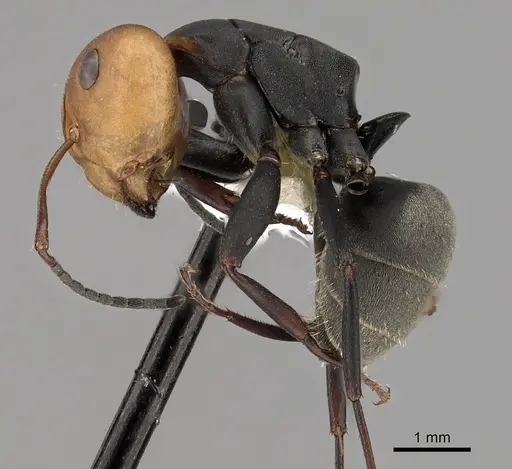
CASENT0280142
View on AntWeb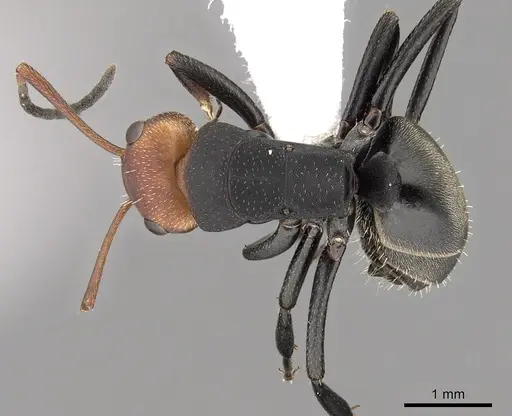
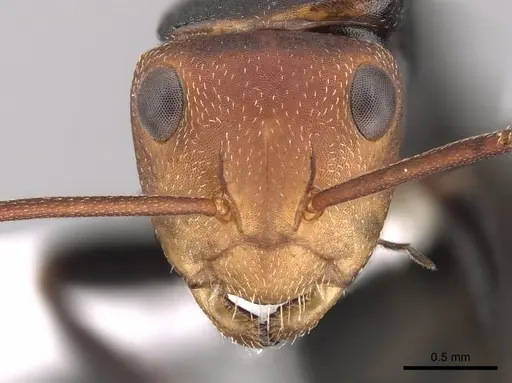
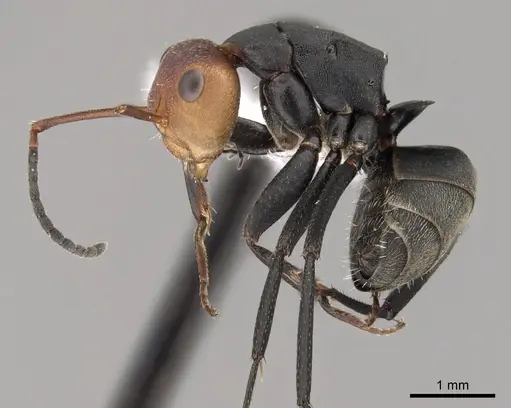
CASENT0882301
View on AntWeb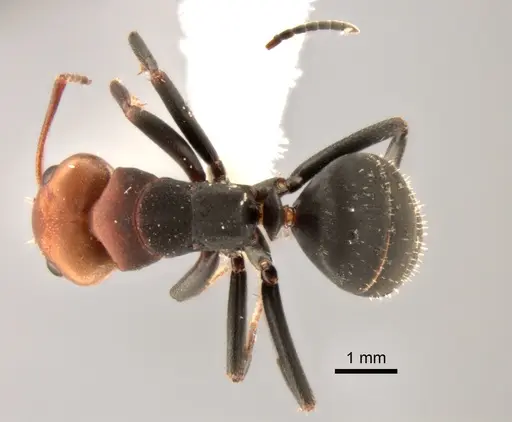
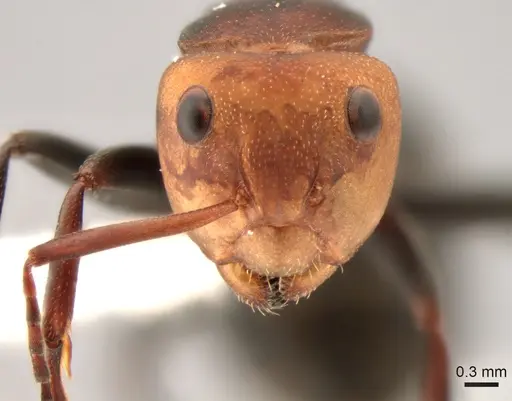
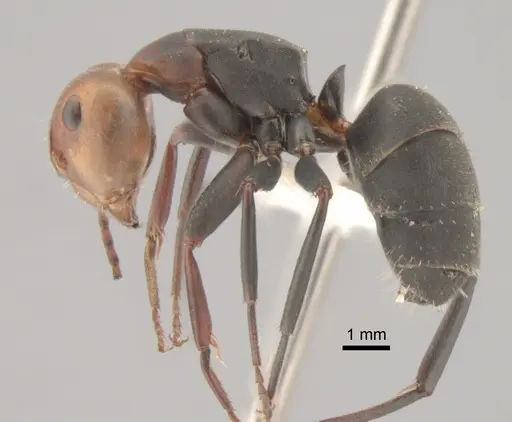
CASENT0882311
View on AntWeb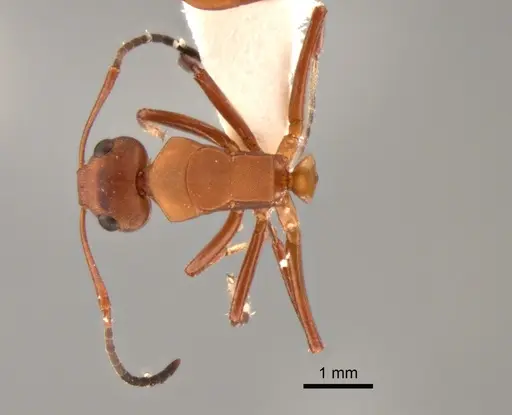
CASENT0903645
View on AntWeb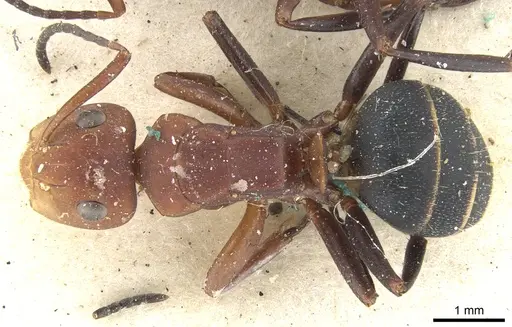
CASENT0905527
View on AntWeb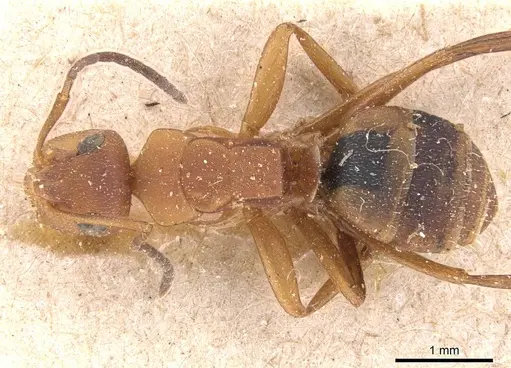
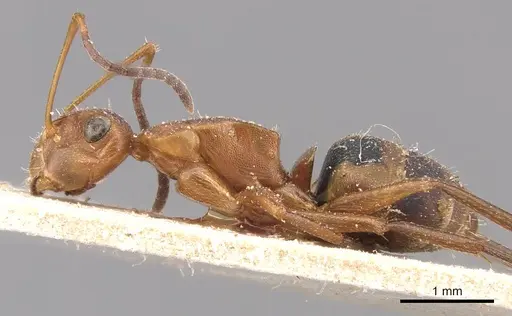
CASENT0910743
View on AntWeb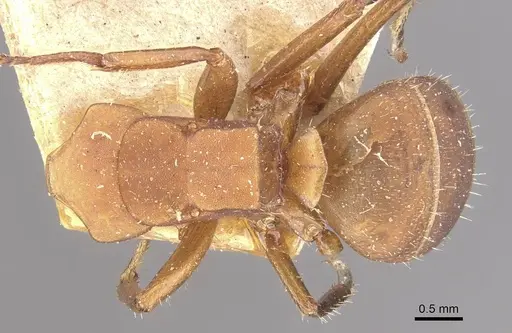
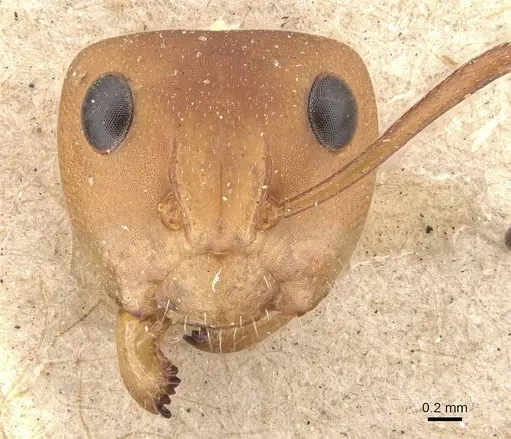
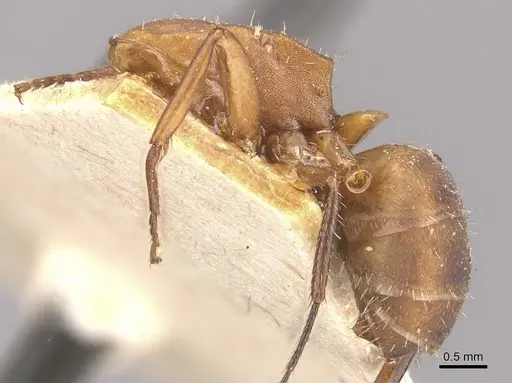
CASENT0910744
View on AntWeb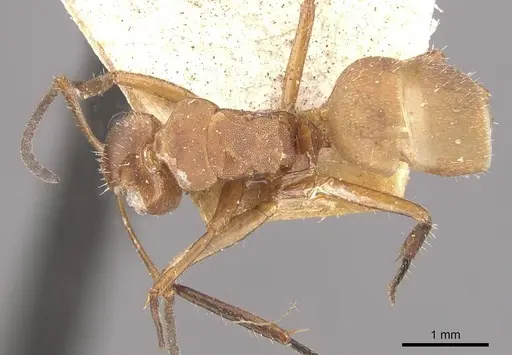
CASENT0910745
View on AntWeb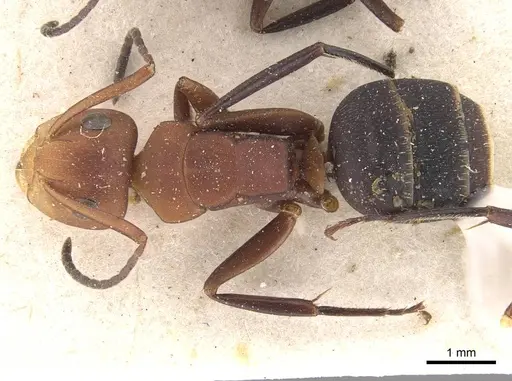
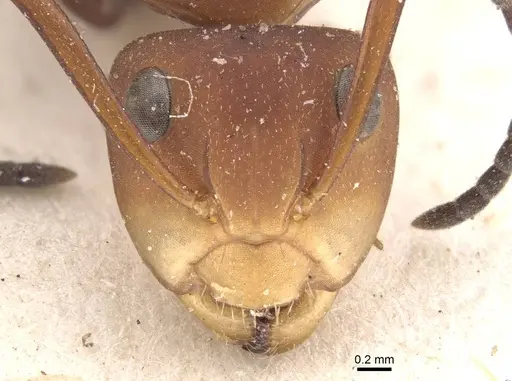
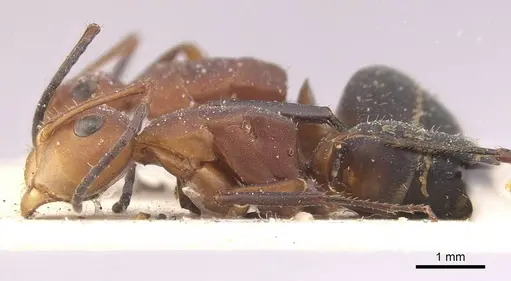
CASENT0923114
View on AntWeb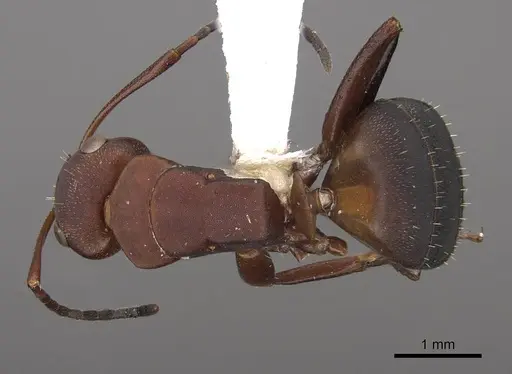
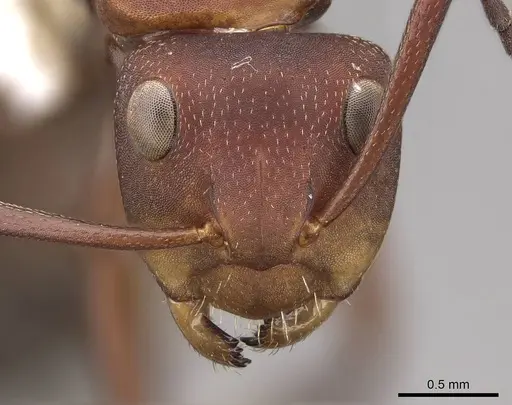
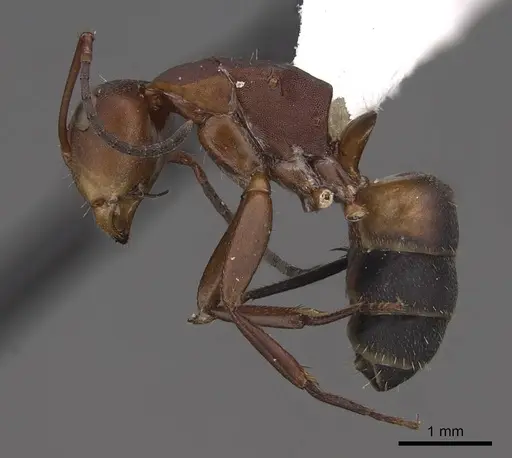
CASTYPE03683
View on AntWeb


ECOFOG-BUG-2385-05
View on AntWeb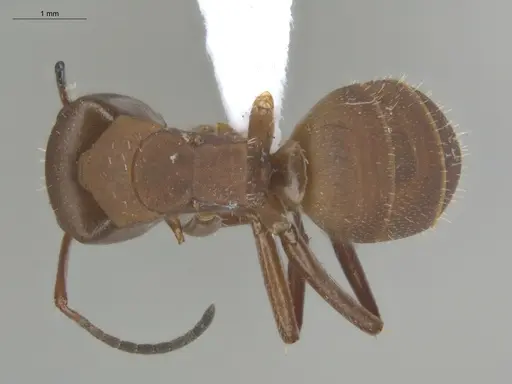
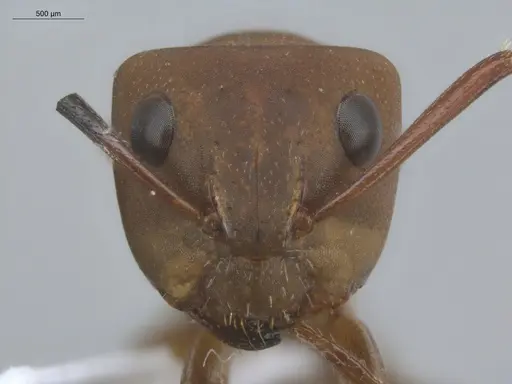
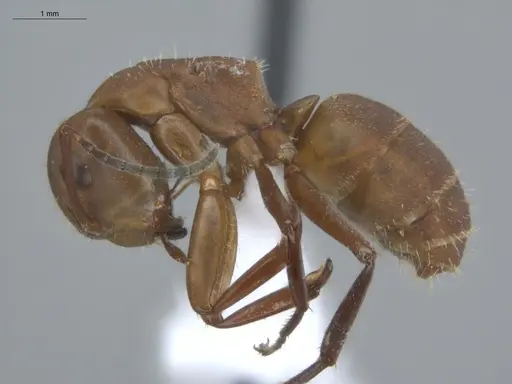
ECOFOG-BUG-2490-08
View on AntWeb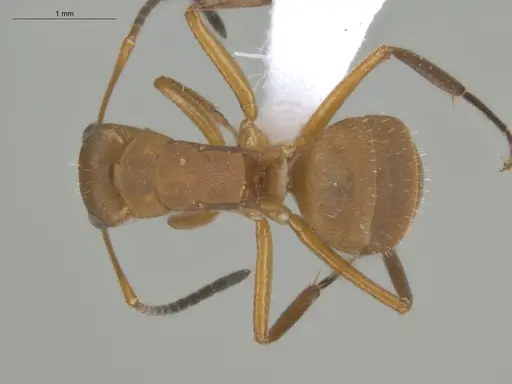
FOCOL0005
View on AntWeb
FOCOL0006
View on AntWeb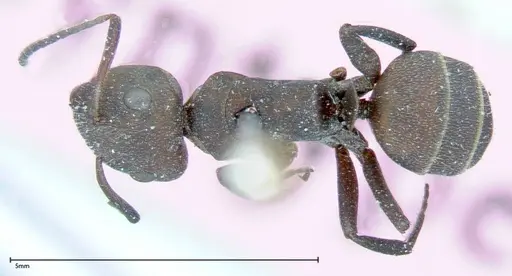
FOCOL0007
View on AntWeb
FOCOL0013
View on AntWeb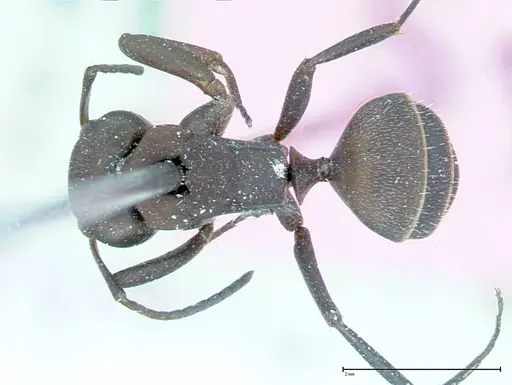
FOCOL0014
View on AntWeb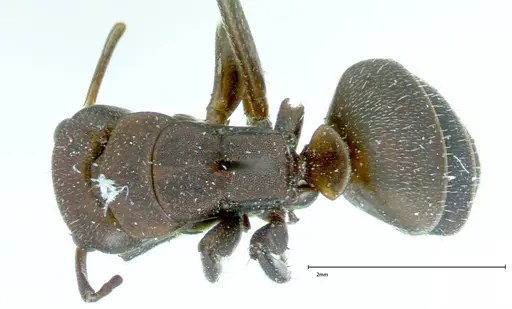
LABSEI
View on AntWeb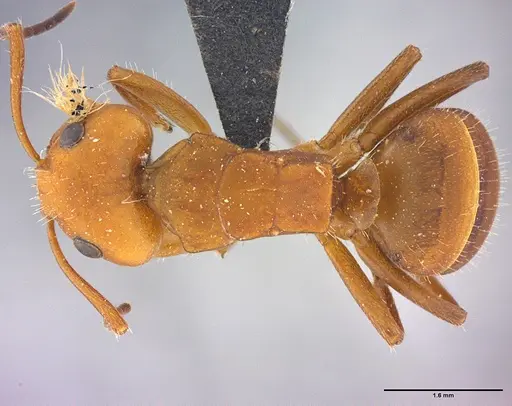
Literature
Loading...Loading products...