

Camponotus rebeccae
- Scientific Name
- Camponotus rebeccae
- Subgenus
- Myrmentoma
- Tribe
- Camponotini
- Subfamily
- Formicinae
- Author
- Forel, 1913
- Distribution
- Found in 4 countries
Camponotus rebeccae Overview
Camponotus rebeccae is an ant species of the genus Camponotus. It is primarily documented in 4 countries , including Cyprus, Greece, Jordan. Detailed taxonomic data and occurrence records can be further explored via authoritative databases such as AntWeb or the Global Biodiversity Information Facility (GBIF).
Camponotus rebeccae
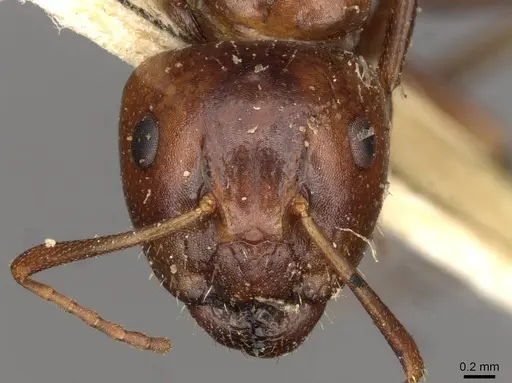
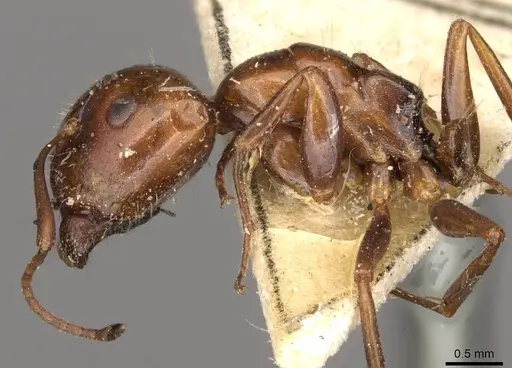
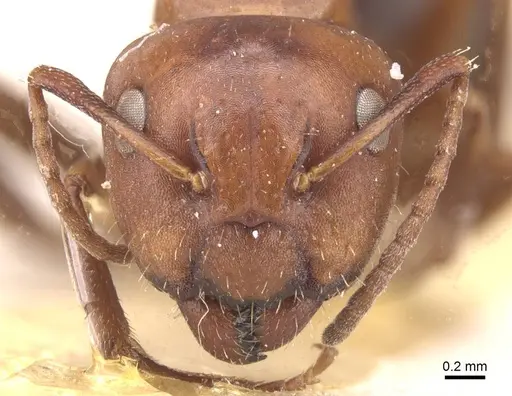
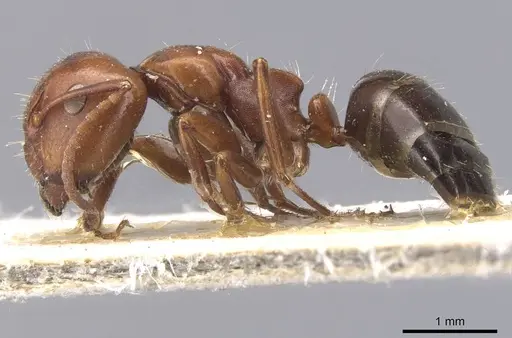
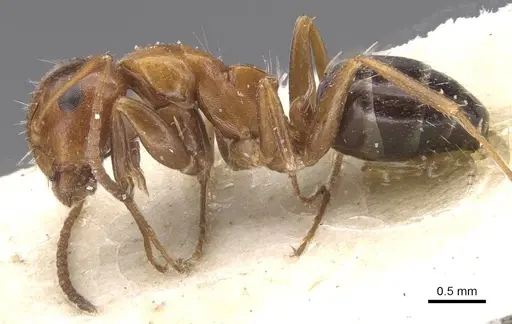
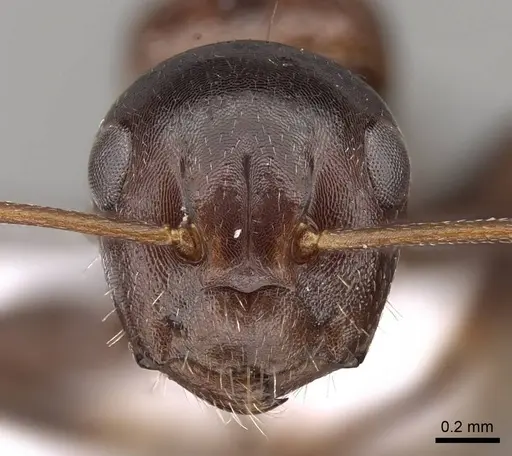
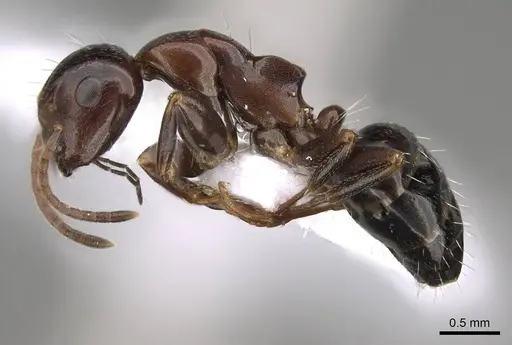
Camponotus rebeccae is a medium-sized polymorphic ant belonging to the Camponotus lateralis species group, native to the Near East and eastern Mediterranean. Workers range from 4.0-7.7mm in length, with distinct minor and major castes. They have a striking bicolored appearance: the head, mesosoma, and petiole are rusty yellow to reddish yellow, while the gaster is dark brown to black [1]. This species belongs to the subgenus Myrmentoma and is part of the gestroi species complex [2]. Unlike many Camponotus, they are relatively small and have a slender build. They are ground-nesting ants found in diverse habitats from urban gardens to forest riverbanks, typically nesting under stones [1].
Quick Summary
- Difficulty: Medium
- Origin & Habitat: Near East endemic found in Cyprus, Greece (Crete, Dodecanese), Israel, Jordan, Lebanon, Syria, and southern Turkey. In Greece they are rare, thermophilous species found in olive plantations, stream valleys, pine forests, and rocky gorges. In Cyprus they inhabit humid shady spots like riverbanks, forest valleys, and botanical gardens [1][3][4].
- Colony Type: Colony structure is unconfirmed, no colony collections have been documented. Based on related species in the lateralis group, likely monogyne (single queen) colonies. Like other Camponotus, they are expected to be claustral founders [1].
- Founding: Claustral
- Size & Growth:
- Queen: Unconfirmed, no documented queen measurements available
- Worker: Minor workers: 4.0-5.6mm, Major workers: 5.6-7.7mm [1]
- Colony: Unconfirmed, likely moderate colonies based on related species patterns
- Growth: Moderate, inferred from typical Camponotus development patterns
- Development: 6-10 weeks, estimated based on typical Camponotus genus development at warm temperatures (Development time is unconfirmed for this specific species. Related Camponotus species typically take 6-10 weeks from egg to first worker at optimal temperatures.)
- Antkeeping:
- Temperature: Keep at 22-26°C, they are a thermophilous (warmth-loving) species from Mediterranean climates. A gentle temperature gradient allows ants to regulate their own conditions [1].
- Humidity: Moderate to high, they are found near water sources and in humid habitats like riverbanks and forest valleys. Keep nest substrate moist but not waterlogged, with some drier areas available.
- Diapause: Yes, as a Mediterranean species, they likely require a winter rest period of 2-3 months at cooler temperatures (10-15°C). This aligns with their distribution in regions with distinct winters.
- Nesting: Ground-nesting species that naturally nest under stones. In captivity, they do well in Y-tong nests, plaster nests, or naturalistic setups with soil and stones. They prefer tight chambers scaled to their medium size. Avoid overly dry conditions.
- Behavior: Workers are active foragers that likely search for honeydew and small prey. Based on related species, they are not particularly aggressive but will defend their nest. They have moderate escape risk, ensure standard barriers are in place but they are not known as escape artists like some tiny species. Workers likely show typical Camponotus foraging patterns, searching for sugar sources and protein [1].
- Common Issues: Limited documented biology means care is based on related species, some trial and error may be needed, As a ground-nesting species, they need proper humidity control to prevent nest drying out, Mediterranean origin means they need a diapause period, skipping hibernation can weaken colonies, Wild-caught colonies may have parasites or diseases that can cause colony failure, Slow founding phase, claustral queens need patience during the first few months
Natural History and Distribution
Camponotus rebeccae is endemic to the Near East and eastern Mediterranean region, with confirmed records from Cyprus, Greece (particularly Crete and the Dodecanese islands), Israel, Jordan, Lebanon, Syria, and southern Turkey [3][5]. This species belongs to the Camponotus lateralis species group and is part of the gestroi species complex, which separates it from the similar C. lateralis by its convex propodeal dorsum and shallow metanotal groove [1].
They inhabit diverse environments across their range. In Greece, they are considered rare, thermophilous species found in olive plantations, deciduous stream valleys, pine forests, rocky gorges, and near artificial lakes [1]. In Cyprus, they have been recorded in more humid and shady habitats including forest riverbanks, the Baths of Aphrodite botanical garden, shadow valleys, and bushes near water sources [1]. In Lebanon, they have been found at elevations ranging from 50m (Nahr Ibrahim) to 1000m (Fnaydeq), often under pine trees [4]. In Iran, they occur in moderate to low rainfall areas on the ground [6]. This flexibility to different habitats within Mediterranean climates is notable.
The species was previously considered a subspecies of C. lateralis but was raised to full species status by Radchenko in 1996. The synonym C. lateralis var. cypridis was later merged with C. rebeccae by Seifert in 2019 [3].
Nest Preferences and Housing
In the wild, C. rebeccae is a ground-nesting species that typically nests under stones, similar to other members of the Camponotus lateralis complex [1]. They have been found in material collected from bushes and herbs surrounding water sources, suggesting they prefer locations with some moisture access [7].
For captive care, several nest types work well. Y-tong (acrylic) nests with appropriately sized chambers are excellent for this species, the medium-sized workers fit well in standard-sized channels. Plaster nests also work well, as they allow you to maintain proper humidity levels. Naturalistic setups with a soil substrate and flat stones or other cover work well for species that naturally nest under stones.
Because they are ground-nesting, humidity management is important. Keep the nest substrate consistently moist but not waterlogged. The substrate should feel damp to the touch. In Y-tong nests, use the water reservoir to maintain humidity, checking regularly that condensation is present. In naturalistic setups, monitor soil moisture and add water when the surface begins drying.
Avoid keeping them in overly dry conditions, this species comes from habitats near water and can struggle in dry environments. However, they also need some drier areas within the nest to regulate their conditions, so provide a humidity gradient if possible.
Feeding and Diet
Like other Camponotus species, C. rebeccae is likely omnivorous with a preference for sugar sources and protein. In the wild, they probably tend aphids for honeydew and forage for small insects and other protein sources. The related C. lateralis is known to associate with honeydew-producing insects.
For captive colonies, offer a balanced diet. Sugar water or honey should be available constantly, Camponotus workers need regular sugar intake for energy. For protein, offer small insects like fruit flies, small crickets, mealworms, or other appropriately sized prey. Feed protein 2-3 times per week, adjusting based on colony size and consumption.
Because they are medium-sized ants, prey items should be appropriately sized. Minor workers can handle small insects, while major workers can tackle larger prey. Remove any uneaten prey after 24-48 hours to prevent mold.
Fresh water should always be available. While they get some moisture from food, a water tube or cotton ball with fresh water ensures they stay hydrated.
Temperature and Seasonal Care
C. rebeccae is a thermophilous (warmth-loving) species from Mediterranean climates, so they prefer warmer conditions. Keep the nest area at 22-26°C, with a gentle gradient allowing workers to move between warmer and cooler areas. This temperature range supports normal activity and brood development.
A heating cable or mat on one side of the nest can create the necessary gradient. Place the heating element on top of the nest (not underneath) to avoid evaporating moisture too quickly. Monitor temperatures with a thermometer placed near the nest.
As a species from regions with distinct seasons, they require a diapause (winter rest) period. During winter, reduce temperatures to 10-15°C for 2-3 months. This mimics their natural seasonal cycle and helps maintain colony health. Reduce feeding during this period and ensure the nest remains slightly moist but not wet.
In summer, normal room temperatures within their range are usually sufficient. If your room regularly exceeds 28°C, ensure they have access to cooler areas within their enclosure. They can tolerate brief temperature spikes but prolonged heat stress can be harmful. [1]
Behavior and Colony Dynamics
C. rebeccae is a polymorphic species, meaning colonies have distinct minor and major worker castes. Minor workers handle most foraging, brood care, and nest maintenance, while major workers (soldiers) defend the nest and help process larger prey. This polymorphism is visible even in small colonies as they develop.
Workers are active foragers that likely search for food both on the ground and in low vegetation. The related C. lateralis is known to form trails and associate with Crematogaster species, though C. rebeccae specifically shows different associations [8]. They are not particularly aggressive but will defend their colony if threatened.
Colony growth follows typical Camponotus patterns: founding is slow as the queen raises her first brood alone. The first workers (nanitics) are often smaller than normal workers. After the first workers emerge, the colony enters a growth phase with each subsequent brood increasing worker numbers. Full colony maturity takes time, expect several months before you see significant numbers.
Foraging activity typically increases with temperature, with workers becoming more active in warm conditions. They are likely diurnal or crepuscular, being most active during cooler parts of the day in their hot native habitats.
Frequently Asked Questions
How long does it take for Camponotus rebeccae to raise first workers?
The exact timeline is unconfirmed, but based on typical Camponotus development, expect 6-10 weeks from egg to first worker at optimal temperatures (22-26°C). The founding phase requires patience, the queen seals herself in and raises her first brood alone without foraging.
What do Camponotus rebeccae ants eat?
They are omnivorous. Offer sugar water or honey constantly for energy, and protein sources like small insects (fruit flies, small crickets, mealworms) 2-3 times per week. Remove uneaten prey after 24-48 hours.
What temperature do Camponotus rebeccae need?
Keep them at 22-26°C. They are a thermophilous Mediterranean species that prefers warm conditions. A temperature gradient allows them to regulate their own conditions.
Do Camponotus rebeccae need hibernation?
Yes, as a Mediterranean species they require a winter rest period. Reduce temperatures to 10-15°C for 2-3 months during winter. This helps maintain colony health and follows their natural seasonal cycle.
What size do Camponotus rebeccae colonies reach?
Colony size is unconfirmed for this species, but based on related species in the lateralis group, they likely reach a few hundred workers. Growth is moderate, expect several months before seeing significant colony development.
Can I keep Camponotus rebeccae in a test tube?
Test tubes work for founding colonies. Use a standard test tube setup with a water reservoir sealed with cotton. Once the colony grows beyond 20-30 workers, consider moving them to a proper nest (Y-tong or plaster) with more space.
Is Camponotus rebeccae good for beginners?
This species is rated as Medium difficulty. While not the hardest ant to keep, limited documented biology means some trial and error may be needed. They require proper temperature, humidity, and a winter rest period. Beginners should be prepared for the slow founding phase.
What type of nest is best for Camponotus rebeccae?
Y-tong (acrylic) nests or plaster nests work well. They are ground-nesting ants that naturally nest under stones, so they appreciate a moist nest environment. Ensure chambers are appropriately sized for their medium worker size.
Where is Camponotus rebeccae found in the wild?
They are endemic to the Near East and eastern Mediterranean: Cyprus, Greece (Crete, Dodecanese), Israel, Jordan, Lebanon, Syria, and southern Turkey. They inhabit diverse habitats from urban gardens to forest riverbanks.
References

This caresheet is licensed under CC BY-SA 4.0 .
CASENT0910432
View on AntWeb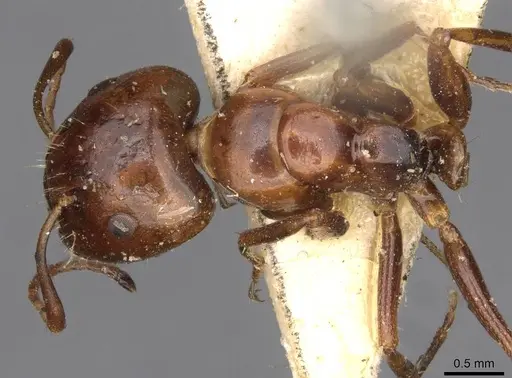
CASENT0911696
View on AntWeb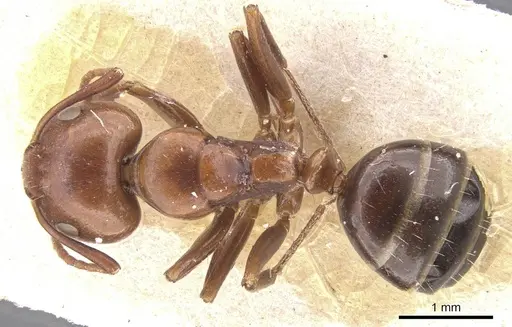
CASENT0911697
View on AntWeb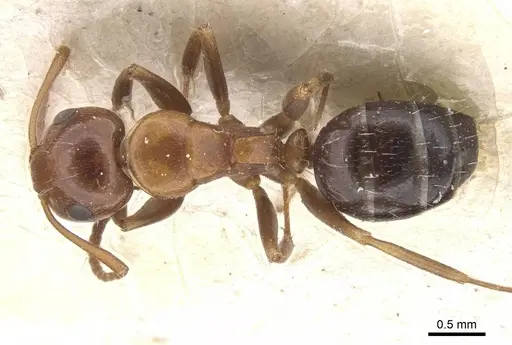
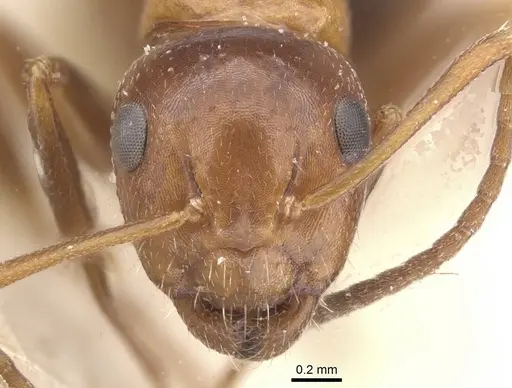
CASENT0914423
View on AntWeb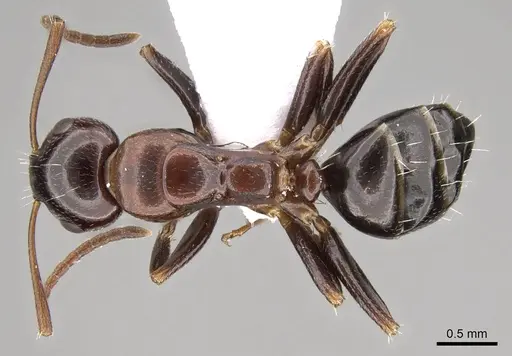
Literature
Loading...Loading products...